



Long-Haired
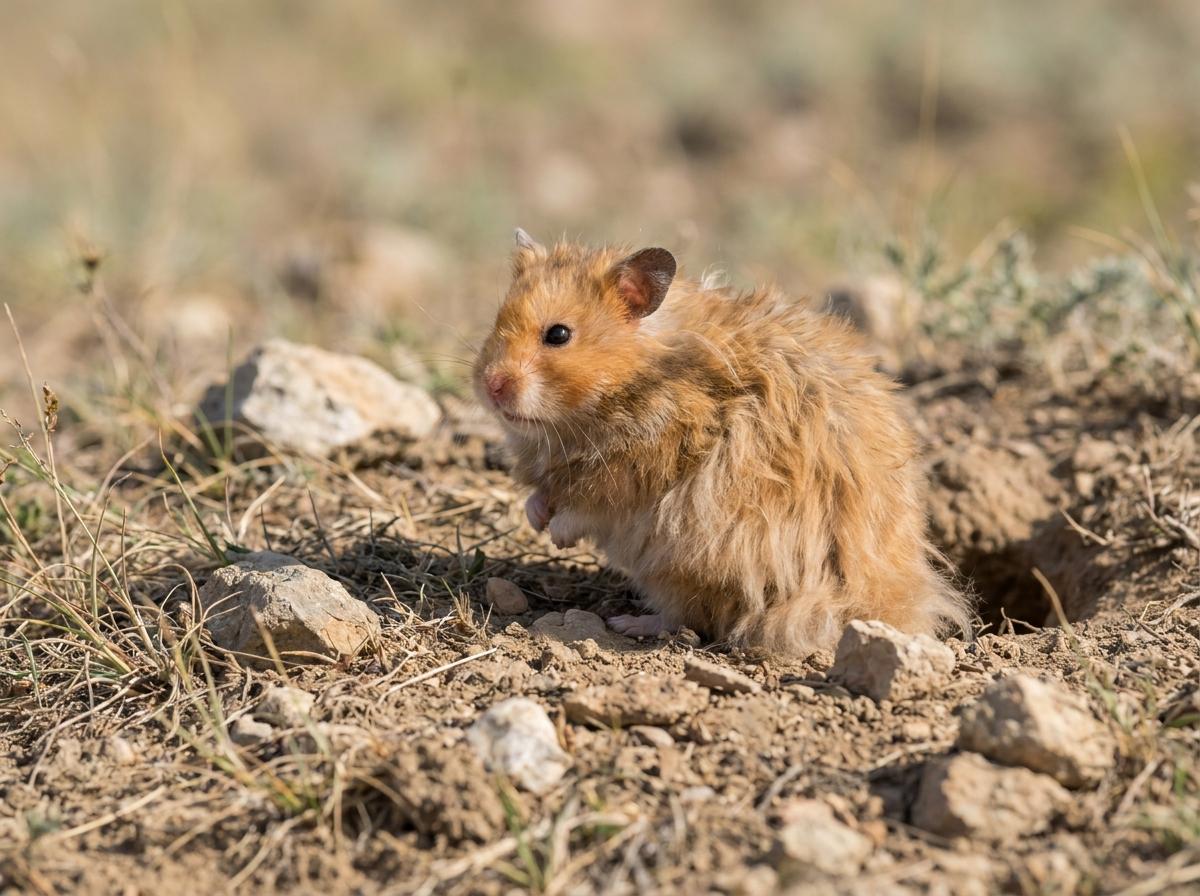
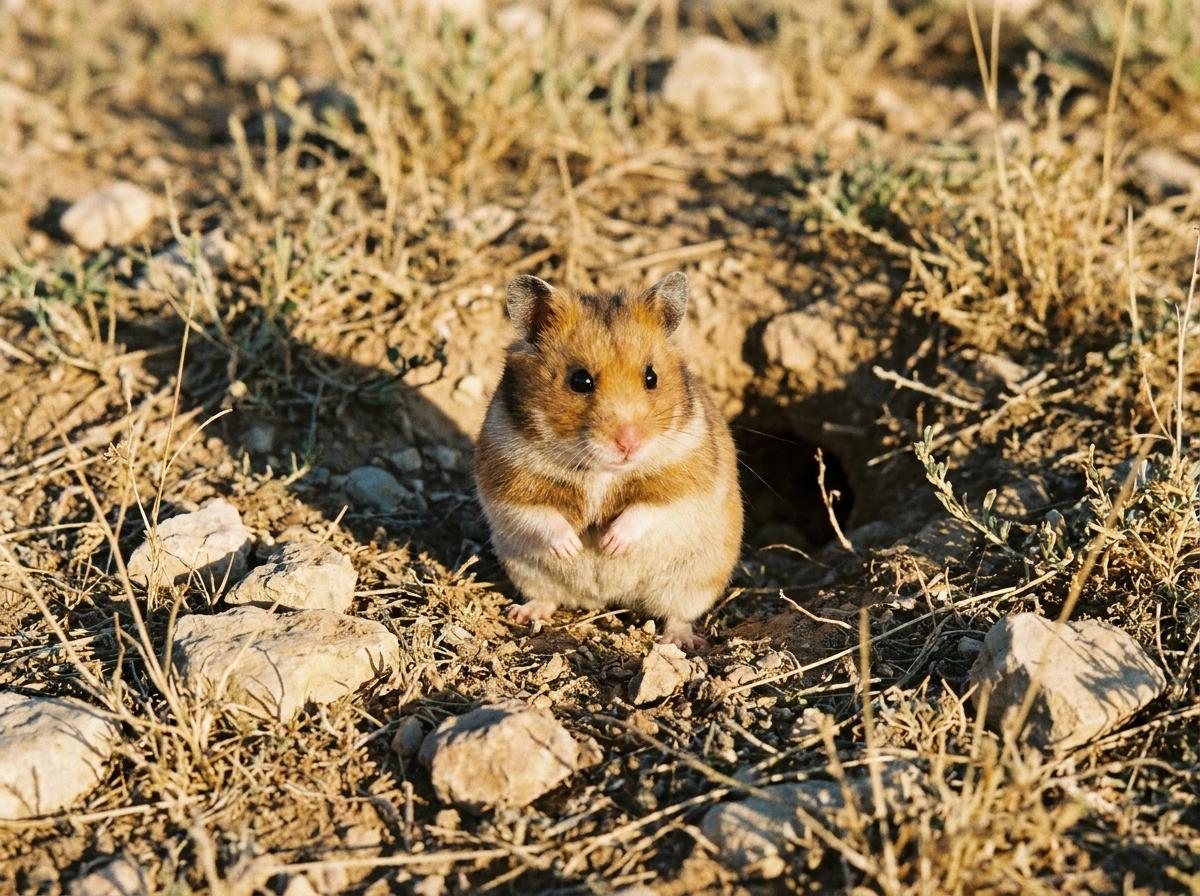
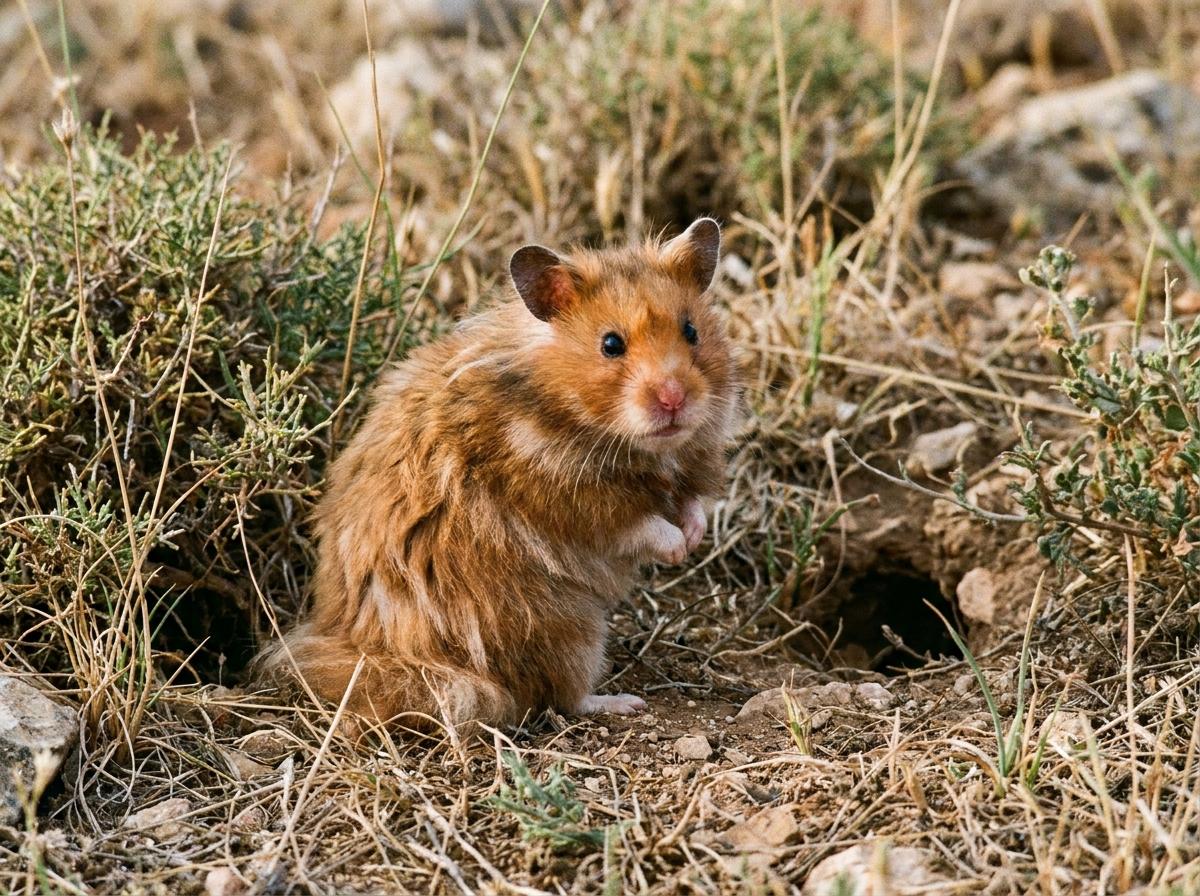
A long-haired Syrian hamster is an ordinary Syrian hamster, Mesocricetus auratus, carrying two copies of a single recessive gene that makes its coat grow long. It is not a separate species, it is not a breed, and it is not a different animal from the golden hamster in the next tank at the shop. In North America it is usually sold as a teddy bear hamster, which is a shop name for the look rather than a type of animal.
The part almost nobody is told at the till is that the long coat is not shared evenly between the sexes. Males grow it. Females barely do. The Merck Veterinary Manual states that the length of hair in the longhaired Syrian hamster is influenced by testosterone, and that from the age of sexual maturity longhaired males have substantially longer hair than females or castrated males, which display fluffy, shorter hair. If you are buying a fluffy baby and picturing a trailing skirt, the sex of the animal is the single best predictor of whether you will get one.
This page covers what the long coat is genetically, why the sexes diverge so sharply, what the pet shop names actually mean, and the grooming and bedding decisions a long coat genuinely changes. The rest is standard Syrian care, and that is where the real welfare decisions sit. If you are shopping now rather than reading, you can see what long-haired Syrians are listed and come back to the care section afterwards.

| What it is | Syrian hamster (Mesocricetus auratus) in the long-haired coat variety. Not a species, not a breed |
|---|---|
| Also sold as | Teddy bear hamster, angora hamster, long-haired fancy hamster. All pet trade names for the same animal |
| Inheritance | One autosomal recessive gene, symbol l, two copies needed. First reported in 1973 |
| Coat by sex | Males grow the long trailing skirt from sexual maturity. Females stay fluffy but short, and this is normal |
| Measured length | Up to about 70 mm over the rump and flanks in an inbred long-haired laboratory strain |
| Adult size | Head and body 170 to 180 mm, tail about 12 mm, 110 to 140 g, females larger than males |
| Lifespan | Typically 2 to 3 years, the same as any Syrian |
| Coat care | Weekly brushing when the coat picks up bedding or mats, plus a sand bath. Never a water bath |
Browse listings, public profiles, breeders, or add your animal.
Which hamsters actually come long-haired?
One, in practice. If a pet hamster has a genuinely long coat, it is a Syrian.
The National Hamster Council, which governs the hobby in the UK and publishes the exhibition standards British shows judge to, recognises four Syrian coat types: normal, long hair, satin and rex. Its dwarf standards recognise only one coat variation, satin. The Campbell’s, winter white and Chinese standards each ask for short fur, and the Roborovski standard asks for fur that is soft, smooth and very dense. Not one of the four describes a long coat. There is no long-haired Campbell’s dwarf, no long-haired winter white, no long-haired Roborovski and no long-haired Chinese hamster in any published standard I could find.
Two related questions come up constantly, and neither is about a Syrian on the face of it:
- A long-haired Siberian or winter white hamster. Not a recognised variety. A very fluffy dwarf is a dwarf with a thick winter coat, which is a seasonal change rather than a coat type. If a seller offers you a long-haired dwarf, ask what species it actually is.
- A long-tailed hamster. That is the Chinese hamster, which the National Hamster Council describes as long and slender with a short prehensile tail, about 10 to 12 cm long and 45 to 50 g. It is a different species with a longer tail, not a long-coated anything. A Syrian’s tail is roughly 12 mm and disappears into the fur.
So a long-haired hamster, a hairy hamster and a teddy bear hamster are all the same animal, and the rest of this page is about it.
Males grow the coat, females do not, and it is not a fault
This is the single most useful thing to know before you buy, and it is the thing pet shop copy most reliably leaves out.
Three independent sources say the same thing. The Merck Veterinary Manual attributes the difference to testosterone and dates its onset to sexual maturity. Fukuta and colleagues, establishing an inbred long-haired golden hamster strain (Jikken Dobutsu, 1993), confirmed the trait is carried by an autosomal recessive gene and reported that the hair length of males was more striking than that of females, measuring the longest hair at the rump and flanks at roughly 70 mm and at the neck at 45 to 50 mm. And the National Hamster Council writes the difference straight into the show standard: the coat “shall be as long and dense as possible, but allowance must be made for sex, i.e. males must have longer fur than females, and the females shall not be penalised for having shorter fur.”
Read that last clause again, because it is the practical takeaway. A judge is instructed not to mark a female down for a short coat. Your fluffy female is not a failed long-haired hamster or a mis-sold one. She is what a long-haired female looks like.

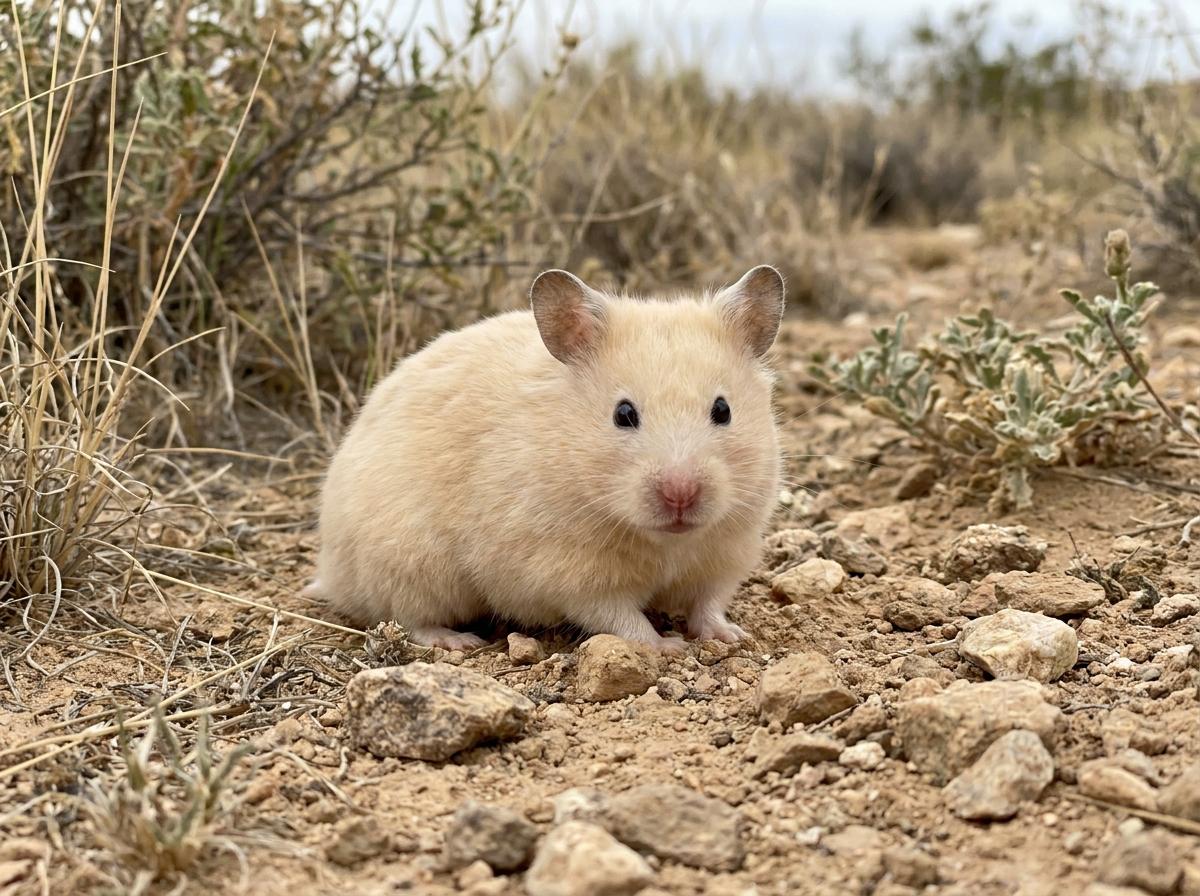
The other consequence is timing. The coat arrives with maturity, not at birth. A four-week-old male in a shop tank looks fluffy and not much more, and the skirt develops over the following months, so a baby that looks unremarkable can become a genuinely long-coated adult and a fluffy one tells you very little. If a long coat is what you want, ask the sex, and ask to see the parents if the seller has them. Note also that Merck groups castrated males with the short-coated animals: this coat is hormone-dependent rather than fixed.
Teddy bear, angora, fancy: what the shop names mean
None of these is a breed, and none of them appears in a published standard. They are retail vocabulary.
- Teddy bear hamster is the long-haired Syrian, mainly in the United States and Canada. That is all it means.
- Angora hamster is the same animal again, borrowing a word from rabbits and goats. No hamster registry uses it.
- Fancy hamster just means a hamster kept for the hobby rather than a laboratory, and in a shop it usually means nothing at all.
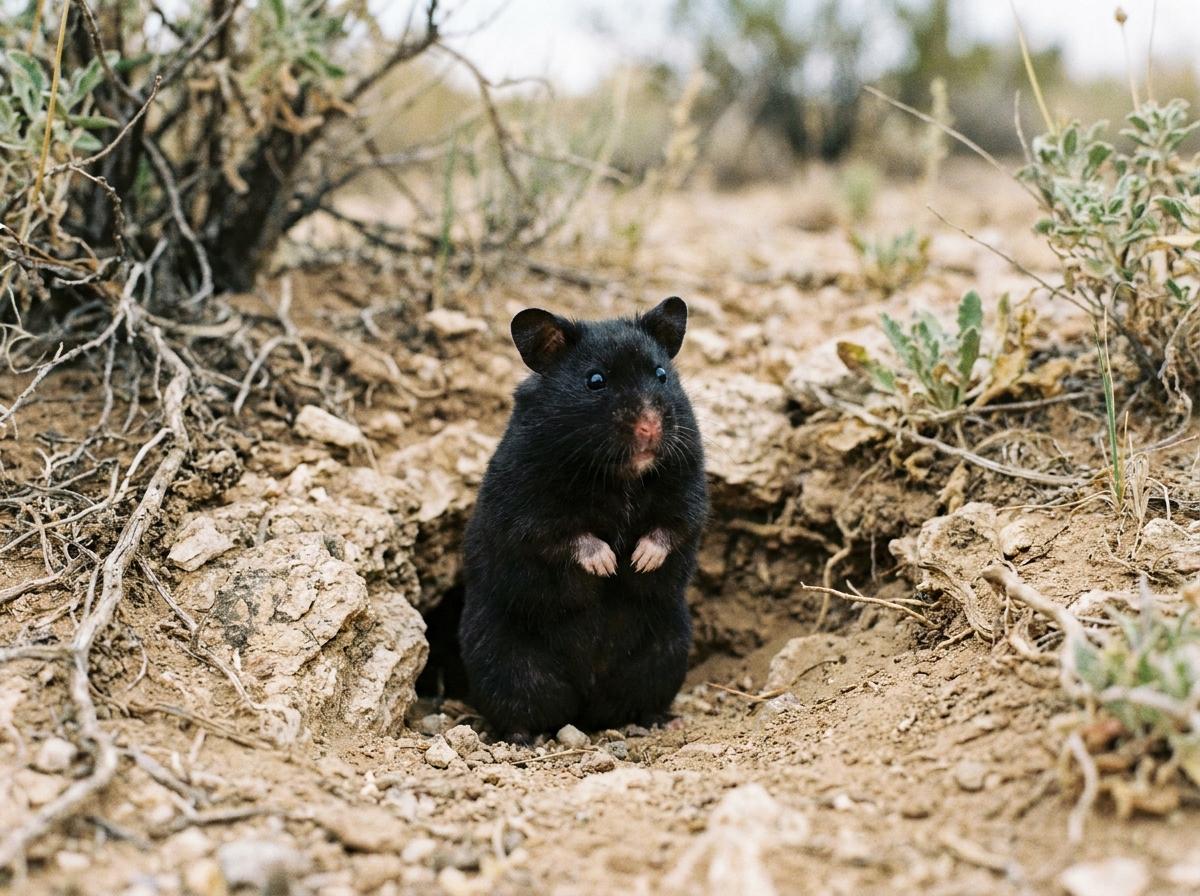
- Black bear, honey bear, panda are colour and pattern names for Syrians, not coat types. A black teddy bear hamster is a long-haired black Syrian.
The one word in that list that describes a real, standardised thing is “long-haired”, and the National Hamster Council calls it long hair. Its standard asks for fur that is “soft, very dense, and evenly long over the entire top surface of the body, excluding the face, where it shall be shorter”, with particular attention to the density of the belly fur.
That standard also carries a side effect pet writing almost never mentions. The Council instructs judges to allow for “the dilution effect of the long-haired gene”, noting it is particularly noticeable on the ticking of agouti varieties. In plain terms, the same colour reads paler and softer on a long coat than on a short one, because you are seeing more hair shaft and less of the banded pattern near the skin. So expect a long-haired golden to look lighter than a short-haired one. The colour genes themselves are unchanged, and the black Syrian page covers how those work.
The long coat can also be stacked with the other coat genes. The standard notes that long hair “may be combined with satin and/or rex”, so a long-haired satin is a real and recognised thing rather than a seller’s invention.
What a long coat actually needs from you
A short-coated Syrian handles its own grooming completely. A long-coated one, especially a full-skirted male, needs a small amount of help, and the RSPCA sets the expectation about right: hamsters do not typically require grooming beyond their own self-grooming and occasional access to a sand bath, but some long-haired varieties may require weekly brushing to remove matts, bedding and debris from their fur.
Weekly, not daily. This is a small job.

Use a small, soft tool. A soft toothbrush or a fine comb is the right scale for a 120 gram animal. Work from the shoulders toward the tail, in the direction the fur lies, and go lightly around the face and the rear.
Check the rear end specifically. The skirt is where bedding, hoarded food and droppings collect, and it is the part of the coat the hamster can least easily reach. Tease debris out rather than pulling. A clump that will not comb out can be trimmed off with round-tipped scissors, which is easier and kinder than working at a mat.
Do it in the evening. Syrians sleep through most of the day, and a hamster hauled out of its nest at two in the afternoon has every reason to be cross about it.
Sand, never water. Hamsters clean themselves in dry sand. Give a shallow dish of plain coarse sand for a few hours at a time and let the animal roll in it. Do not bath a hamster in water. No welfare body I could find publishes a formal prohibition, largely because none of them treats water bathing as something anyone would attempt. It appears nowhere in published guidance, and sand is what those guides recommend instead.
One honest limit. A persistently matted, greasy or soiled coat, bald patches, scurf, or skin that looks sore under the fur is a veterinary problem rather than a grooming problem. In an older hamster, a rear end that stays wet or dirty often means the animal has stopped being able to groom itself, which is worth a vet visit on its own.
Bedding, and the one setup choice the coat really changes
Everything else in the enclosure is the same for a long coat as for a short one. Bedding is the exception, because a long skirt drags through whatever is on the floor.
The RSPCA’s suitable substrates are dust-free wood shavings or granulated corn cob, free of preservatives and other chemicals, and it makes one observation that is directly relevant here: peat is suitable but discolours the coat. That is the only coat-specific bedding note I could find from a welfare body, and it is worth taking seriously if you have a cream or golden animal you would like to stay cream or golden.
Beyond that, there is no published evidence ranking bedding materials by how much they tangle in long fur, and I am not going to pretend otherwise. What keepers report, and what is easy to see for yourself, is that finely shredded paper catches in a skirt more readily than plain wood shavings do. If you are picking bits out of a long-haired male every week, swapping the paper component for shavings is a cheap experiment.
One material is a stated hazard rather than a preference, and it matters more for a long coat than a short one because there is more fur for it to wind into. The RSPCA warns against nesting materials that can separate into thin strands, such as cotton wool or similar fluffy bedding products, because they pose a serious risk: limbs become tangled, circulation is lost, and the outcome can be amputation or euthanasia. That product is still on pet shop shelves. Do not buy it. Give plain unscented toilet paper or plain hay for nesting instead.
The rest is Syrian care, and it is where the real decisions are
Nothing below is affected by coat length. It is also the part that most often goes wrong, so it is worth being blunt about.
One hamster, one enclosure. Always.
The RSPCA is unambiguous: Syrian and Chinese hamsters are not naturally sociable and should always live on their own. The PDSA puts the consequence plainly, saying that Syrians live alone in the wild and encounter others only for mating or territorial defence, and that if they meet they will fight, leading to injury or possibly even death. Merck adds that both males and females can be aggressive toward their own species.
There is no loneliness exception, no “but they are siblings” exception and no “but the cage is big” exception. Littermates can share briefly as babies and then must be split, and the deadline that matters is sexual maturity: Merck puts weaning at about 20 days and reproduction at 7 to 8 weeks. That same figure explains a nasty surprise that catches new owners out. Shops that keep mixed-sex litters together can send a pregnant female home as a single hamster, with gestation at 16 to 19 days and litters averaging nine.
Floor space, depth and the wheel

The PDSA gives a minimum cage size of 100 x 50 cm, attributed to the Veterinary Association for Animal Welfare in Germany, and says explicitly that this is a minimum and bigger is better. There is research behind going past it. Fischer, Gebhardt-Henrich and Steiger compared four cage sizes with golden hamsters (Animal Welfare, 2007): 1,800, 2,500, 5,000 and 10,000 square centimetres. Stereotypic wire gnawing turned up at every size, but hamsters in the small cages gnawed significantly longer and more often, and the authors concluded that welfare seemed enhanced in cages of at least 10,000 square centimetres of ground floor area. That is 100 x 100 cm, double the PDSA minimum. Treat 100 x 50 as the floor, aim past it, and prioritise unbroken floor area over height, tubes and extra levels.
For bedding depth, the PDSA asks for at least 25 cm, about 10 inches, so the hamster can burrow, sleep and store food. Merck’s professional guidance goes considerably further and states that cages with at least 40 to 80 cm of bedding enhance the welfare of Syrian hamsters. Depth is the strongest single argument for a big enclosure: a small cage physically cannot hold that much substrate whatever the box claims.
For the wheel, the PDSA specifies at least 30 cm (12 inches) for a Syrian, with a solid running surface rather than slats or bars. The reasoning is that an undersized wheel forces the hamster to run with its back curved, which can cause long-term pain, and a wheel with gaps is something a leg can drop through. The PDSA’s separate figure for dwarf species is 20 cm, so the 27 and 28 cm numbers that circulate on retail sites are not that either. They trace back to nothing at all. Buy to 30 cm.
The PDSA also asks for a steady 18 to 21 degrees C, away from draughts and direct sunlight.
Food and water
Merck recommends a complete, balanced, pelleted diet made for hamsters, and says generic seed mixes should be avoided because hamsters selectively pick out the seeds and ignore the pellets. Add small amounts of fresh vegetables and hay, scatter part of the ration through the bedding so foraging has somewhere to go, and keep fresh water available. Check hoarded caches when you clean.
Size, lifespan and health
Merck gives the Syrian a head-and-body length of 170 to 180 mm with a 12 mm tail, a weight of 110 to 140 g, and notes that females are larger than males. Lifespan is 2 to 3 years, and coat length changes neither figure. A long coat does make an animal look considerably bigger than that without changing the frame underneath, so on a long-haired hamster you weigh rather than look. These animals mature in weeks and are middle-aged inside a year, so husbandry from day one carries more weight than it does with a longer-lived pet.
A few things to recognise early:
Wet tail. Merck describes proliferative ileitis as the most consequential intestinal disease of 3 to 10 week old Syrian hamsters, with high mortality rates, and names the cause as the intracellular bacterium Lawsonia intracellularis. It moves fast. A wet, soiled rear, diarrhoea, hunching, lethargy or a hamster that has stopped eating is a same-day veterinary call. Recently bought young hamsters are the highest-risk group, which is exactly the group most new owners have just brought home. On a long coat this is easier to miss and easier to mistake for ordinary skirt mess, so if the rear is wet rather than just dirty, treat it as urgent.
Teeth and pouches. Incisors grow for life, so provide safe things to gnaw. A stuffed cheek pouch is normal and enjoyable to watch, but Merck lists impacted pouches among the things to check on an oral exam, so one that stays full when the animal has not been hoarding needs a look.
Lumps and coat changes. Hamsters hide illness and their lives are short, so a change in weight, appetite, activity or coat condition is worth acting on early rather than watching. Any medical decision belongs with a veterinarian who has examined the animal, and not every small animal practice sees hamsters routinely, so find one before you need one.
Buying one: the questions that actually matter
There is no reliable published price for a long-haired Syrian, and the figures that circulate vary too much by country and seller to be worth quoting. Hamsters are among the cheapest pets to acquire and a long coat rarely commands much of a premium on its own, so the useful thing is not a price for the animal but the shape of the spend. The money is in the setup. An enclosure meeting the floor space, bedding depth and wheel size above costs several times what a starter cage does, and buying the small cage first and upgrading later is both the commonest route and the most expensive one. Price your setup before you commit to the animal.
When you are looking at a specific hamster, four questions do most of the work:
- What sex is it? It predicts the coat. It also decides whether you are buying the skirt you came for.
- How old is it? Merck puts weaning at about 20 days, so a hamster much under a month has only just stopped nursing, and the wet tail risk window runs from 3 to 10 weeks.
- Is it housed alone? A seller who keeps adult Syrians together is telling you something about the rest of their husbandry.
- Can I see the parents? Not always possible, but for a long coat it is the best available guide to what the adult will look like.
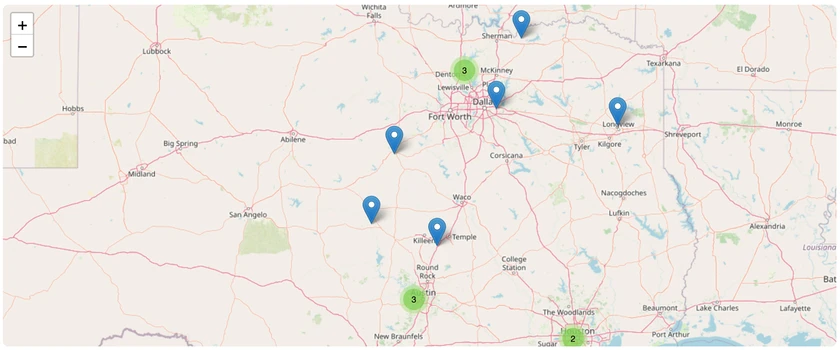
Rescues are worth checking first. Hamsters are given up often, adults get overlooked, and an adult comes with a known temperament and a fully grown coat you can actually assess. If nothing is available locally, long-haired Syrian listings on the marketplace and the breeder and rescue directory will show you what is around. Small pet inventory is thin in most regions, so an alert is usually more useful than checking every week.
If a solitary, nocturnal animal with a two to three year life is not right for your household, that is a reasonable conclusion rather than a failure. Coat varieties work the same way in other species: the rex rat is one coat gene on an ordinary, sociable rat. The Belgian hare is the contrast worth seeing, a genuine breed with its own body type and weight range rather than a single gene on a standard animal.
Frequently asked questions
Is a teddy bear hamster the same as a long-haired Syrian hamster?
Yes. Teddy bear is a pet trade nickname, used mostly in the United States and Canada, for the long-coated Syrian. Not a breed, not a species, not a hybrid.
Why does my long-haired hamster not look long-haired?
Almost certainly because she is female. The National Hamster Council standard instructs judges to allow for sex and not to penalise females for shorter fur. The other possibility is age: in males the skirt develops with maturity, so a young hamster may not have grown it yet.
Are there long-haired dwarf hamsters?
No recognised variety. The National Hamster Council’s dwarf standards list satin as the only coat variation, and not one of the four dwarf species standards describes a long coat. A very fluffy dwarf is a dwarf in winter coat.
How often should I brush a long-haired hamster?
The RSPCA says some long-haired varieties may need weekly brushing to clear matts, bedding and debris. Start there and adjust to the individual animal. A full-skirted male usually needs it and a fluffy female often does not.
Can I bathe a long-haired hamster in water?
No. Offer a shallow dish of plain sand for a few hours at a time and let the hamster clean itself. If something is genuinely stuck in the coat, spot clean it or trim it out, or ask a vet.
Can two long-haired Syrian hamsters live together?
No. The RSPCA says Syrians should always live alone, and the PDSA warns that when they meet they will fight, leading to injury or possibly even death. House one per enclosure regardless of sex, relatedness or enclosure size.
Do long-haired Syrians live shorter lives or have more health problems?
No. Merck gives 2 to 3 years for the Syrian and coat length does not alter it. The only real difference is that a long coat hides body condition and hides a soiled rear, so check underneath it rather than trusting the outline.
Is the long coat inherited?
Yes, as a single autosomal recessive gene, so both parents must carry it. It was first reported by Schimke, Nixon and Connelly in the Journal of Heredity in 1973, and Robinson showed in 1975 that the gene, symbol l, sits on the same chromosome as the white band gene, about 20 map units away.
Do this next on Creatures
Whether you are deciding on one, waiting for a male’s coat to come in, or keeping records on a hamster you already have, Creatures is the records, marketplace and directory layer for it.
Start its profile. Create a free animal profile and record the sex, the coat, and how the skirt develops over the first few months. No account needed to start. The walkthrough is in adding an animal to Creatures, and your animal’s profile page explains what each tab does.
Log weights and vet visits. A long coat hides condition, so add a record for weigh-ins, grooming notes and anything the vet says. The record sheet opens for any visitor to look around, and a free account is what saves it. See adding a record and health and medical records.
Keep the routine. Weekly coat checks and cage deep cleans are easy to let slip on a two-year animal, so set reminders and upcoming care.
Get told when one is listed. Long-haired Syrians are not always in stock, so set a free listing alert instead of checking every week. No account needed to start. See saving searches and using your watchlist.
See what is available now. Browse long-haired Syrian hamsters on the marketplace, search trusted breeders and rescues in the Creatures directory, and compare coats and colours on the Syrian hamster species page.
Breeding long coats or running a rescue? Add your operation to Creatures so keepers looking for this variety can find you, and read getting listed in the breeder directory. No account needed to start.