


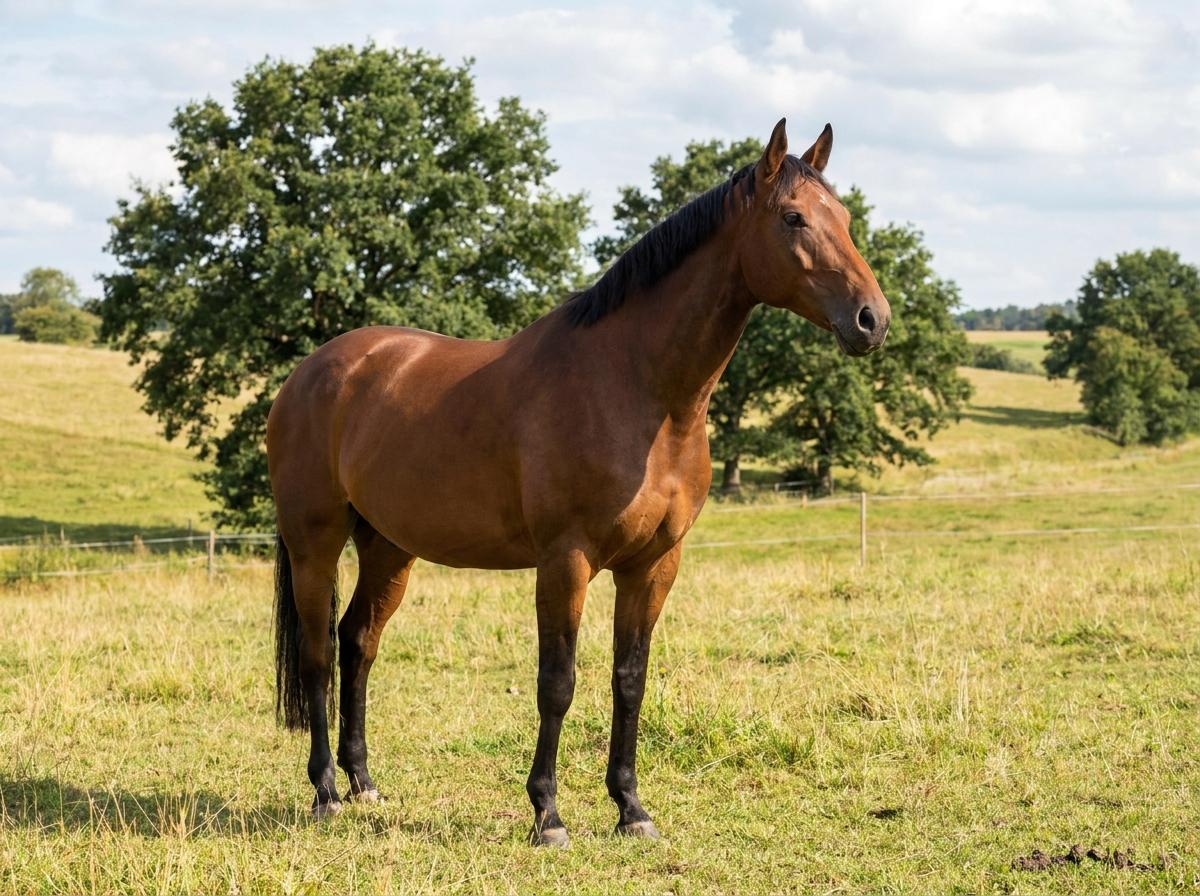
Zweibrücker
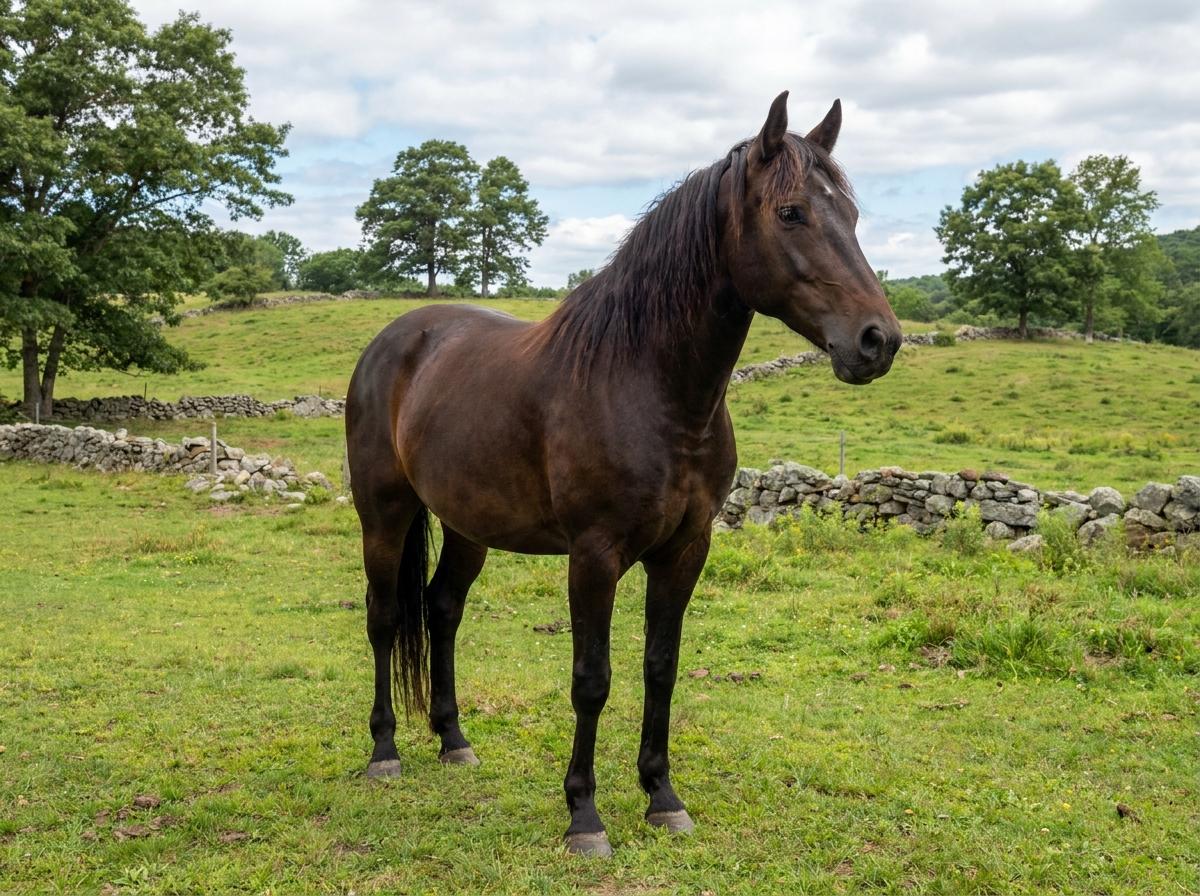
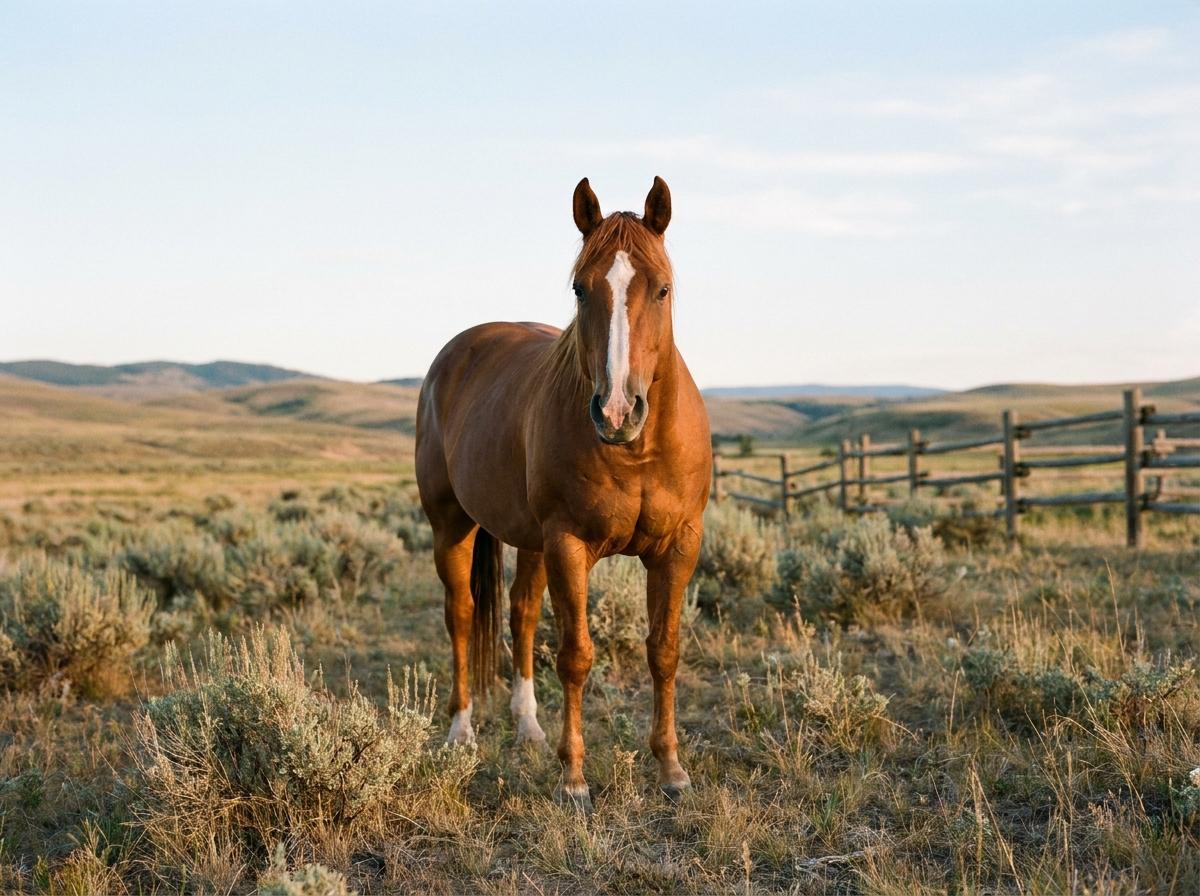
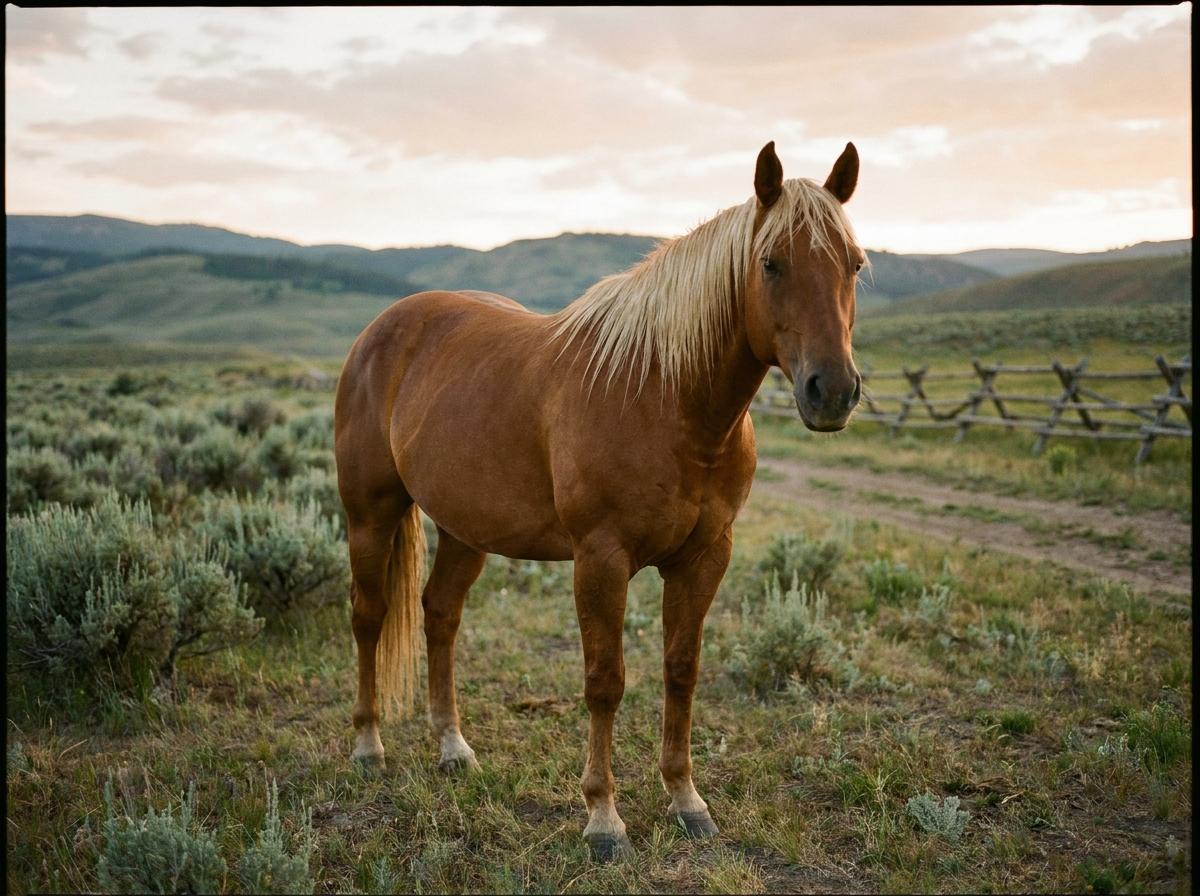
The Zweibrücker is a German warmblood horse associated with the historic state stud at Zweibrücken in what is now Rhineland-Palatinate. Modern Zweibrückers are riding and sport horses rather than a closed old farm breed, shaped by Thoroughbred, Trakehner, Hanoverian, Holsteiner, and other approved warmblood lines. They are usually medium to large horses with a refined but substantial frame, an elastic trot, useful canter, and enough scope for dressage, show jumping, eventing, and pleasure sport. Bay, chestnut, black, and brown are common, while registry interest is centered more on conformation, movement, temperament, and pedigree than coat color.
People shopping for a Zweibrücker should evaluate the individual horse's training, soundness, and suitability for the intended discipline, because the name covers a performance-bred population rather than one narrowly fixed type. Youngstock are often assessed through warmblood inspections, foal shows, mare performance tests, or stallion approvals, depending on the registry and country. Management is much like other athletic horses: consistent turnout, forage-based feeding adjusted for work, careful hoof care, dental care, and progressive conditioning. The historic name may appear alongside broader German Sport Horse registrations in some pedigrees, so buyers and breeders benefit from reading the papers rather than relying on the label alone.