


White
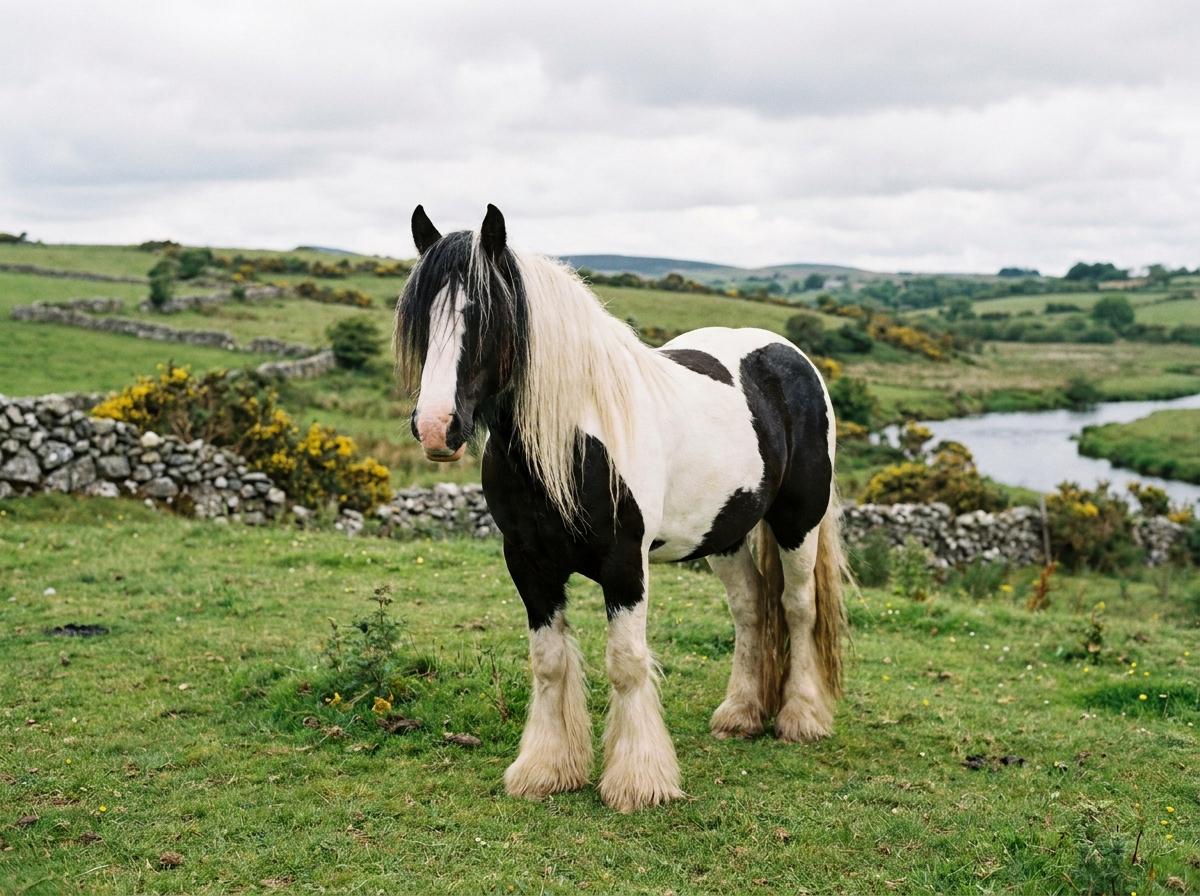
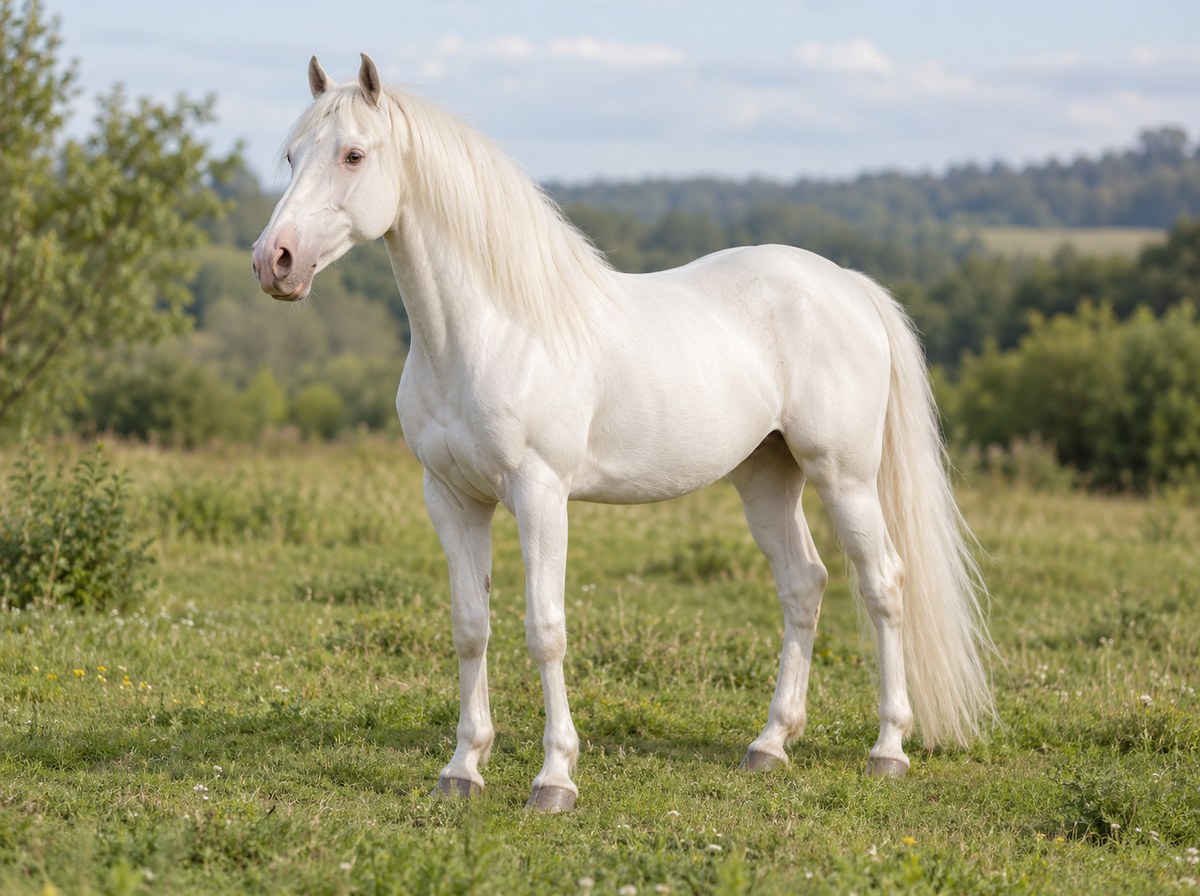
White in horses is usually a coat description, not a separate breed. A horse that looks white may be a grey that was born darker and lightened with age, a cream-colored horse such as a cremello, or a horse with a dominant white or extensive spotting pattern. True white horses generally have unpigmented pink skin under white hair, while many grey horses have dark skin beneath the coat. The word albino is often used casually, but complete albinism is not considered a normal horse color category.
Care decisions should be based on the actual genetics and skin pigment, not the label. Pink skin around the eyes, muzzle, or body is more prone to sunburn and may need shade, fly masks, or veterinarian-approved sunscreen. Greys have their own concern, including a higher rate of melanomas as they age. Breeding for white or near-white foals should involve genetic testing when frame overo or other spotting patterns are present, since lethal white foal syndrome is tied to specific genetics rather than ordinary pale color.