


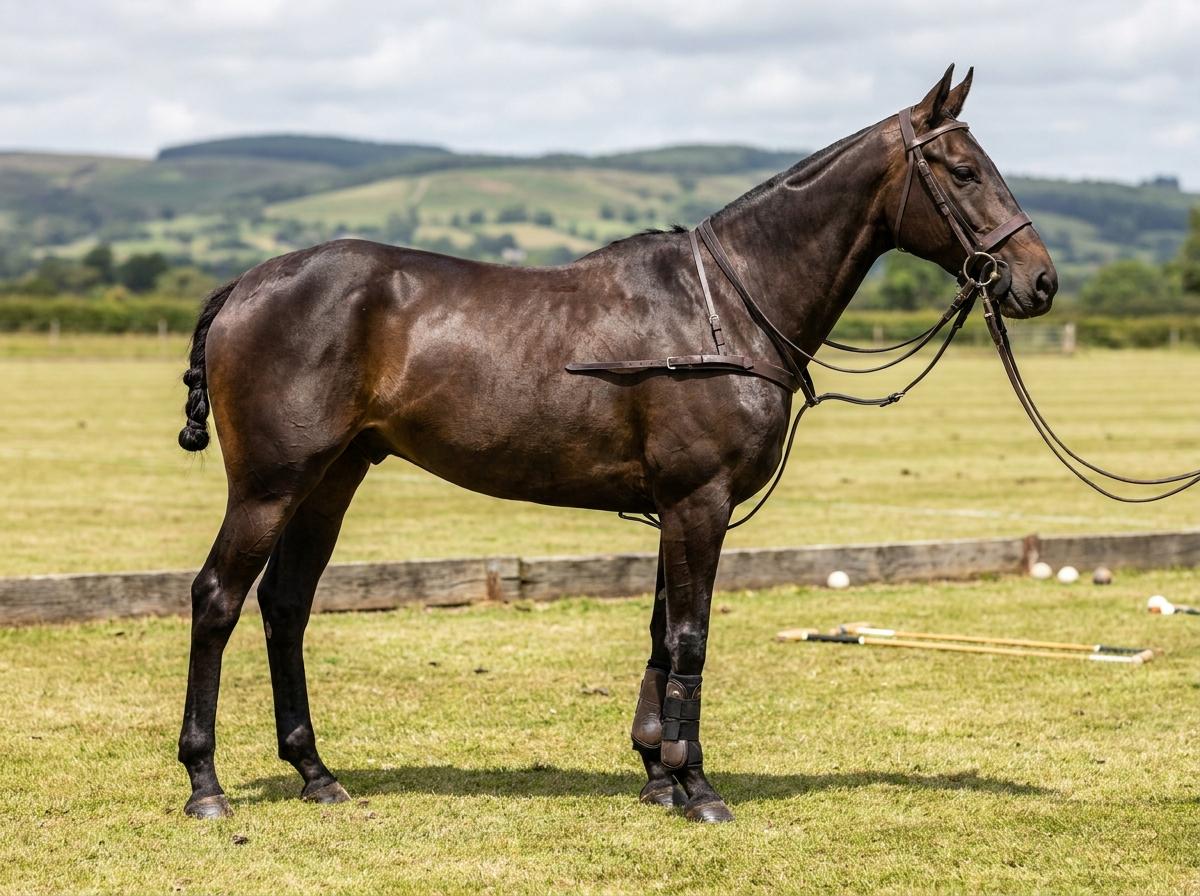
Polo Pony
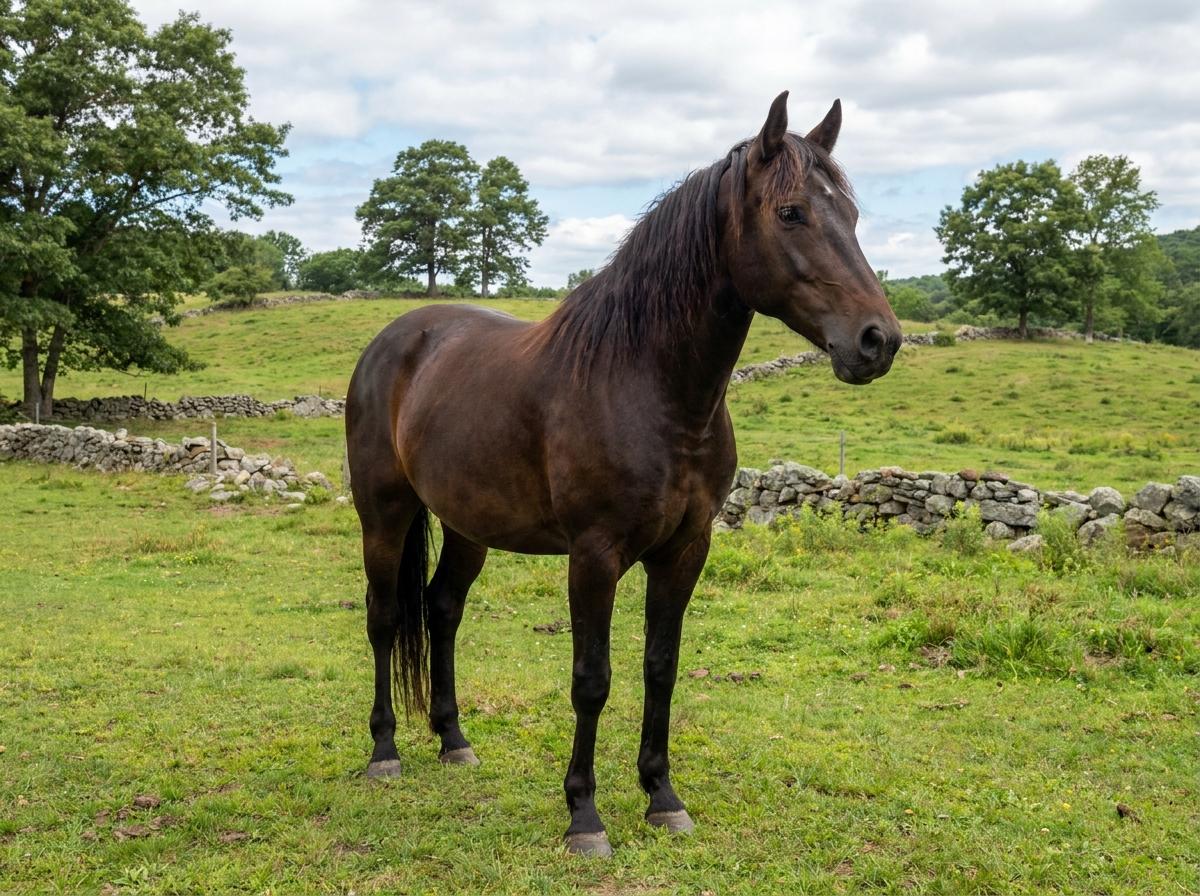
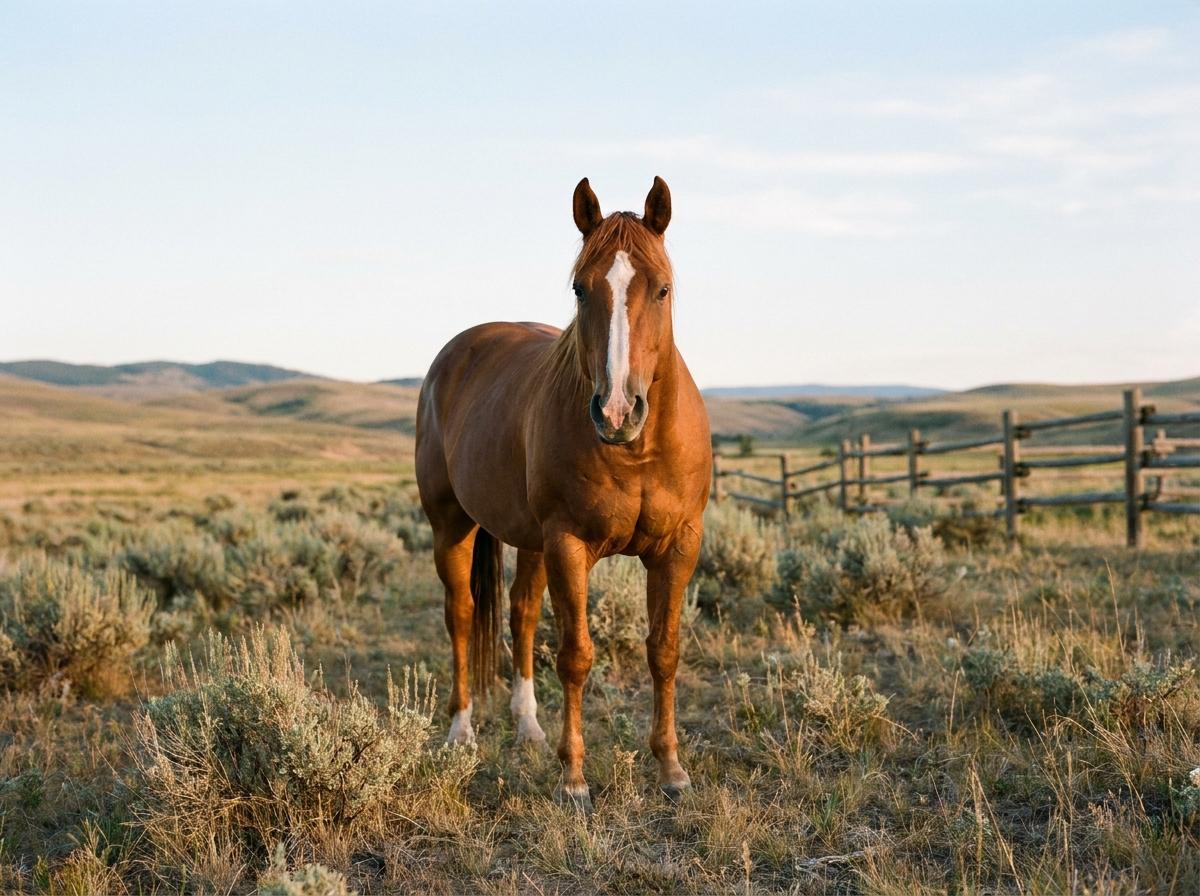
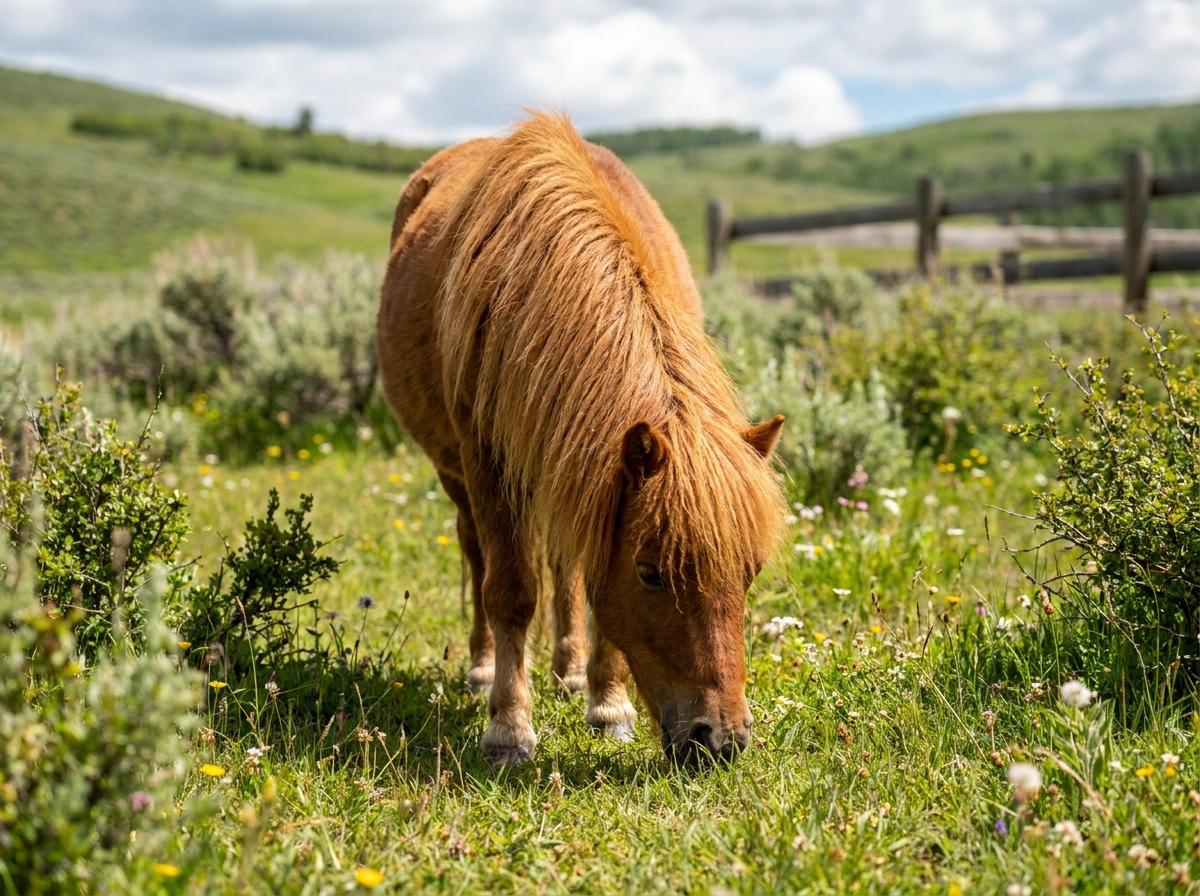
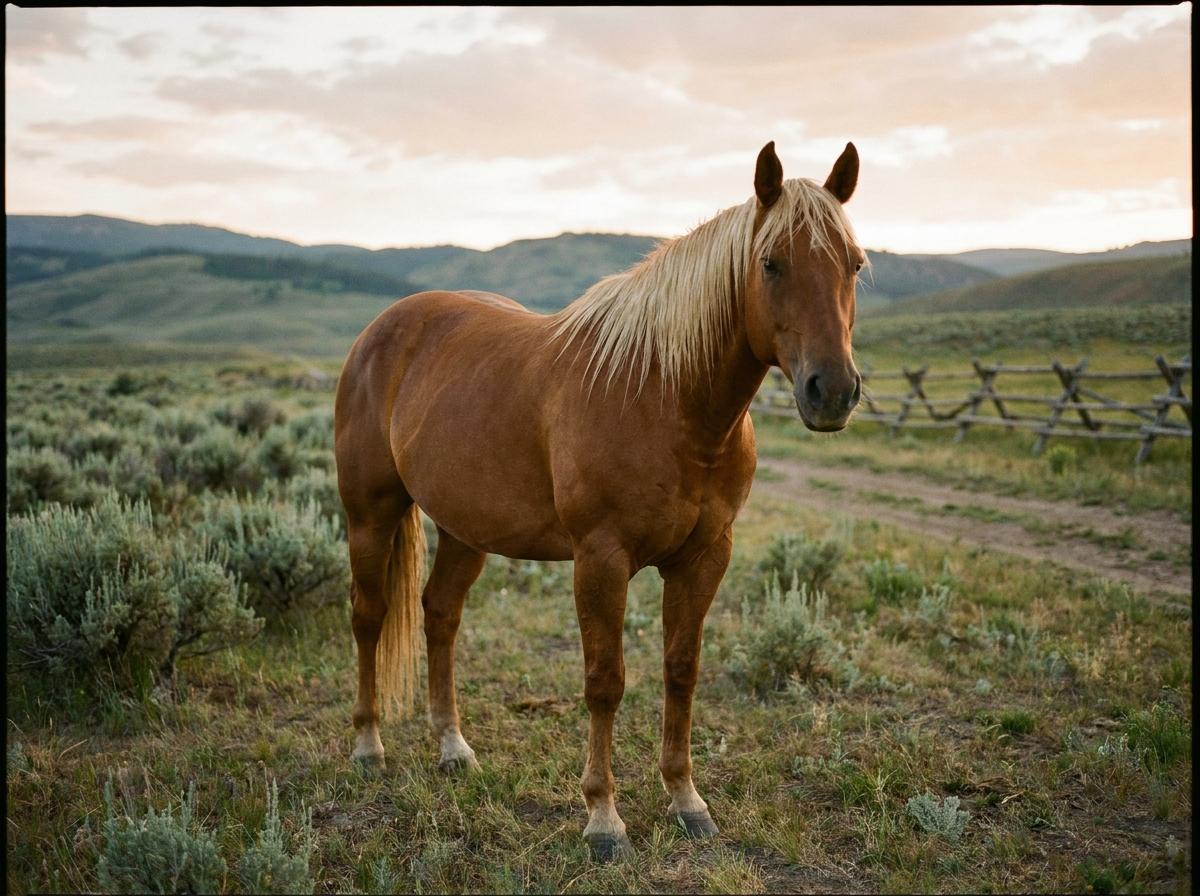
A polo pony is a horse used for polo, not a true pony breed. The name comes from tradition; many stand in the horse range, often around 14.2 to 16 hands, though agility and balance matter more than height. Good polo ponies are quick, brave, and highly responsive, able to accelerate, stop, turn, and hold a line in close company while the rider swings a mallet. Thoroughbred, Argentine, Criollo, Quarter Horse, and mixed sport-horse bloodlines all appear in polo strings.
Care centers on managing an equine athlete that works in short, intense bursts. Conditioning, shoeing, leg care, cooling out, transport routines, and rest between chukkas have a direct effect on soundness. Many ponies are clipped, bandaged, and monitored closely during the season, then turned out or let down afterward. Temperament is as important as speed: a useful mount must tolerate contact, noise, other horses, and abrupt changes of direction. Retired polo ponies can become trail or pleasure horses, but some remain too sharp for inexperienced riders without careful retraining.