

North Swedish Horse
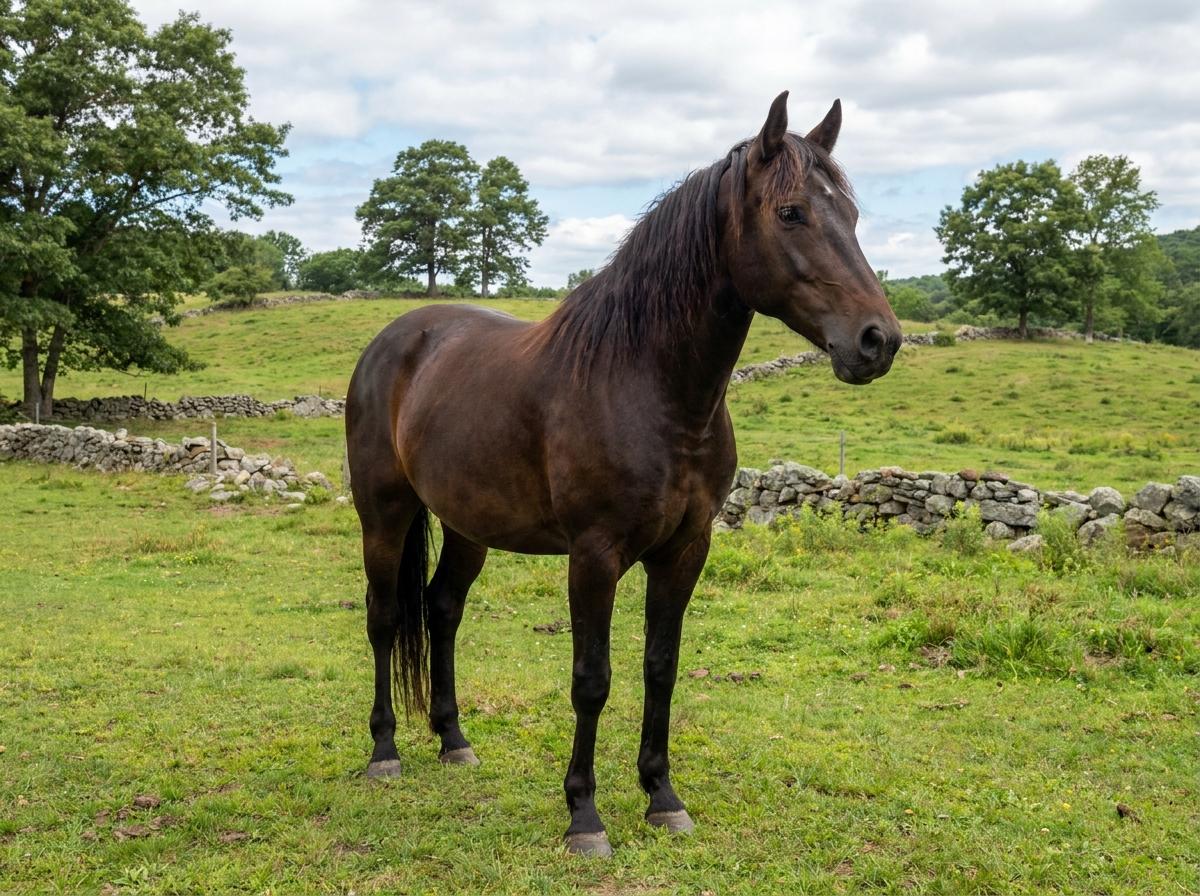
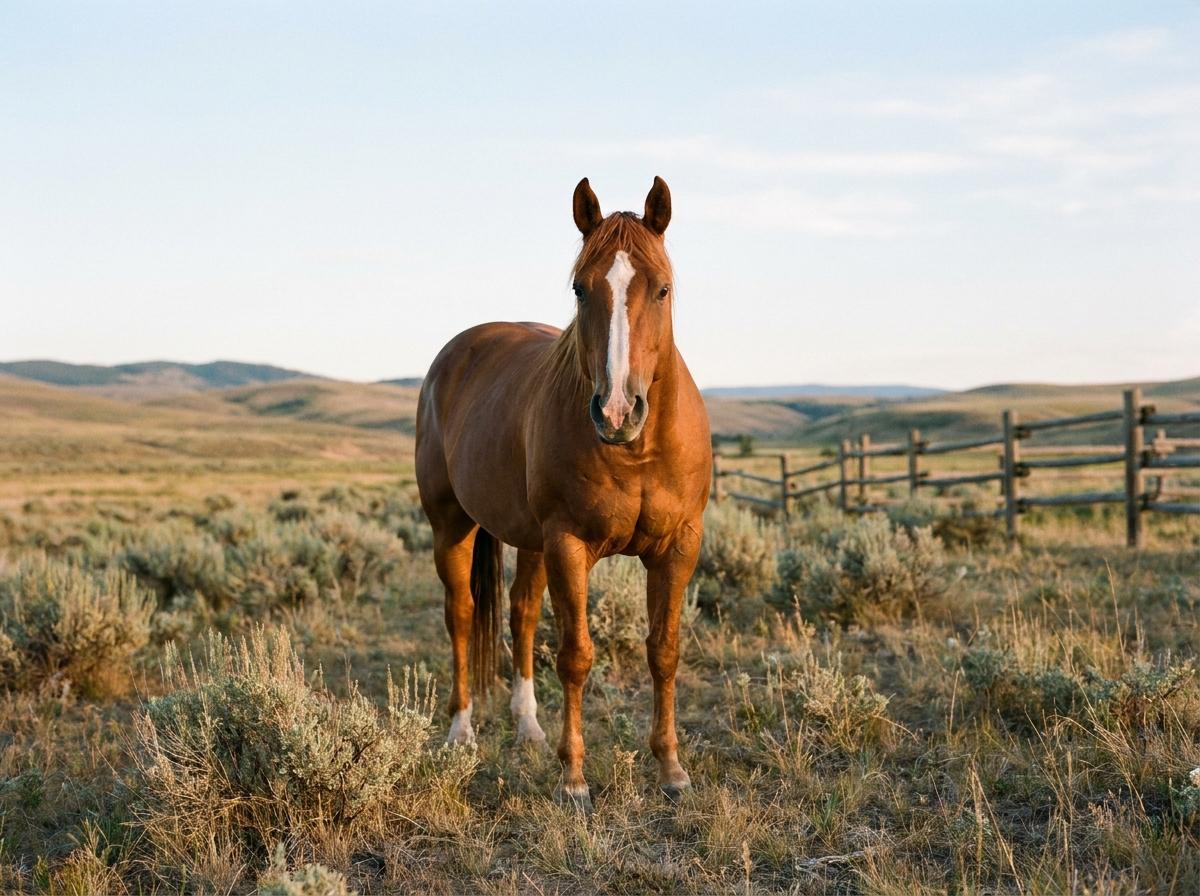
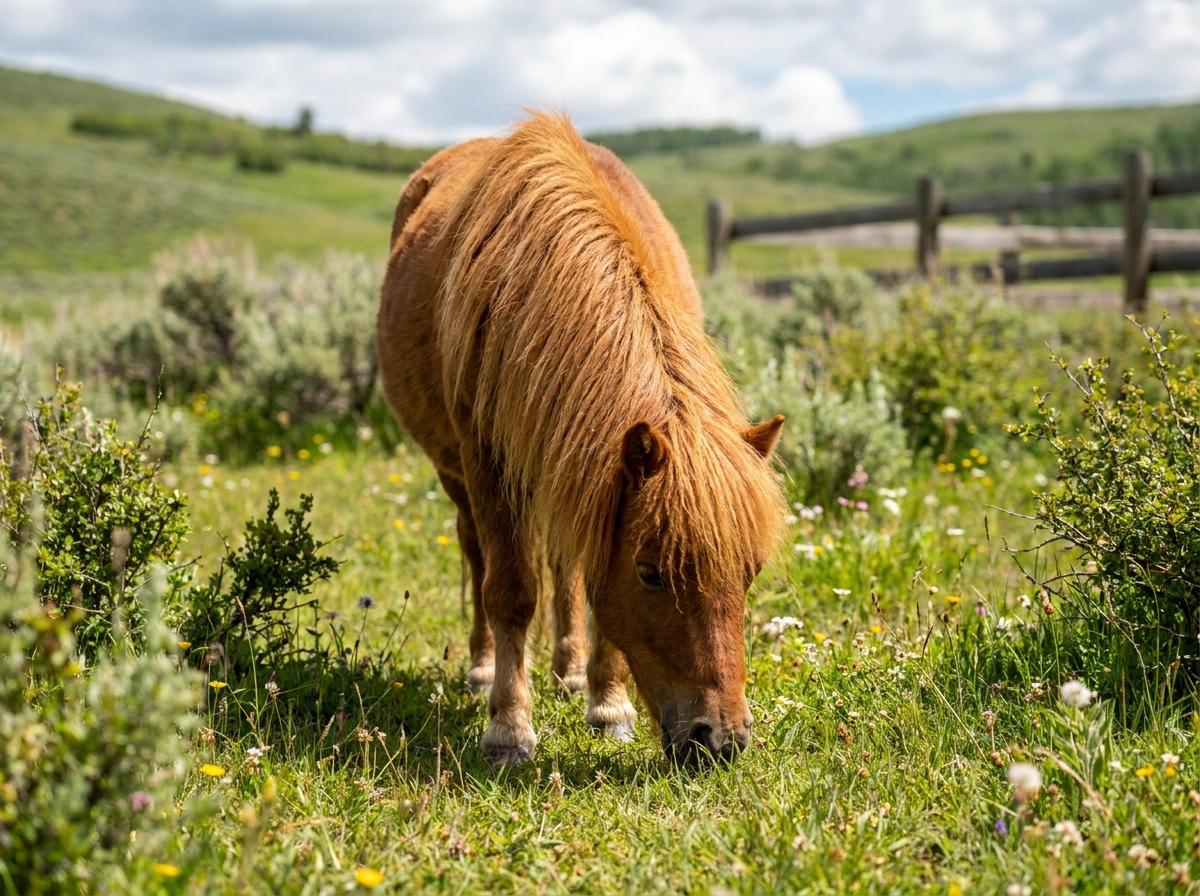
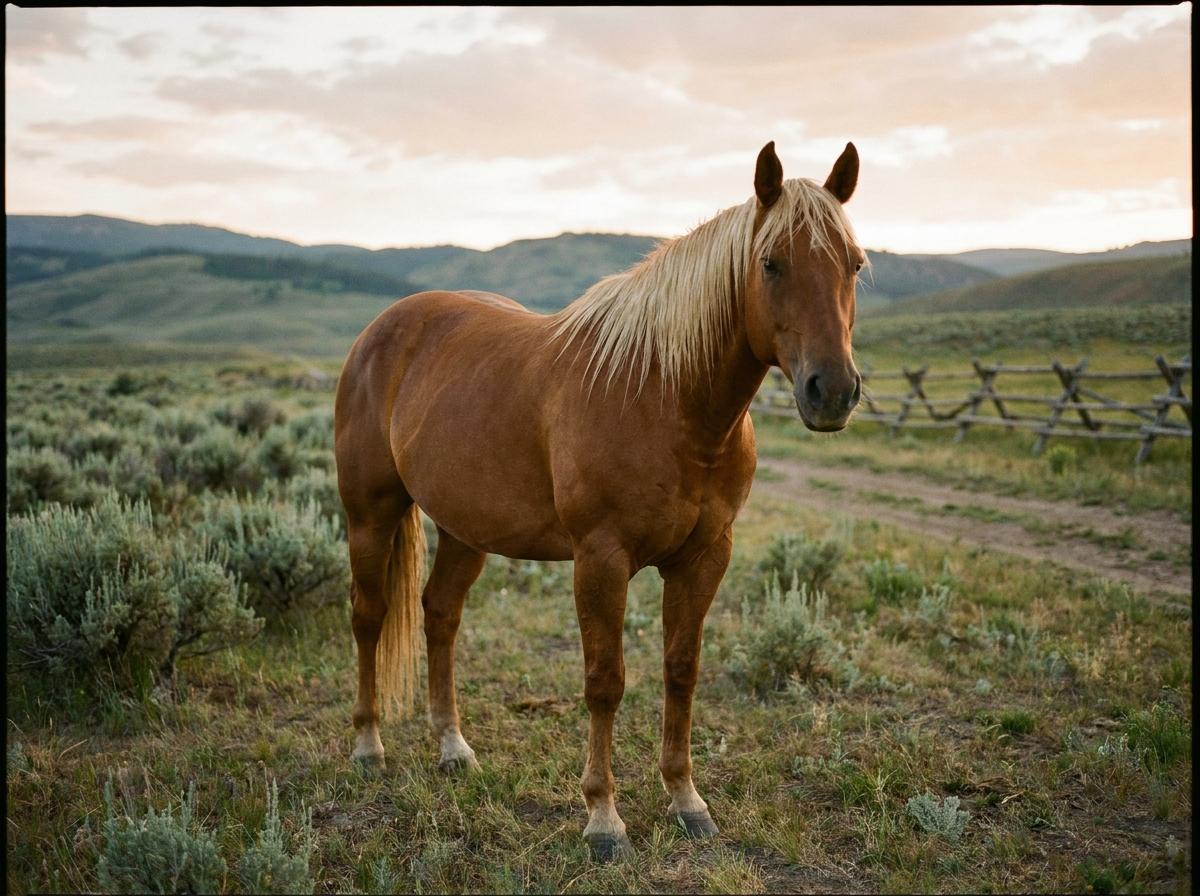
In Sweden, the North Swedish horse is a compact Scandinavian coldblood developed from hardy farm and forest horses. In Swedish it is often called Nordsvensk brukshast, the North Swedish work horse, while a related but separately selected coldblood trotter is bred for racing. The work-horse type is not an oversized draft; it is relatively short, deep, muscular, and active, with the strength to pull timber and the balance to move over snow, rough tracks, and small fields. Bay, brown, black, and chestnut are common, and the breed is valued for a steady temperament and economical way of going.
Its traditional place is low-impact forestry, farm hauling, sleigh and wagon driving, and local transport, but many individuals also make sensible riding and family driving horses. These horses were shaped for northern climates and forage-based keeping, so rich diets and idle turnout can lead to excess weight. Good farrier work is important when a horse alternates between soft ground, ice, and road work. Swedish breeding programs use inspections and performance tests to protect working ability, sound legs, and tractable manners, making the breed useful where a smaller draft horse is more practical than a very heavy one.