Horse Breeding
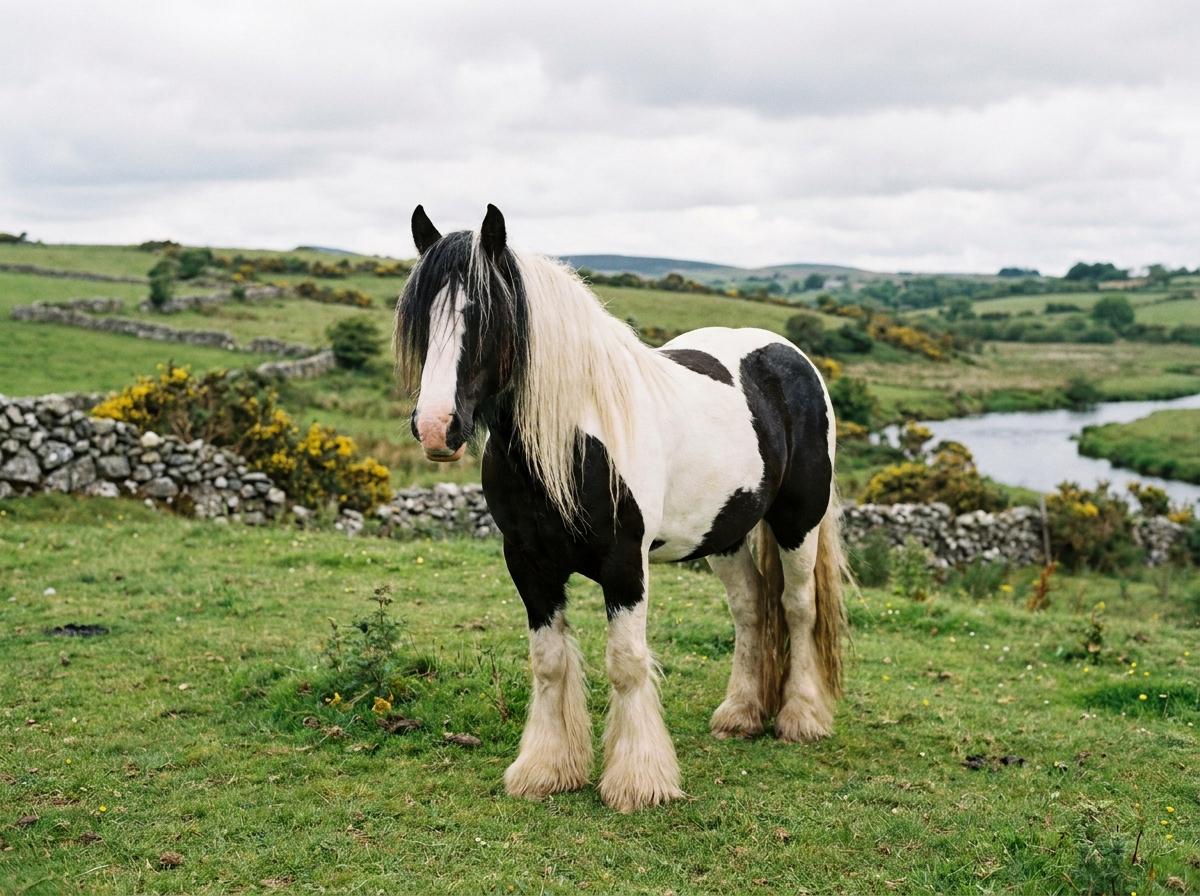
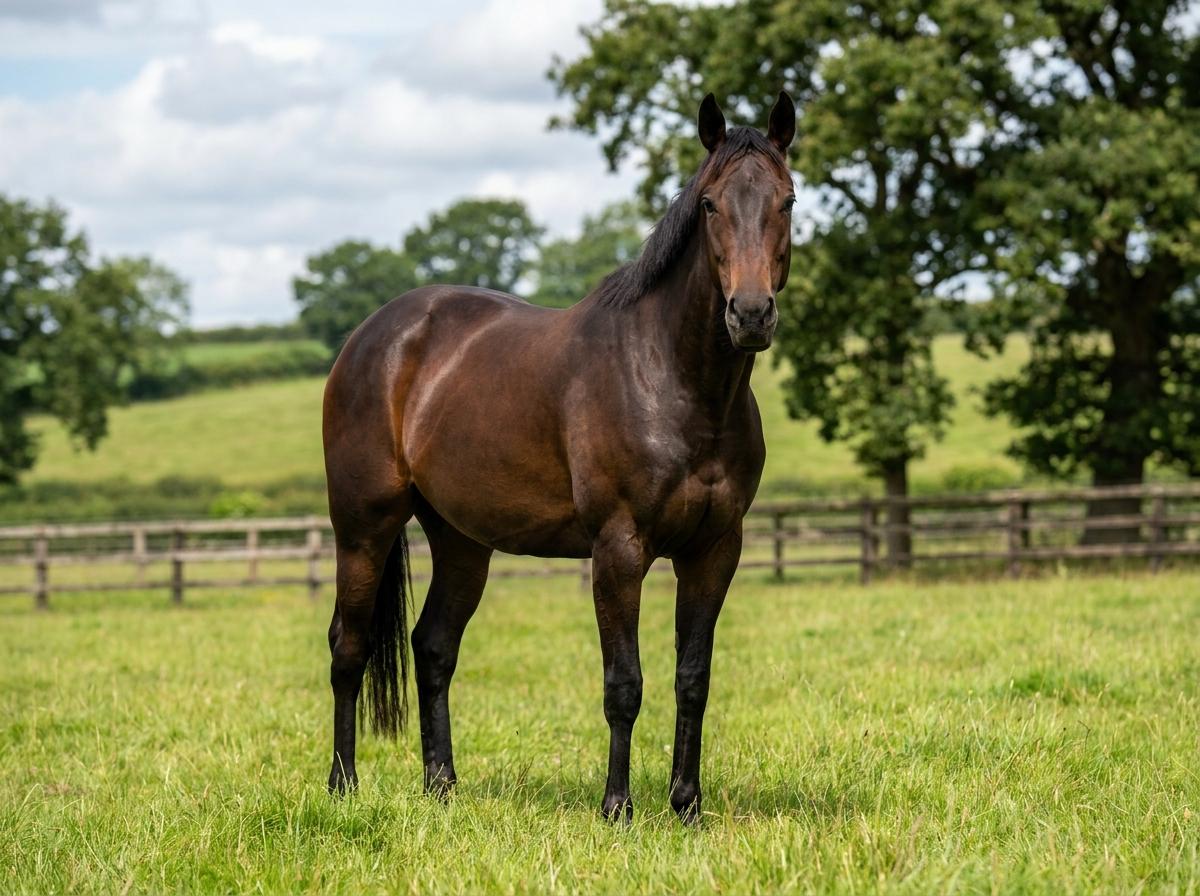
Horse breeding is the planned reproduction of horses for a purpose, whether that purpose is sport, work, racing, companionship, breed preservation, or production in a traditional herd system. It involves selecting stallions and mares for traits such as soundness, temperament, fertility, movement, size, color, performance, and inherited risk. In formal breeds, breeding also connects to studbooks, inspection systems, registry rules, and pedigree records. In local or landrace populations, selection may be based more on survival, usefulness, and family knowledge than on written documentation.
Good horse breeding is practical before it is romantic. Mare health, foaling management, genetic diversity, young-stock handling, nutrition, and lifetime placement all shape the outcome long after a mating decision is made. Breeders should understand the market or stewardship goal they are serving and avoid producing foals simply because two animals are available. Records can help track parentage, health history, ownership, and performance, but they are only useful when paired with honest assessment of the horses in front of the breeder.