
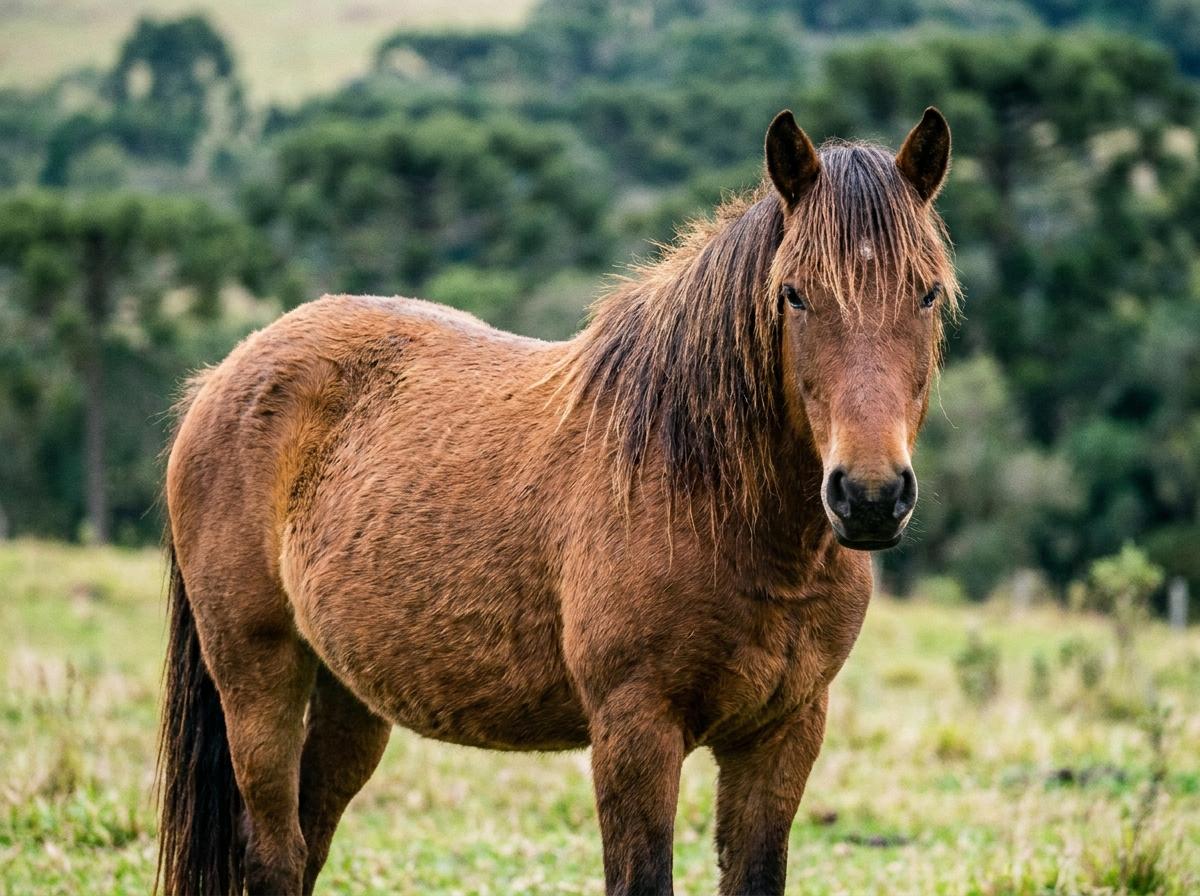
Campeiro
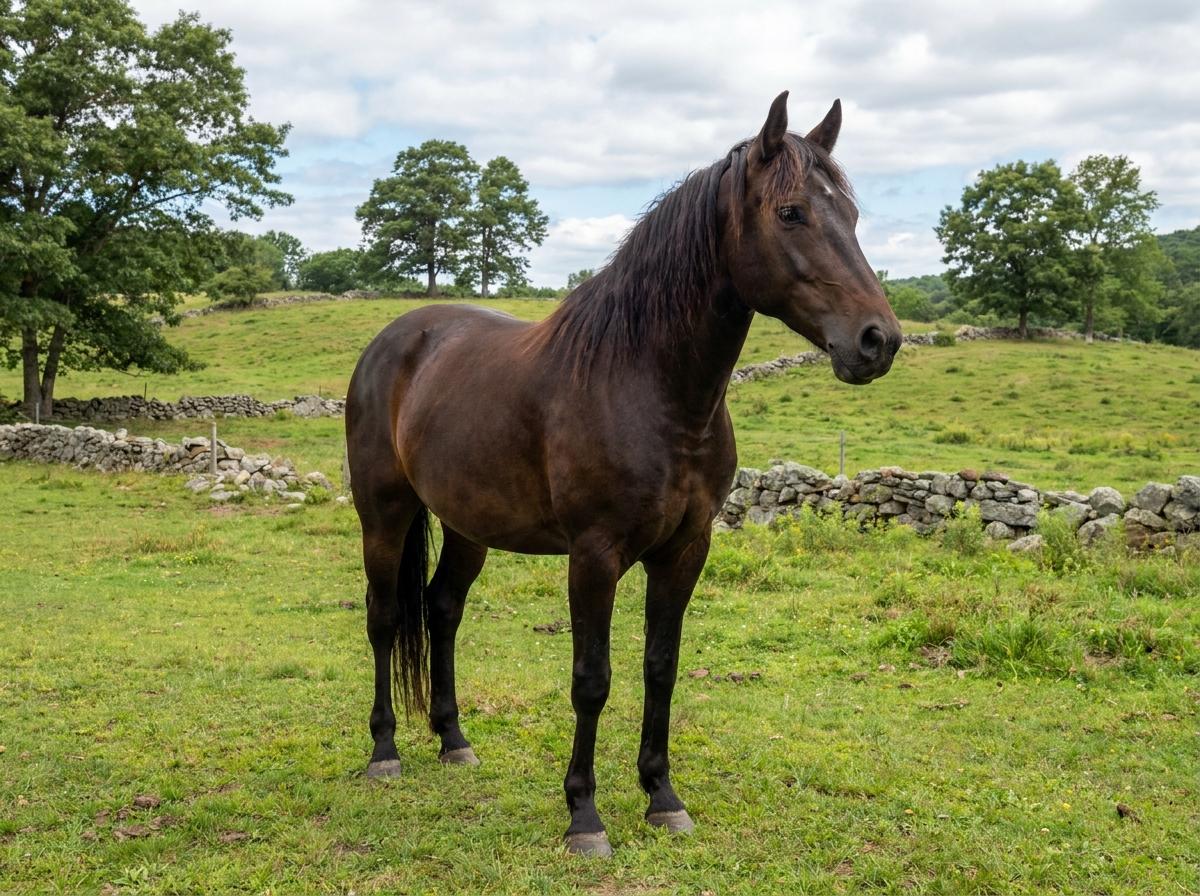
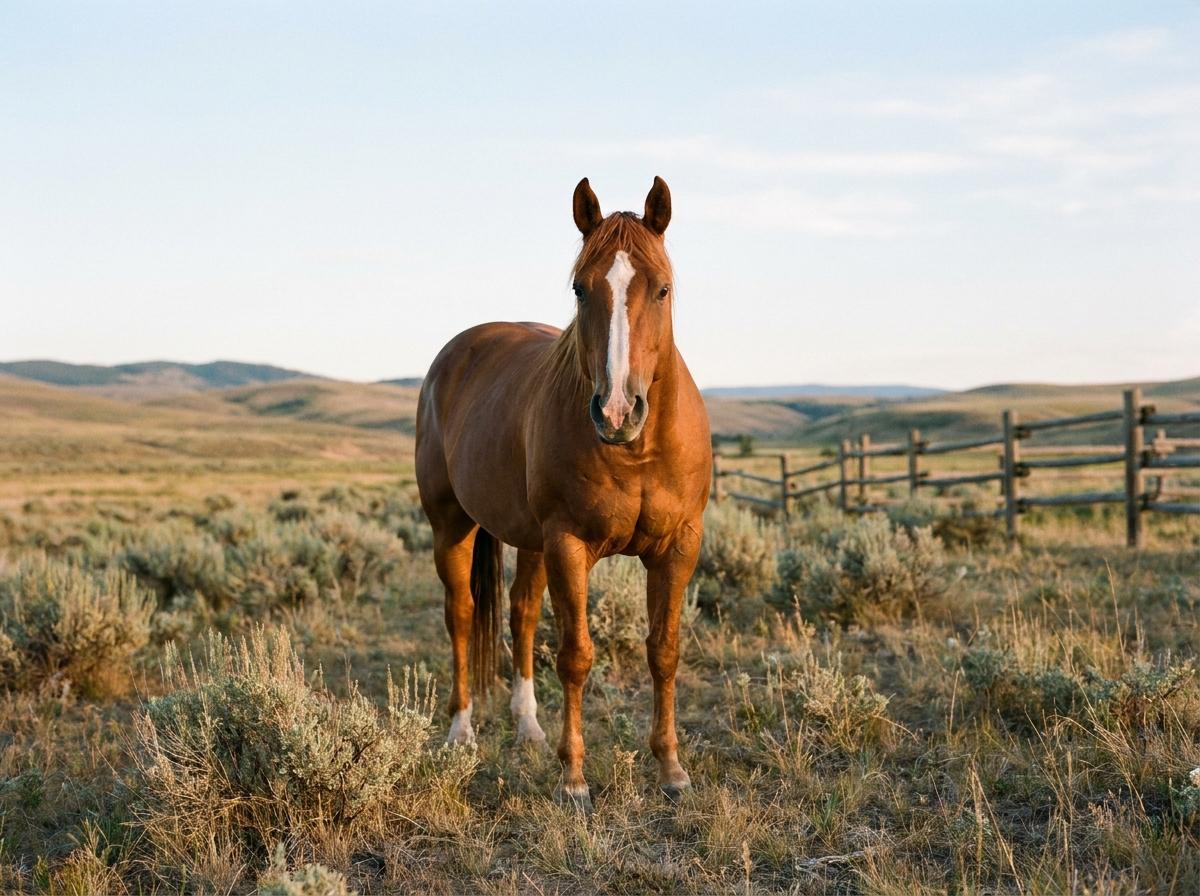
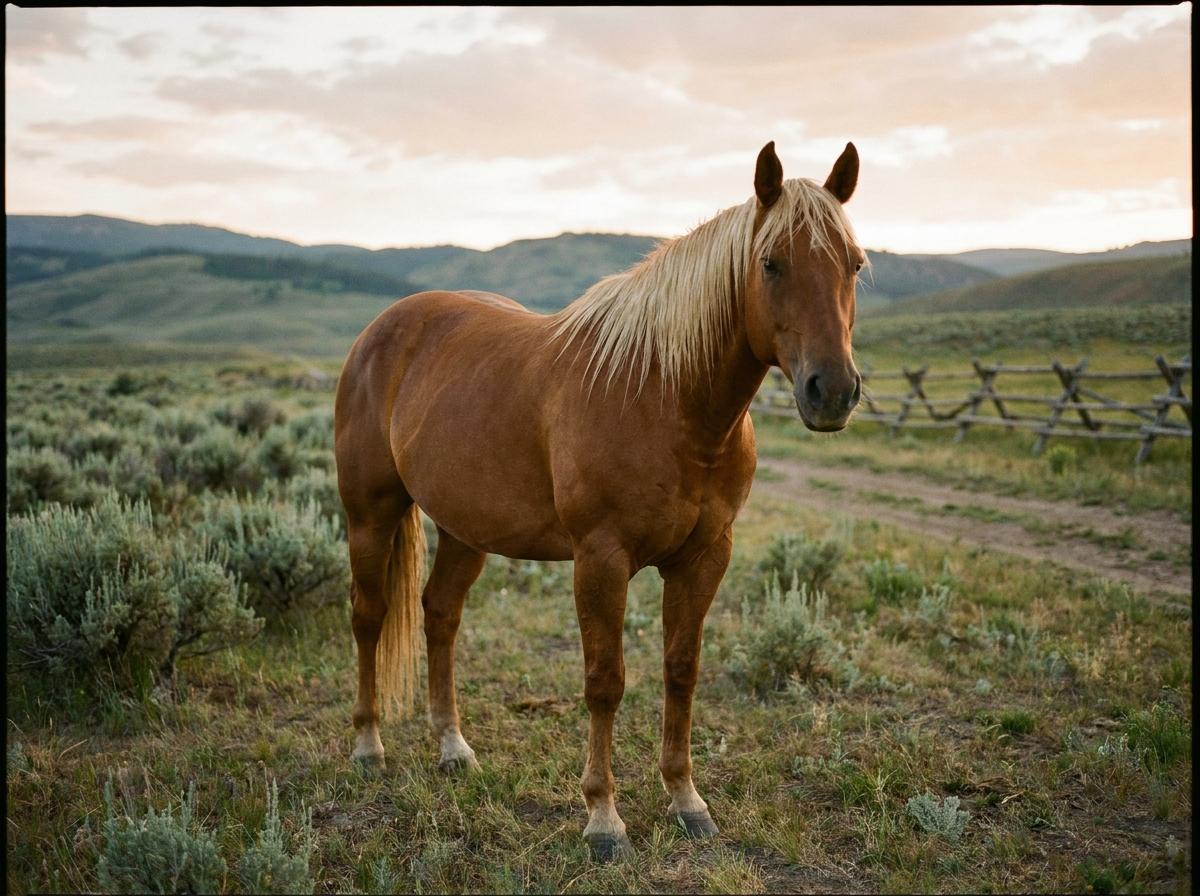
Brazil's Campeiro, or Cavalo Campeiro, is a gaited horse from the southern highlands, especially Santa Catarina and nearby parts of Parana and Rio Grande do Sul. It descends from Iberian horses brought during colonial settlement and was shaped by ranching, troop travel, and the cool plateau country near Araucaria forests. The breed is medium sized, sturdy, and valued for a smooth marcha that lets horse and rider cover distance with less fatigue than a hard trot.
Campeiros are still used for cattle work, trail riding, rural transport, and regional shows where gait quality is central. They generally fit pasture-based systems, but they remain working saddle horses and need hoof care, dental care, parasite control, and conditioning before long rides. When buying or breeding, watch the horse move rather than relying on color or height. A comfortable, even marcha, sound legs, a strong back, and a willing response under saddle matter most for useful Campeiro type.