Banker Horse
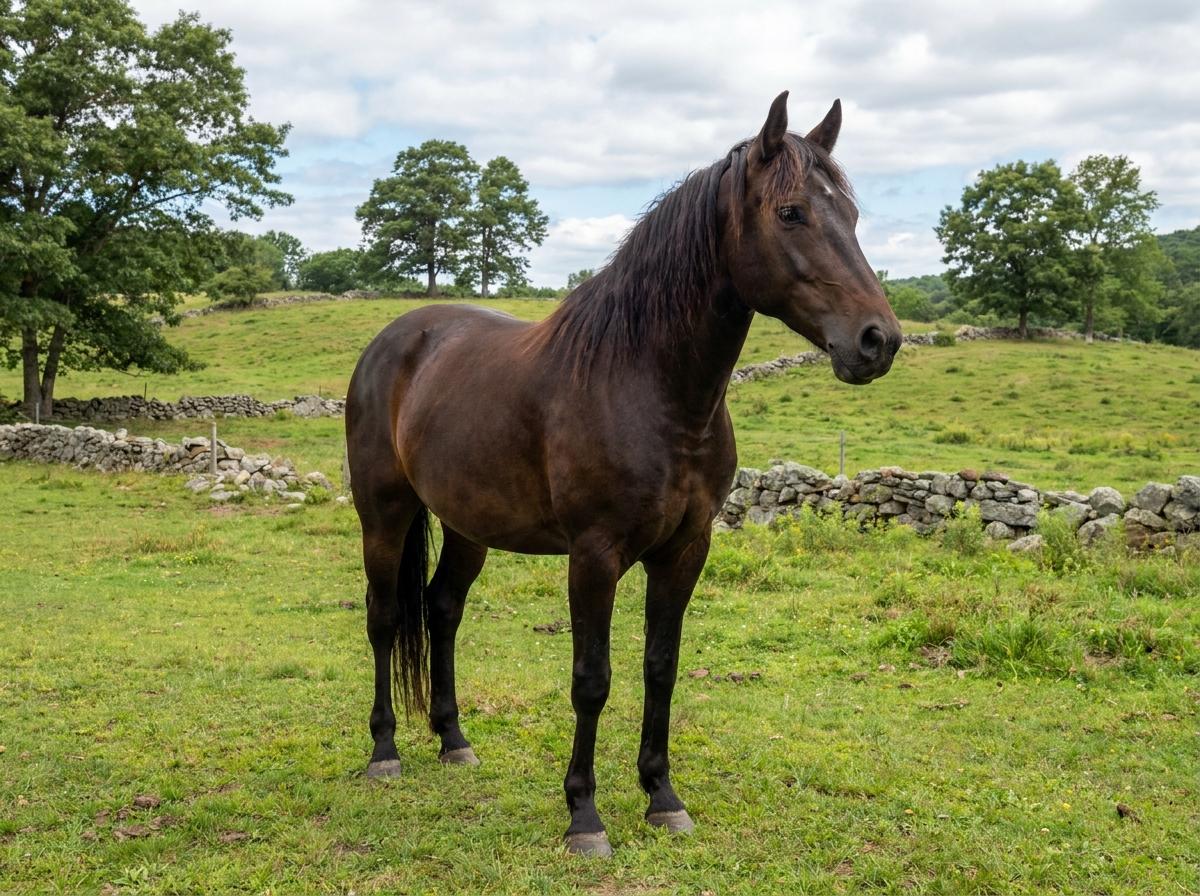
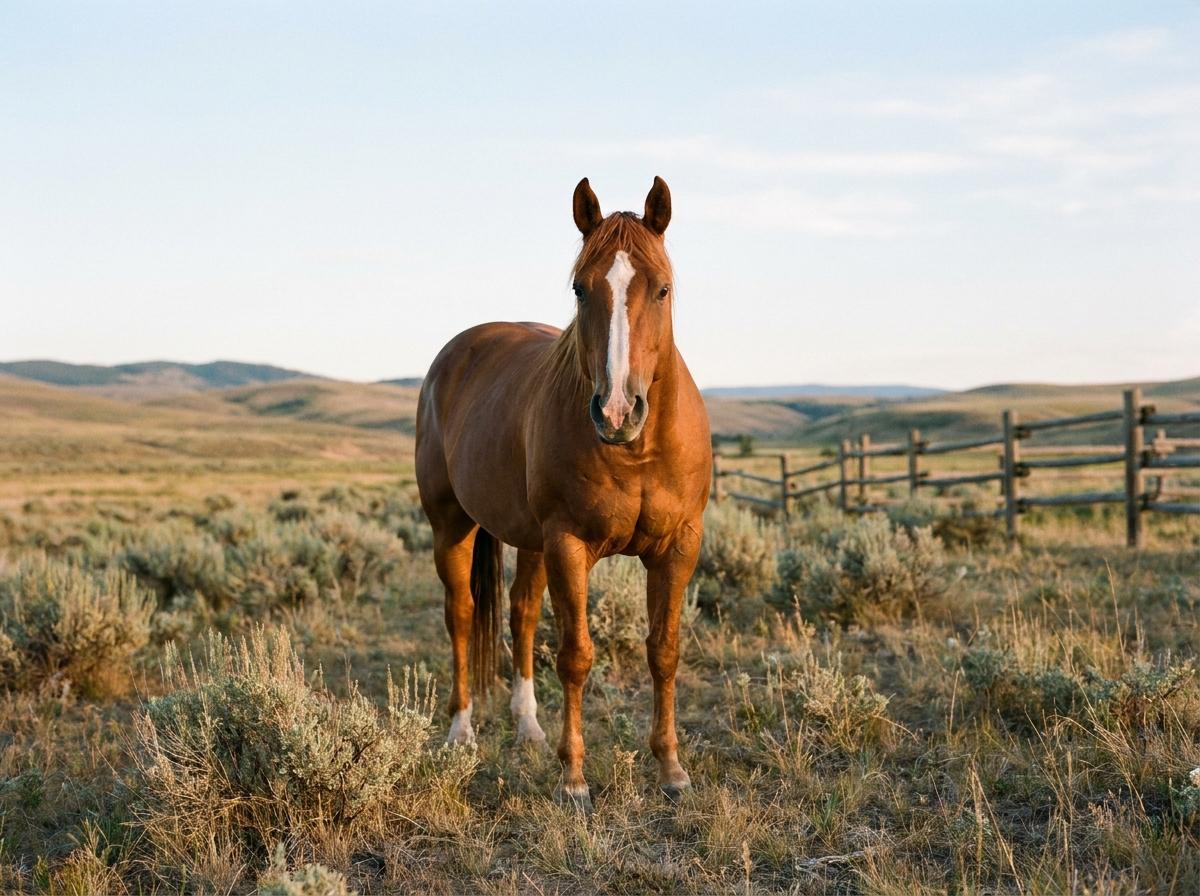
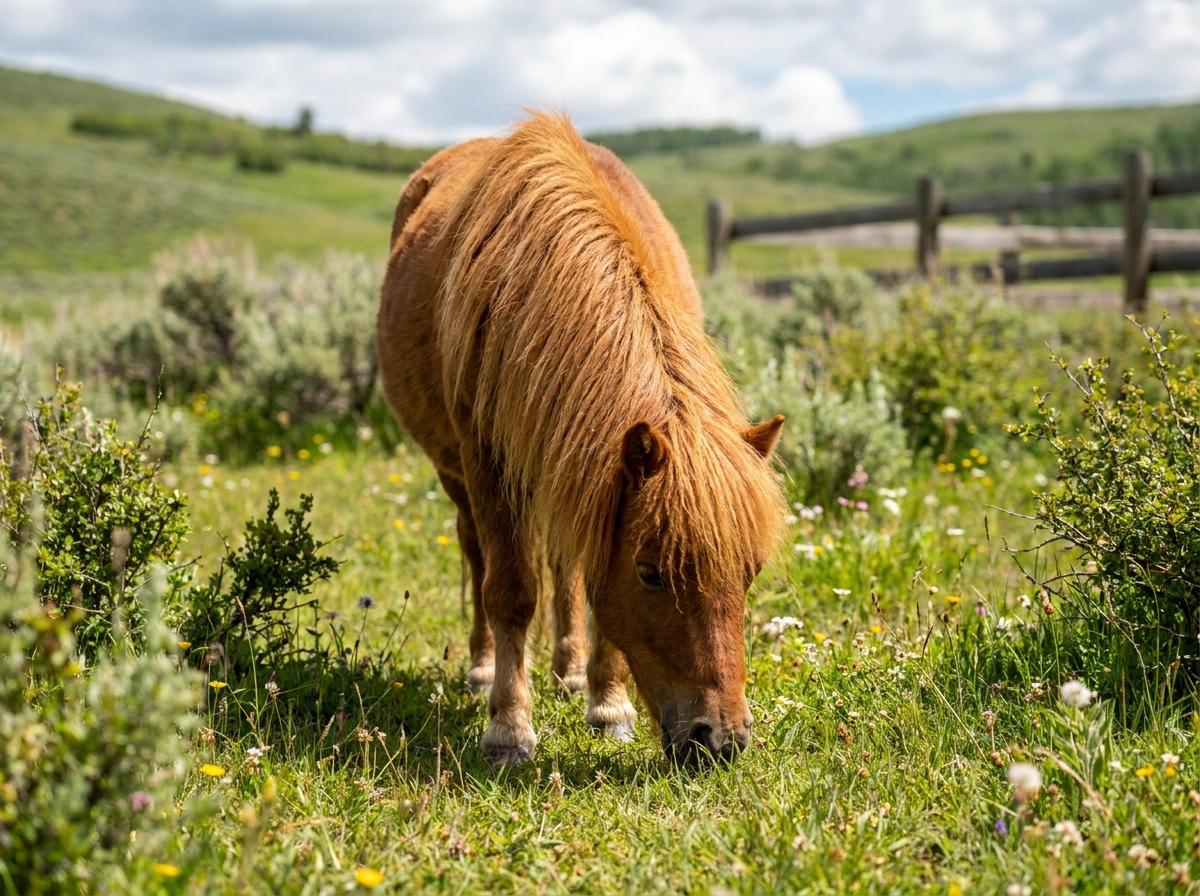
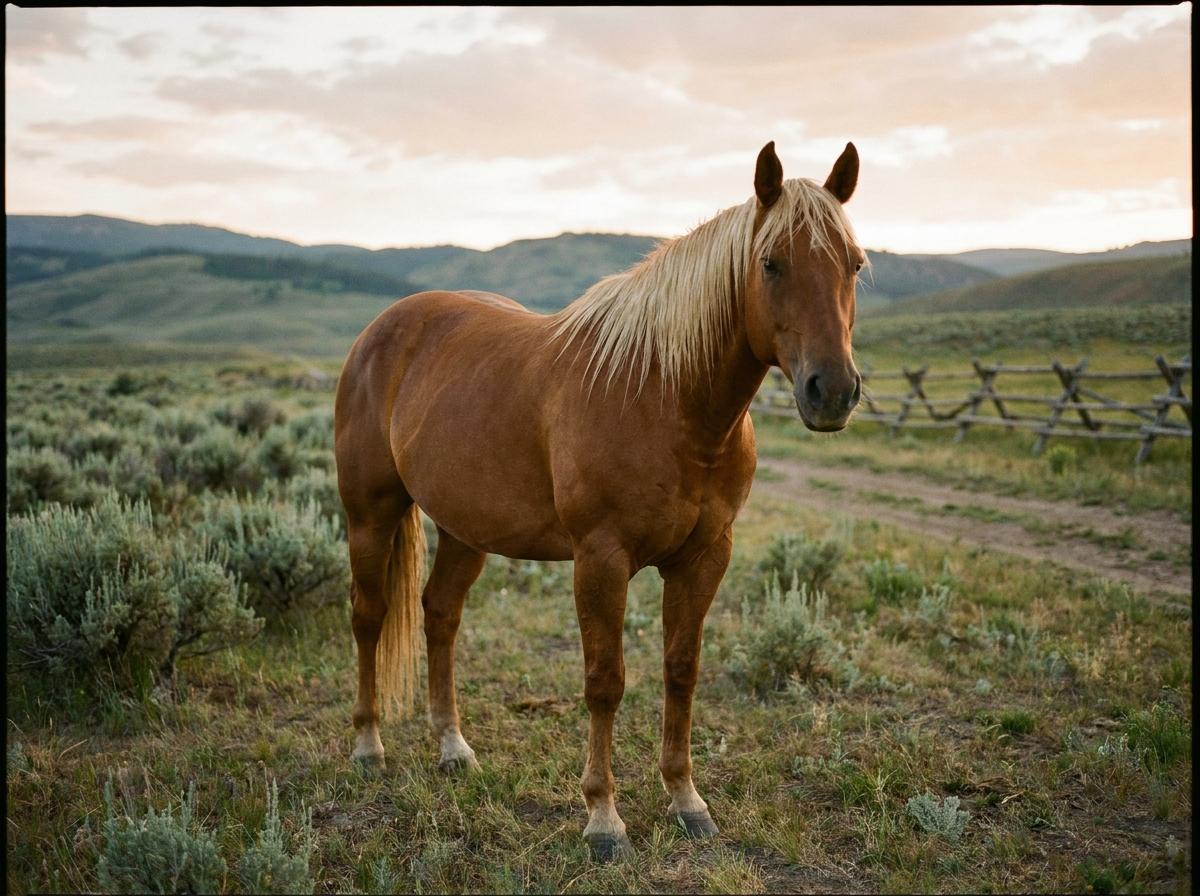
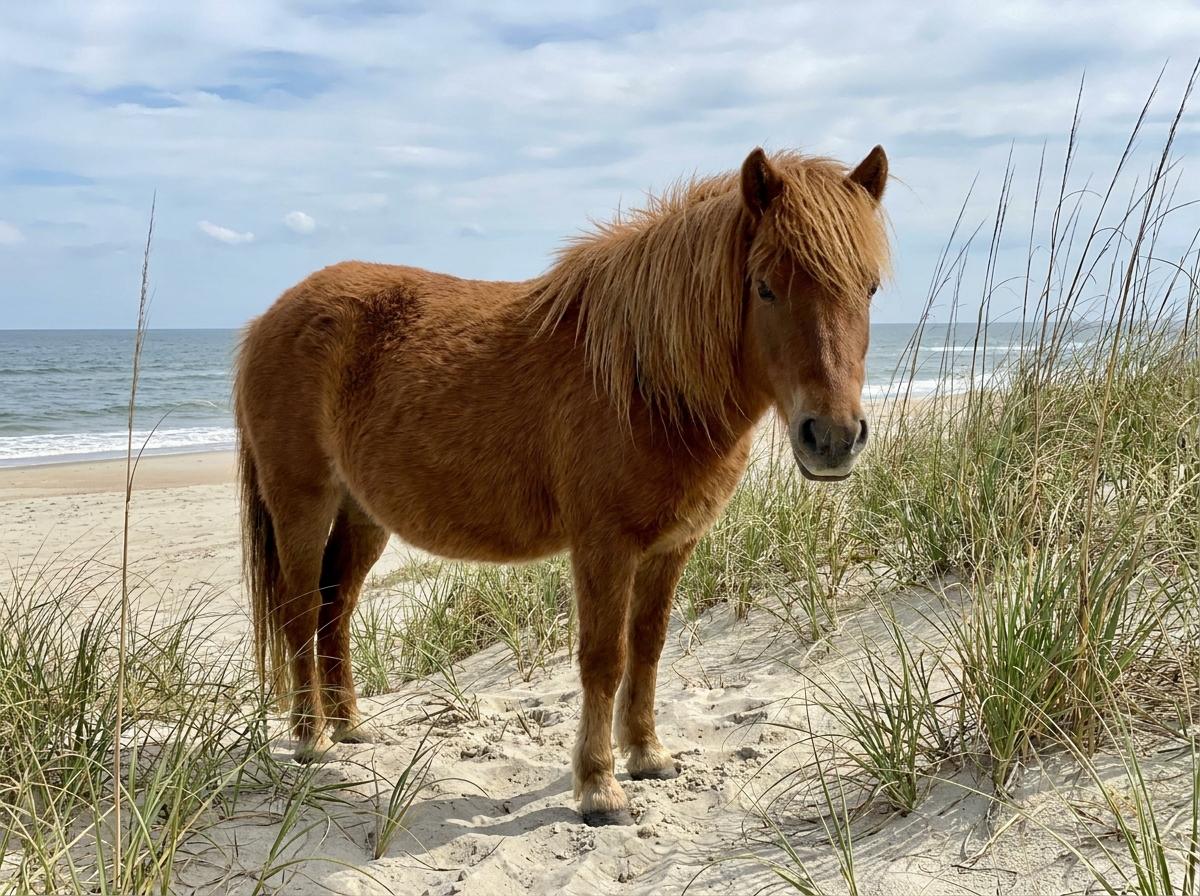
On the barrier islands of North Carolina, the Banker horse lives as a feral domestic horse shaped by salt marsh, dune, maritime forest, and storm-prone coastline. Bankers are often described as Colonial Spanish-type horses, descended in part from animals brought to the Atlantic coast by early European settlers, although individual herds have separate histories. They are usually small, tough, and narrow enough to move through island cover, with strong survival instincts and plain working-horse conformation. Common colors include bay, brown, chestnut, black, and grulla or dun shades in some groups.
Management of Banker horses is primarily conservation and herd stewardship rather than ordinary ranch breeding. Public agencies and nonprofit groups monitor herd size, genetics, injuries, hurricane effects, and human disturbance; some animals are removed for adoption when numbers or health require it. Visitors should never feed or approach them, because dependence on people and road accidents are major risks. Adopted Bankers can become useful riding or companion horses, but they may need patient gentling, strong fencing, and careful diet changes after life on sparse island forage. The breed's future depends on protecting both the horses and the barrier-island habitat that shaped them.