Ardennais
Author: Elliott Garber, DVM · Updated
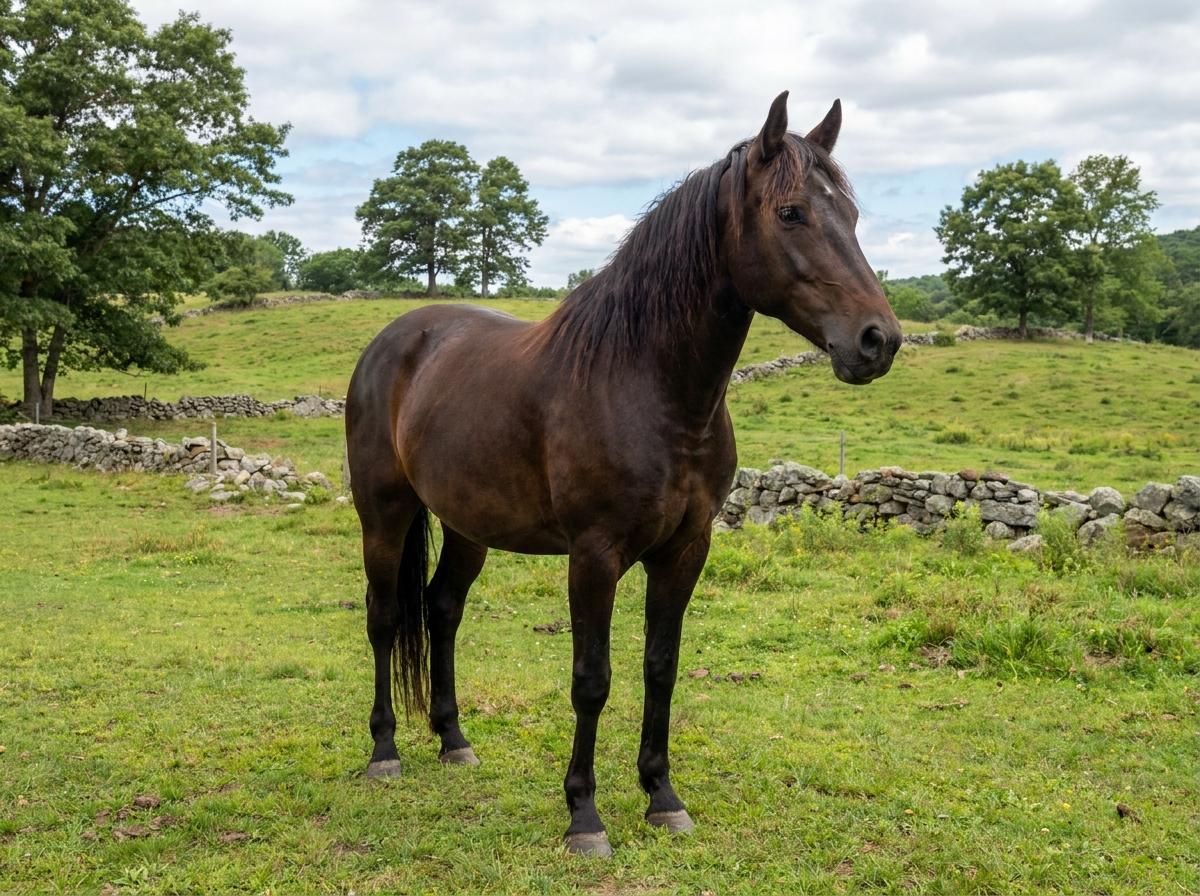
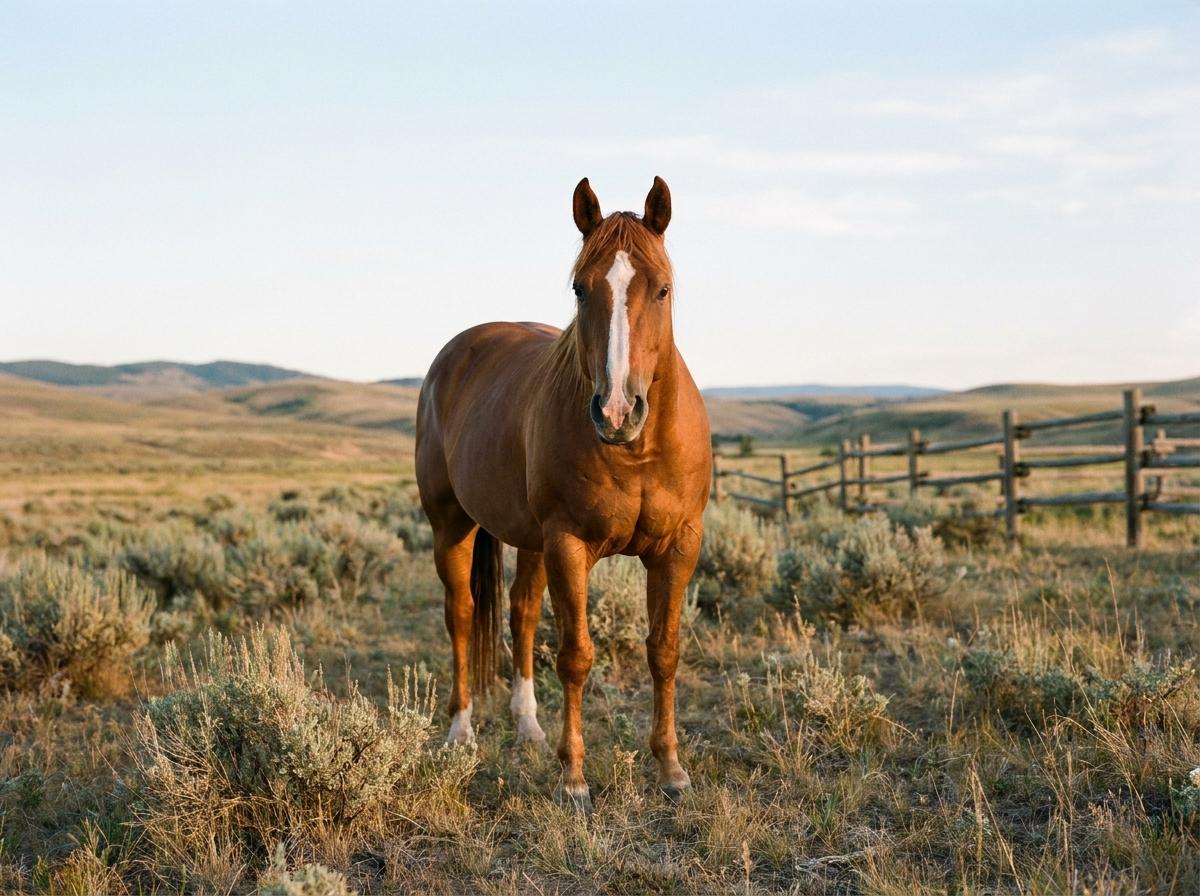
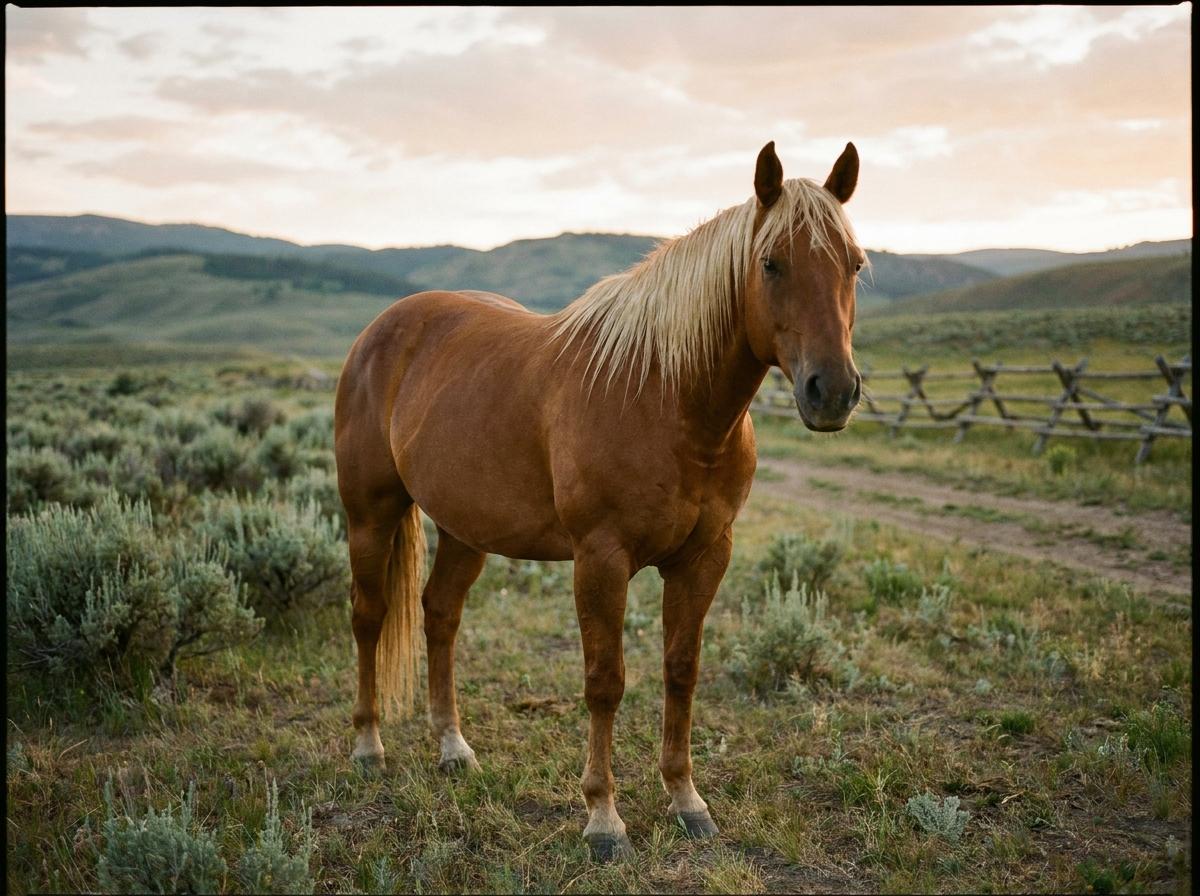
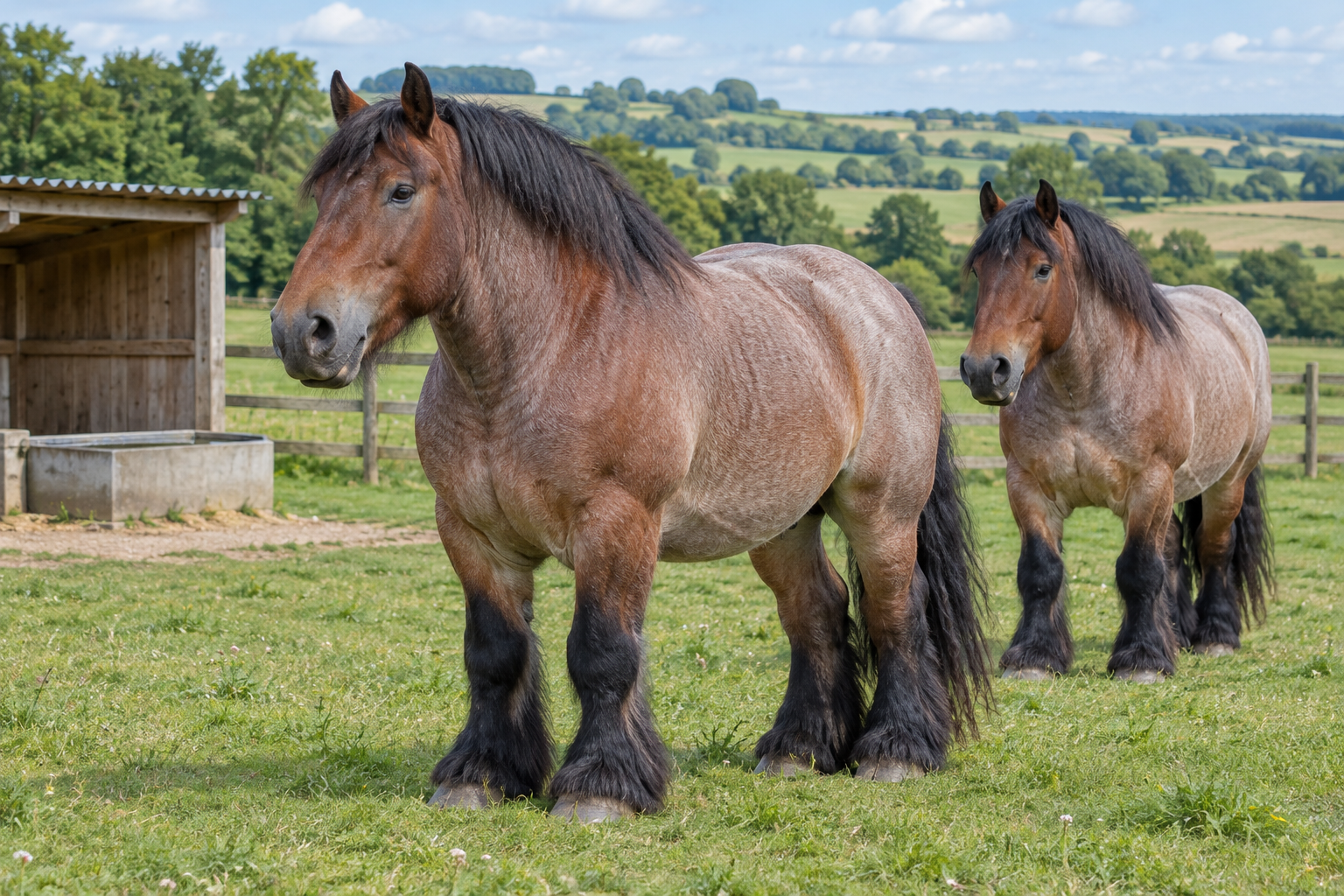
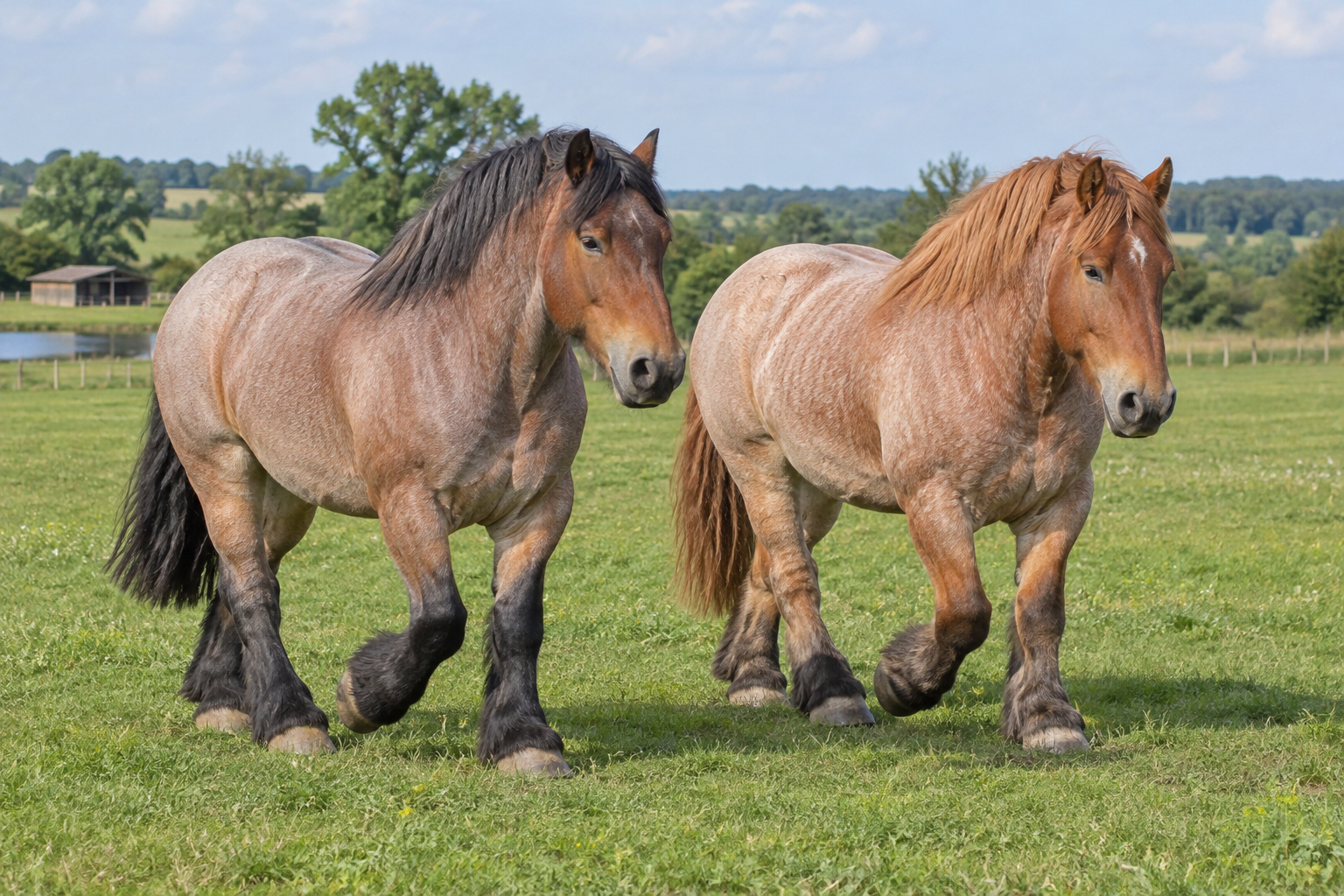
The Ardennais, also called the Ardennes horse in English, is a compact, powerful draft horse associated with the Ardennes region. Its deep body, muscular hindquarters and relatively short limbs distinguish it from a tall, lightly built riding horse. When buying one, identify the actual studbook and assess its training, soundness and facilities needs before relying on a breed label.
For care planning, the free horse weight calculator gives an estimate from measurements. Keep the method attached to the result and use a scale when accurate weight matters, especially with an unusually heavy build.
| Type | Compact heavy draft horse |
|---|---|
| Names | Ardennais in French; Ardennes in English |
| Build | Deep chest, broad body, muscular quarters and substantial limbs |
| Standards | Check the named French or Belgian studbook |
| Uses to investigate | Trained draft work, driving and suitable leisure work |
| Buying priority | Paperwork, legs, training and facilities that fit |
Browse listings, public profiles, breeders, or add your animal.
Breed identity and the country on the papers
The French breed organization, Union des Eleveurs de Chevaux de la Race Ardennaise, describes a horse shaped by draft work and a history shared across the region. Its breed account describes the compact conformation and the role of the French studbook. The French selection program hosted by IFCE documents breeding administration and selection goals.
Belgium has its own Studbook du Cheval de Trait Ardennais and published standard. Do not collapse those documents into a single universal European rule. Ask which organization issued a horse’s papers, what is recorded and what transfer or breeding approval is needed for your purpose.
An identification document, recorded pedigree, breeding approval and training record answer different questions. For an imported horse, retain the original documents and seek clarification from the issuing studbook. A description such as Belgian draft, Brabant or Ardennais should not be accepted as proof that the animal belongs to the same registry.
Height and appearance: French and Belgian rules differ
The French program revised in April 2025 describes a short, broad, muscular horse with a deep chest and good feet. It prefers bay, roan, chestnut, iron gray and red roan (aubère) coats, while tolerating black and black pangaré. Color eligibility is specific to that standard.
- French Trait Ardennais, 2025 selection program: stallions 1.54 to 1.66 m; mares 1.52 to 1.64 m.
- Belgian studbook’s published standard: maximum 1.62 m for stallions and 1.60 m for mares.
The French text allows a conditional 3 cm tolerance for qualifying animals that remain harmonious and meet the stated conformation requirements. This is not an automatic extra allowance for every horse. The Belgian standard PDF, revised in 2004 and currently posted by that studbook, gives different maxima. Check the issuing body before making an eligibility decision.
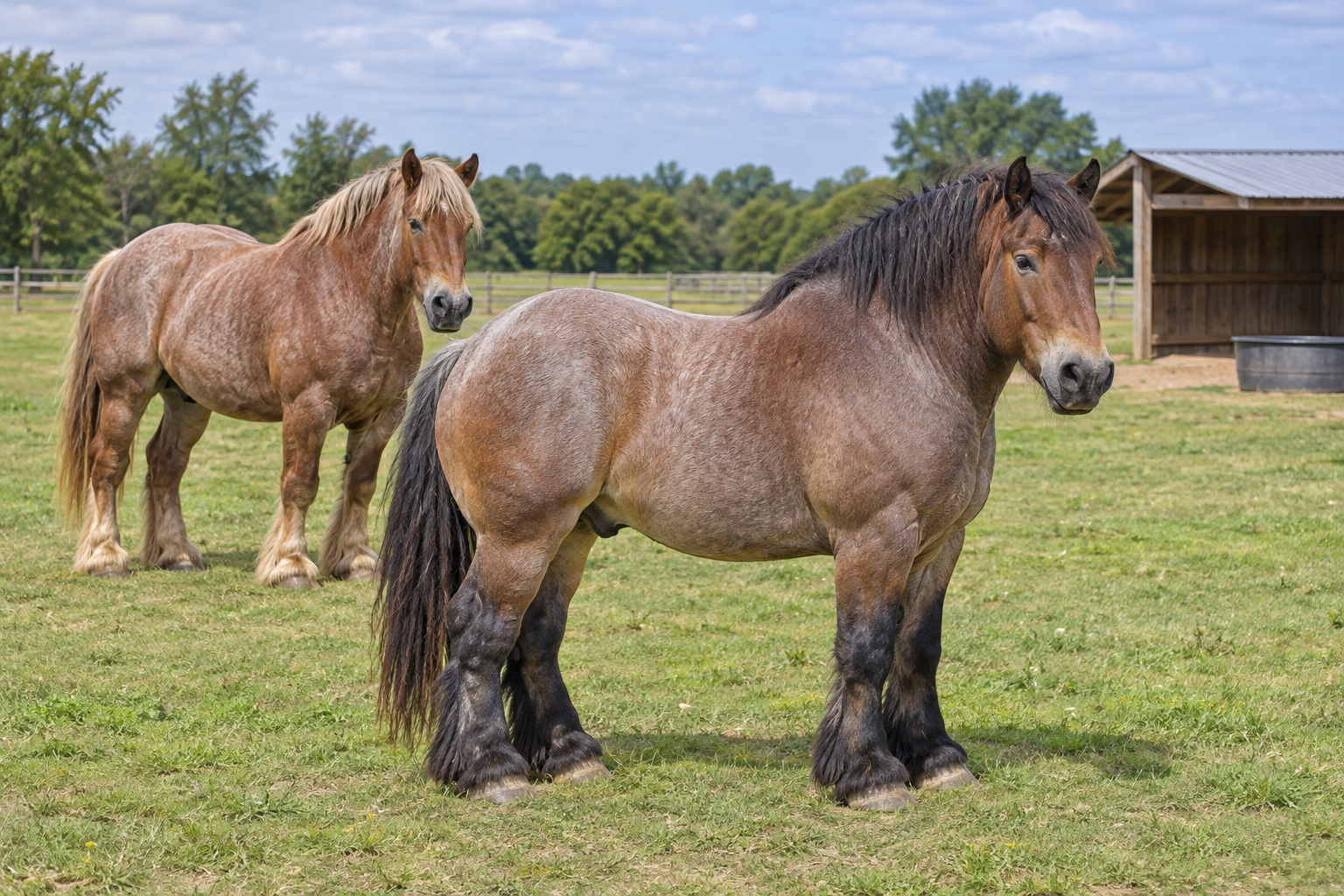
These figures describe standards, not a prediction of every adult’s height or weight. Do not infer weight from height alone or equate an animal’s bulk with fitness. Ask for measurements and scale records for the particular horse.
Work, training and temperament
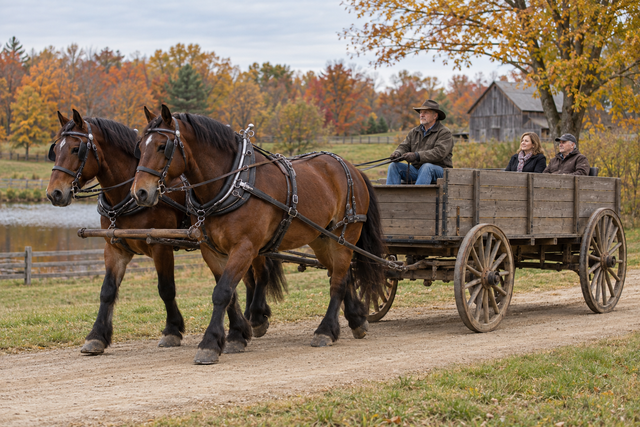
The French program includes practical use and work aptitude among its goals. A well-trained individual may suit driving, farm or forestry tasks, but the horse’s experience must match the proposed job. An unstarted youngster and a proven worker are not equivalent purchases.
Ask an experienced trainer to assess the actual horse. Can it be caught, led, tied appropriately, have its feet handled and load into suitable transport? If buying a driving or working horse, arrange a safe demonstration with the seller and a qualified professional. Do not hitch an unfamiliar horse to a vehicle or machinery to see what happens.
The breed’s power makes ordinary manners consequential. A reputation for steadiness does not make every animal a beginner’s horse or establish a safe rider or pulling load. Workload depends on the individual, equipment, footing, conditioning and professional assessment.
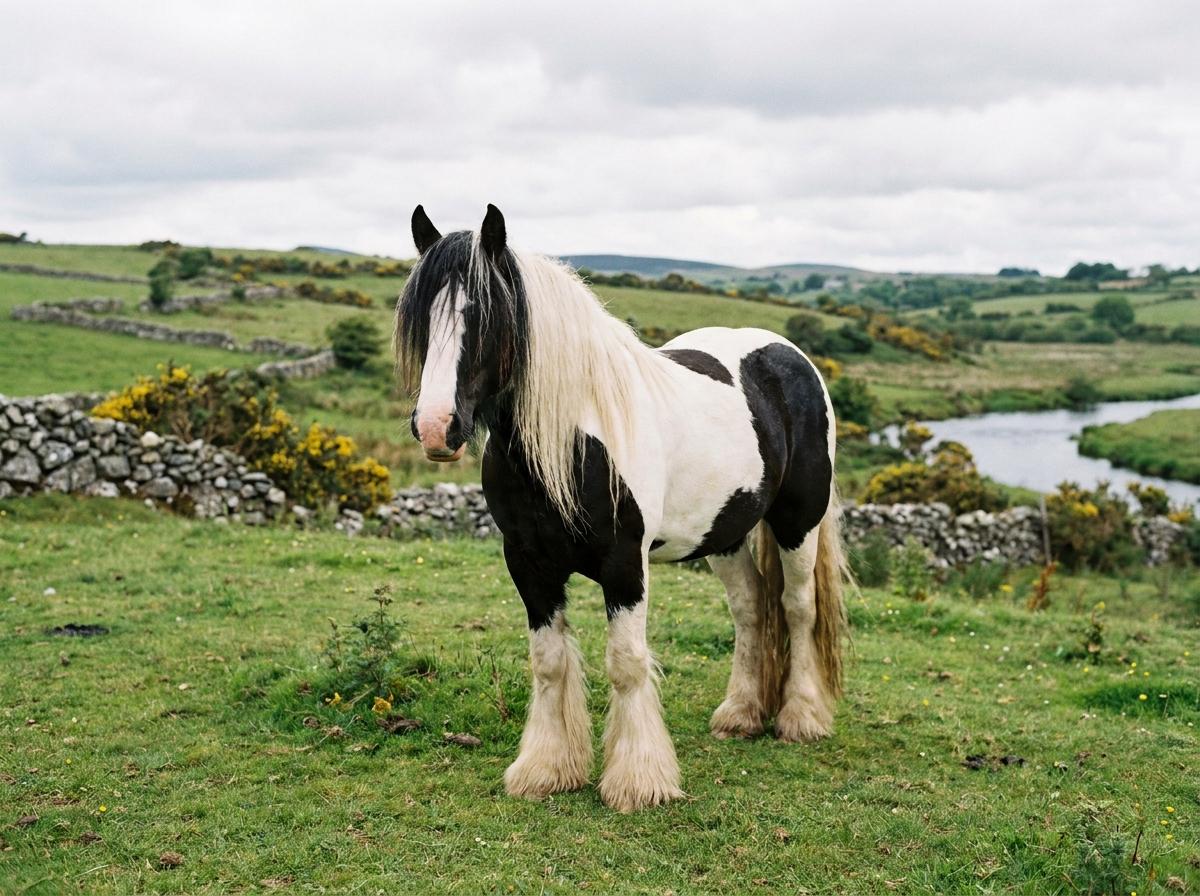
Compare the Gypsy Vanner guide if you are considering a compact feathered cob, or the Racking Horse guide if your main goal is gaited saddle work. Those are different choices. The horse hub gives the wider ownership comparison.
Facilities and feeding for a heavy horse
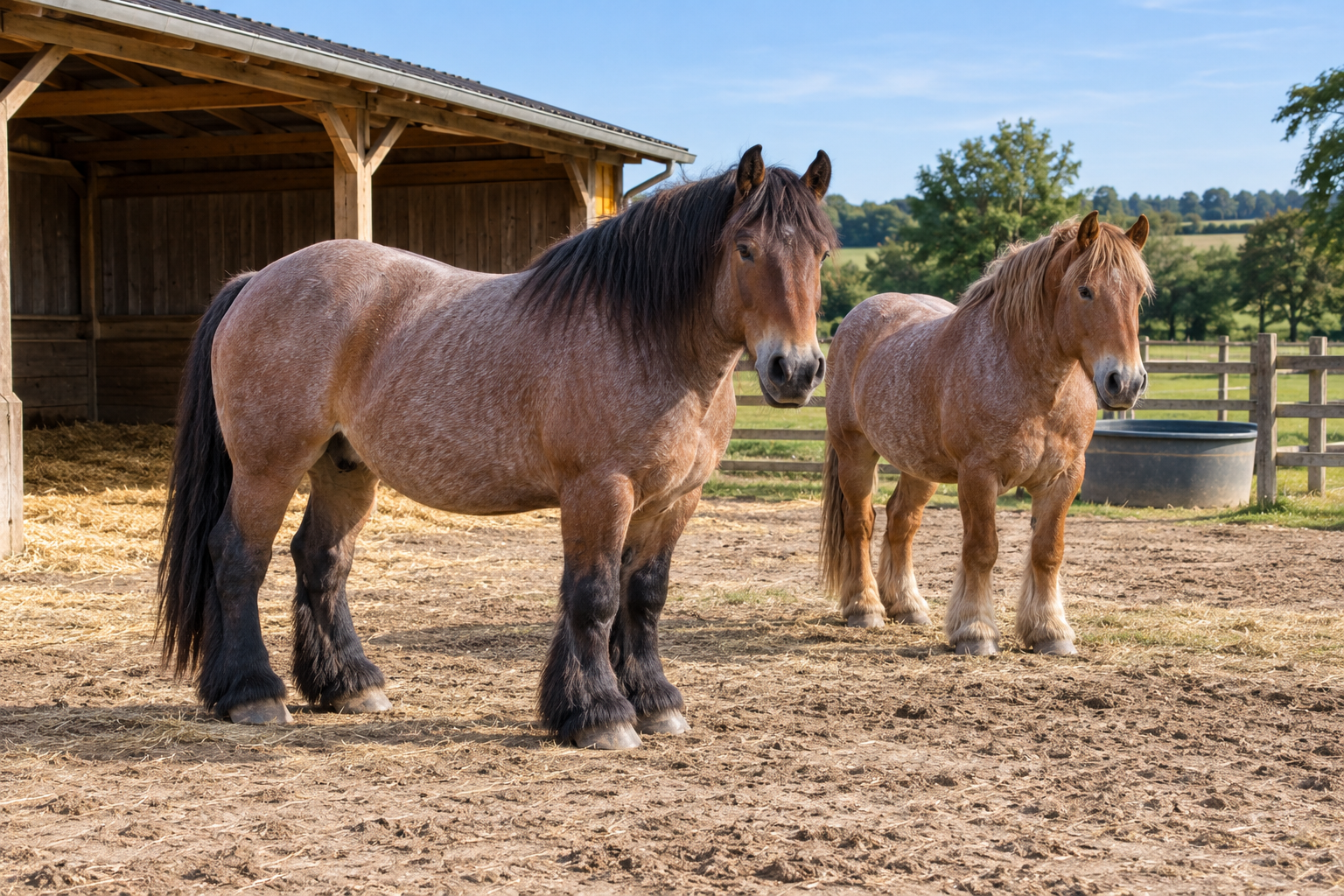
Before arrival, check trailer capacity and dimensions, loading arrangements, gates, shelter entrances, restraint facilities and farrier access. Ask whether your local professionals can work comfortably with a horse of this size. Equipment that fits a smaller riding horse should not be assumed to fit this animal.
Provide compatible equine company, turnout, secure visible fencing, clean water and shelter. Maintain drainage and firm footing where animals gather. Minnesota Extension’s dry-lot guidance specifically notes that larger horses need more space than its average-horse examples. Design around the actual group rather than copying a minimum measurement blindly.
Feed according to condition and work. Forage remains the foundation; extra grain is not required simply to preserve an impressive outline. Rutgers’ equine nutrition guidance explains how energy needs change with activity, growth and reproduction, and why excess energy is harmful. Have the ration and forage evaluated when needs are uncertain.
Keep repeated measurements and condition observations. Our horse weight measurement guide explains why a tape estimate and a scale result should remain distinct. Do not use an unvalidated estimate for medication dosing or assume a general calculator has been validated specifically for Ardennais horses.
Legs, skin and routine health
The French selection program explicitly addresses chronic progressive lymphedema, often called pattes à jus in this context. It lists CPL among the French breed standard’s disqualifying defects. That makes a careful examination beneath lower-leg hair an important part of buying and breeding discussions.
Ask about swelling, skin thickening, crusts, repeated infections and prior treatment, and have a veterinarian examine abnormalities. UC Davis’ CPL guidance explains that progressive swelling and skin changes may be obscured by feather. The condition requires management and professional assessment; it cannot be diagnosed from hair volume, breed name or a sale photograph.
Arrange hoof care with a farrier accustomed to heavy horses. The Minnesota hoof-care guidance emphasizes balance, regular care and individual needs. Do not let a large hoof or a difficult-to-handle horse become a reason to miss care. Our horse hoof care guide helps you prepare the day-to-day routine.
Discuss vaccination, dental care, parasite management and relevant testing with the veterinarian. If muscle disease or another inherited concern is raised in a family, ask which condition and which evidence are meant. This guide does not assign every Ardennais the same genotype, disease risk or mandatory test panel.
Breeding and recordkeeping
If breeding is your goal, consult the intended studbook before choosing a mating. Confirm identification, ancestry, approval status, health findings and reproductive suitability. A visually typical horse may not meet a particular registration or breeding route.
The horse pedigree chart maker organizes ancestry you enter while you retain the issuing documents. The horse gestation calculator gives a planning estimate from a recorded breeding date. It does not confirm pregnancy or replace the veterinarian’s foaling plan.
For color questions, the horse coat color calculator explores outcomes from the parent information entered. It cannot prove genotype or override the studbook’s coat rules. Keep genetic reports separate from a visual color description.
Finding an Ardennais and planning the cost
For a US buyer, treat the search as a specialist purchase that may involve distant sellers and unfamiliar paperwork. This guide has not established a dependable local supply or a representative US price. Ask for current availability and a dated quote for the actual horse. If import is contemplated, obtain current official import requirements and qualified transport advice before paying.
The purchase price is only part of the commitment. Budget for suitable transport, land or board, forage, equipment that fits, training, farrier work and veterinary care. Confirm these arrangements locally instead of assuming that a smaller horse’s budget or trailer will cover a heavy draft.
Ask the seller:
- Which country and studbook issued the papers, and can the permanent ID be checked?
- What exact registration or breeding status is recorded?
- Who measured height and weight, and when?
- What work has the horse actually done, and can a qualified professional observe it safely?
- What lower-leg, hoof, lameness and treatment records are available?
- Can my independent veterinarian examine it for the intended work?
- What handling, transport, tack and ongoing training will it need?
Read where to buy a horse for the buying process and horse farrier records for the evidence worth retaining. Neither an attractive photograph nor a studbook entry replaces an independent examination.
Frequently asked questions
Are Ardennais and Ardennes different breeds?
Ardennais is the French name and Ardennes is commonly used in English. The important purchase distinction is the actual horse’s studbook, documents and recorded status, not the translation alone.
How tall is an Ardennais?
Standards differ. The figures above separate the French 2025 ranges from the Belgian studbook’s currently posted maxima. Ask which standard applies and have the horse measured accurately.
Is every Belgian draft an Ardennais?
Do not assume so. Check the named breed and issuing studbook on the papers. A country label or a general draft description is not a pedigree.
Are they suitable for beginners?
Some trained individuals may fit a supported beginner, but power, handling manners and actual training need assessment. Arrange experienced instruction and facilities that fit before buying.
How much do they cost or weigh?
Use a current quote and the individual horse’s weight records. This guide does not invent a US average price or turn a promotional weight into a breed-wide guarantee.
Do this next on Creatures
Choose the next action that fits your stage. Keep purchase claims and your own observations tied to the right animal.
- Watch for a suitable listing. Save an Ardennais horse listing alert for future matching listings. No account is needed to start. See saving searches and using your watchlist.
- Check current listings. Browse Ardennais horse listings. Availability changes; inspect the actual listing and contact the seller about its documents and terms.
- Research a breeder or farm. Browse the breeder directory. A directory entry does not guarantee available stock or establish the animal’s identity, soundness or suitability.
- Start an animal profile. Add your Ardennais horse profile. No account is needed to start; a free account keeps the records. Follow adding an animal to Creatures.
- Keep the evidence. Add a health, weight, breeding or care record. The sheet opens for visitors; a free account saves it. See adding a record and health and medical records.
- Describe your operation. Start a breeder or farm profile. Starting a profile does not verify breeder status or guarantee directory admission. Read creating an organization and adding your team and getting listed in the breeder directory.