


Donkey
Equus asinus
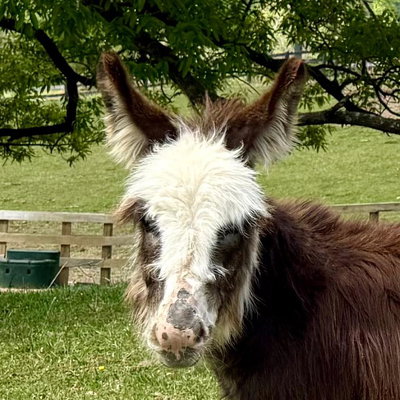
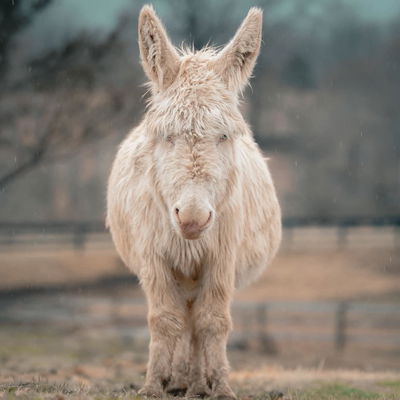
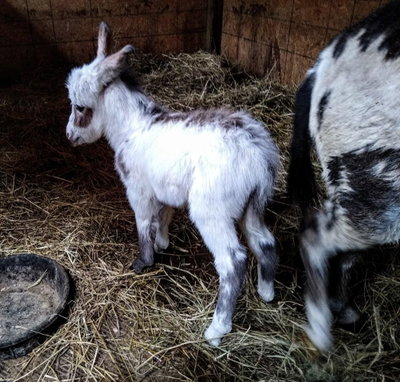
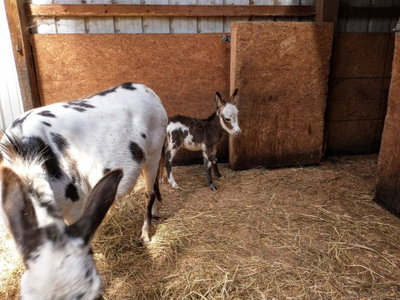
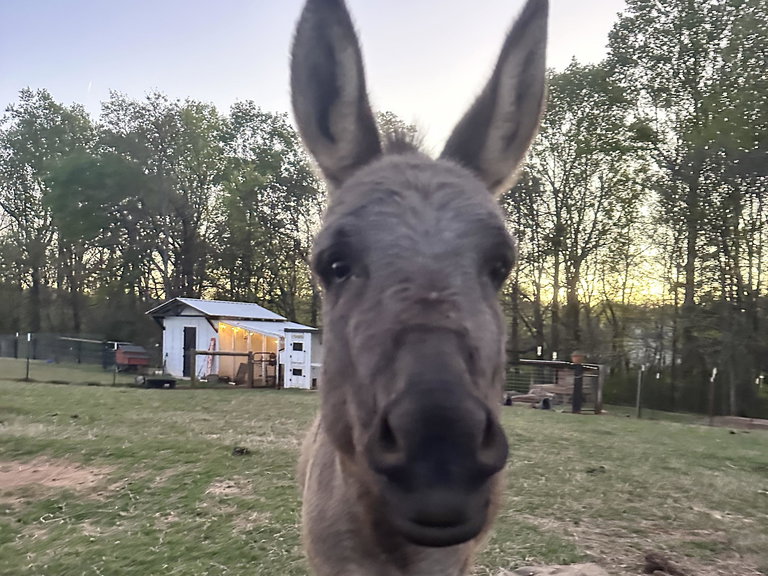
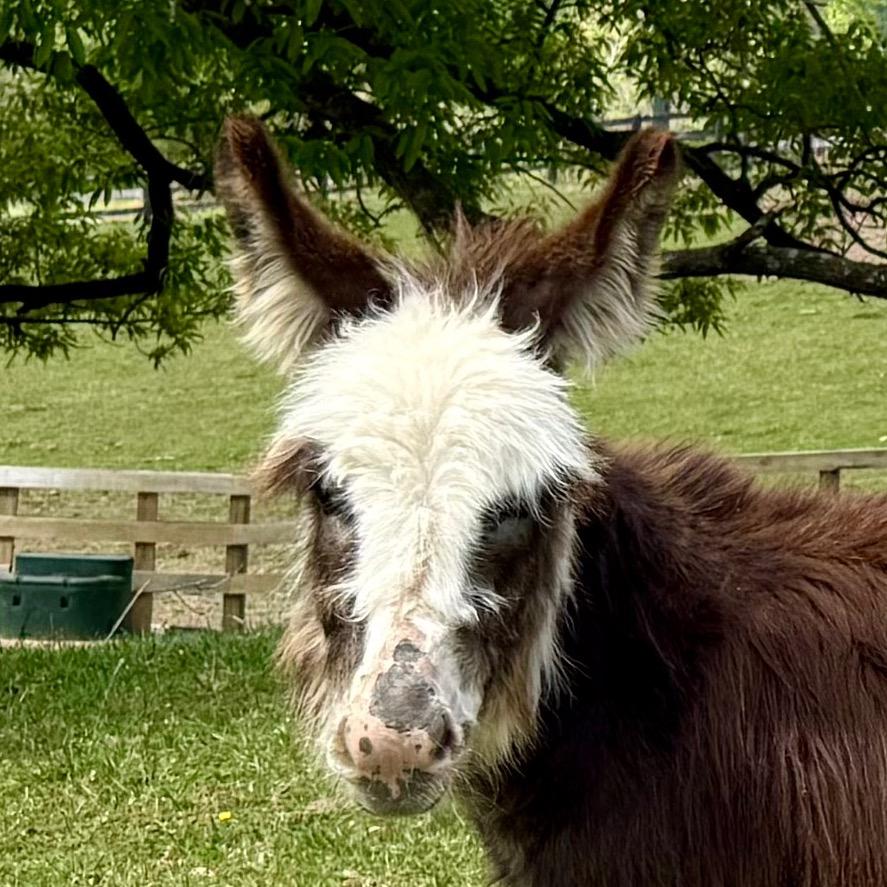
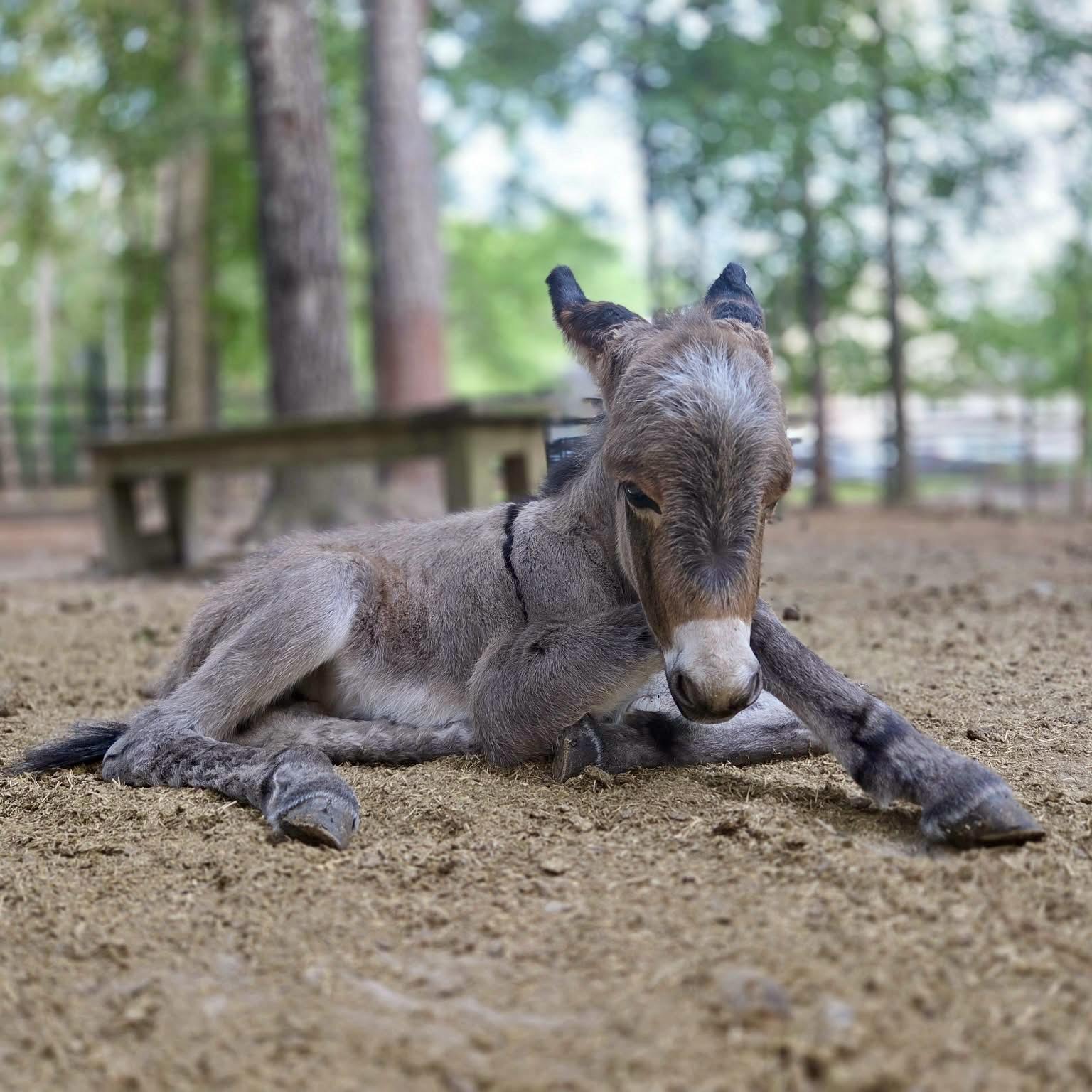
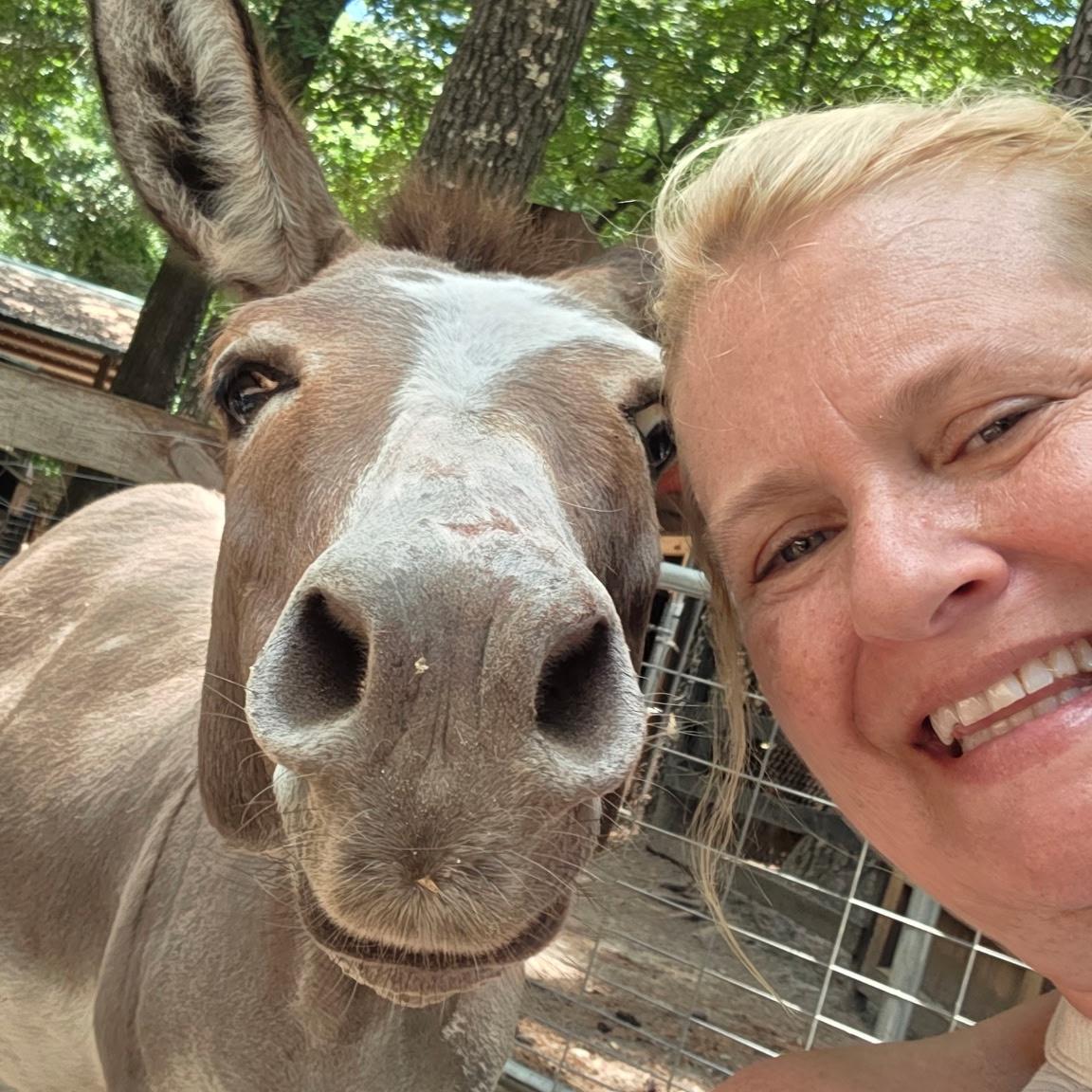
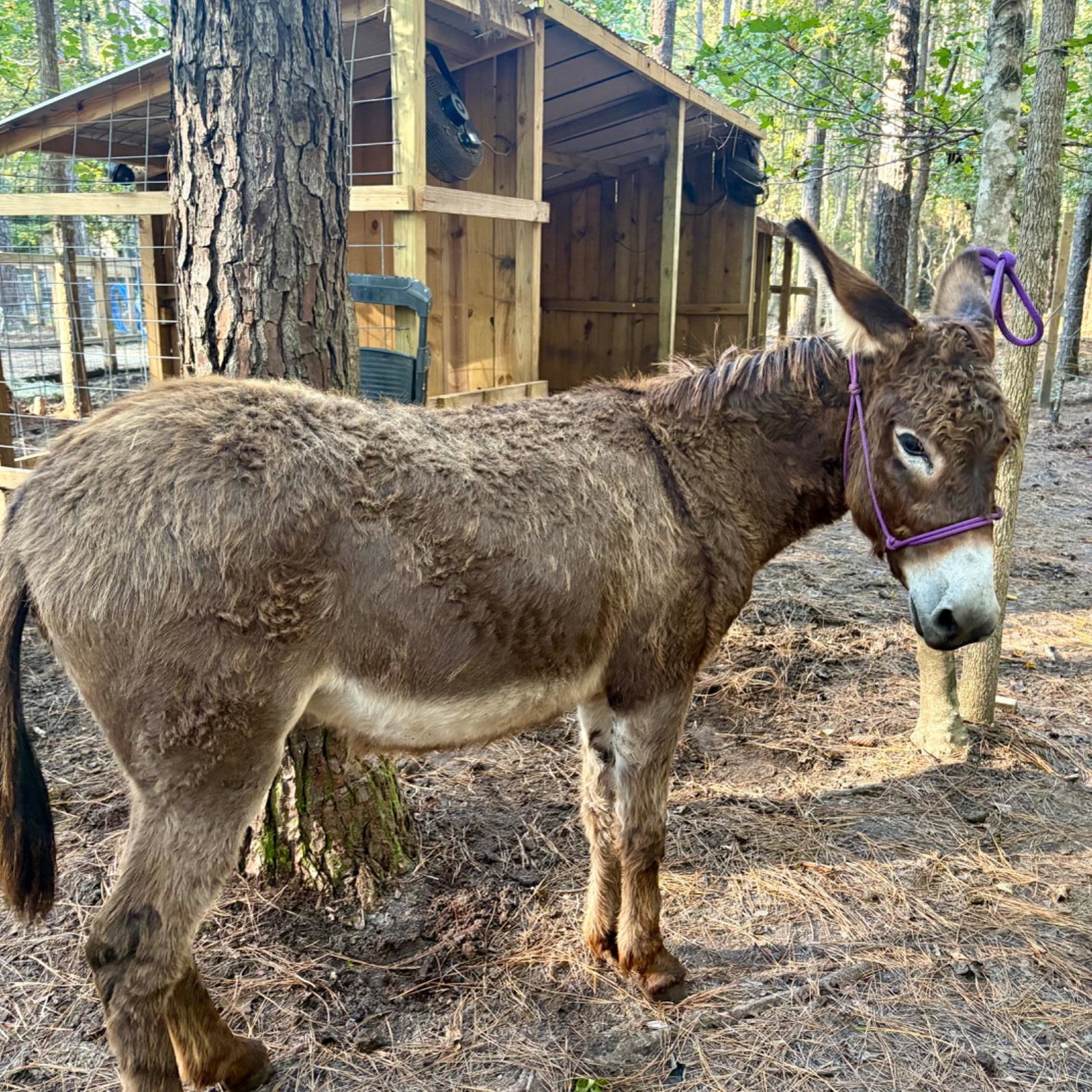
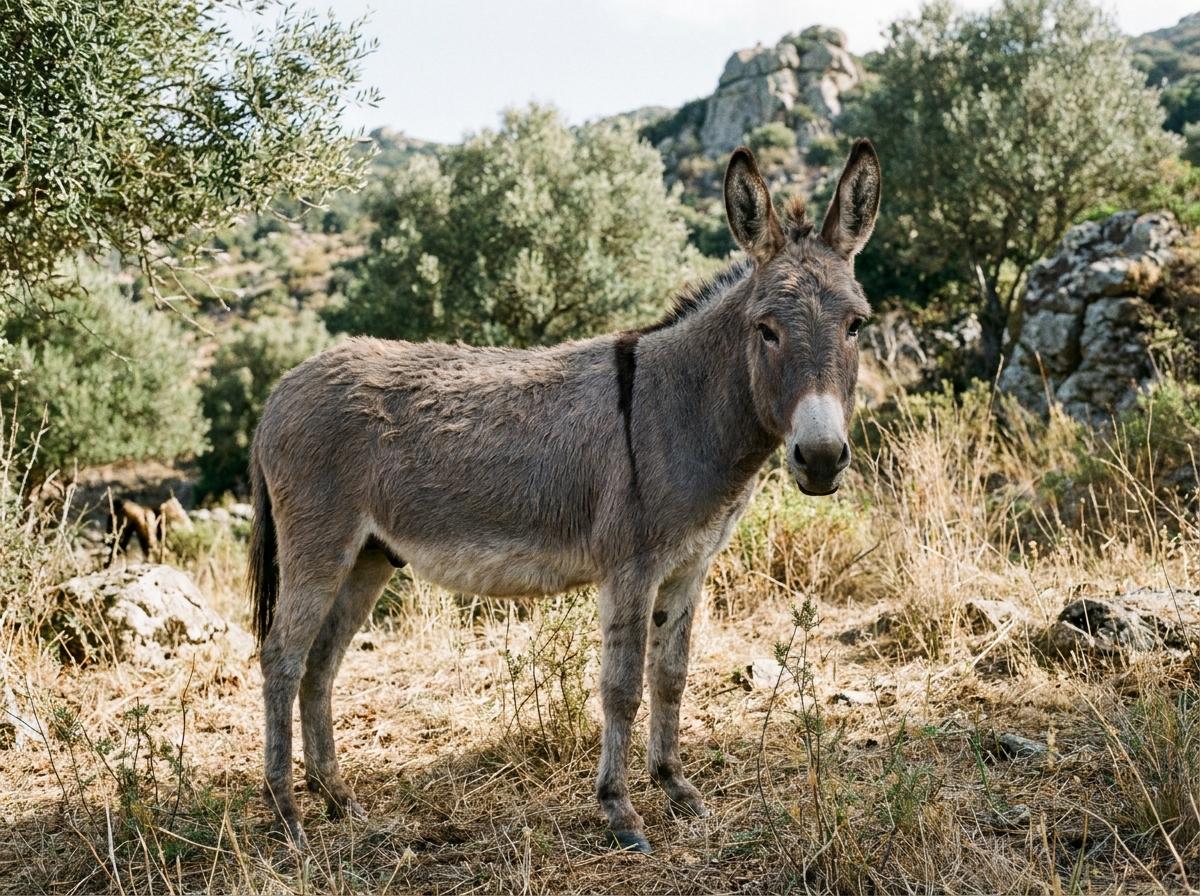
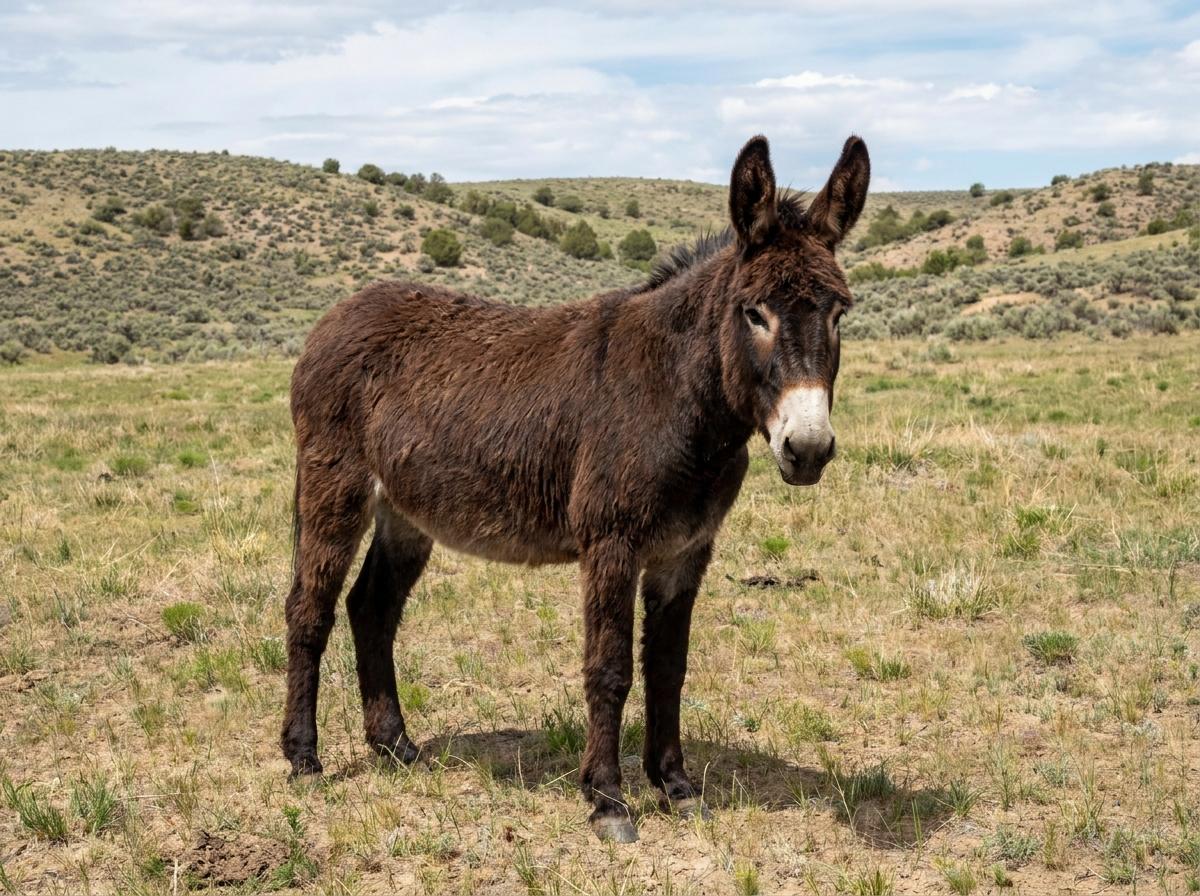
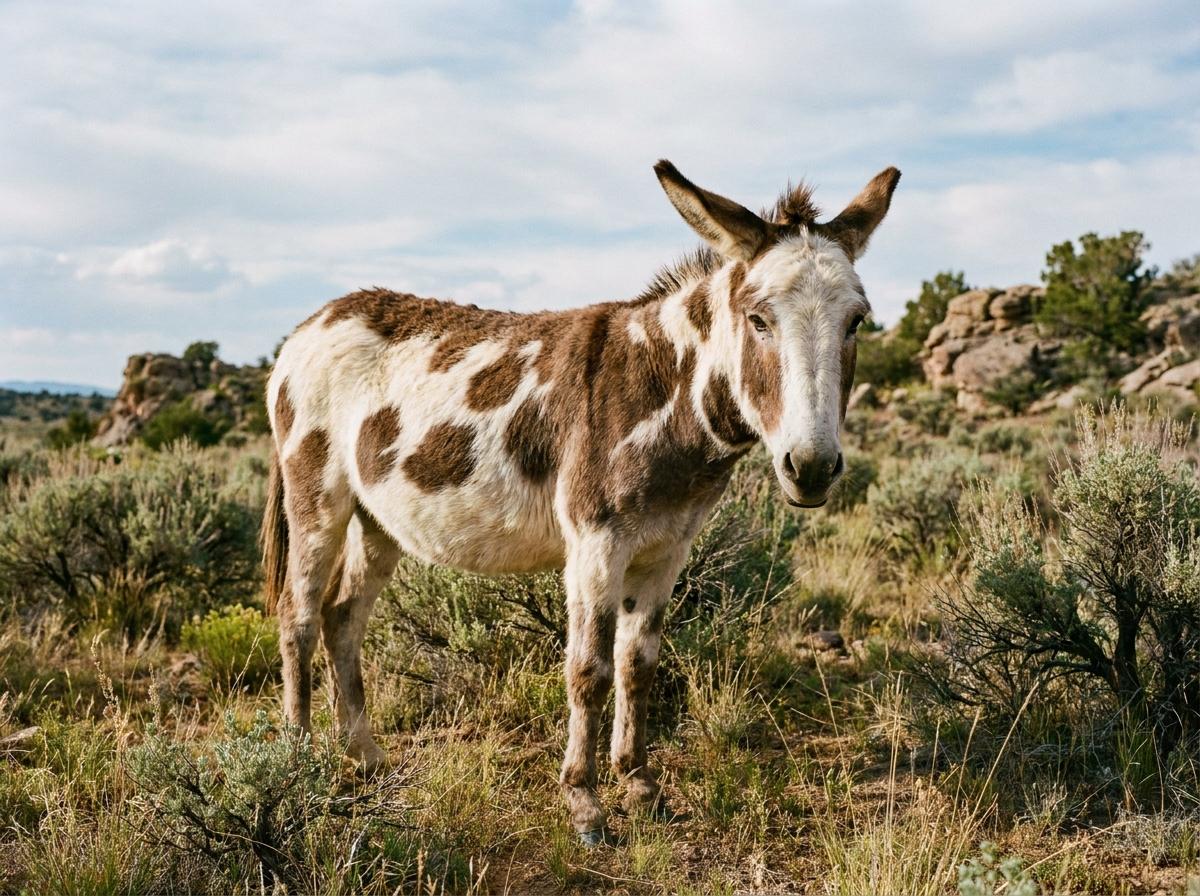
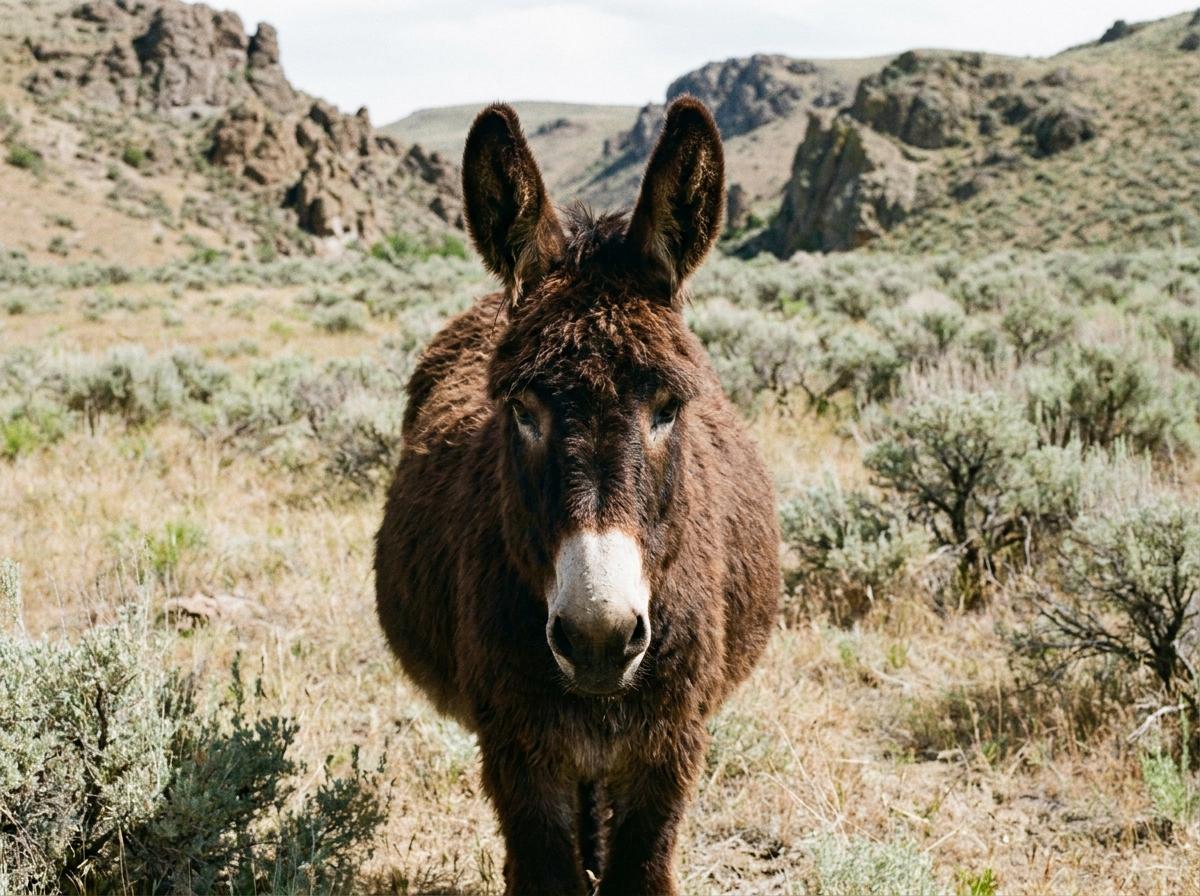
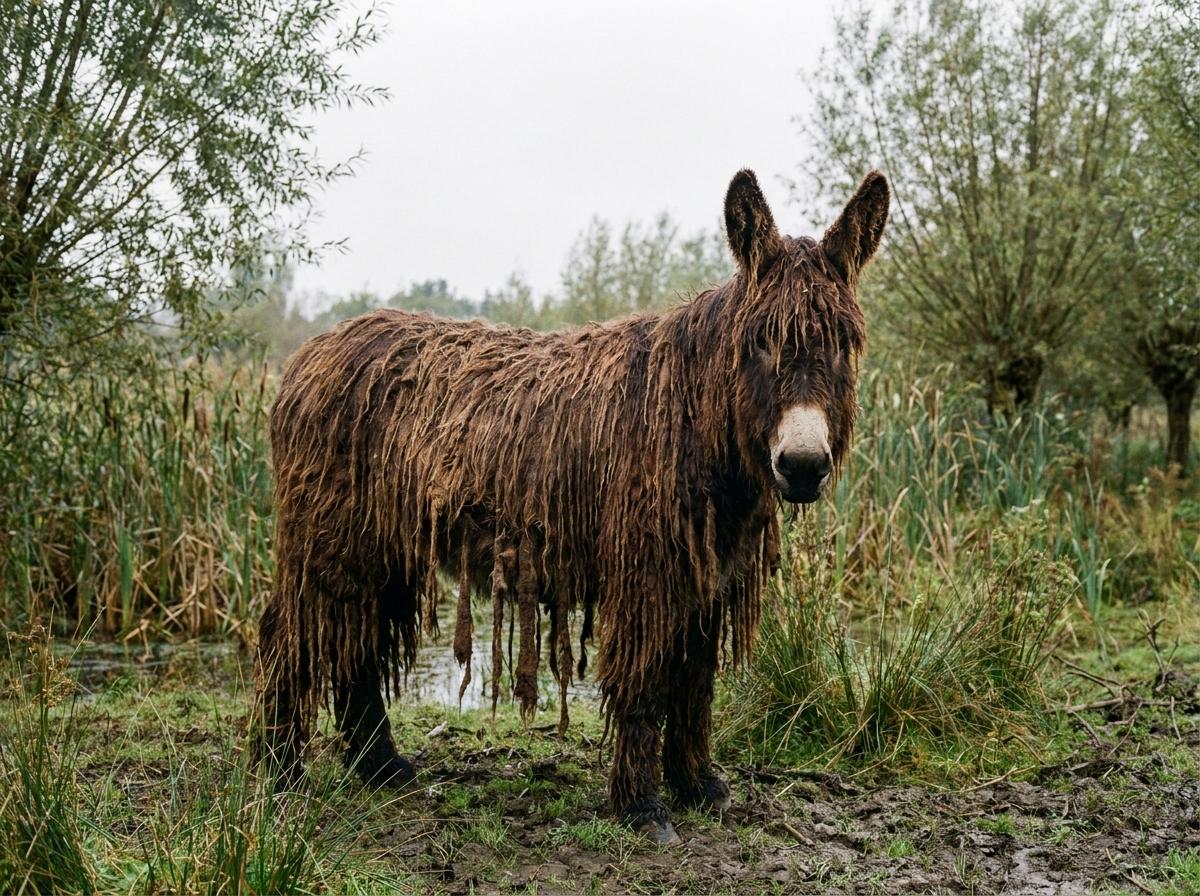
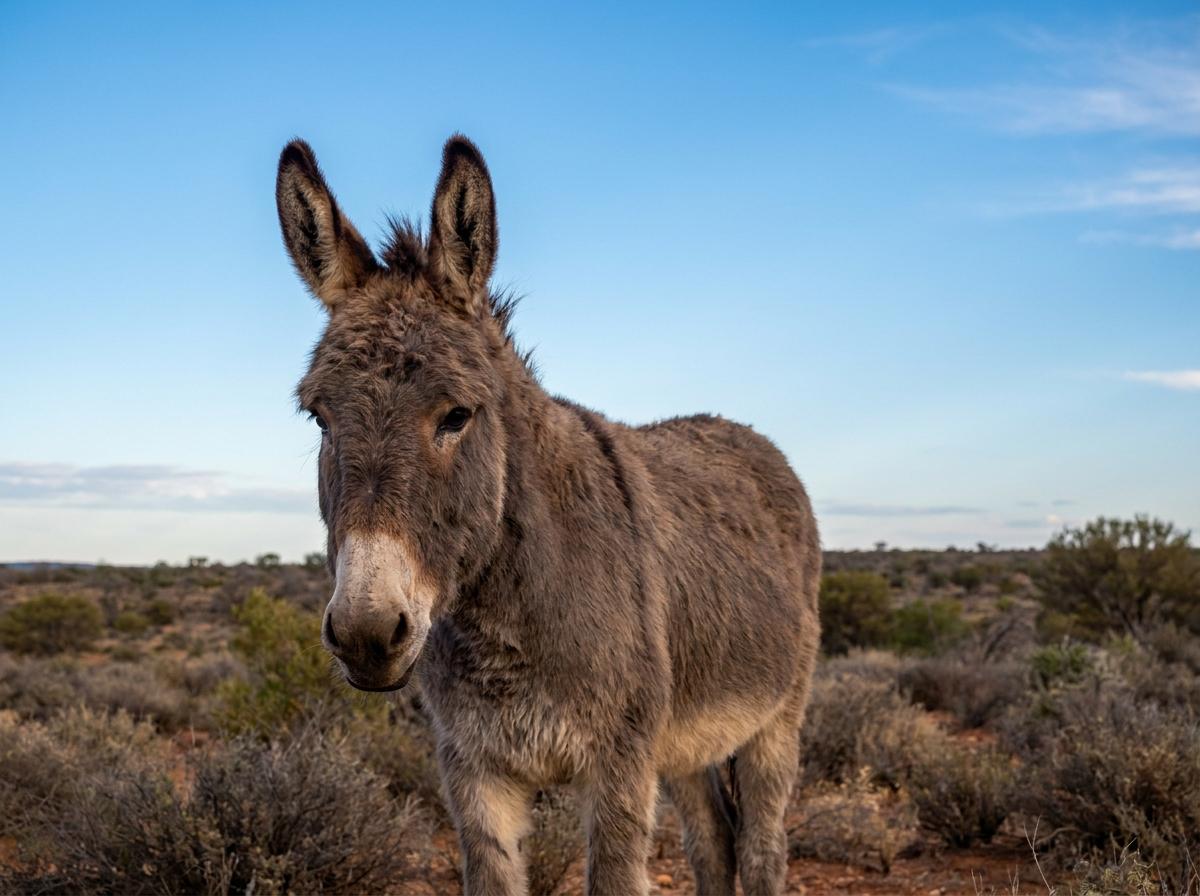
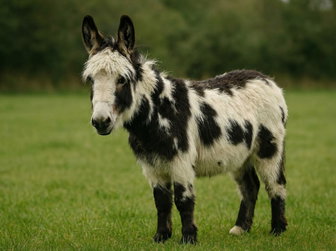
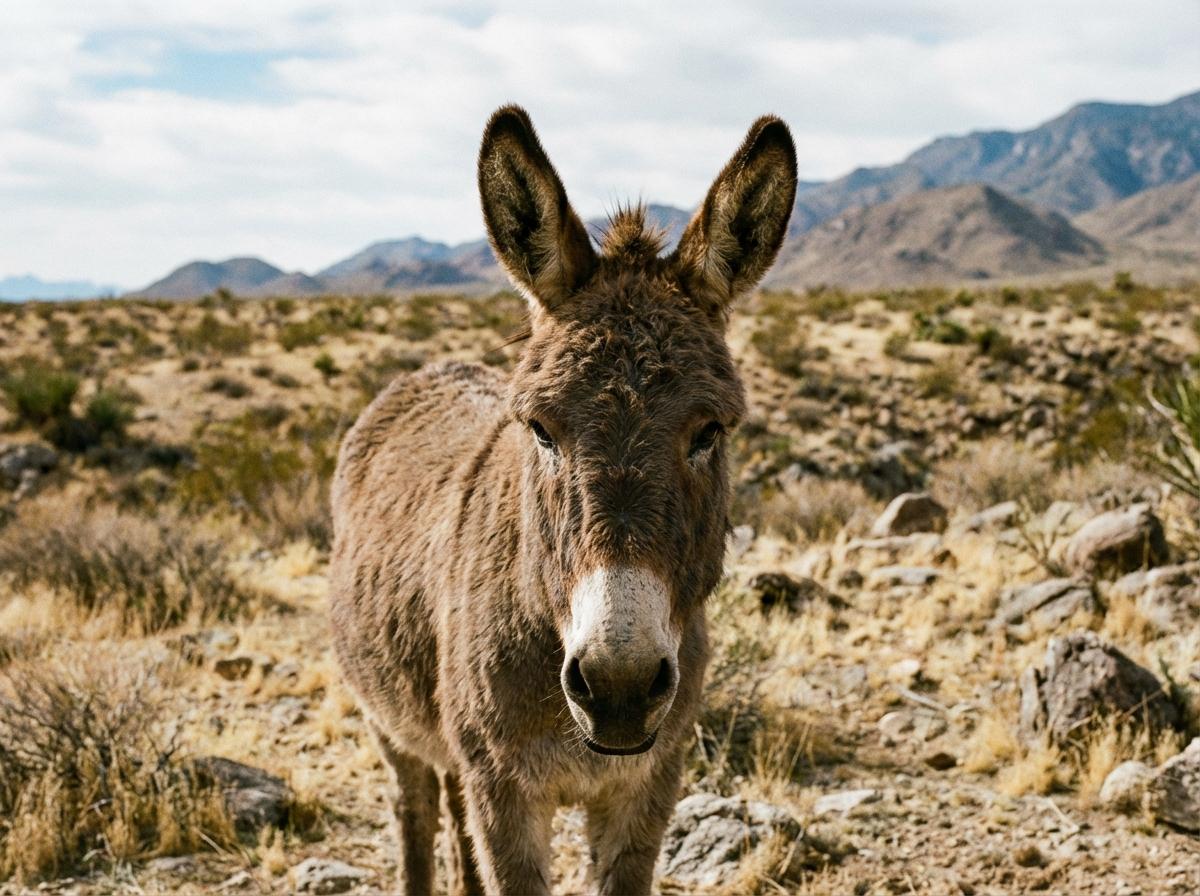
The donkey, Equus asinus, is the domestic form of the African wild ass and one of the oldest working equids. Also called the domestic ass, it has long ears, a narrow hoof suited to dry ground, a loud bray, and a cautious way of assessing danger. Donkeys range from miniature companions to large draft types, with coats commonly gray, brown, black, or spotted and many showing a dorsal stripe and shoulder cross. They have carried packs, pulled carts, guarded small livestock, produced milk, and sired mules when crossed with horses.
Donkey care differs from horse care in important ways. They evolved on sparse forage, so rich pasture and high-calorie feed can lead to obesity, laminitis, and metabolic problems. They need dry footing, regular hoof trimming, dental care, parasite management, shelter from cold rain, and at least one compatible equine companion. Their stoic behavior can hide pain, making small changes in appetite, stance, or attitude worth attention. Quiet, consistent training works best; forcing a worried donkey often increases resistance. Breeding requires planning because jacks can be assertive and unwanted foals are difficult to place responsibly.