
Mini Donkey Names: Fun Ideas for Your Pet Donkey
Author: Elliott Garber, DVM · Updated
How to Choose a Name for Your Miniature Donkey
Naming a miniature donkey is more than a creative exercise. You will use this name thousands of times over the next 25 to 35 years, calling it across the pasture, telling it to the farrier, and putting it on registration papers. A good name is short enough to call out clearly, distinct enough that the donkey can learn it, and meaningful enough that you still like it a decade from now.
If you want instant inspiration, try the donkey name generator on Creatures. It pulls from thousands of names across categories and can spark ideas you would not have considered. But if you want to work through the naming process more deliberately, read on.

Practical Naming Tips
Before diving into name lists, consider a few practical guidelines that experienced miniature donkey breeders follow:
- Keep it to one or two syllables for daily use. Donkeys can learn their names with consistent positive reinforcement (treats help), but shorter names carry better across distance. If you love a longer name, plan on a nickname for field use. “Bartholomew” becomes “Bart.”
- Avoid names that sound like commands. “Whoa” and “Bo” sound similar. “Stay” and “Faye” can blur. “No” and “Joe” will cause confusion during training. Say the name out loud several times and listen for overlap with common commands.
- Check the registered name separately. If you are registering with the ADMS or MDR, the registered name can be more elaborate (up to 30 characters for ADMS). Many owners use a formal registered name (“Sycamore Hill’s Evening Star”) and a completely different barn name (“Pepper”).
- If you have multiple donkeys, avoid names that rhyme with each other or sound too similar. “Millie” and “Tillie” will confuse both the donkeys and you when you are calling one in from the field.
- Wait a few days. Spend time with your new donkey before committing. Personality often reveals the right name. The calm, dignified jenny you planned to name “Firecracker” might clearly be an “Eleanor.”
Names by Category
Classic and Traditional Names
These are the names that have stood the test of time in donkey circles. They work well on registration papers and in the field.
Jennies (females): Rosie, Daisy, Bella, Hazel, Millie, Sadie, Josie, Nellie, Ivy, Pearl, Olive, Ruby, June, Fern, Mae
Jacks and geldings (males): Jack, Hank, Gus, Charlie, Henry, Sam, Chester, Clyde, Murphy, Walter, Oscar, Otis, Buck, Jasper, Arlo
Traditional names have a practical advantage: everyone can spell them, pronounce them, and remember them. Your vet and farrier will thank you.
Personality-Based Names
Miniature donkeys have distinct personalities. Some are bold and opinionated. Others are gentle observers. Some are mischievous escape artists. Match the name to the animal:
- For the bold and bossy: General, Duchess, Rex, Queenie, Captain, Sarge, Titan
- For the calm and gentle: Willow, Sage, Clover, Zen, Grace, Serenity, Dove
- For the curious troublemaker: Scout, Bandit, Rascal, Gizmo, Pixel, Jinx, Gadget
- For the stubborn (and they all have their moments): Rebel, Maverick, Knox, Flint, Tank
Coat Color Names
Color is one of the most natural starting points. The miniature donkey color guide covers the full spectrum, and each color lends itself to obvious and not-so-obvious name choices:
- Gray-dun donkeys: Ash, Sterling, Smokey, Foggy, Pewter, Dove, Misty, Silver, Storm
- Brown and chocolate: Cocoa, Mocha, Hershey, Toffee, Brownie, Cinnamon, Maple, Truffle
- Black donkeys: Shadow, Midnight, Coal, Onyx, Raven, Jet, Obsidian, Eclipse
- Sorrel and red: Ginger, Copper, Rusty, Penny, Cayenne, Blaze, Sienna, Ember
- White and ivory: Ghost, Pearl, Frost, Ivory, Snow, Luna, Opal, Crystal
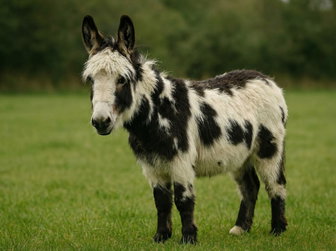
- Spotted donkeys: Domino, Patches, Freckles, Dot, Oreo, Speckle, Pinto, Marble
Food and Drink Names
Food names are consistently among the most popular for miniature donkeys, and for good reason. They are fun to say, easy to remember, and somehow always fit.
Sweet names: Biscuit, Muffin, Cookie, Cupcake, Pumpkin, Honey, Butterscotch, S’mores, Waffles, Crumble, Shortcake, Pudding
Savory names: Taco, Nacho, Burrito, Pretzel, Noodle, Churro, Gumbo, Pickles, Biscuit
Drink names: Espresso, Latte, Chai, Brandy, Porter, Stout, Toddy, Julep, Mocha
An entire herd named after coffee drinks (Espresso, Latte, Mocha, Cappuccino, Macchiato) or baked goods is more common than you might think. Themed herds make for good social media content and are easy for visitors to remember.
Literary and Pop Culture Names
Donkeys have a long history in literature and film, which provides obvious starting points:
- From fiction: Eeyore (Winnie the Pooh), Donkey (Shrek), Puzzle (Chronicles of Narnia), Benjamin (Animal Farm), Dapple (Don Quixote)
- Mythological: Atlas, Apollo, Athena, Thor, Odin, Freya, Clio, Juno
- Historical: Cleopatra, Lincoln, Churchill, Amelia, Nellie (Bly), Edison
- Whimsical literary: Hobbit, Gandalf, Gimli, Frodo, Arwen, Pippin, Bronte, Austen, Hemingway
“Eeyore” remains the single most common miniature donkey name, for obvious reasons. If uniqueness matters to you, consider deeper cuts from literature rather than the first-page results.
Pair and Group Names
This category matters more for donkeys than for most animals. Miniature donkeys must have at least one donkey companion (goats and horses are not adequate substitutes). So if you are getting your first donkey, you are getting at least two. Many owners end up with three, four, or more. Coordinated names for pairs and groups add personality to the herd:
Classic pairs: Salt and Pepper, Biscuit and Gravy, Peanut Butter and Jelly, Mac and Cheese, Thunder and Lightning, Sugar and Spice, Bonnie and Clyde, Thelma and Louise
Trio sets: Huey/Dewey/Louie, Larry/Moe/Curly, Snap/Crackle/Pop, Espresso/Latte/Mocha, Faith/Hope/Grace
Themed herds: Spice names (Cinnamon, Ginger, Nutmeg, Clove, Sage), gem names (Ruby, Opal, Pearl, Garnet, Jade), tree names (Willow, Maple, Hazel, Birch, Cedar, Aspen)
Pair names work particularly well because you will almost always refer to the donkeys together. “Have you fed Salt and Pepper?” rolls off the tongue better than two unrelated names.

Names for Registered Donkeys
If you are registering your miniature donkey, the registered name follows different conventions than the barn name. Most registries allow up to 30 characters. Common formats include the farm name followed by the individual name:
- Blue Ridge Farm’s Midnight Star
- Sycamore Hill Evening Song
- Valley View’s Double Take
Registered names cannot duplicate existing names in the registry. Before settling on a registered name, search the ADMS or MDR database to confirm availability. The barn name does not need to match the registered name at all.
Let the Donkey Tell You
The best naming advice from experienced owners is consistent: spend a few days with the animal first. Watch how it moves, how it interacts with other animals, what quirks it displays. The donkey that immediately investigates every new object might be “Scout.” The one standing quietly at the back of the group, observing everything, might be “Sage.” The one who steals your hat on day one is clearly “Bandit.”
Miniature donkeys learn their names quickly with positive reinforcement. Say the name, offer a small treat (a few pieces of timothy hay or a commercial equine treat), and repeat. Most donkeys will respond to their name within one to two weeks of consistent practice.
For more instant ideas, run through the donkey name generator a few times. You can also browse miniature donkeys for sale on Creatures to see what names other owners have chosen. Sometimes seeing real names on real donkeys helps more than any list. And when you are ready to bring your new donkey home, check the miniature donkey breed guide for everything you need to know about care, feeding, and setup.