Vizsla
Author: Elliott Garber, DVM · Published
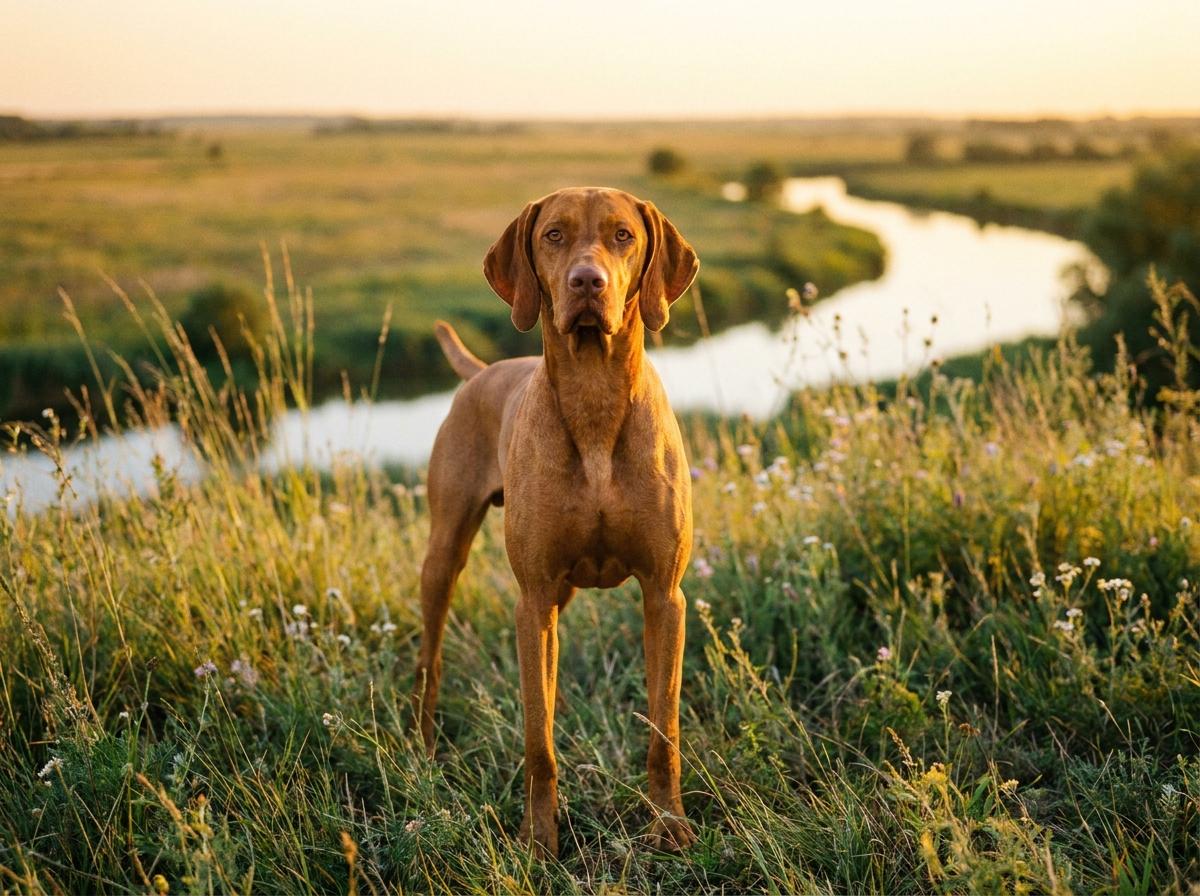
The Vizsla is a Hungarian gundog with a short golden-rust coat and a close connection to the people it lives with. Its athletic appearance attracts active households, but “we like walks” is only a starting point. The more useful question is whether you want to organize ordinary days around training, company, exercise and recovery.
Use the Creatures breeder directory to discuss that routine before you reserve a puppy. Ask how the breeder’s adults live and how they decide which home suits each youngster. You can also save a Vizsla listing alert to get an email when a matching animal is listed.

AI-generated illustration.
| Origin | Hungary; AKC Sporting Group |
|---|---|
| Traditional work | Hunt, point and retrieve |
| Coat | Smooth, short and golden rust |
| AKC ideal height | Males 22 to 24 in; females 21 to 23 in |
| Separate breed | Wirehaired Vizsla |
| Screening | Hips, eyes and thyroid; discuss seizure history |
Browse listings, public profiles, breeders, or add your animal.
A gundog before a color preference
The UKC standard describes a medium-sized, short-coated hunting dog developed in Hungary, with a golden-rust coat, drop ears and a brown nose. The UK’s Hungarian Vizsla Club places it among the hunt, point and retrieve breeds and cautions that an affectionate reputation does not make ownership effortless.
That background gives you questions to ask, not a fixed personality for every puppy. How do the parents respond to activity, unfamiliar environments and quiet time? What work or sports do they actually do? How does the breeder describe their needs when they are living at home?
If your interest began with a color photograph, meet adults as well. The dog beside you in several years will be more than a puppy portrait. Compare the Rhodesian Ridgeback if you are exploring other athletic shorthaired dogs, but do not assume similar coat length means similar household fit.
The smooth Vizsla and Wirehaired Vizsla are separate breeds. A wire coat is not simply an optional grooming style for this dog. Ask which registered breed a listing describes and compare adult examples before choosing a puppy.
The AKC Vizsla standard gives ideal heights of 22 to 24 inches for males and 21 to 23 for females. The golden-rust coat is accompanied by harmonizing brown nose pigment and thin drop ears. A brown nose is part of the breed’s identity, not a fault to replace with the black nose familiar from many other dogs.
A pointing background explains why scent, movement and search can matter in the ownership discussion. It does not guarantee that an individual is ready for off-lead access or safe around small animals. Ask what the breeder does with the parents and what experience the puppy actually has.
The Tarsus Catalburun guide provides a useful contrast for claims based on a pointer’s appearance: distinctive anatomy does not prove better scenting or a particular pedigree. Use the free dog pedigree chart maker to record known Vizsla ancestors while retaining the registry paperwork as the evidence.
Build a weekday plan, including rest
Write the schedule you can deliver in poor weather and during a demanding workweek. Identify who takes the dog out, who teaches it, where it rests and what happens if the usual person is ill. If the plan depends on one unusually energetic household member, arrange a realistic backup.
Exercise is only one item. Ask the keeper how the dog settles after activity, how it travels and what happens when a familiar person leaves. Discuss any known difficulty with alone time honestly. A dog that needs support should have a plan, not a promise that affection will solve everything.
Choose activities in consultation with your veterinarian and instructor, especially for a growing puppy or a dog returning from illness. Avoid turning a breed label into a rigid running target. Keep notes about the individual response so you can discuss fatigue, reluctance or changes with the appropriate professional.

AI-generated illustration.
Training that translates beyond class
Pick everyday goals before advanced exercises. Returning attention to you, walking through a doorway calmly, coming when called in a safe setting and resting while you prepare a meal all have practical value.
AVSAB supports reward-based dog training. Ask an instructor to explain how they build a skill and adjust the task when the dog struggles. You should understand the lesson well enough to practice it consistently at home.
Consider where you can train without creating risk. A recall exercise belongs in a secure place while it is being learned. An unfenced field beside livestock or traffic is not a suitable test of a new dog’s reliability. If you have other animals, describe them accurately to the breeder and plan introductions and management rather than relying on the word “friendly.”
Coat simplicity does not replace routine care
A short coat makes it easier to see the dog’s outline, but ask for instruction on the whole care routine. How does this dog accept nail handling? What equipment makes transport comfortable? What is the current feeding plan? Which preventive-care documents will come with it?
Use the first veterinary appointment to review those details. Bring the original records so the clinic can distinguish completed care from something merely planned. The puppy vaccination guide is a useful way to organize questions before that conversation.
After outdoor activity, make a calm inspection part of the routine you learn from your veterinary team. If you notice a painful area, altered movement or an unexplained change in behavior, seek advice rather than assuming an active breed is simply tired. Record what you saw and when.
What a good breeder conversation covers
Ask about the reason for the mating and the parents’ temperaments, then request hip evaluation, ophthalmologist examination and thyroid results. These are the AKC-listed parent-club screening recommendations for Vizslas. Ask separately about seizures or epilepsy in close relatives and any other significant family illness. A general DNA-tested claim does not answer those questions; each report should identify the animal, assessment and date. Your veterinarian can interpret unfamiliar findings.
Describe your home honestly. If you work away from home, have no secure outdoor area or have small pets, say so early. A breeder who suggests a different individual, an adult or waiting for a better match may be giving you useful guidance.
Ask for examples of the puppy’s experience so far: surfaces, people, handling, car travel and time away from littermates. For an adult, ask about the previous routine and any restrictions on placement. Do not let a charming meeting replace that history.
Price and costs
There is no useful universal Vizsla price without place, date and terms. Ask for a current written quote, what it includes and which costs remain yours. Transport, equipment and registration arrangements should be clear before payment.

AI-generated illustration.
Make progress visible without inventing milestones
Keep a dated note of what the dog can do in a particular setting. “Returned when called in the fenced garden” is more useful than “recall trained.” The first statement tells another handler what has actually been practiced.
Save records alongside those observations, including veterinary reports, registration documents and the current care instructions. Note who made each statement. A breeder’s account, a trainer’s assessment and your own observation should remain distinguishable.
For a wider comparison of breed and ownership choices, return to the dog hub. A suitable Vizsla home is one that enjoys the daily work of the relationship, not only the occasional impressive outing.
Vizsla questions
Is the Vizsla simply an easy dog for runners?
No. Running interests do not answer questions about training, company, rest or the needs of a growing or older animal.
Does a short coat mean low overall maintenance?
It changes coat care, but the rest of the daily commitment remains. Ask about handling, training and veterinary needs too.
Can a Vizsla live with other animals?
Assess the particular dog and household. Plan introductions and secure management; do not infer compatibility from a breed label.
Should I consider an adult?
Yes. A well-described adult history may help you evaluate fit, provided the keeper is candid about needs and limitations.
Do this next on Creatures
Still looking? Get an alert when a Vizsla is listed, browse Vizsla breeders, or check current Vizsla listings. The Help Center explains saved searches and email alerts.
Already caring for one? Add a record when you have a dated document or useful observation. The form opens for visitors; a free account is needed to save. The Help Center explains adding an animal and adding a record.
Breeders and organizations can create an organization profile for their work. The organization and team guide explains the setup.