

Tweed Water Spaniel
The Tweed Water Spaniel was a 19th-century working water dog from the River Tweed and nearby Berwick coast. Historical descriptions place it closer to a small curly-coated retriever than to a modern show spaniel. It is extinct, so there are no verified Tweed Water Spaniel puppies, current breeders, or living purebred profiles to find. Use the Creatures dog hub to research living breeds, and start a general dog profile only for a modern dog under its documented identity.

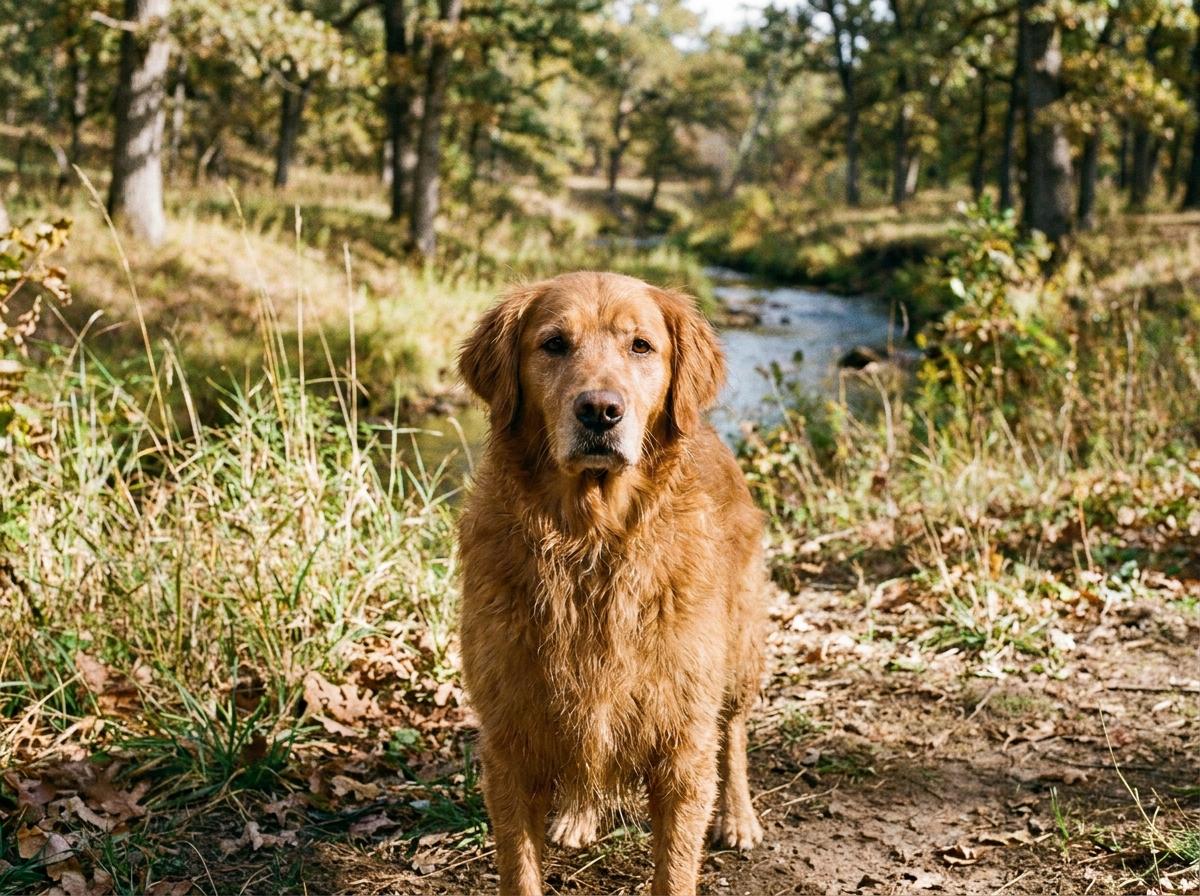
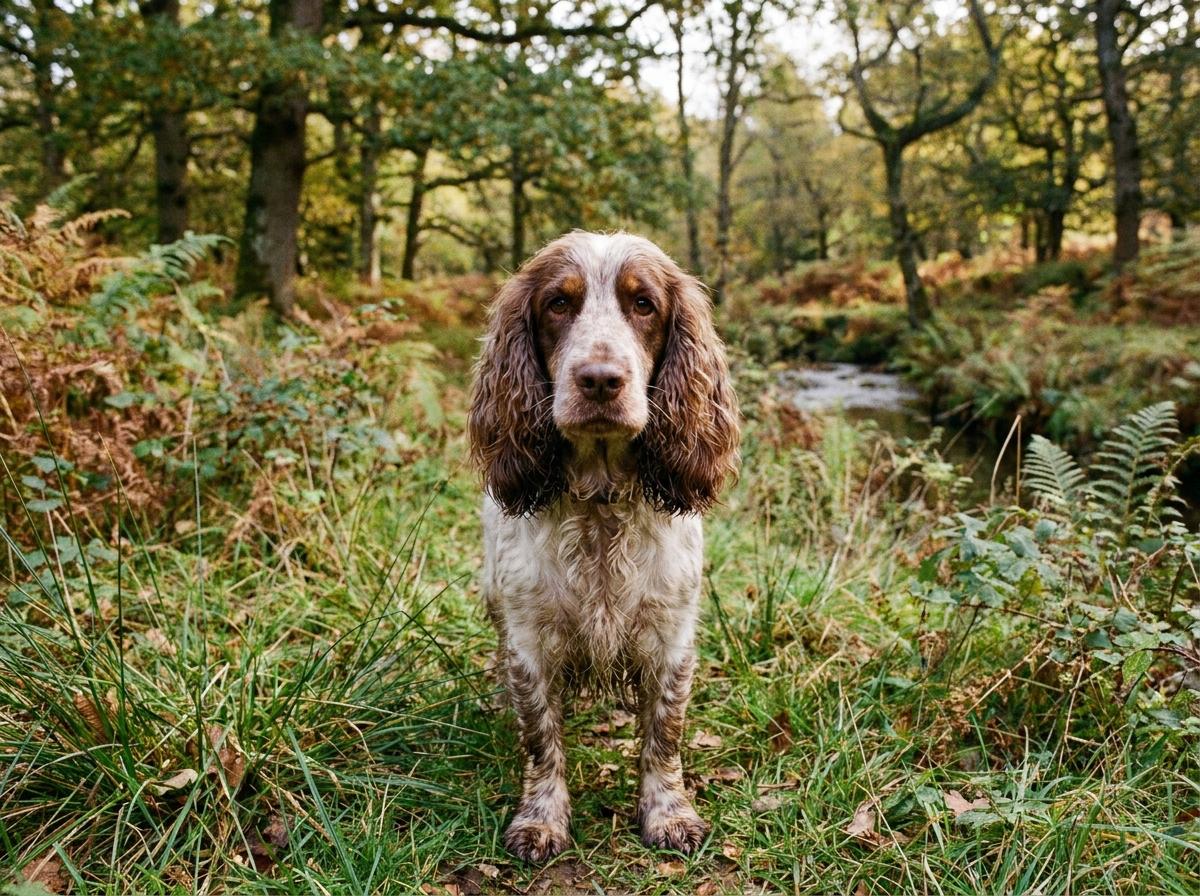
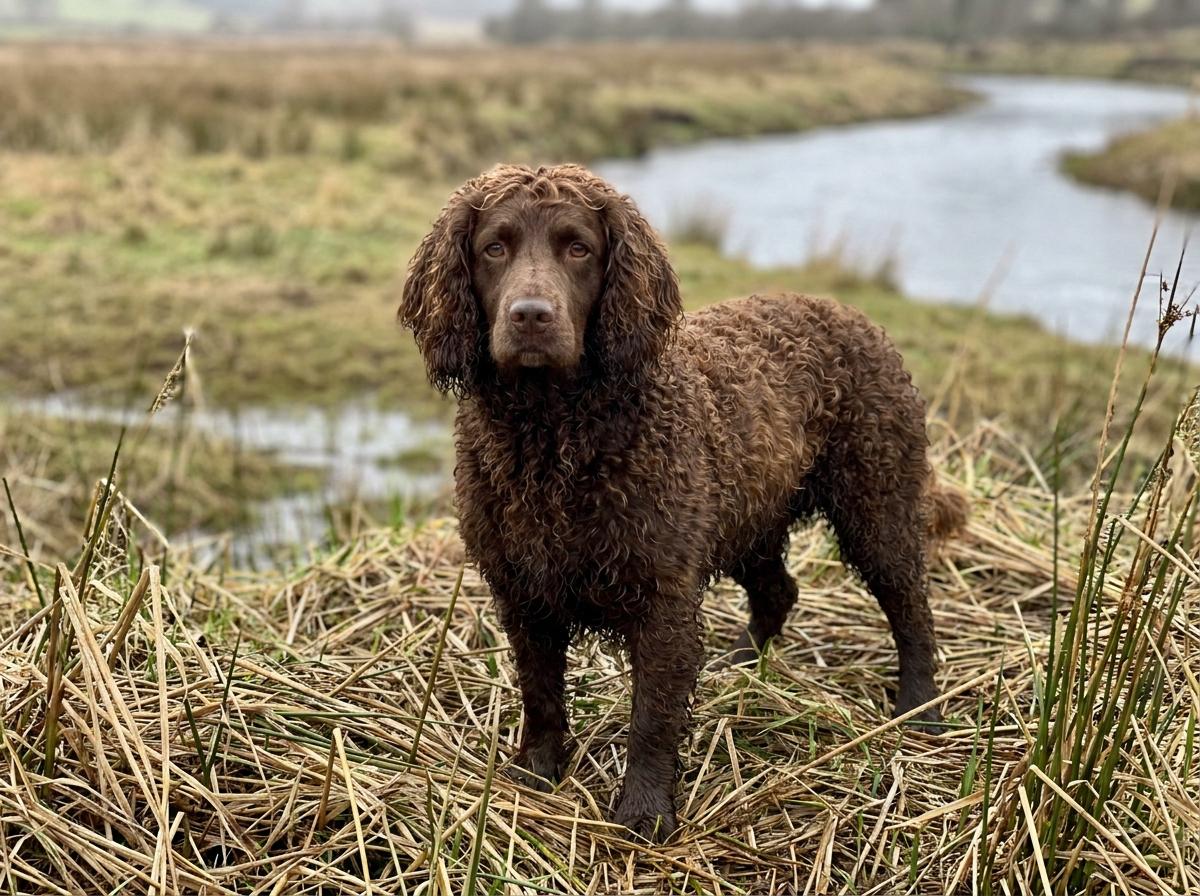
AI-generated historical reconstruction, not a photograph. No image can serve as a conformation portrait for an extinct population that lacked one surviving modern standard.
| Historical names | Tweed Water Spaniel, Tweed Spaniel, and Tweed water dog in later discussion |
|---|---|
| Region | River Tweed and Berwick border country on Britain’s east coast |
| Recorded work | Water retrieving and assistance around fishing |
| Coat evidence | Light liver, close curled, with relatively little feathering |
| Other traits | Long tail, heavy hound-like ears, conical head, and pendulous lips in one period account |
| Modern status | Extinct, with no living studbook or purebred availability |
| Best-known legacy | A documented contribution to the Golden Retriever’s foundation |
Browse listings, public profiles, breeders, or add your animal.
What the historical name described
The label belonged to dogs around the Tweed, not to today’s spaniel group under a surviving breed standard. The Golden Retriever Club of America study guide describes the now-extinct dog as native to the east coast of southern Scotland, especially the River Tweed near Berwick. It says the dogs retrieved game and assisted fishermen.
A period account supplies more physical detail, but it should not be treated as a universal standard. In Hugh Dalziel’s British Dogs, the author recalls a Tweed strain that was very light liver, close in curl, long in tail, heavy and hound-like in the ears, slightly feathered on the forelegs, smooth behind, conical in the head, and more pendulous in the lips than the Irish Water Spaniel strain he discussed.
That is evidence from one experienced writer and his dogs, not proof that every Tweed dog matched exactly. Regional working populations existed before modern breed administration settled many names and boundaries. Descriptions could overlap with water spaniels, water dogs, and emerging retriever types.
A practical river and coast dog
The Tweed Water Spaniel’s recorded setting explains more than a modern beauty profile would. A useful fishing and retrieving dog needed to enter cold water, swim, carry an object gently, work near nets and people, and return reliably. Coat texture, strength, trainability, and endurance mattered because they supported work.

AI-generated historical reconstruction, not a photograph. The cork float and calm water illustrate a welfare-safe working context, not a documented individual or event.
The image does not prove a standard harness, task, or exact body shape. Its close wet curls, long tail, and drooping ears follow the historical description, while the rest remains interpretive.
Temperament claims also need restraint. A dog selected for cooperative water work likely needed responsiveness and persistence, but there is no defensible modern score for friendliness, trainability, prey drive, or family suitability. Individual dogs are gone, and the evidence was not collected as a behavioral study.
Belle and the Golden Retriever record
The Tweed Water Spaniel remains familiar because named dogs appear in the documented foundation of the Golden Retriever. The Royal Kennel Club’s Golden Retriever history credits the first Lord Tweedmouth with crossing a yellow dog from black Wavy Coated Retriever breeding with a Tweed Water Spaniel. That mating produced four yellow puppies.
The Golden Retriever Club of America gives the named record. In 1868 Lord Tweedmouth bred the yellow Wavy-Coated Retriever Nous to Belle, a Tweed Water Spaniel. Their puppies entered a longer breeding program that also involved another Tweed Water Spaniel and other retriever, setter, and hound ancestry.

AI-generated historical reconstruction, not a photograph of Nous and Belle. The two dogs illustrate the recorded contrast in coat and type without claiming exact likeness.
This history does not make a Golden Retriever a living Tweed Water Spaniel. Descendant contribution and breed identity are different things. The modern Golden Retriever hub belongs to a recognized living breed with its own later standard and records.
Why the breed disappeared
The evidence supports extinction, but not one simple cause or exact last-dog date. Local working populations can fade when jobs, breeding preferences, names, and registries change. They can also be absorbed into developing breeds. Without a continuous studbook, later resemblance cannot re-establish the lost population.
Avoid claims that a modern brown curly dog is a recovered Tweed Water Spaniel. A reconstruction project could set a new breeding goal inspired by historical descriptions, but it would be a modern project. It could not honestly provide uninterrupted pedigrees back to Belle or the Tweed dogs of Berwick.
Likewise, DNA ancestry products cannot identify a lost breed unless suitable reference samples and a valid comparison exist. A Golden Retriever’s documented historical connection is stronger evidence than a percentage generated from an undisclosed reference panel.
How to assess a historical claim
Ask five questions before repeating a Tweed Water Spaniel claim:
- Is the source contemporary with the dogs, or a later retelling?
- Does it name a dog, place, date, owner, or working context?
- Does the description concern the whole regional population or one strain?
- Does an ancestry claim follow an actual breeding record?
- Is a reconstruction clearly labeled rather than presented as a photograph?
Keep scans, page numbers, archive details, and the exact words used. Note when an author groups the Tweed dog under Irish Water Spaniels or retrievers, since classification changed. Separate a documented fact, such as the Nous and Belle mating, from a plausible visualization of how either dog looked.
For another extinct water-dog history with a different regional record, see the St. John’s Water Dog hub. Do not merge the two identities merely because both influenced later retrievers.
Frequently asked questions
Is the Tweed Water Spaniel extinct?
Yes. The Golden Retriever Club of America identifies it as extinct, and there is no continuous living studbook or verified purebred availability.
Are Tweed Water Spaniels for sale today?
No verified purebred Tweed Water Spaniel puppies or current breeders exist. A modern seller using the name would need to describe a new reconstruction or mixed line honestly, not claim uninterrupted historical pedigree.
What color was the Tweed Water Spaniel?
Historical descriptions emphasize light liver, a word that could cover brown to sandy tones. One color description does not turn a generated image into an exact portrait.
Did the Tweed Water Spaniel create the Golden Retriever?
It contributed to the foundation. Nous and Belle produced four yellow puppies in 1868, and another Tweed Water Spaniel later entered Lord Tweedmouth’s program. Other dogs and generations were involved too.
Was it a spaniel or a retriever?
Historical names and classifications overlapped. Later sources describe its look as more retriever-like than spaniel-like, while its established name remains Tweed Water Spaniel.
Do this next on Creatures
Use Creatures for living dogs and durable source records, never to manufacture present-day Tweed Water Spaniel availability.
Identify a living dog honestly. Start a general dog profile, no account needed to begin, then choose only a verified living breed. Follow adding an animal to Creatures.
Preserve historical evidence. Open the record sheet as a visitor; a free account is required to save. Read adding a record and health and medical records.
Watch living dog listings. Set a general dog alert, no account needed to start. It is not a Tweed Water Spaniel alert. See saving searches and using your watchlist.
Compare current dogs. Browse the general dog marketplace. No listing there should be treated as a purebred Tweed Water Spaniel.
Represent a historical or breed group. Start a dog organization profile, no account needed to begin. Read creating an organization and adding your team.
Find modern breed organizations. Use the Creatures breeder directory, then verify every claim with its issuing registry. The directory is not evidence of a Tweed Water Spaniel breeder.