


Techichi
The Techichi is an extinct companion dog of ancient Mexico, kept by the Toltec and later the Aztec peoples and traditionally proposed as the main ancestor of today’s Chihuahua. It is not a breed you can buy, because no purebred Techichi survives. What you can do is understand it, because the Techichi is the closest historical candidate for the ancestry of the Chihuahua, and much of what circulates online about it mixes real history with a good deal of legend. This page separates the two: what the archaeological and written record actually supports, where the popular story runs ahead of the evidence, and how the modern Chihuahua carries a pre-Columbian Mexican dog lineage forward today.
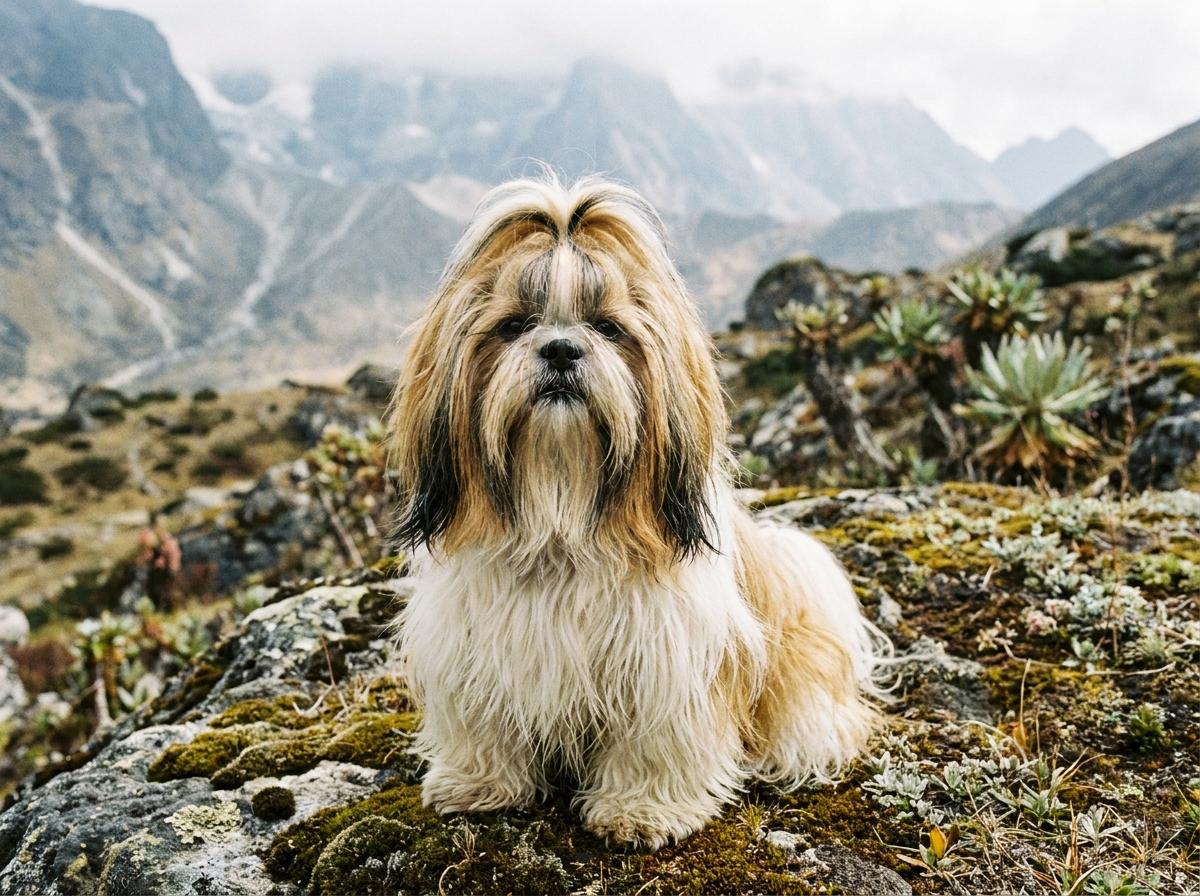
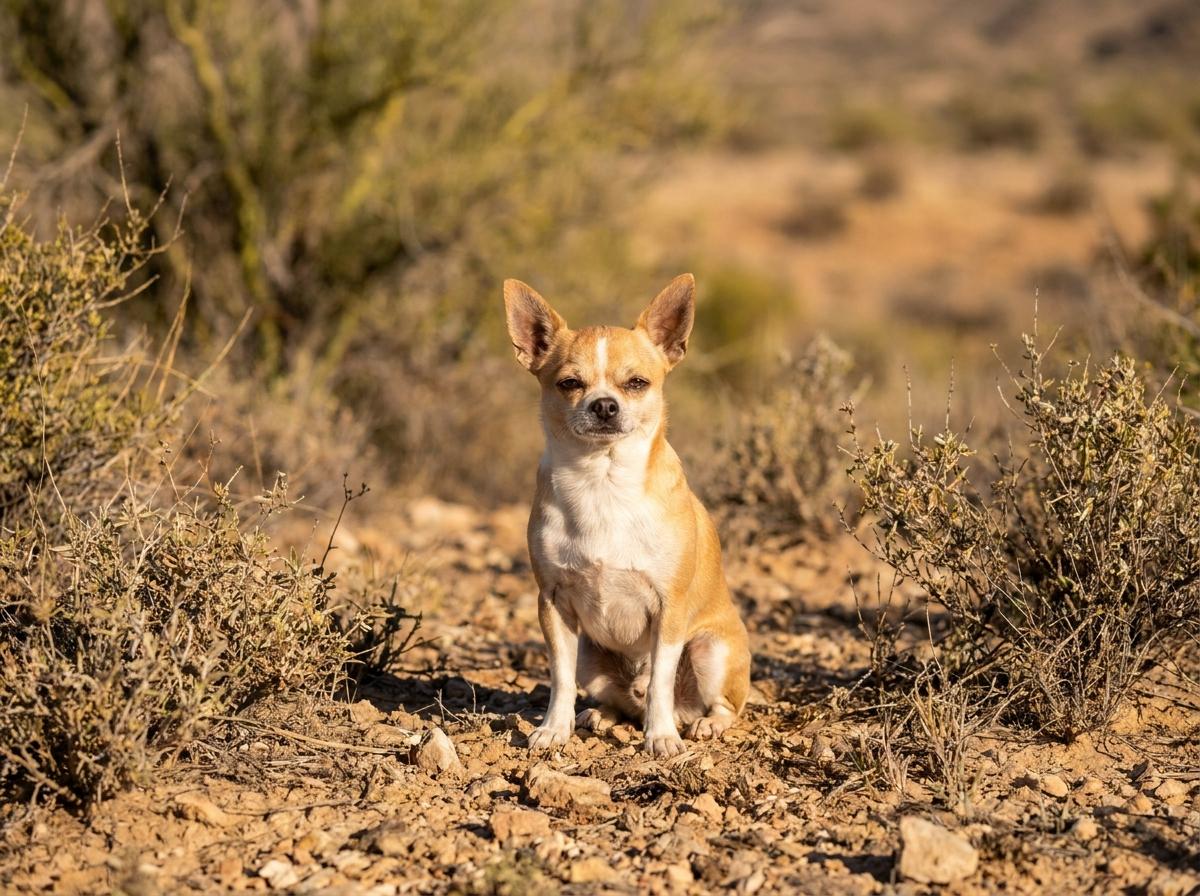
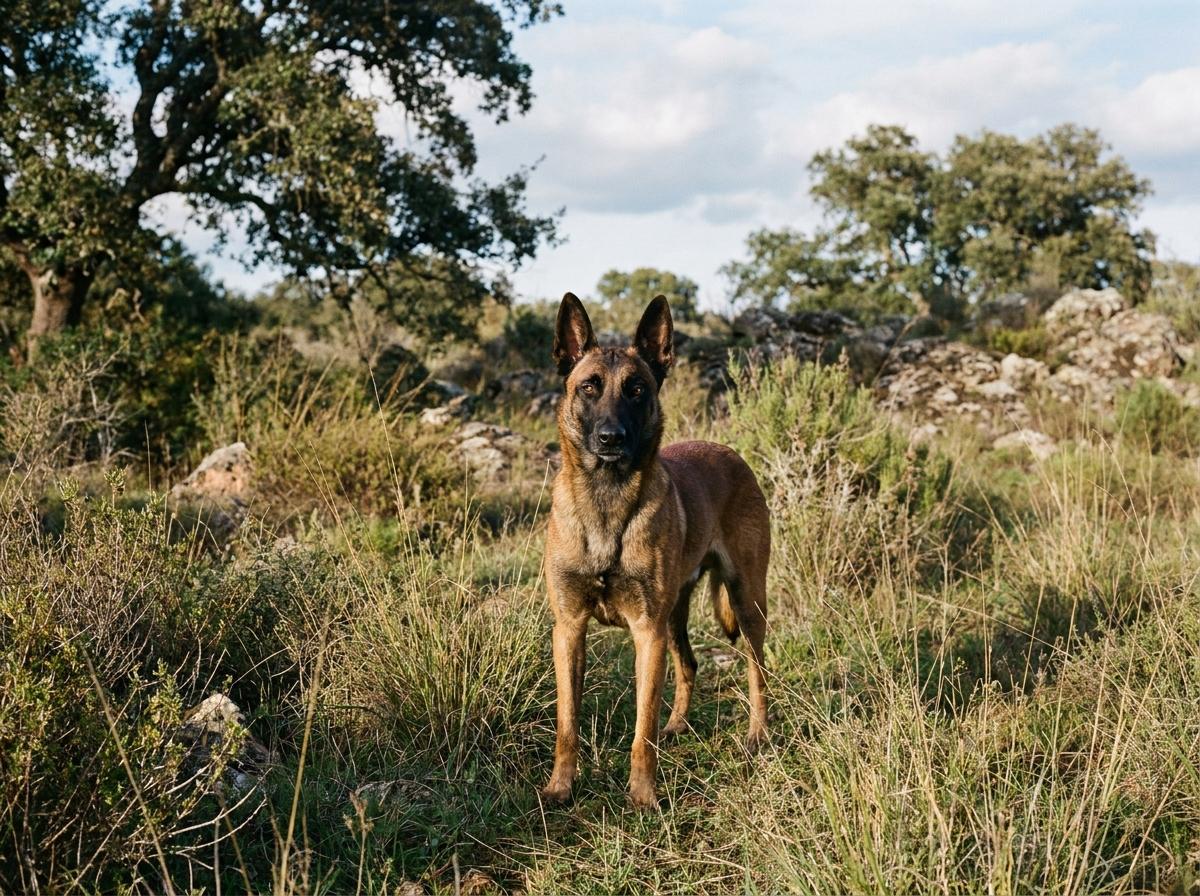
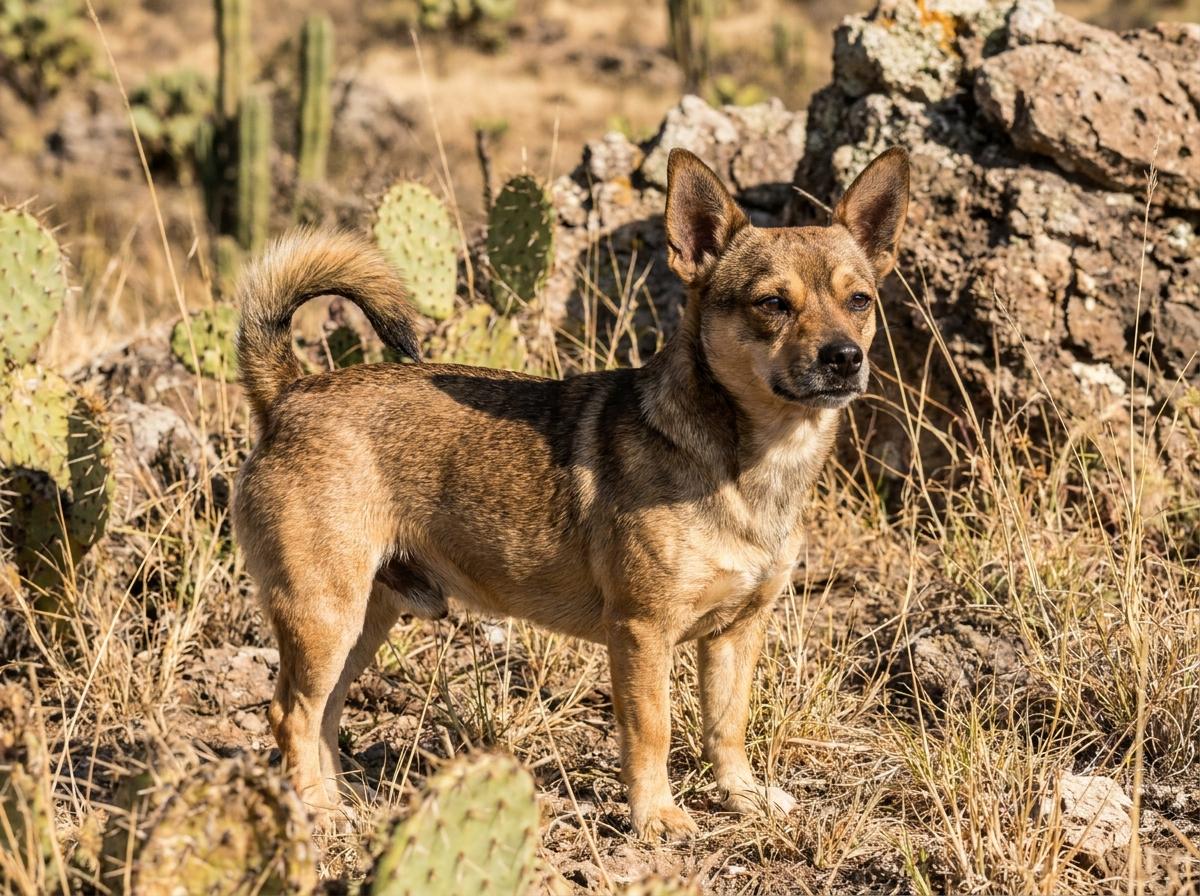
The Techichi is extinct and its exact appearance is uncertain. The images on this page are AI-generated reconstructions based on archaeological and historical description, not photographs.
Browse listings, public profiles, breeders, or add your animal.
What was the Techichi?
The Techichi was a small dog kept as a companion animal in central Mexico, associated first with the Toltec culture and later inherited and reshaped by the Aztec. Its name comes from Nahuatl, the language of the Aztec world. In plain terms it was a household and temple dog: small enough to carry, valued for company, and woven deeply into religious life rather than kept for herding or hunting.
The single most important thing to understand about the Techichi is its traditional relationship to the dog most people know today. The Chihuahua is widely proposed to descend from the Techichi, and the ancient dog is usually described as small, big-eared, and compactly built, the same broad profile you see in the modern breed. The American Kennel Club’s own breed history describes the Toltec Techichi as a little dog with “large, Chihuahua-like ears,” which is a good measure of how strong the traditional resemblance is. So while you cannot keep a Techichi, you can meet the dog this tradition leads to on the Chihuahua breed page, and you can browse the wider dog species hub to see where small companion breeds sit among everything else.
A note on the popular story before we go further. Because the Techichi is extinct and vividly ancient, it attracts a lot of confident writing that is really folklore dressed as fact. Some of that folklore has a real basis, and some of it does not. Throughout this page we flag which is which, because a practitioner or a serious enthusiast deserves the honest version rather than the viral one.
Origin and history
The commonly cited timeline puts the Techichi with the Toltec people by around the 9th century CE. The Toltecs kept these small dogs as companions and gave them a place in ritual life, and carvings and figurines from central Mexico depict small, big-eared dogs consistent with that role. When the Toltec world declined and the Aztec rose to prominence, the Aztec took up the same dog and, by tradition, selected it toward the smaller animal later associated with the Chihuahua.
One widely repeated claim is that the Aztecs crossed the Techichi with the Xoloitzcuintli, Mexico’s hairless dog, to arrive at the modern breed. The AKC and other references present this as a belief rather than a documented event. It is a plausible traditional account, not a proven breeding record, so we pass it along with that caveat attached.
The Techichi enters the written record through the Spanish. In the 16th century, the naturalist Francisco Hernandez, sent by the Spanish crown to catalog the natural world of New Spain, described small native dogs and recorded that they were eaten by the local people. The Franciscan friar Bernardino de Sahagun likewise documented the dogs of central Mexico in his encyclopedic accounts. These sources are why we know the animal existed as a distinct, culturally significant dog and are not simply reasoning backward from the Chihuahua.
Was the Techichi mute?
You will read almost everywhere that the Techichi was mute, a dog that could not bark. Britannica and many breed references repeat it. It is one of the most memorable claims about the animal, so it is worth handling carefully.
The honest position is that “mute” is a description carried down through old sources rather than something anyone can verify on an extinct dog. It appears consistently enough in the historical and reference literature that it is fair to report, but it is not a measured biological fact, and it should not be read as one. The modern Chihuahua is famously vocal, so whatever the old sources meant by calling the Techichi mute is not something you can assume carries over to it. Treat the muteness as part of the documented tradition around the Techichi, not as a settled physiological finding.
What did the Techichi look like?
Reconstructing the appearance of a dog that vanished centuries ago means leaning on written descriptions and figurines, so precision has limits. Nothing below is a trait we can trace from the Techichi into a living dog; no Techichi has been sequenced, so no named feature can be shown to have been passed on. Even so, a few features are reasonably well attested in the historical record itself.
- Large, upright ears. This is the trait most consistently attributed to the Techichi in historical accounts and figurines. It is also the feature that most strongly echoes in the modern Chihuahua, which is a large part of why the two are traditionally linked.
- A small but solid build. The Techichi is generally described as somewhat larger and more heavily built than the modern Chihuahua, a toy breed refined to its current size over the past two centuries. Here is where honesty matters most: you will see confident figures online, commonly 10 to 20 pounds and sometimes higher, but these trace to general-interest breed pages rather than to any measured archaeological study. There is no reliable published weight for the Techichi. The defensible statement is that it was a small dog, sturdier than today’s Chihuahua, and that anyone quoting a precise weight is quoting a guess.
- A natural tail and varied coat. Descriptions record a range of coat colors, including brown, black, and combinations with white, and a natural, uncut tail. Coat length is described inconsistently across sources, so it is not something to state with confidence.
- An alert, watchful bearing. The Techichi is portrayed as a spirited, attentive little dog, which fits its companion role and resembles the temperament seen in the Chihuahua today.

The Techichi’s role in Aztec and Toltec life
The Techichi was not simply a pet in the modern sense. In Mesoamerican belief, dogs were connected to the passage of the soul, and small dogs were sometimes sacrificed and buried with their owners to guide them through the underworld. This is a well-documented strand of Mesoamerican religious practice, and the Techichi sat squarely inside it, which is why the animal carried spiritual weight far beyond companionship.
The same cultures also raised these dogs for food. Francisco Hernandez’s remark that the native people ate the dogs is part of the historical record, and it reflects a broader Mesoamerican practice in which small dogs served as a protein source alongside their ceremonial roles. None of this is comfortable to a modern companion-dog owner, but it is the real cultural context, and flattening the Techichi into a cute lapdog erases the more important truth: it was a dog with genuine standing in the religious and daily life of ancient Mexico.
That standing is also, indirectly, part of why the breed disappeared. As Spanish colonization suppressed native religious and cultural practice, the animals bound up with that practice lost the world that sustained them. The distinct Techichi faded; small native dogs persisted, and the traditional account identifies those surviving dogs, or their descendants, with the small companion dog Europeans eventually encountered in numbers in the Mexican state of Chihuahua, from which the modern breed took its name in the 1800s.
Techichi versus Chihuahua
If you have landed here trying to sort out the difference between the Techichi and the Chihuahua, the clean way to hold it is this: the Techichi is the dog the traditional account names as the ancestor, the Chihuahua is the modern breed, and that account explains the differences between them as centuries of selective breeding toward smaller size. That explanation belongs to the tradition. It is not something the genetic work has tested, because no Techichi has been sampled to compare against.
The Chihuahua is a defined modern breed with a written standard. The AKC standard calls for “a well balanced little dog” weighing not more than six pounds, with the familiar apple-domed head and large erect ears. The Techichi, by contrast, was an older and generally larger companion dog with no breed standard at all, known to us only through history and archaeology. The large ears and the small, spirited companion character are the features the two share most clearly. The extreme toy size, the formal head type, and the modern breed’s vocal reputation are later developments.
There is genetic support for the deeper part of this story, though it points to ancient Mexican dogs rather than to the named Techichi. A 2013 mitochondrial DNA study led by Barbara van Asch, published in the Proceedings of the Royal Society B, found that the modern Chihuahua shares a maternal genetic signature uniquely with a pre-Columbian Mexican dog sample. That is genetic continuity between today’s breed and the native dogs of Mexico that predate European contact, and strong support for the breed’s Mexican, pre-Columbian origin. One honest caveat: that study sampled modern breeds and ancient dog remains, not a specimen labeled “Techichi.” It confirms the Chihuahua’s deep native-Mexican ancestry, which is the lineage the Techichi tradition describes, rather than sequencing the Techichi itself.

Can you own a Techichi today?
No, and it is worth being direct about that, because a fair amount of online writing implies otherwise. The Techichi is extinct as a distinct type. There is no registry, no living breeding population, and no legitimate seller who can offer you a purebred Techichi. Anyone advertising one is, at best, using the name loosely for a small mixed dog and, at worst, trading on the romance of an ancient breed.
What you can realistically do falls into three honest paths:
- Keep the dog the tradition points to. If the Techichi’s history draws you in, the Chihuahua is the dog you can actually bring home: a modern Mexican breed carrying an ancient Mexican maternal lineage, and the one the Techichi account has always led to. You can browse small dogs and Chihuahuas on the Creatures marketplace and look for responsible, trusted breeders and rescues in the Creatures directory.
- Study the ancestry. For enthusiasts and Chihuahua owners, the value of the Techichi is context. Understanding the traditional story behind the ears, the size, and the temperament makes you a better observer of your own dog.
- Preserve the record. If you keep a Chihuahua, the modern dog this tradition points to, documenting its pedigree, health, and history is a small act of preservation, and it is something the tools below are built for.
Caring for the modern dog the tradition points to
Since the practical dog in your life will be a Chihuahua rather than a Techichi, the care that matters is Chihuahua care, and it is shaped by the small frame the breed is known for. A few honest headlines, with medical decisions always left to your veterinarian:
- Dental health. Small breeds with crowded mouths are prone to dental disease, so routine dental care is not optional. Ask your veterinarian to build it into the regular schedule.
- Weight and joints. A toy-sized dog gains a surprising amount of risk from even a little excess weight. Keeping a Chihuahua lean protects its joints and its heart.
- Temperature. A small, short-coated dog loses heat quickly. Cold-weather protection is a real welfare item, not a fashion choice.
- Handling and injury. The very small size that makes the modern breed charming also makes it fragile. Careful handling, especially around children, prevents the fractures small dogs are prone to.
The thread running through all of this is record-keeping. A dog that lives twelve to twenty years accumulates a long medical and care history, and holding it in one place, dental cleanings, weight trend, vaccinations, and any chronic issues, makes every future veterinary conversation better. That is exactly what a health record on Creatures is for, and you can read how it works in the help articles linked in the hub below.
Frequently asked questions
Is the Techichi the same as a Chihuahua?
No. The Techichi is the extinct ancient dog traditionally regarded as the Chihuahua’s main ancestor, and the Chihuahua is the modern breed. The traditional account explains the distance between them as centuries of selective breeding, mainly toward smaller size, though no Techichi has been sequenced to test that. Historical descriptions of the Techichi and the modern Chihuahua do resemble each other most obviously in large ears and a small companion build, but a resemblance in the record is not proof that a named trait was passed down. The extreme toy size and the formal breed standard are modern.
How big was the Techichi?
It was a small dog, generally described as sturdier and somewhat larger than today’s under-six-pound Chihuahua. Beyond that, there is no reliable measurement. The specific weights you see quoted online, often 10 to 20 pounds, come from general breed pages rather than any measured study, so treat them as guesses.
Was the Techichi really unable to bark?
Historical and reference sources consistently describe it as mute, and that description is fair to report. It is a claim carried down through old accounts, though, not a verified biological fact about an extinct animal. The modern Chihuahua is famously vocal, so whatever the old sources meant by calling the Techichi mute, it is not a trait you can assume runs from one to the other.
Why did the Techichi go extinct?
The dog was tied to native Mexican religious and daily life, and Spanish colonization suppressed the culture that sustained it. The distinct Techichi faded; in the traditional account, the small native dogs that persisted are the ones later developed into the Chihuahua, though that lineage is a proposed history rather than a genetically confirmed one.
Can I buy a purebred Techichi?
No. None exist. Any listing using the name is applying it loosely. If the history appeals to you, the Chihuahua is the modern dog that tradition connects to it, and the one you can actually keep.
Is there real genetic proof the Chihuahua descends from ancient Mexican dogs?
Yes. A 2013 study in the Proceedings of the Royal Society B found the Chihuahua shares a maternal DNA signature uniquely with pre-Columbian Mexican dogs, confirming the breed’s deep native-Mexican ancestry. The study did not sequence a Techichi specifically, but it supports exactly the lineage the Techichi tradition describes.
Do this next on Creatures
The Techichi itself is gone, but the Chihuahua carries a pre-Columbian Mexican dog lineage forward, and Creatures is the records, marketplace, and directory layer for keeping that line documented.
Meet the dog the tradition points to. Read the Chihuahua breed page for the modern dog that carries a pre-Columbian Mexican dog lineage, or explore the wider dog species hub.
Find one to bring home. Browse dogs on the marketplace and search trusted breeders and rescues in the Creatures directory. New to searching? See saving searches and using your watchlist.
Get alerted. Looking for a Chihuahua specifically? Set a free listing alert and we will tell you when a match is posted. No account needed to start.
Add your dog. Keep a Chihuahua, the modern dog this tradition leads to? Create a free animal profile in a few minutes. The walkthrough is in adding an animal to Creatures.
Keep its records. Track health, dental, and care records so a long-lived small dog’s history stays in one place. The record sheet opens for any visitor to look around, and a free account saves what you enter. See adding a record and health and medical records for the how-to, and reminders and upcoming care to stay ahead of dental cleanings and vaccinations.
Run a breeding program or rescue? List your operation on Creatures so people researching the breed can find you.
If ancient and rare breeds are your interest, you can wander further afield on Creatures too, from the Hejazi goat of the Arabian highlands to the Groninger Slenke pigeon, two more animals whose stories are shaped by the people who kept them.