Polynesian Dog
Polynesian Dog is best understood as an umbrella for domestic dog populations that people carried among Pacific islands, not one modern standardized breed. Archaeological remains, ancient DNA and island-specific histories reveal related movements as well as discontinuities. Named populations such as the Maori kuri belong in their own place and cultural context rather than being flattened into one conformation chart.
The ancient populations are extinct, so use a Creatures profile for the living dog you actually have, not for a supposed purebred Polynesian Dog. Historical evidence belongs in sourced records and institutional collections.

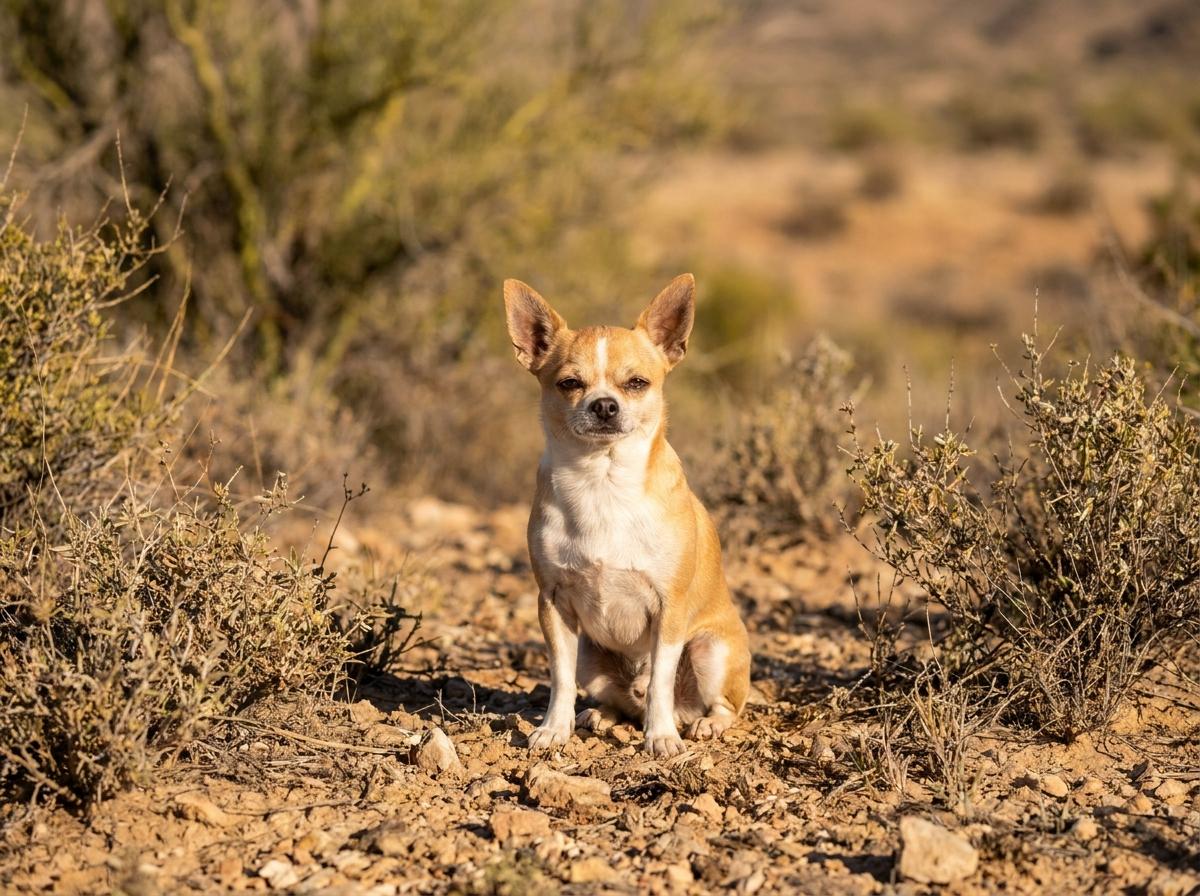
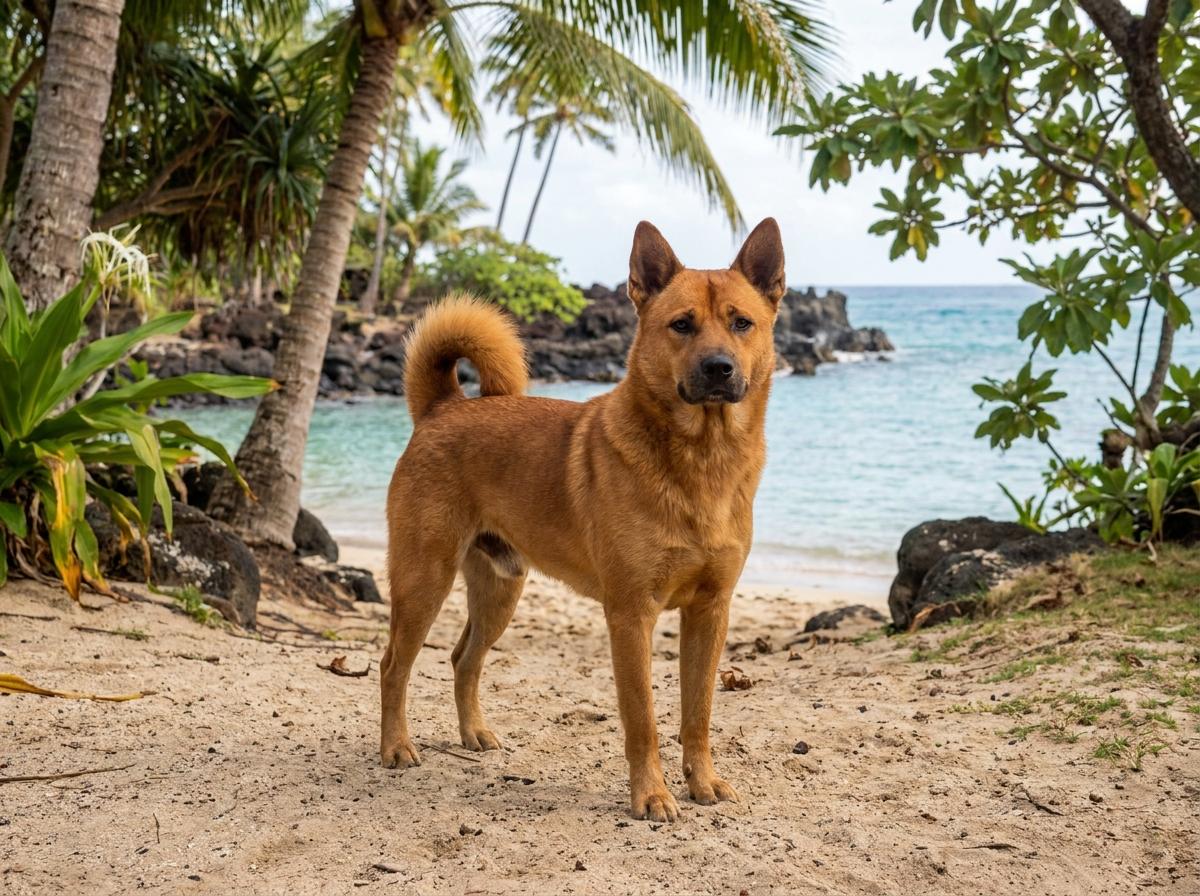
AI-generated reconstruction, not a photograph. This evidence-limited scene does not define one universal Polynesian Dog appearance.
| Meaning here | Umbrella for extinct Pacific domestic dog populations |
|---|---|
| Modern breed status | Not a living standardized breed |
| Named example | Kuri of Aotearoa New Zealand |
| Core evidence | Bones, teeth, coprolites, artifacts, records and ancient DNA |
| Genetic pattern | Multiple introductions and dispersal histories |
| New Zealand finding | A closely related founding group spread rapidly |
| Fixed appearance | No universal standard supported |
| Ownership today | No verified purebred ancient population is available |
Browse listings, public profiles, breeders, or add your animal.
Why this is an umbrella, not one breed
Polynesia covers a vast ocean region and many communities. Dogs moved with people at different times, reached some islands but not others, and lived under different ecological and cultural conditions. One English umbrella term cannot replace each local name, chronology or relationship.
The 2018 peer-reviewed study Complex history of dog origins and translocations in the Pacific generated ancient mitogenomes from Southeast Asia and the wider Pacific. It found at least three dog lineages with different dispersal histories and a discontinuity between Lapita-era mitochondrial lineages and later East Polynesian ones.
That result is incompatible with a simple tale of one unchanged breed sailing east once. It also illustrates a method limit: mitochondrial DNA follows maternal lines. It can expose relationships and bottlenecks, but it cannot by itself reconstruct every ancestor, trait or social role.
An earlier mitochondrial study, Introduction through Mainland Southeast Asia, found two haplotypes in sampled pre-European dogs from the Cook Islands, Hawaii and New Zealand. Later work with more complete ancient genomes refined the picture. Science did not make the old evidence worthless; it made the history more detailed and less linear.
Kuri and the settlement of Aotearoa New Zealand
Kuri is the Maori name for the domestic dog population carried to Aotearoa New Zealand by Polynesian settlers. It is a specific history, not a generic visual synonym for all ancient Pacific dogs.
The Journal of Pacific Archaeology ancient-DNA study produced 23 complete or nearly complete mitogenomes from dog teeth at four early New Zealand sites and one southern Cook Islands site. The analysis supported a closely related group brought from an East Polynesian source and rapidly dispersed through New Zealand during colonization.
Closely related maternal lineages do not mean every dog looked identical. Nor do they tell us that one preserved specimen is a universal breed model. A University of Otago skeletal study emphasizes the value of analyzing remains across sites and periods.

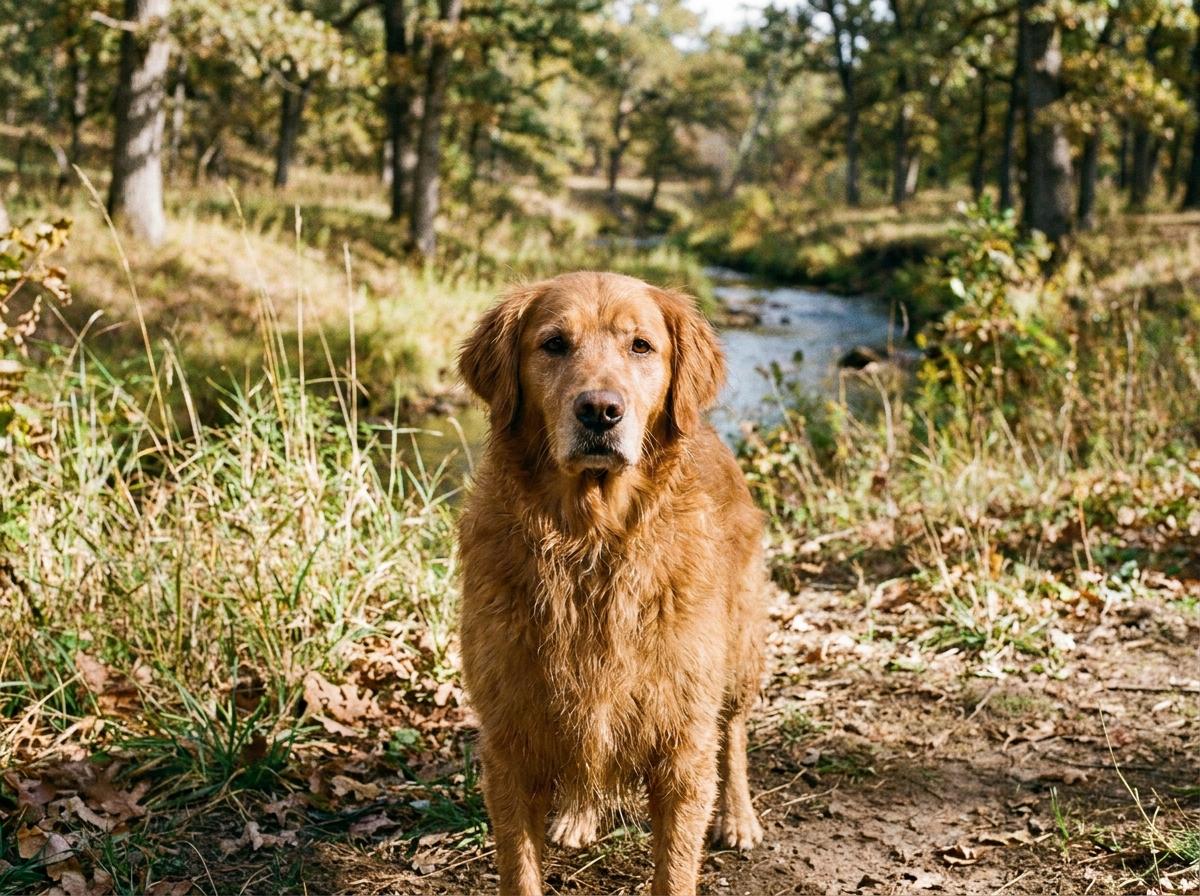
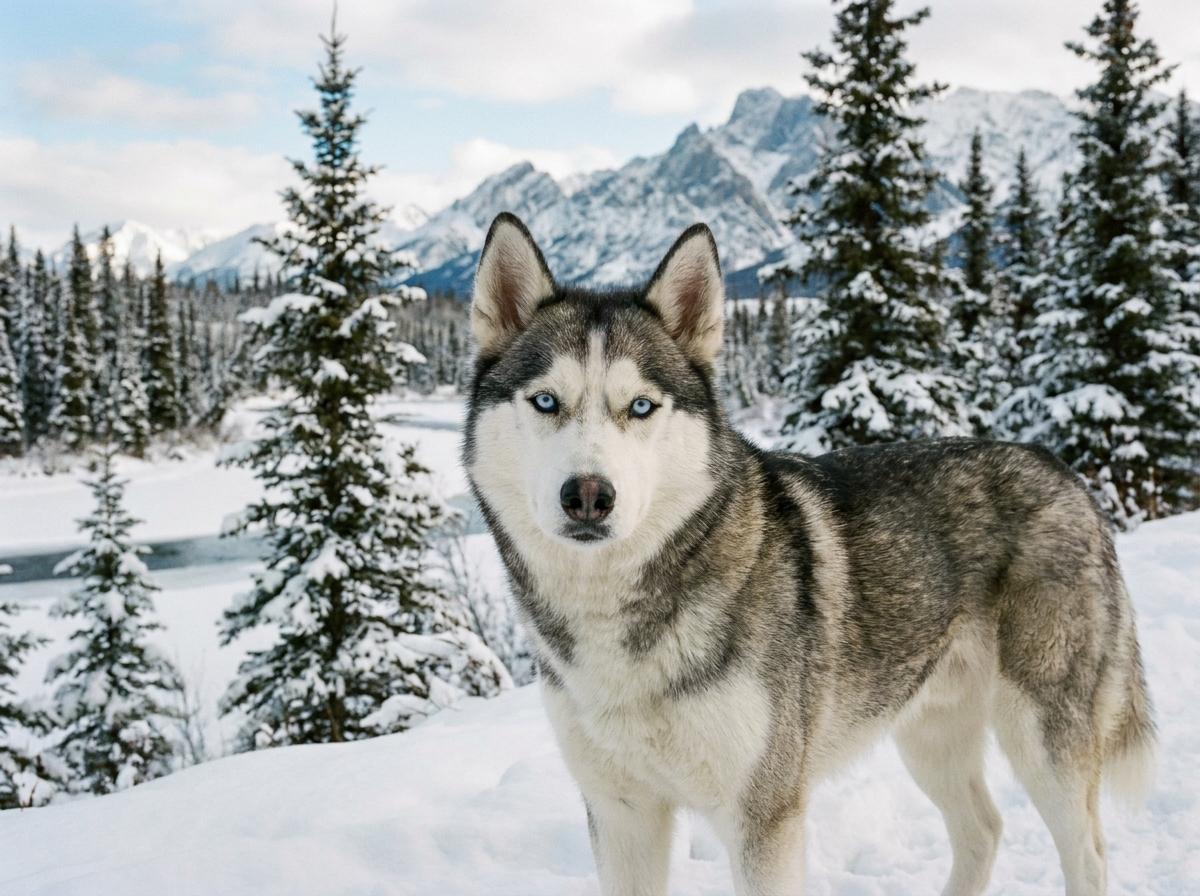
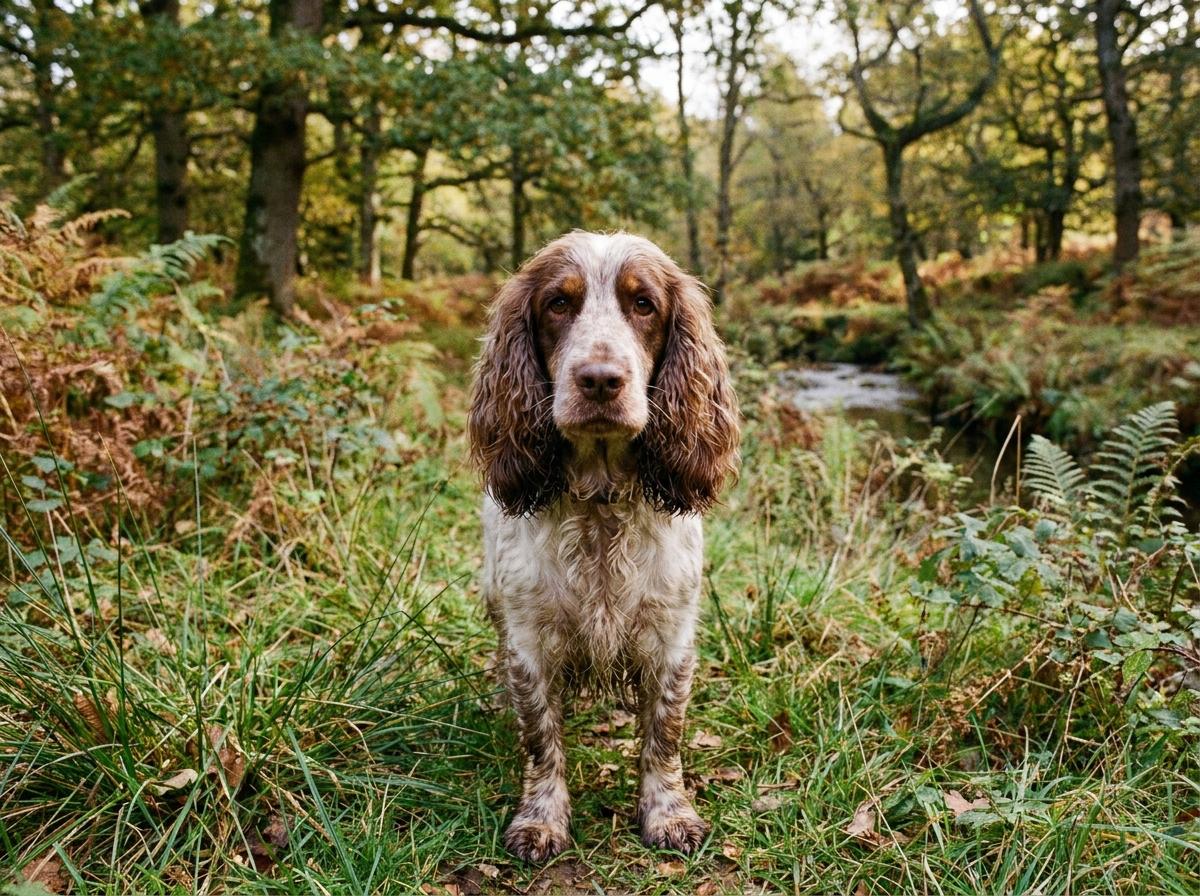
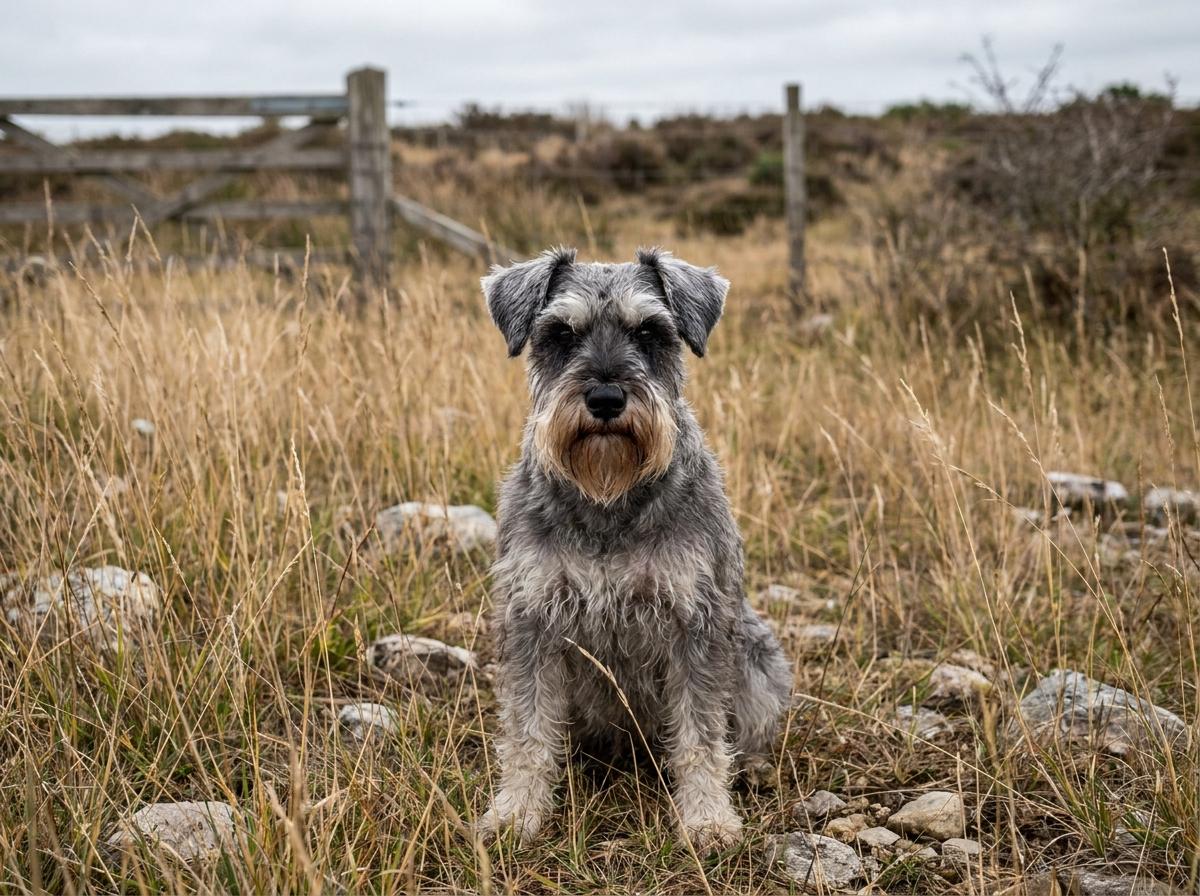
AI-generated reconstruction, not a photograph. Variation is shown deliberately; the three dogs are not labeled breeds or island specimens.
What archaeology can actually tell us
Dog bones and teeth can support species identification, age estimates, pathology, butchery or gnawing observations, measurements and ancient-DNA sampling when preservation allows. Find location, layer, associated materials and dates are essential. A loose bone without provenance answers fewer questions.
Coprolites add another evidence type. A study combining microscopy and ancient DNA in kuri coprolites from northern New Zealand confirmed dog origin in its sampled material and found evidence consistent with an omnivorous diet that included fish and cultivated plants. That is a finding about particular archaeological samples, not a universal feeding prescription.
Objects and later written accounts can document how people represented, valued or used dogs. They must be interpreted with community knowledge and provenance. Museum descriptions and translations may use older terminology that deserves review.

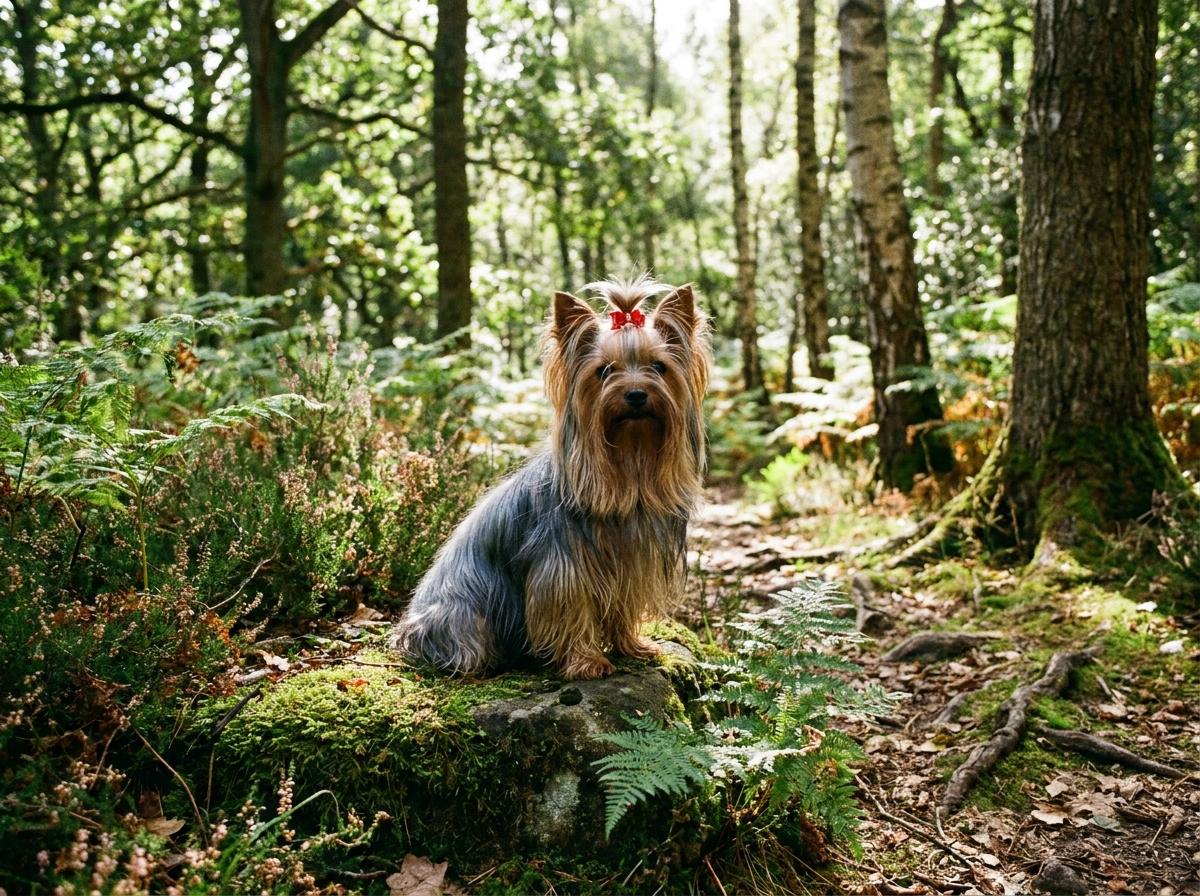
AI-generated reconstruction, not a photograph. The dog in the background is an interpretive watercolor figure; the remains cannot establish its coat color or exact living outline.
What remains unknown
Evidence does not support one universal Polynesian Dog standard for height, weight, coat, ear carriage, tail, lifespan or temperament. Descriptions from one island or period should not be exported across the Pacific.
Ancient mitochondrial sequences cannot prove the complete ancestry of every dog. Skeletal measurements cannot recover coat color. Art is shaped by medium and purpose. Early European observers wrote through their own categories and sometimes recorded unfamiliar names inconsistently.
The responsible conclusion is not that nothing is known. It is that each claim needs the right scale. A New Zealand tooth can inform a New Zealand dispersal analysis. It does not become a photograph of a dog in Hawaii.
Can the Polynesian Dog be reconstructed?
Researchers can reconstruct parts of population history from archaeological and genetic evidence. Artists can create disclosed interpretations. Breeders cannot certify a living purebred continuation without a documented population and continuous identity record.
A modern Pacific village dog may have deep local ancestry and deserves study on its own terms. A consumer DNA label or resemblance to a drawing does not turn that dog into an extinct kuri or universal Polynesian Dog. Claims of recreation should publish founders, sampling, genomic comparisons, objectives and limitations.
No one should acquire, breed or market a dog merely to imitate a presumed ancient look. Welfare, health, honest identity and relationships with living communities come first.
How to document this history responsibly
For an archaeological specimen or museum object, preserve:
- repository and catalog number;
- find location, context, excavation and custody history;
- dating method and calibrated range when available;
- element, side, measurements and condition;
- permissions and community governance;
- sampling history and remaining material;
- laboratory methods, accession data and publication;
- revisions when identification changes.
Do not publish precise site coordinates for vulnerable places or biological data that communities restrict. Consultation is part of evidence quality, not an obstacle to it.
The broader dog hub covers living domestic dogs. Related historical and evidence-bound guides include the Sakhalin Husky, Tweed Water Spaniel, Courser horse, Kuchi and Philippine Forest Dog.
Frequently asked questions
Is the Polynesian Dog extinct?
The pre-European dog populations grouped under this umbrella are extinct as traceable populations. Living Pacific dogs should not be relabeled as direct purebred survivals without evidence.
Is Polynesian Dog the same as kuri?
Kuri is the named Maori dog population of Aotearoa New Zealand. It belongs within the wider Pacific story but should not replace every island-specific identity.
What did Polynesian Dogs look like?
There was likely variation across place and time. No single conformation standard is supported for the umbrella.
Where did they come from?
Ancient DNA connects Pacific dog lineages to movements through Southeast Asia and reveals multiple introduction histories. A one-route answer is too simple.
Can I buy a Polynesian Dog?
No verified purebred ancient Polynesian Dog is available. Treat sales language claiming otherwise with extreme caution.
Are the images photographs?
No. Every image on this page is an AI-generated reconstruction and is captioned as such.
Do this next on Creatures
Use Creatures for honest living-dog identity and for organizations that preserve animal history. Do not create a fictional extinct-breed pedigree.
Record the living dog honestly. Start a dog profile, no account needed to begin, and use only a verified current identity. Follow adding an animal to Creatures.
Attach a sourced history. Open the record sheet as a visitor; a free account is required to save. See adding a record and health and medical records.
Watch living dogs, not an extinct label. Set a free dog listing alert, no account needed to start. Learn about saving searches and the watchlist.
Browse current identities. Use the dog marketplace. No listing should claim a purebred extinct Polynesian Dog.
Represent a museum, research or heritage group. Start a dog organization profile, no account needed to begin. Read creating an organization and adding your team.
Find living-dog specialists. Search the Creatures breeder directory while treating extinct-breed sales claims as unsupported.