

Hmong Bobtail Dog
The Hmong Bobtail Dog is a medium, compact Vietnamese dog known locally as Chó H’Mông cộc đuôi. Its short tail should be natural, not surgically docked, under the Vietnam Kennel Association standard. Primary genetic research supports a diverse domestic-dog population related through maternal lineages to other East Asian dogs; it does not establish the viral claim that this breed is a recent wolf or jackal hybrid. Use the Creatures breeder directory to begin a search, then verify identity with the issuing Vietnamese records.

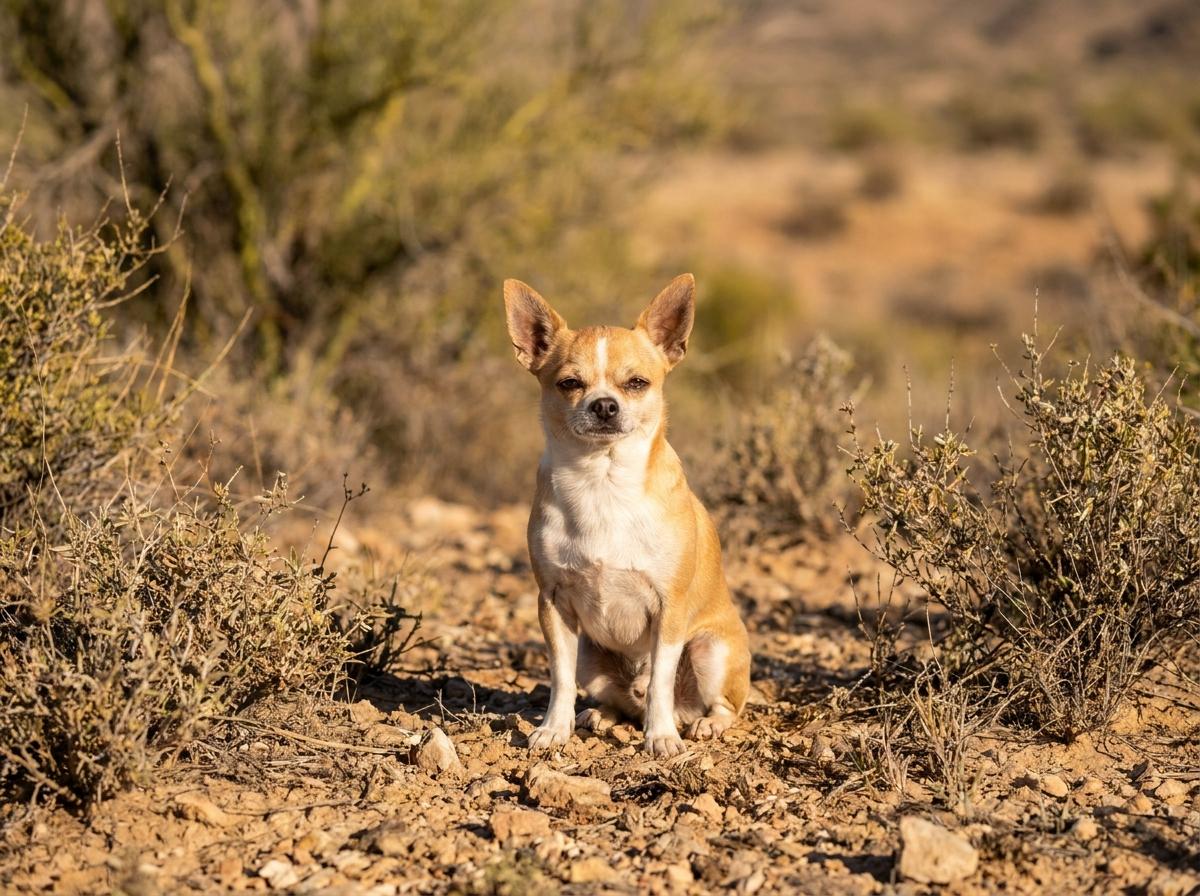
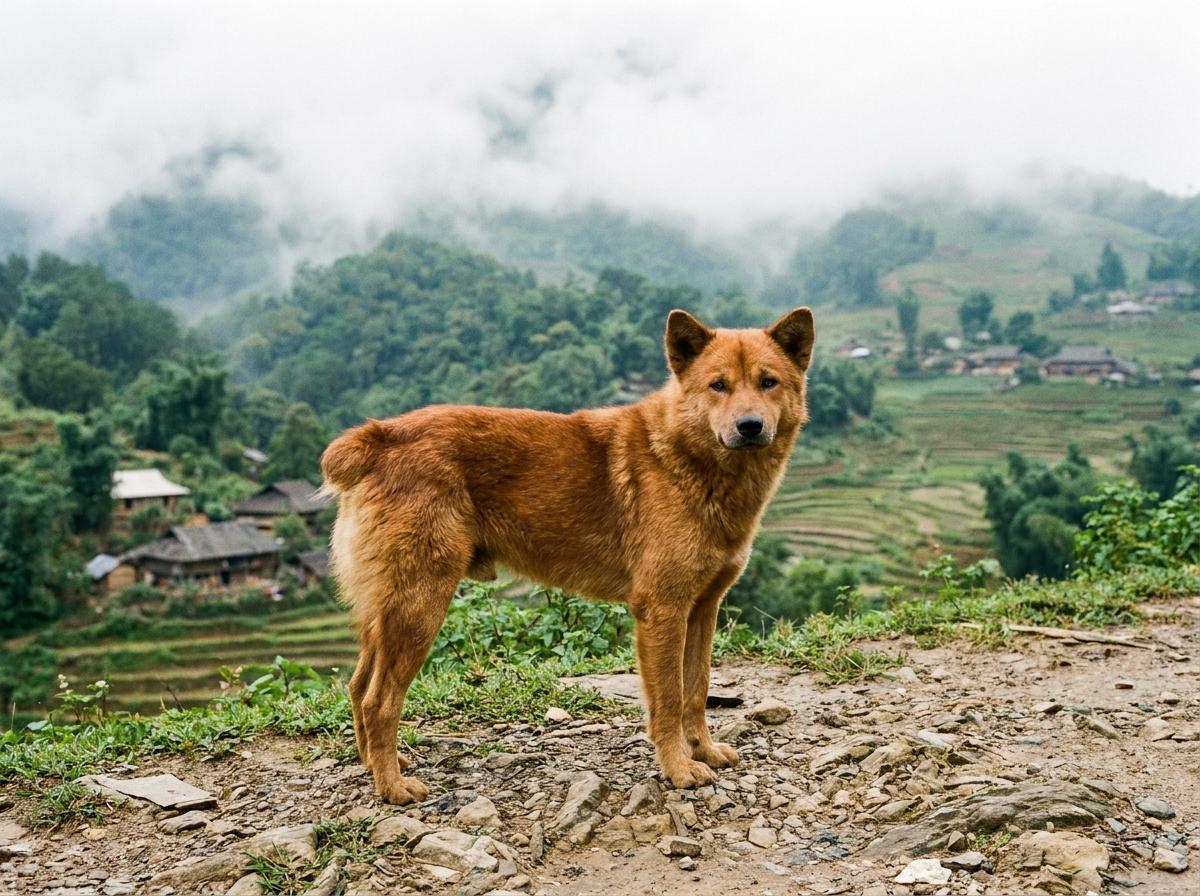
AI-generated breed representation, not a photograph of a registered dog. A broad head, upright ears, compact body, black double coat, and natural-looking bobtail follow the national standard without implying wild ancestry.
| Vietnamese name | Chó H’Mông cộc đuôi |
|---|---|
| Region | Northern Vietnam, especially mountainous areas associated with Hmong communities |
| National standard | VKA 002/VN/07.11.2020 |
| FCI status | Not listed as a definitive or provisional FCI breed |
| Standard size | Males 48-54 cm and 18-26 kg; females 46-52 cm and 16-24 kg |
| Tail | Naturally short, no more than 15 cm under the VKA standard |
| Coat | Dense straight double coat; black, brown, red-yellow, or brindle |
Browse listings, public profiles, breeders, or add your animal.
A national Vietnamese breed, not an internet origin story
The Vietnam Kennel Association standard identifies the dog’s origin as Vietnam and describes Hmong communities in the northern mountains using these dogs to guard homes and, historically, to hunt. It took effect in its current form on November 7, 2020.
The standard places the breed in an FCI-style Group 5 category for Spitz and primitive types. That classification line is easy to misread. It is a VKA national standard, not an FCI breed number. A check of the FCI’s definitive and provisional nomenclature shows no Hmong Bobtail Dog entry. A pedigree or advertisement should say which organization issued it instead of using “FCI type” as if it meant FCI recognition.
Names also vary in English. Hmong Bobtail Dog and H’mong Short Tail Dog refer to the same page here. The apostrophe and diacritics change across transliterations; they do not identify a separate line.
What the DNA studies actually show
A 2021 Vietnam Journal of Biotechnology study sequenced the mitochondrial HV1 region in blood from 45 Hmong short-tail dogs in Ha Giang and Lao Cai. Researchers found 25 haplotypes across haplogroups A, B, C, and E and reported high diversity within that sample. Their phylogenetic analysis placed the dogs close to dog populations from East Asia, including China, Japan, and Korea.
That is useful evidence, but mitochondrial DNA follows a maternal line. Forty-five dogs from two provinces cannot describe every ancestor, every population, or every individual. The study does not demonstrate that the Hmong Bobtail is a wolf-dog, jackal-dog, or recent wild hybrid.
A separate 2025 D-loop polymorphism study examined tissue from 120 Hmong short-tail dogs, evenly split between males and females. It identified multiple sequence variants that could inform breeding plans for diversity. It likewise studied variation within domestic Hmong dogs; it did not validate a viral wild-canid origin story.
Size, shape, and natural bobtail
The VKA standard describes a medium dog with a muscular, solid body, broad frame, large head, and nearly square proportions. The muzzle is slightly short and broad at its base rather than long and wolf-like. Medium dark almond-shaped eyes and thick triangular ears set high and leaning forward complete the head.
Males are listed at 48-54 cm at the withers and 18-26 kg. Females are 46-52 cm and 16-24 kg. A Vietnam-Russia Tropical Center biological survey found a broadly similar medium build in its selected dogs and commonly observed mature weights of 15-20 kg. A standard range and an observed sample are different kinds of evidence; neither is a target for overfeeding.

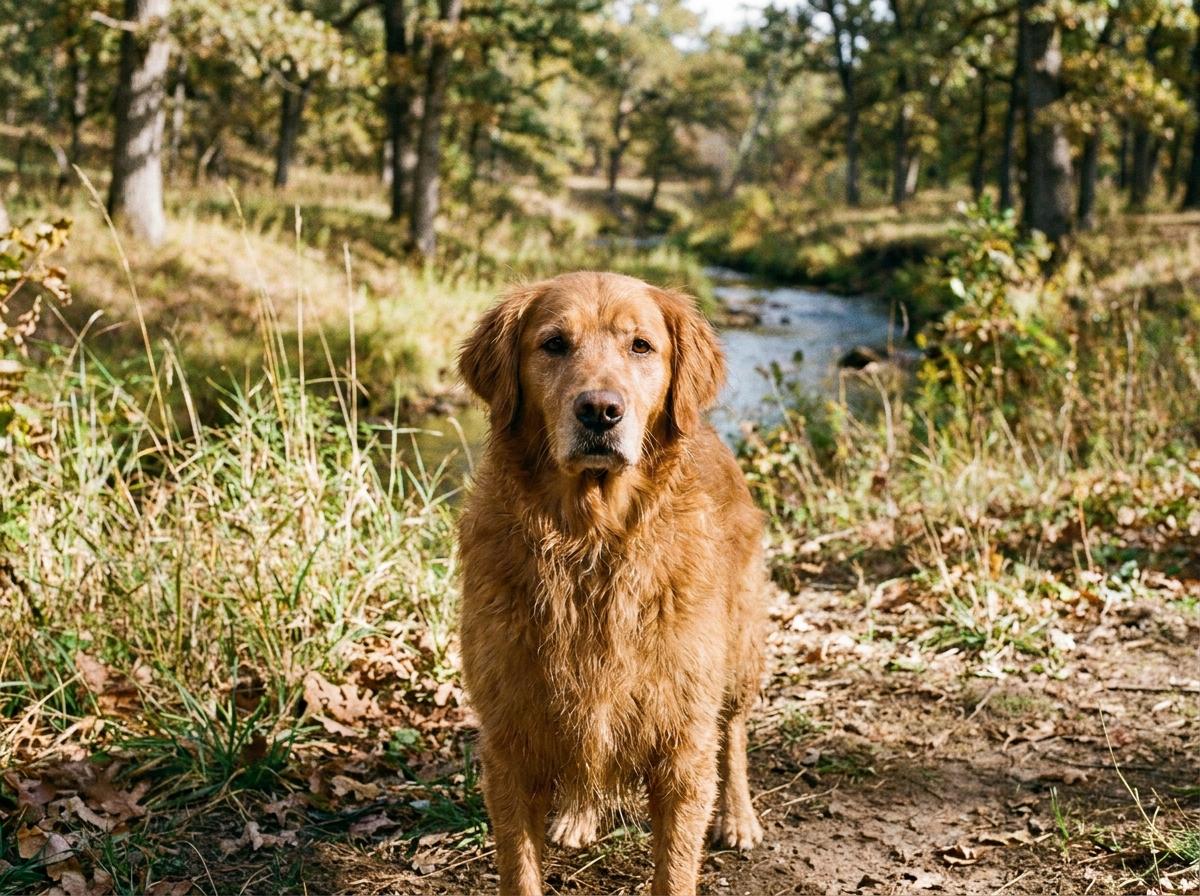
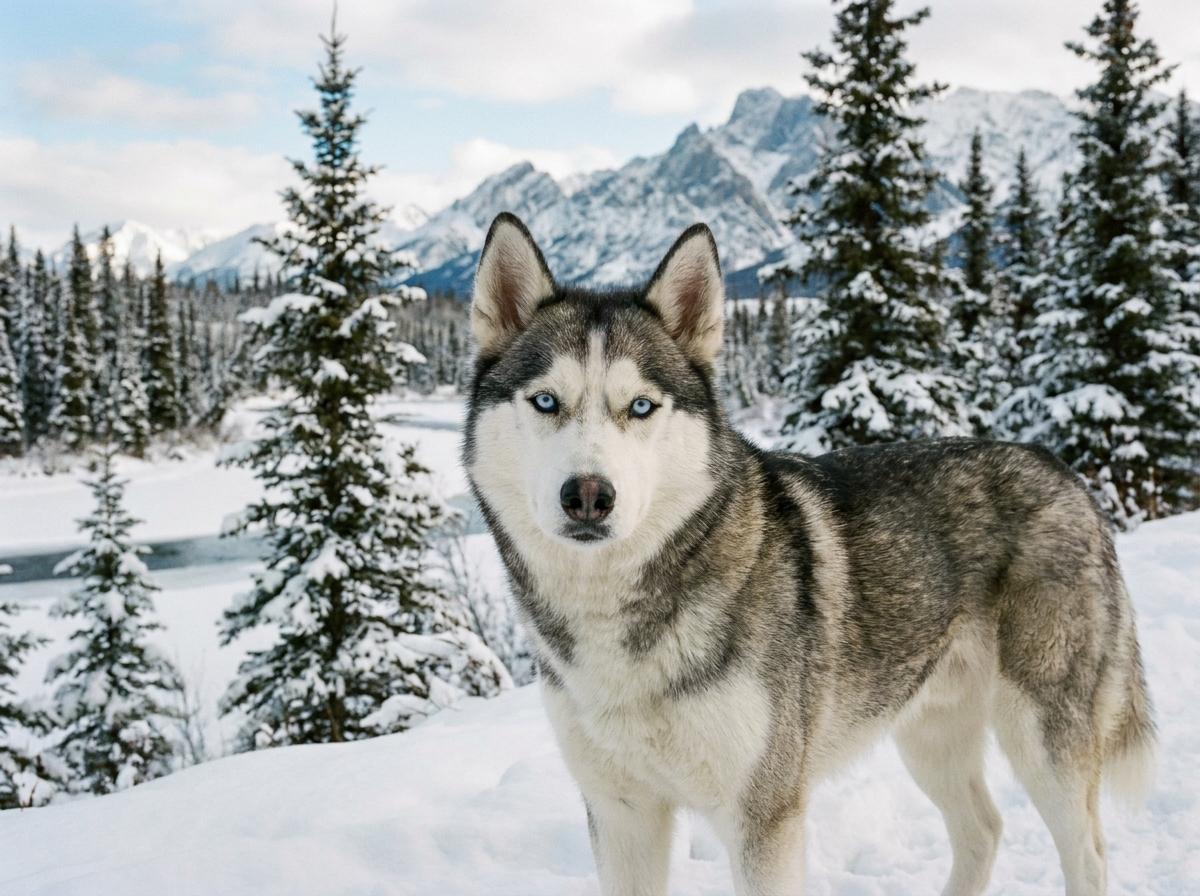
AI-generated breed representation, not a registered individual. It shows a solid red-brown coat, upright ears, and a visible bobtail; use images 1 and 3 for head and body proportion.
The hallmark tail is congenital in the standard’s description and no longer than 15 cm. Do not assume every short tail is natural. Ask for birth records and early photographs, examine the skin and hair with a veterinarian, and never treat a fresh wound or surgical docking as a breed trait. The sources used here do not establish a particular bobtail gene or predict inheritance in a litter.
The coat is dense, straight, and harsh over a soft undercoat. VKA lists black, brown, red-yellow, and brindle. It excludes merle, white, piebald, and black-and-tan from its standard. Color is still not proof of identity: the combination of records, parentage, microchip, structure, and issuing organization matters.
Temperament without guarantees
The VKA standard calls for a dog that is alert to strangers, territorial, loyal, calm, and friendly with people. Those are selection goals, not a promise for every puppy or adult. A guarding history can matter in a home, especially when visitors, delivery workers, children, or unfamiliar dogs enter the space.
One peer-reviewed behavior study adds useful caution. Researchers tested 50 male Hmong dogs aged 2.5-7.5 years under shared facility conditions in Hanoi. Compared with the study’s other Vietnamese groups, the Hmong cohort was less contact-oriented in some comparisons and showed more fear and aggression toward a suddenly appearing unfamiliar object. That result describes one all-male cohort in one test setting. It cannot predict a female puppy, a family dog, or every breeding line.
Use reward-based training, gradual exposure, secure barriers, and controlled introductions. Teach recall, calm lead walking, cooperative handling, settling behind a gate, and comfortable muzzle skills before they are urgently needed. Do not punish warning signals or force contact. A veterinarian or qualified behavior professional should assess escalating fear, guarding, reactivity, or a sudden behavior change.
Traditional hunting work is history, not permission to pursue wildlife. Follow local law, prevent roaming, and provide legal outlets such as scent games, tracking exercises, food searches, and structured walks.
Health and daily care
No strong breed-wide disease prevalence was established by the sources used for this article. “Native,” “ancient,” or “genetically diverse” should never be translated into “needs no health testing.” Genetic diversity in one mitochondrial region does not guarantee healthy hips, eyes, heart, skin, or behavior.
Ask a veterinarian to plan vaccination, parasite control, nutrition, dental care, and exercise for the dog’s location and lifestyle. Inspect the thick coat and skin, keep the dog lean, and investigate limping, reluctance to climb, breathing changes, appetite loss, vomiting, diarrhea, or unusual fatigue promptly. Dogs moved across regions may face pathogens, heat, transport stress, or husbandry conditions different from their origin.

AI-generated welfare scene. The loose posture, nonslip surface, and gentle external check illustrate cooperative care; no procedure or diagnosis is shown.
Daily needs depend on the individual. A compact working dog may enjoy substantial activity, but increase duration and intensity gradually. Provide shade, water, rest, secure fencing, and indoor social contact. Check local housing, insurance, transport, and import rules before arranging an international move.
Buying or importing responsibly
Before paying a deposit, ask for:
- The registered name, number, microchip, and exact issuing organization for each parent.
- A pedigree that the issuer can verify independently.
- Parent-specific health test reports with dates and identifiers.
- Birth documentation showing that each short tail was natural.
- A chance to see the mother and the dogs’ normal living conditions where appropriate.
- The contract, return plan, transport arrangements, and written import requirements.
A seller should be able to explain whether a dog is VKA-registered, from another documented Vietnamese program, or simply resembles the type. “Rare wolf dog,” “jackal blood,” “pure for thousands of years,” and “FCI classified” are not substitutes for verifiable records. Ask which primary evidence supports each phrase and walk away if the story changes under scrutiny.
Frequently asked questions
Is the Hmong Bobtail Dog part wolf or jackal?
The primary studies used here do not support that viral claim. The 2021 mitochondrial study sampled domestic Hmong short-tail dogs and found diverse maternal haplotypes related to East Asian dog populations. It did not demonstrate recent wolf or jackal hybrid ancestry.
Is the Hmong Bobtail Dog recognized by the FCI?
It has a Vietnam Kennel Association national standard. Although that standard uses an FCI-style Group 5 classification, the breed does not appear in the FCI’s current definitive or provisional nomenclature.
Is the tail naturally short?
The VKA standard requires a congenital short tail no longer than 15 cm. Verify an individual dog’s birth records and physical condition; appearance alone cannot distinguish every natural bobtail from injury or surgery.
How big is a Hmong Bobtail Dog?
VKA lists males at 48-54 cm and 18-26 kg, and females at 46-52 cm and 16-24 kg. Keep an individual at a veterinarian-guided healthy body condition.
What colors are accepted?
The VKA standard lists black, brown, red-yellow, and brindle. It excludes merle, white, piebald, and black-and-tan from the standard.
Are Hmong Bobtail Dogs easy family pets?
No breed label guarantees that. The national standard values calm loyalty but also describes stranger alertness and territorial behavior. Breeding, early experience, training, management, health, and individual temperament all matter.
Do this next on Creatures
Use Creatures to connect a living dog to documents that can be checked, without turning resemblance or an origin story into proof.
Find possible sources. Search the Creatures breeder directory, then verify VKA and parentage claims with their issuing organizations.
Watch listings. Save a Hmong Bobtail Dog search, no account needed to begin. An alert does not authenticate a dog or guarantee availability. See saving searches and using your watchlist.
Compare cautiously. Browse the Hmong Bobtail Dog marketplace filter and request issuer-verifiable records before paying.
Profile a verified dog. Start a Hmong Bobtail Dog profile, no account needed to begin. Follow adding an animal to Creatures.
Keep source records. Open the record sheet as a visitor; a free account is required to save. Read adding a record and health and medical records.
Represent a club or preservation group. Start a dog organization profile, no account needed to begin. See creating an organization and adding your team.