

Gull Dong
The Gull Dong is a large, powerful guardian dog from the Indian subcontinent, bred by crossing the Gull Terrier with the Bully Kutta (the Pakistani Mastiff) to combine the terrier’s speed and tenacity with the mastiff’s size and strength. It is sometimes called the Pakistani Bull Dog, and it was developed for serious working jobs: guarding property, hunting, and, historically and unfortunately, fighting. This is not a starter dog or an apartment companion. It is a specialized, strongly territorial working breed that suits experienced owners with secure land, the time for early and lifelong socialization, and a clear-eyed understanding of what they are taking on. What follows is what the breed actually is, where it comes from, what ownership demands, and the honest realities around rarity, importation, and the law. With a dog like this, the facts matter more than the hype.
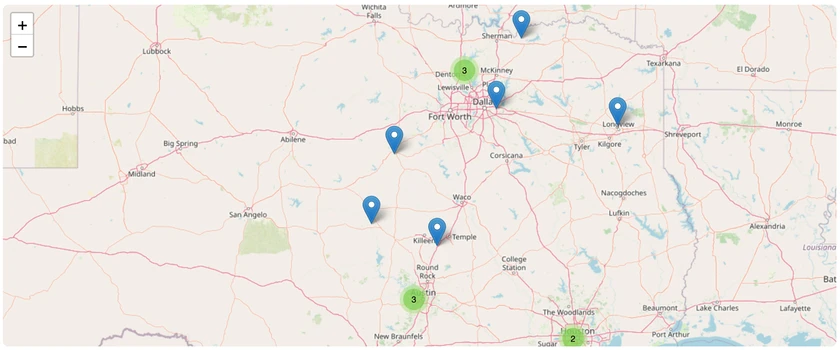
Browse listings, public profiles, breeders, or add your animal.
What is a Gull Dong?
The Gull Dong is a crossbred working dog of the Indian subcontinent, produced by mating a Gull Terrier with a Bully Kutta, the large mastiff type often called the Pakistani Mastiff. According to Wikipedia’s breed overview, the cross is “often used in dog fighting, hunting, and guarding,” and it is “celebrated in India and Pakistan for its speed and tenacity.” The pairing was practical, not cosmetic: breeders wanted the agility and grit of the Gull Terrier married to the mass and power of the mastiff, so the result would be a fast, hard, capable working guardian.
Because the Gull Dong was bred for function in a specific regional context, it has never been standardized the way a show breed is. It is not recognized by the American Kennel Club, the United Kennel Club, or the Federation Cynologique Internationale, and there is no official written breed standard governing what a Gull Dong must look like or how it must behave. That matters for a buyer, because “Gull Dong” describes a working type and a lineage more than a fixed, papered breed, and two dogs sold under the name can differ a good deal in size, structure, and temperament.
If you are weighing this breed against other dogs, the broader Creatures dog species page is a sensible place to compare guardian and working types before you commit to something this demanding.
Origin and history
The Gull Dong’s story runs through the era of the British Raj. During British colonial rule, English Bull Terriers were brought to the northwestern part of the subcontinent, in the region that now includes Pakistan and northern India. The Bull Terrier grew popular enough that a Bull Terrier Club of India was established in Calcutta, and, over time, imported Bull Terriers were crossed with indigenous dogs. One product of that mixing was the Gull Terrier, also known as the Indian Bull Terrier or Pakistani Bull Terrier, a lean, athletic, predominantly white terrier type descended from the English Bull Terrier and local stock.
The other parent, the Bully Kutta, is an old large mastiff of the region. Its name is generally traced to a Punjabi root meaning “heavily wrinkled,” paired with the word for dog, so the name reads roughly as “heavily wrinkled dog.” The Bully Kutta was long kept for guarding, hunting, and, in the same unfortunate tradition as many powerful regional breeds, fighting. Like the Gull Dong, it is not recognized by the major Western kennel clubs.
Crossing the terrier with the mastiff produced the Gull Dong, a dog meant to be quicker and more driven than a pure mastiff but heavier and more powerful than a pure terrier. The documented history of the breed is thin, resting on general breed references rather than peer-reviewed scholarship or a formal herdbook. What is clear is that the Gull Dong emerged as a regional working dog, shaped by the jobs its keepers needed done, and it remains far more common in Pakistan and neighboring areas than anywhere in the West.
What a Gull Dong looks like
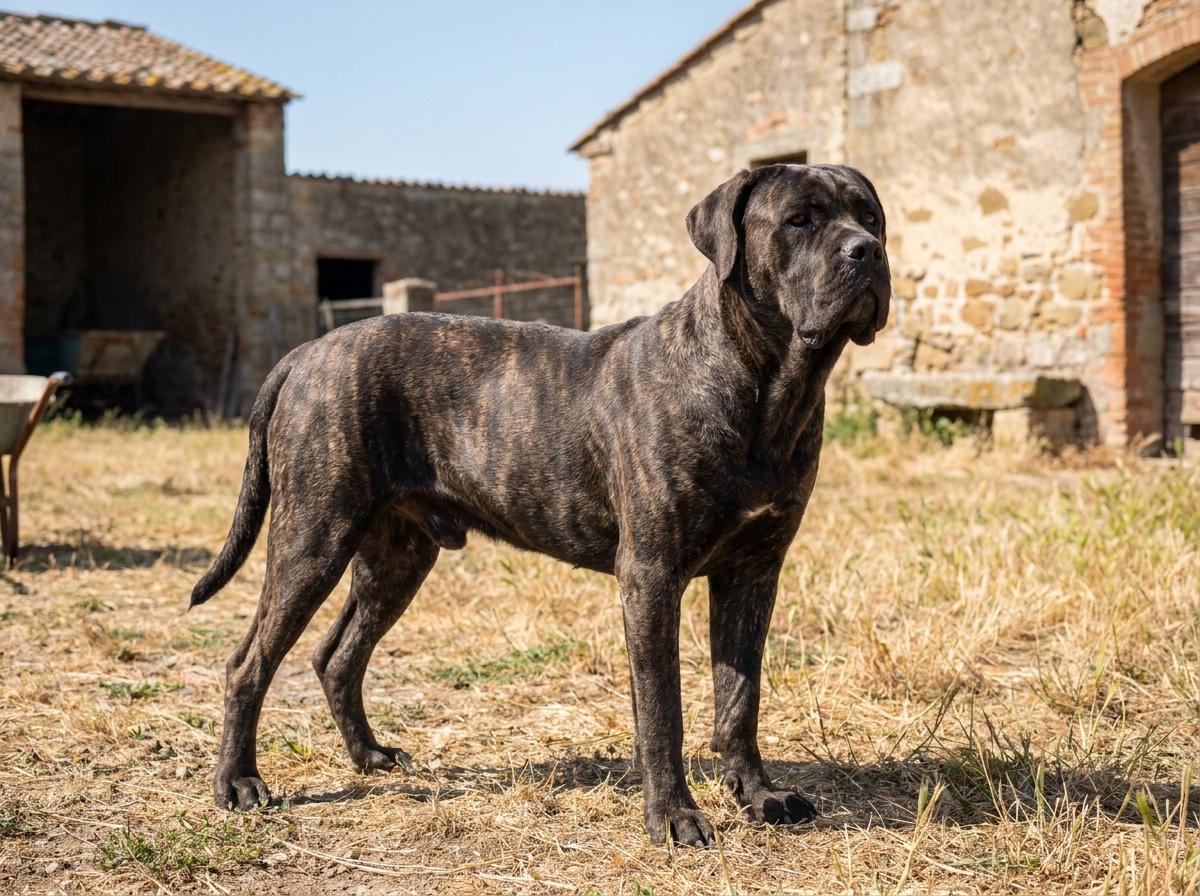
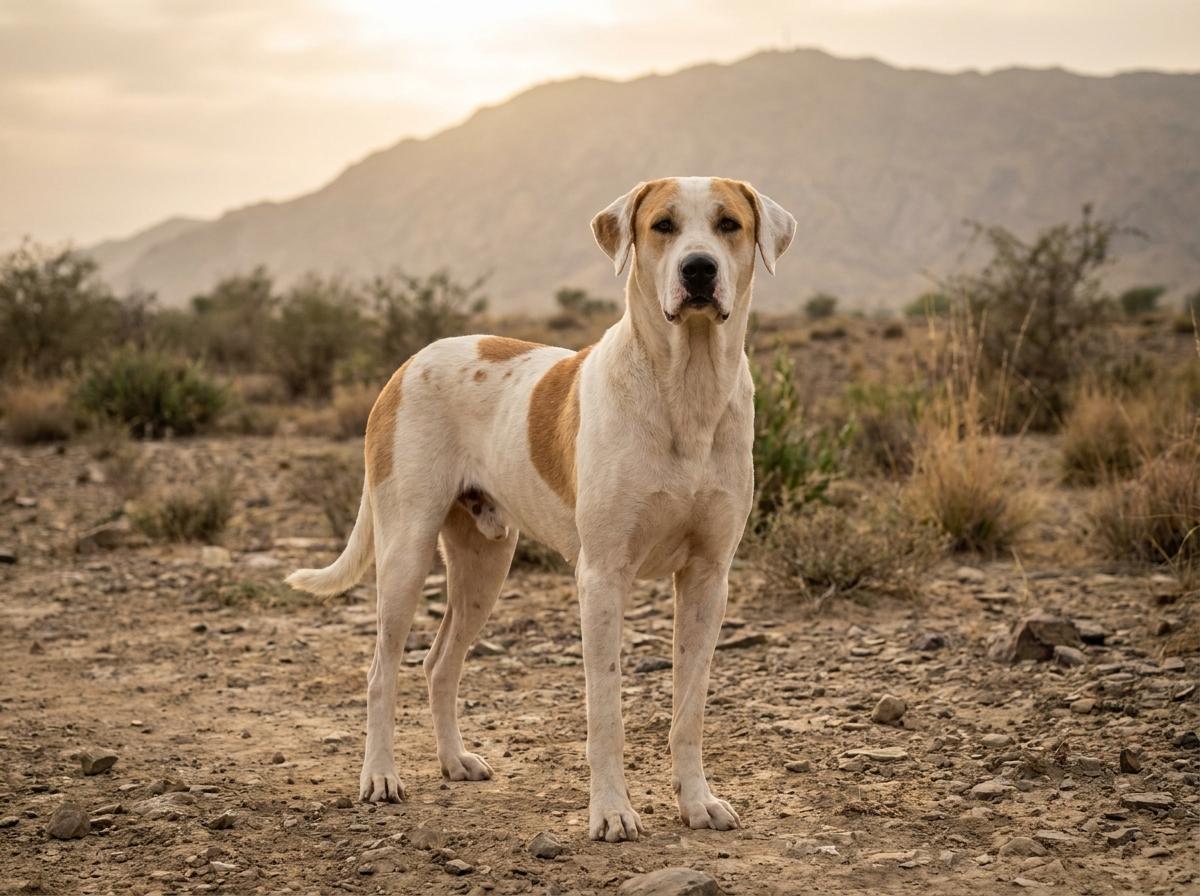
Here the honest framing matters more than the detail. There is no official standard, no herdbook, and no primary population study of this dog, so there is no authoritative description of what a Gull Dong must look like. What exists is a set of characteristics repeated across general-interest breed references of uncertain provenance, which describe rather than define the type, and which nobody has verified against a measured sample:
- A massive, broad head, large and broad between the eyes, giving a heavy, powerful front. This is the feature most descriptions lead with.
- A powerful, deep muzzle with somewhat loose lips.
- A short, flat coat suited to a warm climate.
- A muscular, deep-chested, athletic frame on strong legs.
Treat all of that as a rough sketch from secondary sources, not a diagnostic checklist. Finer details you will see asserted elsewhere, such as a specific eye shape, a scissors bite, a sloping topline, or a defined color list, do not trace to any standard or study, and this page will not present them as breed facts. In practice the name describes a working type and a lineage more than a fixed, papered breed, which is exactly why two dogs sold under it can differ substantially.
On size, the honest answer is that nobody has reliable measurements. There is no registry standard and no published morphometric study of this population to anchor a number, and the tertiary sources that circulate give conflicting sex-specific figures without traceable citations, including some heights that would rival a Great Dane. This page will not repeat a weight or height range, because any such range would be invented precision. What can be said is that the Gull Dong is a large, heavy, powerfully built dog. Judge the individual animal in front of you, and treat any confident numbers you read elsewhere as unsourced.

Temperament: an honest look
Keeper and regional accounts consistently describe the Gull Dong as deeply loyal and affectionate toward its own family, and equally wary and territorial toward strangers. Note the source of that: it is what people who keep these dogs report, not the output of any behavioral study, because none exists for this population. Take it as informed testimony with real limits rather than established breed science. What is not in dispute is the intent behind the cross. It was developed to bond hard with its people and to treat what falls outside that circle as a potential threat, which is what makes it an effective guardian and a poor fit for casual ownership.
It helps to keep the veterinary perspective in view here. The American Veterinary Medical Association is clear that no single breed is destiny: a dog’s behavior comes from an interacting mix of heredity, early experience, later socialization and training, health, and the behavior of the people around it, and the AVMA opposes breed-specific legislation precisely because breed alone does not determine how a dog will act. That general position cannot be run in reverse to establish a breed-specific aggression profile for the Gull Dong, and this page does not use it that way. A Gull Dong raised by an experienced handler with early, positive, ongoing socialization is a very different animal from one left to its own devices.
Two things still deserve plain statement. First, keepers of this type commonly report dog-directed aggression, and while that is testimony rather than measured evidence, it is consistent enough, and the stakes are high enough, that multi-dog households and off-leash dog parks are a bad bet unless you know the individual dog well. Second, and this needs no breed study at all, a dog of this size and strength that is under-socialized, under-exercised, or poorly contained is a genuine liability, to strangers and to the household. This is a breed to take seriously, not to romanticize.
The guard-dog role, and what it demands
As a guardian, the Gull Dong’s strengths are obvious: size, power, alertness, territorial commitment, and a strong bond with its family. In its home region it has been used to watch property, protect livestock and households, and deter intruders, and those instincts come naturally without needing to be manufactured.
The demands are equally real. A guardian this capable needs a job, structure, and containment. That means secure, high fencing and a genuinely dog-proof yard, not a suburban lot with a low fence and a gate that gets propped open. It means substantial daily exercise, because a bored, powerful working dog will find its own outlets, and it means firm, consistent, reward-based leadership from someone the dog respects. Rural properties, farms, and smallholdings suit the breed far better than city apartments. If you cannot provide secure land and daily work, this is not your dog, and there is no training shortcut around that.
This is also the point to think about your own legal and practical exposure. Powerful molosser and bull types are subject to breed-specific restrictions, mandatory insurance, or outright bans in some cities, counties, and countries, and homeowner’s insurance policies sometimes exclude them. None of that is a moral judgment on the individual dog, but it is a real constraint on ownership, and you should confirm what your local laws and your insurer actually allow before you acquire one.
Living with a Gull Dong
Day-to-day, the care structure looks like that of other large, short-coated working guardians, with the temperament pieces weighted more heavily.
Socialization and training. Start early and never really stop. Broad, positive exposure to people, places, sounds, and controlled situations while the dog is young is the single most important investment you can make, and ongoing training keeps a powerful dog manageable into adulthood. Reward-based methods build the cooperative relationship you want with a dog that is strong enough to make its own decisions if you let it.
Exercise and enrichment. Plan for real daily physical exercise plus mental work. A guardian breed with nothing to do is a recipe for problems. Structured walks, secure off-lead running on your own land, and training or task work all help.
Housing and containment. Secure fencing is not optional. The dog needs shelter, shade, and clean water suited to a warm-weather coat, and it needs a household that manages doors, gates, and visitors deliberately so the dog is never put in a position to make a bad call.
Grooming. The short, flat coat is low-maintenance: routine brushing, occasional baths, nail trims, and standard ear and dental care. This is the easy part.
Records. With a large working dog it pays to keep organized records of vaccinations, parasite prevention, weight, and any health or behavior notes, both for your veterinarian and for your own decision-making over the dog’s life. You can keep all of that in one place by creating a free animal profile on Creatures and logging its care as you go.
Health
There is no breed-specific, well-documented health profile for the Gull Dong, in part because it has never been formally registered or studied as a standardized breed. What you can reasonably plan for is the set of concerns that tend to affect large, deep-chested, heavily built dogs in general.
Big dogs are prone to joint issues such as hip and elbow problems, and deep-chested breeds carry an elevated risk of bloat (gastric dilatation and volvulus), a sudden, life-threatening emergency that requires immediate veterinary care. A short single coat offers limited protection against cold, and a heavy, active dog in a hot climate needs careful management of heat and hydration. Because the gene pool for any working cross is variable and often undocumented, buying from someone who can speak honestly about the health of the parents matters more than usual.
Route all medical decisions, vaccination schedules, parasite plans, and any drug dosing through a veterinarian who can examine the individual dog. Nothing in a breed article replaces that, and with a large, powerful animal the cost of getting health wrong is high. Keeping a clear medical history helps your vet make better calls; the Creatures health and medical records guide walks through how to log vaccinations, treatments, and vet visits, and you can set reminders for upcoming care so nothing slips.
The fighting history, stated plainly
Any honest page about this breed has to address the fighting question rather than dance around it. The Gull Dong, like several powerful regional breeds, has a documented history of being used in dog fighting, and it still turns up in that world. That is not a selling point, and it is not a heritage to celebrate.
Dog fighting is illegal. In the United States it is a felony in all fifty states and the District of Columbia, and federal law under the Animal Welfare Act, strengthened by the Animal Fighting Prohibition Enforcement Act, makes it a federal crime to sponsor or exhibit an animal in a fight or to buy, sell, transport, or possess animals for fighting purposes. The ASPCA and other animal-welfare organizations classify it as serious felony cruelty. Pakistan’s penal code likewise provides for animal-cruelty offenses reaching this conduct, though enforcement is widely reported as weak, and dog fighting persists there in practice. Beyond those two jurisdictions this page does not attempt a global tally, because the legal picture genuinely varies and no survey was done here to support a sweeping claim; check the current law where you actually are. If you keep or want to keep a Gull Dong, the entire point is to raise a well-socialized, well-contained companion and guardian, and to have nothing whatsoever to do with the blood-sport corner of the breed’s past.

Cost, rarity, and getting one responsibly
Outside its home region, the Gull Dong is genuinely rare. There is no formal registry, no established Western breed club, and only a small, scattered set of people working with the type, so there is no reliable published price and this page will not invent one. In Pakistan and neighboring areas the breed is far more available and is bought and sold as a working dog, with price tracking an individual dog’s lineage, working ability, and the reputation of the person breeding it.
For a buyer in North America or Europe, the practical reality is scarcity plus real friction. Importing a dog across borders involves veterinary health certificates, vaccination requirements (rabies in particular), and country-specific rules that change, and importing a large guardian breed of a type that some jurisdictions restrict adds another layer to check before you commit. Because the breed is undocumented, verifying that a dog is what a seller claims is harder than with a registered breed, so provenance and honesty matter enormously.
If you are set on this type, slow down and buy on evidence. Meet the parents if you possibly can, and judge their temperament, not just their size. Ask directly about health, socialization, and how the puppies are being raised, and be wary of anyone who is cagey about the parents’ behavior or who talks up fighting lineage as a virtue. A responsible source will be as interested in whether you are the right home as in whether you can pay. You can look for breeders and farms working with guardian breeds in the Creatures breeder directory, which lists trusted operations by species, and you can watch for any available dogs on the dog marketplace.
Rare working breeds like the Gull Dong sit alongside other uncommon regional guardians and companions that a serious enthusiast might research: the Dikkulak, for instance, is another regional dog with a specialist following, and cross-species keepers researching rare animals sometimes end up looking at uncommon cats such as the Jianzhou cat as well. The common thread with any rare, undocumented breed is the same: verify what you are getting, and prioritize temperament and welfare over novelty.
Frequently asked questions
Is the Gull Dong a recognized breed?
No. The Gull Dong is not recognized by the American Kennel Club, the United Kennel Club, or the Federation Cynologique Internationale, and there is no official written breed standard. It is best understood as a regional working cross of the Gull Terrier and the Bully Kutta rather than a standardized, papered breed.
What two breeds make a Gull Dong?
It is a cross between the Gull Terrier (the Indian or Pakistani Bull Terrier, itself descended from the English Bull Terrier) and the Bully Kutta, the large mastiff type known as the Pakistani Mastiff. The pairing was meant to combine the terrier’s speed and drive with the mastiff’s size and power.
Is the Gull Dong a good family dog?
Keeper and regional accounts describe it as deeply loyal and affectionate with its own family but wary of strangers and strongly territorial, and dog-directed aggression is commonly reported in the type. That is consistent testimony rather than measured evidence, since no behavioral study of this population exists, but the stakes are high enough to plan around it. Either way it is not a casual family pet. It suits experienced owners who can provide early and ongoing socialization, secure containment, real daily exercise, and firm, kind leadership. It is not recommended for first-time owners or apartment living.
How big does a Gull Dong get?
It is a large, tall, muscular dog, and that is as precise as the evidence allows. There is no registry standard and no published morphometric study of this population, and the tertiary sources in circulation give conflicting figures without traceable citations, so no reliable weight or height range exists. Assess the individual dog in front of you rather than any number you read online, including one this page could have invented.
Is it legal to own a Gull Dong?
Ownership legality depends on where you live. Some cities, counties, and countries restrict or ban powerful molosser and bull types, require special insurance, or apply dangerous-dog rules, and some insurers exclude such breeds. Dog fighting is a separate question and is a felony throughout the United States under state and federal law, with animal-cruelty provisions in Pakistan’s penal code reaching it as well; elsewhere, verify rather than assume. Check your local laws and your insurer before acquiring one.
Why is the Gull Dong so hard to find outside Pakistan?
There is no Western registry or established breed club, only a small number of scattered keepers, and importing a large guardian breed across borders involves veterinary and legal hurdles. That scarcity, not any single price tag, is what makes genuine stock uncommon and hard to verify outside its home region.
Do this next on Creatures
Whether you are researching the Gull Dong seriously, looking for a responsible source, or already living with one, Creatures is the records, marketplace, and directory layer where you can do it in one place.
Compare the breed. Still deciding? Start on the Creatures dog species page to compare guardian and working types, and look at other rare regional dogs like the Dikkulak before you commit.
Find a responsible source. Search trusted breeders and farms in the Creatures breeder directory and watch for available dogs on the Gull Dong marketplace. New to searching listings? See saving searches and using your watchlist.
Get alerted. Gull Dongs are rare outside their home region, so set a free Gull Dong listing alert and Creatures will tell you when one is posted. No account needed to start.
Add your dog. Already have a Gull Dong? Create a free animal profile in a few minutes. The walkthrough is in adding an animal to Creatures.
Track health and training. Keep vaccination, weight, and behavior records on Creatures. The record sheet opens for any visitor to look around, and a free account saves what you enter. See adding a record for the how-to.
Breeders and rescues. Work with guardian breeds? List your operation on Creatures so responsible buyers can find you.