

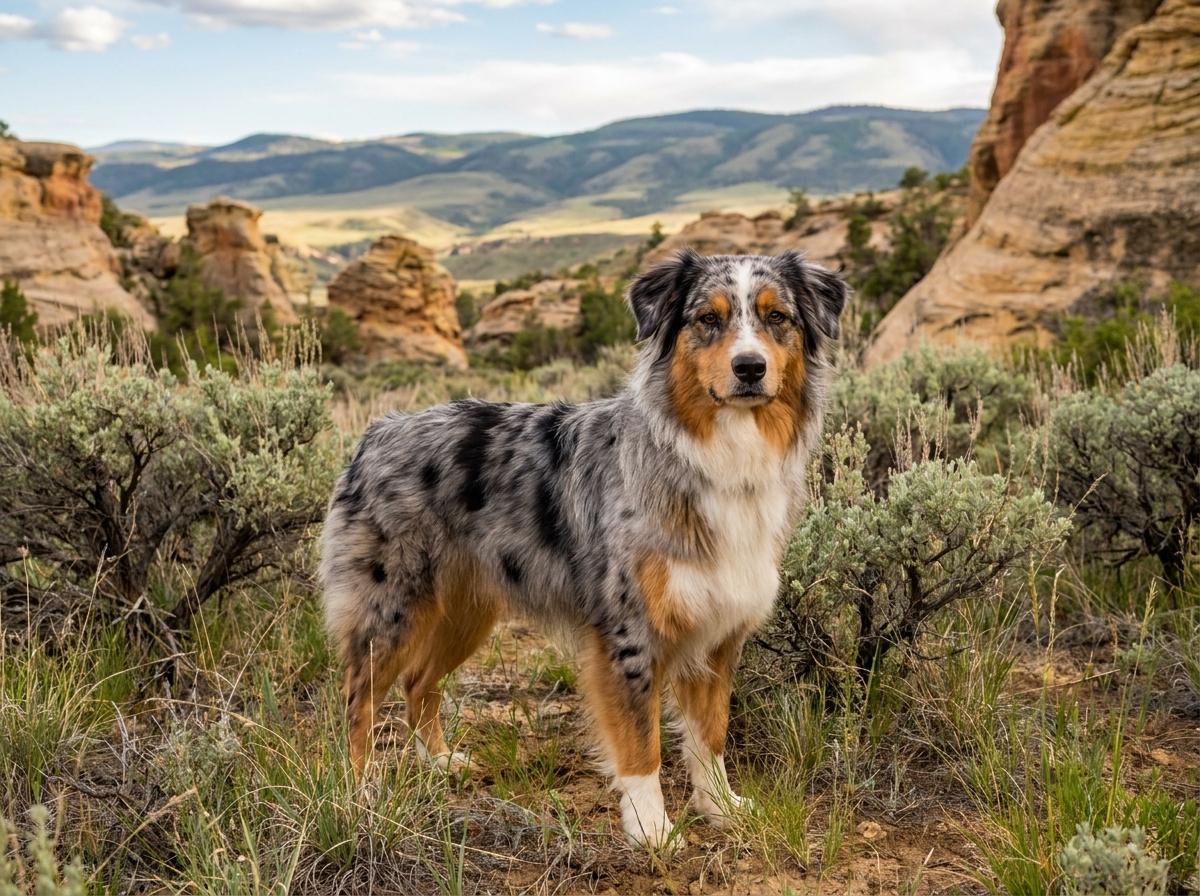
Australian Shepherd
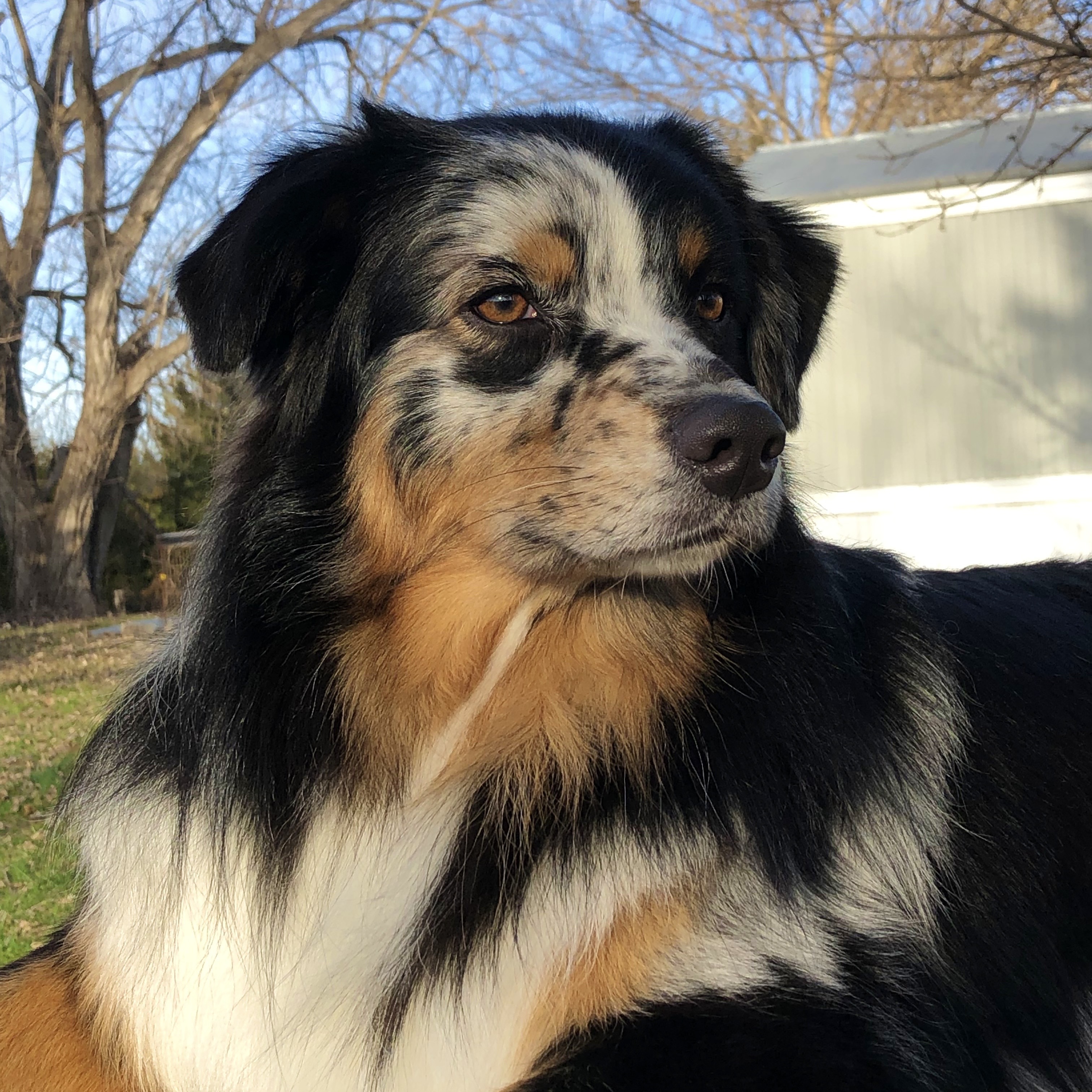
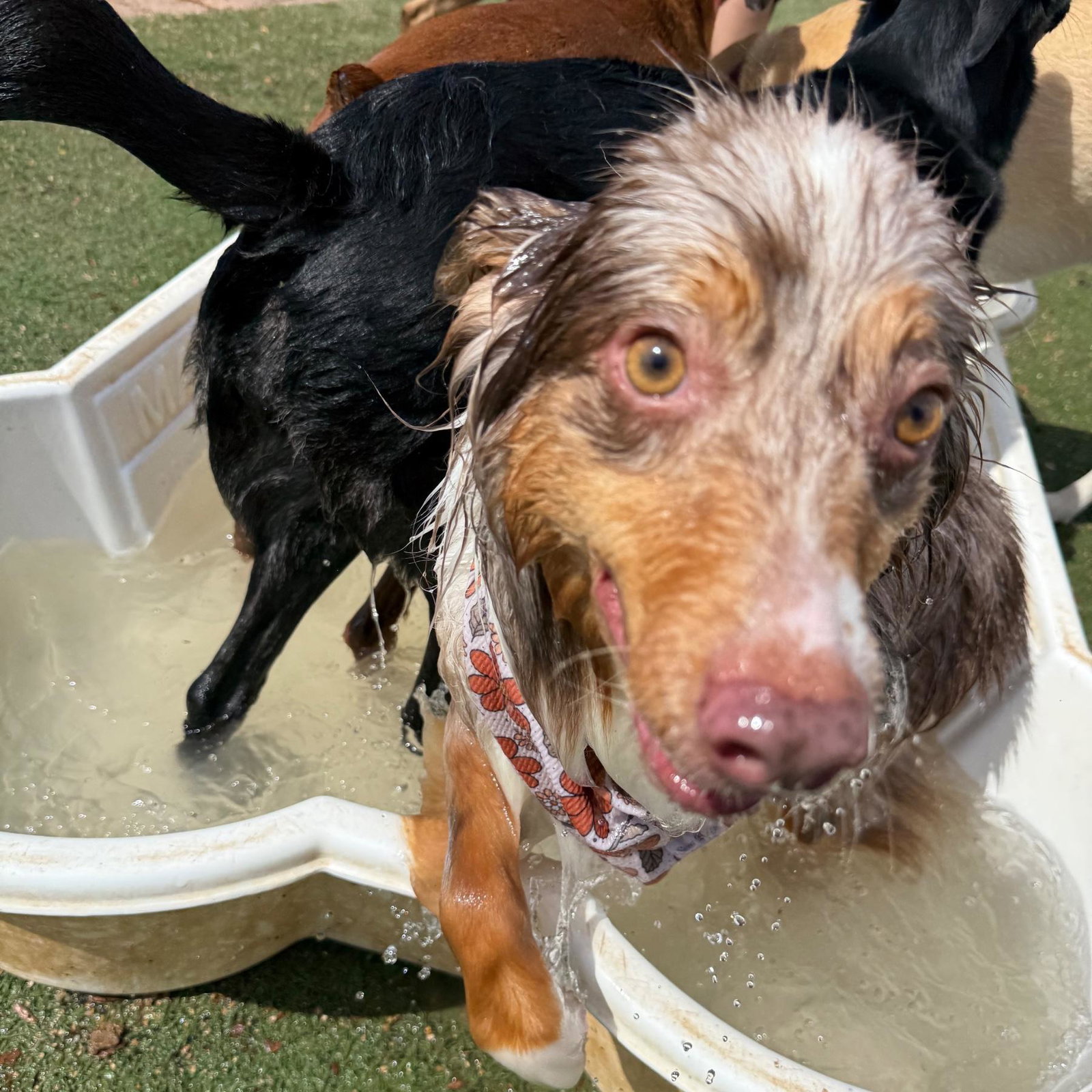
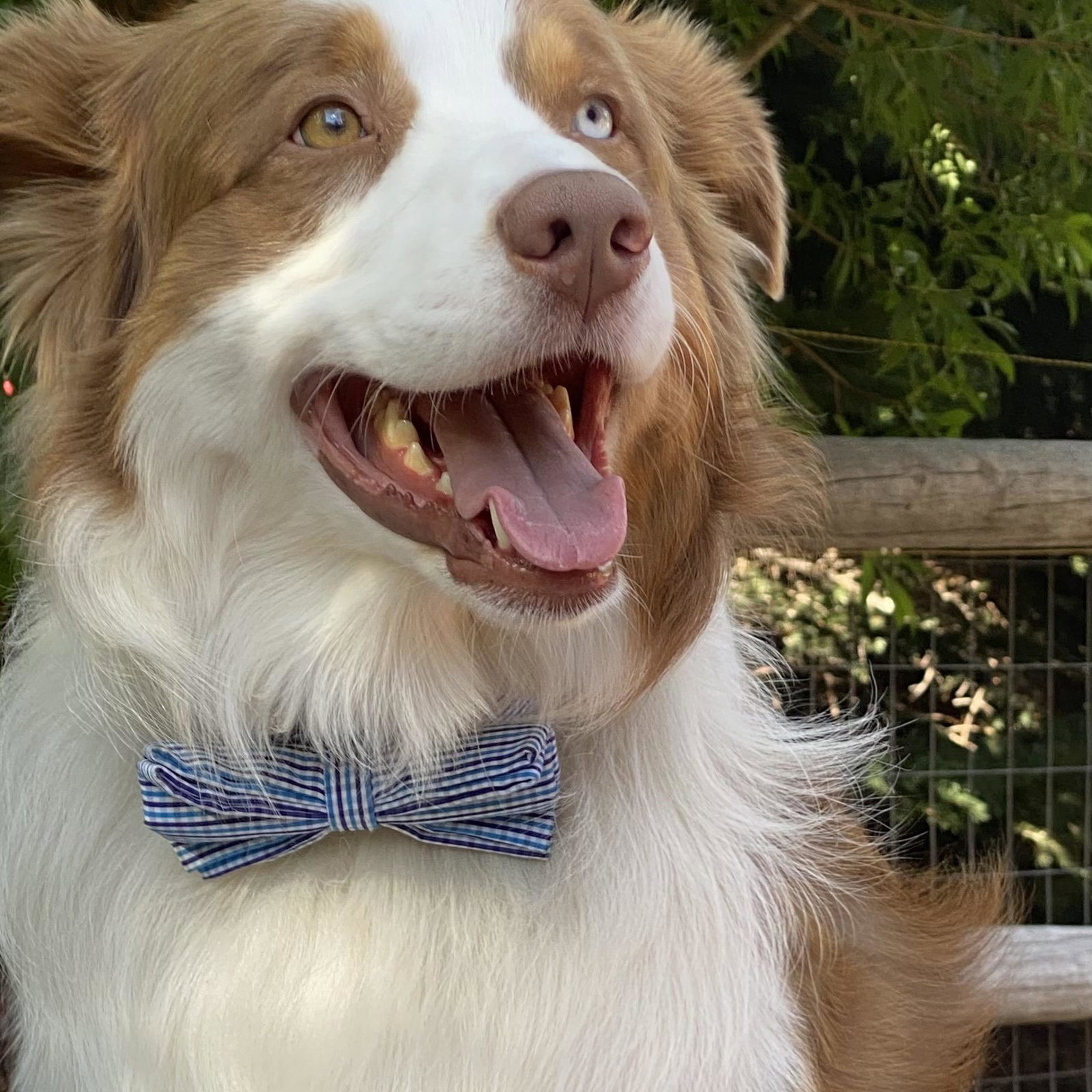
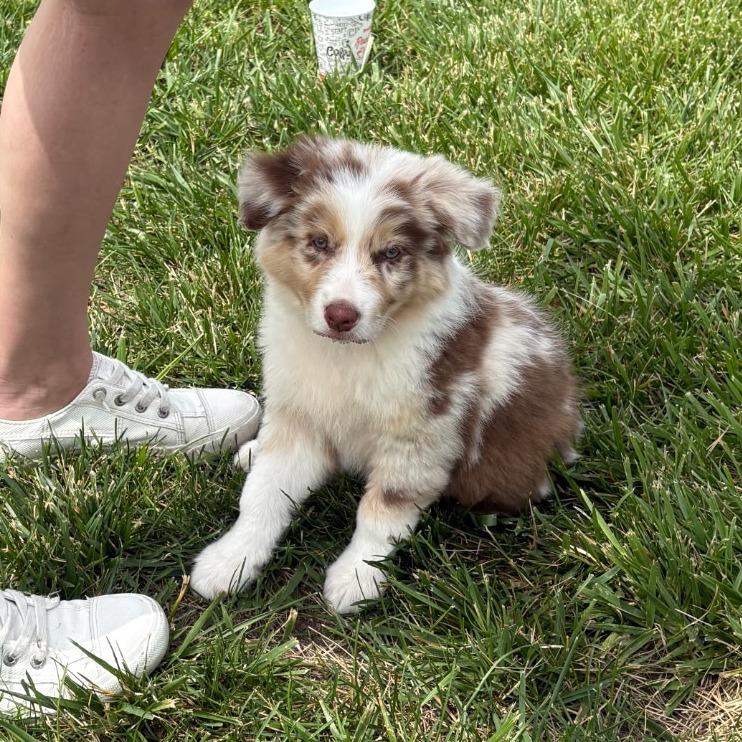
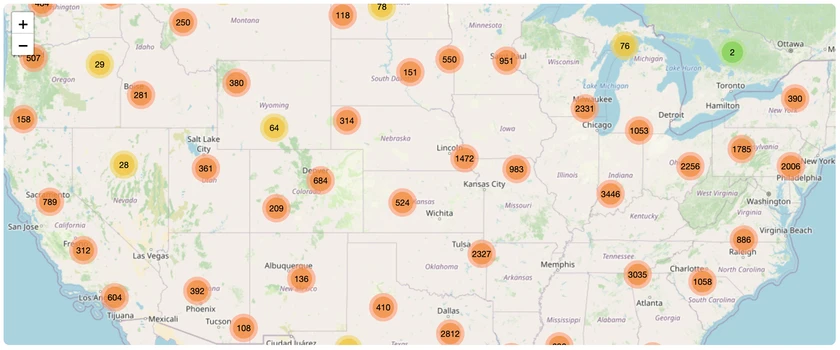
Despite its name, the Australian shepherd was developed mainly in the western United States as a ranch and stock dog, influenced by herding dogs that traveled with sheep and shepherds from several regions. The Aussie is a medium, agile dog with a moderate coat, strong eye contact, and a quick, biddable style useful on cattle, sheep, and mixed ranch work. Accepted colors include black, red, blue merle, and red merle, often with white markings and tan points. Tails may be naturally bobbed, long, or docked where that is still legal and customary.
Aussies thrive when training is part of daily life, not an occasional class. Many excel in herding, agility, obedience, disc, search work, and active family routines, but they can become noisy, reactive, or obsessive without socialization and impulse control. The coat needs brushing through seasonal shedding, and active dogs should be checked for burrs, feet wear, and heat stress. Responsible breeders screen for hip and eye disease, epilepsy risk in their lines, and MDR1 drug sensitivity; merle breeding also requires care because double-merle puppies can be deaf or visually impaired.
Colors: Apricot, Bicolor, Black, Black and Tan, Black and White, Black Bi, Black Mask, Black Tri, Blue, Blue and Tan, Blue Merle, Blue Merle Bi, Blue Merle Tri, Blue Roan, Blue Tick, Brindle, Brown, Brown and Tan, Brown and White, Chocolate, Cream, Dapple, Domino, Fawn, Fawn and White, Gold, Gray, Harlequin, Irish Marked, Liver, Liver Mask, Mantle, Mask, Merle, Mottled, Parti-Color, Piebald, Red, Red and White, Red Bi, Red Merle, Red Merle Bi, Red Merle Tri, Red Roan, Red Tick, Red Tri, Reverse Brindle, Roan, Sable, Saddle, Silver, Speckled, Spotted, Tan, Ticked, Tricolor, Tuxedo, White, Yellow