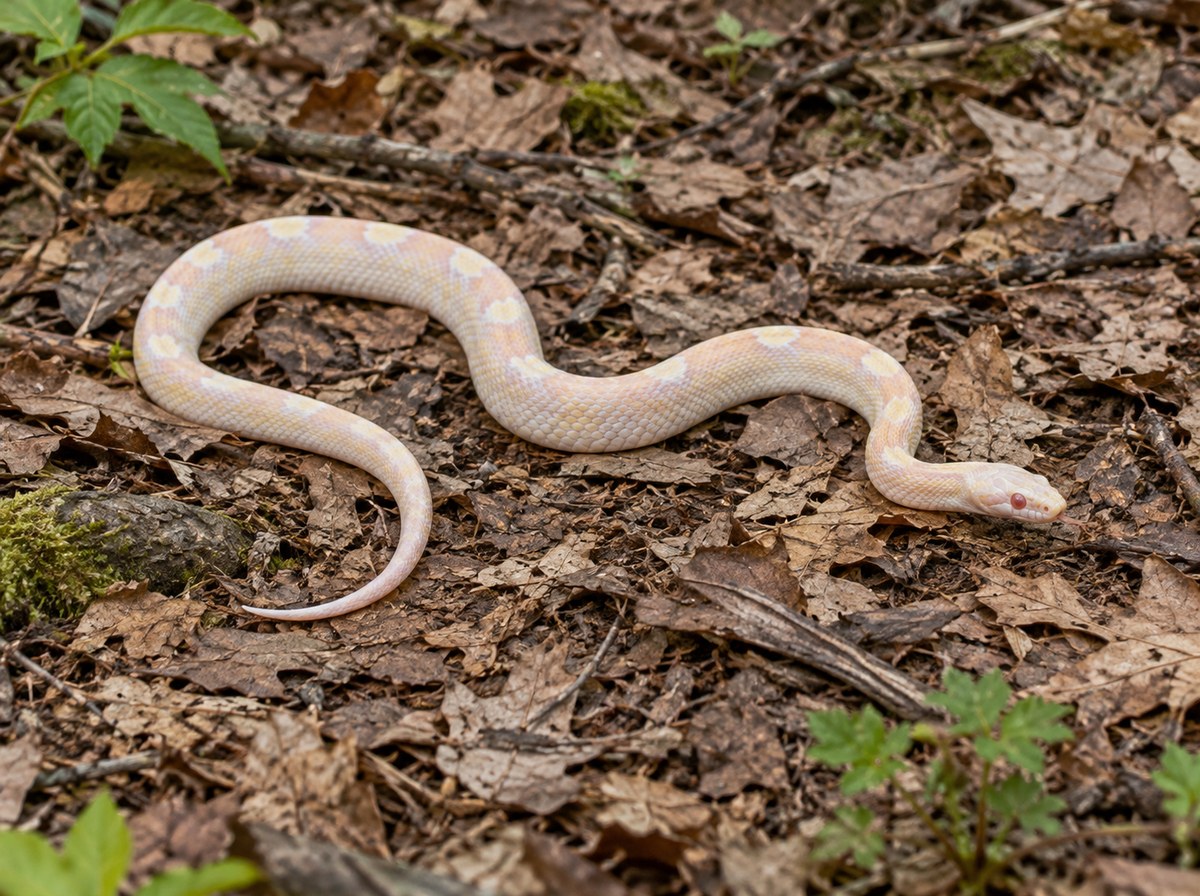
Snow
Combination
Author: Elliott Garber, DVM · Published
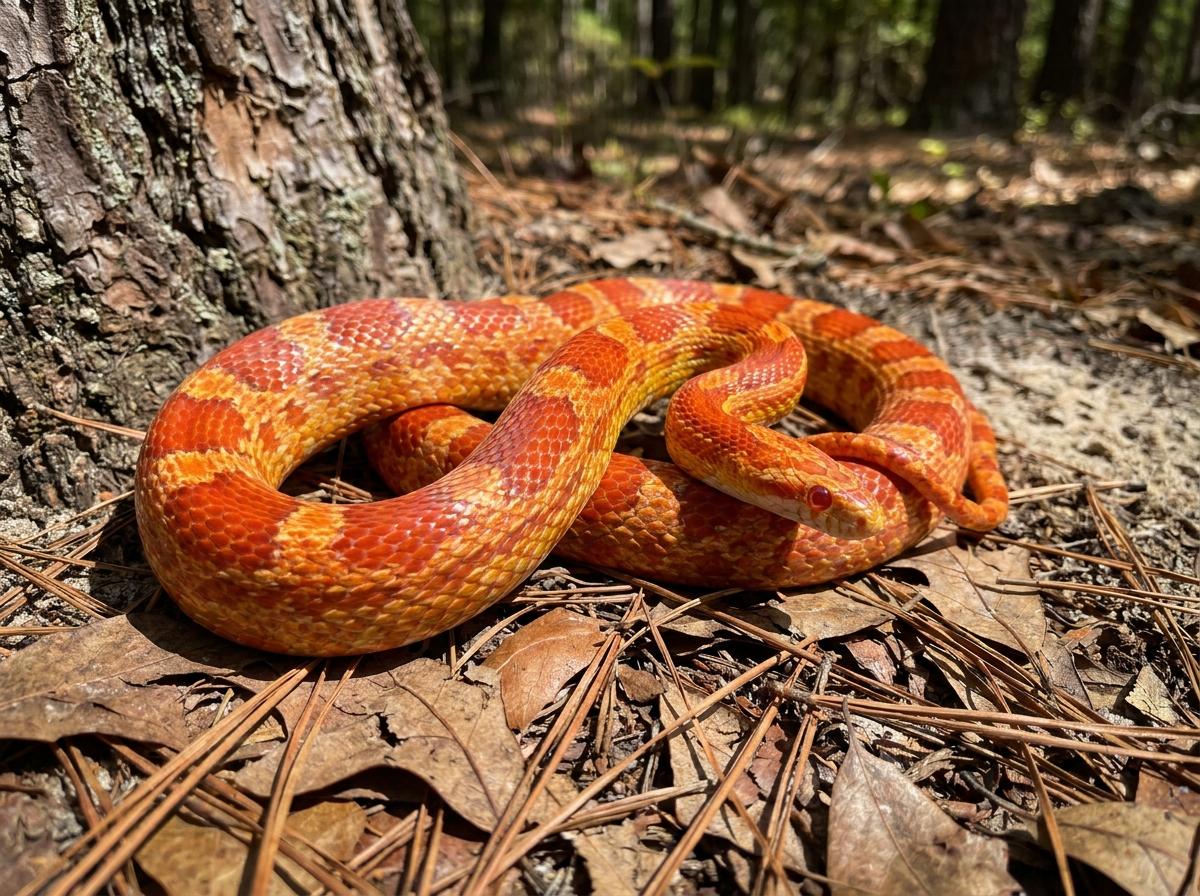
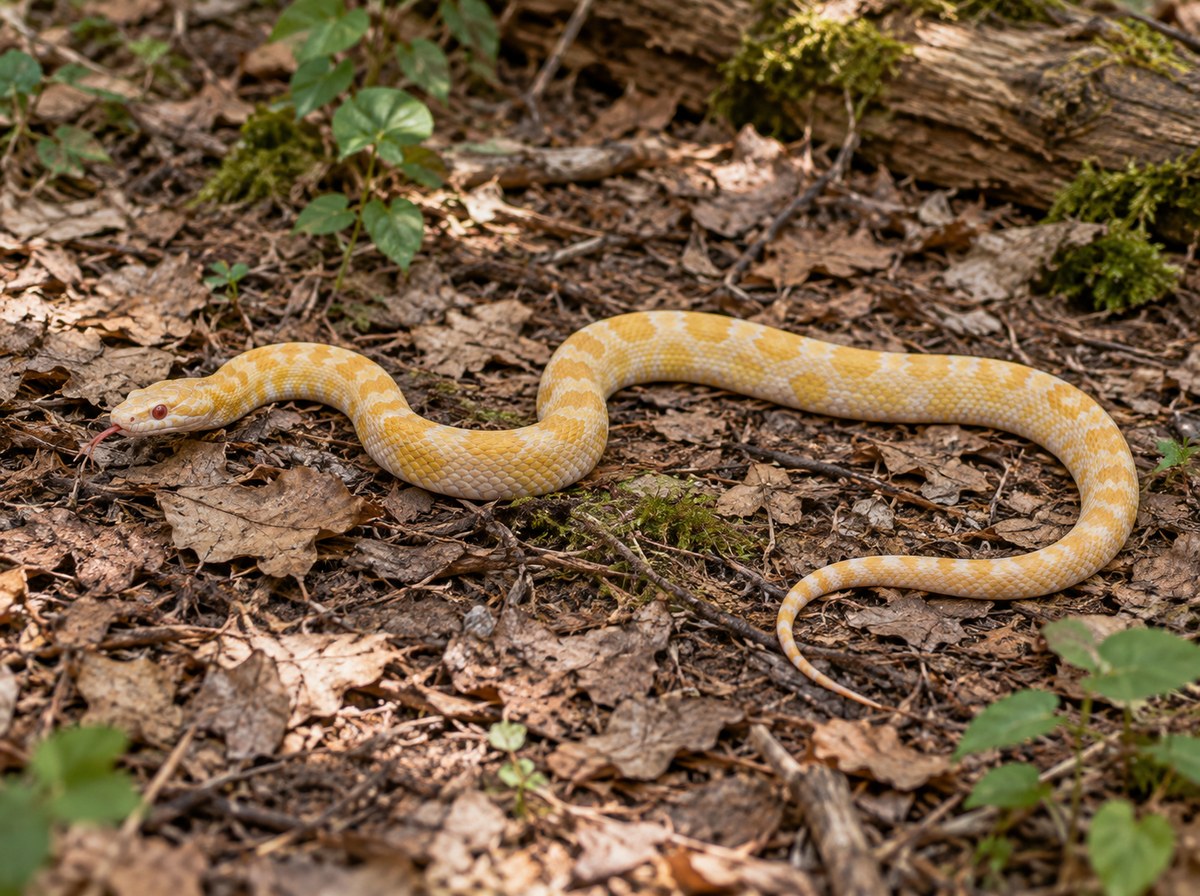
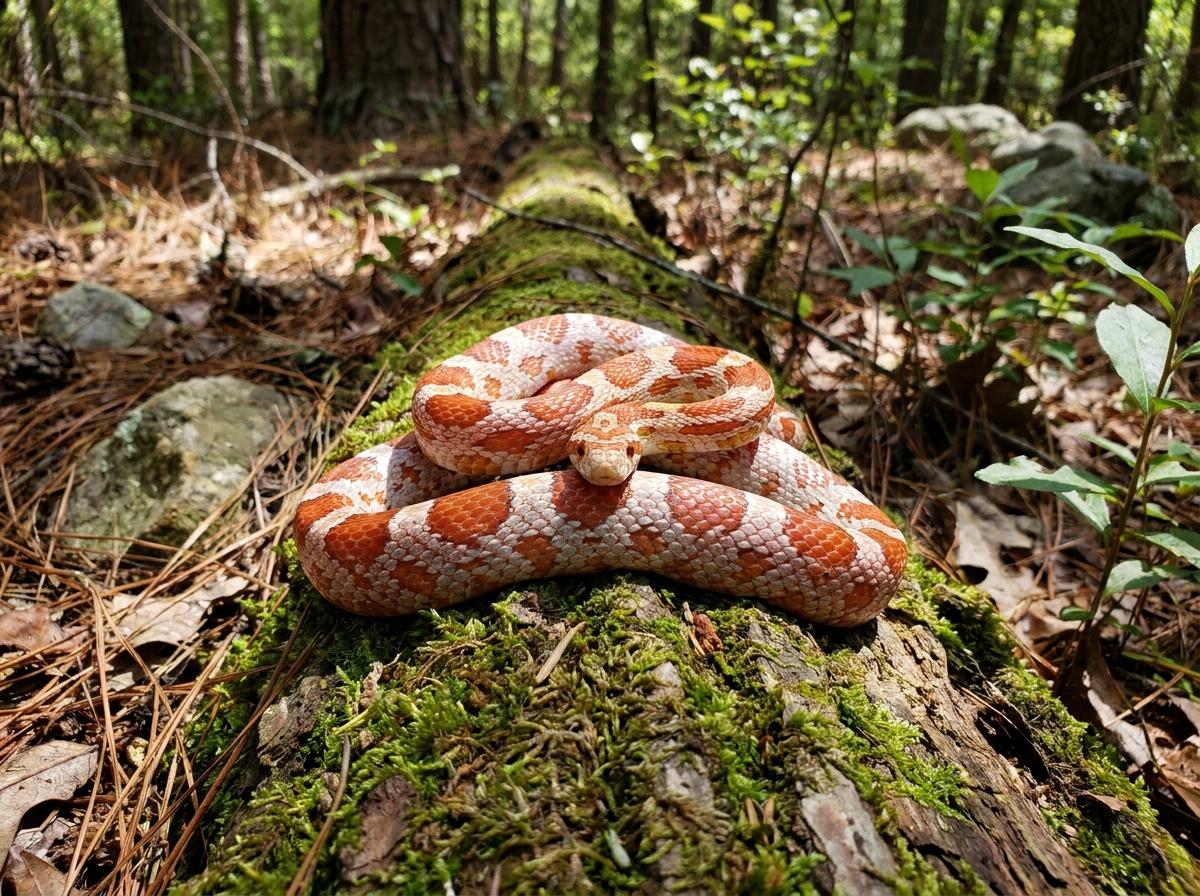
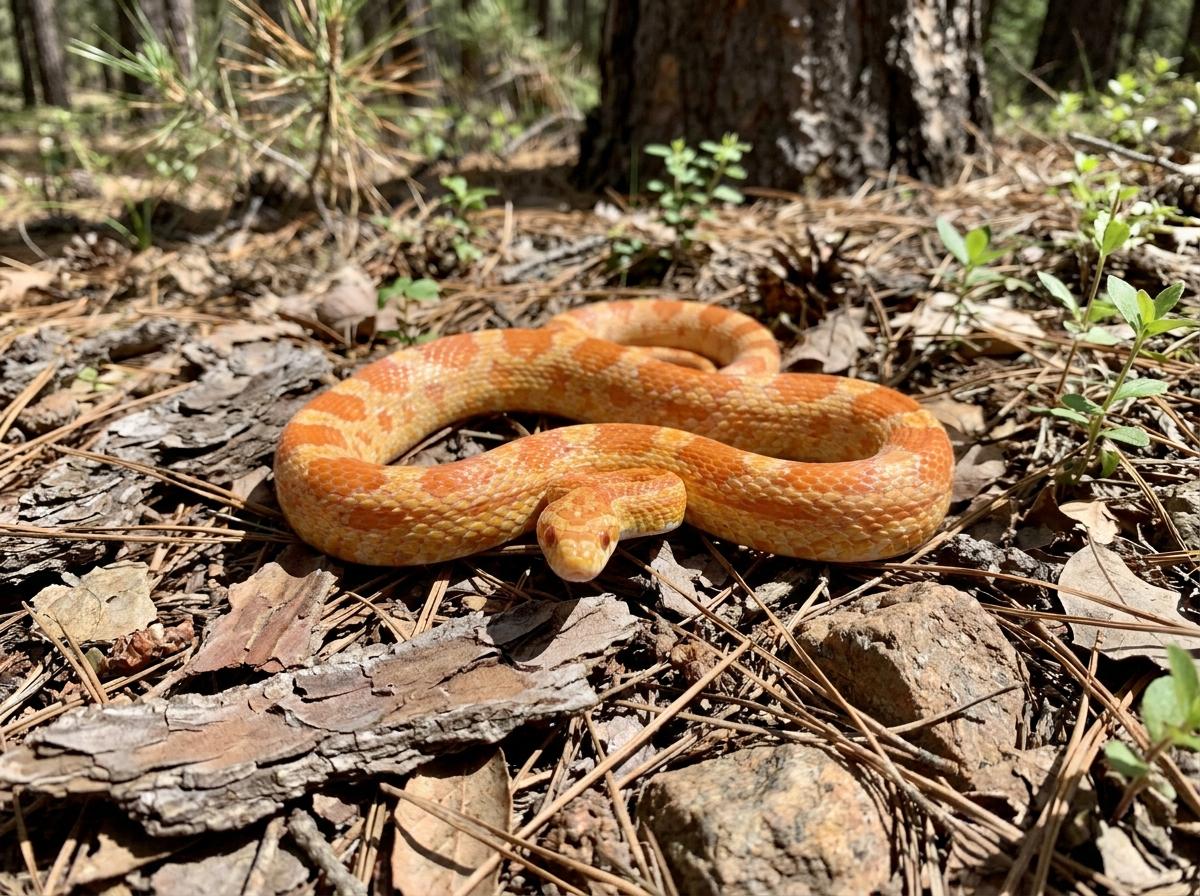
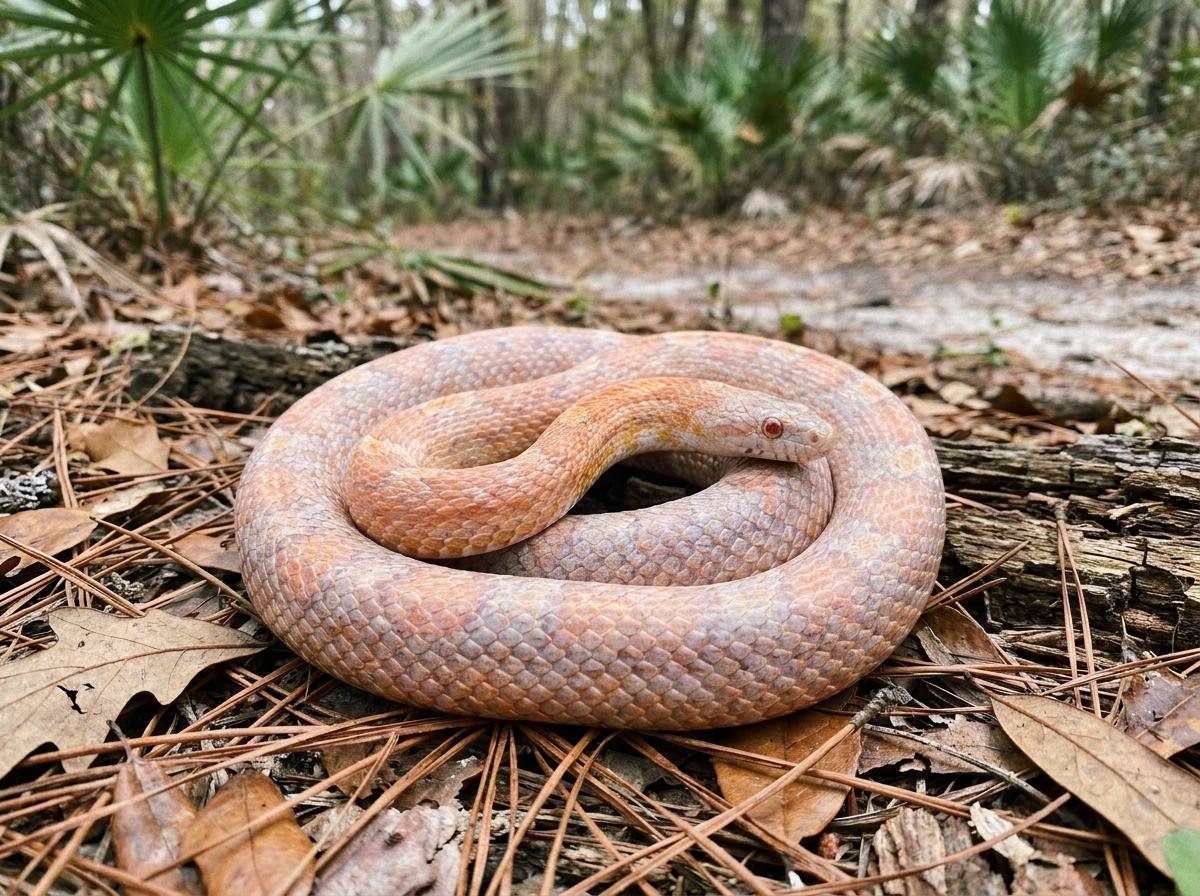
A Snow corn snake combines the amelanistic and anerythristic traits, commonly shortened to Amel and Anery. Together they produce a pale snake that may look white, pink or cream, often with visible pale saddles. “Snow” describes a morph, not a cold-climate snake or a separate species.
For the component traits, use the Amel and Anery references. Neither on its own means Snow. “Het Snow” means the animal carries both recessive traits but visibly expresses neither Amel nor Anery. It is not a visual Snow.

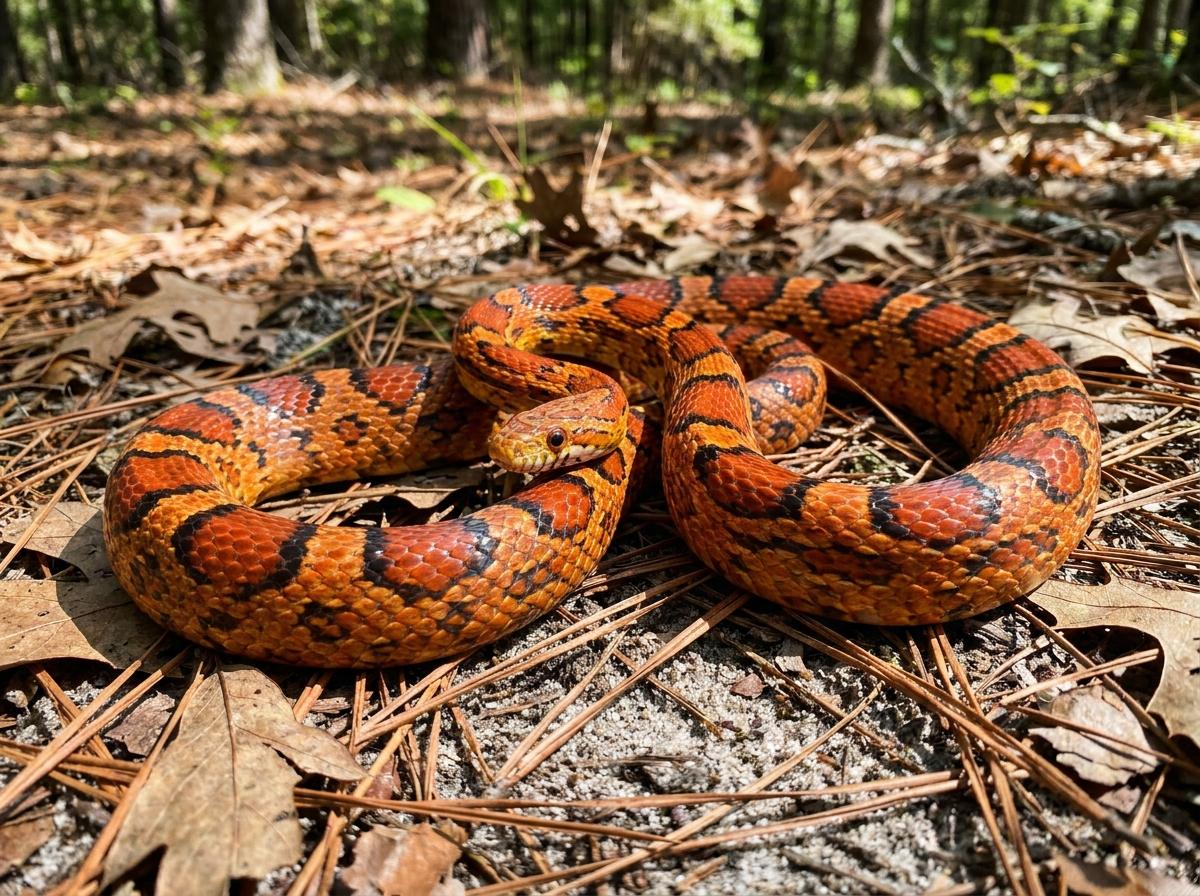
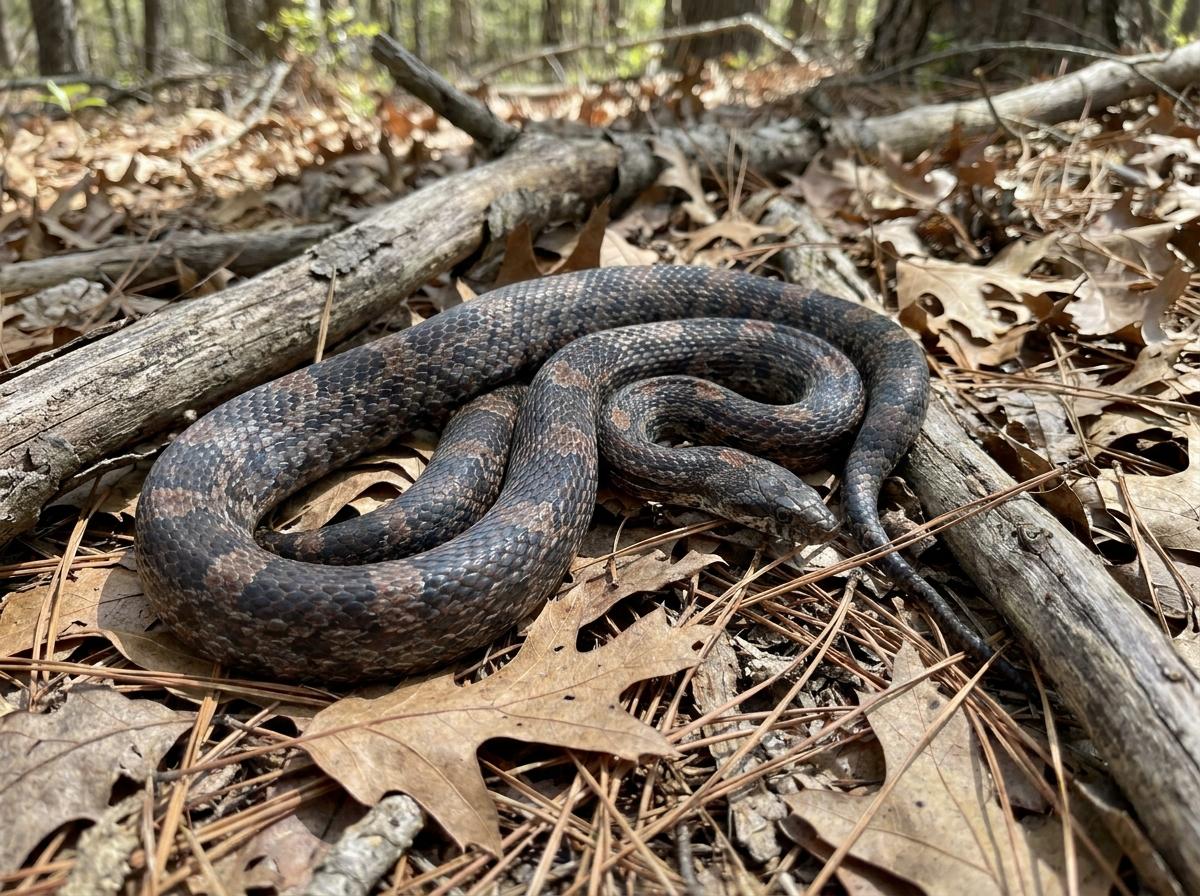
AI-generated illustration of a Snow corn snake appearance. The pattern does not prove the genetics of a real animal.
| Species | Corn snake, Pantherophis guttatus |
|---|---|
| Combination | Amel plus Anery |
| Appearance | Pale ground colour with variable pink or cream pattern |
| Similar name | Blizzard uses a different anerythristic trait |
| Care implication | Ordinary corn-snake needs, with appropriate lighting choices |
Browse listings, public profiles, breeders, or add your animal.
What the combination means
Amelanism removes the usual dark melanin appearance; anerythrism reduces the usual red pigmentation. Snow combines both. The combination is used in ABLE’s corn-snake genetics teaching material to explain inheritance at two separate recessive loci.
A visual Snow expresses both traits. A carrier of a recessive trait can carry it without displaying its full visual effect, so ask the seller to expand “het” abbreviations into a clear statement about each component. Is the animal visual Amel and carrying Anery, carrying both, or actually visual for both? Those are different descriptions.
Parentage and reliable records matter more than a breeding calculator fed with uncertain labels. This guide does not turn a seller’s guess into genetic confirmation. If additional traits are claimed, ask which are demonstrated and which remain possible.
Why some Snows look pink and others cream
The pale saddles and background can have different levels of contrast. Yellow can also appear, particularly around the neck, so the name does not promise a permanently pure-white snake. Breeder descriptions of established Snow lines record this variation. A single bright photograph is a poor way to judge subtle colour.
Ask for current pictures in neutral light and, when useful, dated pictures showing how the animal has matured. Avoid comparing a newly shed adult in daylight with a small youngster photographed under coloured enclosure lighting. None of these appearance differences establishes additional genes by itself.

AI-generated detail of a pale head and red eye. Colour intensity in real snakes varies with the individual and the photograph.
Snow versus Blizzard
Blizzard is conventionally Amel combined with Charcoal, historically called type B anerythristic, rather than the Anery used in the conventional Snow combination. The resulting pale appearances can overlap. “Whiter” is not a reliable genetic test that converts Snow into Blizzard.
Ask for the actual component traits rather than accepting a name chosen to fit a photograph. This matters especially when an animal is being sold for a breeding project. For a companion, correct records are still useful, but reliable feeding, health and a suitable home are more consequential than whether its pale pattern matches a fashionable description.
Care: the name does not mean cooler temperatures
A Snow needs the same environmental choices as other corn snakes. The RSPCA’s corn snake guidance describes room to stretch fully, hides at both warm and cool ends, controlled heating, water and opportunities to climb and explore. Secure doors and gaps matter for a slender snake.
Because Snow includes amelanism, do not automatically copy the lighting intensity chosen for a normally pigmented corn snake. The RSPCA gives lower UV guidance for albino animals. Use a measured, appropriate lighting plan with shaded retreats, and seek reptile-experienced advice for the actual setup. This does not mean eliminating the animal’s day-night cycle or keeping it in a bare dark box.
Ask what prey the snake takes, how it is prepared, when it last ate, and how consistently it has fed. Keep a record of feeds, weight and sheds after arrival. Persistent feeding difficulty, breathing changes or damaged skin require veterinary assessment rather than being dismissed as a colour-morph trait.

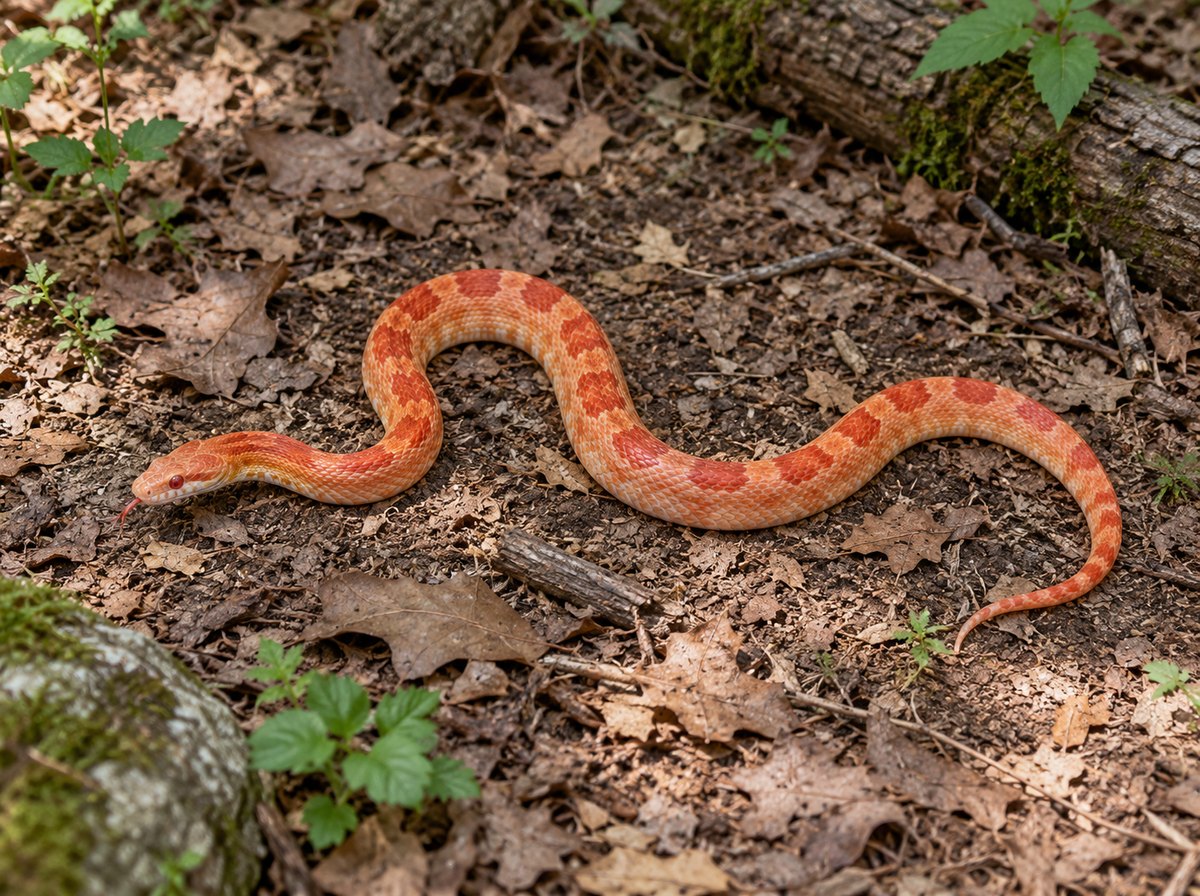
AI-generated portrait on cork. The cropped scene is not a complete enclosure or husbandry specification.
Price and the information worth paying attention to
A useful quote identifies the exact snake and states age, sex, additional morph claims, feeding status and transport costs. There is no single current price that can responsibly cover every Snow combination and market. An elaborate morph name should not distract from missing records.
Request written identification and known parentage, recent unfiltered images, a feeding history and the terms of collection or shipping. If the snake is young, ask whether sex and additional traits are confirmed or provisional. Have the enclosure running and checked before agreeing to arrival.
Common questions
Is Snow just another word for albino?
No. Amelanism is one part of the combination; conventional Snow also includes Anery.
Does a yellow neck mean it is not Snow?
No. Yellow can occur in a Snow’s appearance. The morph name is not a guarantee of an entirely white adult.
Can I identify Snow and Blizzard from a photograph alone?
Not reliably in every case. Ask for component genetics and parent records when the distinction matters.
Do this next on Creatures
Use the Snow hub alongside the corn snake hub and the component-trait references to make sense of an individual animal’s description.