

Bielefelder
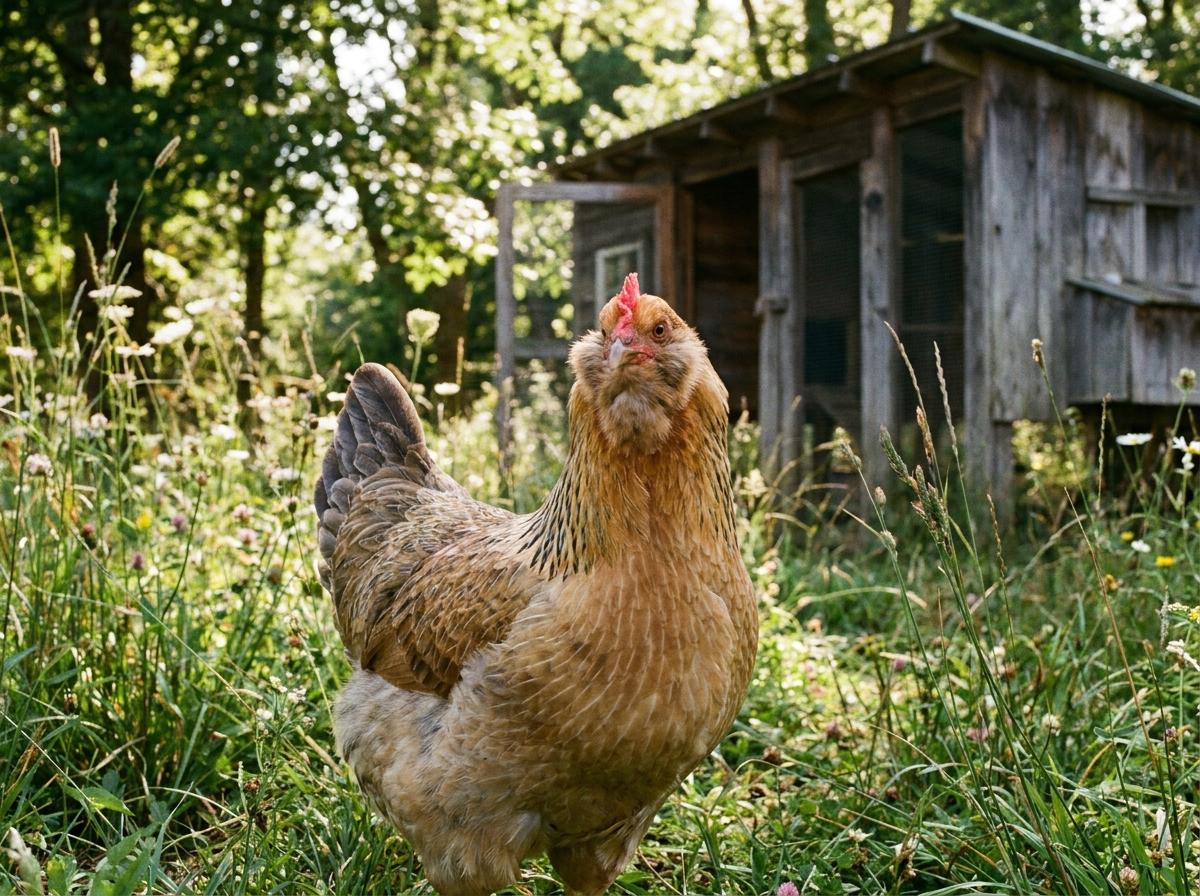
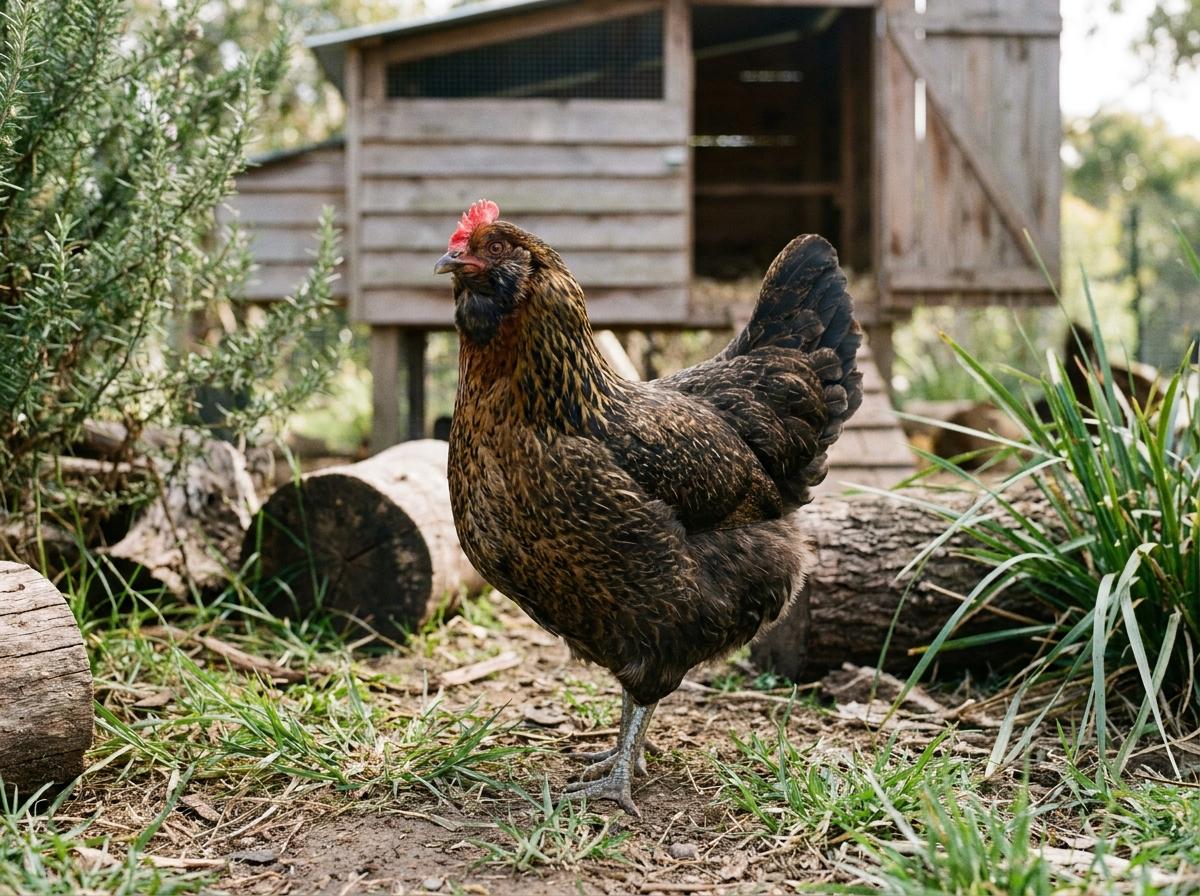
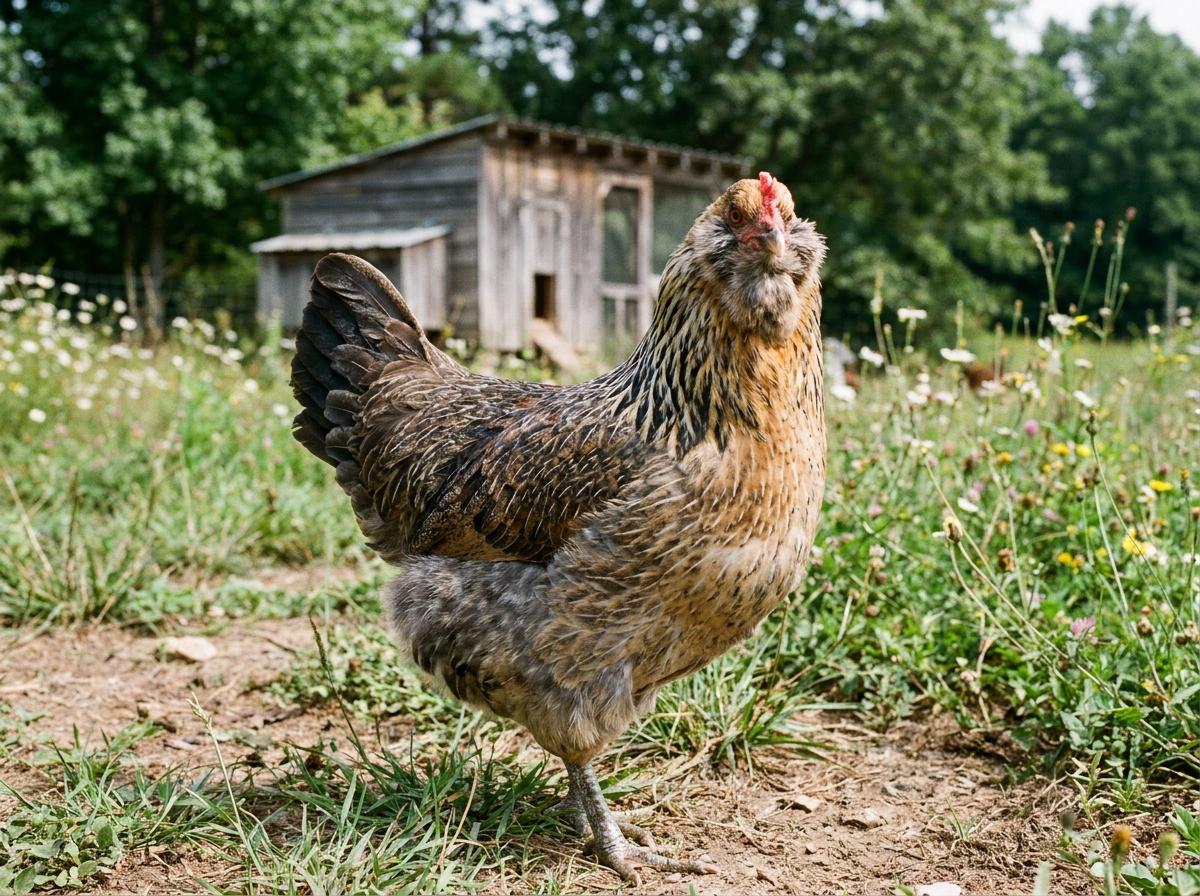
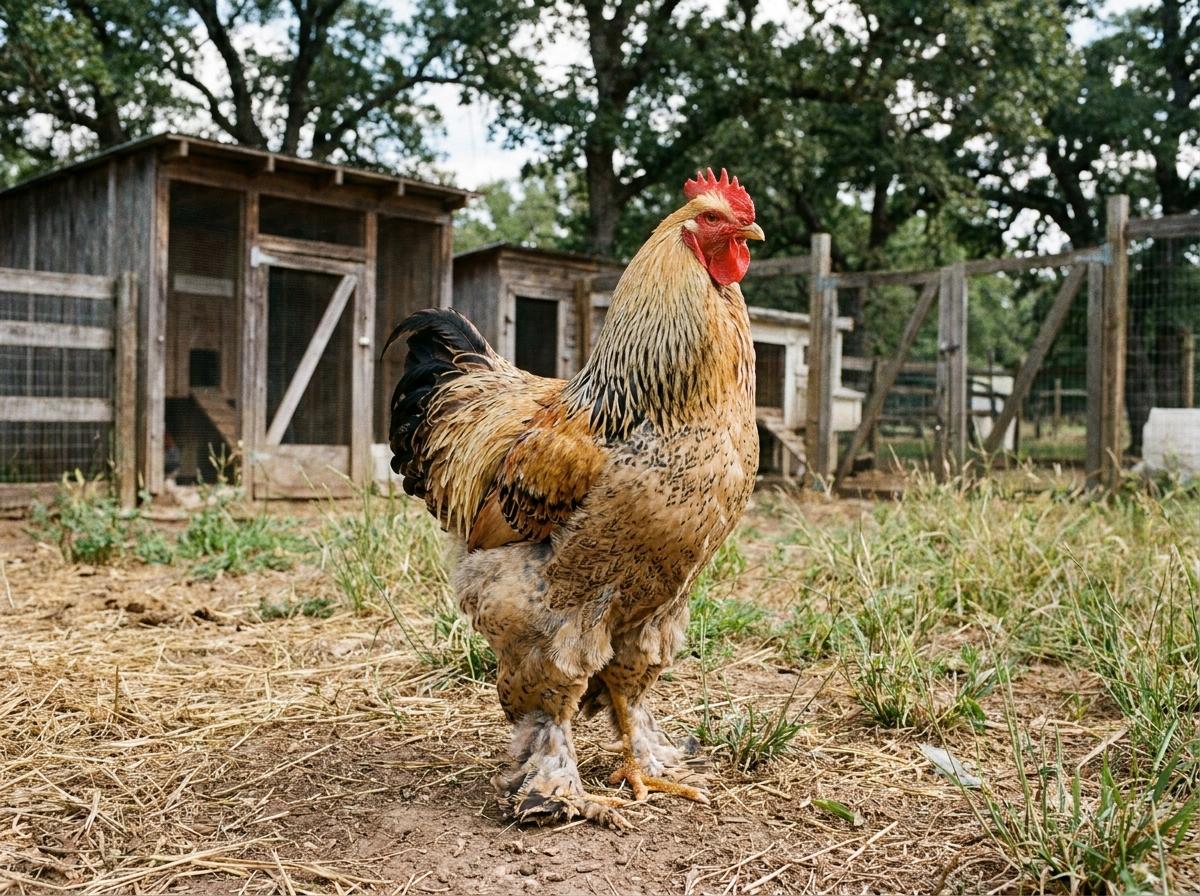
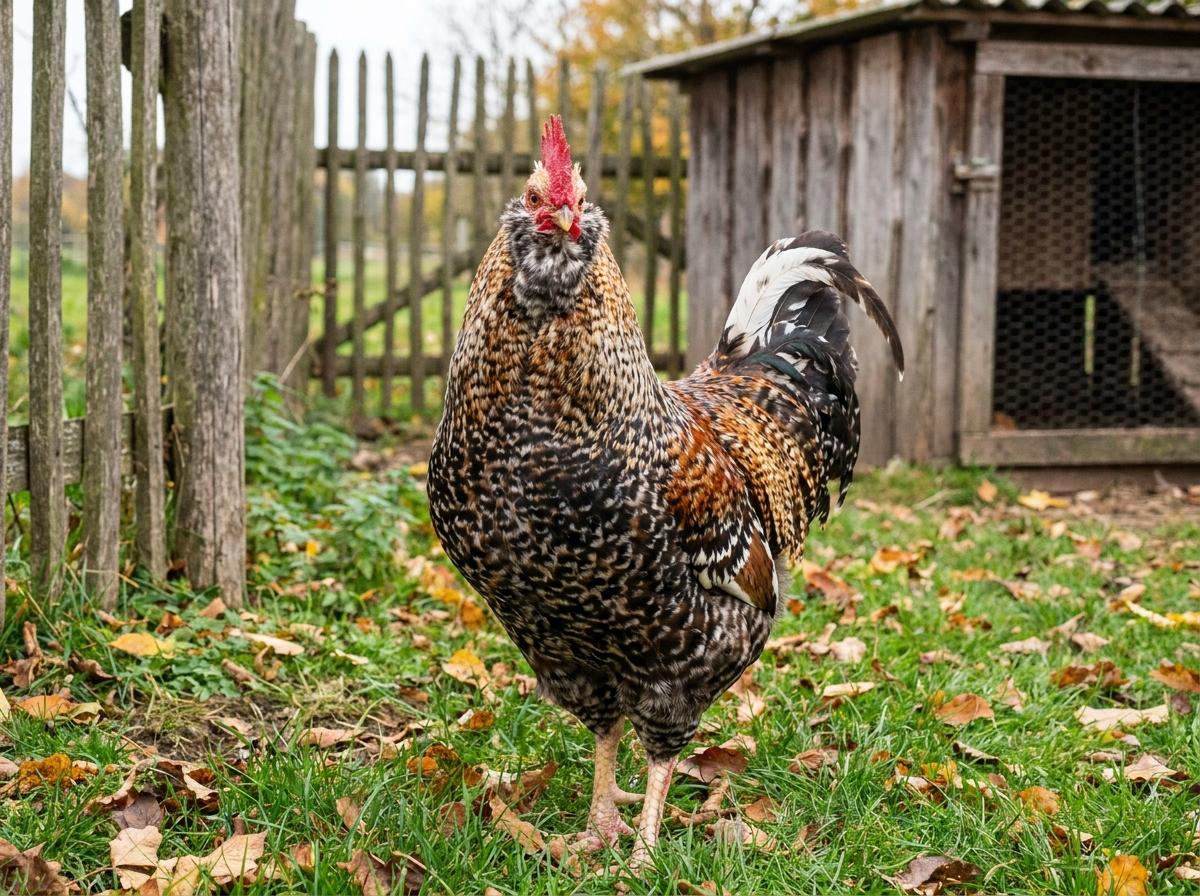
The Bielefelder is a large German dual-purpose chicken developed around Bielefeld in the 1970s. Also known by the fuller name Bielefelder Kennhuhn, it was bred as an autosexing farm bird, meaning male and female chicks can be distinguished by down color when the line is correctly maintained. Adults have a barred, warm brown cuckoo-partridge pattern, broad bodies, and a calm, substantial look. The breed combines influences from older utility chickens such as Amrocks, New Hampshires, Rhode Island Reds, Malines, and Welsummers, which helps explain its size, brown eggs, and table qualities.
Backyard keepers value Bielefelders for large brown eggs and a manageable temperament, but they are not lightweight production hybrids. They need sturdy roosts, good ventilation, predator-safe runs, and enough feed to support a heavy body without making breeding birds fat. The autosexing feature is useful only when breeders select for clear chick markings; males are typically lighter, while pullets are darker and more distinctly striped. Buyers should ask whether a flock is bred to a recognized standard or simply sold as Bielefelder-colored, especially if future breeding or chick sexing is the goal.
Colors: Autosexing, Barred, Birchen, Black, Blue, Brown, Buff, Columbian, Crele, Cuckoo, Duckwing, Gold, Gold Laced, Kennhuhn, Laced, Lavender, Mille Fleur, Mottled, Partridge, Penciled, Porcelain, Red, Silver, Silver Laced, Spangled, Splash, Wheaten, White