


Bantam
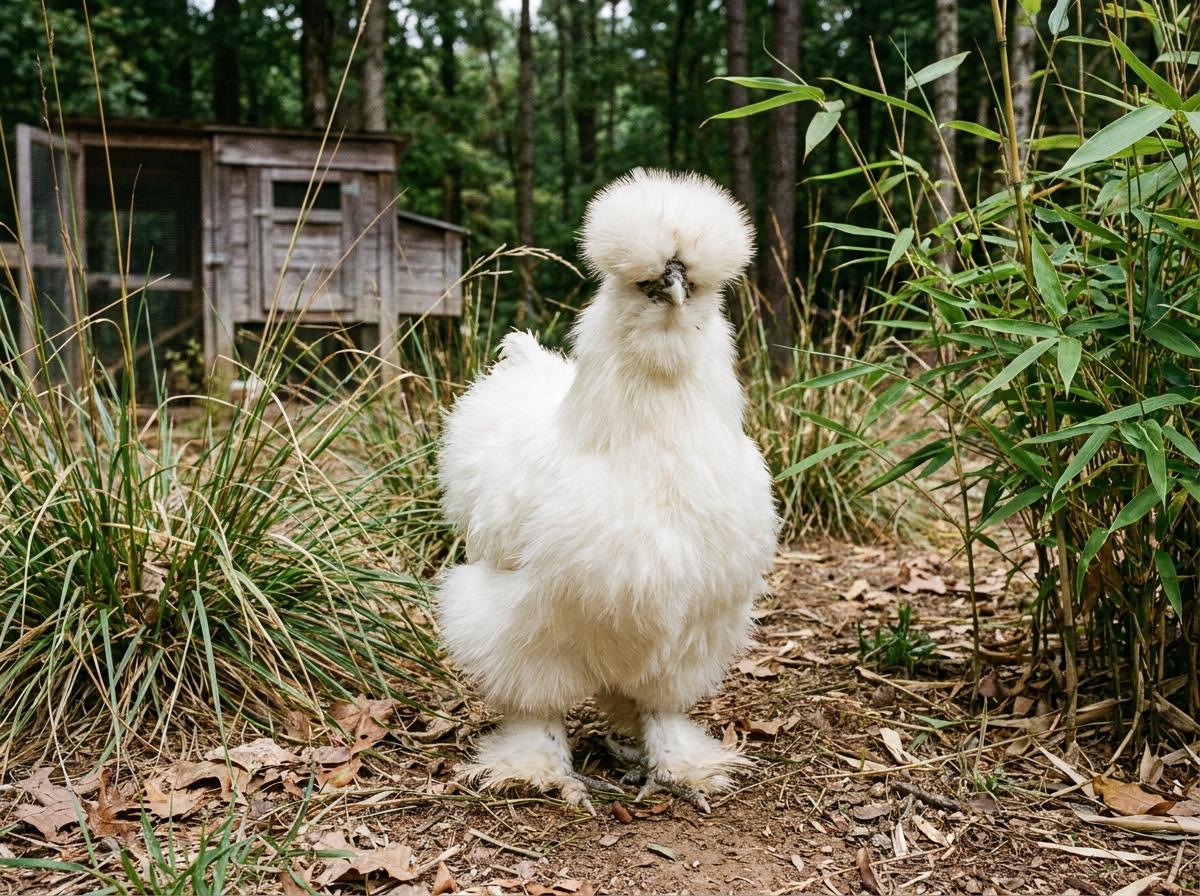
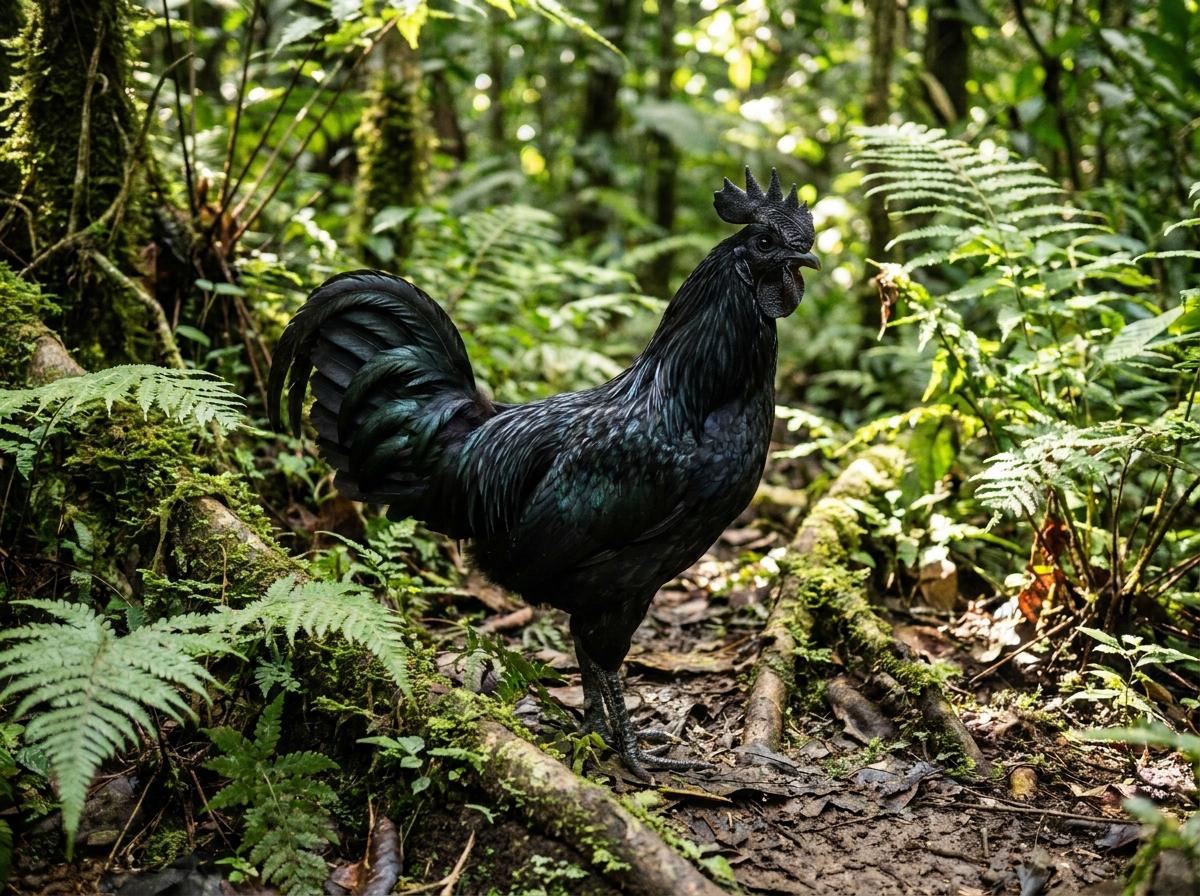
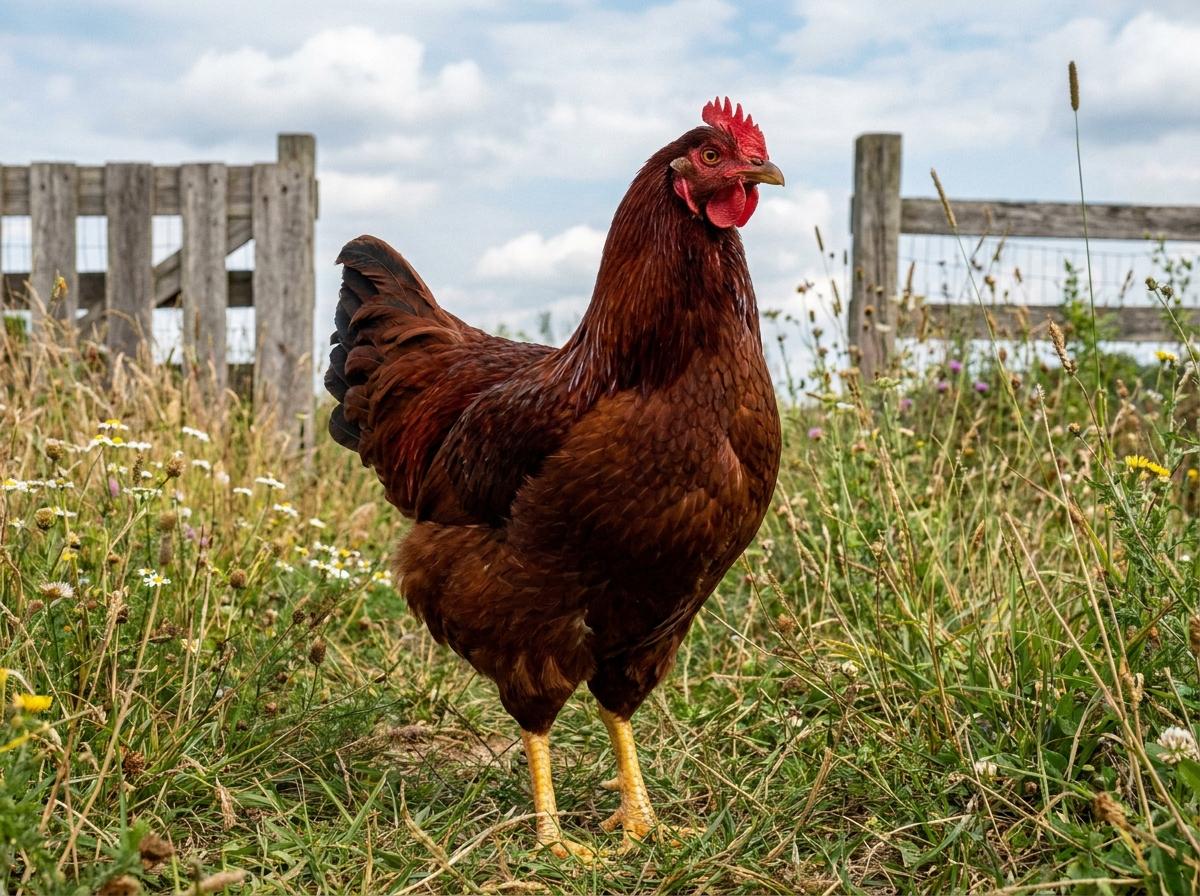
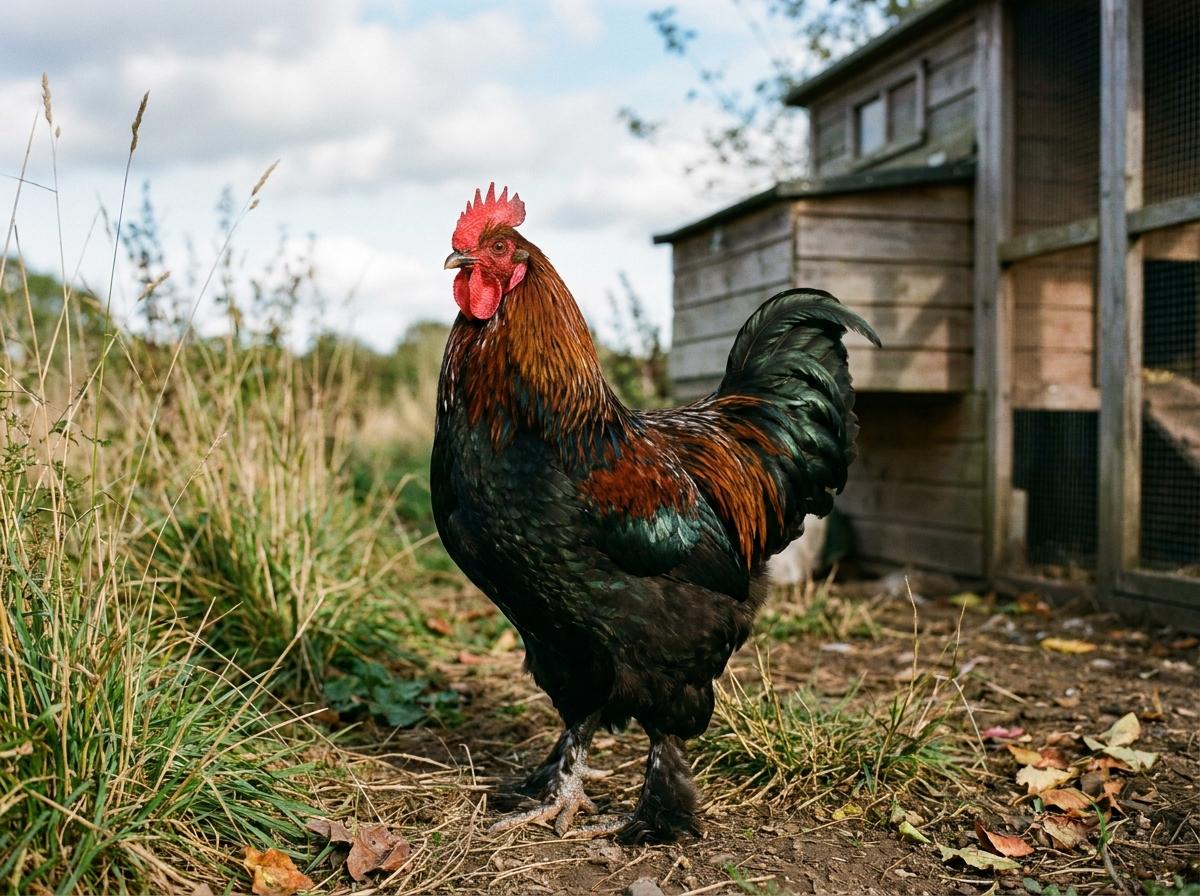
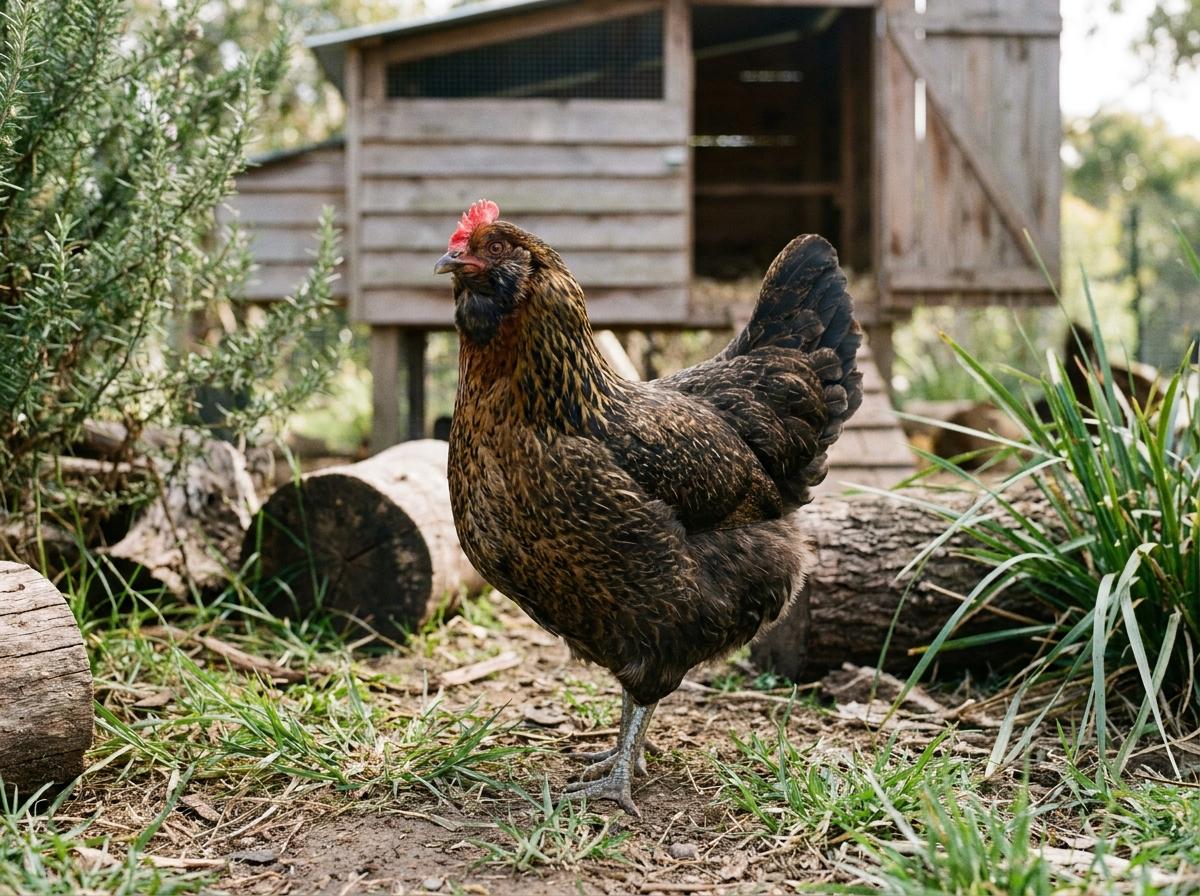
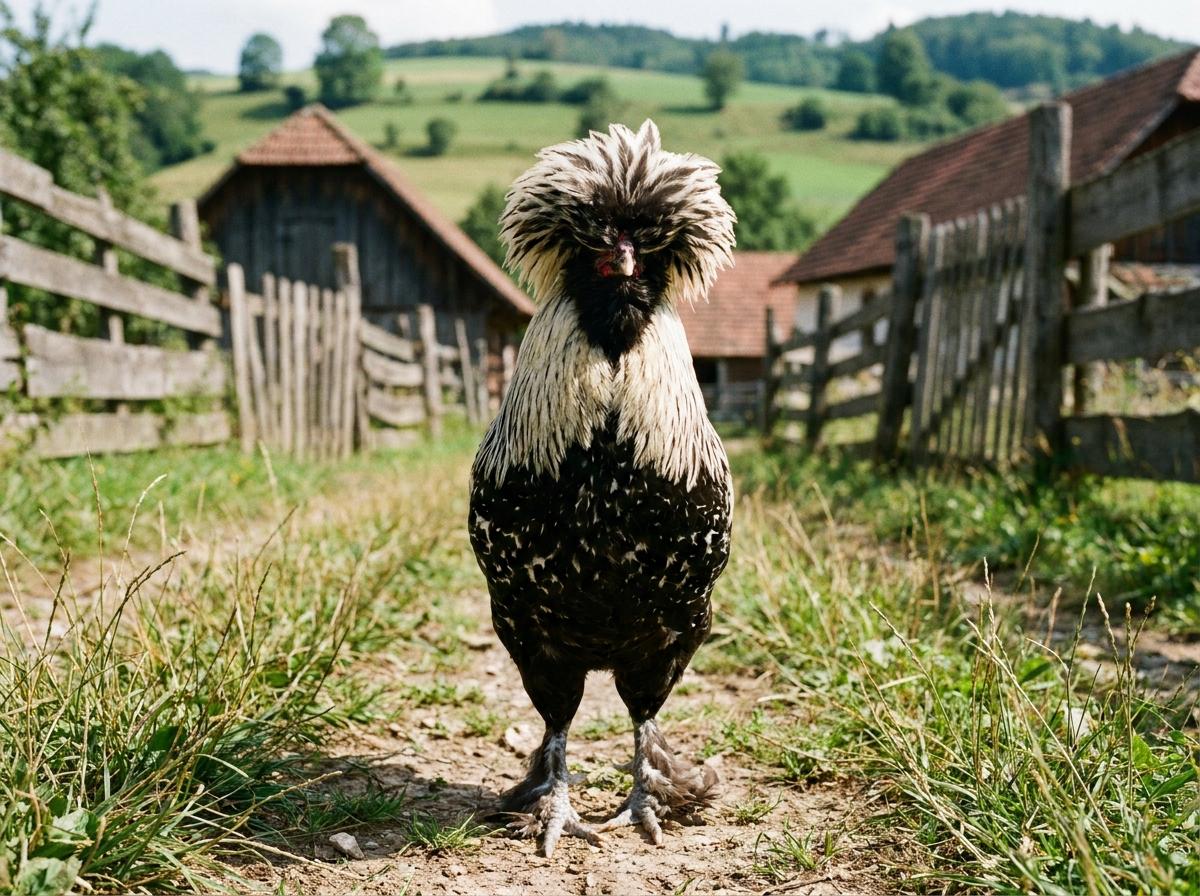
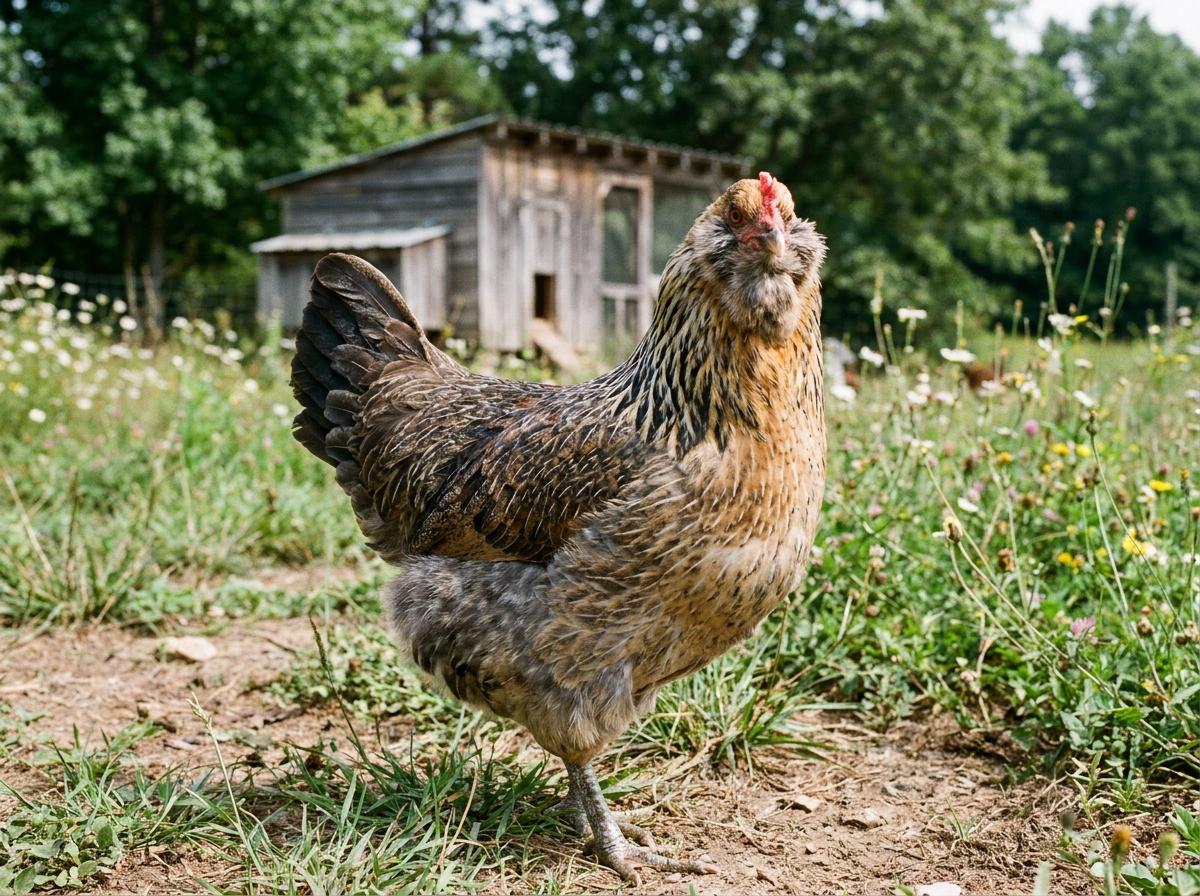
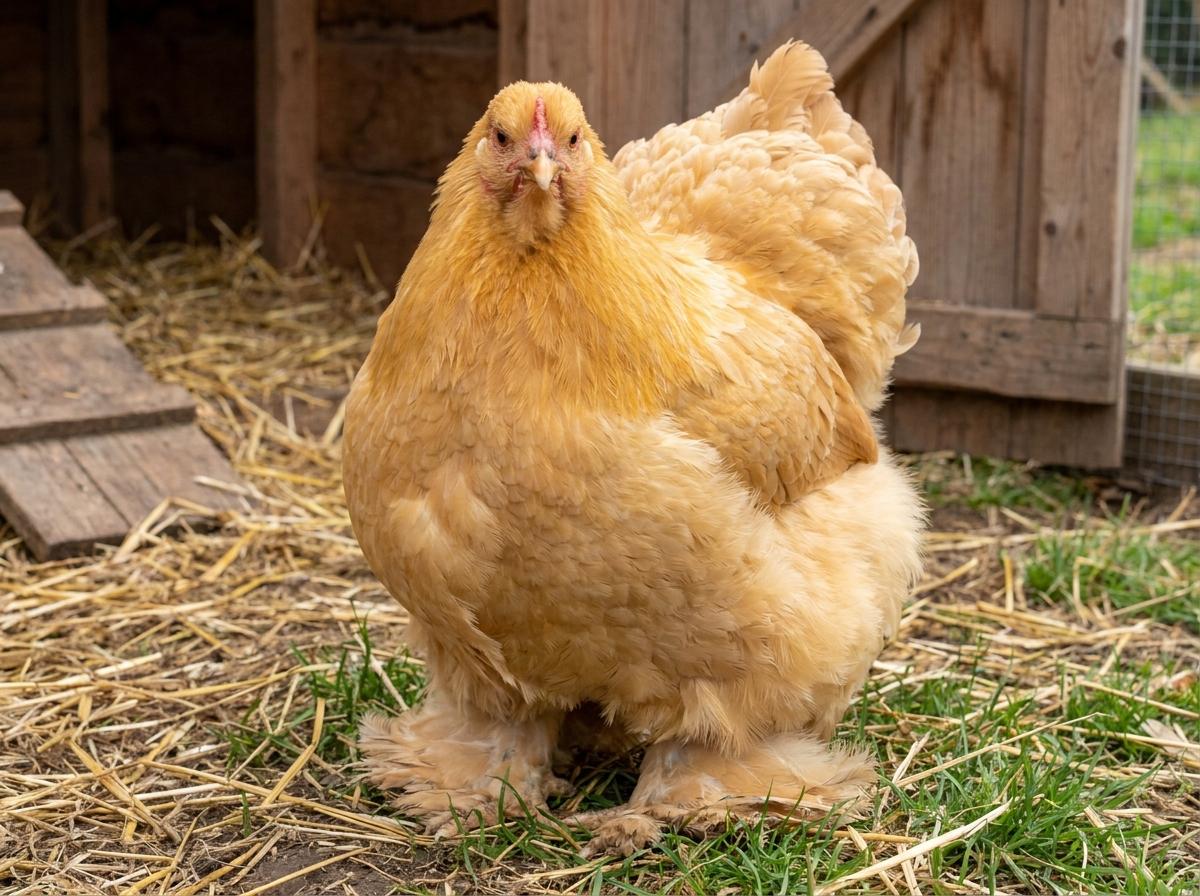
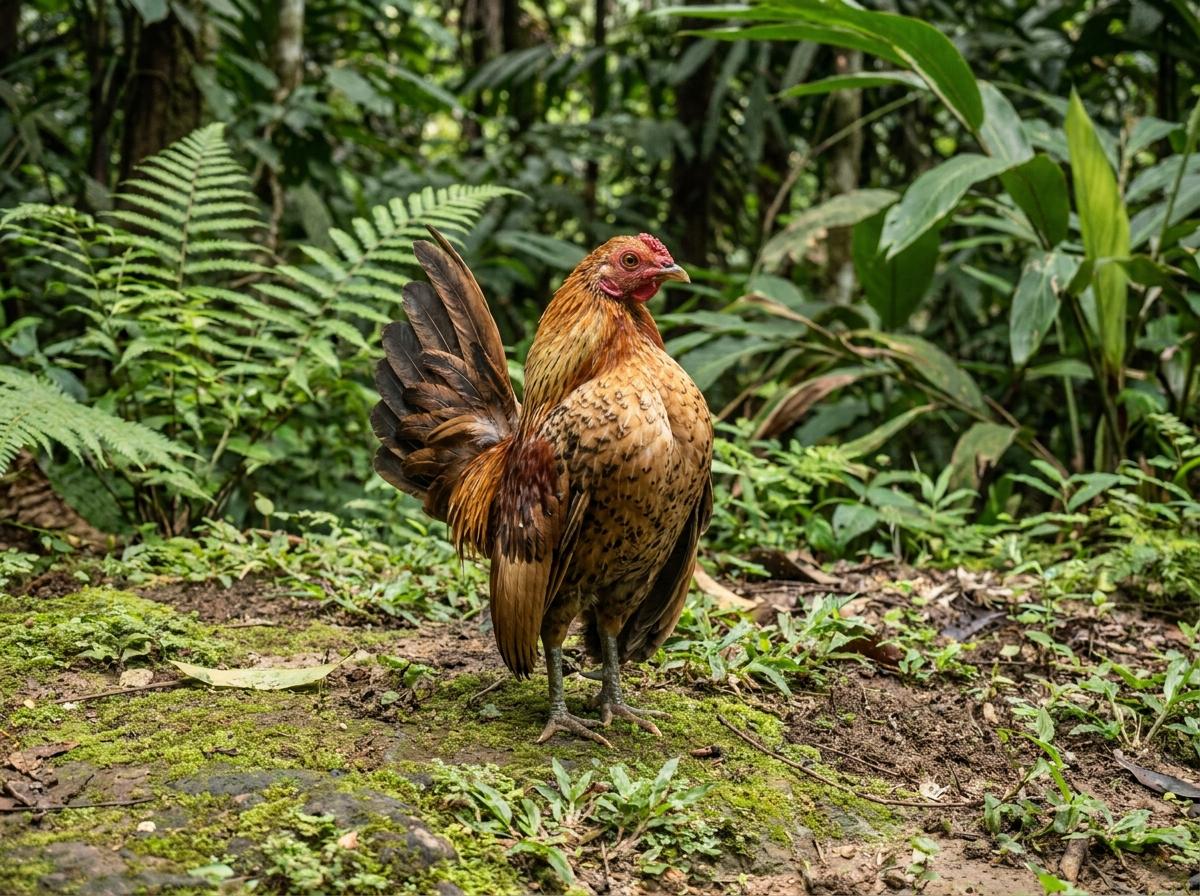
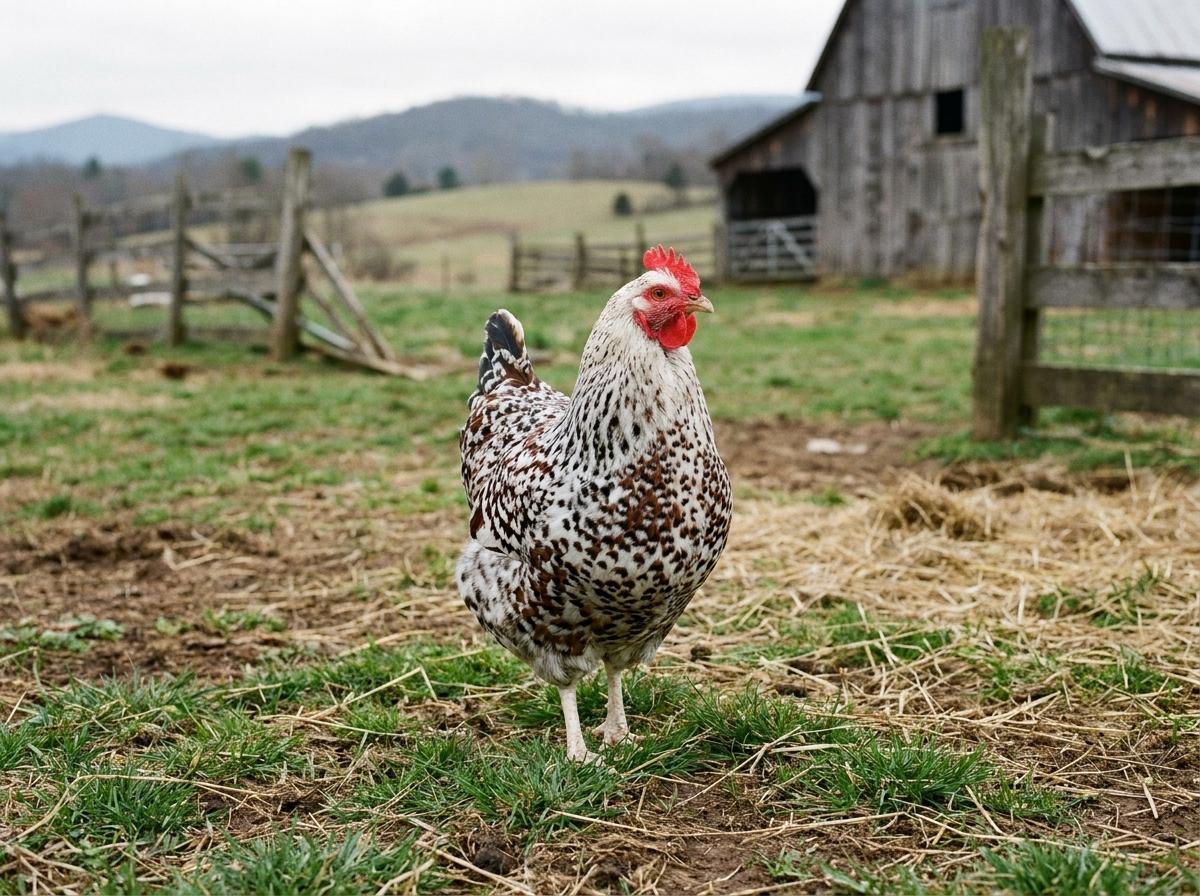
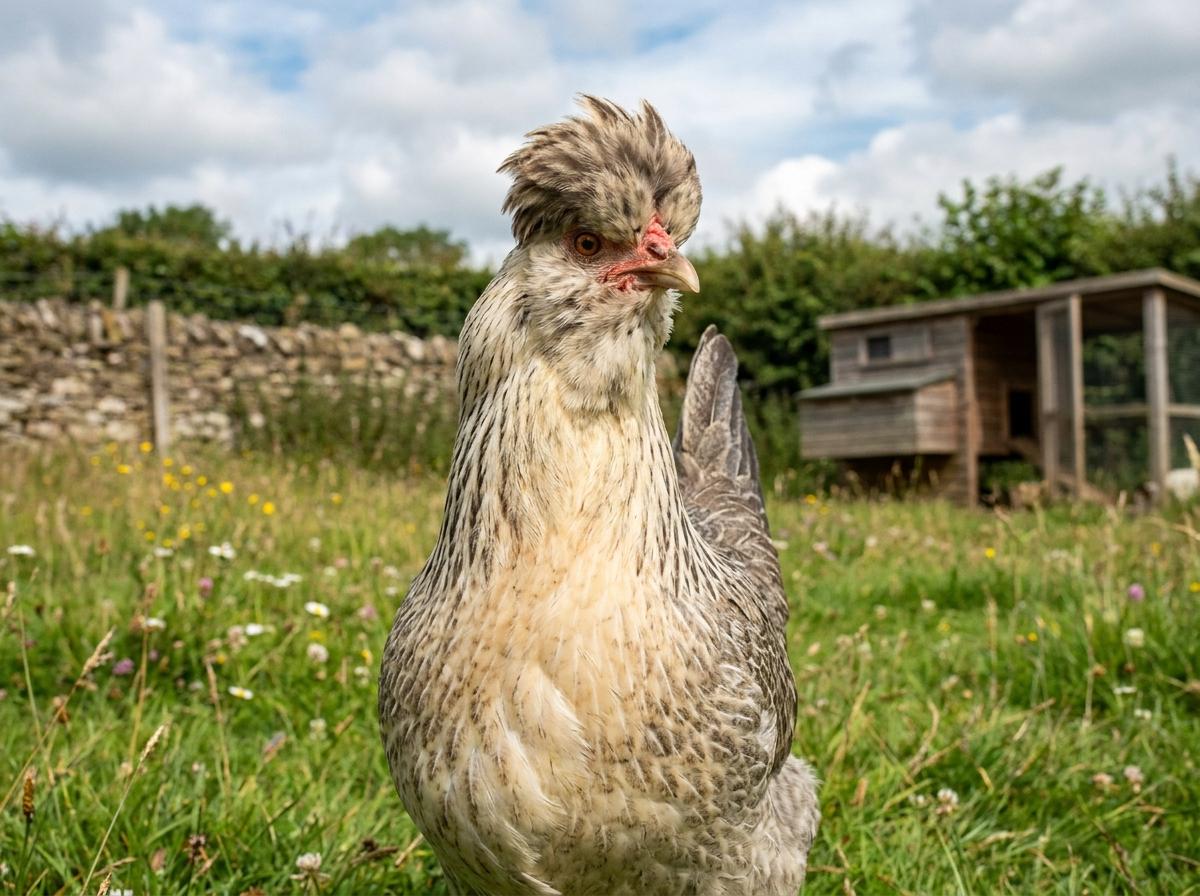
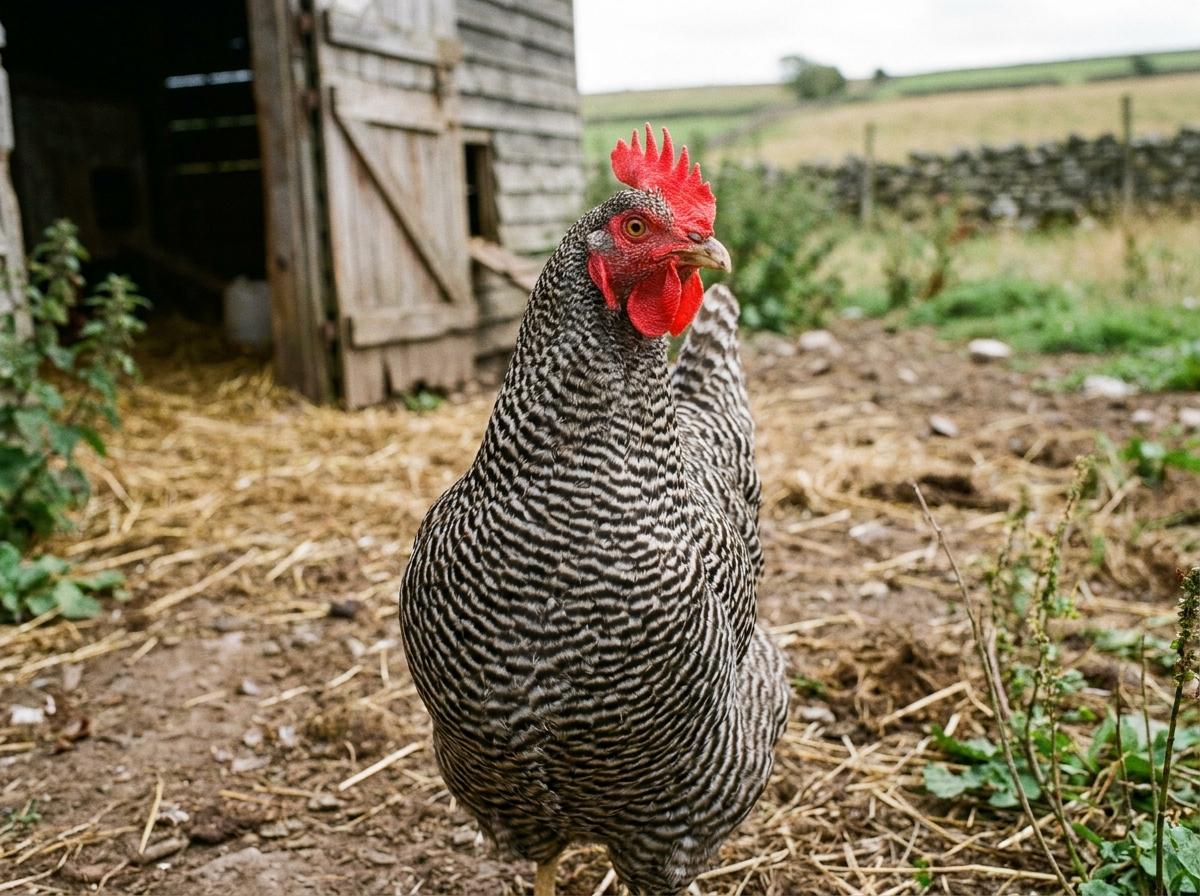
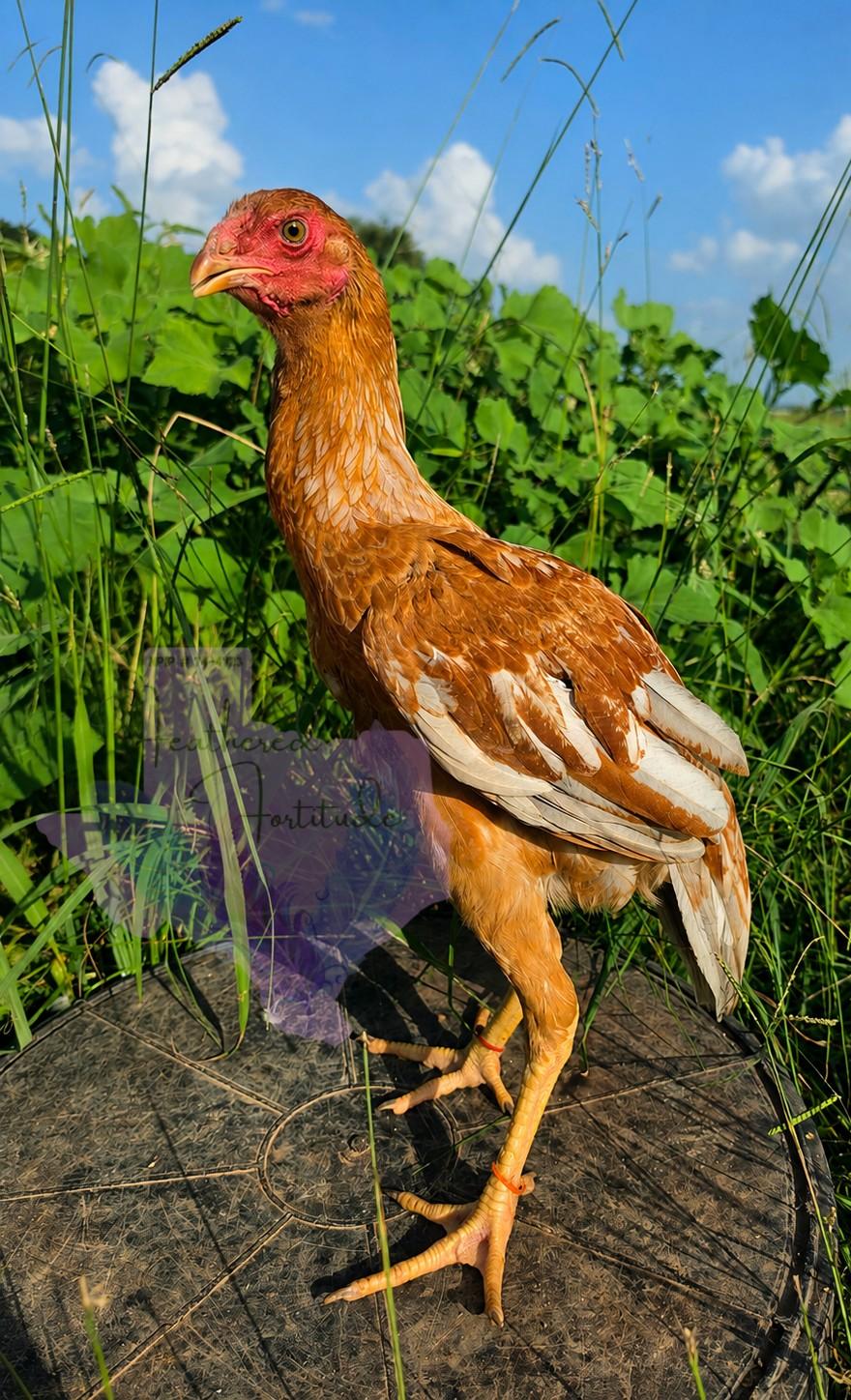
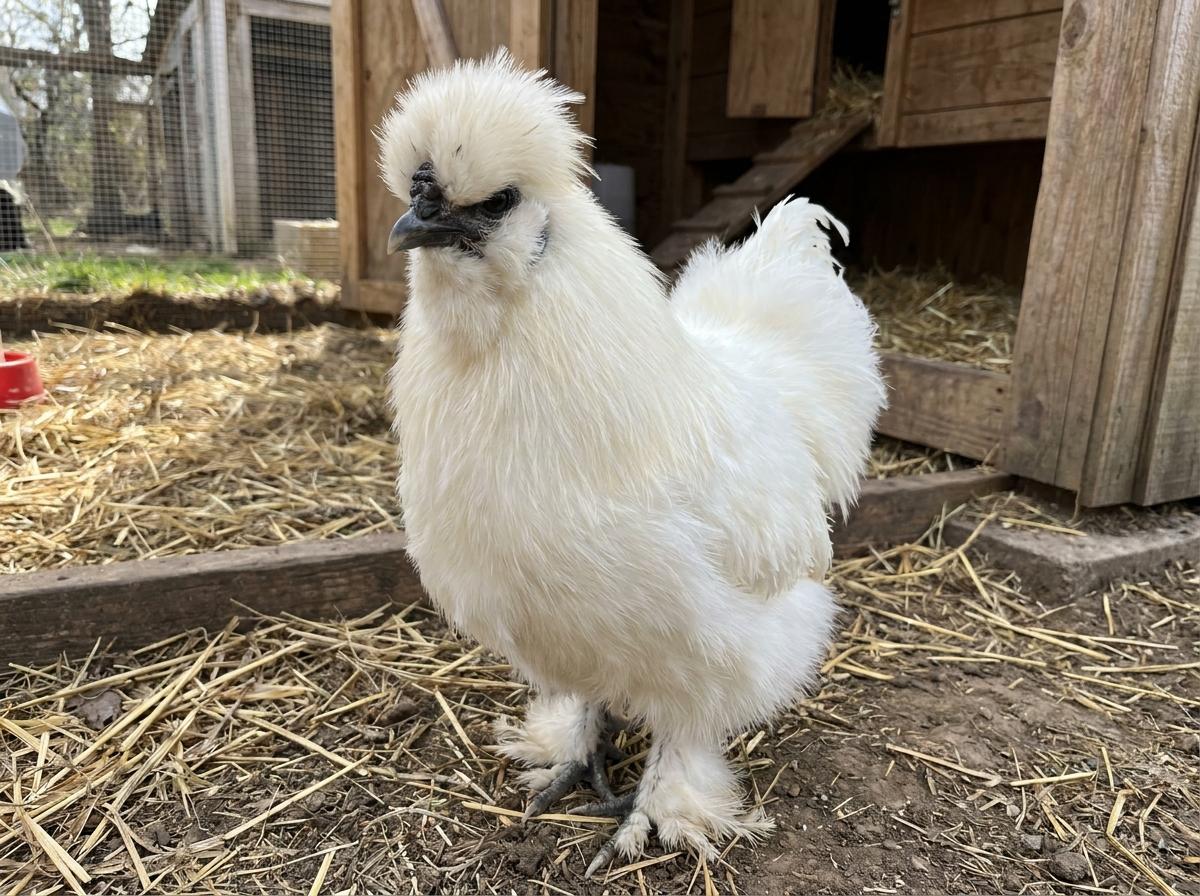
Bantam chickens are small domestic chickens, either true bantams with no large-fowl counterpart or miniature versions of standard breeds. The word is traditionally linked to the port of Bantam, now Banten, in Java, through early trade in small Asian fowl. Today it covers many breeds and types, from Sebrights, Japanese bantams, and Seramas to bantam Cochins, Silkies, Wyandottes, and Old English Game. They lay smaller eggs, eat less feed than large chickens, and can show the same range of colors, feather types, combs, and temperaments found across the wider chicken world.
Bantams are popular where space is limited, but their small size changes management. Coops still need dry bedding, ventilation, secure latches, and predator-proof mesh because hawks, rats, cats, and snakes can take birds that a large hen might resist. Many bantams fly well and some are assertive, while heavily feathered or very short-legged types need drier, cleaner runs. They are useful for exhibition, broody hens, education, and backyard eggs, but they are not efficient meat birds. When buying, check whether the bird is a true bantam breed or a bantam version of a large breed, since standards and mature size differ.
Colors: Barred, Birchen, Black, Blue, Brown, Buff, Columbian, Crele, Cuckoo, Duckwing, Gold, Gold Laced, Laced, Lavender, Mille Fleur, Mottled, Partridge, Penciled, Porcelain, Red, Silver, Silver Laced, Spangled, Splash, Wheaten, White