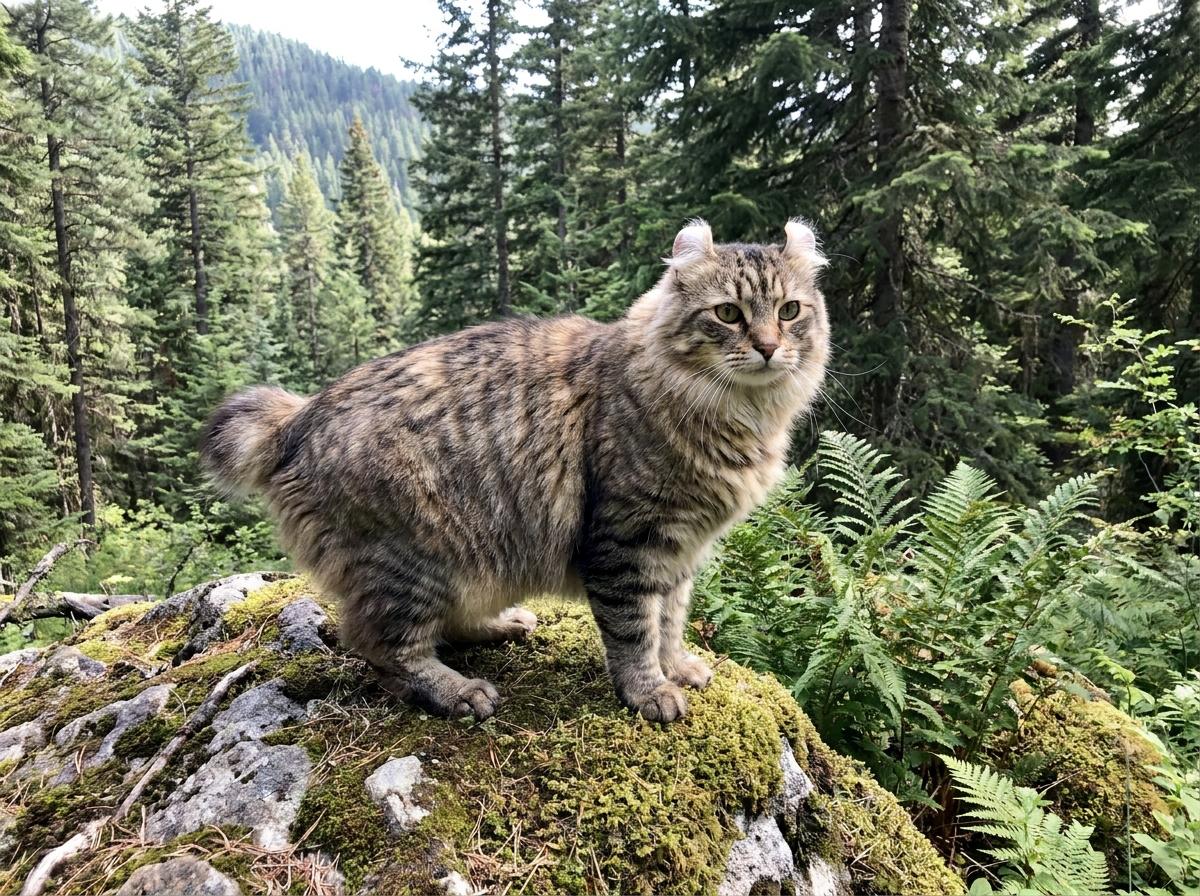
Highlander
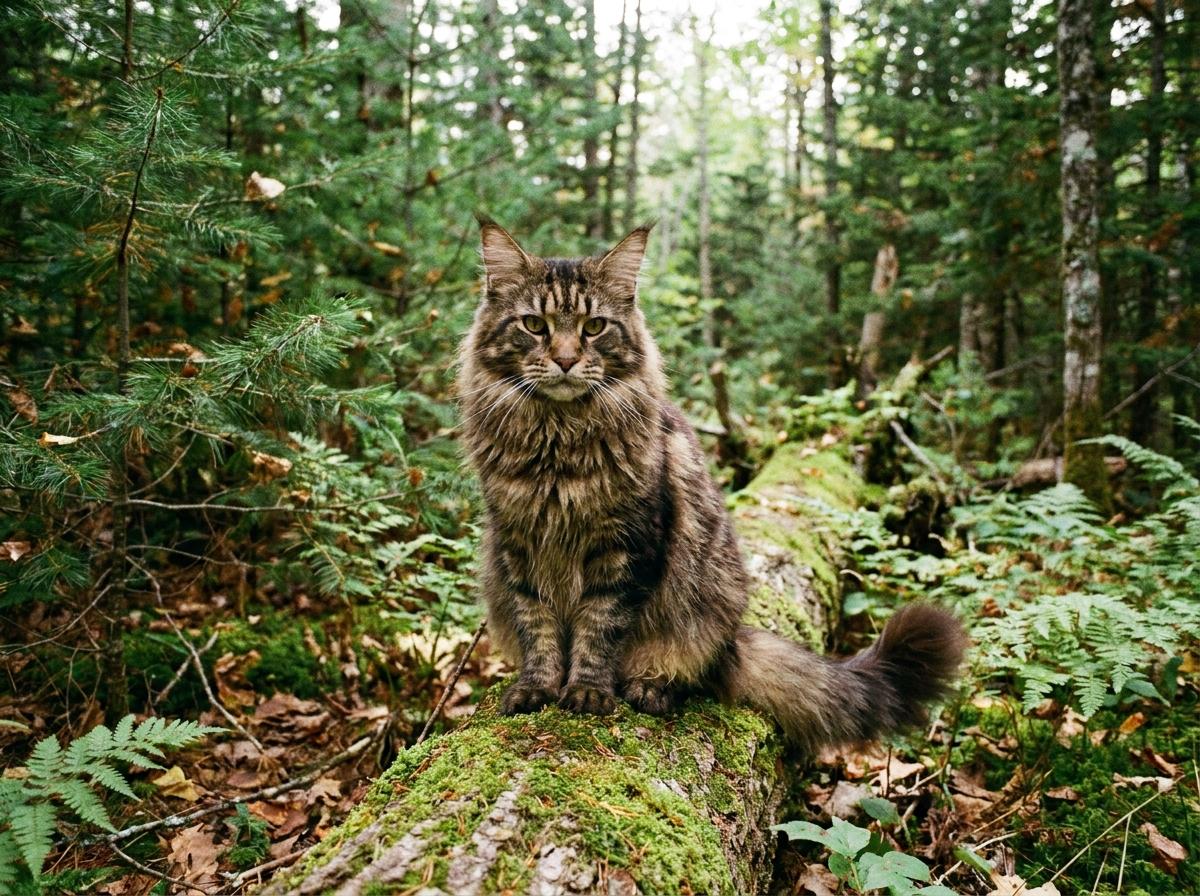
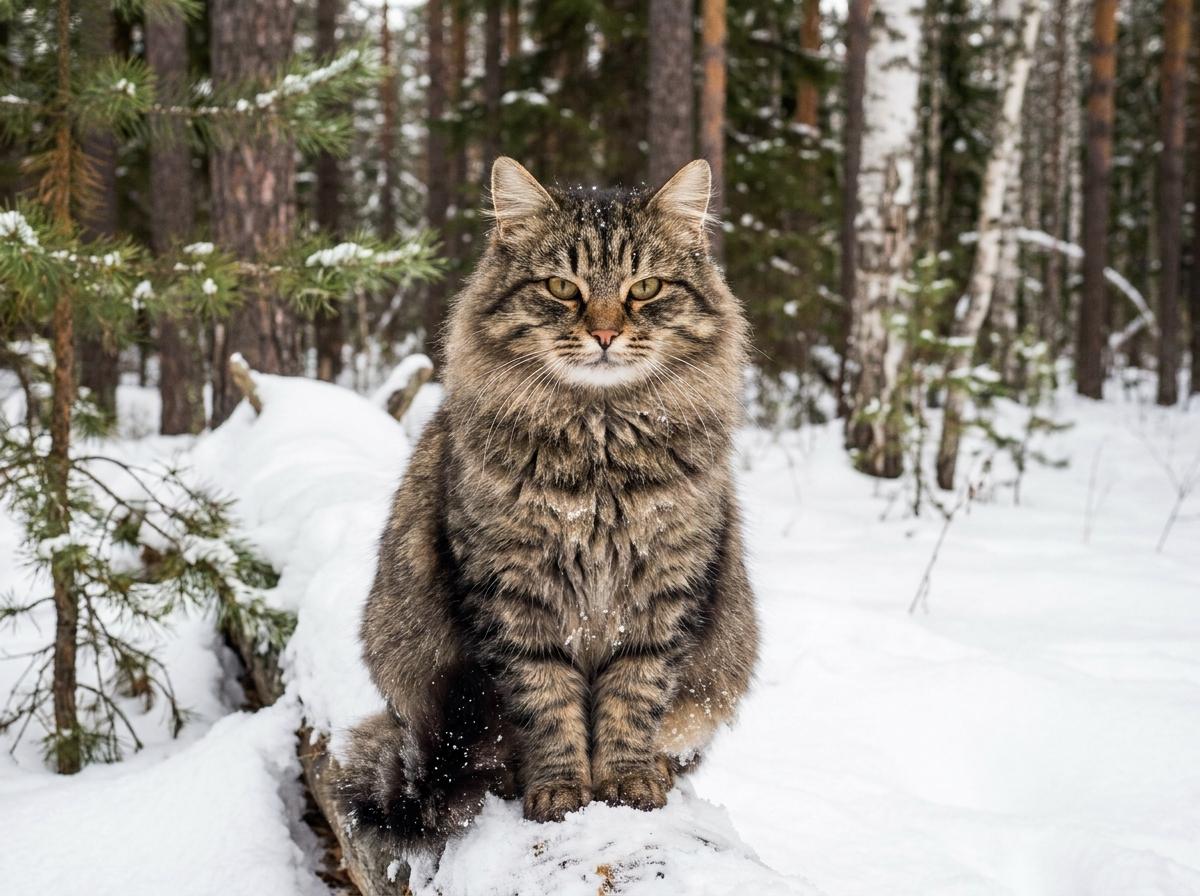
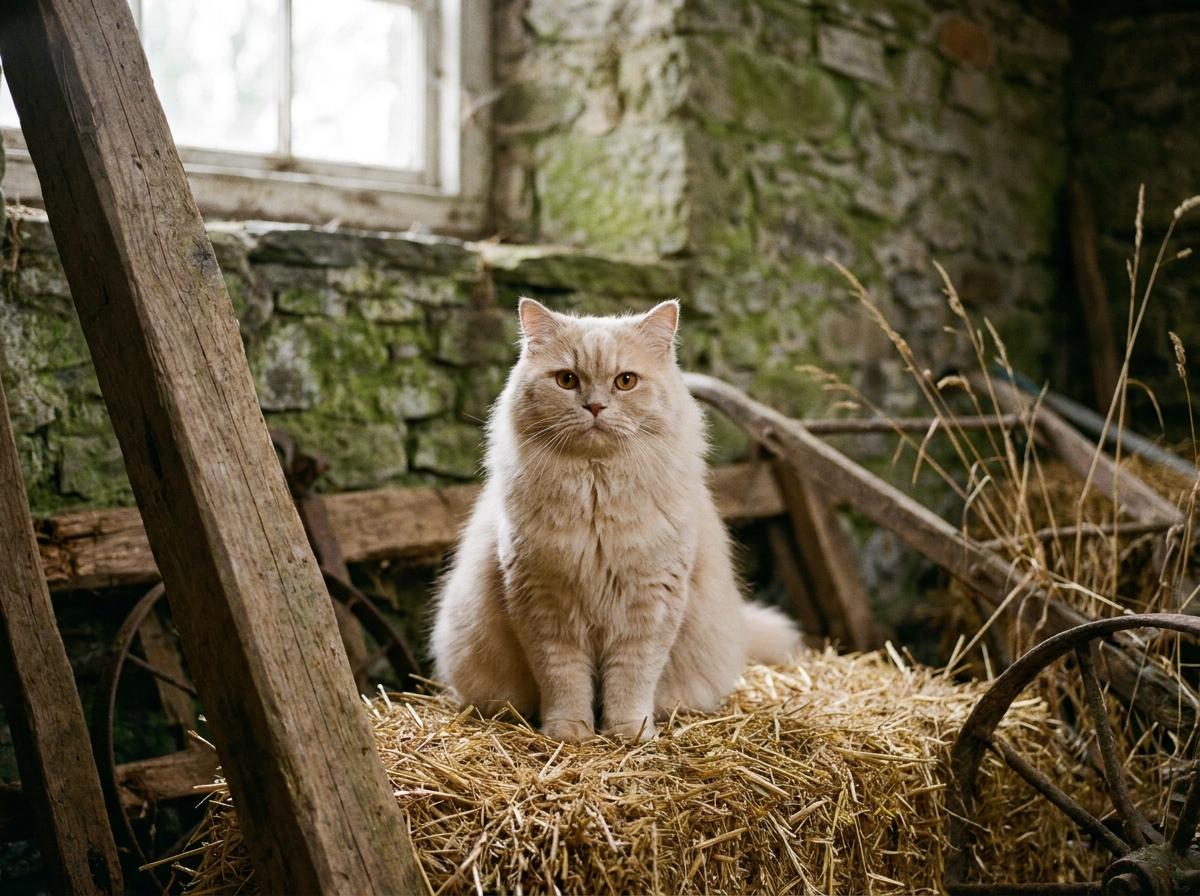
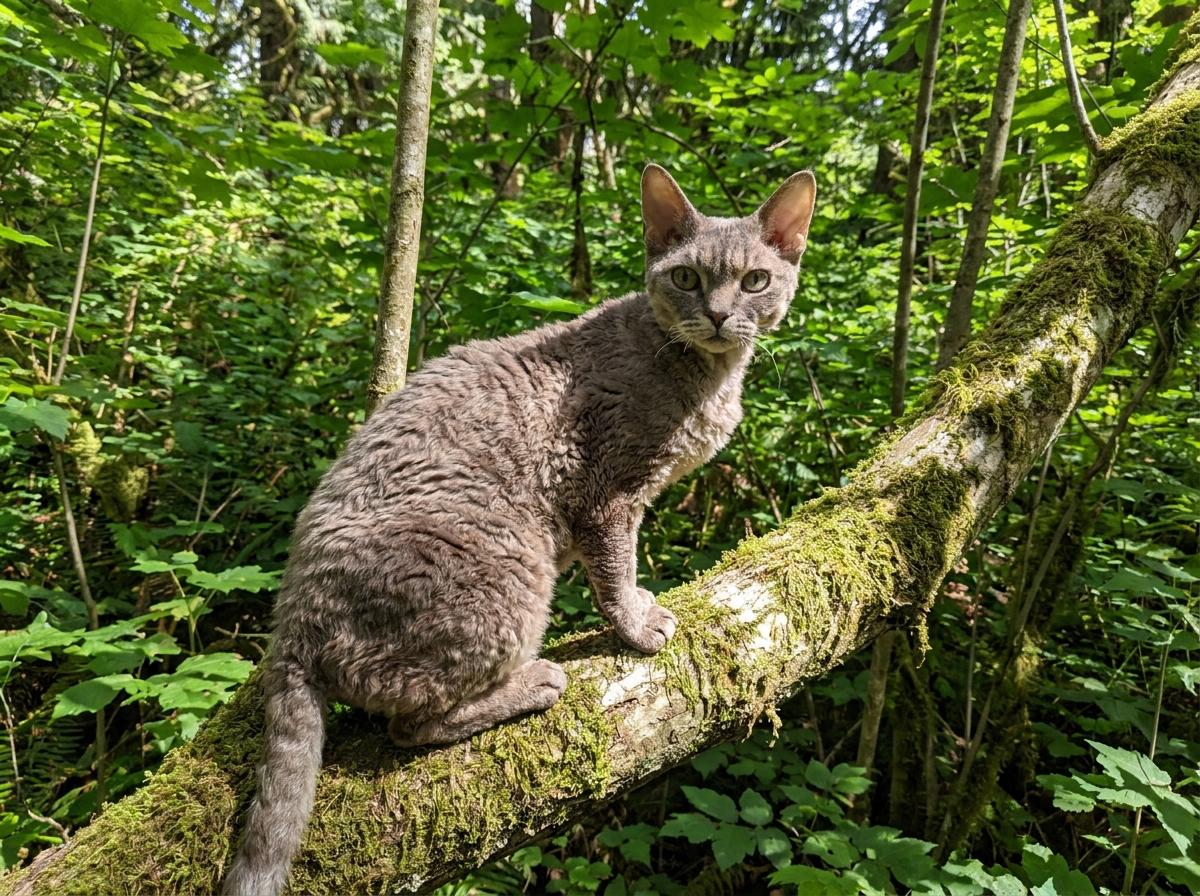
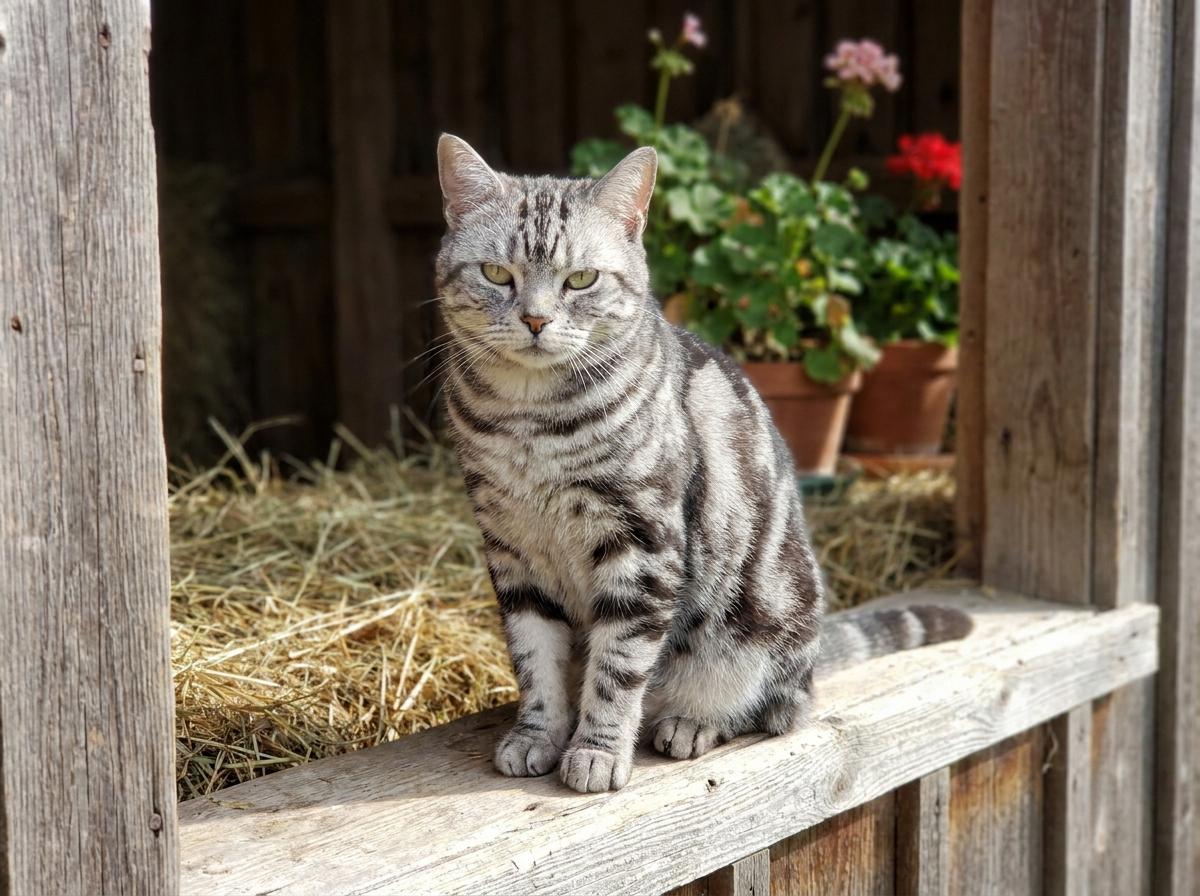
The Highlander is a domestic cat developed for a striking wild look, with a muscular body, a broad muzzle, loosely curled ears and a naturally short tail. The appearance does not make it a wild-cat hybrid. TICA describes an active, people-oriented companion that comes in both short- and longhaired forms. Compare the cat species and breed page before choosing a kitten, since the look alone says little about the care a household can provide.

| Identity | Domestic breed developed for a powerful big-cat look |
|---|---|
| Registry | TICA Advanced New Breed status, not championship |
| Ears | Wide-based and open with a loose curl near the tip |
| Tail | Naturally short and articulated, with variation |
| Care focus | Active play, sturdy climbing space and careful breeder documentation |
Browse listings, public profiles, breeders, or add your animal.
A domestic breed, not a wild hybrid
TICA’s Highlander profile traces the breed’s development to 2004 and its name to 2005. The founders selected domestic cats to create the appearance; the profile explicitly says they did not use an existing recognized breed as a foundation. The result is a domestic cat that can look imposing in a photograph but still needs ordinary cat welfare: enrichment, social contact and veterinary care. A seller who uses “wild blood” as the whole sales pitch owes you documentary evidence, and the breed description does not support that shortcut.
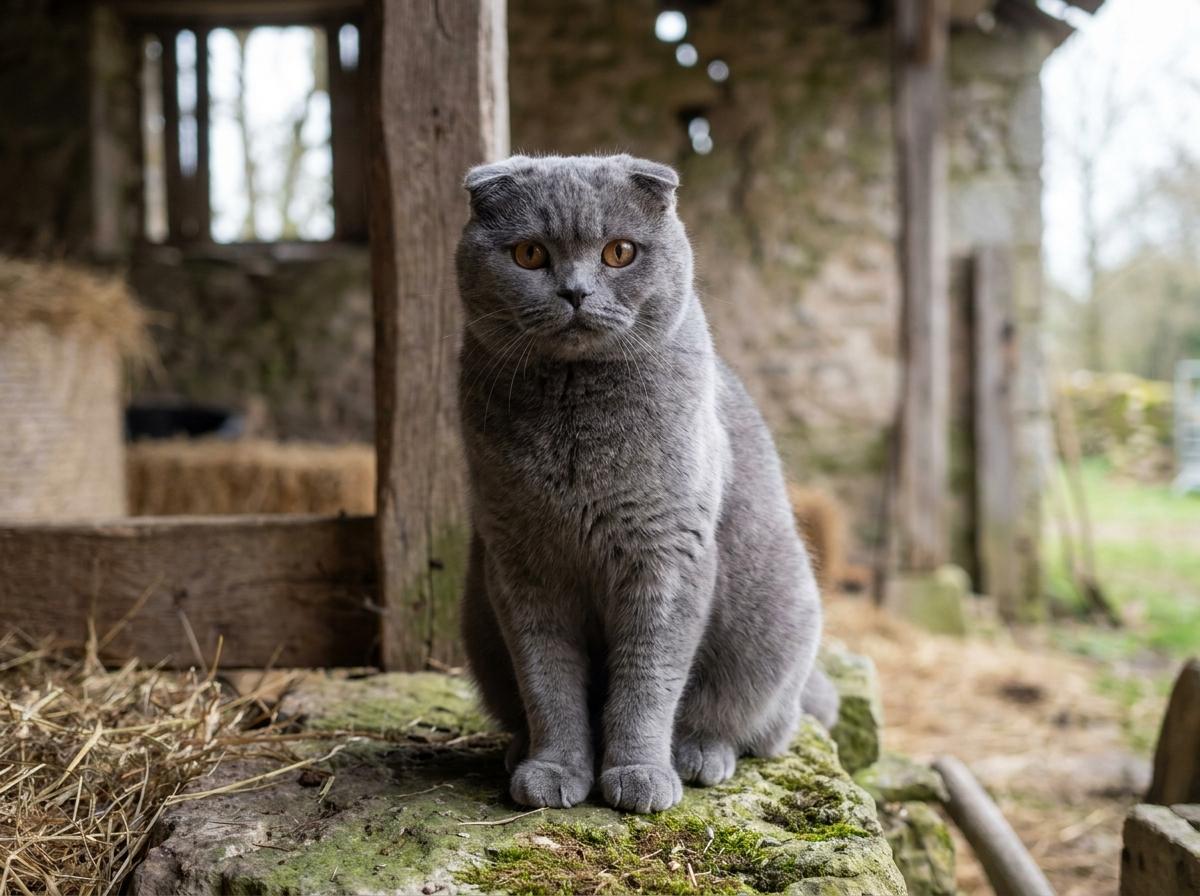
The most diagnostic features are the strong body, blunt head, wide nose, large feet, short tail and open ears whose upper part curls back loosely. A tightly folded, closed ear is not the same trait. TICA currently lists the Highlander in its Advanced New Breed program, so do not confuse that with championship recognition. Ask which registry and standard a breeder actually uses.

Activity, handling and the home
TICA calls Highlanders playful and high energy, with a taste for chase games and human company. Build a home around that behavior: stable climbing furniture, daily interactive play, scratchers in the rooms the cat uses, and quiet places to retreat. Avoid treating a bold breed description as a guarantee about an individual kitten. Meet the dam, ask how the litter was socialized and watch each kitten explore and recover from novelty.
The short tail is an identifying feature, not permission to pull or manipulate it. Observe comfortable movement and ask a veterinarian to assess any pain, gait change or tail injury. Children should be taught to invite the cat to play from the floor, not chase or pick it up whenever it passes.
Coat care and buyer questions
Both short and long coats occur. A short-coated cat needs occasional brushing; a long-coated one needs closer attention to tangles around the chest, belly and hindquarters. Check the ears gently during routine grooming and ask your veterinarian how to clean them if needed. Curled ears should look healthy and open, without discharge or persistent scratching.

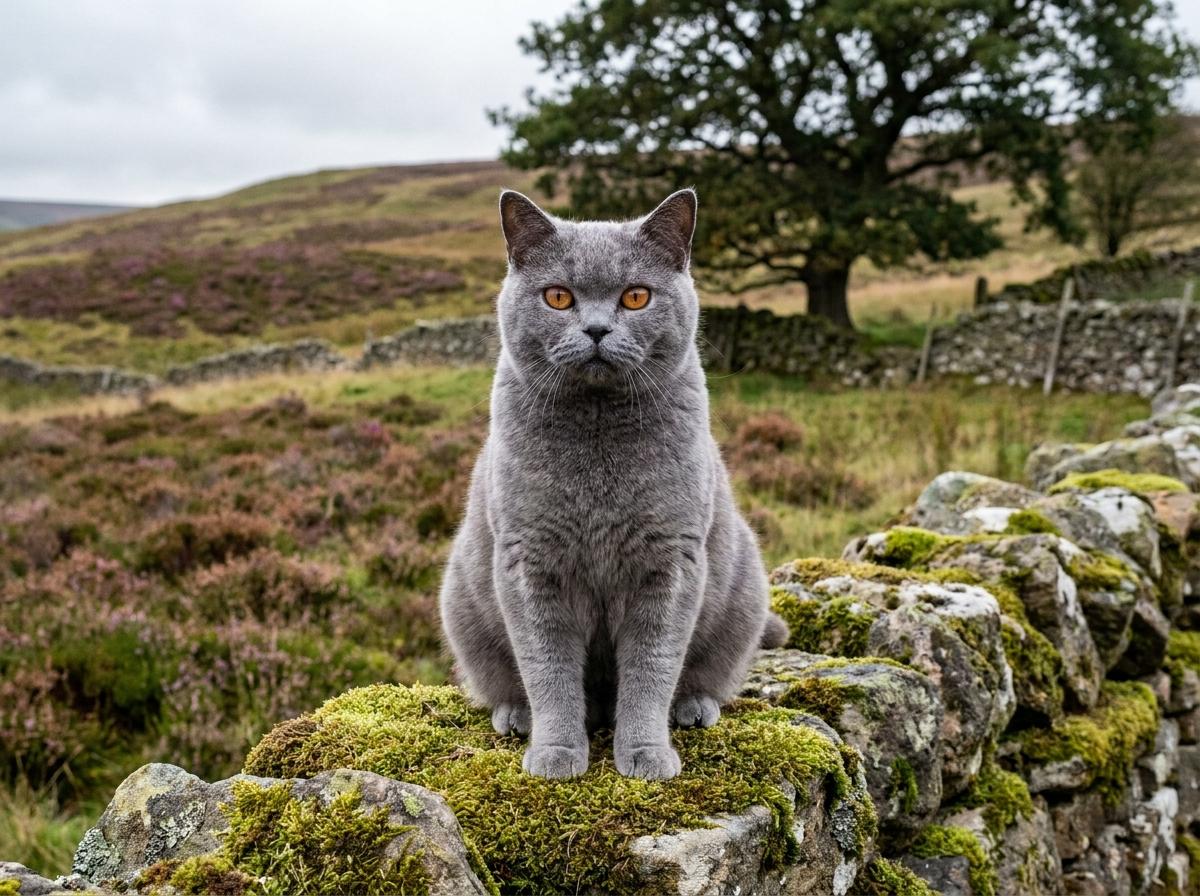
Ask for a written pedigree, parental health and veterinary records, a clear return policy and a contract that names the animal. Confirm the kitten is eating on its own and has had an appropriate veterinary examination. A glossy photo is not a registry document. For a comparison with a very different low-activity look, read the British Shorthair guide; the Snowshoe guide shows how another distinctive pattern can be mistaken for breed identity. The cat ownership cost guide helps budget for care beyond the initial price.
A Creatures profile keeps photos, identifiers and medical records with the cat. The free cat pedigree chart maker lets you lay out known ancestors before deciding what still needs documentation. A home-made chart helps organize facts; it does not certify registry status.
If a seller offers a lineage chart, use the cat pedigree papers guide to match registration and parent numbers before accepting the ancestry claim.
Read the tail and ear traits in the standard
The TICA Highlander profile describes a tail that can range from about one inch to hock length, with a preference for a short, articulated tail. The upper third of each ear curls loosely backward; the ear remains open. These ranges matter when comparing a kitten with a photograph of an unusually short-tailed adult. Ask a breeder to show the kitten and parents moving naturally, and ask which traits its registration papers record. Do not force a tail or ear into position to inspect it.
TICA places the Highlander in Advanced New Breed, not championship status. That tells you what type of registry claim to verify, not whether one kitten is healthy. A buyer should pair the pedigree with a veterinary examination and the kitten’s own movement and handling history.
Frequently asked questions
Is a Highlander a lynx hybrid?
No. TICA describes a domestic breeding program developed for a big-cat appearance. Appearance and promotional language are not proof of wild ancestry.
Are Highlander ears supposed to be folded shut?
No. TICA describes an open, wide-based ear with a relaxed curl in its upper portion. Ask a breeder to show the current standard rather than relying on one photograph.
Is every Highlander a longhair?
No. TICA recognizes short- and longhaired forms within the breed group.
Do this next on Creatures
Keep the questions you asked the breeder and the records you receive in one place. Use the actions that fit where you are in the decision.
Watch for a listing. Set a free Highlander listing alert; supply may be thin, and the guest flow can start with email. See saving searches.
Compare what is available. Browse current Highlander listings and the public breeder directory. A directory listing is a lead, not a health guarantee.
Start the cat’s history. Add your Highlander, then follow the animal profile guide.
Keep the evidence. Add a health or identification record. The sheet opens for visitors, and a free account is needed to save. The record guide explains the flow; health records covers veterinary details.
Breed responsibly. If you are a breeder, create a cattery profile and read how directory listings work.
Compare breeds and plan care. See the cat breed index and care reminders for follow-ups.