


Bambino
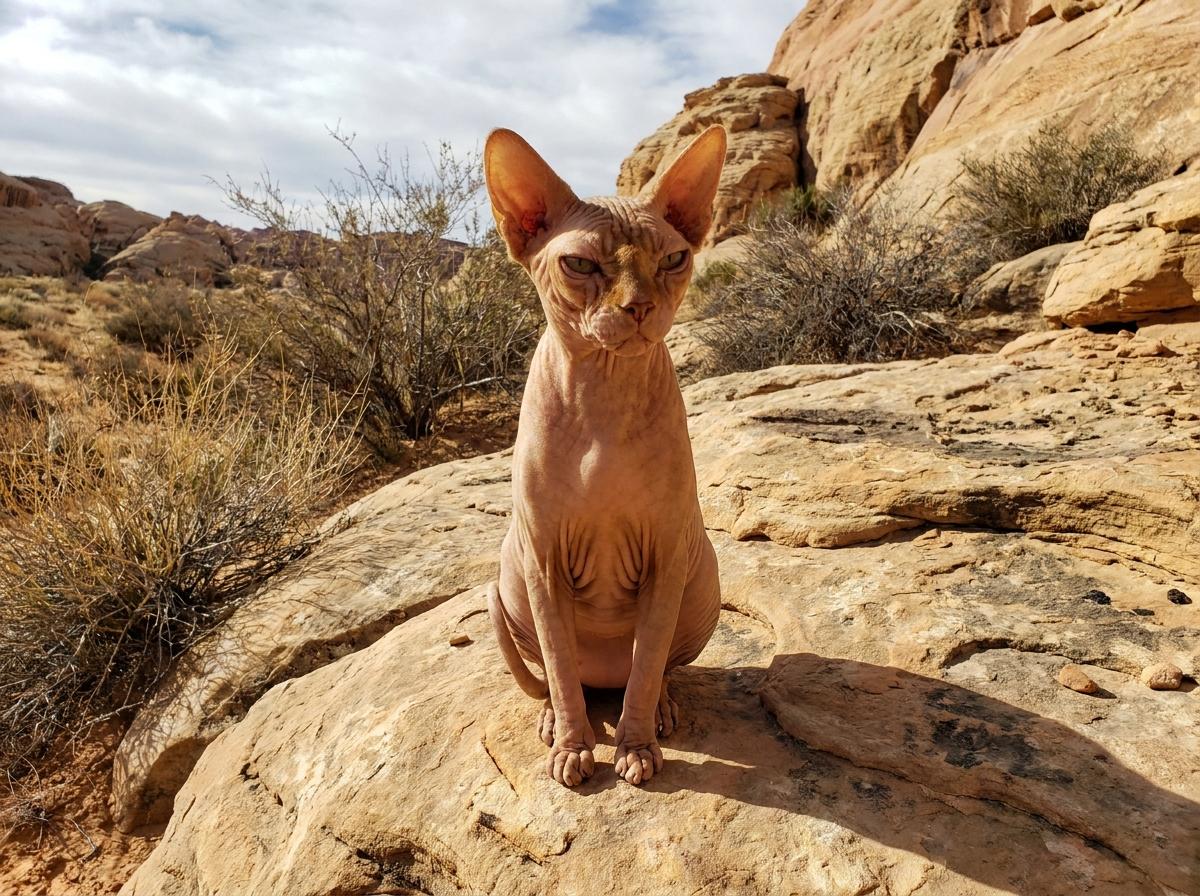
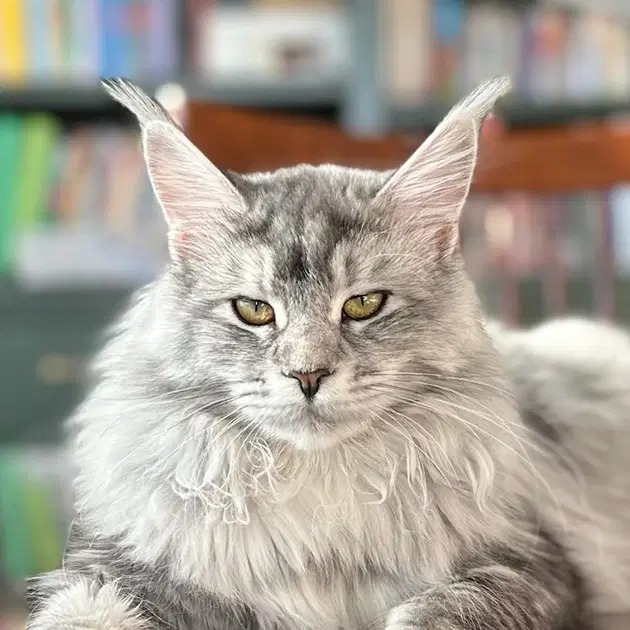
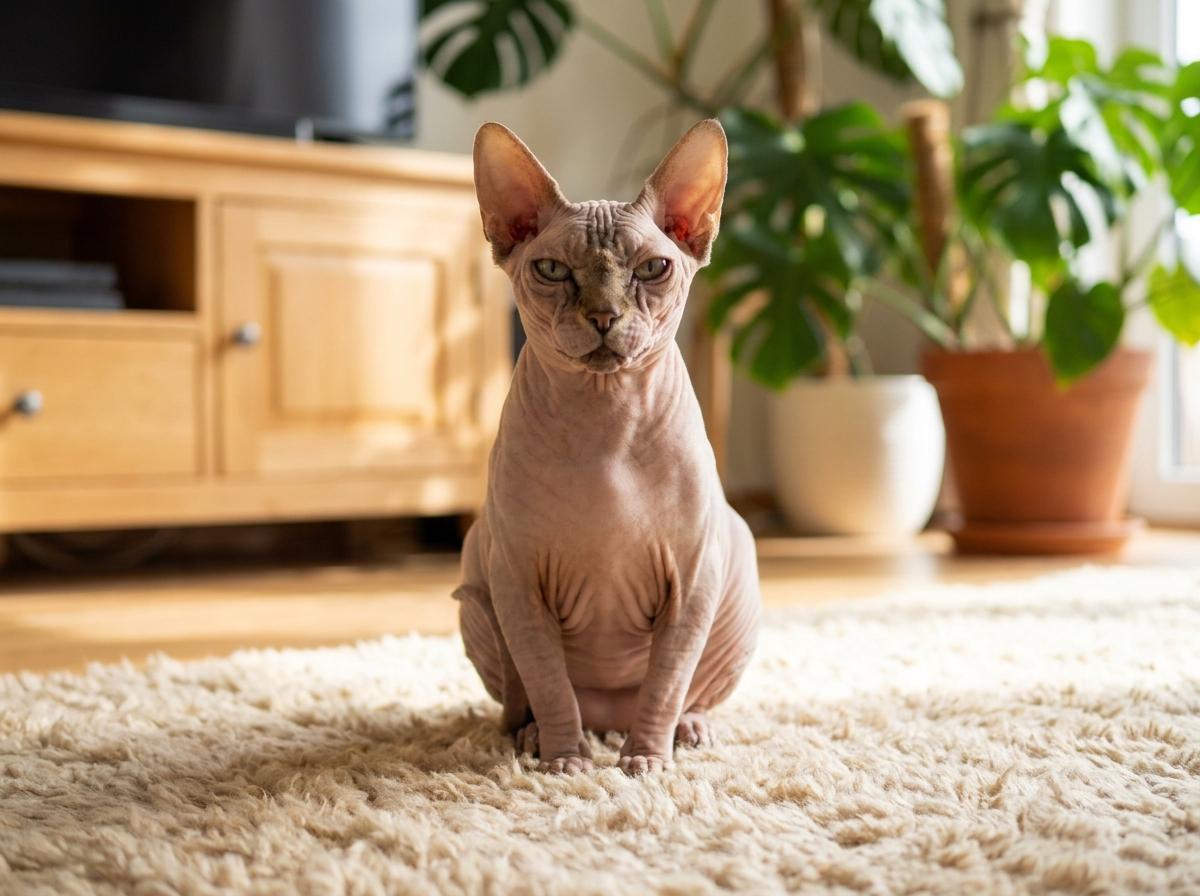
The Bambino is an experimental domestic cat type created by crossing Sphynx cats with Munchkins, combining hairlessness or a very fine coat with short legs caused by dwarfism. It began in the United States in the early 2000s and remains controversial in much of the cat fancy. Individuals may have large ears, loose-looking skin, a sturdy body, and legs ranging from very short to closer to normal length depending on inherited genes. Because the label is not broadly accepted by major registries, standards and breeding practices can vary widely.
Care is more demanding than the small size suggests. Hairless or sparsely coated cats need protection from cold, direct sun, and oily skin buildup; ears and nail folds often require regular cleaning. Short legs can limit jumping and may complicate arthritis, spinal comfort, or injury risk, so veterinary input is important before breeding or buying one. Ethical questions are real with any program that stacks hairlessness and dwarfism. People considering a Bambino should prioritize mobility, skin condition, body condition, and temperament over novelty, and many rescues recommend adoption when a suitable cat becomes available.
Colors: Bi-Color, Bicolor, Black, Black and White, Blue, Blue and White, Blue Point, Brown, Calico, Chocolate, Chocolate Point, Cinnamon, Classic Tabby, Cream, Cream and White, Cream Point, Dilute Calico, Dilute Tortoiseshell, Fawn, Flame Point, Golden, Gray, Harlequin, Lilac, Lilac Point, Lynx Point, Mackerel Tabby, Mink, Pink, Pointed, Red, Red and White, Seal Point, Sepia, Shaded, Shell, Silver, Smoke, Spotted Tabby, Tabby, Ticked Tabby, Torbie, Tortoiseshell, Van, White