Canary
Serinus canaria
Author: Elliott Garber, DVM · Published
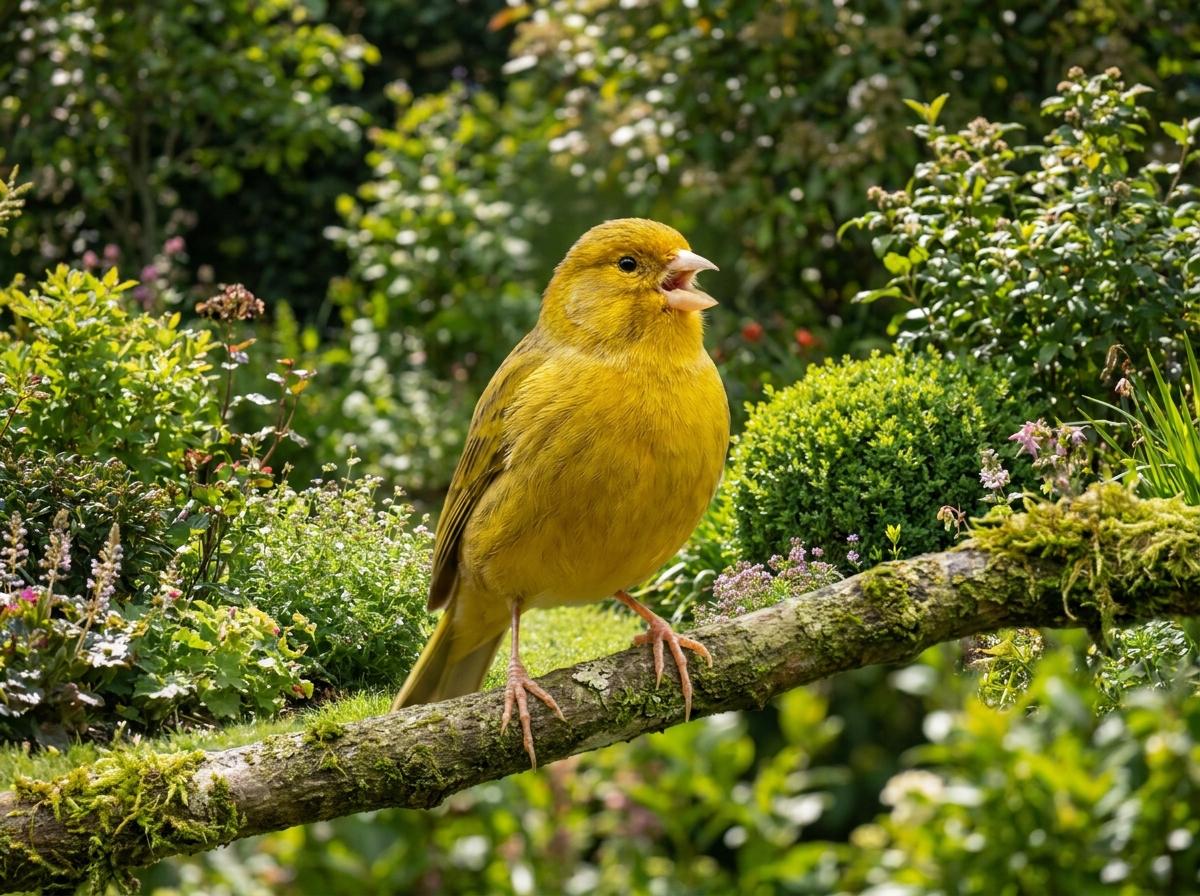
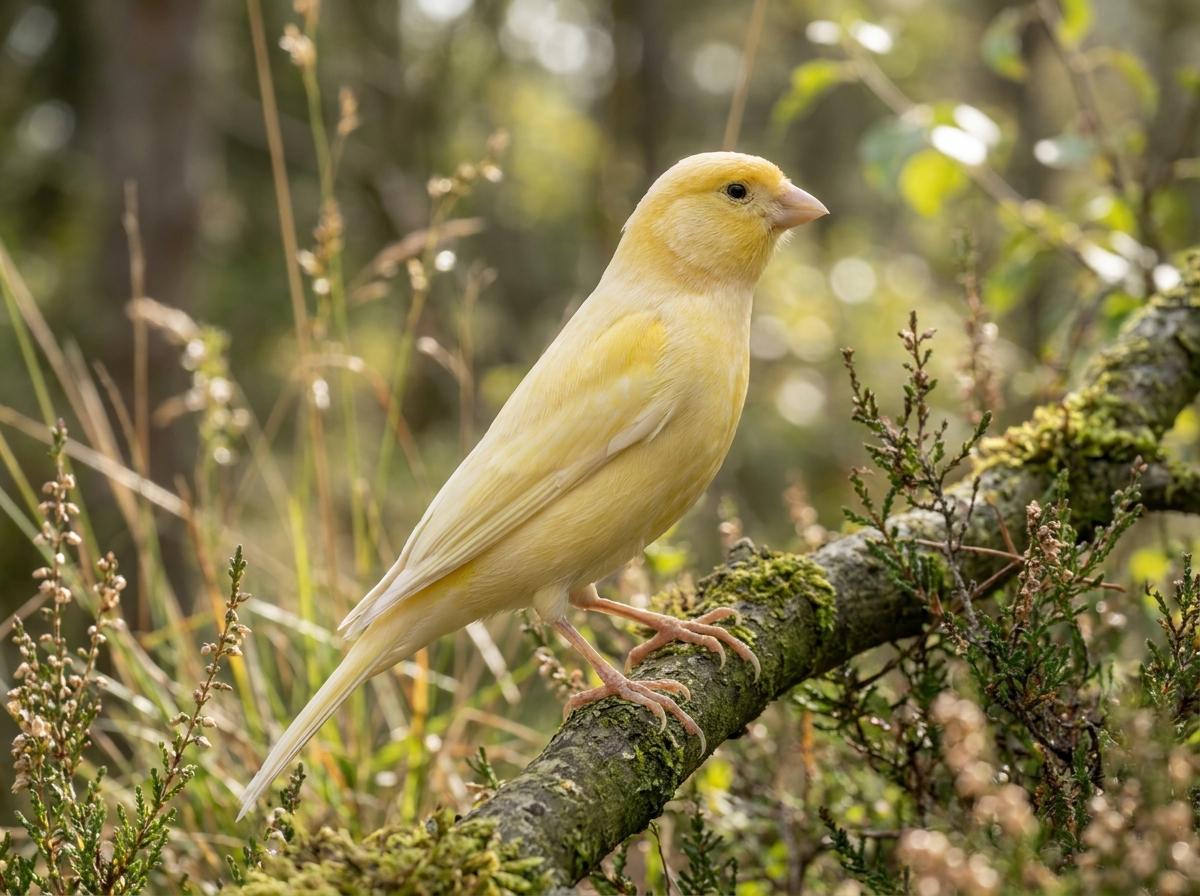
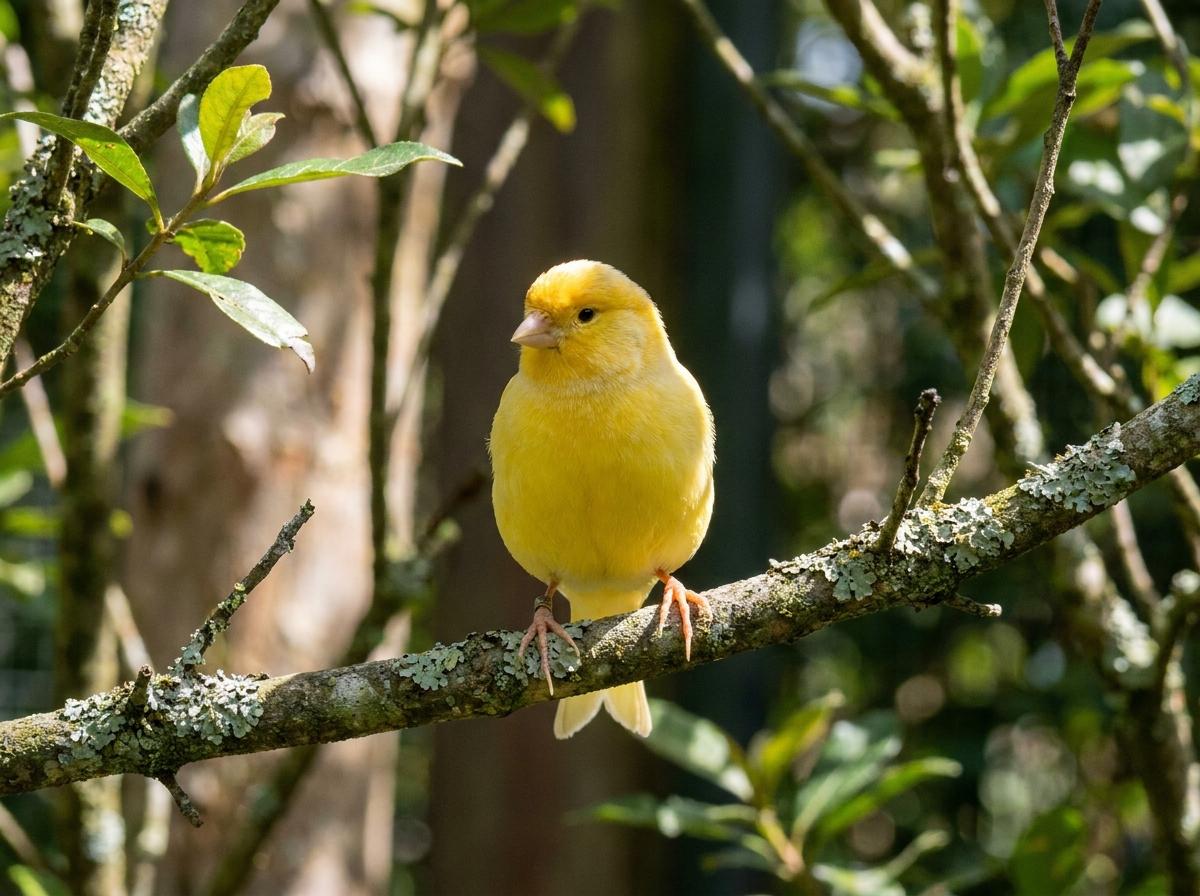
Canaries are small seed-eating finches whose wild ancestors still live on the Canary Islands, Madeira and the Azores. Centuries of breeding have split the domestic bird into three groups that every buyer should know apart: song canaries, judged on their voice; type or posture canaries, judged on shape; and color-bred canaries, judged on plumage. Most weigh 12 to 30 grams, and a well-kept canary commonly lives 6 to 12 years, with some reaching 15. Shopping for a singer now? Most of the canary breeders in the Creatures directory keep American Singers, and canaries for sale on the Creatures marketplace turn up only now and then, so pair your search with a free alert.
Below, the three groups come first, breed by breed, followed by what a canary costs, how long it lives, the cage, diet and health care it needs, how pairs are bred, how to buy a sound bird and which ring and breeding records to keep. Each breed links to its own page, and the buying section hands off to the full where-to-buy guide. There is no canary calculator, but every canary can have a free Creatures profile that builds its pedigree as you link its parents, and the free bird name generator helps when the new arrival needs a name.

| Species | Serinus canaria, a finch (family Fringillidae); the domestic form is sometimes written S. c. domestica |
|---|---|
| Main groups | Song canaries, type or posture canaries and color-bred canaries |
| Adult size | About 12 to 30 g; length varies by breed: a show Fife may not exceed 4.25 in, while a Lancashire is bred toward about 8 in |
| Lifespan | Commonly 6 to 12 years and up to about 15; the AnAge longevity database lists a maximum of 24 years in captivity |
| Diet | Seed eater: a canary pellet base with a little seed, leafy greens, egg food when breeding, a cuttlebone and no grit |
| Social needs | Territorial: kept singly or as a mated pair, with one breeding pair per cage |
| Breeding | Spring, as days lengthen; usually 4 or 5 eggs, incubated about 12 to 14 days |
| Who sings | Cocks sing the full song; a hen that sings never gives the long, full-toned song of an adult cock |
| Price (October 2026) | $149.99 at a national pet store chain; breeder song, type and color stock is priced bird by bird |
Browse listings, public profiles, breeders, or add your animal.
Canary breeds and types
Counts of canary breeds vary with who is counting. LafeberVet’s clinical information sheet on the canary puts the number at more than 200, and Germany’s national canary federation, the DKB, runs show classes for more than 35 posture breeds alone, before counting song breeds and color varieties. Every one of them is the same species, the wild Island canary of the Atlantic islands, which the American Ornithological Society’s checklist places in the finch family. For choosing a bird, three groups matter more than the full list. The Merck Veterinary Manual’s table of popular pet birds names them: color-bred canaries, bred for their colors; type canaries, bred for shape and feathering; and song canaries, bred for their song patterns. Breeders keep the groups apart because each is selected for a different goal, so decide which kind of bird you want before you look at a single listing.
| Song canaries | Bred and judged on the cock’s song: German Roller, Belgian Waterslager, Spanish Timbrado, American Singer |
|---|---|
| Type or posture canaries | Judged on shape, size, posture, feather and crest: Border, Fife, Gloster, Norwich, Yorkshire, Lizard, Scotch Fancy, the frills |
| Color-bred canaries | Judged on plumage color: yellow, red factor and white ground colors, plus the black, agate, brown and isabel series |
| Pet store canaries | Usually no named breed; LafeberVet calls them common canaries, and the cocks still sing |
Song canaries
Song canaries are bred and judged on sound alone, and the sound comes from the cock. A guide to US song canaries by Ginger Wolnik, republished by the American Singers Club, puts it plainly: all male canaries sing, but only some are bred for song. Young birds of both sexes can start a weak baby song from about four weeks old, but hens do not usually sing much after about six months, and when a hen does sing, it is not the long, full-toned song of an adult cock. Song is part inheritance and part schooling: a young cock inherits the ability to sing certain notes but may need to hear them sung by an older bird to learn them properly. The same guide describes four song breeds kept in the United States:
- German Roller. The oldest song breed, developed in the Harz Mountains of Germany. It sings low and quietly with its beak closed, in a run of passages called tours, and loud open-beaked notes count as faults. Its song is soft enough that a noisy household drowns it out.
- Belgian Waterslager. From Belgium, usually clear buff and often with small dark ticks, and named for its bubbling “water” notes. A bird that cannot sing the water tour is not recognized as a Waterslager, whatever its pedigree.
- Spanish Timbrado. Developed in Spain from local singing birds mixed with wild canaries. It is louder and higher-pitched than the other three, with clear, metallic, bell-like notes and a chatter that keepers compare to castanets.
- American Singer. The American Singers Club was founded in 1934 in Milton, Massachusetts, by eight women breeders whose goal was the ideal pet canary for American homes, and the breed is a cross of the German Roller and the Border. The club says only birds bred to its plan and wearing its closed, registered bands can be called American Singers, and its standard, adopted in 1943, calls for a bird 5.75 inches long. Most of the canary breeders listed on Creatures today keep American Singers.
Breeding for song has had a side effect. A 2019 study in the Journal of the Acoustical Society of America found that Belgian Waterslagers, bred for hundreds of years for a low-pitched song, carry an inherited high-frequency hearing loss linked to hair-cell abnormalities, and that American Singers showed similarly raised high-frequency thresholds, while Border canaries, never bred for song, heard normally. It does not stop either breed singing. If song is the reason you want a canary, hear the actual bird before you buy it, because the four breeds sound very different.
Type and posture canaries
Type canaries are bred for shape, size, posture, feather and crest, and are judged on the show bench against a written standard. The cocks still sing, but the song is not what they are bred for. A 1975 Watchbird column for the American Federation of Aviculture named the Border, Norwich, Gloster and Yorkshire as the most popular type canaries, with the Lizard, Scotch Fancy, frills, Lancashire, Belgian, Fife and London Fancy also in the group, and noted that all of them except the frills and the Belgian are of British origin.

The British type breeds. Each has its own club and its own model bird.
- Border. The Border Convention’s standard of excellence asks for a clean-cut, compact, close-feathered bird standing at about 60 degrees, with an ideal length of 5.75 inches (14.61 cm). It is shown in its natural color: any Border showing the effects of color feeding is disqualified.
- Fife. Bred small. The Fife Canary Council standard asks for a tendency to the diminutive and sets a hard limit: no longer than 108 mm (4.25 inches).
- Gloster. The International Gloster Breeders Association’s history of the breed traces it to Mrs Rogerson of Gloucestershire, whose miniature crested birds took first and second at the 1925 London National show; its foundation was small crested Rollers, small Crests and the smallest early Borders. It comes in two forms, the crested Corona and the plain-headed Consort, and the pairing rule between them is in the breeding section below.
- Norwich. A big, broad bird. A 1978 Watchbird column on show sizes notes that the Norwich has been bred into many other varieties to improve their conformation, and complains that it brought too much size with it.
- Yorkshire. The tall one. German federation judging notes describe an upright, proud carriage and set a minimum body length of 17 cm, about 6.7 inches.
- Lancashire and Lizard. The Old Varieties Canary Association calls the Lancashire the largest of the English breeds, bred toward an ideal length of about 8 inches, in crested “Coppy” and plain-headed forms. It calls the Lizard the oldest canary breed in existence, kept for the spangles, rows of dark crescent-shaped markings down the back, and for a clear cap on the crown.
Curved posture breeds and frills. The continental breeds go in for silhouette. The OVCA describes the Belgian Fancy, the “Bossu Belge” or Belgian humpback, as the most important of the old continental breeds, with high, prominent shoulders and a long neck, and credits it with shaping both the Yorkshire and the Scotch Fancy, whose body curves in a half-circle from head to tail when it poses. The frilled breeds run from the Parisian Frill, which the OVCA calls the giant of all known canary varieties, to the Northern Dutch Frill, a much smaller bird of about 17 centimeters by the OVCA’s account, and the association’s list of old varieties also takes in the Padovan, Fiorino, Swiss and Southern Dutch frills, the Gibber Italicus and the Giboso Español. The DKB’s posture classes also include the Japan Hoso and Spain’s Raza Española, along with many other German, Italian and Spanish breeds.
Color-bred canaries
Color canaries are judged on plumage. The wild canary is a small green bird, and the other colors come from mutations that breeders have fixed and combined over centuries, plus, in the red factor’s case, a deliberate cross with another species. LafeberVet divides them into a lipochrome group, birds with a clear yellow, red or white ground color, and a melanin group carrying dark pigment such as black or brown, and the DKB’s 2026 color canary show schedule runs one section for lipochrome birds and separate sections for black, agate, brown, isabel, phaeo and satinette birds, plus a section for new mutations. On Creatures they share one color-bred canary page.

Feather type. Every color also comes in a feather type, and pairing depends on it. The Border Convention’s notes for novice breeders explain the terms, which are shared across the fancy: yellow feather (also called intensive, jonque or hard feather) is longer than it is broad, with color reaching the tip, while buff feather (non-intensive, frosted, mealy or soft) is broader, with a pale edge that gives the bird a frosted look. Breeders normally pair a yellow to a buff, which in theory gives equal numbers of each in the nest. Color show schedules add a third category, mosaic, with its own classes.
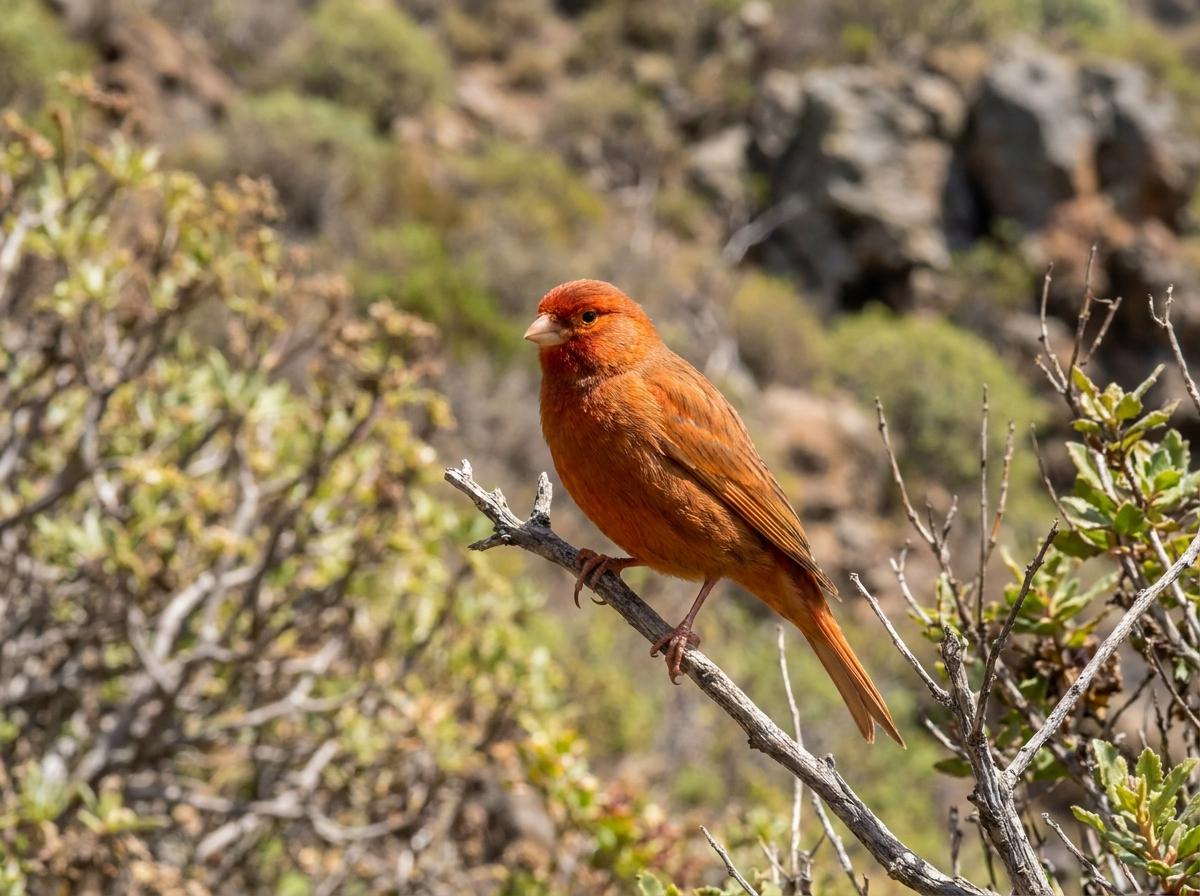
Red factor. Domestic canaries could not make red until breeders gave them the genes. A 2016 study in Current Biology recounts that starting in the 1920s, fanciers crossed yellow canaries with the red siskin, a South American finch, and backcrossed the hybrids to canaries for many generations; the result looks like an ordinary canary but can turn yellow carotenoids from its food into red pigment. That trade came at a cost. The Smithsonian’s National Zoo says hybridizing red siskins for red factor canaries was the main cause of the species’ dramatic decline, and the red siskin is now listed under the US Endangered Species Act and on CITES Appendix I. Because the bird builds its red from what it eats, keepers of red factor canaries give color food or pigment-rich foods, as LafeberVet notes.
White canaries. White comes in two genetically different forms, and the difference decides how you pair them. Dominant white is lethal in a double dose: the International Gloster Breeders Association’s breeding guide warns that pairing two dominant whites will result in 25% of the young dying, so a dominant white goes to a non-white mate. Recessive white is a separate mutation. A 2017 study in PNAS traced it to the SCARB1 gene and found carotenoids absent or very low in the feathers and tissues of recessive white canaries, and LafeberVet notes that white canaries have a higher dietary vitamin A requirement than other canaries.
Pet store, crossbred and mixed canaries
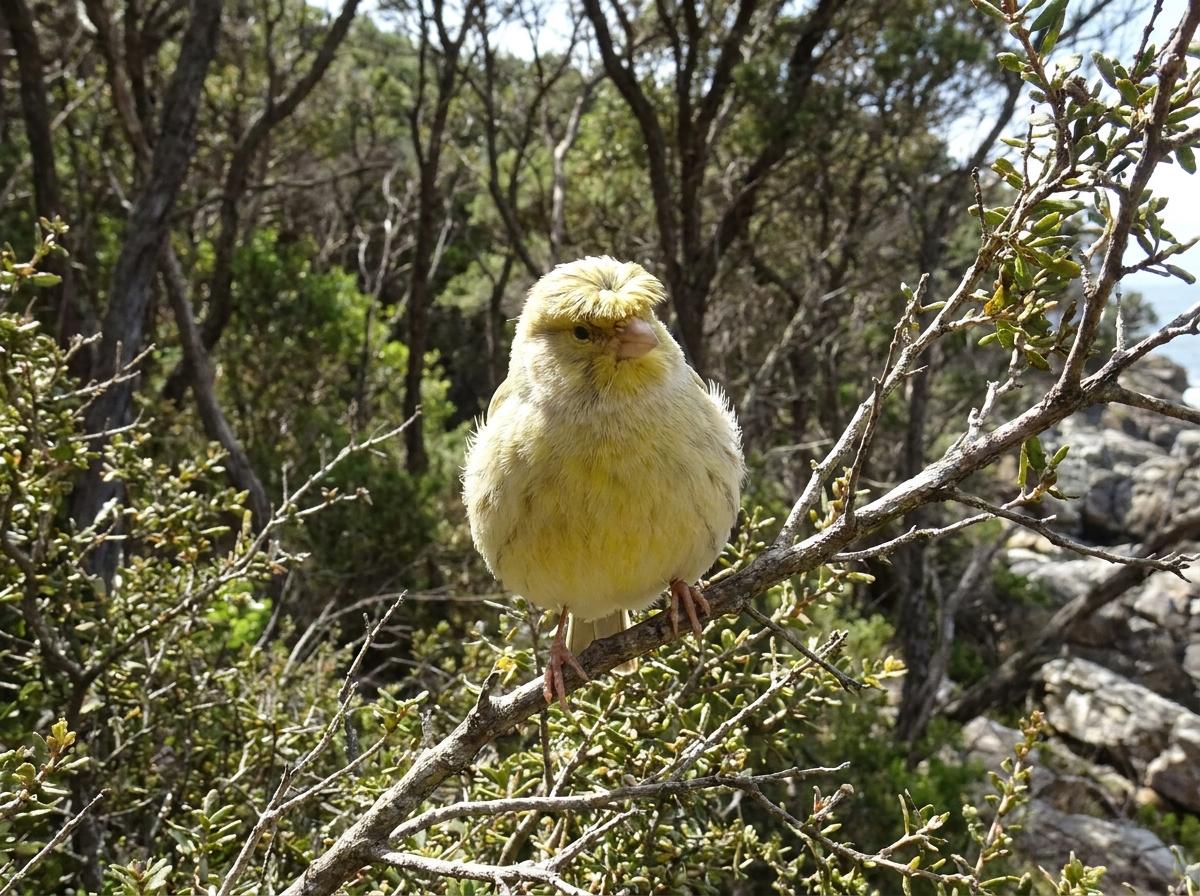
Most canaries sold in pet stores are not of any specific breed, and LafeberVet’s information sheet calls them common canaries. That is not a defect. A healthy common canary makes a good pet, and the cocks sing, just not to any breed standard. If you do not know what your bird is, record it on Creatures as a crossbred canary rather than guessing at a breed, and add what you do know: where it came from, its ring number and its hatch year.
What a canary costs
Canaries are priced as pets at one end of the market and as breeding stock at the other. On October 7, 2026, the PetSmart chain listed its canaries online at $149.99 each. Specialist breeders price song, type and color birds individually, by breed, sex and line, and a sexed cock from a song line that you have heard sing is a different purchase from an unsexed youngster, so ask exactly what you are paying for. Breeders of registered birds such as American Singers ring their chicks with closed, coded bands, and a seller should be able to tell you what the band on your bird means.
The bird is the smaller part of the bill over a decade. The main one-time cost is the cage, which LafeberVet says should be at least 18 inches long and wide and which is worth buying bigger. Add natural perches of different thicknesses, food and water dishes, a bath and a cuttlebone. The running costs are pellets or seed, fresh greens, egg food in the breeding season, color food if you keep red factor birds, replacement perches, and veterinary care: VCA’s canary care page recommends routine check-ups, which it describes as semi-annual. Our guide to what pet birds cost to buy and keep covers small-bird setup and monthly costs in more detail.
How long canaries live
A well-kept canary commonly lives 6 to 12 years, and some reach 15, according to LafeberVet’s information sheet, written for veterinarians. The Merck Veterinary Manual’s table of popular pet birds gives the same upper figure, up to 15 years. The AnAge database of animal ageing and longevity goes further, listing a maximum longevity of 24 years in captivity, taken from a published compilation of longevity records. So a canary is a commitment of about a decade, not a year or two.
What separates a six-year bird from a twelve-year one is mostly care. VCA warns that an all-seed diet is not nutritionally complete and can shorten a canary’s life, and the other common problems, from cramped cages and kitchen fumes to mites and untreated breathing trouble, are covered in the care section below. If you buy an adult, the hatch year on its closed ring, checked against the breeder’s records, is the best guide to its age; our guide on where to buy a canary covers how to read a ring.
Canary care basics
Housing, light and temperature
A canary is a flier, not a climber, and its cage is where it gets its exercise. The Merck Veterinary Manual’s advice on providing a home for a pet bird is that a cage should be at least one and a half times the bird’s wingspan in every direction, and that most birds prefer rectangular cages to round ones because they like corners to sit in. LafeberVet sets a working minimum of 18 inches long and wide for a canary, with bars about 3/8 inch (1 cm) apart and perches between about 3/8 and 3/4 inch thick, and VCA notes that most veterinarians do not advocate clipping a canary’s wings. Put that together and buy the longest cage you can fit, so the bird can fly from end to end, rather than a tall, narrow one.

Furnish it simply: natural branch perches of different thicknesses at each end, so the bird flies between them, food and water dishes, a cuttlebone and a bath. LafeberVet recommends offering a bath at least twice a week. Leave a clear flight path down the middle rather than filling the cage with toys.
Where the cage stands matters as much as its size. Merck advises keeping it away from windows and air conditioning, where it can get too hot or too cold, and out of the kitchen, because smoke and cooking fumes are bad for birds. One kitchen hazard needs its own warning: nonstick cookware. Texas A&M’s veterinary diagnostic laboratory explains that overheated nonstick coatings release gases that are highly toxic to the deep airways of birds, and that exposed birds are often simply found dead in their cages. Temperature is less fussy: LafeberVet gives a target of about 75°F (24°C) and notes that canaries can be acclimated to cooler rooms.
Keep canaries indoors or in a mosquito-proof aviary. Canary pox, a serious viral disease of canaries, is carried by mosquitoes, and the Merck Veterinary Manual’s chapter on viral diseases of pet birds calls mosquito control and indoor housing vital to preventing outbreaks. A canarypox vaccine exists, and LafeberVet says it is indicated for canaries housed outdoors, so ask your avian vet about it if your birds live outside.
Light runs the canary year. Lengthening days in spring bring the birds into breeding condition, and LafeberVet notes that canaries sing through the fall, winter and spring and that most stop singing while they molt in summer. A silent, slightly scruffy canary in August is usually just molting.
Feeding
Canaries are seed eaters, and seed is exactly the problem. VCA’s page on feeding canaries explains that an all-seed diet is not nutritionally complete, that canaries pick out their one or two favorite seeds from a mix, and that millet sprays and honey sticks are just more seed. Its recommendation is a pelleted diet formulated for canaries, ideally about 75 to 80% of what the bird eats, with a small amount of seed and fresh greens such as parsley, kale, carrot tops, red leaf lettuce or endive several times a week. As a guide, most canaries do well on 1 to 2 teaspoons per bird per day of the pellet and seed mix. Birds raised on seed can be hard to switch: VCA advises weighing the bird every day while you convert it, so you catch weight loss early.
LafeberVet adds a protein source such as egg food, especially when birds are breeding, and a cuttlebone for calcium. Do not offer grit. Canaries hull their seed before they eat it, so they do not need it, and VCA warns that some birds overeat grit and develop blockages.
Health
Find an avian veterinarian before you bring a canary home, not on the day it gets sick; our guide on how to find an avian vet explains where to look. A healthy canary is upright, tight-feathered and busy: it eats, bathes and, if it is a cock outside the molt, sings, so notice the day any of that changes. A few problems come up in canaries more than in other pet birds:
- Air sac mites. The Merck Veterinary Manual’s chapter on parasitic diseases of pet birds says the respiratory mite Sternostoma tracheacolum turns up most often in canaries and Gouldian finches. Mild cases show no signs, while heavy infections cause audible clicking, sneezing, tail bobbing and open-mouthed breathing, and deaths can be high. Any breathing noise is a reason to see the vet promptly.
- Scaly leg (“tassel foot”). In canaries the Knemidocoptes mite causes crusts on the legs and toes, according to the same chapter.
- Canary pox and atoxoplasmosis. Both are serious infectious diseases in canary collections; Merck notes that atoxoplasmosis is still diagnosed in canaries, and LafeberVet lists signs from diarrhea to sudden death.
- Feather cysts. VCA’s page on feather cysts in birds lists the Gloster, Norwich and Border among the canary breeds with the highest incidence and notes an apparent genetic link in canaries. VCA warns never to try to remove one at home, because a damaged cyst can bleed heavily.
One infection on LafeberVet’s canary list, chlamydophilosis, matters for people too: the same Chlamydia psittaci bacteria cause psittacosis in humans. The CDC explains that infected birds can shed the bacteria in their droppings without looking sick and that people usually catch it by breathing dust from dried droppings, so follow its prevention advice: wash your hands after handling birds or cleaning the cage, wet the cage and tray before you clean them rather than dry sweeping, and see a doctor if you get sick after buying or handling a bird. Diagnosis and treatment, for you or the bird, belong with a doctor and an avian vet.
LafeberVet also recommends quarantine for newly acquired birds, and the where to buy a canary guide sets out a 30-day plan. A canary that sits fluffed up, stops singing outside the molt, changes its droppings or breathes with a click or a bobbing tail needs a vet promptly; the dose and the treatment are the vet’s call.
Social needs
The Merck Veterinary Manual’s table of popular pet birds describes them as territorial, preferring to be housed alone or in mated pairs, and the Wolnik breeding guide below says each breeding pair needs its own cage. A single cock in a roomy cage, in a room where people spend their day, is a normal and contented canary. Two cocks in one cage are not a pair, and territorial birds squabble. Canaries are also a hands-off pet: LafeberVet notes that they can recognize their owner, but they are not birds to handle every day.
Breeding canaries
Canaries breed in spring. Ginger Wolnik’s introduction to canary breeding, republished by the American Singers Club, explains that canaries are fertile only when the day length is increasing toward about 12 hours, which happens naturally in spring, and that the pair needs good nutrition, including animal protein such as egg food, and a cuttlebone or other calcium source for the hen. Because canaries are territorial, each pair gets its own cage, and many breeders use a double cage with a removable wire divider so the birds can court through the bars first. If the hen fights the cock, she is not ready, and they go back on opposite sides. LafeberVet puts puberty at under a year old.
When the hen is ready, she builds in an open nest cup, about 4 inches across, hung high in the cage with nesting material to line it. She lays one egg a day until there are usually 4 or 5, and sits for about two weeks; LafeberVet gives an incubation of 12 to 14 days. The parents feed the chicks egg food and greens, the chicks leave the nest at roughly two to three weeks, and they should be feeding themselves by about four weeks old. Wolnik advises limiting a pair to two rounds a year so the parents are not exhausted. Breeders who ring their chicks fit closed, seamless bands while the chicks are small, because a closed band cannot go on an older bird’s foot. The American Federation of Aviculture’s guide to bird leg bands notes that the code on a band identifies whoever bought it and that the year a band was sold is not necessarily the year the bird hatched, so record each chick’s ring number against its hatch date on the day you ring it.
Three genetic rules matter before you pair anything:
- Never pair two crested birds. The crest is dominant, and a chick with a double dose is expected to die: a 1976 Watchbird column on crested canaries warns that mating crest to crest will produce 25% of chicks that will probably die. Crested Gloster Coronas are paired to plain-headed Consorts, and the OVCA’s Lancashire breeding notes give the same rule for that breed: Coppies should always be mated to Plainheads.
- Never pair two dominant whites, for the reason in the color section above: a quarter of the young are expected to die.
- Pair yellow feather to buff. The Border Convention’s novice notes say this is the normal pairing. Breeding buff to buff for generation after generation gives loose, shaggy feathering (a 1979 Watchbird letter on Gloster breeding), and a 1978 Watchbird column blames it for the feather lumps breeders see in Glosters and Norwich; VCA lists those breeds and the Border among the canaries most prone to feather cysts, with an apparent genetic link.
Buying a canary
Decide which group you want before you shop, because a breeder who is excellent in one group may have nothing worth buying in another. Then match the seller to the bird. Specialist breeders and club shows are where song and show stock comes from, and the American Singers Club’s advice on how to buy an American Singer is that a sanctioned show, in the fall show season, is the best place to meet breeders and that you should check the band, since only birds wearing the club’s closed bands are American Singers. Pet stores sell common canaries, healthy enough from a good shop, but rarely with a known hatch date, parentage or reliable sex.
Sexing is where many first-time buyers go wrong. Cocks and hens look alike, and VCA notes that many owners are surprised to find that the bird they thought was a male turns out to be a female if she sings little or not at all. If song is the point, hear the bird sing before you buy, and remember that a bird that is stressed, molting, unwell or newly moved may not sing at all. An avian vet can sex a canary with a blood test, and a seller who offers a swap if a “cock” turns out to be a hen is being fair.
Before you pay, watch the bird for a few minutes without anyone catching it. Look for an upright, tight-feathered, active bird; listen for any click or wheeze; and check the legs for crusts, the vent for soiling and the droppings in the tray. The where to buy a canary guide covers the whole check, the ring and paperwork questions, scams aimed at bird buyers and the 30-day quarantine. Canaries also turn up in rescues and private rehomes, often as adults.
On Creatures, the directory lists canary breeders by state, and most of them keep American Singers today, so you can go straight to American Singer breeders. Those entries are mostly gathered from public sources rather than written by the breeders, so message or phone before you rely on one, and ask how their birds are sexed and ringed. If no bird is listed, set an alert rather than settling for whatever is for sale this week.
Records to keep
A canary’s paperwork is small, but it is the only proof of a bird’s age, parentage and sex that a buyer or judge can check. Record, on the day it happens:
- the closed ring number, the organization that issued it and its year code;
- hatch date, sire and dam, and the breeder;
- sex, and how it was determined (a DNA or blood test result beats a guess from song);
- breed and group, color, feather type (yellow or buff), and for the breeds that need it, Corona or Consort and dominant or recessive white;
- each pairing: the date the pair went together, the first egg, eggs laid and hatched, and the ring numbers of the chicks;
- molt dates, and for red factor birds the color food used and when;
- weights while you change its diet, vet visits, treatments and test results;
- song or show results, with the judge and date.
A free Creatures profile per bird keeps all of that together: ring number, hatch year, breed and photos up front, health, test result and breeding records on the Records tab, and reminders for vet checks. Once both parents are linked, the Pedigree tab shows the bird’s line and exports to PDF for a show entry or a sale, and a sold bird can be transferred to its buyer with its records attached. The help articles on adding a record, health and medical records and pedigree, family and lineage show each step. Pigeon fanciers keep the same kind of band and breeding records; the pigeon breeds and care guide covers their side of the bird room.
Frequently asked questions
What are the main types of canaries?
There are three groups: song canaries, bred for their voice, such as the German Roller, Belgian Waterslager, Spanish Timbrado and American Singer; type or posture canaries, bred for shape, such as the Border, Fife, Gloster, Norwich and Yorkshire; and color-bred canaries, bred for plumage, such as the red factor. Most pet store canaries belong to no named breed and are called common canaries.
Which canary breed sings best?
It depends on the song you want. The German Roller sings softly with its beak closed, the Belgian Waterslager adds bubbling water notes, the Spanish Timbrado is loud and bell-like, and the American Singer was bred as a varied, pleasant household singer. Hear the actual bird before you buy, because individual birds of every breed vary.
Do female canaries sing?
Not the way males do. Young hens can sing a weak baby song, and some adult hens sing a little, but the long, full-toned song comes from cocks. Hearing a bird sing is good evidence it is a cock, but an avian vet’s blood test is the reliable answer.
How long do canaries live?
A well-kept canary commonly lives 6 to 12 years, and some reach 15. The AnAge longevity database lists a maximum of 24 years in captivity. Diet and housing make most of the difference, so feed more than seed and give the bird room to fly.
How much does a canary cost?
In October 2026 the PetSmart chain listed canaries at $149.99. Breeders price song, type and color stock bird by bird, depending on breed, sex and line. Over a canary’s life the cage, food and vet care cost more than the bird.
Can a canary live alone?
Yes. Canaries are territorial, and the Merck Veterinary Manual says they prefer to be housed alone or in mated pairs. A single cock in a roomy cage, in a room where people spend time, is a normal pet; two cocks in one cage will squabble.
What do canaries eat?
A canary pellet as the base, a small amount of seed, and fresh greens several times a week, with egg food in the breeding season and a cuttlebone for calcium. An all-seed diet is not nutritionally complete, and canaries should not be given grit.
What is a red factor canary?
A canary carrying genes from the red siskin, a South American finch that fanciers crossed into canaries starting in the 1920s. Red factor birds can turn yellow carotenoids from their food into red pigment, so they are given color food. The Smithsonian’s National Zoo says this trade was the main cause of the wild red siskin’s decline, and the species is now endangered.
Is a canary a finch?
Yes. The domestic canary is Serinus canaria, the Island canary, and the American Ornithological Society places it in the finch family, Fringillidae. Some African finches are also called canaries, such as the yellow-fronted canary, but they are different species.
Do this next on Creatures
Whether you are waiting for the right singer, bringing a new bird home or planning next spring’s pairings, these are the useful next steps, in the order most canary readers need them.
Get told when a canary is listed. Canaries are listed on Creatures only now and then, so let the listing come to you: set a free canary listing alert and Creatures emails you when one is posted, no account needed to start. Here is how saved searches work.
Find breeders by breed and state. Search the Creatures breeder directory, or go straight to canary breeders, mostly American Singer breeders today. Most listings are compiled from public sources, so contact the breeder and ask your questions directly.
See what is for sale. Check canaries on the Creatures marketplace. Listings are rare, and when one appears, ask the seller how the bird was sexed and what its ring number means. Making an offer on a listing shows how to agree terms in writing.
Bought a canary? Create a free profile for your bird with its ring number, hatch year, breed and photos, no account needed to start. The walkthrough is in adding an animal to Creatures, and the bird name generator has ideas if it still needs a name.
Keep the records that matter. Vet visits, a DNA sexing result, pairings, eggs and ring numbers: add a record. The record sheet opens for any visitor to look around, and a free account saves what you enter. See adding a record and reminders and upcoming care for vet check reminders.
Breed canaries? Create a free breeder or aviary profile so people searching for canaries can find you, no account needed to start. See getting listed in the breeder directory, and if the aviary still needs a name, try the aviary name generator.
Build the family tree. Link each bird’s sire and dam on its profile and its Pedigree tab draws the lineage, ready to export for a show or a sale. Pedigree, family and lineage explains how, and the Creatures tools page lists every free calculator and generator.