



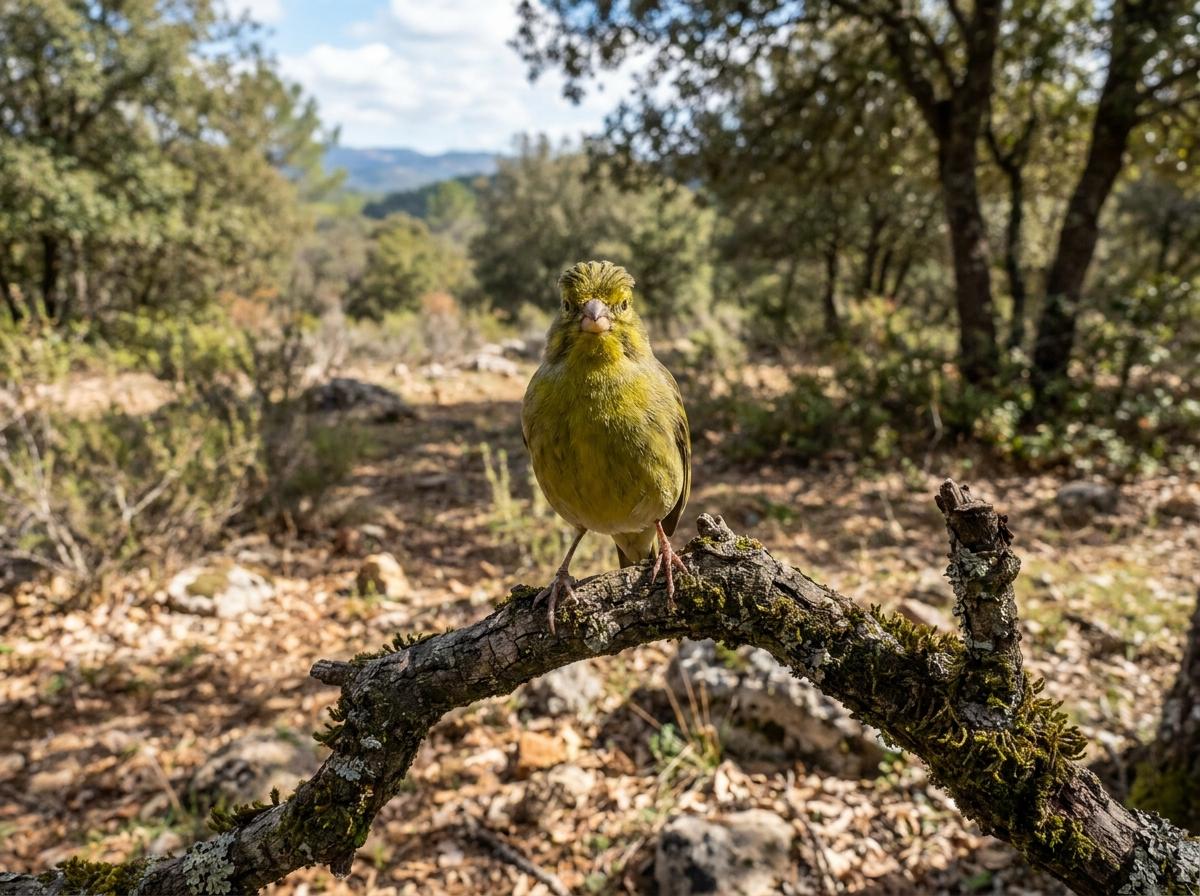
Spanish Timbrado Canary
The Spanish Timbrado is a song canary bred in Spain for one thing above all: a loud, bright, metallic voice that rings like a small bell. Among the many canary breeds it is one of the song breeds judged almost entirely by ear rather than by feather. Short answer on whether one is right for you: a wonderful bird if you want song from a hardy, long-lived companion, and a demanding one if you plan to breed for competition.
Browse listings, public profiles, breeders, or add your animal.
What is a Spanish Timbrado canary?
The Spanish Timbrado is a breed of domestic canary (Serinus canaria domestica) developed in Spain and prized for its singing rather than its looks. Where color canaries like the red factor are bred for pigment and type canaries like the Gloster for body shape or crest, the Timbrado is a song breed: judges score the structure and quality of its voice, and breeders select for the same.
The word timbrado is Spanish for “ringing” or “stamped with a bell tone,” the sound the breed is named for: a bright, metallic ring that many keepers compare to a small bell or the rapid click of castanets. That ringing quality is the breed’s whole identity, and a Timbrado that does not ring is, in a real sense, off type.
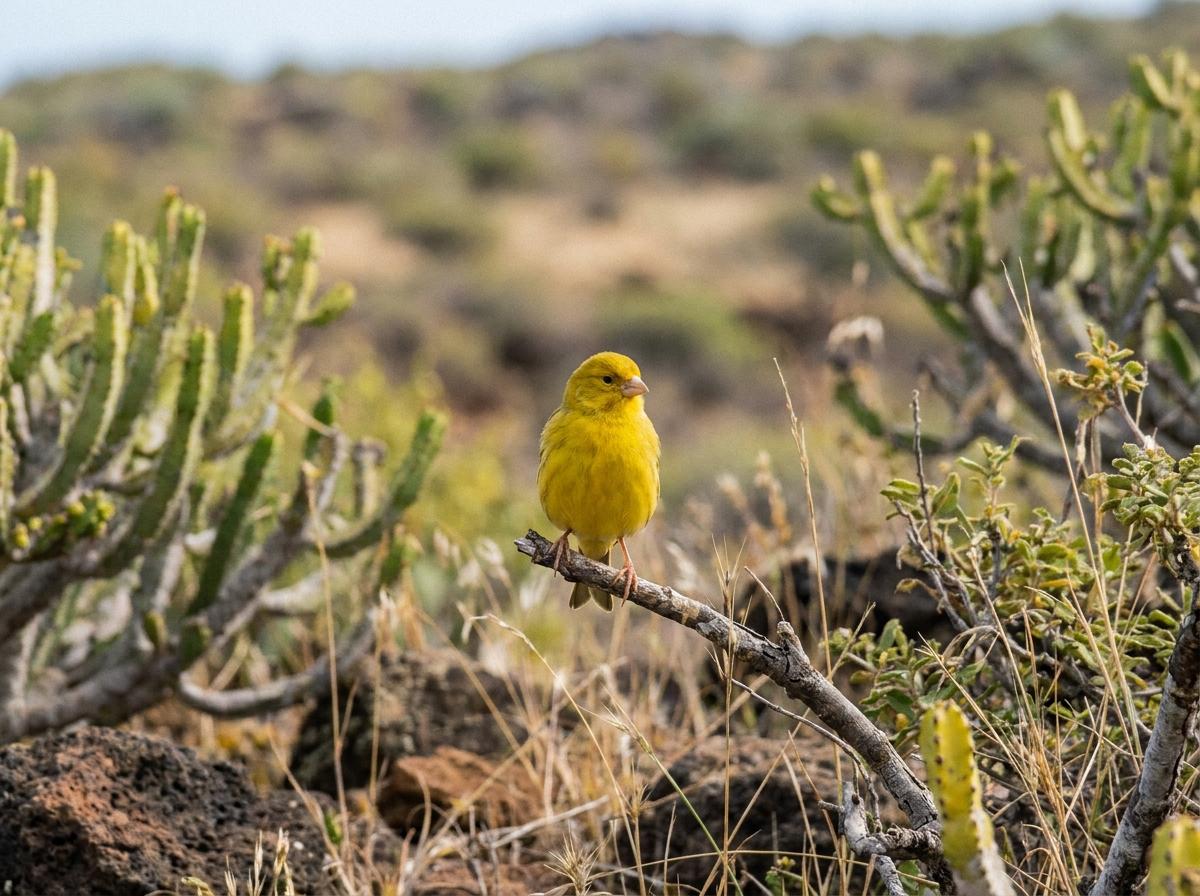
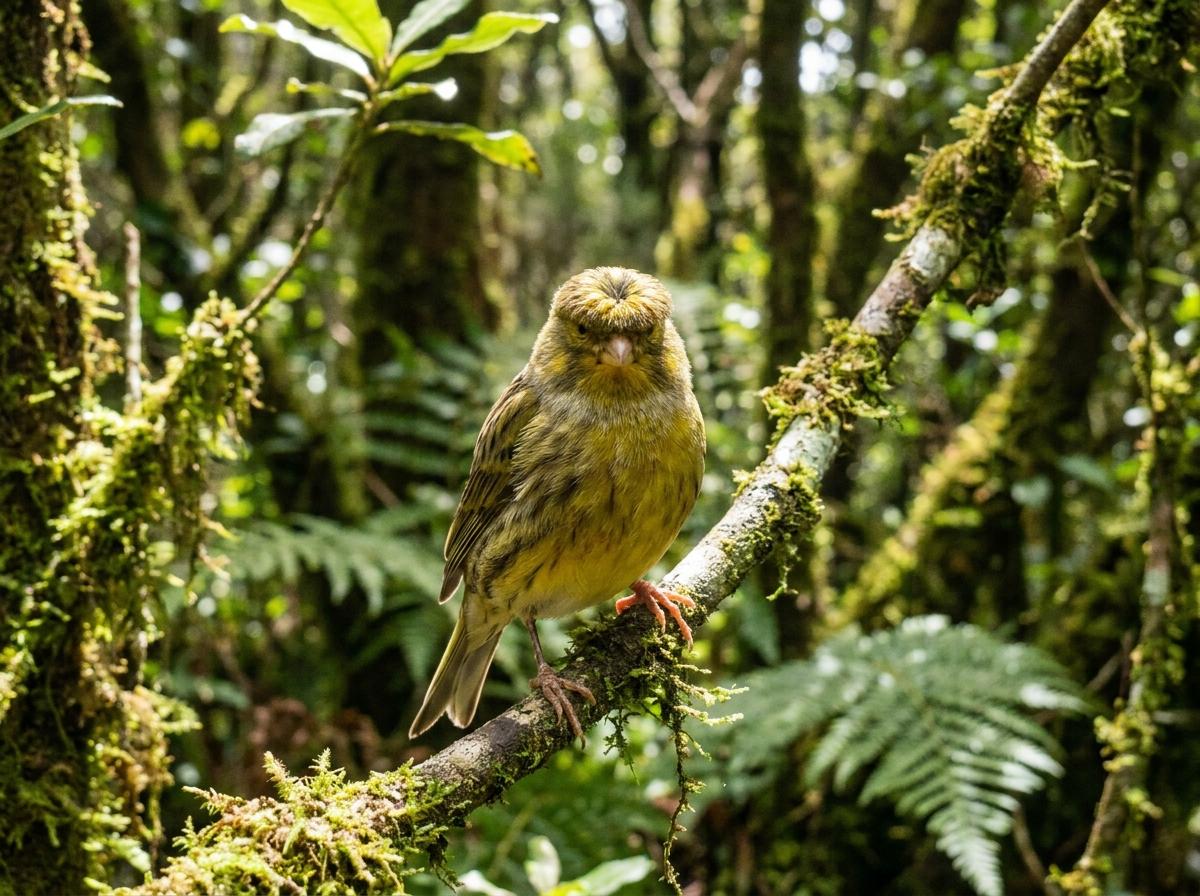
The Spanish Timbrado is kept deliberately close to the wild Atlantic canary of the Canary Islands, Madeira, and the Azores in look and constitution, and is often described as one of the most natural of the domestic canaries. That closeness shows in its plain greenish-yellow coloring and robust build: a bird that looks and behaves much like the ancestral wild one but sings a refined, selectively bred song. To see how it sits alongside other breeds, the broader Creatures canary species page is a good place to compare.
Origin and history
Canaries have been kept and bred in Europe since Spanish and Portuguese sailors brought wild birds back from the Atlantic islands in the fifteenth and sixteenth centuries. The Spanish Timbrado as a distinct, standardized breed is much more recent, developed across the 1940s and 1950s, when breeders set out to preserve and refine a native Spanish song canary rather than follow the roller and other lines that dominated elsewhere in Europe. They worked from Spanish domestic canary stock selected to keep the natural, ringing voice rather than to soften it.
A regional favorite became an internationally recognized breed in 1962, when the Spanish Timbrado was accepted as a distinct song canary within the world body for ornithological sport, the Confederation Ornithologique Mondiale (COM). A written song standard followed, giving judges an agreed way to score the voice, and the Spanish judging federations still maintain it. From the 1960s the breed spread across Europe and then the Americas, and today it is kept and shown well beyond Spain, with fancier clubs in several countries, including the United States.
That history explains a persistent source of confusion for new owners. Because different Spanish federations refined the standard along slightly different lines, you will hear breeders talk about “original,” “classical,” and “floreado” birds. Those are not different species or even sharply different animals, but selection lines within one breed, which we come back to below.
What a Spanish Timbrado looks like
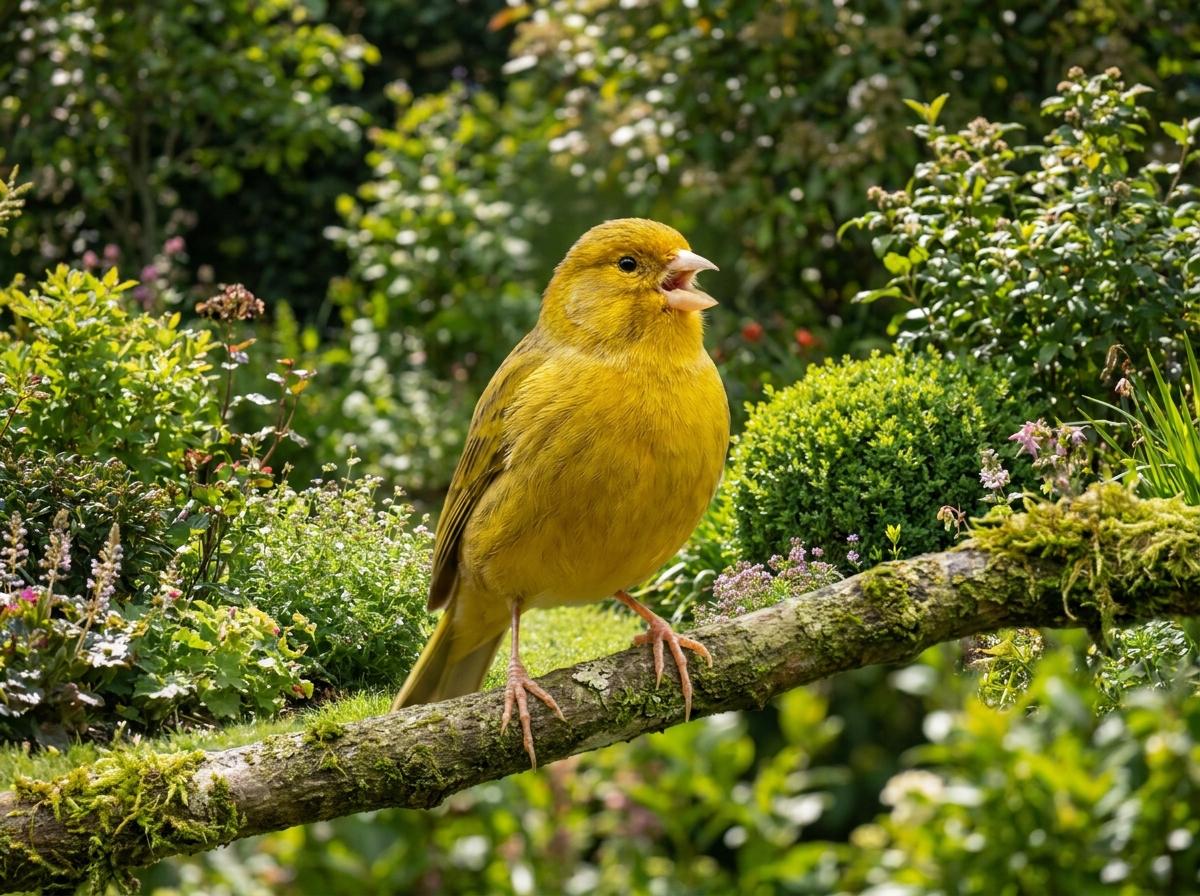
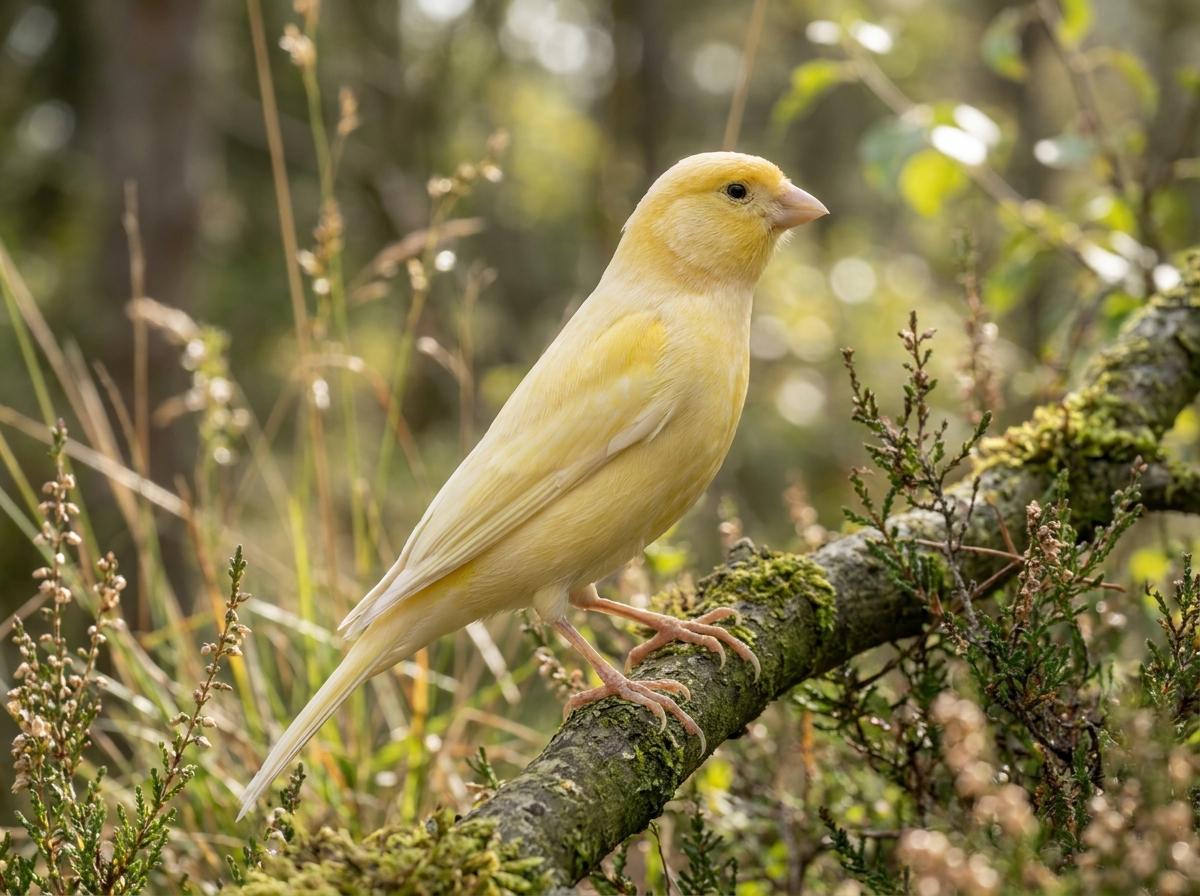
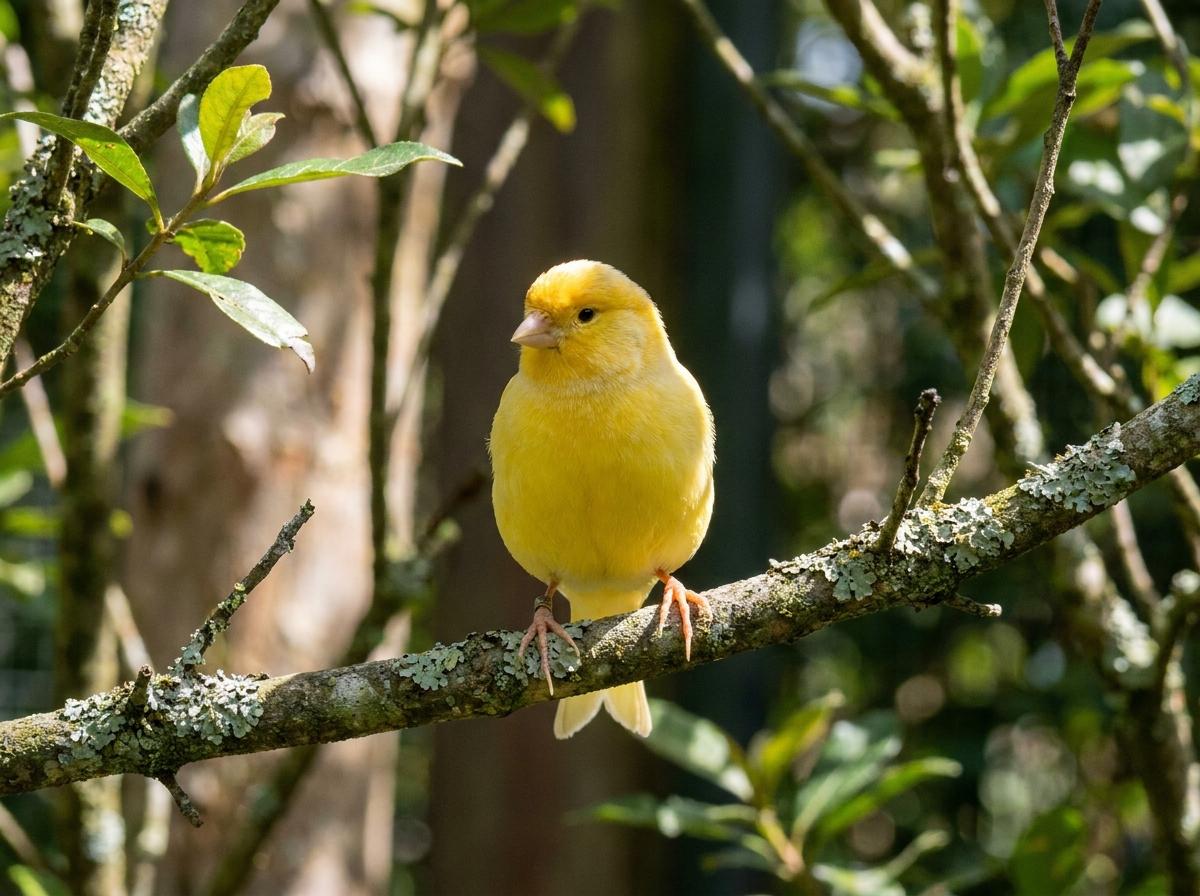
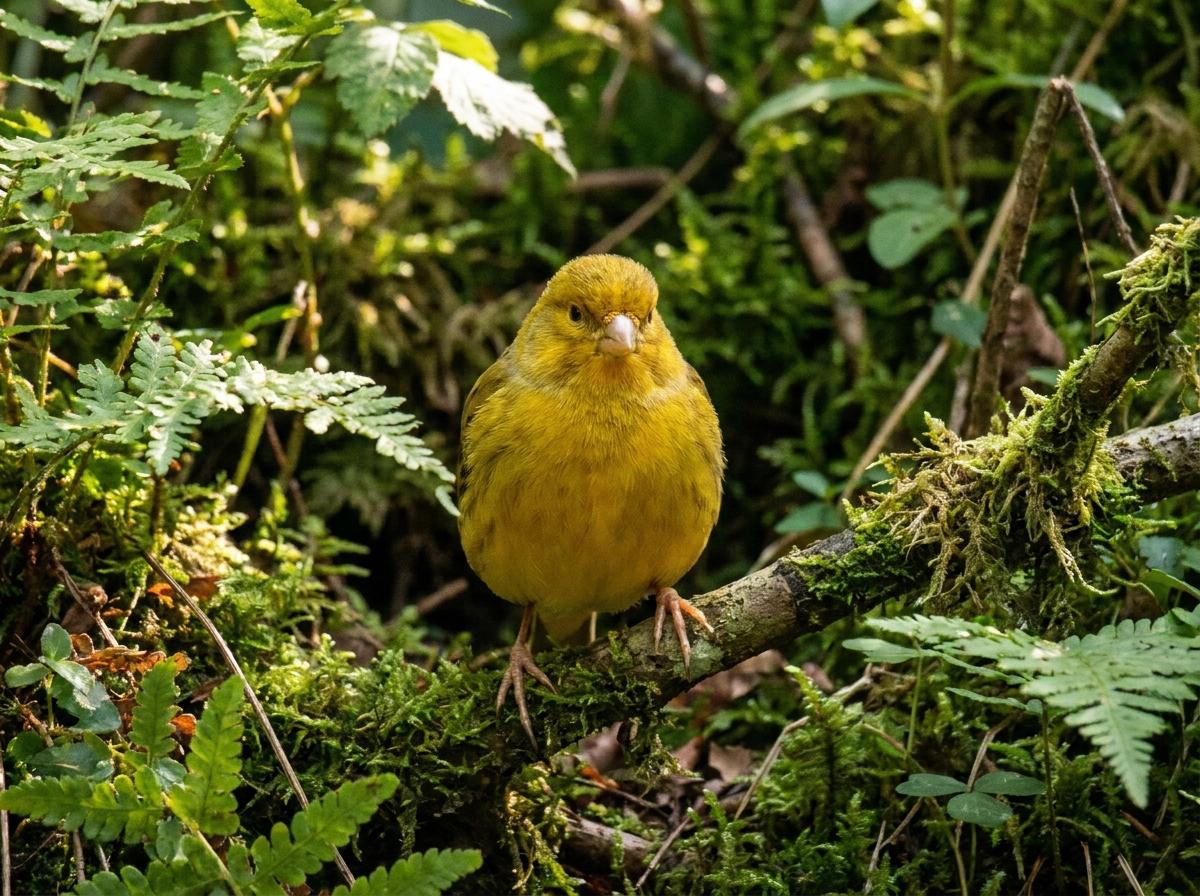
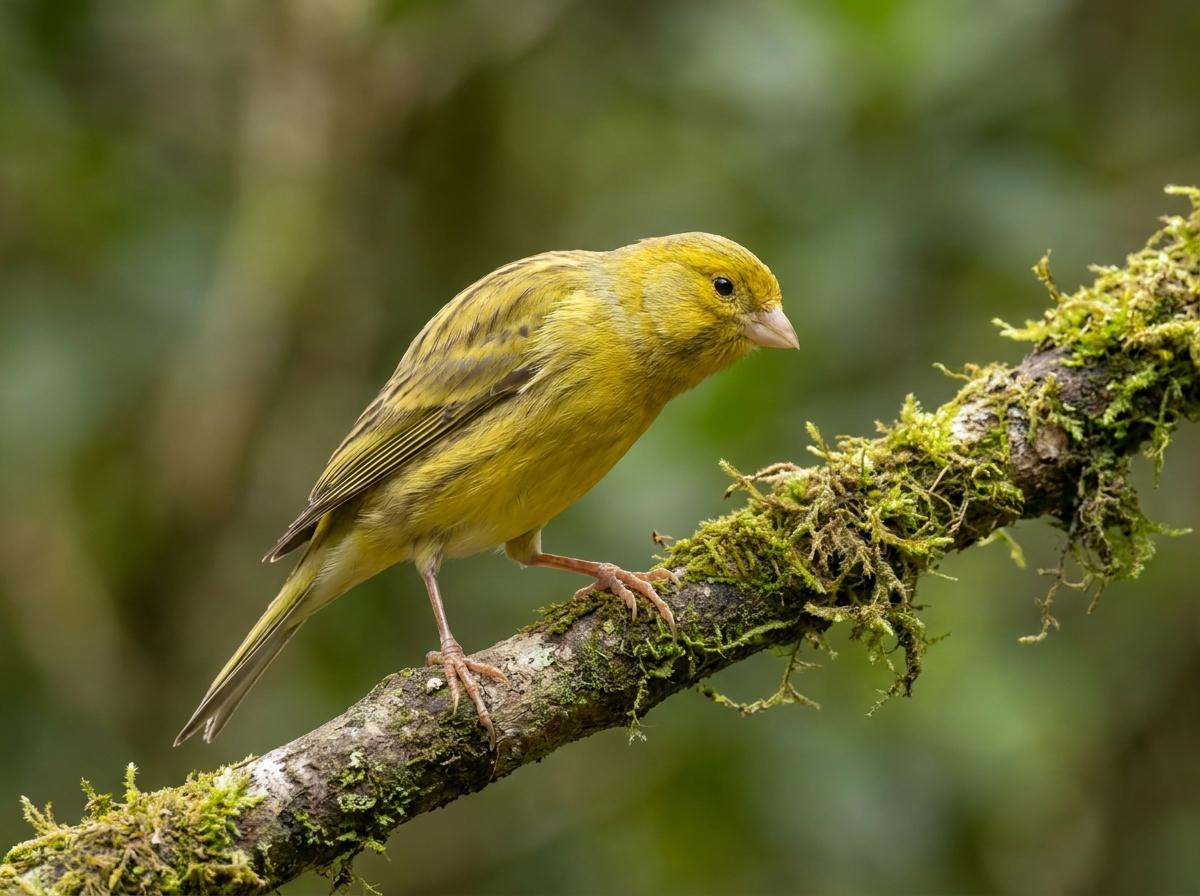
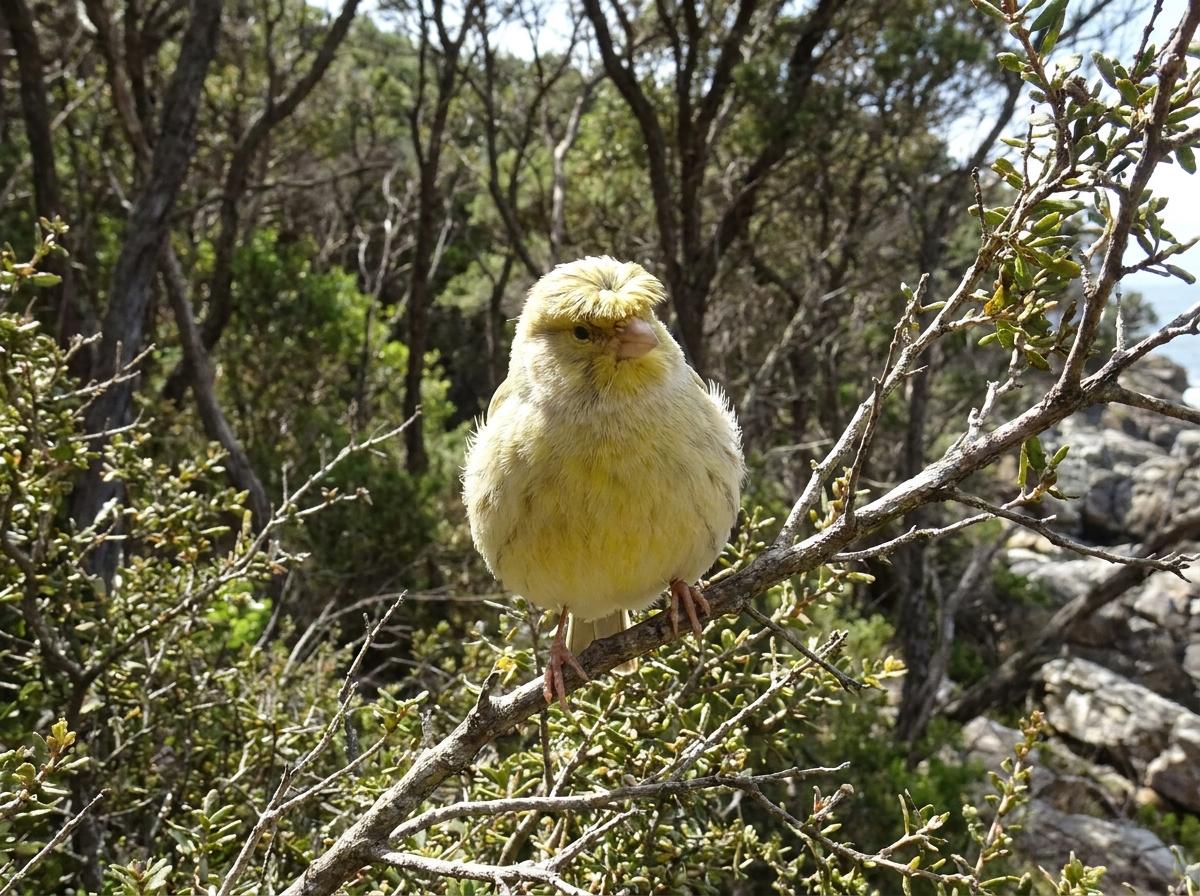
Because the Timbrado is bred for song, its appearance is deliberately understated: a plain, sturdy bird rather than an ornamental one.
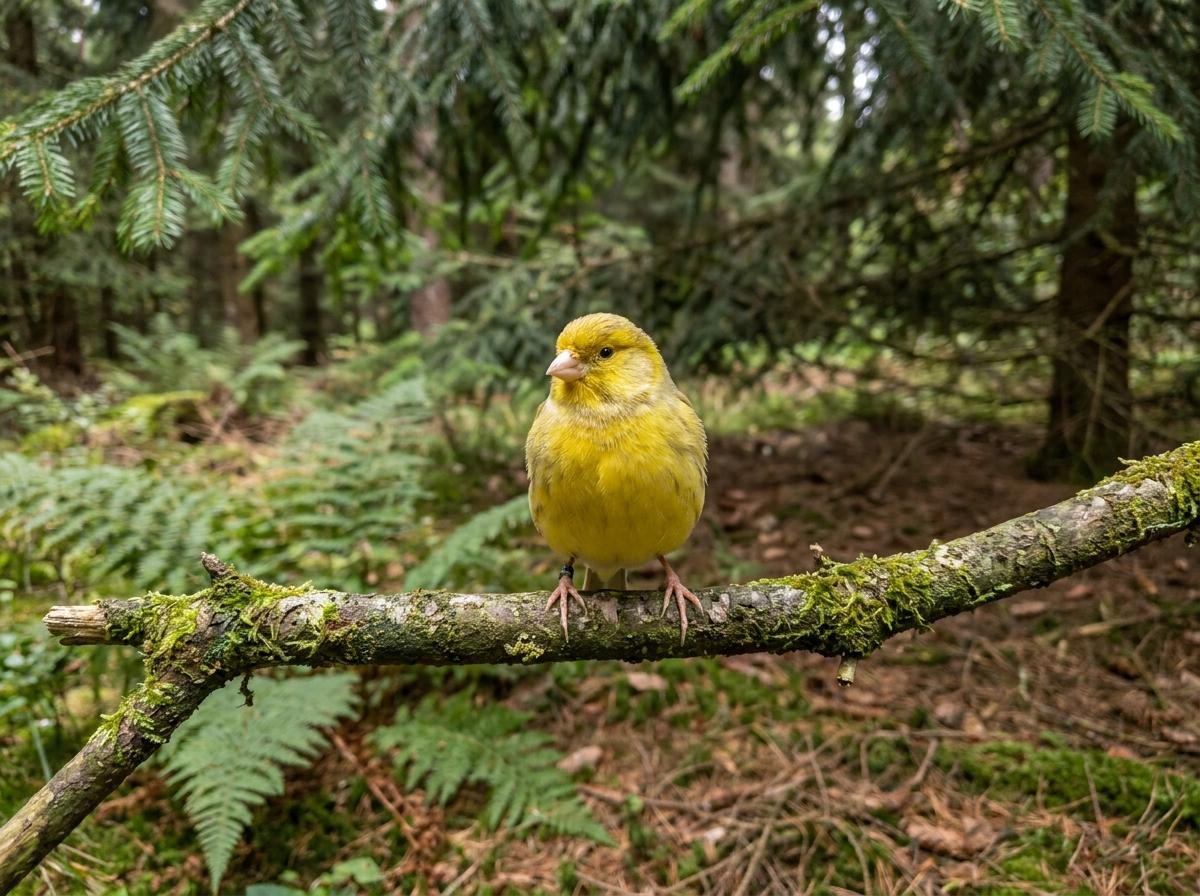
- Compact, robust body. The Timbrado is a small canary, about 5 inches (roughly 13 cm) long and generally in the range of 15 to 20 grams. The standard calls for a wide chest, a short back, and short legs, giving the bird a solid, cobby look.
- Broad “fish tail.” Instead of the long, narrow, tightly closed tail of some breeds, the Timbrado tends to carry a shorter, broader tail, often described as a fish tail.
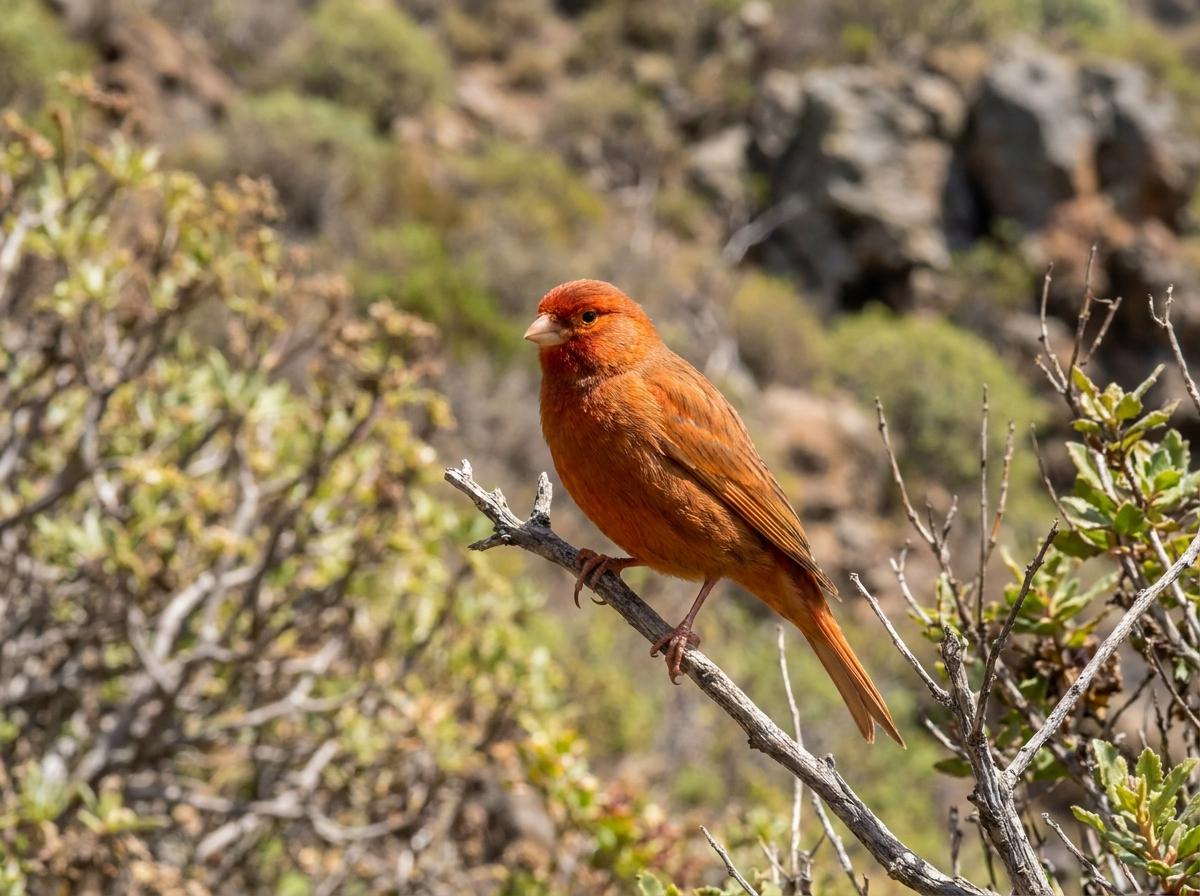
- Natural greenish and yellow coloring. Green (a mix of the underlying dark pigment over a yellow ground), variegated green and yellow, clear yellow, and cinnamon are all seen. What you do not see is the bright red or orange of red factor canaries, because the Timbrado carries no red factor, nor the crests, frills, or exaggerated postures of the ornamental type breeds.
- No frilling or fancy structure. There is nothing to trim, curl, or pose. A show Timbrado should look like a healthy, well proportioned little finch, so that nothing distracts from the voice.
The song, explained
A Spanish Timbrado’s song is built from a repertoire of distinct sounds, or tours, that the official Spanish song code groups into roughly a dozen scored categories. The FOCDE code of song lists positive tours including the signature metallic timbres that give the breed its name, rolled variations, water tours (timbre de agua, slow water, and semi-linked water), a bell tour (campana) and a rattle (cascabel), cluckings (cloqueos), castanets (castanuelas), and the flourishes known as floreos, each with its own point ceiling. Judges reward a song that is loud, bright, clear, and well ordered, and mark down harshness, screeching, and monotony.
Within the breed, fanciers recognize three song lines that sit on a spectrum:
- Clásico (classical). More continuous and rolling, with the notes running together in longer, connected passages.
- Floreado. More discontinuous and “flowery,” built from separated, ornamented notes and flourishes rather than long rolls. Floreo in Spanish means a flourish, which is where the name comes from.
- Intermedio (intermediate). As the name suggests, a bird that falls between the rolling classical style and the disjointed floreado style.
None of this needs memorizing for a pet owner; it matters if you plan to show or breed, selecting toward one recognized style. Any healthy Timbrado male should give you that ringing, energetic song. As with canaries generally, it is the males that sing to attract a mate and hold territory; hens call and chatter more quietly, but the performance song is a male trait.

Housing
A single canary can be kept well in a roomy cage, and for a song bird the setup is a little particular. A widely used guideline from avian references is a cage of at least about 18 inches (46 cm) in its longest dimension, with bar spacing around three eighths of an inch so a small finch cannot escape or get its head caught. Wider and longer is better, because canaries fly horizontally rather than climb, and a bird that can actually stretch its wings stays fitter and sings better.
A few housing points matter more for Timbrados than most people expect:
- Perches of varying diameter. Offer natural branch perches of different widths so the feet flex and work through the day. Uniform dowel perches all of one size are a common cause of foot problems.
- Males housed singly. The single most important husbandry fact for the breed, and many first time owners do not know it. Adult male canaries are territorial and will fight if caged together, so each male gets his own cage. Individual caging is also how song is preserved and judged: a male sings most freely in his own space, and birds kept within earshot of each other sing to compete, the effect breeders want. Let your males hear, but not reach, one another.
- Light and calm. Canaries take their cues from daylight. Position the cage where the bird gets a natural day and night rhythm and is not startled constantly, and avoid leaving a bright light on late, which can disrupt the seasonal cycle that governs both singing and breeding.
Temperature and environment
The Timbrado is a hardy canary, but hardy does not mean indestructible, and a stable room temperature suits it best. Avian care references put the target around the mid seventies Fahrenheit (about 24 C), and a commonly cited comfortable range for canaries in the home is roughly 65 to 75 F. Birds can acclimate to somewhat cooler conditions if the change is gradual and they are kept dry, but two things do genuine harm: cold drafts and persistent damp. Keep the cage clear of drafts from doors, windows, and air vents, avoid chilly bathrooms and unheated porches in winter, and do not let bedding or the cage floor stay wet.
Feeding
Canaries are seed eaters by nature, but an all seed diet is a frequent cause of long term health problems. A good working diet combines a quality canary seed mix or fortified pellets with regular fresh foods.
- Base. A canary seed mixture or formulated pellets as the everyday foundation.
- Fresh greens and vegetables. Small daily or near daily amounts of leafy greens and vegetables such as broccoli, dandelion greens, and grated carrot add nutrients that seed lacks.
- Egg food in season. A protein rich egg food is standard during breeding and molt, and is offered more sparingly the rest of the year.
- Calcium and clean water. A cuttlebone or mineral block provides calcium, which matters especially for laying hens, and fresh water should be available at all times, changed daily.
- Bathing. Offer a shallow bath a couple of times a week; it helps keep the plumage in good order.
Keeping a simple feeding and weight log is one of the easiest ways to catch a problem early, since going off feed is often the first sign that something is wrong. You can track feeding, weights, and notes for each bird as a health record on Creatures; the health and medical records help article walks through how the records work.
The molt and its effect on song
Once a year, usually in the warmer months, canaries molt, dropping and regrowing their feathers over several weeks. During the molt a canary puts its energy into new plumage, and it is normal for a male to sing much less or fall almost silent. New owners sometimes panic that a healthy bird has “stopped singing,” when it is simply molting. The voice returns as the molt finishes and the days shorten toward autumn and winter, the canary’s natural singing season. Support the molt with good nutrition, including egg food, and keep stress low. A reminder for the expected molt window is easy to set alongside other care dates using the reminders and upcoming care tools.
Breeding
Timbrados are, by canary standards, willing and reliable breeders. It is still a genuine project, not a casual one.
Canaries are photoperiod breeders, switched on by lengthening daylight. Breeders bring birds into condition in late winter and spring, sometimes with controlled artificial lighting to start earlier. Hens generally need thirteen to fourteen hours of light and several weeks on a conditioning diet before they breed reliably, so rushing an unprepared hen is a common mistake.
The mechanics look like this. A conditioned hen and cock are introduced, and the hen builds a nest, often in a nest pan lined with suitable material. A typical clutch is 3 to 6 eggs, incubated for around 13 to 14 days, mostly by the hen. Chicks hatch helpless, fledge in roughly two to three weeks, and are usually weaned and independent a week or two after that. A hen in good condition may raise two clutches in a season.
Two cautions. First, pair compatibility and condition matter: putting two birds together does not guarantee a productive pair, and a mismatched pairing leads to broken eggs, abandoned nests, or aggression. Second, supervise. Cocks can harass hens, so many breeders introduce them carefully and separate them once mating is done, leaving the hen to raise the brood, and young males are often moved to individual training as they mature to protect the developing song. Any sign of illness, egg binding, or injury during the season is a veterinary matter, not a wait and see one.

Health and lifespan
This is a long lived little bird. Domestic canaries commonly live around 7 to 12 years, well kept birds often reach 10 to 15, and individuals have lived longer still, so a Timbrado is a real multi year commitment. Reaching the upper end comes down to the basics done consistently: a varied diet, a clean dry cage, stable warmth, no drafts, and prompt attention when something looks off.
A few health issues are worth knowing about specifically in canaries:
- Air sac mites. Canaries are among the birds most affected by the air sac mite Sternostoma tracheacolum, which lives in the respiratory tract. Light infections may show nothing, but heavier ones cause clicking or wheezing sounds, tail bobbing with each breath, open mouthed breathing, and a loss of voice. Because this directly affects the very thing you keep the bird for, any change in breathing or a persistent click is a reason to see an avian veterinarian. Treatment exists, but the drug and dose are a veterinarian’s decision, not something to attempt from a forum recipe.
- All seed diet problems. Long term nutritional disease traces back to a seed only diet, which is why the fresh foods and calcium above matter.
- General signs of trouble. Fluffed up posture, sitting on the cage floor, a dirty or pasted vent, discharge from the eyes or nostrils, and a bird that suddenly goes quiet and still all warrant a closer look and, if they persist, a veterinary visit.
Because a fluffed, quiet canary can go downhill quickly, keeping dated records of weights, molts, and any symptoms genuinely helps a vet help your bird. The adding a record help article shows how to log health events, and once a profile exists you can see everything for a bird gathered on its profile page tabs.
Is a Spanish Timbrado right for you?
For a lot of people, yes. If you want a small, hardy, low odor, genuinely musical bird and you are happy to keep a male on his own, a Timbrado is one of the best song canaries you can choose. It asks for a decent cage, a proper diet, steady warmth, and a little attention to its seasonal rhythm, and in return it can sing for years.
It is a less obvious fit in two situations. If you specifically want a bird that enjoys being handled and perching on you, no canary is really that animal, and the Timbrado is no exception. And if you want to breed at a competitive level, be honest with yourself about the space and time it takes to house and train males individually and to select toward a recognized song line. Plenty of keepers do exactly that and love it, but it is a hobby, not a weekend.
It also helps to know how the breed compares with its cousins. If your priority is a sweeter, more varied and melodic song bred for the pet home, the American Singer canary was developed with exactly that goal in mind. If you find yourself drawn more to looks than to voice, a type breed such as the Gloster canary, with its neat crest, is bred for form rather than song. The Timbrado’s lane is clear: the ringing, powerful, distinctly Spanish singer.
Where to find a Spanish Timbrado
Song canaries are usually sold by hobbyist breeders and small aviaries rather than through general pet shops, and that is a good thing, because a Timbrado is only as good as its bloodline and the way it was raised and, for males, trained. Prices for pet quality birds are typically modest, on the order of tens of dollars, while proven show males with scored song records command more. Rather than fix on a number, judge the bird and the breeder.
When you talk to a seller, a few questions sort the serious from the casual. Ask whether the bird is a male or a hen, and if a male, whether he is in song. Ask which song line the breeder works with (classical, floreado, or intermediate) and, for show stock, whether the parents have been scored. Ask how the birds are housed and fed, and look for clean cages, bright eyed active birds, and smooth, tight plumage. A healthy young Timbrado should be alert and busy, not fluffed and dozing.
You can browse canaries on the Creatures marketplace and look for breeders in the Creatures directory, which lists trusted breeders and small aviaries rather than classified ads. Because a specific song line or a particular color can be seasonal and local, a saved listing alert (below) is often the easiest way to be told when the right bird appears near you.
If you enjoy reading about distinctive regional breeds, two other guides in the same spirit are the Lambkin cat and the Empordanesa chicken, each a breed shaped for a particular purpose the way the Timbrado was shaped for song.
Frequently asked questions
Do Spanish Timbrado canaries sing well as pets?
Yes. A healthy male sings the breed’s signature loud, bright, metallic song, and you do not need to show or compete to enjoy it. Remember that only the males perform the full song, and that a male sings best in his own cage.
Why do you have to keep male Timbrados alone?
Adult males are territorial and will fight if housed together, so each gets his own cage. Solo housing also showcases the individual song, which is why show birds are always caged singly.
Do female Timbrados sing?
Hens are far quieter. They call and chatter but do not deliver the full territorial song that the males are bred and judged for.
How long do Spanish Timbrado canaries live?
Domestic canaries commonly live around 7 to 12 years, with well kept birds reaching 10 to 15 or more, so a Timbrado is a long term commitment. Stable warmth, a varied diet, a clean dry cage, and prompt veterinary care get a bird to the upper end of that range.
What temperature do they need?
A steady room temperature suits them, broadly 65 to 75 F, with the key rules being no cold drafts and no persistent damp. They tolerate gradual cooling if kept dry, but sudden chills and wet conditions are genuinely harmful.
Why has my Timbrado stopped singing?
The most common innocent reason is the annual molt, when a bird falls quiet for several weeks while it grows new feathers. Support it with good nutrition and low stress. But if it also looks unwell, breathes with clicking or open mouthed effort, or sits fluffed and dull, see an avian veterinarian, since respiratory problems such as air sac mites can silence a canary.
What is the difference between classical and floreado Timbrados?
They are selection lines within the one breed. Classical (clásico) birds sing a more continuous, rolling song, floreado birds sing a more separated, ornamented, flourish heavy song, and intermediate birds fall between the two. All are Spanish Timbrados.
Do this next on Creatures
Whether you are choosing your first Timbrado, keeping one already, or breeding for song, Creatures is the records, marketplace, and directory layer to do it in one place.
Add your canary. Bringing a Timbrado home? Create a free animal profile in a few minutes. The walkthrough is in adding an animal to Creatures. No account needed to start.
Track song, molt, and health. Log a care or health record for weights, molt dates, and vet visits. The record sheet opens for any visitor to look around, and a free account saves what you enter. See adding a record for the how-to.
Set breeding and molt reminders. Use reminders and upcoming care to stay ahead of the spring breeding window, the annual molt, and routine checkups.
Find a bird. Browse canaries on the marketplace and search trusted breeders and aviaries in the Creatures directory.
Get alerted. A specific song line or color is often seasonal and local, so set a free canary listing alert and we will tell you when one is posted. No account needed to start.
Breed or sell? If you run an aviary, create a breeder or organization profile so buyers searching for song canaries can find you.