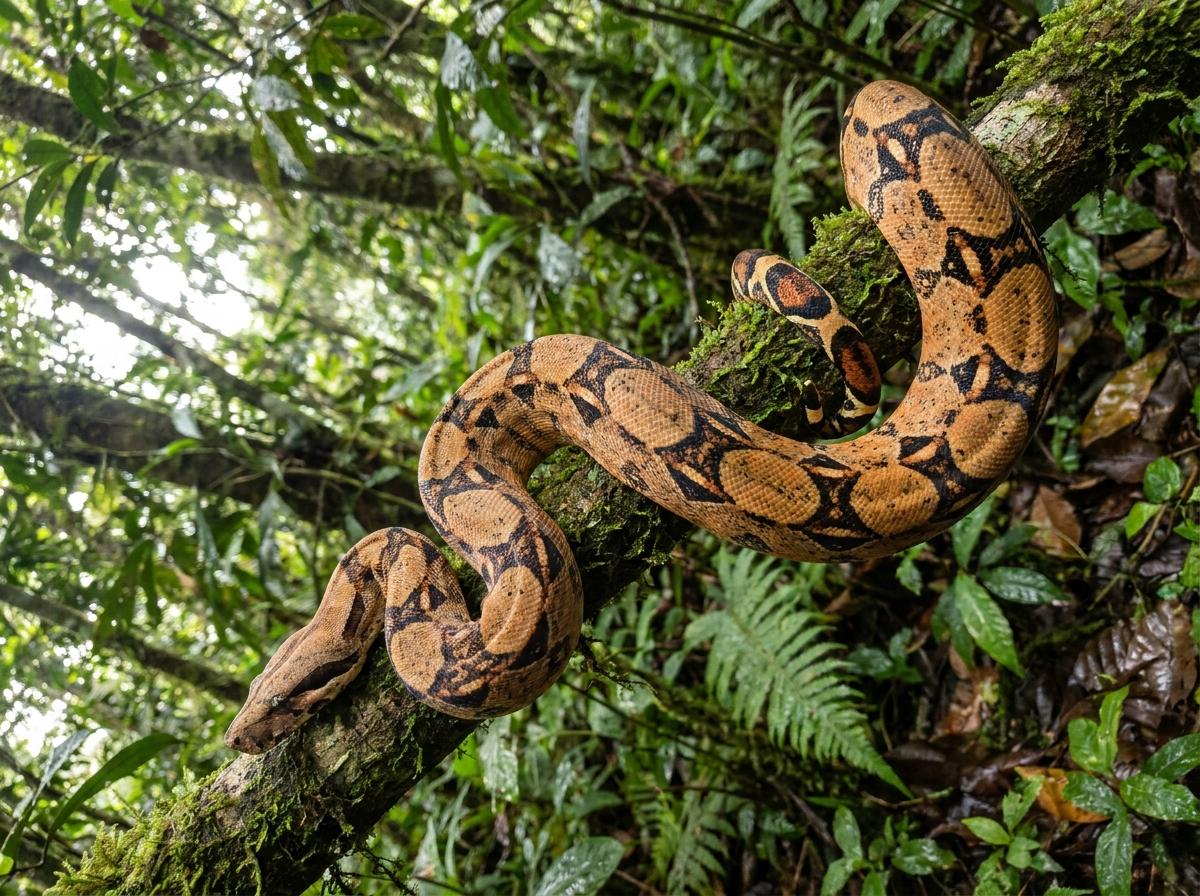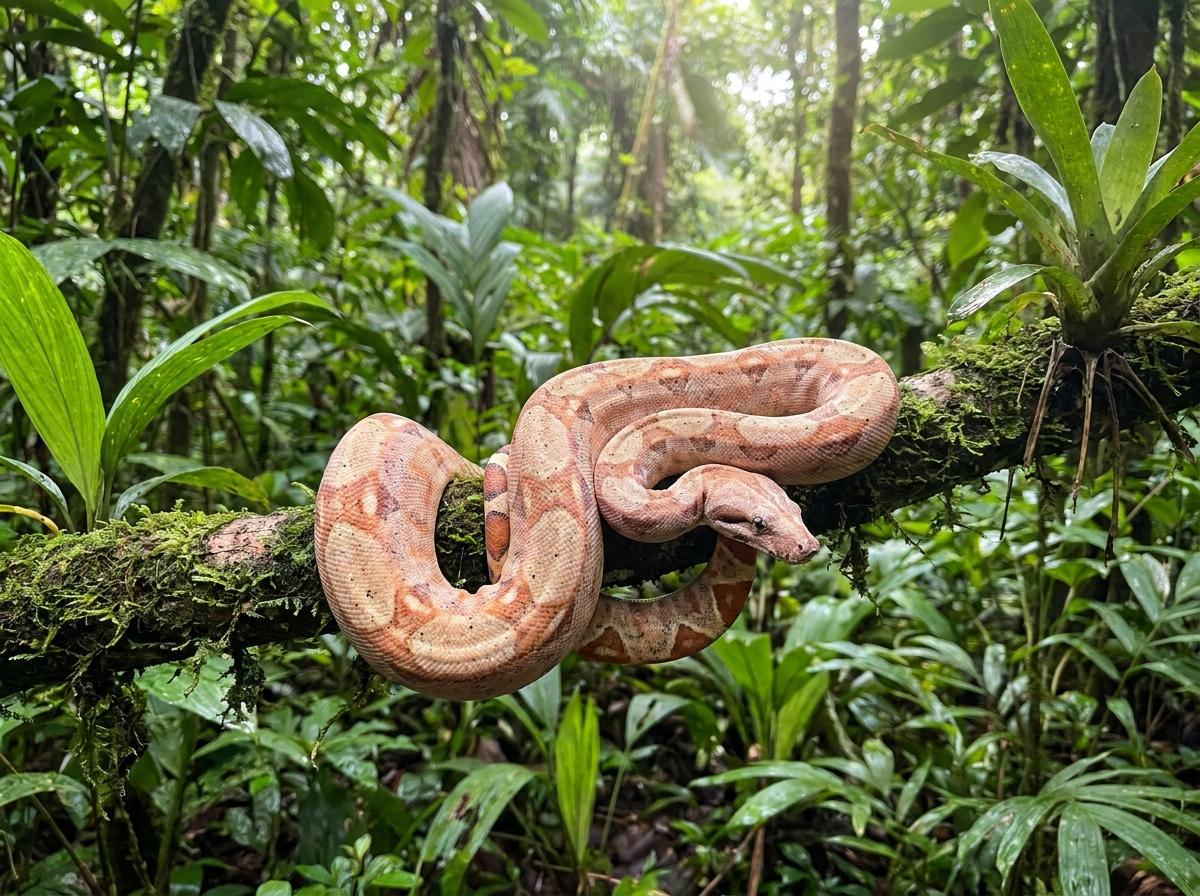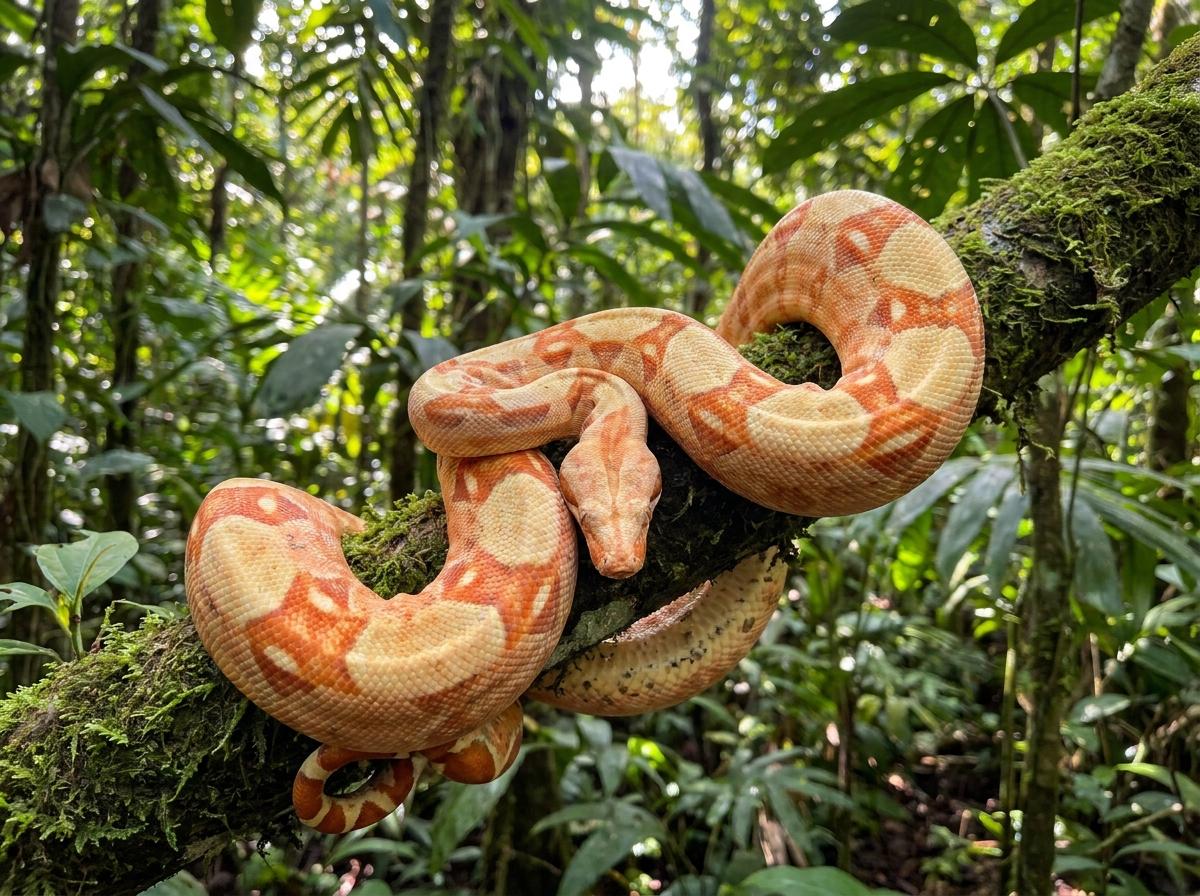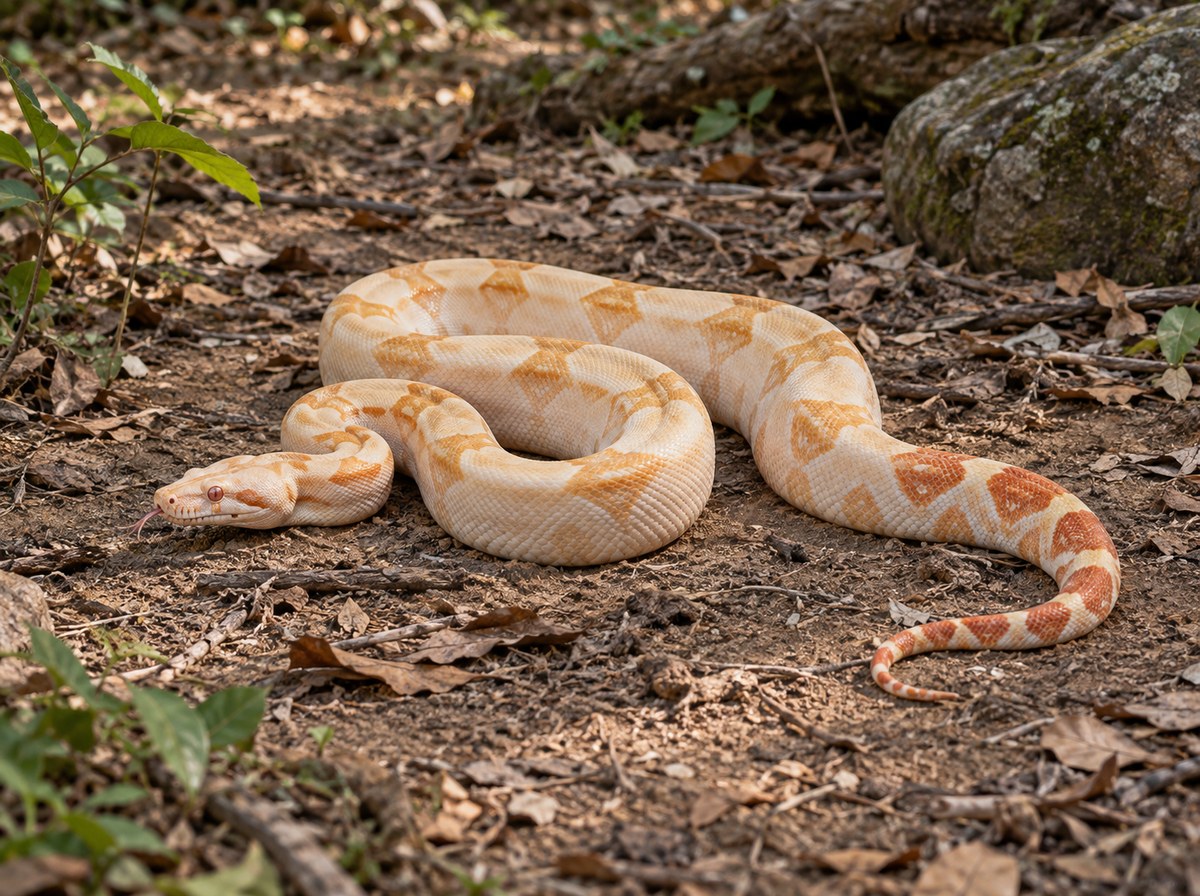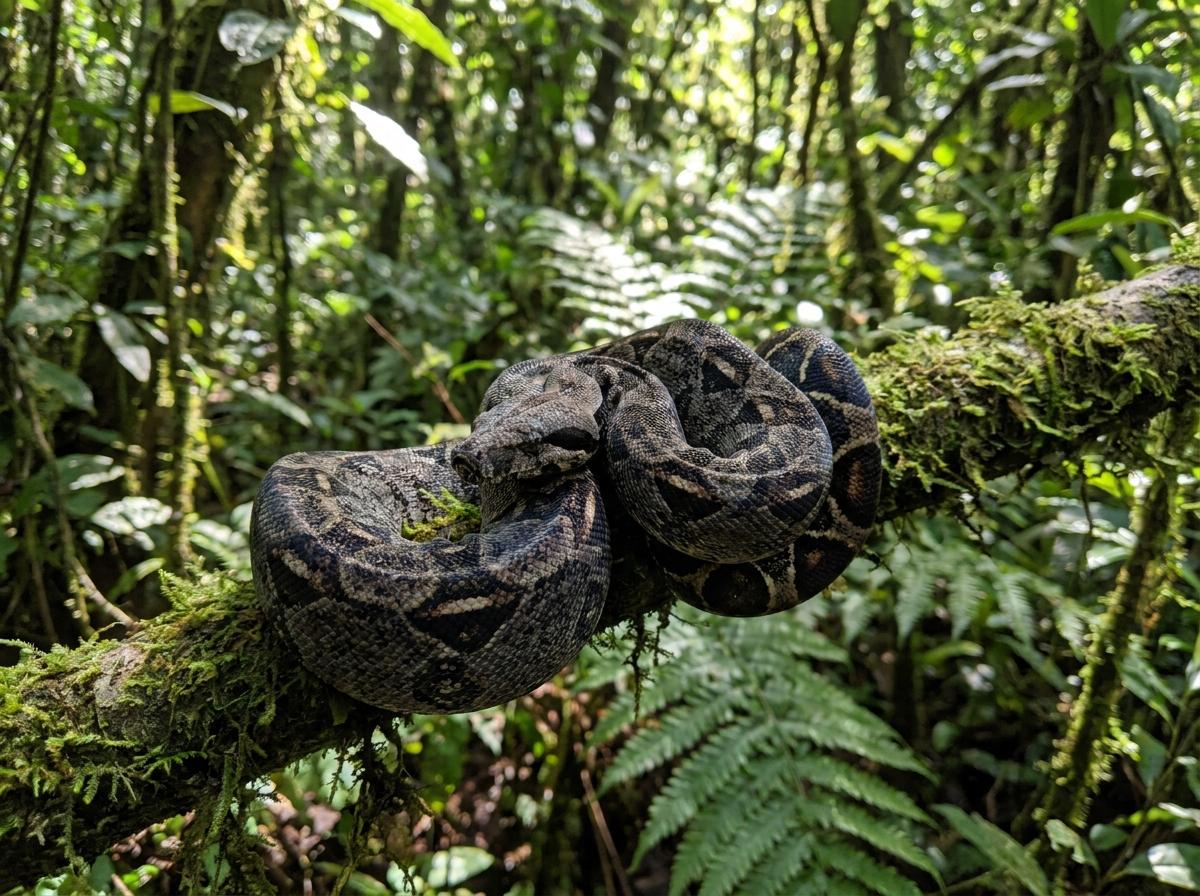
Anery
Morph
Author: Elliott Garber, DVM · Published
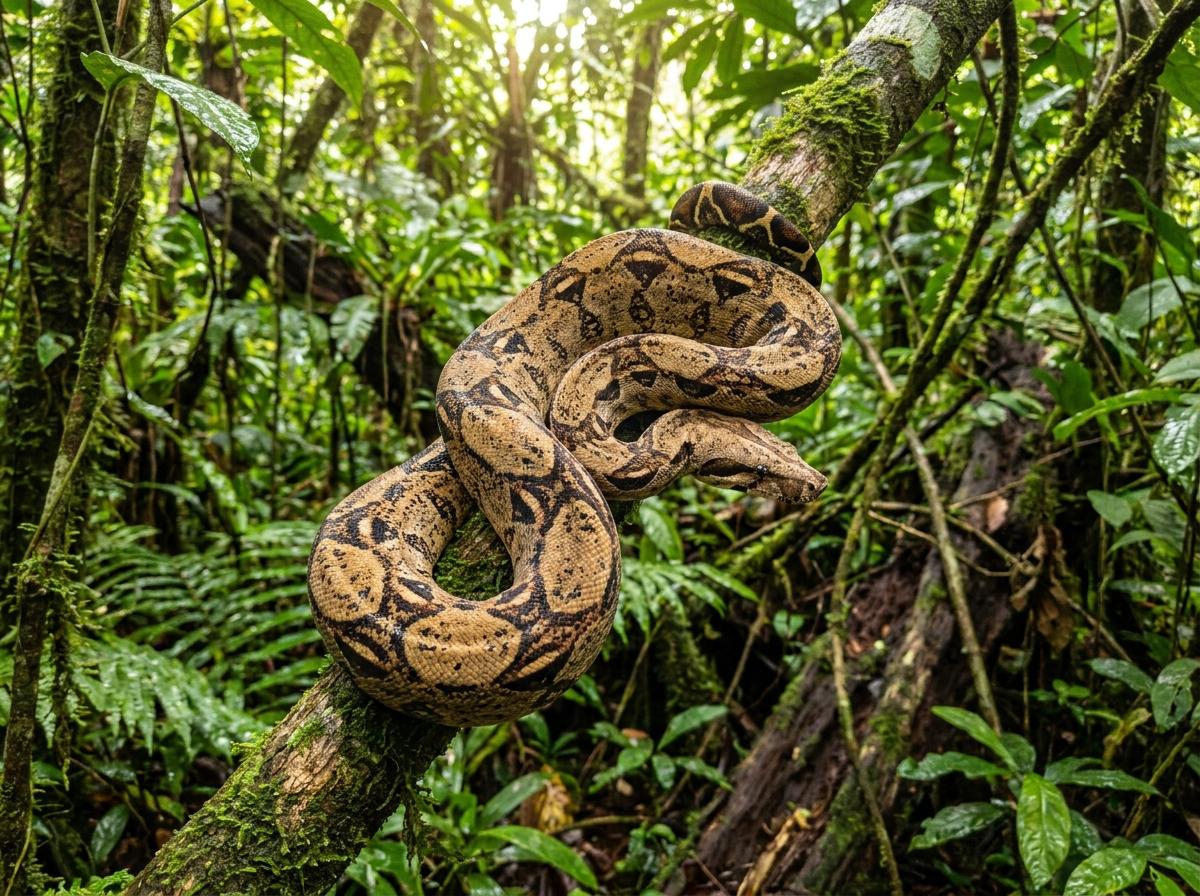
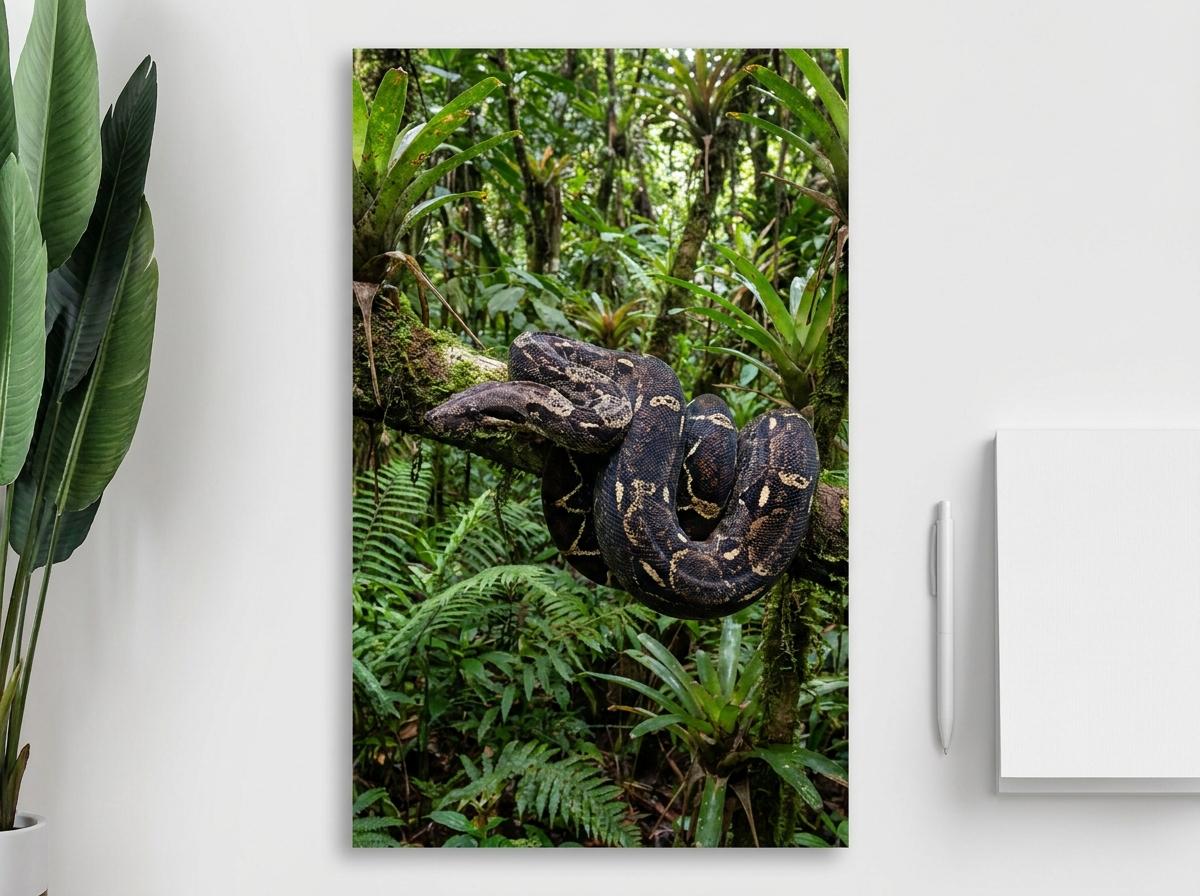
An anery boa is a boa constrictor that cannot make red pigment. “Anery” is short for anerythristic, which means “without red,” and the gene behind it is recessive, so a snake needs two copies to show it. Take away a normal boa’s reds and red-browns and what is left is a gray, silver, white, and black snake whose tail saddles are black or charcoal instead of red-brown, with ordinary dark eyes. It is a color morph, not a separate species, so an anery grows as large, lives as long, and needs the same big, warm, secure enclosure as any other boa.
This guide explains what the word means, why breeders talk about Type 1 and Type 2 aneries (and why the two do not mix), how anery builds the snow, ghost, and moonglow boas, what to check before you buy one, and what an adult boa needs. Creatures has no anery boa listings right now, so the easiest way to hear about one is a free anery boa listing alert. Boa breeders can also list their programs in the Creatures breeder directory, which has no boa breeders on it yet.

| What it is | A color morph of the boa constrictor that makes no red pigment |
|---|---|
| Inheritance | Recessive (two copies needed); breeders work at least two different anery genes, Type 1 and Type 2, which do not produce aneries when crossed |
| Look | Gray, silver, white, and black; black to charcoal tail saddles instead of red-brown; normal dark eyes |
| Built on it | Snow (anery plus albino), ghost (anery plus hypo), moonglow (anery plus albino plus hypo) |
| Adult size | Same as any boa: most adults 2 to 3 m (6.5 to 10 ft), females usually larger; island forms often under 2 m |
| Lifespan | Often 20 years or more in captivity; the recorded captive maximum is 40.4 years |
| Core care | An escape-proof enclosure at least as long as the snake (about 2.5 m by 60 cm by 60 cm, or 8 by 2 by 2 ft, for a 2.5 m adult), thermostat-controlled heat at one end kept out of reach, a hide at each end, a bowl big enough to soak in |
| Legal status | Not a federally listed injurious species in the US; state, county, and city rules vary |
Browse listings, public profiles, breeders, or add your animal.
What “anery” means
Snake color comes from a few kinds of pigment cell. A 2021 review of color aberrations in wild snakes, published in the herpetology journal Salamandra by Claudio Borteiro and colleagues, sums them up: melanophores make the black and brown pigment melanin, and xanthophores and erythrophores hold the yellow and red pigments. The same review defines anerythrism as the lack of red pigment, and keeps it separate from axanthism (the lack of yellow) and amelanism (the lack of melanin).
That is exactly what an anery boa is missing. It still makes melanin, so its pattern stays black and its eyes stay dark. What disappears is the red that normally warms a boa’s background and turns its tail saddles red-brown. An old hobby write-up on a reptile hobby website calls aneries “black albinos” for this reason: their pigment loss is the mirror image of an albino’s. Because yellow is a separate pigment, some aneries keep a faint yellow or tan wash rather than looking pure gray.
Three terms get mixed up constantly, so here they are side by side:
- Anery (anerythristic): no red. Black pattern, dark eyes. A gray-and-black boa.
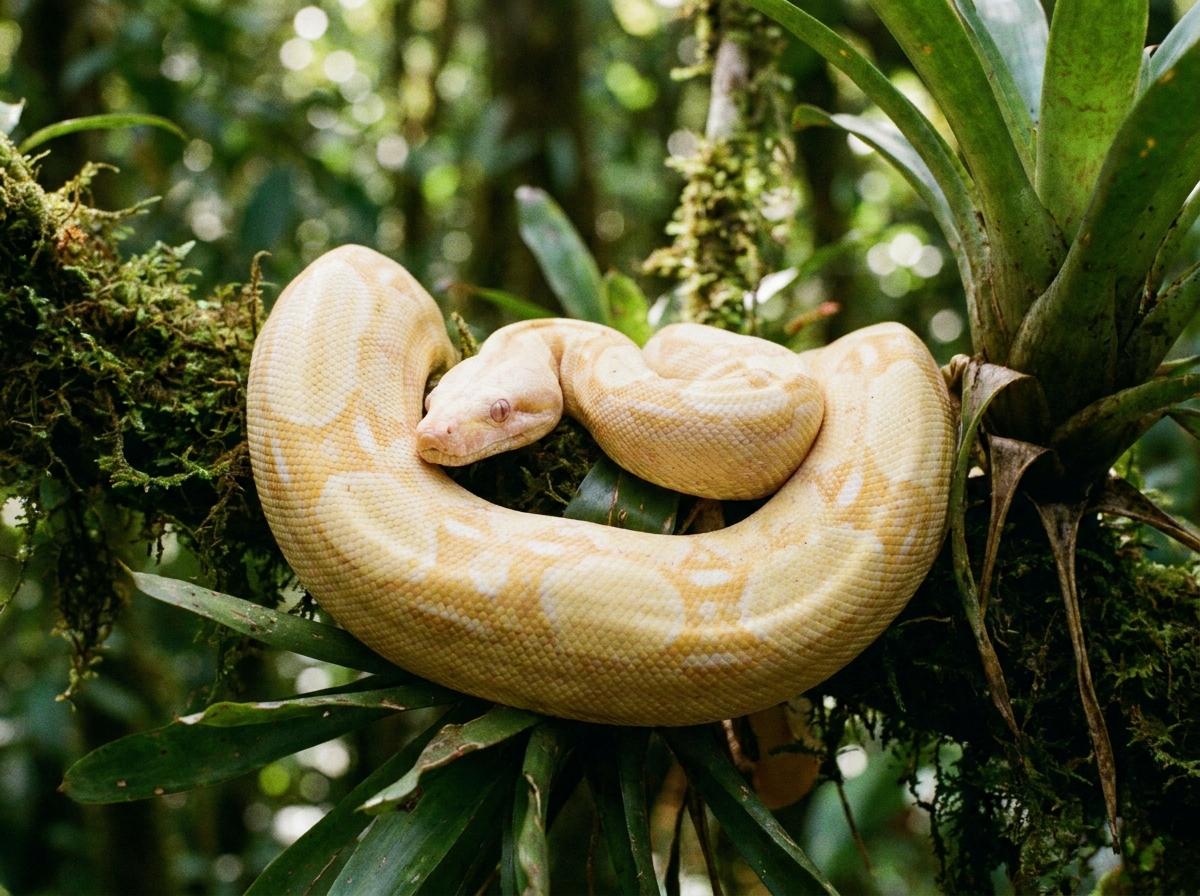
- Albino: no melanin. No black anywhere, pink to red eyes. In boas these snakes are cream, yellow, and orange, like the albino boa.
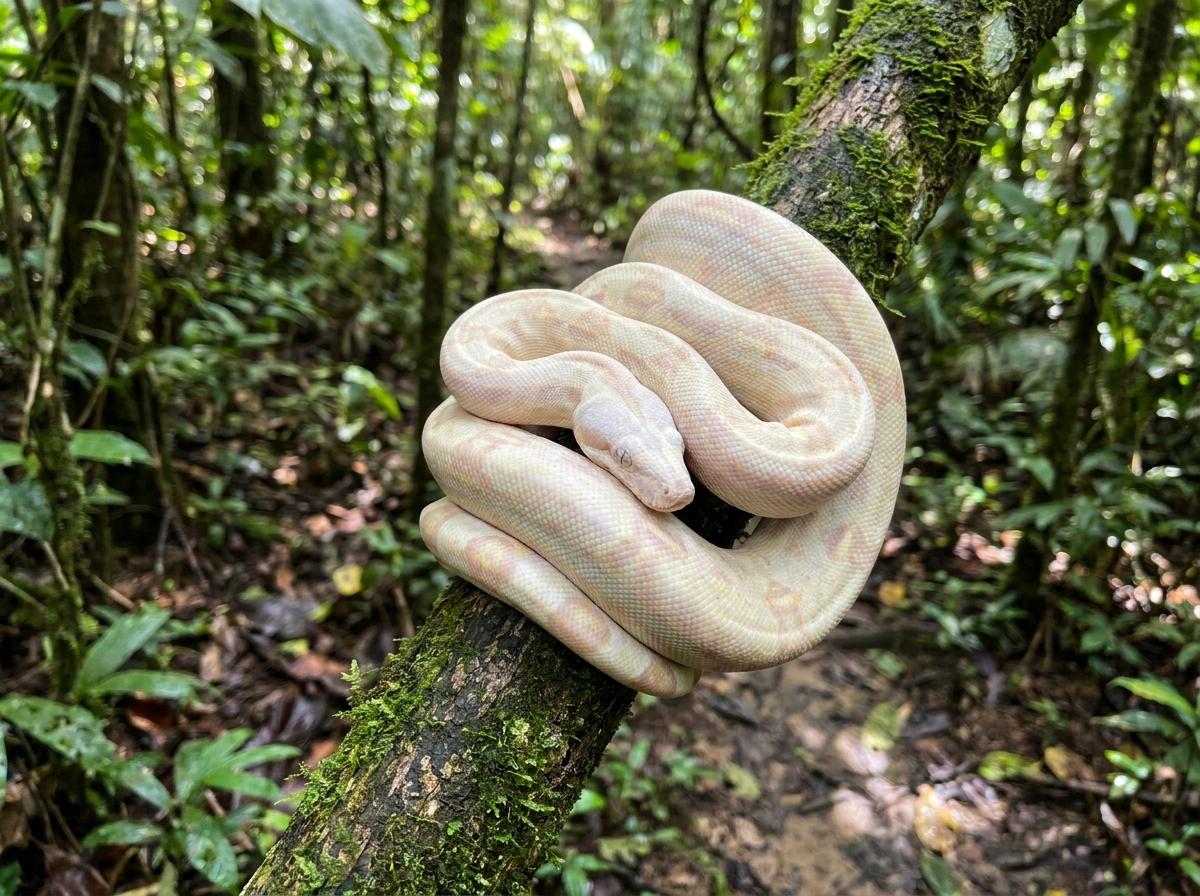
- Leucistic: a white, largely patternless snake. The color cells are missing from the skin, but the pigment layer at the back of the eye develops separately, so a leucistic snake’s eyes are never albino pink; Borteiro and colleagues note they can be blue. The blue-eyed leucistic ball python is a leucistic morph of another species, and its genetics have nothing to do with anery.
Anerythristic snakes are rare in the wild. The Borteiro review found only two wild Neotropical examples in the literature, a coral snake and an annulated tree boa, both lacking only red. Captive anery lines trace back in part to imported and wild-caught boas, as the Type 1 and Type 2 histories below show.
“Anery” is a trade word, and no registry or governing body standardizes boa morph names. The word also turns up in other species. The anery corn snake is a different gene in a different species, so nothing about corn snake anery inheritance carries over to boas.
How anery is inherited
Anery behaves as a simple recessive trait in boas, according to that hobby write-up and to breeders who have worked the gene for decades. The NIH’s National Human Genome Research Institute defines a recessive trait as one where both copies of a gene must carry the change for the trait to show. A boa with one anery copy looks completely normal; the hobby calls it “het anery,” short for heterozygous, which NHGRI’s heterozygous entry defines as carrying two different versions of a gene. A boa with two copies is a visual anery.
As far as we could find, no published study has identified the mutation behind boa anerythrism. The inheritance pattern comes from breeding records rather than molecular genetics, so treat it as well-tested breeder knowledge.
The odds below are simple Mendelian averages for one recessive gene, assuming both parents carry the same anery type. Boa litters average about 25 babies, so any one litter can land well off these numbers.
- Anery x normal (no anery gene): no aneries. Every baby is a normal-looking 100% het anery.
- Anery x het anery: about half aneries, half 100% het anery.
- Het anery x het anery: about a quarter aneries. The normal-looking siblings are sold as “66% possible het anery,” because two out of three of them are expected to carry the gene. Nobody can tell which ones by looking.
- Anery x anery: every baby is an anery.
A “possible het” is a probability, not a fact. It is proven only when the snake produces aneries, which in boas takes years: the veterinarian-written care sheet cited below puts sexual maturity at three to five years.
Type 1, Type 2, and other anery lines
Boa breeders work with more than one anery gene, and this is the part that trips up buyers.
Type 1 is the anery most people mean. Its history is poorly documented. The same hobby write-up says anery boas were imported to the US regularly, that some turned up from normal-looking parents, that more than one Type 1 strain may exist, and that breeders see both a silver and a brownish form.
Type 2 is a separate gene, by breeders’ accounts. Vin Russo, a long-time boa breeder and author of boa husbandry books, describes it as the less common type, started from wild-caught Nicaraguan boas that were almost jet black with dark eyes, and refers to it as his “black tail” Type 2 anery. He reports testing it by breeding a Type 2 anery to a hypo Nicaraguan boa that carried Type 1: the litter contained no aneries at all. Christopher Gilbert’s boa morph reference credits two breeders, Russo among them, with the breeding trials behind that conclusion. It adds a caution: Type 2 is usually of Nicaraguan origin, but Type 1 Nicaraguan boas exist too, so “Central American anery” does not automatically mean Type 2.
In plain terms:
- Type 1 x Type 2: no aneries. The babies look normal and each carries one copy of each gene.
- To make visual aneries, both parents must carry the same type.
You will also see names like “black-eyed anery” and “carbon” in listings. These are hobby names for other anery lines, and how they relate to Type 1, Type 2, and each other is argued about on breeder forums. Treat them as questions for the breeder: which gene, and how was it proven?
Anery in snow, ghost, and moonglow boas
Anery matters to breeders mostly because so many popular combinations are built on it.
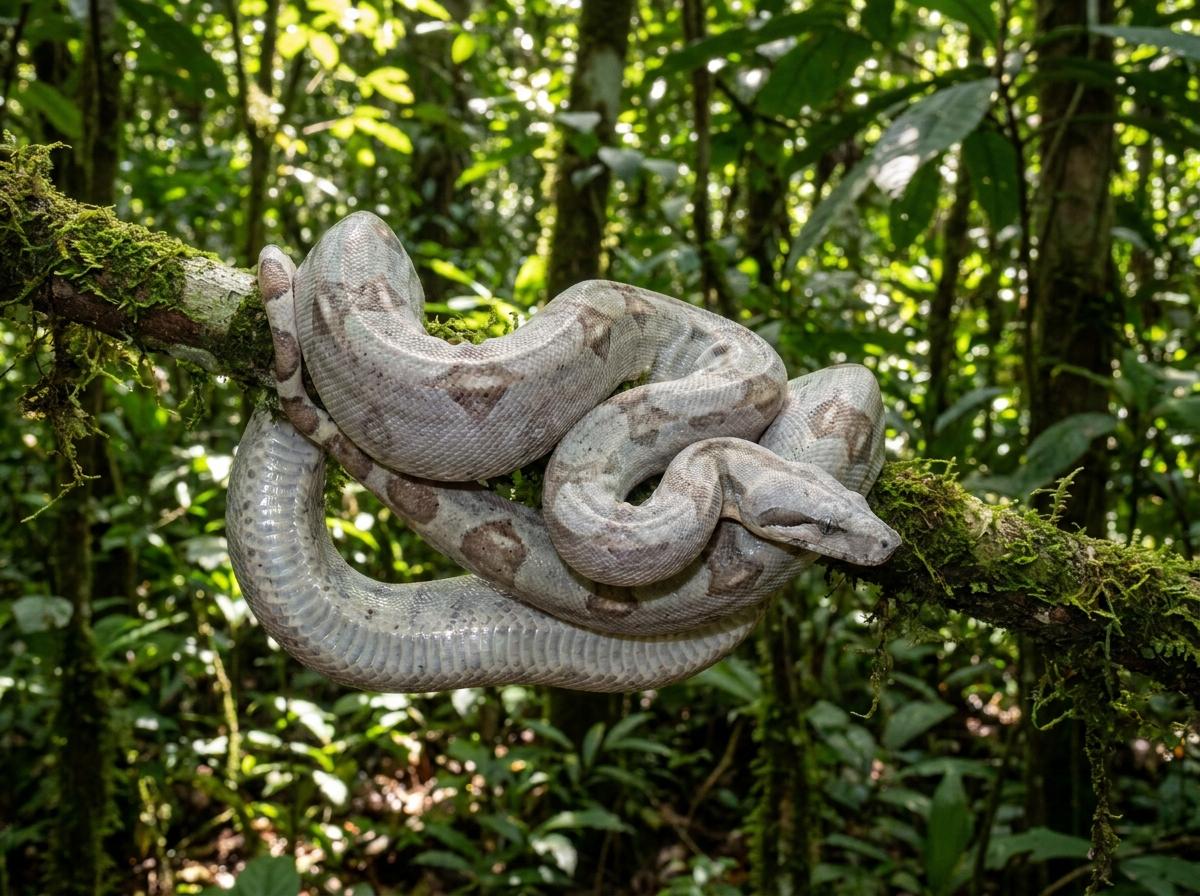
Snow (anery plus albino). Pete Kahl, whose albino line produced the first captive-born albino boas in 1992 by his own account, wrote that he produced the first snow boa in the 1996 breeding season after pairing an albino male with an anery female five years earlier. Their babies looked normal but carried both genes. Bred together, two of those double hets give, on average, 9 normal-looking babies in 16, 3 albinos, 3 aneries, and 1 snow, which is the textbook ratio for two unrelated recessive genes. Kahl described the snow as whiter than an albino, with a faint lavender pattern at birth. Because albino removes the black that anery leaves behind, a snow boa has pink to red albino eyes.
There is a catch with Type 2. Gilbert’s reference reports that Type 2 anery and the Kahl albino cannot be combined in one visual snake, and that a Type 2 snow is made with the Sharp albino instead. That is breeder-reported, not published genetics, but it is one more reason to know which anery and which albino line a snake carries before you plan a pairing.
Ghost (anery plus hypo). Hypo (hypomelanistic) reduces black pigment. Russo describes the ghost boa as the combination of hypo and anery, and reports that hypo in his boas behaves as incomplete dominant: one copy shows, and two copies make a “super hypo.” So the math is different from a pure recessive. An anery bred to a hypo boa that carries no anery gives no ghosts, but about half the babies are hypo het anery. A hypo het anery bred back to an anery gives, on average, a quarter ghosts, a quarter aneries, a quarter hypo het anery, and a quarter normal-looking het anery.
Moonglow (anery plus albino plus hypo). Add hypo to a snow and you get the moonglow boa, usually built on Type 1 anery and Kahl albino. Its orange cousin, the sunglow boa, is albino plus hypo with no anery, which is why it keeps its reds and oranges. For a morph that pushes pigment the other way, adding dark rather than removing color, see the IMG boa guide.
What an anery boa looks like
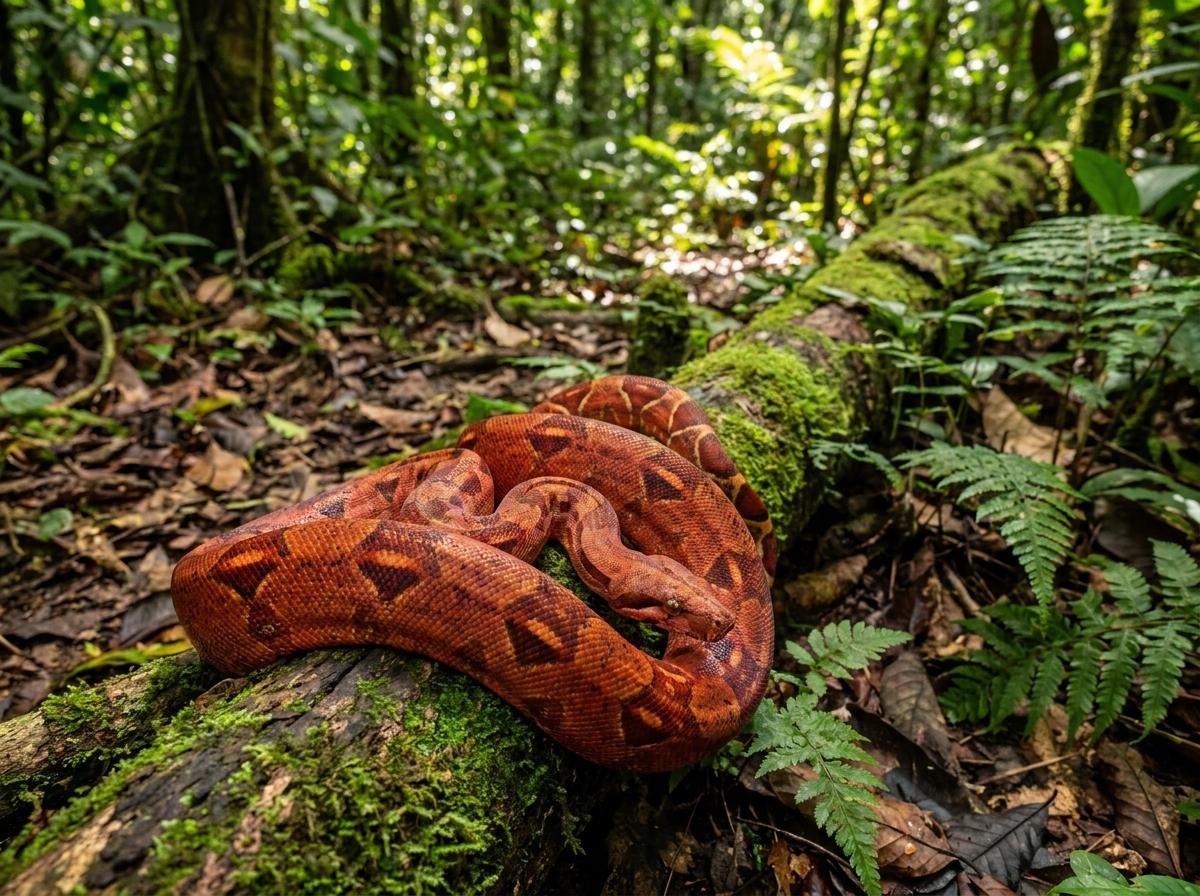
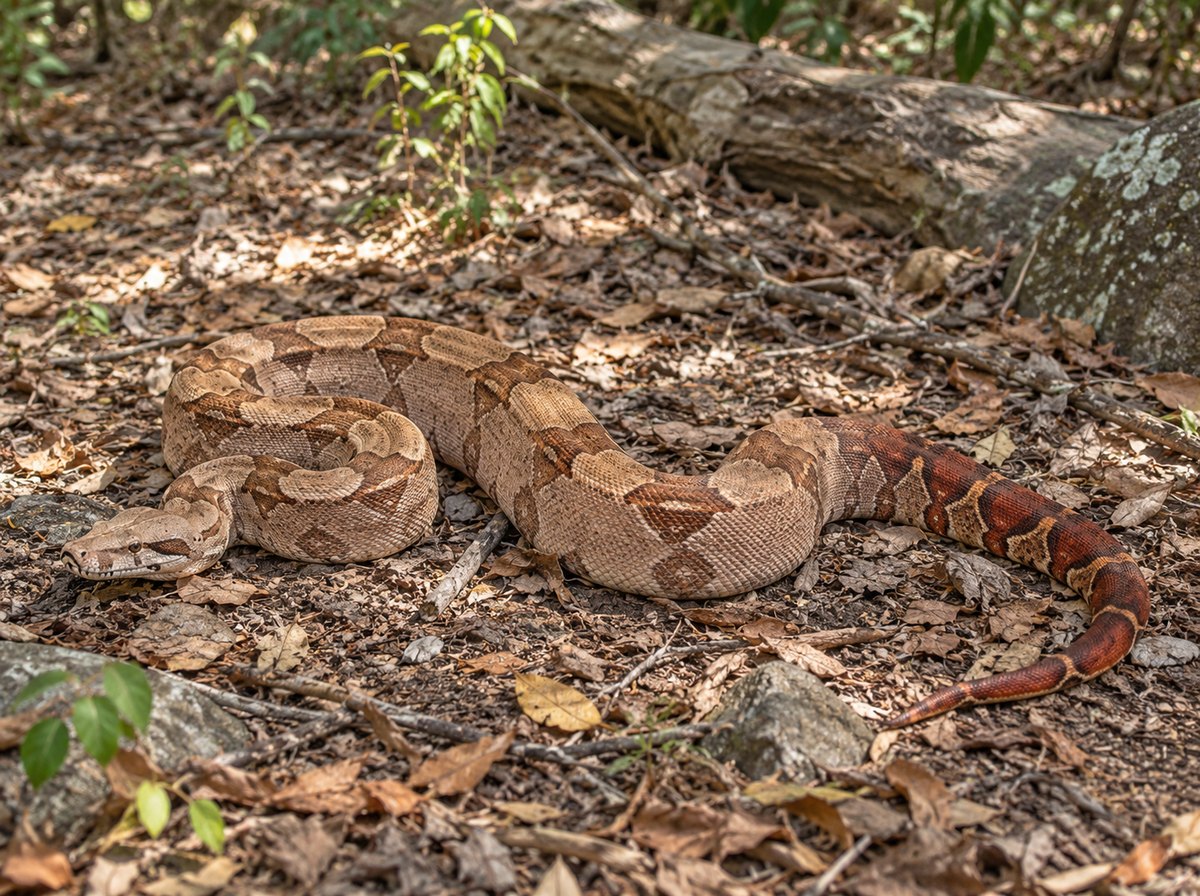
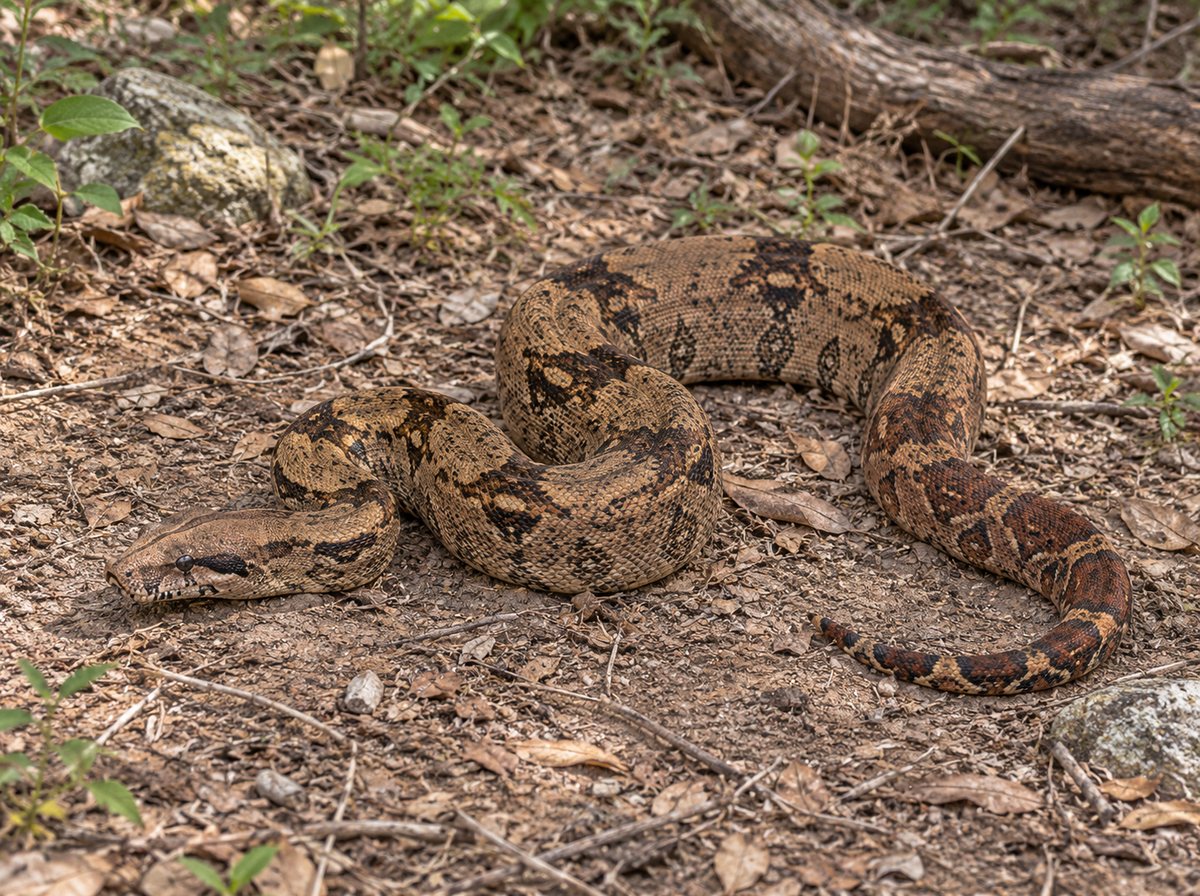
Start with a normal boa. The University of Michigan’s Animal Diversity Web describes a cream or brown background with dark saddle-shaped bands that become more colorful toward the tail, often reddish brown with black or cream edging, rhomboid dark marks along the sides, and three dark head markings: a stripe from the snout to the back of the head, a dark triangle between snout and eye, and a stripe running back and down from the eye toward the jaw.

An anery keeps every one of those markings and loses the warmth. A typical anery shows:
- Background: silver, pale gray, or off-white, sometimes with a faint yellow or tan wash.
- Saddles: charcoal to black saddles down the back, edged in black or pale gray.
- Tail: the clearest tell. Where a normal boa’s tail saddles are red-brown, an anery’s are black or charcoal on a pale gray or white ground.
- Head: gray, with the dark head stripe and eye stripes still in place.
- Eyes: normally pigmented and dark, never the pink or red of an albino or snow.
Type 2 aneries from Russo’s line are described as very dark, close to jet black with dark eyes, so a Type 2 can look quite different from a silvery Type 1.
Color also changes with age. Animal Diversity Web and a Tasmanian government risk assessment for the species both note that young boas tend to be brighter and higher in contrast and that a boa’s color can change gradually over many sheds. With aneries, keep the hobby’s silver and brownish forms in mind: a crisp silver-and-black baby may look softer or browner as an adult. Ask to see both parents, and older siblings if the breeder has them, rather than judging a baby alone.
Easy mistakes when you are looking at photos:
- A dark normal boa, or one photographed in cool light, can read as gray. Look at the tail: any red or red-brown means it is not an anery.
- A ghost (anery plus hypo) is usually paler and softer than a plain anery, because hypo also reduces the black, and a snow or moonglow has pink to red eyes.
Size, lifespan, and temperament
The anery gene changes pigment, not size, growth, or behavior. An anery is a boa constrictor first.
Size. Animal Diversity Web puts most boa constrictors at 2 to 3 m (about 6.5 to 10 ft), with island forms commonly under 2 m, females usually larger than males, and a maximum reported length of slightly over 4 m. The Tasmanian assessment adds that babies are 30 to 60 cm long at birth and that growth generally stops at about three years in males and five years in females. Size depends on the snake’s ancestry, not on anery: island forms commonly stay under 2 m, while most mainland adults reach 2 to 3 m. Plan for a large female until you know the line.
Which species? Listings call these snakes boa constrictors, “BCI,” “red-tailed boas,” or Central American boas, and taxonomy is part of the reason. The Reptile Database lists the Central American boa as its own species, Boa imperator, while its Boa constrictor entry restricts the nominate red-tailed boa constrictor to South America. Many captive aneries, including the Nicaraguan lines above, are Central American boas or of mixed ancestry. An “anery red tail boa” is a trade name, not a contradiction: the snake is a red-tailed boa by name and an anery by gene, so its tail is gray and black. Care is the same.
Lifespan. Animal Diversity Web estimates that wild boas average around 20 years and that captive boas tend to live longer, sometimes by 10 to 15 years. The Tasmanian assessment cites a recorded captive maximum of 40.4 years. An anery is a commitment of two decades or more.
Temperament. Captive-bred boas are often described as calm once settled, but individuals vary and they are powerful snakes with many small hooked teeth. The Tasmanian assessment, summarizing published sources, notes that bites from boas under about 1.5 m are generally about as serious as a cat scratch, while bites from larger snakes can need stitches if the skin tears. Handle calmly, never right after a feed, and have a second adult present for a large boa. Supervise children closely around any big snake.
Housing an anery boa
Creatures has no separate boa care guide yet, so here is the short, sourced version. A baby that fits in a small tub now keeps growing for three to five years, so plan the adult enclosure before you buy.

Size. A 2021 review of snake housing recommendations in the journal Animals (Warwick and colleagues) found that advice to keep snakes in enclosures shorter than their own length rests on decades-old rules of thumb with no scientific support, and concluded that an enclosure the snake can fully stretch out in is an absolute minimum. A boa care sheet by Robert Nathan, DVM, provided by the Association of Reptile and Amphibian Veterinarians and hosted on an exotic-animal hospital’s website (the “ARAV care sheet” below), recommends at least 1.8 m long, 61 cm wide, and 61 cm high (6 by 2 by 2 ft) for adults, and at least 61 cm (24 in) long for juveniles. The Merck Veterinary Manual’s reptile husbandry chapter sets a minimum floor area of 0.6 square meters per meter of snake for boas and pythons, so a 2.5 m (about 8 ft) female needs at least 1.5 square meters (about 16 square feet), for example an enclosure 2.5 m long and 60 cm deep. So treat the care sheet’s 6 by 2 by 2 ft as a minimum only for a smaller adult, up to about 1.8 m (6 ft). An average 2 to 3 m adult needs an enclosure at least as long as the snake, roughly 2 to 3 m (about 7 to 10 ft) long, with the floor area Merck’s rule gives: about 2.5 m by 60 cm by 60 cm (8 by 2 by 2 ft) for a 2.5 m snake, and bigger whenever you can.
Construction and security. Merck notes that glass aquaria are poor insulators, that being on view can stress the animal, and that ventilation can be badly hampered even when the whole top is mesh; it calls wood, plastic, and fiberglass enclosures preferable. Boas are strong and persistent, so use locking doors or clips and a solid or securely fastened top, with no gaps around cords or vents.
Heat. Merck lists the boa constrictor’s preferred optimal temperature zone as 28 to 31 C (82 to 88 F). The ARAV care sheet gives a daytime range of 27 to 29 C (80 to 85 F), a basking spot up to 35 C (95 F), and nighttime lows of 21 to 27 C (70 to 80 F). Put the heat at one end so the snake can choose its temperature along a gradient. Merck says heaters should be thermostat controlled, screened from the animal, and positioned toward one end, and that “hot rocks” frequently burn larger reptiles. The ARAV care sheet recommends thermostat-controlled heat mats under no more than 25 to 30 percent of the floor. For overhead heat, Merck’s pet-owner housing chapter says lamps, ceramic emitters and infrared heaters should be guarded from contact and placed more than 18 inches (45 cm) above the substrate, and that infrared panels can be fixed to the roof of the enclosure. In a 2 ft (61 cm) tall enclosure, only a radiant panel fitted flush to the ceiling, over a shallow layer of substrate, keeps that distance. Keep a thermometer at each end.
Humidity. Merck’s table lists 70 to 95 percent relative humidity for the species, while the ARAV care sheet recommends at least 50 to 70 percent and a hide box with moistened sphagnum moss as a humid retreat. Use a hygrometer rather than guessing, raise humidity if sheds come off in pieces, and avoid a constantly soaked, dirty substrate.
Furnishings and substrate. Merck calls for a water bowl large enough for the reptile to bathe in and a choice of retreats. Give at least two hides, one at the warm end and one at the cool end, so the snake never has to choose between feeling secure and being at the right temperature, plus a sturdy branch or shelf (young boas climb), placed away from the heat source. The ARAV care sheet prefers newspaper or butcher paper because it is cheap, easy to change, and shows the droppings; it allows mulch and wood shavings but warns they can be swallowed during feeding. Merck advises against gravel and pebbles for terrestrial reptiles because they are hard to clean and often swallowed. Whatever you choose, offer food with long tongs over a clear patch or a flat tile, never by hand.
One snake per enclosure. The ARAV care sheet says boas should be housed individually except during breeding, and Merck notes that most nonbreeding pet snakes do best kept singly because feeding injuries are common in groups.
Feeding
Boas eat whole prey. Merck advises against feeding live rodents because of the risk of injury to the snake and the welfare cost to the prey, and recommends prey that is freshly killed or frozen, thawed, and warmed. The ARAV care sheet recommends prey no larger than the snake’s girth at mid-body, weekly meals for juveniles, and every 10 to 14 days for adults, with frozen prey used within six months.
Feed to body condition rather than to a fixed chart, and ask a reptile vet whether your boa is too thin or too heavy. The ARAV care sheet lists inadequate temperature, excessive feeding, and handling after feeding as common causes of regurgitation; ongoing refusal, weight loss, or repeated regurgitation is a reason to see a vet.
Logging every feed and shed makes these patterns visible. On Creatures, reptile profiles include Feeding and Shed record types, and our ball python feeding and shed log guide shows how to record the events without guessing at causes; the same approach works for a boa.
Health
We found no published evidence that the anery gene itself causes a health problem. The issues that matter are the ones every boa can have, and a reptile-experienced vet should make every medical call; if you do not have one yet, our guide to finding a reptile vet before you need one walks through the search.
Inclusion body disease. The Merck Veterinary Manual’s chapter on viral diseases of reptiles describes inclusion body disease (IBD), now confirmed to be caused by a reptarenavirus, as a disease of boas and pythons. Boas can carry the virus for months to years with few or no signs. Early signs include poor condition, appetite loss, weight loss, bad sheds, and regurgitation; Merck says IBD should be considered in every sick boa. Breeding, fight wounds, fecal contamination, and snake mites have been implicated in spreading it, the disease is not curable, and Merck stresses that infected snakes and their offspring should not be sold, because that trade has spread IBD worldwide. Diagnosis needs a vet: blood smear findings, then PCR testing and tissue biopsy to confirm.
Quarantine. Merck and the ARAV care sheet both recommend a quarantine of three to six months for any new reptile, kept well away from the rest of your collection.
Everyday checks. The ARAV care sheet calls respiratory disease very common in captive boas (difficulty breathing, mouth discharge, wheezing) and snake mites common external parasites that also spread IBD. Watch for both, and for retained shed and weight changes. Merck also encourages keepers to keep detailed records of husbandry changes, breeding, new animals, and health problems, which is exactly what a vet will ask for.
Buying an anery boa
Anery has been worked in boas for decades and sits inside many combination morphs, so Type 1 aneries are the type you will meet most often; Russo describes Type 2 as the less common one, and the other named lines are scarcer still. There is no reliable public price index for boa morphs. Price depends on the anery type and how it was proven, the other genes the snake carries (a het albino or a hypo adds breeding value), sex, size, and the breeder’s records. Expect the adult enclosure, heating, and first vet visit to be a large part of your first-year budget whatever the snake costs. Breeders, reptile expos, and online marketplaces, including Creatures, are the usual places to buy.

Because anery can be carried invisibly and more than one anery gene exists, a listing is only as good as the records behind it. Ask for:
- The anery type. Type 1, Type 2, or another named line, and how the breeder knows. If you plan to breed, this decides which aneries your snake can be paired with.
- Parents and their genetics. Photos of both parents and their stated genes. A visual anery from a het x het pairing should come from two parents that both carry the same type.
- Het status, stated precisely. Every normal-looking baby from a visual anery parent is 100% het for that parent’s anery type (an anery baby from the same pairing carries two copies). “66% possible het” and “50% possible het” are probabilities, and a possible het is unproven until it produces aneries.
- Other genes. Het albino (which line, Kahl or Sharp?), hypo or super hypo (hypo shows with one copy), and anything else, since these decide whether a snow, ghost, or moonglow is possible later.
- Birth date, feeding record, and sheds. A young boa should be eating frozen-thawed prey reliably before it goes home. Ask how many meals it has taken and what size.
- Health and quarantine practices. Mite control, quarantine of new animals, and any IBD testing in the collection.
- Who produced it. A snake resold several times can lose its paperwork. Buying close to the source gives you the best chance of accurate genetics.
Written records are what make those answers trustworthy. A breeder who keeps each snake’s sire, dam, litter, and genetics on a profile can hand them over with the animal, and the buyer can keep them going with feeds, sheds, weights, vet visits, and eventually the snake’s own litters. On Creatures, every animal profile has a Pedigree tab where you can link the sire and dam (including “reference” profiles for parents you do not own; see pedigree, family, and lineage), and records travel with the snake when ownership is transferred to the new keeper.
Is it legal to keep a boa constrictor?
At the US federal level, the boa constrictor is not listed as injurious wildlife. When the US Fish and Wildlife Service listed the reticulated python and three anaconda species as injurious in March 2015, it said it had removed the boa constrictor from consideration, because widespread private ownership and domestic breeding would make import and interstate transport bans less effective. That federal decision does not settle the question where you live. Some states, counties, cities, landlords, and homeowner associations restrict large constricting snakes or require permits, and the rules change. Check with your state wildlife agency and local government before you buy, and keep any permit with the snake’s records.
Internationally, boa constrictors are covered by CITES, the treaty on trade in wild species: the Tasmanian assessment notes the species is listed in Appendix II and the Argentine boa (Boa constrictor occidentalis) in the stricter Appendix I. That mostly matters for moving snakes across borders, which needs the right permits, and other countries’ own rules differ widely.
Is an anery boa right for you?
- You can house a 2 to 3 m snake for 20 years or more, in an enclosure at least as long as it is.
- You are comfortable feeding whole frozen-thawed rodents, and later larger prey, and have freezer space for them.
- You have a reptile vet within reach and money set aside for checkups and problems.
- You can keep the setup safe: a locked enclosure, guarded thermostat-controlled heat, and a second adult around for handling a big snake.
- Your local rules allow it and your household is on board.
If you already keep one and are naming it, the free snake name generator is a quick place to start. If the adult size is too much, remember that no color morph makes a boa smaller.
Frequently asked questions
What does anery mean?
Anery is short for anerythristic, “without red.” An anery boa makes no red pigment, so it is gray, silver, white, and black, with black tail saddles instead of red-brown ones.
Is an anery boa the same as a snow boa?
No. A snow is anery plus albino. An anery keeps its black pattern and dark eyes; a snow has lost both red and black, so it is mostly white with a faint pattern and pink to red eyes.
Do anery boas have red eyes?
No. Anery does not affect melanin, so an anery’s eyes are normally pigmented and dark. Pink or red eyes mean the snake also carries albino.
What is the difference between Type 1 and Type 2 anery boas?
Breeders treat them as two different recessive genes, based on test breedings rather than published genetics. Type 1 is the common one; Type 2 is scarcer, usually traced to Nicaraguan boas, and often very dark. A Type 1 bred to a Type 2 produces no aneries, only normal-looking babies that carry both genes.
Is a boa anery the same gene as a corn snake anery?
No. They are different genes in different species. The anery corn snake page covers that one.
How big do anery boas get?
The same as any boa constrictor: most adults are 2 to 3 m (6.5 to 10 ft), females are usually larger, and island lines stay smaller. The morph does not change size.
Do anery boas change color as they grow?
Often a little. Young boas tend to have more contrast, and a boa’s color can shift gradually over many sheds, so a silver baby may look softer or browner as an adult. Look at the parents to see where a line ends up.
Do this next on Creatures
Whether you are still learning the genetics, waiting for the right snake, or already keeping an anery, Creatures keeps the listings, breeders, lineage, and records in one place.
Get listing alerts. There are no anery boa listings on Creatures right now. Set a free anery boa listing alert and we will email you about new matching listings. No account needed to start. See saving searches and using your watchlist.
Look around. Check anery boa listings on the marketplace and the Creatures breeder directory. The marketplace has no anery boas listed yet and the directory has no boa breeders yet, which is why the alert comes first; when a breeder does appear, ask which anery type they work with.
Add your snake. Already have one? Create a free profile for your anery boa, no account needed to start, and link its sire and dam on the Pedigree tab. The walkthrough is in adding an animal to Creatures, and your animal’s profile page explains each tab.
Keep the records. Add feeding, shed, weight, and vet records so problems show up as a trend. The record sheet opens for any visitor, and a free account saves what you enter. See adding a record and health and medical records, and set feeding days as repeating reminders with reminders and upcoming care.
Breed boas? Create your breeding operation’s profile, no account needed to start, then get listed in the breeder directory so buyers looking for a documented Type 1 or Type 2 line can find you.
Compare the morphs. Read the moonglow boa guide, the sunglow boa guide, and the IMG boa guide, or start from the boa constrictor species page.