
Author: Elliott Garber, DVM · Updated
Selling Genetics, Not Just Cattle
Selling breeding stock is fundamentally different from selling commercial cattle. When you sell a feeder calf, you are selling pounds of beef at a market-determined price. When you sell a registered bull, a bred heifer, or a proven cow, you are selling genetics, performance data, and the reputation of your program. The buyer is not just purchasing an animal; they are investing in what that animal will produce for years to come.
This distinction changes everything about how you market, price, present, and deliver seedstock. The buyers are more sophisticated, the transaction values are higher, the sales cycle is longer, and your reputation is your most valuable asset. A commercial calf buyer checks the scale. A breeding stock buyer checks your EPDs, your show record, your herd health program, and what your neighbors say about you.
To reach serious buyers looking for quality genetics, list on the Creatures marketplace and create a profile for your animals with complete pedigree and performance data.
This guide covers how to build a seedstock marketing program from the ground up: identifying what to sell, pricing strategies, presentation and photography, sales channels, and the long-term reputation management that separates successful breeding programs from those that fold within five years.
What Makes Breeding Stock Valuable
Genetics and Performance Data
The foundation of breeding stock value is documented genetics. Registration papers prove pedigree. Expected Progeny Differences (EPDs) quantify the animal’s genetic potential for economically relevant traits (birth weight, weaning weight, milk, marbling, ribeye area, and dozens more). Genomic-enhanced EPDs, derived from DNA testing, add precision to these predictions.
Buyers of breeding stock make decisions based on data. A bull with a Calving Ease Direct EPD in the top 10 percent of the breed is worth more than a bull with average calving ease, because the buyer can predict fewer calving difficulties in his herd. A cow with a Weaning Weight EPD in the top 25 percent will produce heavier calves that bring more money at sale.
If you are not collecting performance data, submitting it to your breed association, and generating EPDs for your animals, you are leaving money on the table. Buyers who pay premium prices for breeding stock expect data. Animals without data sell at a discount regardless of their actual genetic merit, because the buyer has no way to quantify the value.
Health Program
A documented health program adds value and reduces buyer risk. At minimum, breeding stock should be sold with:
- Current vaccinations appropriate to the animal’s age and sex
- Negative test results for diseases relevant to breeding soundness (BVD-PI, trichomoniasis for bulls, Johne’s where applicable)
- Breeding soundness examination (BSE) for bulls within 60 days of sale
- Pregnancy confirmation for bred females (ultrasound or palpation by a veterinarian, with estimated due date)
- Parasite management documentation
Buyers pay more for cattle that arrive with complete health documentation because it reduces their risk and eliminates the cost and delay of testing on arrival.
Phenotype and Presentation
Data matters, but so does how the animal looks. Breeding stock buyers evaluate phenotype (the animal’s physical appearance and structural correctness) alongside genetic data. An animal with excellent EPDs but poor feet, a rough topline, or bad disposition will sell for less than an animal with the same EPDs that looks the part.
Show ring success validates phenotype in a way that photos alone cannot. A bull that placed well at a breed show has been evaluated by an experienced judge against his contemporaries. That placement carries weight with buyers who understand what it means.
Identifying Your Market
Commercial Bull Buyers
The largest market for seedstock bulls is commercial cow-calf operations looking for herd sires. These buyers prioritize calving ease, growth, and maternal traits. They want bulls that are easy to manage, structurally sound, and backed by data showing they will improve the buyer’s calf crop.
Most bulls are sold to buyers relatively close to home. Commercial bull buyers prefer to see the bull in person, evaluate his disposition, and assess him on the seller’s farm. Local and regional marketing is critical for bull sales.
Registered Breeders
Breeders buying registered females or herd sire prospects are your most data-driven buyers. They evaluate pedigree depth, EPD profiles, genomic data, and how the animal complements their existing genetics. These buyers shop nationally and are willing to pay for transport to access the right genetics.
Marketing to registered breeders requires participation in the breed community: attending shows, advertising in breed publications, maintaining an active presence on breed association platforms, and building relationships over years. A new seedstock operation cannot expect to sell to top breeders immediately. Reputation takes time.
Small and Beginning Operations
An underserved market for many seedstock producers is small operations and first-time buyers looking for starter herds, family cows, or a few head to stock a hobby farm. These buyers may be less focused on EPDs and more focused on disposition, breed character, and the seller’s willingness to educate and support them after the sale.
Reaching this market often requires different channels than reaching established breeders. Online marketplaces, social media, and general livestock publications reach buyers who may not attend breed association events or read breed-specific magazines.
Pricing Breeding Stock
Factors That Drive Price
Breeding stock pricing reflects multiple factors beyond the animal’s weight:
- Genetics: Animals from high-demand sires, with strong EPD profiles, or with rare genetics command premiums
- Age and productivity: Young, proven cows with several productive years ahead are worth more than aged cows near the end of their productive life
- Reproductive status: Bred females sell for more than open females. The closer to calving, the higher the premium (the buyer is purchasing a calf along with the cow)
- Health documentation: Complete records add $200 to $500 or more per head in buyer confidence
- Show record: Winners and progeny of winners command measurable premiums
- Seller reputation: Established programs with a track record of customer satisfaction can price above new programs
Pricing Methods
Our pricing guide covers the fundamentals. For breeding stock specifically:
- Comparable sales: Research recent sale prices for similar animals through breed association sale reports, online marketplace listings, and auction results. This is the most reliable pricing anchor.
- Production value: Calculate what the animal will produce for the buyer over its productive life. A cow that produces a $2,000 calf annually for 8 years generates $16,000 in gross revenue. The purchase price should reflect a reasonable fraction of that lifetime production value.
- Replacement cost: What would it cost the buyer to develop an equivalent animal from scratch? Raising a heifer from birth to breeding age costs $1,500 to $3,000 in most operations. A proven cow with known production is worth more than the cost of developing an unproven replacement.
Avoiding the Race to the Bottom
New seedstock producers often underprice their animals to generate initial sales. This can backfire. Low prices signal low quality to serious buyers. It is better to price competitively based on comparable sales and invest the difference in better presentation, documentation, and customer service. A buyer who pays a fair price and receives an excellent animal with complete documentation becomes a repeat customer and a referral source. A buyer who gets a cheap animal with no paperwork tells no one.
Create a free Creatures account to showcase your breeding program and build a reputation that attracts repeat buyers.
Presentation and Photography
Professional Photos Matter
For online sales and catalog listings, photos are your primary sales tool. A poorly lit cell phone photo of a muddy cow in a corner of the barn does not sell breeding stock. Professional-quality photos do not require a professional photographer, but they do require attention to technique.
Photography guidelines:
- Angle: Shoot from the point of the shoulder at the animal’s eye level. This is the standard livestock photography angle used in catalogs and breed publications.
- Lens: A 75mm to 105mm focal length (or equivalent zoom) provides proper perspective without distortion. Wide-angle lenses make animals look oddly proportioned.
- Background: A clean, uncluttered background (mowed pasture, solid fence, neutral wall) keeps the focus on the animal. Avoid busy backgrounds with equipment, other animals, or trash.
- Lighting: Overcast days provide even lighting without harsh shadows. If shooting in sun, position the animal so light falls evenly across the body. Avoid direct overhead noon sun.
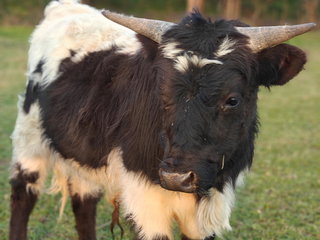
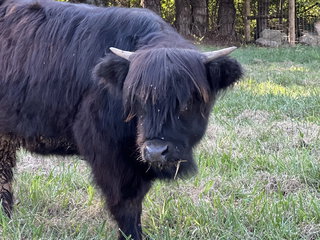
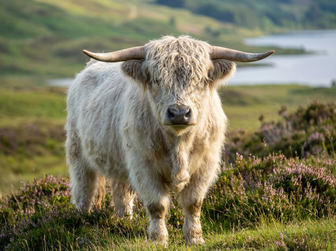
- Preparation: The animal should be clean, groomed, and standing squarely. For breeds that are fitted, full show preparation makes the best photos. For breeds shown naturally (like highland cattle), a clean, well-brushed coat is appropriate.
Before publishing those photos on your own site, use the farm website privacy checklist to check public animal display and keep private locations or documents out of the frame.
Video
Video adds dimension that photos cannot capture: movement, disposition, structural soundness in motion, and a sense of the animal’s presence and character. A 30-to-60-second video of the animal walking, standing, and interacting calmly with a handler provides buyers with significantly more information than still photos alone.
Post videos alongside photos in your marketplace listings and on social media. Even smartphone video is valuable if the lighting is good and the animal is presented well.
Sales Channels
Production Sales
Hosting your own production sale (a catalog sale of multiple animals from your program) is the gold standard for established seedstock operations. Production sales generate excitement, create competitive bidding, and position your program as a serious operation.
The investment is significant: auctioneer fees, catalog printing, advertising, facility preparation, and pre-sale animal preparation. Most seedstock operations need 20 to 40 head to justify a stand-alone production sale. Smaller operations can participate in group sales or consignment sales hosted by breed associations.
Online Marketplaces
The Creatures Marketplace and breed-specific online platforms give seedstock producers access to a national buyer pool. Listings with complete information (photos, video, pedigree, EPDs, health documentation) attract serious buyers. Online sales are particularly effective for reaching small operations and buyers outside your immediate region who would never attend your production sale.
Private Treaty
Private treaty (direct seller-to-buyer transactions without an auctioneer) is how most seedstock changes hands, particularly bulls. The buyer visits your farm, evaluates the animals, and negotiates a price. The advantage is relationship building: you get to know the buyer, understand their operation, and recommend the right animal for their needs.
The disadvantage is limited reach. You can only sell to buyers who find you, visit your farm, and negotiate in person. Combining private treaty with online marketing expands your reach while maintaining the personal relationship that drives seedstock sales.
Breed Association Marketing
Your breed association is a marketing channel. Most associations offer classified advertising, breeder directories, and online sale platforms. Active participation in association activities (shows, sales, board service, educational events) builds visibility within the breed community.
Maintaining a current breeder profile on platforms where buyers search for cattle is essential. An outdated or incomplete profile suggests an inactive program.
If you help run a breed association’s directory, the breed club member directory guide covers keeping the member roster, profile claims and public listing accurate.
After the Sale
Customer Service Sells the Next Animal
The sale is not the end of the transaction. Follow up with buyers to ensure the animal settled in, is performing as expected, and that the buyer is satisfied. Offer to answer questions about management, nutrition, and breeding decisions. Provide replacement guarantees for documented genetic defects or fertility failures.
Repeat buyers and referrals are the lifeblood of a seedstock operation. The cost of acquiring a new customer (advertising, marketing, travel) far exceeds the cost of keeping an existing one happy. A five-minute phone call to check on a bull you sold six months ago costs nothing and builds loyalty that advertising cannot buy.
For a structured handover and later check-in, the buyer follow-up plan uses rabbit examples to show how to answer ordinary questions and supply missing documents without sending unwanted messages.
Tracking Progeny Performance
Ask buyers to report calf performance data (birth weights, weaning weights, disposition scores) from animals you sold. This information feeds back into your EPD calculations, improves the accuracy of your genetic predictions, and provides real-world evidence that your cattle perform in other herds. Sharing progeny performance results in your marketing builds credibility in a way that no amount of self-promotion can match.
Frequently Asked Questions
How soon can a new seedstock operation expect to sell cattle?
Most new seedstock operations sell their first animals within the first year, typically to local buyers at modest prices. Building a reputation and customer base that supports premium pricing takes 3 to 5 years of consistent quality, active marketing, and participation in the breed community. Industry experience suggests that new operations that survive the first five years have generally found their market; those that do not have often exited the business.
Do I need to show cattle to sell breeding stock?
No, but it helps. Showing validates your genetics through independent evaluation and puts your animals in front of potential buyers. Many successful seedstock operations sell primarily through data (EPDs, genomics, progeny records) without showing. However, for breeds where phenotype and breed character are heavily valued (highland cattle, Herefords, Shorthorns), show success is a significant marketing tool.
How do I price my first bulls?
Research comparable sales in your breed and region. Price your first bulls slightly below established programs with similar genetics to attract buyers willing to try a new operation. As you build a track record and customer base, your prices should increase to reflect the value of your program’s reputation and the performance data you have accumulated.
Should I offer a guarantee on breeding stock?
Yes. At minimum, guarantee that bulls pass a breeding soundness examination and that bred females are confirmed pregnant at the time of sale. Many producers also guarantee against known genetic defects. A clear, written guarantee reduces buyer risk and builds trust. Define the guarantee terms, the reporting timeline, and the remedy (replacement, credit, or refund) in writing before the sale.
Next Steps
- List your breeding stock on the Creatures Marketplace with complete pedigree, EPDs, health records, and professional photos to reach a national buyer pool.
- Build your breeder profile in the Creatures directory to establish your program’s identity and make it easy for buyers to find you.
- Create detailed animal profiles for every animal in your program, documenting genetics, performance data, and health records that buyers need to make informed purchasing decisions.