
Author: Elliott Garber, DVM · Updated
Before You Buy a Single Animal
The dream of raising livestock on a small farm is compelling: green pastures, healthy animals, and the satisfaction of producing something real with your hands. The reality is also compelling, but it comes with a learning curve that catches many beginners off guard.
The most successful small-scale livestock owners are the ones who did their homework before the first animal arrived. They assessed their land honestly, understood the costs, built relationships with veterinarians and experienced neighbors, and chose species that matched their resources, not just their aspirations.
This guide walks you through the practical decisions you need to make before and during your first year raising livestock on a small farm. It covers species selection, infrastructure, health management, costs, and the ongoing responsibilities that come with animal ownership.
Assessing Your Land and Resources
How Much Land Do You Need?
The answer depends on your species, your climate, your soil, and your management approach. Here are general guidelines for the most common small-farm livestock:
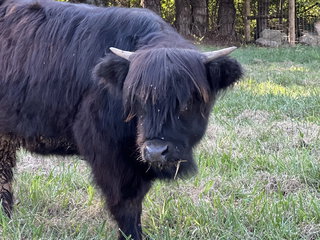
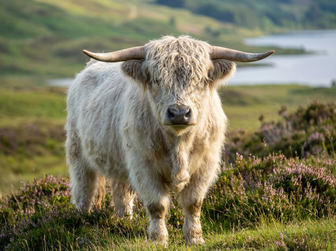
- Cattle: 1 to 2 acres per cow-calf pair on productive, well-managed pasture in areas with adequate rainfall. In drier regions or on less productive soil, you may need 5 to 10+ acres per pair. Smaller heritage breeds like highland cattle are more efficient grazers on marginal land than commercial breeds.
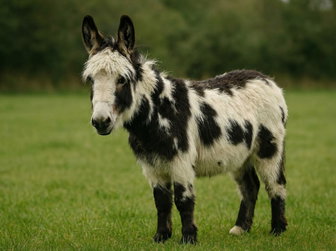
- Horses and donkeys: 1 to 2 acres per horse on good pasture, with additional acreage for rotation. Miniature donkeys require less space but still need room to move and graze.
- Sheep and goats: 4 to 6 animals per acre on good pasture, though this varies significantly. Goats are browsers (they prefer brush and weeds) more than grazers, so they can utilize land that’s unsuitable for cattle.
- Poultry: Minimal land needed. A small flock of laying hens can thrive on a quarter acre with a coop and run.
- Swine: Pastured pigs need about 10 to 15 pigs per acre, with rotation to prevent the ground from being destroyed.
These numbers assume supplemental feeding, which is standard practice for small farms. If you want to raise animals entirely on pasture without supplemental feed, you need significantly more acreage and a well-designed rotational grazing system.
Fencing
Fencing is your most important infrastructure investment. Without good fencing, nothing else works. The type of fencing you need depends on your species:
- Cattle: Woven wire, board fencing, or high-tensile electric. Highland cattle and other horned breeds need fencing that accommodates horns (avoid page wire with openings where horns can become trapped).
- Horses: Board fencing, vinyl rail, or smooth wire. Avoid barbed wire for horses, as injuries are common.
- Sheep and goats: Woven wire (non-climb horse fence or field fence) with electric offset is standard. Goats are notorious escape artists and will test every weakness in your fence. Budget accordingly.
- Poultry: Hardware cloth or welded wire for predator protection. Free-range poultry need daytime fencing for containment and a secure coop for nighttime predator protection.
Budget for fencing early and generously. Cutting corners on fencing creates problems that cost far more in escaped animals, injuries, and neighbor relations than the savings were worth.
Water
Every livestock species needs access to clean, fresh water at all times. Before purchasing animals, confirm that your property can deliver adequate water to every pasture and pen where animals will be kept. Automatic waterers, frost-free hydrants, and gravity-fed systems are worth the investment in cold climates where frozen water lines are a daily winter challenge.
Shelter
Shelter needs vary by species and climate:
- Cattle: Most breeds handle cold well with a windbreak and dry ground. Highland cattle and other hardy breeds often need nothing more than a three-sided run-in shed and access to trees for wind protection. Heat and sun are bigger threats than cold for most cattle.
- Horses and donkeys: A run-in shed or barn with adequate ventilation. Donkeys, particularly miniature donkeys, are less cold-hardy than horses and need better protection from rain and wind.
- Sheep and goats: A dry, well-ventilated shelter. Goats particularly dislike rain and need reliable shelter access.
- Poultry: A predator-proof coop with ventilation but protection from drafts, rain, and extreme temperatures.
- Swine: Shade in summer (pigs do not sweat and are highly susceptible to heat stress), dry shelter in winter, and mud access for thermoregulation.
Choosing Your First Species
The species you start with should match your land, budget, experience, and goals. Beginners often make the mistake of choosing the species they’re most excited about rather than the species they’re best equipped to raise. Both factors matter, but capability should lead.
Best Species for Beginners
Poultry (laying hens): The lowest barrier to entry. Small space requirements, minimal cost, daily egg production provides immediate utility, and the learning curve is manageable. Starting with poultry before moving to larger livestock is an excellent strategy.
Sheep (hair sheep breeds like Katahdin or Dorper): Hair sheep don’t require shearing, are relatively hardy, and are easier to handle than cattle. They’re an excellent mid-step between poultry and large livestock.
Goats (Nigerian Dwarf or standard dairy breeds): Intelligent, personable, and manageable in size. Dairy goats provide milk, which gives the operation an immediate productive output. Goats do require excellent fencing and are susceptible to internal parasites, so be prepared for that challenge.
Miniature cattle or donkeys: For families who want cattle or equine livestock but have limited acreage, miniature breeds are a practical option. Highland cattle are known for their docile temperament and hardiness, making them popular with first-time cattle owners. Miniature donkeys are gentle, personable, and require less space and feed than standard-size equines.
As you build your herd, create a profile for your animals on Creatures on Creatures to keep their health records, registrations, and photos organized from day one.
Species to Approach with Caution
Horses: Unless you have prior horse experience, starting a livestock operation with horses is an expensive learning curve. Horses are athletically demanding, injury-prone, and expensive to maintain. If horses are your goal, gain experience working with horses at someone else’s facility before purchasing your own.
Swine: Pigs are intelligent and productive but destructive. They will root up pasture, destroy fencing, and challenge your infrastructure in ways other species won’t. Our pig guide covers breeds, fencing, feeding and care in more detail. Experienced pig farmers manage this well, but beginners are often surprised by the intensity.
Essential Health Management
Animal health is your primary responsibility as a livestock owner. Neglecting health management doesn’t just harm animals; it can result in legal consequences under your state’s animal cruelty statutes.
Use Creatures to add health records and track vaccinations, deworming, and vet visits. Create a free Creatures account to get started.
Find a Veterinarian Before You Need One
This is the most important piece of advice in this guide. Establish a relationship with a large animal or mixed practice veterinarian before your animals arrive. Not every small animal vet treats livestock, and finding a vet in an emergency is stressful for everyone.
Ask your vet about:
- Their experience with your species
- Emergency availability (nights, weekends, holidays)
- Whether they are USDA-accredited (necessary for health certificates if you plan to buy, sell, or show)
- Recommended vaccination protocols for your species and region
Vaccination
Every livestock species needs a baseline vaccination program. The specifics vary by species, age, and geographic location, but the principle is universal: prevention is cheaper and more effective than treatment. Work with your veterinarian to develop a vaccination schedule appropriate for your animals. Core vaccines for cattle, sheep, and goats typically include protection against clostridial diseases at minimum.
Parasite Management
Internal parasites (worms) are one of the most common health challenges for small-farm livestock, especially sheep, goats, and horses. Effective parasite management combines:
- Pasture rotation: Moving animals between pastures breaks the parasite life cycle
- Stocking density: Overstocking increases parasite exposure
- Fecal monitoring: Periodic fecal egg counts tell you whether deworming is needed, preventing unnecessary treatment that breeds resistant parasites
- Targeted deworming: Treat animals that need it based on clinical signs or fecal results, rather than blanket-treating the whole herd on a calendar schedule
The old approach of routine deworming every 6 to 8 weeks has been replaced by evidence-based, targeted protocols because overuse of dewormers has created widespread resistance in many parasite species. Your veterinarian can guide you on the current best practices for your species and region.
Hoof Care
Cattle, sheep, goats, horses, and donkeys all require regular hoof maintenance. Overgrown hooves cause lameness, pain, and structural damage. Trimming frequency varies: horses typically need trimming or shoeing every 6 to 8 weeks, cattle and small ruminants every 2 to 4 months depending on terrain and individual growth rate. Learn to trim hooves yourself (ask your vet or farrier to teach you) or budget for professional trimming services.
Daily Observation
The most powerful health management tool is your own observation. Spend time with your animals every day and learn what normal looks like: normal appetite, normal posture, normal gait, normal manure. When something changes, you’ll notice early, when intervention is most effective and least expensive.
Signs that warrant veterinary attention include: not eating, isolating from the herd, labored breathing, persistent diarrhea, lameness, discharge from eyes or nose, straining to urinate or defecate, and sudden changes in behavior or condition.
Understanding the Costs
The purchase price of an animal is a small fraction of the total cost of ownership. Beginners consistently underestimate ongoing costs. Here is a realistic breakdown.
Startup Costs
- Fencing: $3 to $10 per linear foot installed, depending on type. Fencing a 5-acre pasture can cost $5,000 to $15,000.
- Shelter: A basic three-sided run-in shed costs $2,000 to $5,000 for materials. A barn is significantly more.
- Water system: $500 to $3,000 depending on distance from source and whether you need frost protection.
- Equipment: Feed troughs, hay feeders, halters, basic veterinary supplies, and handling equipment. Budget $500 to $2,000 for initial supplies.
- Animal purchase: Highly variable by species and quality. A pair of miniature donkeys might cost $1,500 to $4,000. A registered highland heifer might cost $3,000 to $8,000. A small flock of laying hens costs $50 to $150.
Annual Ongoing Costs (Per Animal, Approximate)
- Cattle: $1,200 to $2,500 per head (hay, supplemental feed, minerals, veterinary care, deworming)
- Horses: $2,000 to $5,000+ per horse (feed, hay, farrier, veterinary care, dental)
- Donkeys: $800 to $1,500 per donkey (feed, hay, farrier, veterinary care)
- Sheep/goats: $200 to $500 per head (feed, hay, veterinary care, deworming, shearing for wool breeds)
- Poultry: $50 to $100 per bird annually (feed, bedding, coop maintenance)
These are baseline costs. Emergency veterinary care, replacement fencing, supplemental feeding during drought, and unexpected infrastructure repairs add to the total. A reasonable emergency fund for a small livestock operation is $1,000 to $3,000.
Legal and Regulatory Basics
Livestock ownership comes with legal responsibilities. Before you purchase animals:
- Zoning: Confirm your property is zoned for livestock. Many counties have minimum acreage requirements, species restrictions, and setback distances from property lines and residences.
- HOA restrictions: If your property is subject to a homeowners association, check the covenants. Many HOAs prohibit livestock even on acreage that is otherwise zoned for agriculture.
- State regulations: Familiarize yourself with your state’s livestock regulations, including identification requirements, disease reporting obligations, and any permits needed for your species.
- Liability: Livestock that escape and cause damage (to crops, vehicles, or other animals) create liability. Adequate fencing and livestock-specific insurance protect you. Check with your insurance agent about farm liability coverage.
Building Your Knowledge Network
Small-scale livestock farming is a skills-based endeavor, and the fastest way to build skills is through mentorship and community.
Local Resources
- Cooperative Extension: Your county Extension office offers classes, workshops, and one-on-one guidance on livestock management. These services are taxpayer-funded and usually free or low-cost.
- Breed associations: Joining the breed association for your species connects you with experienced breeders who are usually willing to mentor newcomers. Breed associations also provide educational resources, show opportunities, and access to the breeder networks where you’ll find quality animals.
- Neighbors: Experienced livestock neighbors are invaluable. They know the local hay suppliers, the best veterinarians, which fencing works on your soil type, and the specific challenges of raising animals in your area. Introduce yourself before you need help.
Online Resources
- Species-specific guides: Creatures publishes detailed guides for specific breeds and species, including care information, breed characteristics, and breeder directories
- Market data: Understanding what animals are worth helps you make informed buying and eventually selling decisions. Follow breed-specific market reports and auction results.
- Community forums: Online communities for specific breeds or farming approaches can answer questions and share experiences. Take advice with appropriate skepticism and always verify health-related information with your veterinarian.
Your First Year: What to Expect
The first year of livestock ownership is a learning experience. Here is a realistic timeline.
Months 1 to 3 (before animals arrive): Build or repair fencing, prepare water systems, set up shelter, purchase basic equipment, establish a veterinary relationship, and order hay and feed. This preparation phase is where most beginners rush and later regret it.
Month 4 (animals arrive): Bring animals home and establish a daily routine. Learn their individual behaviors and personalities. Start health records immediately. If you bought animals from out of state, ensure you have a valid health certificate and comply with your state’s import requirements.
Months 5 to 8 (settling in): Refine your feeding program based on animal condition. Address any fencing weaknesses the animals have found. Complete initial vaccinations and deworming on your veterinarian’s schedule. Begin halter training if you plan to show or handle animals regularly.
Months 9 to 12 (finding your rhythm): By now you have a routine. You know your animals’ personalities, your daily time commitment, and your actual costs versus your budget. This is when you can realistically evaluate whether to expand, maintain, or adjust your operation.
Getting Started: Your Checklist
- Confirm zoning and legal requirements for livestock on your property.
- Assess your land: acreage, fencing condition, water access, shelter options.
- Choose a species that matches your resources, experience, and goals.
- Establish a veterinary relationship before animals arrive.
- Build or repair infrastructure: fencing, water, shelter, handling facilities.
- Find quality animals through the Creatures Breeder Directory, breed associations, or local breeders.
- Create profiles for your animals and begin documenting records from day one.
- Connect with your community: Extension office, breed associations, experienced neighbors.
- Read our guide to land requirements for cattle to understand how much land you need for your herd.
Raising livestock on a small farm is genuinely rewarding, but it rewards preparation and realistic expectations far more than enthusiasm alone. Start small, learn constantly, and build from a solid foundation.
Frequently Asked Questions
What is the easiest livestock to raise for beginners?
Laying hens are the most beginner-friendly livestock: low cost, minimal space, and a daily product (eggs) that provides immediate utility. For beginners who want larger livestock, hair sheep (Katahdin, Dorper) and miniature donkeys are relatively forgiving species that tolerate beginner mistakes better than more demanding animals.
How many acres do I need to raise cattle?
A minimum of 2 to 5 acres for a single cow-calf pair on productive pasture in a region with adequate rainfall, with additional acreage for hay production or pasture rotation. In drier regions or on less productive soil, you may need 10 to 20+ acres per pair. Your county Extension agent can provide stocking rate guidance specific to your area’s soil and rainfall.
Can I raise livestock and still work a full-time job?
Yes, with realistic species selection and infrastructure investment. Daily care (feeding, watering, observation) typically takes 30 to 60 minutes for a small operation. Automation helps: automatic waterers, hay feeders that don’t need daily filling, and rotational grazing systems reduce daily labor. Choose species and numbers that fit your available time. Many successful small-farm operators work full-time jobs and manage their livestock around their work schedule.
How much does it cost to start a small livestock farm?
Startup costs range from a few hundred dollars (backyard poultry) to $15,000 to $30,000+ (cattle on a property that needs fencing and infrastructure). The biggest variable is fencing. If your property already has functional fencing, startup costs drop dramatically. Budget for infrastructure first, animals second. It is better to have excellent infrastructure and fewer animals than poor infrastructure and more animals than you can properly contain and manage.
Do I need a barn to raise livestock?
Not necessarily. Most livestock species do well with a three-sided run-in shed that provides wind protection and shade. A full barn is a convenience, not a requirement, for species like cattle, sheep, and goats. Horses benefit from stall access during extreme weather, and poultry need a predator-proof coop. Your climate determines how much shelter your animals need. In mild climates, a simple windbreak may be sufficient. In northern climates with severe winters, more substantial shelter is warranted, especially for species that are less cold-hardy.