

Author: Elliott Garber, DVM · Updated
The Reality of Profitable Farm Animals
There is no farm animal that produces the highest profit on every farm. The useful question is which enterprise can earn more than its full costs with the land, time, skills and buyers you have. Chickens, goats, cattle, rabbits, honeybees, sheep, pigs, alpacas, ducks and quail all offer possible products, but a sale price alone cannot tell you whether to raise them.
This guide compares ten enterprises for U.S. producers. The order is not a profitability ranking. Use the questions below to build a budget for your region, production system, scale and sales channel. The linked university extension resources provide planning methods and worked examples, not nationwide price quotes or guaranteed returns. For animals you already keep, learn how to connect income and expenses in their Finance tab.
How Farm Animal Profit Actually Works
1. Separate sales from profit. Gross revenue is the value of products sold. Revenue minus feed is only a return after feed; other operating costs still need to be paid. A return above all variable costs still has to cover fixed costs. For an economic profit estimate, include labor, land and capital costs as well as purchased inputs. Penn State Extension explains these budget distinctions.
2. Compare sales channels after their costs. A higher direct-sale price can come with processing, packaging, refrigeration, transport, market fees and selling time. Compare what remains after those costs with the alternatives. Do not count products used by your household as cash sales, or assume that everything produced will find a buyer.
3. Budget the whole production cycle. Get current local quotes for animals, feed, facilities and services. Include losses, replacements and the time before the first sale. Grazing also uses land, fencing, water, management and labor. Increasing the herd or flock can spread some costs, but it also requires enough buyers and working capital. UF/IFAS describes how to test a budget against changes in prices, costs and output.
1. Chickens: Eggs or Meat
Egg layers and meat chickens need separate budgets: their production cycles, equipment, processing and customers differ. Decide which product you can sell before buying birds.
Egg Production
- Startup: Price birds, suitable housing, feeders, waterers and other equipment for your proposed flock. Separate one-time purchases from recurring expenses.
- Revenue: Estimate the saleable dozens and the price buyers will actually pay. Allow for flock replacement, mortality, nonlaying periods and eggs you keep or cannot sell.
- Costs: Include feed, bedding, utilities, health care, cartons, marketing, labor and the cost of housing and equipment.
- Worked example: University of Maryland Extension’s August 2026 budget estimates $3.37 per dozen for ten hens over a three-year production period, excluding labor. That figure belongs to the example’s stated assumptions; it is not a current quote for your flock. Read the example and its assumptions.
Calculate your own cost per saleable dozen, then add the return you need. A flock can show money left after feed while still failing to pay for your time or facilities. Direct sales do not remove production, disease or market risk.
Explore chicken breeds on Creatures, including Olive Egger chickens and heritage varieties.
Pastured Broilers
- Revenue: Use the expected number of marketable birds and a confirmed selling price on a clearly stated weight basis.
- Costs: Include chicks, feed, losses, brooding, housing, labor, processing, packaging, cold storage and delivery.
- Processing: Obtain a processor’s current quote and available dates. Before planning on-farm processing or sales, confirm the requirements for your intended operation with the relevant state and federal authorities.
Penn State’s small-poultry budgeting guide includes owner labor and costs beyond feed. Use a complete batch budget rather than a generic profit-per-bird figure.
2. Goats: Meat, Milk and Breeding Stock
Choose a specific goat business before estimating income. Selling market kids, dairy products, breeding animals or a brush-management service involves different buyers, facilities and work. A market for one does not establish a market for the others.
- Meat: Ask buyers about the size, timing and type of animals they want. Budget for breeding animals, replacements, feed, fencing, health care, hauling and labor. Penn State’s meat-goat guide discusses several marketing routes and provides a sample enterprise budget to adapt.
- Dairy: Budget milking labor, equipment, storage and any processing or selling costs for the product you intend to offer. Milk used at home is household value, not dairy sales. Confirm the applicable requirements before planning milk or food sales.
- Breeding stock: Compare animals with relevant registration, pedigree and performance information. A high asking price does not establish either a completed sale or the cost of producing the animal.
Browsing does not make land or feed free. For a paid brush-management job, price transport, fencing, setup, supervision and animal care before calling the contract profitable. Get fencing quotes for the actual site rather than adding an unsupported percentage to a guess.
Explore Nigerian Dwarf, Mini Nubian and Pygmy goats while comparing your options.
3. Beef Cattle: Land, Capital and the Production Cycle
A cow-calf herd, a finishing enterprise and a breeding-stock operation need different budgets. Start with the production system, available forage, facilities and marketing plan, rather than a universal annual profit per cow.
- Cow-calf: Include breeding-herd and replacement costs, pasture and winter feed, health care, breeding, facilities, labor and financing. Estimate calves actually sold, not just cows owned.
- Direct-market beef: Confirm processing capacity and costs, then budget storage, delivery and selling time. State whether a price is per pound of live animal, carcass hanging weight or packaged meat; those units are not interchangeable.
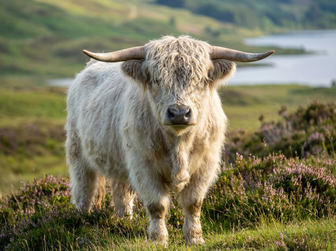
- Breeding stock: Evaluate completed comparable sales and the cost of producing saleable animals. Registration or a popular breed, including highland cattle, does not guarantee a premium or a profit.
Penn State’s beef-cost guide explains why costs differ by operation and why shared farm expenses need to be allocated. Include the months of spending before sales when estimating how much cash you will need.
Read more: How to make money raising cows
4. Rabbits: Find the Market Before Expanding
Meat, breeding stock, pets and fiber are different rabbit markets. Fast reproduction alone does not establish a return on investment, and the number of kits born is not the number you will sell.
- Revenue: Identify buyers, their requirements and the quantities they will take. Keep live-animal and processed-meat prices on separate weight and product bases.
- Costs: Include breeding animals and replacements, housing, feed, utilities, health care, losses, labor, processing and transport.
- Other products: Count manure or fiber sales only if you have a buyer and have included collection, preparation, packaging and selling costs.
Penn State’s rabbit-production guide puts market identification before production and highlights processing, packaging and transport. Confirm the rules for your actual processing and sales arrangement instead of assuming that rabbit meat has minimal regulation.
Browse rabbit breeds on Creatures.
5. Honeybees: Establishment and Harvest Are Different Budgets
Build a startup budget separately from an established-apiary budget. A new colony may not provide a saleable honey crop in its first year, and harvests should not be treated as a fixed annual payment.
- Startup: Price bees, hive equipment, protective equipment and tools, plus access to extraction and storage facilities.
- Honey revenue: Multiply pounds actually sold by the price received per pound. That is gross revenue before colony management, extraction, containers, marketing and labor.
- Other income: Budget pollination services, wax products and bee sales separately. Include the equipment, transport, time and colony resources used; these are not cost-free extras.
Penn State’s beekeeping guide separates establishment costs from a mature-colony example. Include replacement and colony-management costs and test a low-harvest scenario before deciding how many colonies to buy. No fixed colony count guarantees an income.
6. Sheep: Budget Meat and Fiber Separately
A lamb enterprise needs a plan for breeding, feed, land, fencing, handling, animal care and marketing. Budget for saleable lambs and replacements, rather than assuming that each ewe will provide the same annual return.
- Lamb: Confirm buyer requirements, sale timing, transport and processing arrangements. A seasonal or specialty market is useful only if you can supply the product wanted at a price that covers your costs.
- Fiber: Compare saleable fleece revenue with shearing, preparation, processing, storage and marketing costs. Higher prices for finished products also come with additional work and expense.
- Breeding stock or dairy: Make a separate budget if these are part of the business. Do not add their possible sales to a meat budget without the associated production costs.
Penn State’s spring-lamb guide ties flock size to markets, land, labor and capital. Profit-per-head comparisons need matched production periods and cost boundaries. Acreage needs depend on forage, water and the system you plan to run.
Browse sheep breeds on Creatures.
7. Pigs: Feed and Processing Set the Budget
Buying feeder pigs to finish and maintaining a breeding herd are different enterprises. Budget the system you intend to run and obtain current feed, animal and processing quotes before projecting a margin.
- Revenue: Confirm the buyer, quantity and price basis for live pigs, whole or half animals, or packaged pork.
- Costs: Include stock, feed, housing, fencing, water, health care, losses, manure management, labor, processing, storage and transport.
- Breed premiums: Do not assume a fixed percentage premium for KuneKune, Berkshire, Mangalitsa or other heritage breeds. Check what your buyers will pay for the product you can supply.
Penn State’s swine-production guide describes several marketing options. Compare them after their costs rather than assuming that only direct sales can work. Confirm processor dates, fees and the requirements for any processed products before committing to customers.
8. Alpacas: Separate Fiber from Other Income
Prepare separate revenue and cost estimates for raw fleece, processed fiber, breeding stock, stud services and farm visits. None is automatic income simply because you own alpacas.
- Fiber: Get a buyer’s specifications and price for usable fiber. Include shearing, sorting, processing, shipping and the time needed to sell it.
- Breeding and stud services: Estimate demand and the costs of keeping animals, arranging breeding and producing saleable offspring. Do not assume that a purchase price can be recovered through future breeding sales.
- Farm visits: Treat visitor income as a separate business plan, with its own staffing, facilities, insurance, marketing and local requirements.
Use an enterprise budget to test each activity. A higher retail value for yarn than for raw fleece does not by itself show a higher profit after processing and selling costs.
Browse alpaca breeds on Creatures.
9. Ducks: Price Eggs and Meat Separately
Confirm demand for duck eggs or meat in your own market. A higher price per egg does not establish a higher profit per bird than chickens: production, feed, facilities, losses and selling costs also matter.
- Eggs: Estimate saleable dozens over the full production cycle, using the breed and system you intend to keep. Verify the price and quantities buyers will accept.
- Meat: Confirm the desired product, processing availability and selling price. Include processing losses, packaging and storage in the budget.
- Costs: Price birds, feed, appropriate housing and water facilities, bedding, utilities, labor and marketing. Do not use a chicken flock’s cost assumptions unchanged.
The small-poultry budgeting method is a starting point for listing costs, not a duck-specific profit forecast. Test your own figures before increasing the flock.
10. Quail: A Small Footprint Still Needs Buyers
Identify buyers for quail eggs, meat or live birds before investing. Ask about quantities, product specifications, delivery frequency and payment terms. A small housing footprint does not prove a high profit per square foot.
- Revenue: Budget the product and volume you can sell, rather than multiplying a specialty-store shelf price by everything the birds might produce.
- Costs: Include birds, appropriate housing, brooding equipment, feed, utilities, losses, labor, processing, packaging and selling costs.
- Space: Plan for the complete operation, including safe animal housing, brooding, feed storage, cleaning and product handling. Do not treat a stocking-density figure as proof that a garage or spare room is suitable.
University of Minnesota Extension’s game-bird guide emphasizes establishing a market and keeping complete cost records. A profit-per-square-foot comparison needs matched production periods, space definitions and complete costs. A small footprint alone cannot establish a winner.
Matching Animals to Your Situation
Use this checklist to decide what to investigate, not how many animals an acreage can support. NC State Extension’s farm-planning guide distinguishes production feasibility from profitability and explains why water, land, infrastructure and markets change the answer.
| Your Situation | What to Check Before Choosing |
|---|---|
| Limited land | Confirm zoning, suitable housing, water, waste handling and the space needed for the whole operation. A small animal is not automatically suitable for a backyard. |
| Existing pasture or browse | Assess usable forage, seasonal feed needs, water, fencing and land costs before setting a herd or flock size. |
| Limited time | List routine care and peak work, including births, harvests, processing and selling. Budget paid help or another reliable arrangement where needed. |
| A farmers’ market or farm shop | Check likely sales volume and prices, then include fees, packaging, travel, unsold products and selling time. |
| Restaurant or specialty buyers | Agree on product specifications, quantities, processing, delivery and payment terms before increasing production. |
| Fiber buyers | Confirm fiber quality and usable yield, then compare raw and finished-product returns after processing and marketing. |
| Household food production | Compare the full cost with the food you would otherwise buy. Keep household savings separate from business sales. |
Before You Buy
Prepare a budget for one clearly defined enterprise and production period. For a single-product budget, divide its projected full costs by the units you expect to sell to find a break-even price. If the enterprise has several products, account for the other revenue and allocate shared costs before calculating a price for one product. Then test lower selling prices, fewer sales and higher costs. If the plan only works when every animal performs well and every product sells at a premium, revise it before investing.
Start at a size you can care for, finance and market. Keep records, compare actual results with the budget and expand when the evidence supports it.
Find Animals and Breeders on Creatures
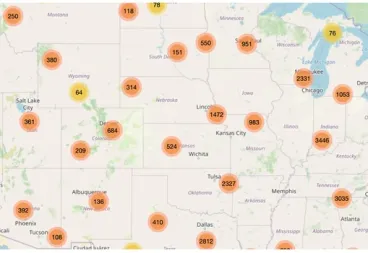
Ready to start or expand your operation? Browse the Creatures Marketplace for available animals. Find operations near you in the Breeder Directory. Or explore breeds across every species at creatures.com/species.
Track Your Farm Animals on Creatures
Record production and care alongside your animals, and connect income and expenses to the relevant animal in its Finance tab. Recorded totals reflect the entries you include. A complete enterprise budget still needs labor, land, equipment and other costs that may not appear in those totals.
- Add your animals: Create profiles for your chickens, goats, cattle, sheep, pigs, or any other species. Track individual animals or groups.
- Log production and health records: Add records for weights, veterinary visits, and production or care notes. Use the animal’s Finance tab for linked income and expenses. An account is needed to save records.
- Buy or sell breeding stock: Browse the Creatures Marketplace for quality animals, or list your own for sale.
- Connect with other farmers: Find breeders and farms in the Directory to source genetics and compare notes.







