


Author: Elliott Garber, DVM · Updated
You’re probably doing what most buyers do. You’ve got a few tabs open, a text thread going with a seller, and a folder full of screenshots of horses labeled safe, broke, cowy, youth suitable, ranch ready, or show prospect. The photos look good. The videos look promising. The asking price may even feel fair.
That’s the point where smart buyers slow down.
An AQHA horse can be a wonderful purchase, whether you want a family trail horse, a ranch gelding, a broodmare, or a show prospect. But the private sale market rewards careful buyers and punishes rushed ones. A clean set of legs in a sales video doesn’t confirm identity. A polished ad doesn’t prove ownership. And “papers available” doesn’t mean the registration status is what you think it is.
If you’re searching for AQHA for sale listings, the actual work starts after the horse catches your eye.
Table of Contents
- The Dream and the Due Diligence of Buying an AQHA Horse
- Where to Find AQHA Horses for Sale
- Breeder websites and stable pages
- Public auctions and consignment sales
- Social media groups and informal listings
- Trainers and word of mouth
- Decoding the Listing and Verifying the Papers
- What a serious listing should include
- How to verify AQHA records step by step
- Where modern profiles help
- Evaluating the Horse Beyond the Pedigree
- Start with the horse standing in front of you
- Use an independent pre-purchase exam
- Watch the horse in the situations that matter
- Understanding Price and Negotiating the Deal
- What actually moves value
- How to negotiate without guessing
- Finalizing the Sale and Bringing Your Horse Home
- Close the paperwork before the trailer moves
- Prepare for the first week at home
The Dream and the Due Diligence of Buying an AQHA Horse
The American Quarter Horse market is big enough to offer real choice and scattered enough to create real risk. AQHA reports more than 7 million horses registered worldwide since 1940, along with 109,508 horse transfers of ownership in 2025 and 89,873 registrations in 2025, according to AQHA facts and registry statistics. That kind of volume is why buyers can usually find something that fits their goals. It’s also why weak listings and incomplete seller claims are so common.
A buyer looking at AQHA for sale ads today usually runs into the same problem. The market is fragmented. One horse is on a breeder’s website, another is in a Facebook group, another is with a trainer who only sells by referral, and another appears on a marketplace with just a few photos and a short caption. The horse may be genuine and exactly as represented. Or the ad may leave out the one fact that changes the whole deal.
That missing fact is often identity.
Practical rule: Don’t buy the photo and the story first. Verify the horse first, then decide whether the story holds up.
In practice, most purchasing mistakes happen in one of three places:
- Registration confusion. Buyers hear “Quarter Horse” and assume fully registered AQHA status.
- Ownership gaps. The person advertising the horse may not be the person who can legally transfer it.
- Resume inflation. Terms like finished, kid safe, shown, or proven may be technically true, but only in a narrow setting.
That’s why a smart purchase isn’t just about liking the horse. It’s about proving what you’re buying before money changes hands.
Modern buying tools help when they reduce friction around verification, not when they only show more listings. The useful platforms are the ones that let buyers compare ads, request records, review videos, organize messages, and keep the transaction tied to identifiable paperwork. The private sale market still works. Plenty of very good horses change hands that way every day. But private sale only works well when the buyer brings structure to a process that otherwise runs on trust, memory, and screenshots.
Where to Find AQHA Horses for Sale
Different sales channels attract different kinds of horses and different kinds of seller behavior. Buyers who understand that usually waste less time.
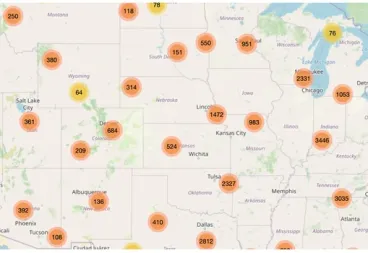
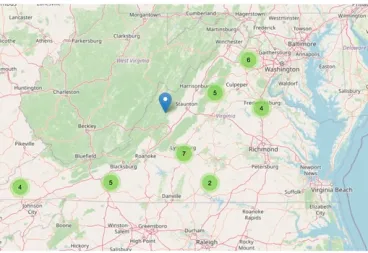
A saved search for animal listings can help you follow suitable horses over time while keeping your filters and alert frequency deliberate.

Breeder websites and stable pages
Breeder sites are often the cleanest place to start if bloodlines matter to you. You may find stronger pedigree information, a clearer training history, and more consistency in how horses are presented. Sellers with an established program also tend to care about reputation, which matters when a horse is described as fit for a specific job.
The limitation is obvious. You’re seeing only that farm’s inventory, and some websites aren’t updated often. A horse may be sold already, or key details may still require a call, text, or email to confirm.
Public auctions and consignment sales
Auctions can be efficient if you know exactly how to evaluate horses under time pressure. They expose you to many horses in one place and force the market to show its opinion quickly. For experienced buyers, that can be useful.
For less experienced buyers, auctions create a dangerous rhythm. You’re deciding fast, often with limited time for repeat viewings, and you need to separate ring energy from actual suitability. If you go this route, inspect first and bid second.
A horse that sells well under the lights still has to load, travel, settle, and stay sound at your place.
Social media groups and informal listings
Social media is where many buyers find horses first because that’s where volume sits. It’s also where verification is weakest. A typical listing may show age, height, use, and a flattering video clip. What it often doesn’t show is whether the papers match the horse, whether the seller is the recorded owner, or whether the horse’s claimed experience can be backed up.
That doesn’t mean you should ignore these channels. It means you should treat them as lead generation, not proof.
A public group for AQHA horses can help you spot horses quickly, but it also highlights the gap between ad copy and operational due diligence.
Trainers and word of mouth
Trainer referrals still matter because people who ride a lot of horses often know which ones are honest and which ones are overmarketed. A good referral can save weeks of searching.
The trade-off is that referral deals sometimes move on verbal understandings and old relationships. That can make buyers less likely to ask for the same records and written terms they’d demand from a stranger. Keep your standards the same.
| Channel | What works | What doesn’t |
|---|---|---|
| Breeder websites | Better pedigree context, direct source | Limited inventory, may be outdated |
| Auctions | Fast access to many horses | Pressure, limited review time |
| Social media | High volume, easy contact | Thin verification, uneven quality |
| Trainer referrals | Strong practical insight | Informal process can skip paperwork |
A modern marketplace can improve this process if it keeps the listing tied to records, media, and communication in one place rather than spreading everything across texts and social posts.
Decoding the Listing and Verifying the Papers
Most bad horse deals don’t begin with a dramatic lie. They begin with a vague listing and a buyer who fills in the blanks.

What a serious listing should include
A sale ad doesn’t need to be fancy. It does need to answer basic identity questions clearly. If I’m evaluating an AQHA horse listing, I want to see the registered name or registration number, age, sex, current use, training level, and recent media that shows the horse in ordinary work, not only in ideal moments.
I also want the seller to say whether they hold the certificate, whether transfer papers are ready, and whether there are any relevant limitations. A horse can still be a very good buy with blemishes, maintenance, gaps in training, or a narrow comfort zone. Trouble starts when those facts appear only after a deposit is discussed.
How to verify AQHA records step by step
The most reliable workflow starts in the registry, not in the ad. AQHA’s own records system is built around ownership, pedigree, produce-of-dam, and show-performance reports, and buyers can access those through AQHA Records Research. Buyers should insist on seeing the registration certificate or a traceable path to it before closing, because confusing “AQHA-type” with “fully registered” can materially affect price and eligibility.
Use a simple sequence:
-
Start with the registered identity. Ask for the horse’s registered name or registration number. If the seller can’t provide either, slow the process down immediately.
-
Pull the ownership record. Confirm that the person selling the horse matches the official record or can clearly explain the transfer chain.
-
Review the pedigree report. Make sure the bloodlines advertised in the listing match the registry entry.
-
Check produce and performance history when relevant. For mares, produce records matter. For performance horses, official history may support or correct sales claims.
-
Match the paperwork to the physical horse. Compare markings, age, sex, and identifying details to the animal in front of you.
If a seller wants you to rely on screenshots, cropped paper photos, or “I can get the papers later,” treat that as a risk signal, not a minor inconvenience.
A neutral explainer on registration rules also notes that eligibility depends on specific parentage combinations, and that excessive white patterning with light-colored skin is not by itself disqualifying under AQHA rules, which is why buyers should verify the actual registration pathway rather than guessing from appearance alone in this AQHA and APHA registration overview.
Where modern profiles help
Digital recordkeeping proves useful. A horse profile that combines media, health documents, pedigree details, and sale information is more helpful than a stand-alone ad and a text message thread. That’s especially true if you’re comparing multiple prospects at once.
One option is horse breeding records and sale documentation tools on Creatures, where sellers can organize an animal profile with attached records and buyers can review more than a few caption lines before making travel or deposit decisions. The value isn’t hype. It’s fewer blind spots.
What doesn’t work is assuming that a polished listing equals a verified listing. It doesn’t.
Evaluating the Horse Beyond the Pedigree
Papers tell you who the horse is. They don’t tell you whether the horse fits your hands, your goals, or your risk tolerance.

Start with the horse standing in front of you
Before anyone climbs on, carefully watch the horse. I want to see how it stands, how it shifts weight, how it behaves when tied, and whether it stays mentally settled or scans for trouble. Small observations matter. A horse that paws, weaves, pins its ears at routine handling, or grows tense during ordinary grooming is telling you something.
Then look at conformation in practical terms. Don’t hunt for textbook perfection. Ask whether the horse’s build supports the job you expect it to do and whether anything in its structure raises concern for durability, comfort, or soundness under your intended workload.
Use an independent pre-purchase exam
A pre-purchase exam, or PPE, is not optional if the horse matters enough to buy. Use a veterinarian who works for you, not the seller. The exam gives you a structured medical assessment, and just as important, it creates a record of what was known at the time of sale.
A PPE often includes:
- Baseline physical exam. Heart, lungs, eyes, body condition, skin, and general health.
- Soundness evaluation. Movement in hand, often on different footing and in circles.
- Flexion and limb assessment. Useful when interpreted in context, not as a single pass-fail event.
- Additional diagnostics if needed. Imaging, lab work, or reproductive evaluation depending on the horse’s job.
The point of a PPE isn’t to find a flawless horse. It’s to decide whether the horse is suitable for your intended use and whether any known issues fit your budget and management style.
Later in the process, it helps to watch a practical overview of what buyers and veterinarians look for during inspection.
Watch the horse in the situations that matter
Don’t settle for one polished ride. Watch the horse caught, led, groomed, tacked, mounted, and ridden from a cold start if possible. If the horse is advertised for trail, ranch, youth, or amateur use, ask to see exactly that kind of use. If you can’t ride well enough to judge the horse yourself, bring a trainer who can.
Ask direct questions and then listen for direct answers:
- How often is the horse ridden now
- What does the horse do when fresh
- Has it needed maintenance or downtime
- What kind of rider gets along with it
- What does it dislike or resist
A broad marketplace of American Quarter Horse listings can help you compare presentation styles and common sale categories, but your decision still needs to come from direct observation and a veterinary exam.
Buy the horse that fits your real life, not the horse you hope to turn into something else in six months.
Understanding Price and Negotiating the Deal
Price in the AQHA market usually reflects a stack of factors, not one headline trait. Age matters. Training matters. Temperament matters. So do papers, use history, and whether the horse can step into a buyer’s program without a long adjustment period.
What actually moves value
Documented history carries weight because it reduces uncertainty. Buyers tend to pay more when a horse’s eligibility, background, or proven use is easier to verify. A clear example comes from public auction data for race-bred Quarter Horse yearlings. Horses enrolled in the AQHA Challenge averaged $49,547 while non-enrolled horses averaged $30,870, a difference of nearly $18,677 per head, according to public sale reporting on AQHA Challenge-enrolled yearlings. That doesn’t mean every enrolled horse is worth more in every setting. It does show that buyers place measurable value on eligibility-linked advantages.
Private sale buyers should think the same way. If a seller claims points, earnings, breeding value, special eligibility, or a particularly marketable pedigree, ask yourself one question. Is that claim documented in a way that another buyer would also trust later?
Current listings across mainstream horse-sale channels often mention discipline labels, points, or earnings, but they don’t always explain which records matter most to resale and which details are just marketing gloss.
How to negotiate without guessing
Good negotiation starts with a file, not a feeling. By the time you make an offer, you should have the ad, videos, ownership confirmation, registration review, PPE findings, and a realistic picture of transport and ongoing care.
A practical approach looks like this:
- Lead with documented concerns. If the PPE finds an issue or the horse doesn’t match a sale claim, discuss that directly and tie your offer to those facts.
- Separate preference from defect. A horse that’s too green for you isn’t defective. It’s just not the right match at that price for your situation.
- Put terms in writing. Clarify what’s included, when payment is due, when possession transfers, and who files transfer documents.
- Know the category difference. A registered AQHA horse and a grade horse in the recreational and working market may both be useful animals, but they don’t carry the same resale pathways or program access.
If the seller becomes evasive when you ask normal questions, that’s part of the valuation too. Sometimes the right negotiation move is to stop negotiating.
Finalizing the Sale and Bringing Your Horse Home
The close of the deal should feel boring. That’s a good sign. Excitement belongs earlier. At this stage you want clarity, signatures, dates, and a plan.

Close the paperwork before the trailer moves
A horse sale should include a bill of sale or purchase agreement that identifies the horse clearly and states the terms plainly. That means registered name if applicable, any known aliases, sale price, deposit terms, included equipment if any, and the timing for possession and transfer documents.
Keep a short closing checklist:
- Confirm identity one final time. Match the horse, certificate, and seller details before sending final funds.
- Finish transfer documents. Make sure signatures are complete and that you know who is submitting what.
- Document health and travel instructions. Ask for feeding routine, medications, recent care, and any handling quirks.
- Use a secure payment method. Don’t rely on informal arrangements that leave room for disputes about timing or delivery.
For transport, use a professional hauler when the trip warrants it, especially if you’re buying from a distance. The cheapest trailer ride can become expensive if the horse arrives stressed, dehydrated, or injured. Confirm pickup details, emergency contacts, and what tack or paperwork travels with the horse.
Prepare for the first week at home
Many horses look different after the move than they did in the sale video. That isn’t fraud by itself. It’s transition. New feed, new herd dynamics, new footing, and new handling can change attitude and appetite quickly.
Keep the first days simple:
- Maintain routine where you can. Feed changes should be gradual whenever possible.
- Limit demands early. Give the horse time to settle before testing every advertised button.
- Observe closely. Watch manure, water intake, temperature, appetite, and small signs of shipping stress.
- Record everything. Keep photos, documents, and notes from arrival onward.
The buyers who have the smoothest outcomes aren’t always the ones who found the fanciest horse. They’re the ones who verified the details, bought within their means, and managed the transition carefully.
If you’re sorting through AQHA for sale listings and want a cleaner process, Creatures is one way to keep a horse’s photos, videos, pedigree details, health records, and sale information tied together in a single profile while handling communication and transaction steps more securely.







