




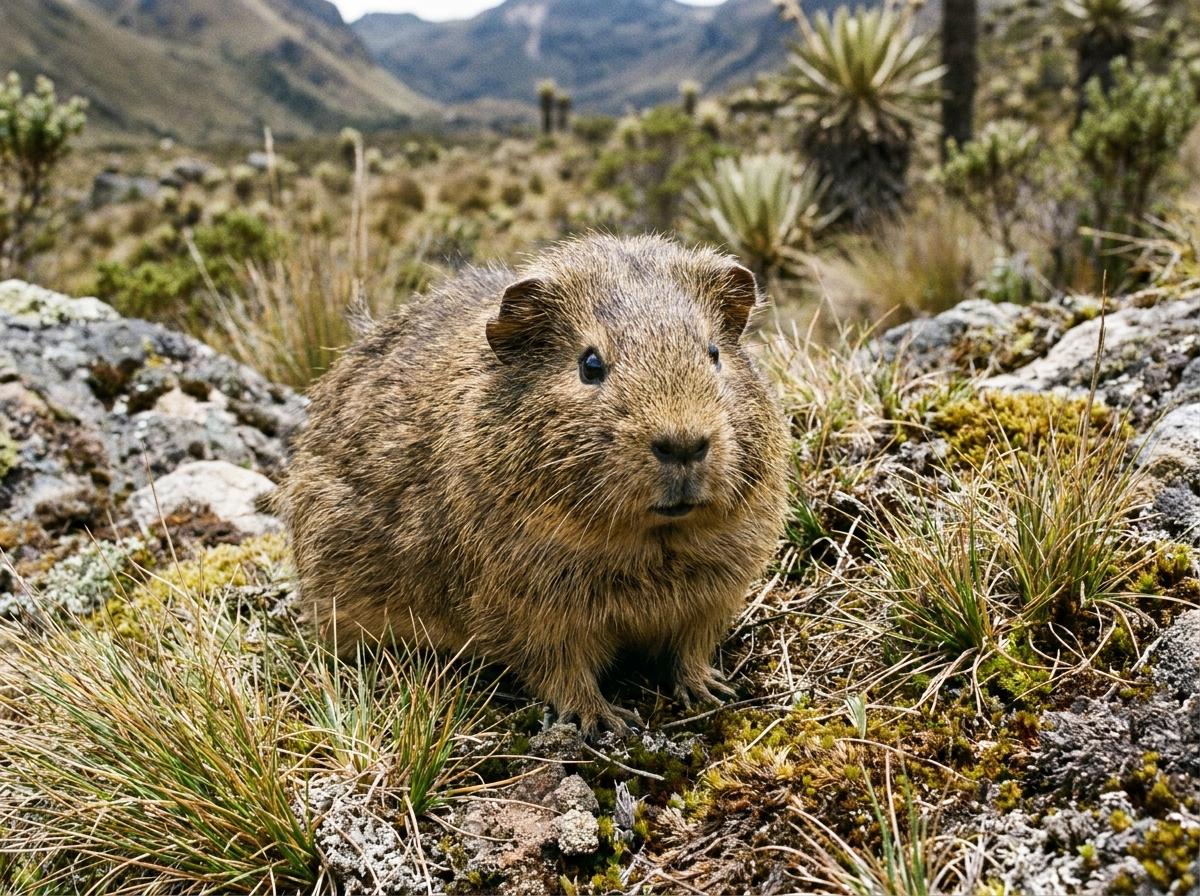
Guinea Pig
Cavia porcellus
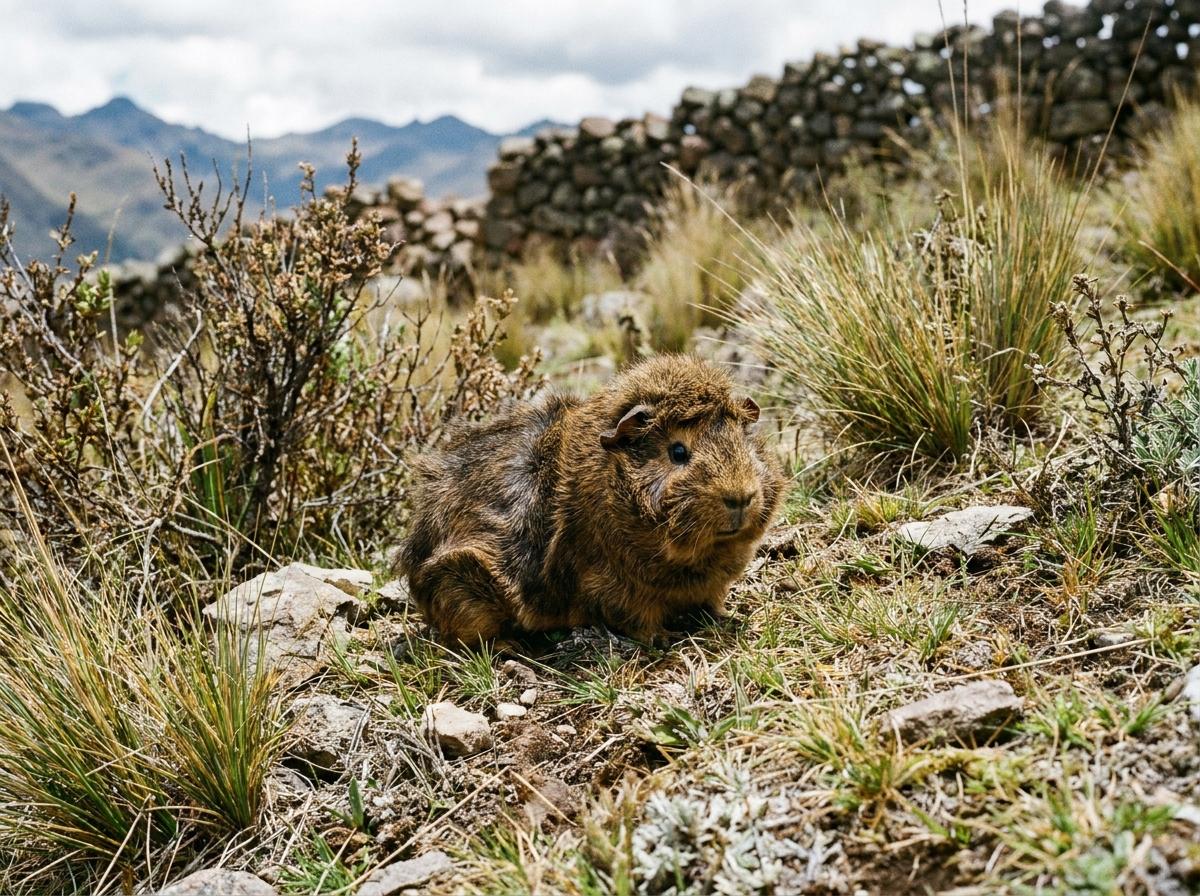
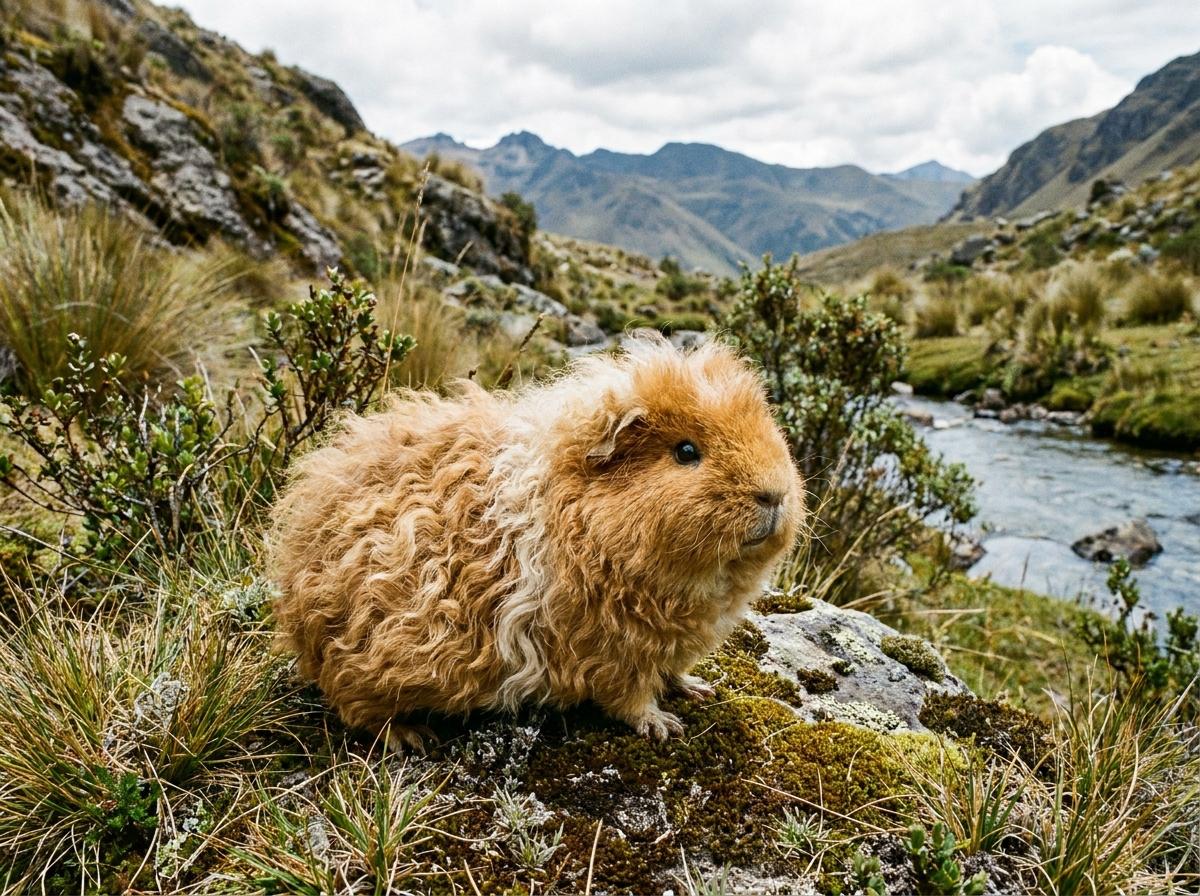
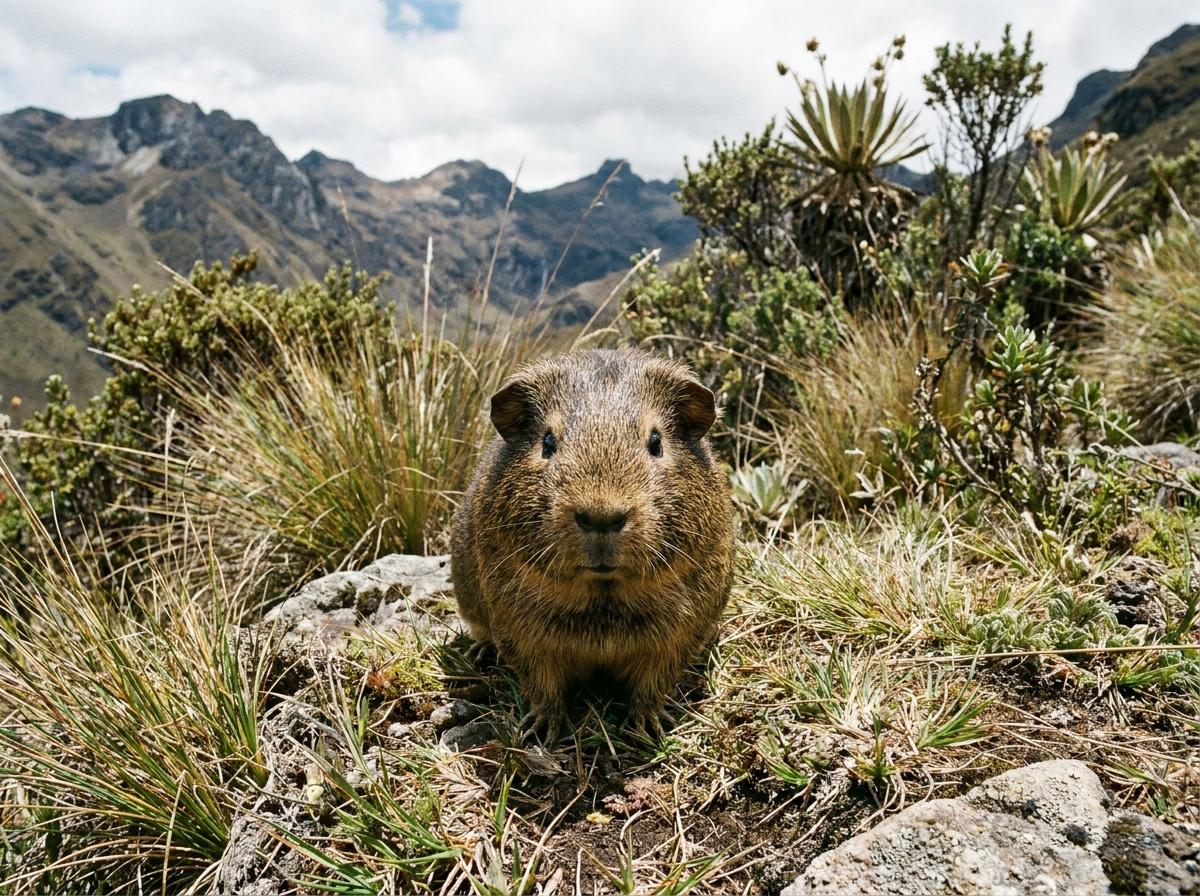
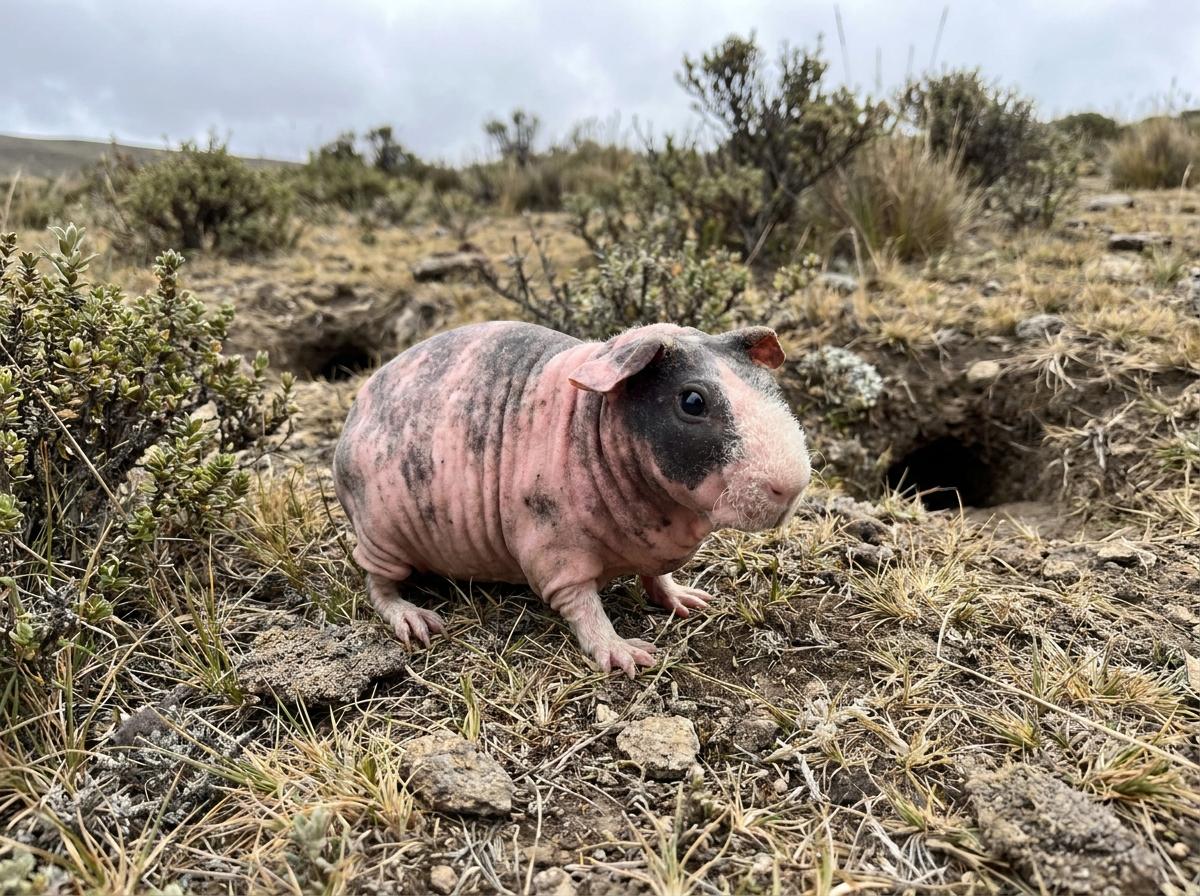
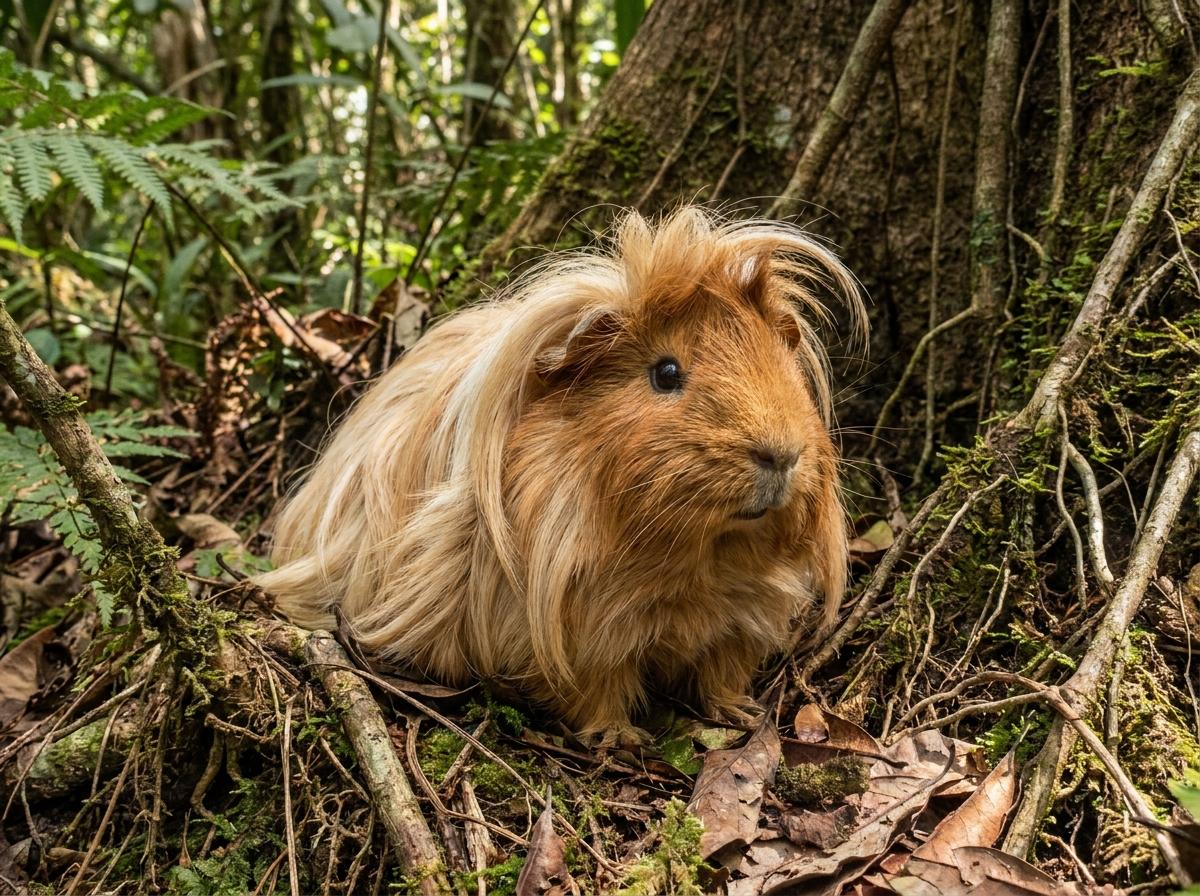
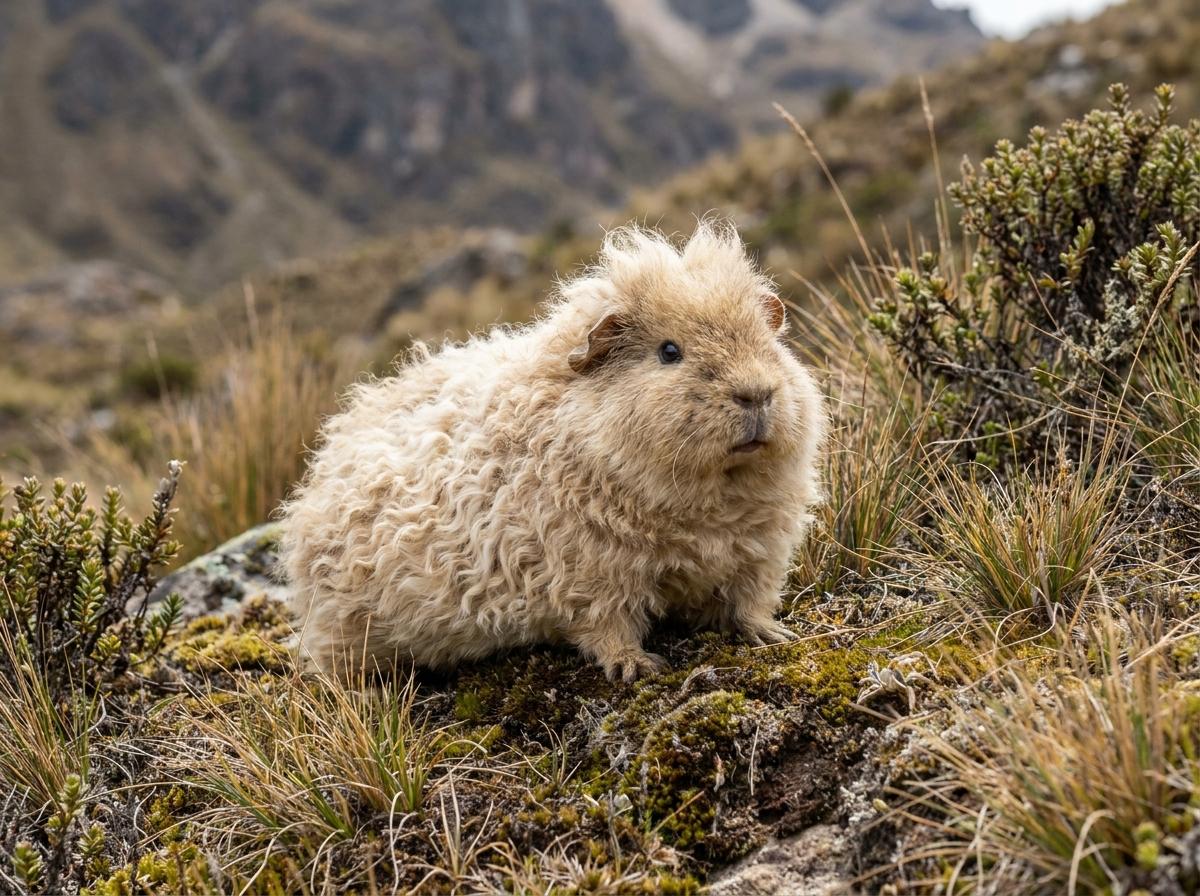
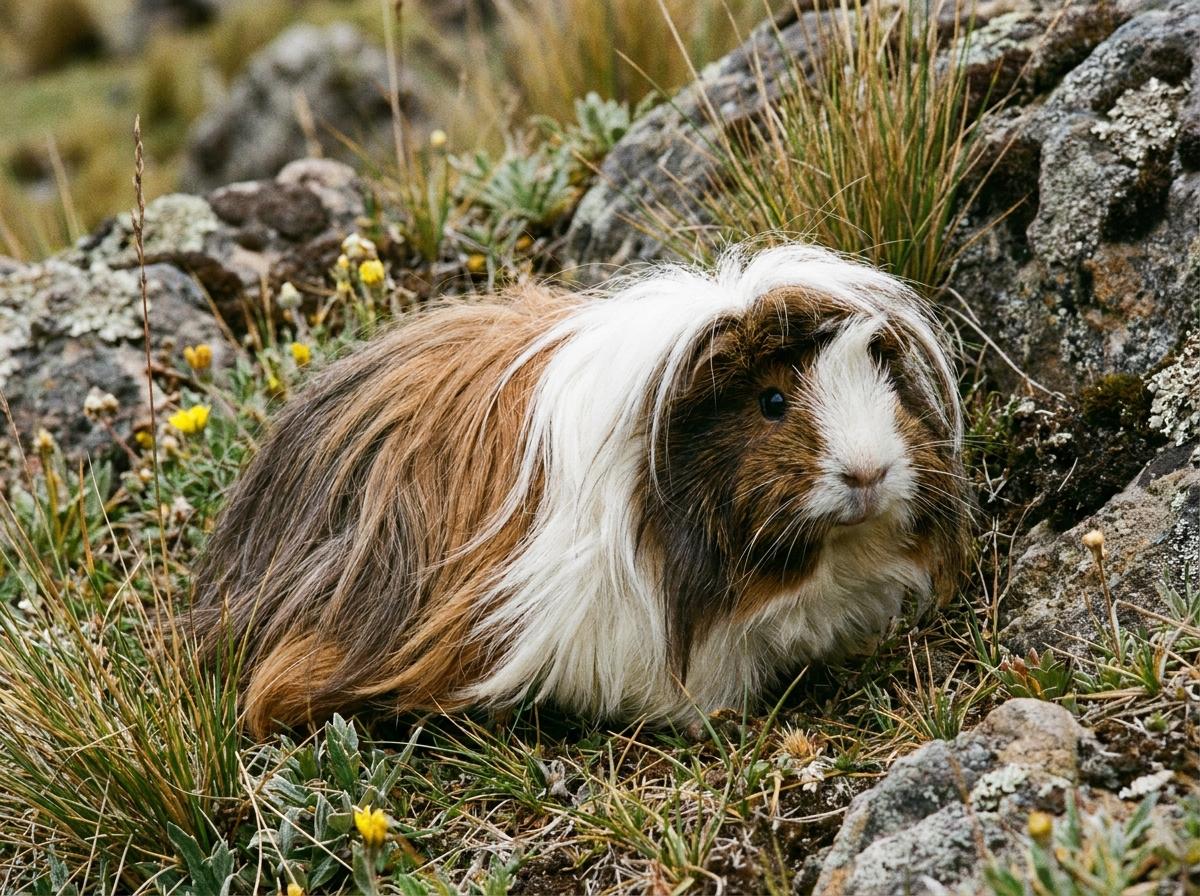
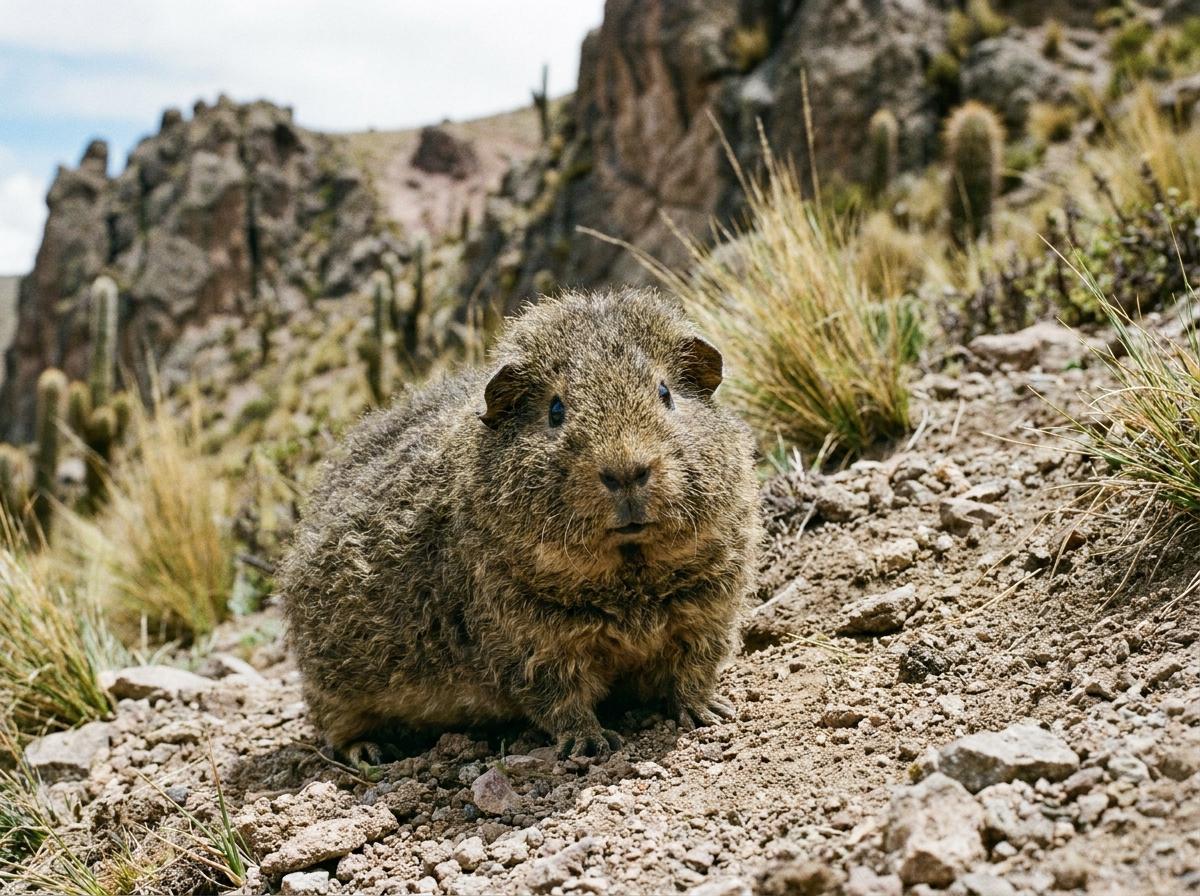
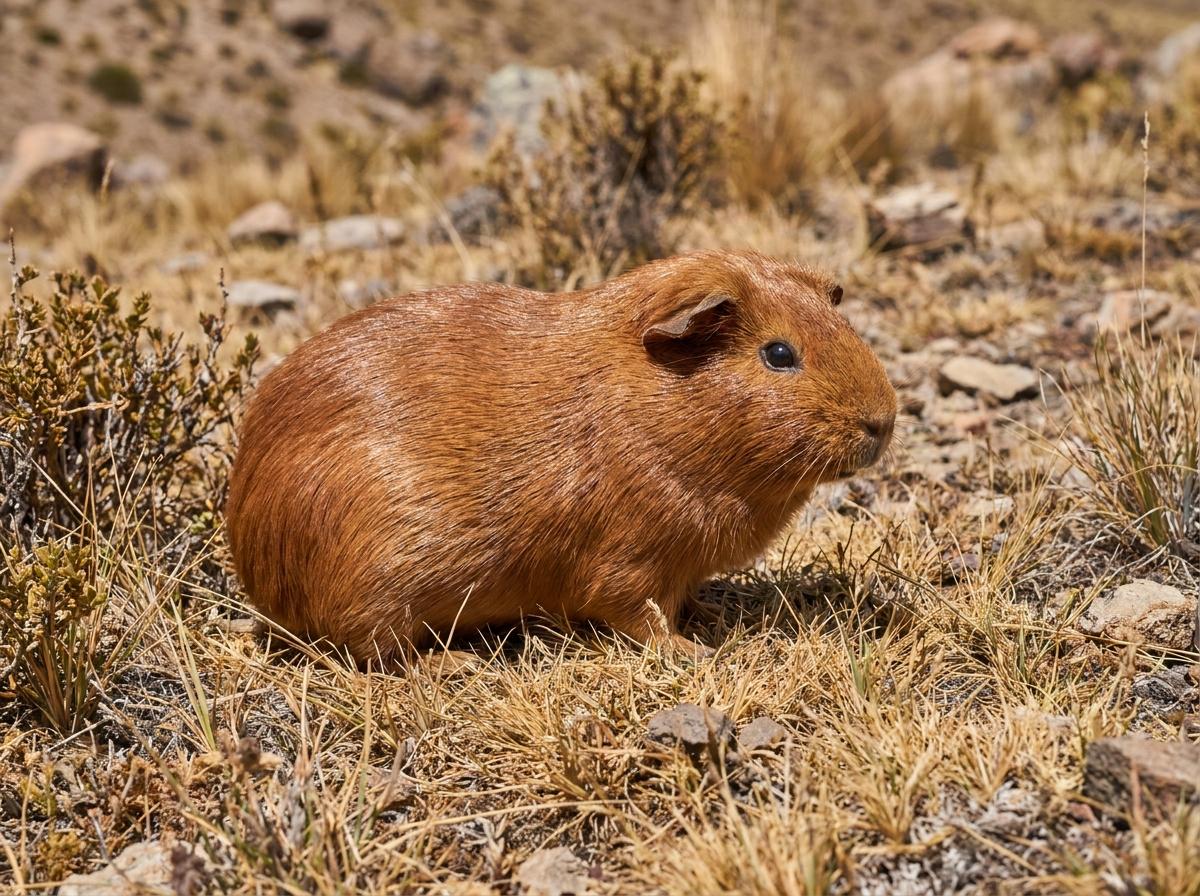
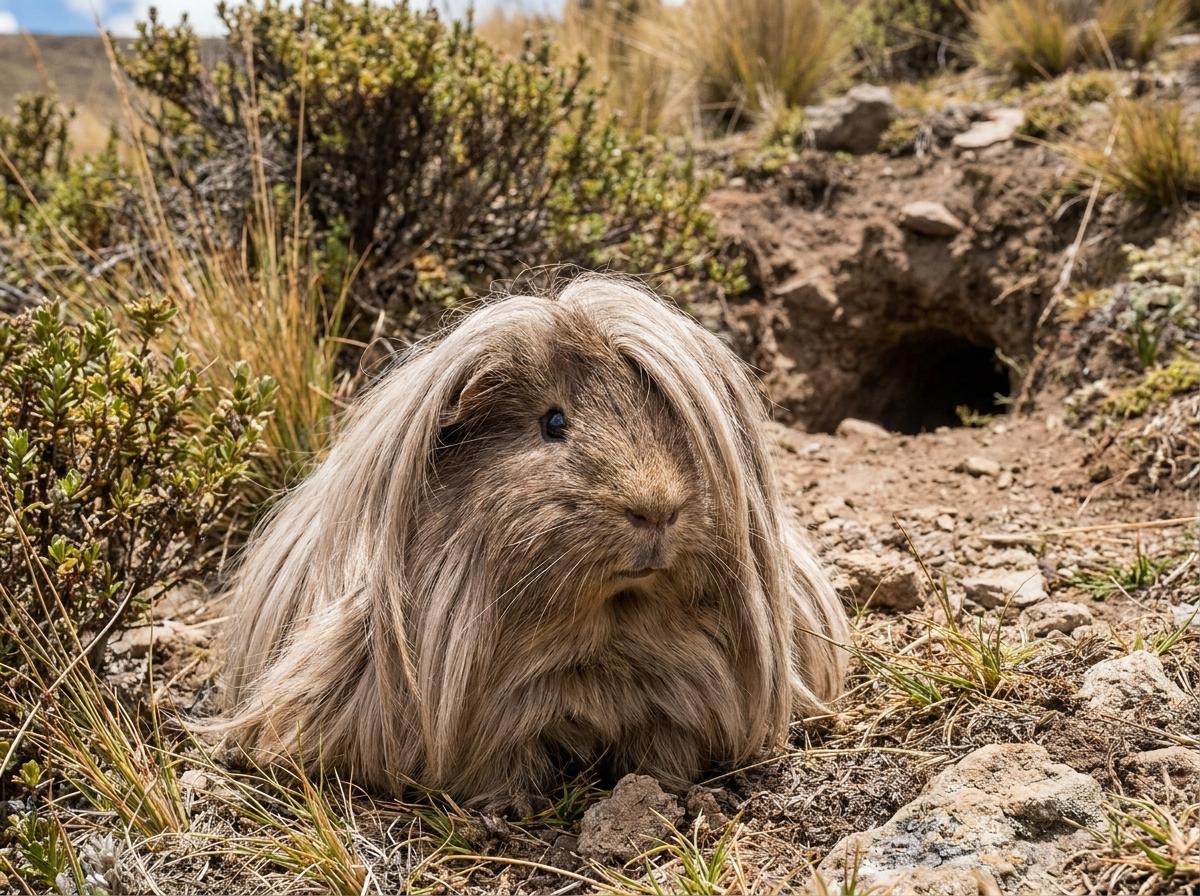
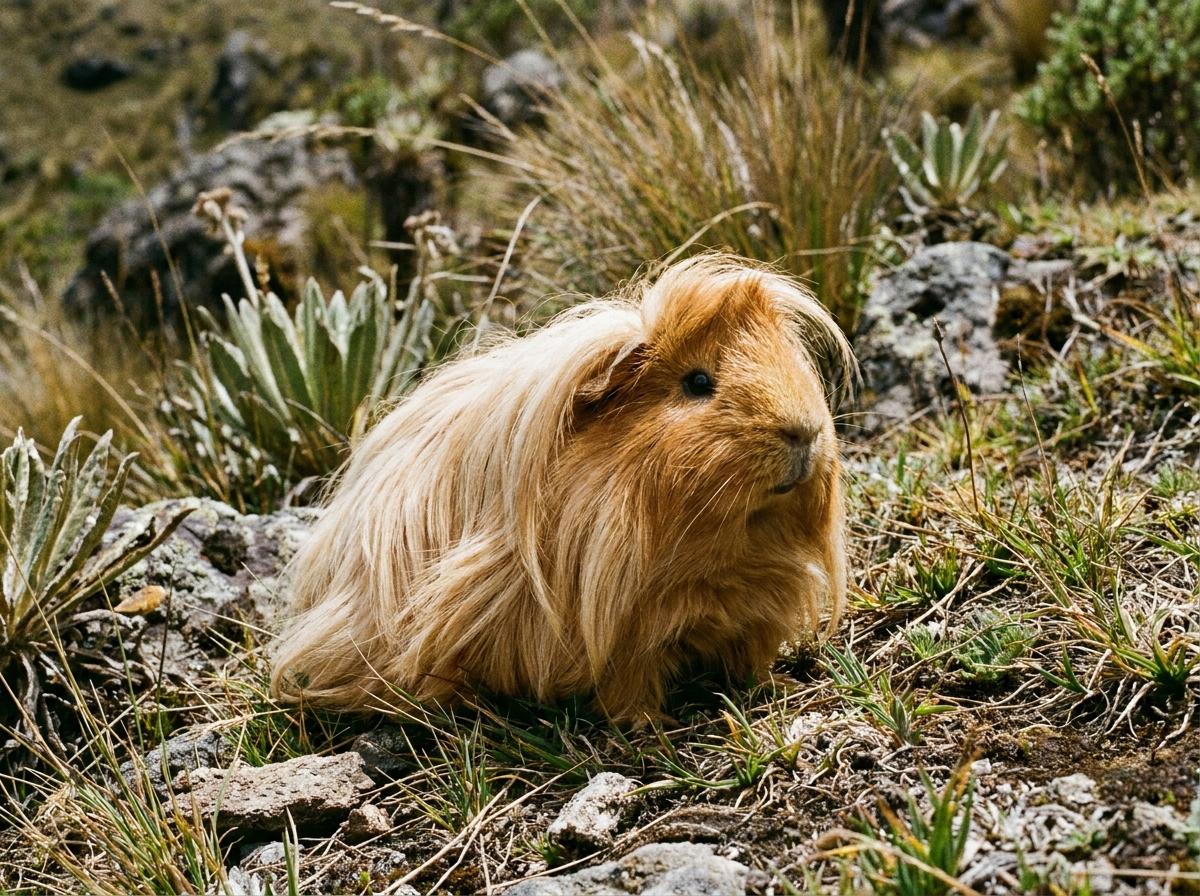
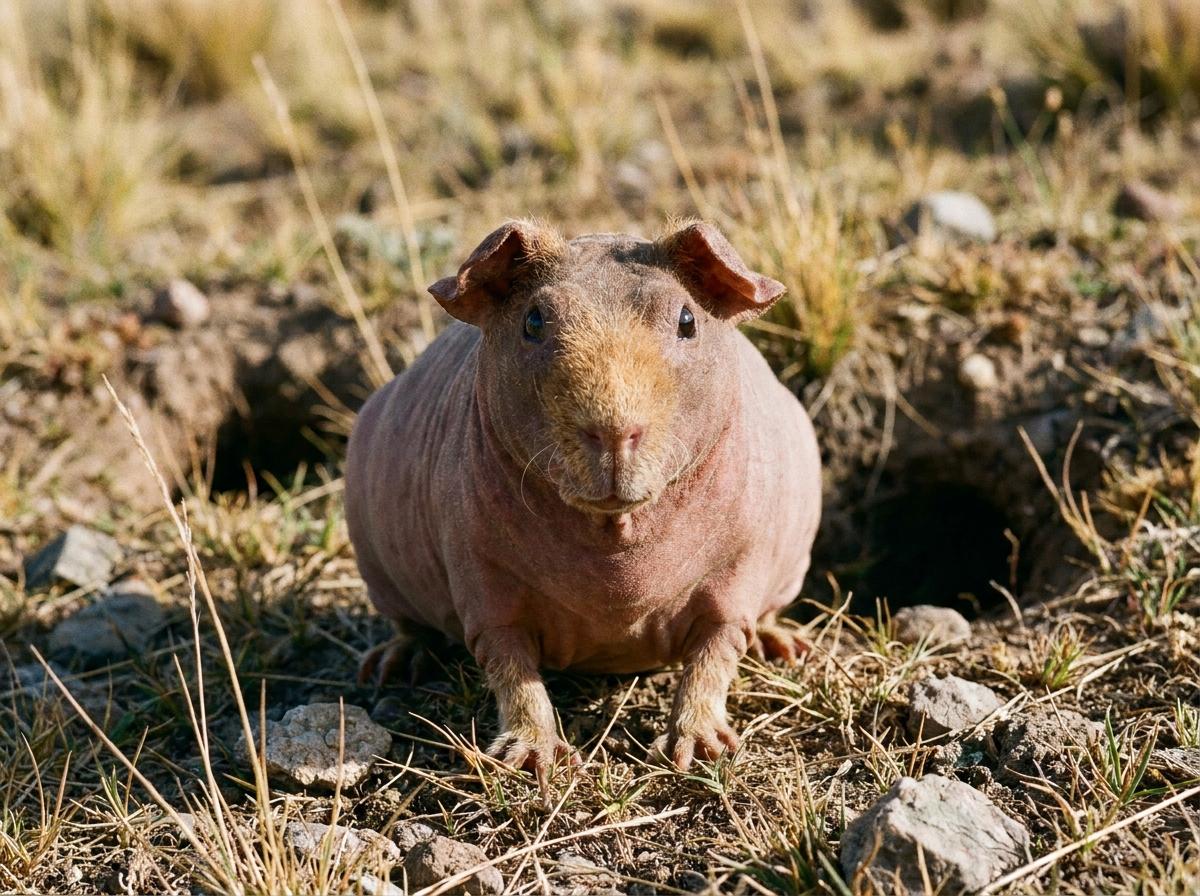
The guinea pig, Cavia porcellus, is a fully domesticated cavy descended from South American ancestors and long kept in the Andes as a food animal before becoming a common companion animal worldwide. It is not a pig and did not originate in Guinea; the name is historical rather than descriptive. Guinea pigs are compact, tailless rodents with large heads, short legs, continuously growing teeth, and a wide range of coat types. Pet and show lines include smooth-coated American guinea pigs, Abyssinians with rosettes, Peruvians, Silkies, Texels, skinny pigs, and many color patterns.
Care centers on social housing, constant roughage, and gentle handling. Guinea pigs are herd animals and usually do better in compatible pairs or groups, while breeding requires planning because females mature early and older first-time mothers can have serious delivery problems. A roomy, well-ventilated enclosure with solid flooring is safer than wire-bottom cages. Unlimited grass hay wears the teeth and supports gut movement, and daily vitamin C from suitable food or supplements is essential because guinea pigs cannot make their own. They overheat easily, hide illness, and benefit from an experienced exotic-mammal veterinarian when appetite, droppings, breathing, or weight change.