

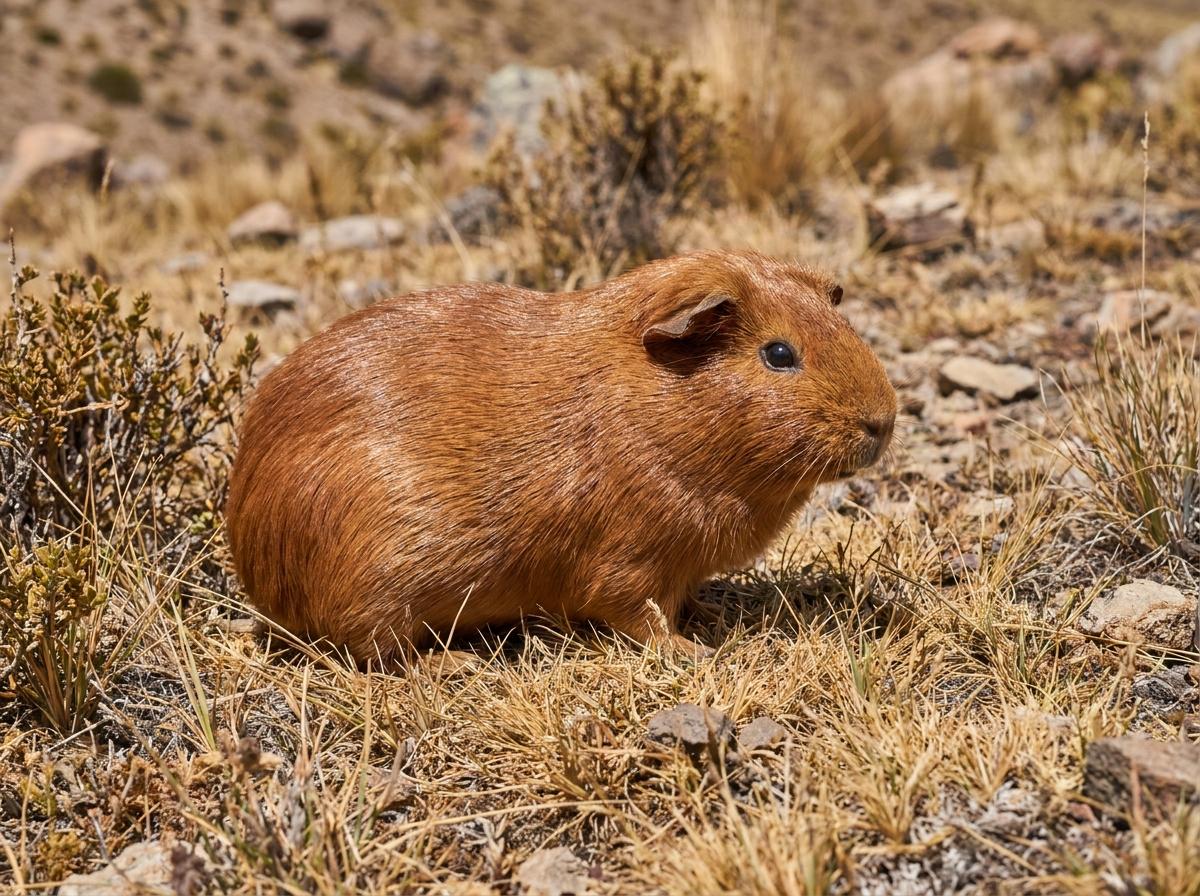
Satin
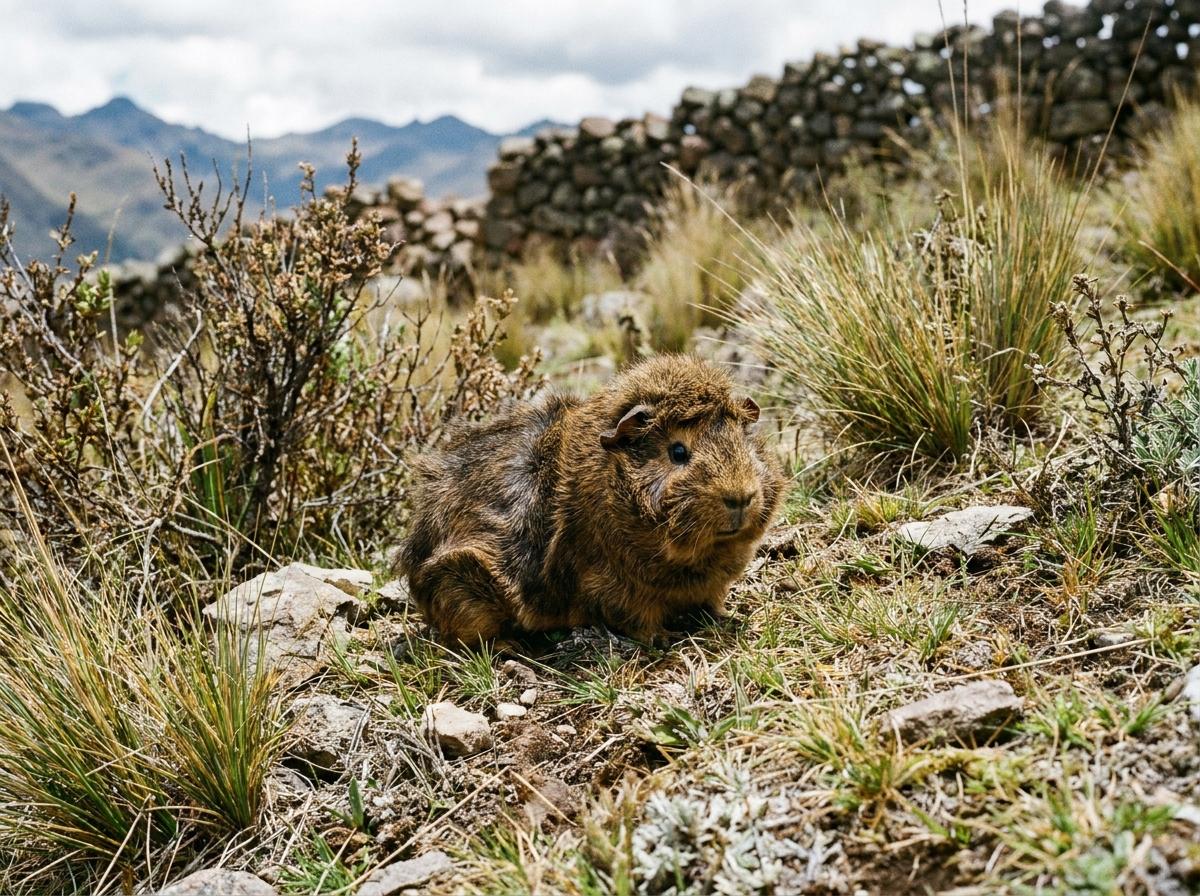
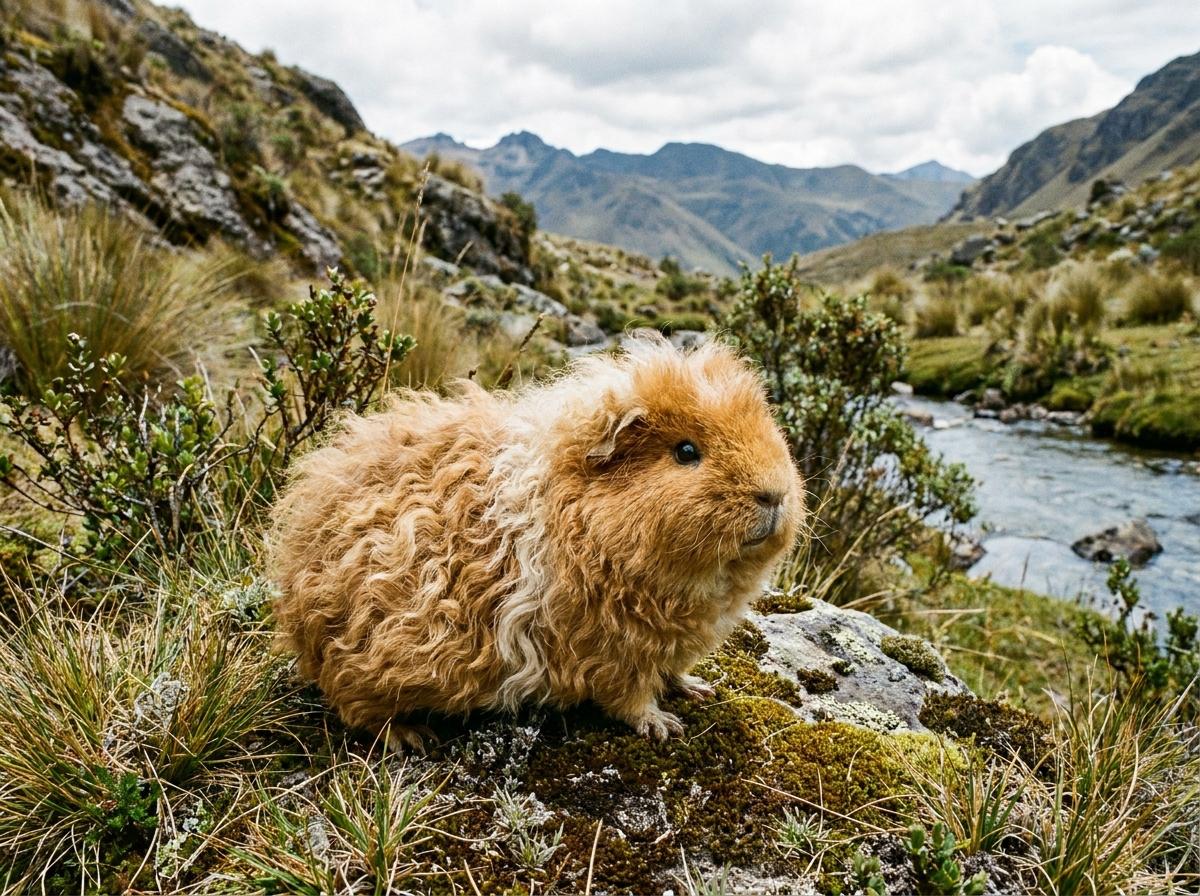
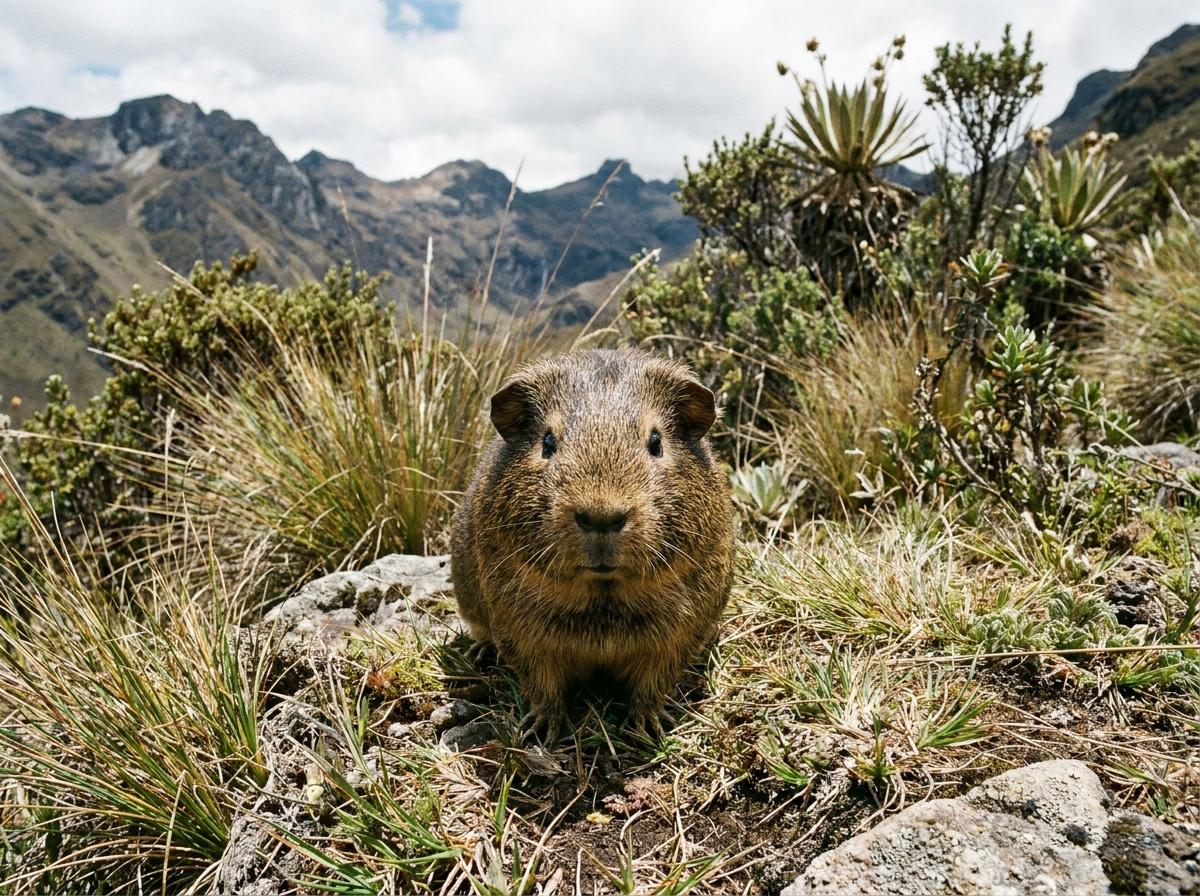
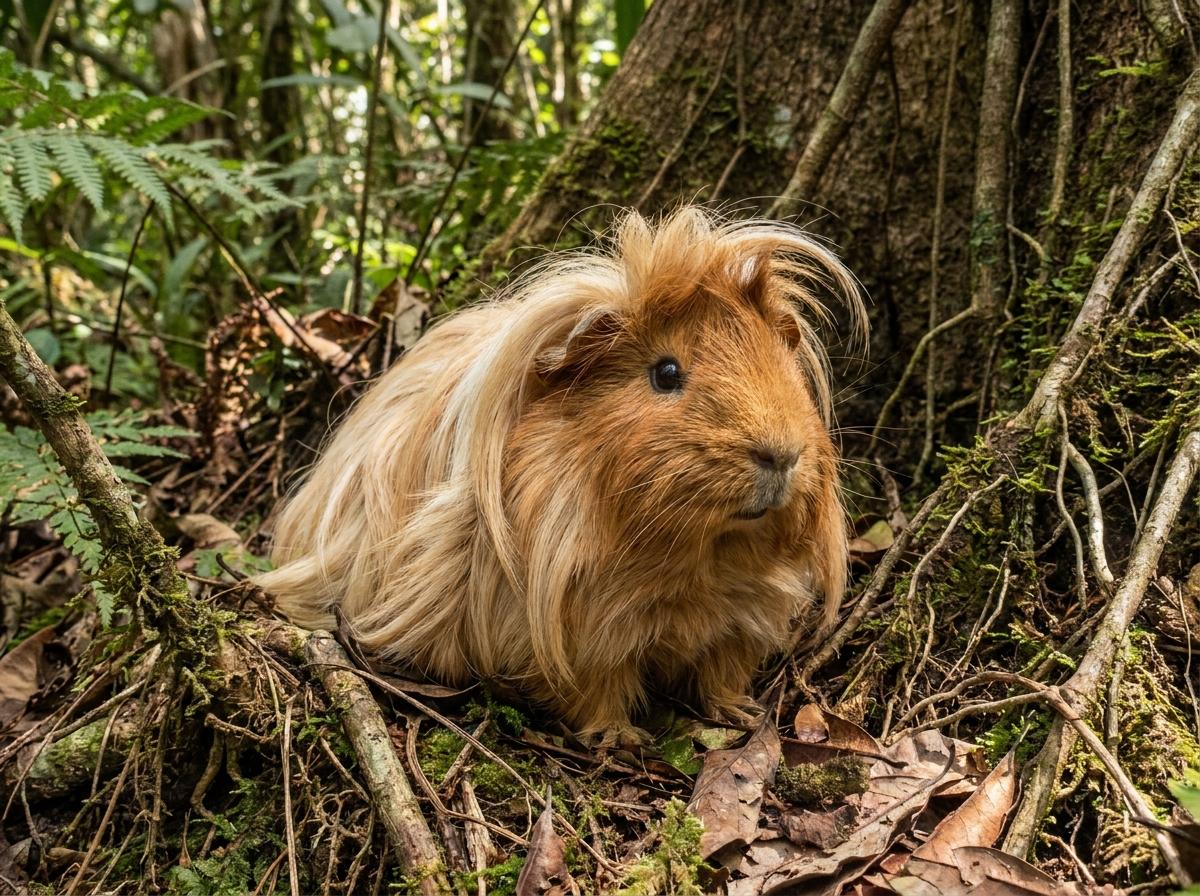
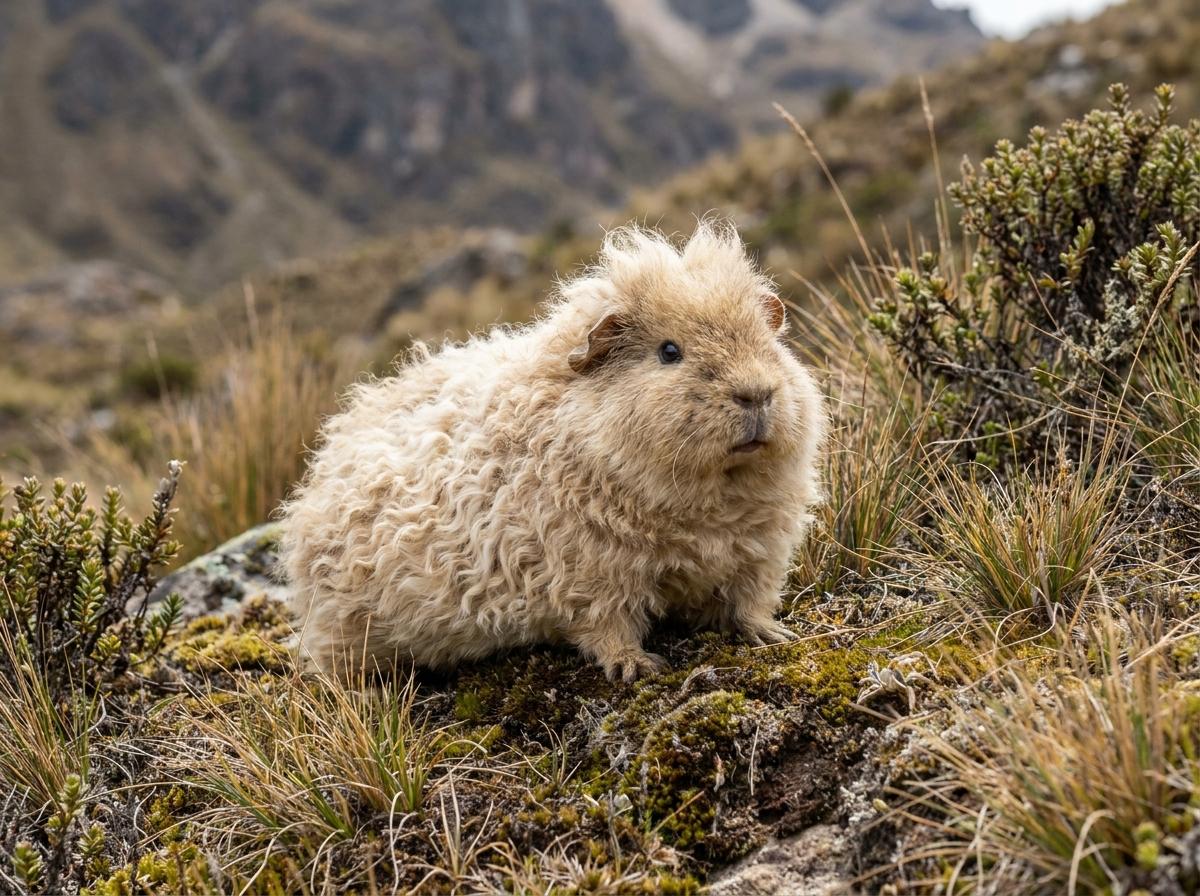
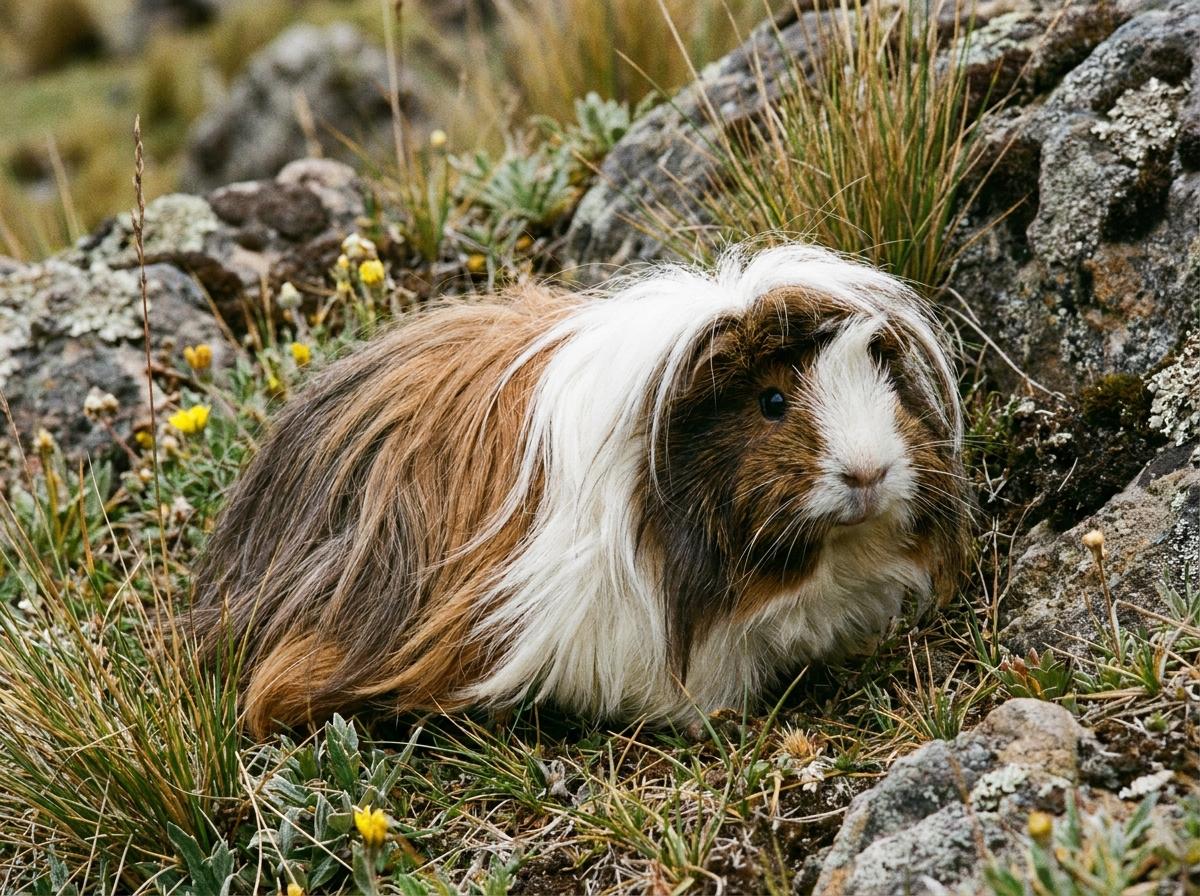
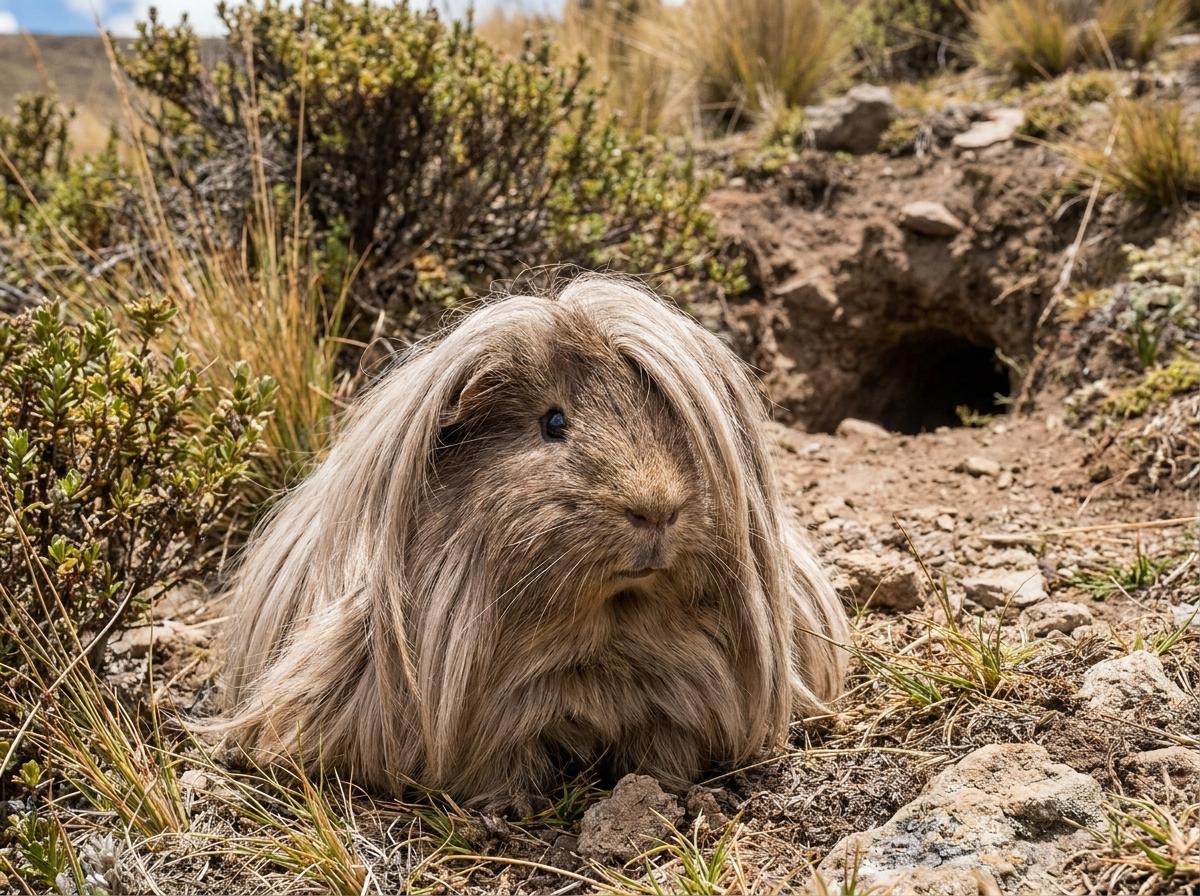
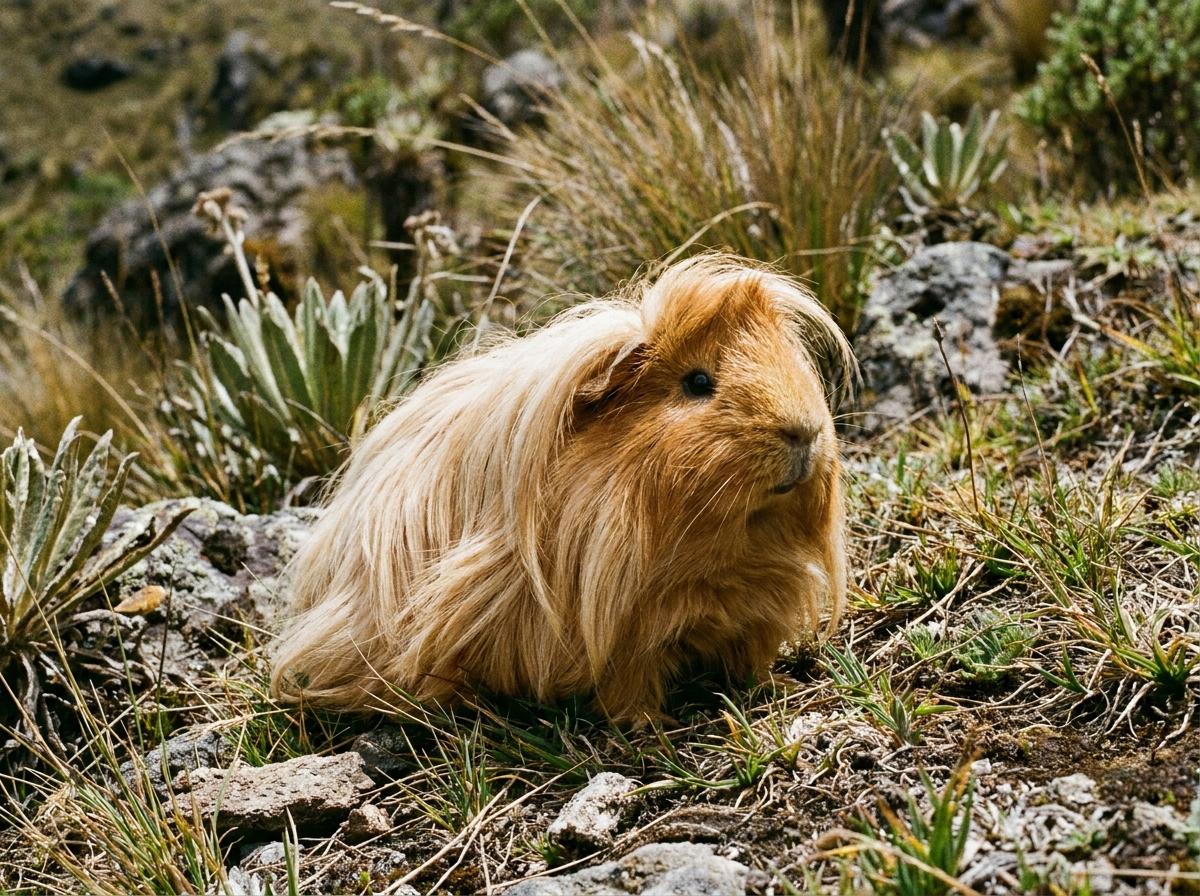
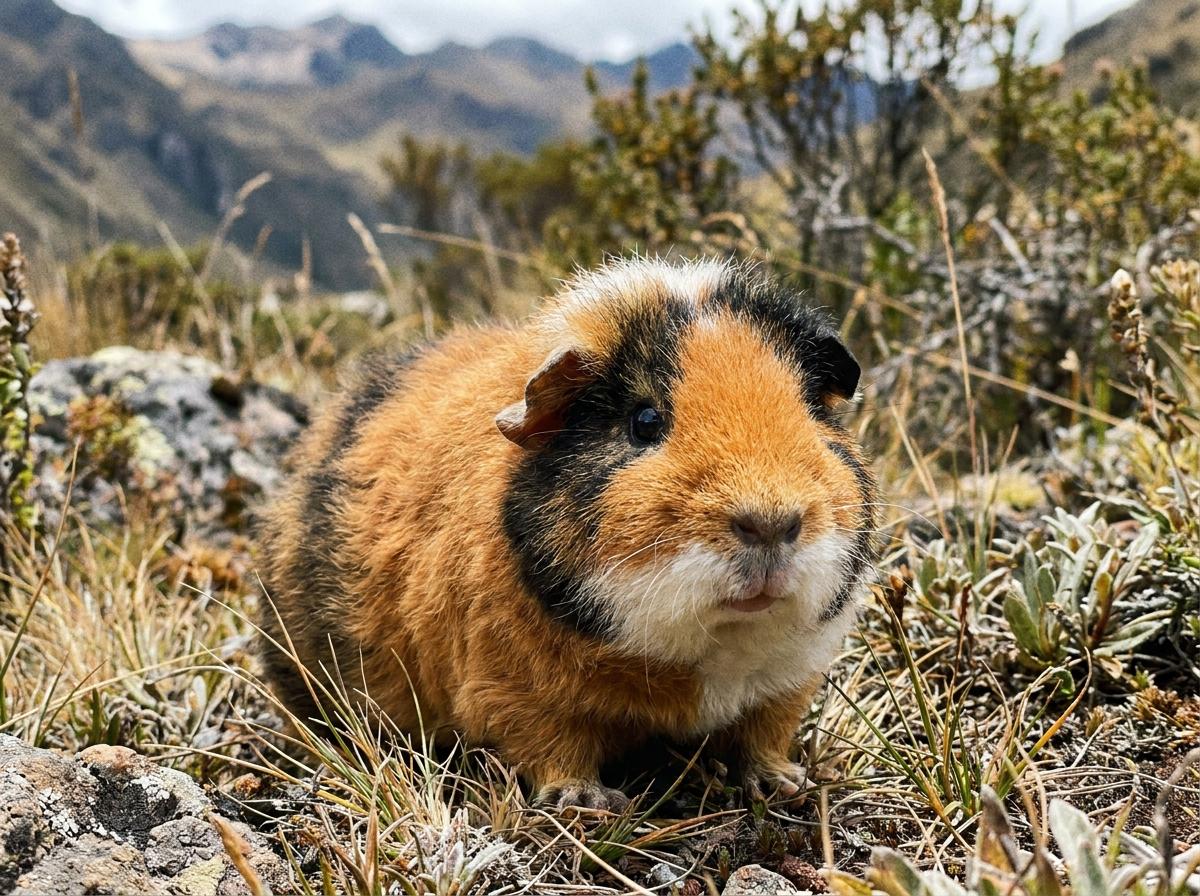
A satin guinea pig has a coat with a glassy sheen caused by hair shafts that reflect light differently from ordinary cavy hair. Satin can appear across several coat types and colors, so it is often treated as a coat trait or variety rather than a single visual silhouette. The effect can make self colors, agoutis, and patterned animals look brighter, with a polished surface that is especially noticeable under natural light.
The satin label deserves careful health context. Some satin guinea pig lines have been associated with osteodystrophy, a serious metabolic bone disorder, so breeders and buyers should ask about line history, veterinary monitoring, weight trends, and any signs of pain or stiffness. Pet care otherwise follows normal guinea pig basics, but a satin animal should never be chosen for shine alone; sound movement, appetite, and long-term welfare matter more than coat gloss.