
Pomeranian
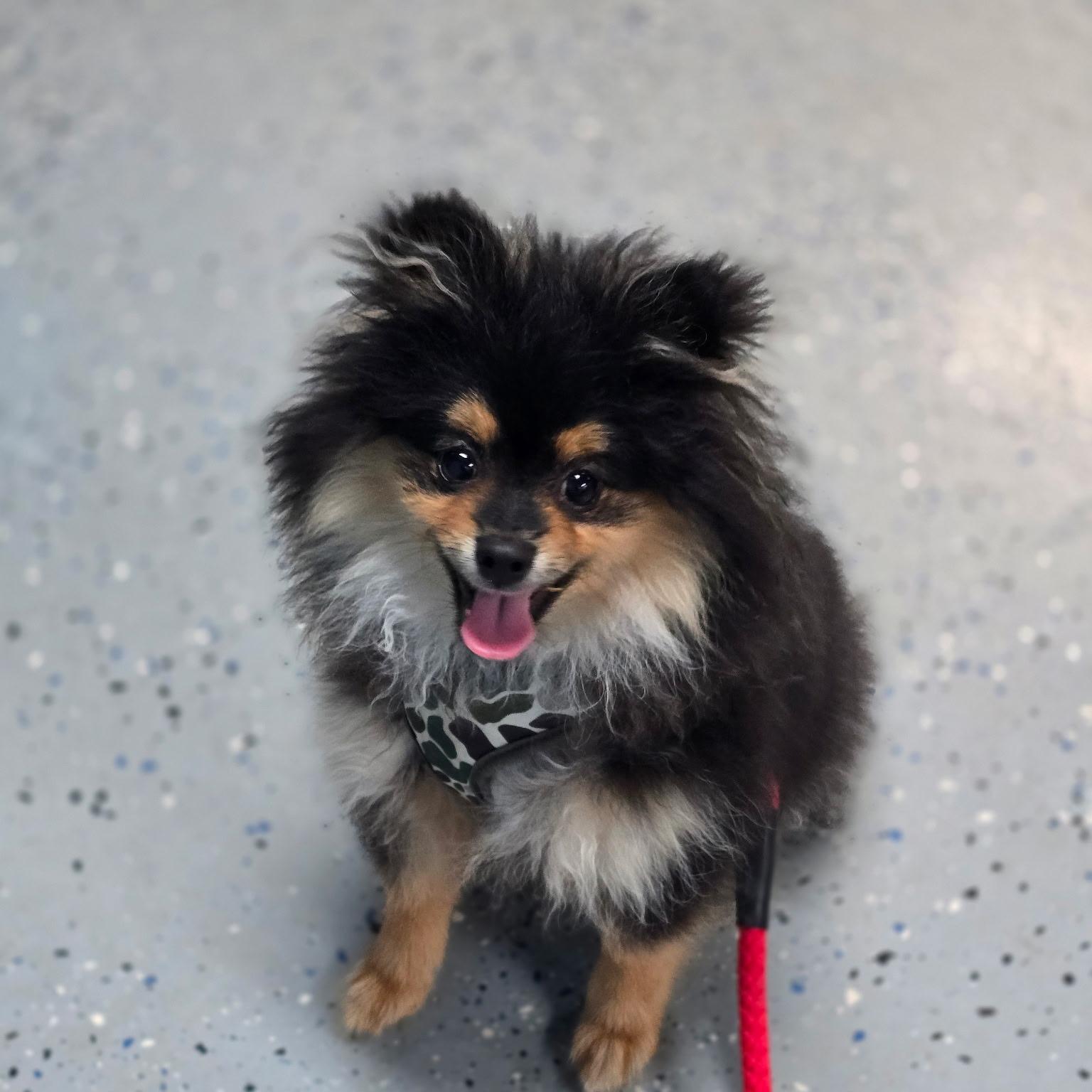
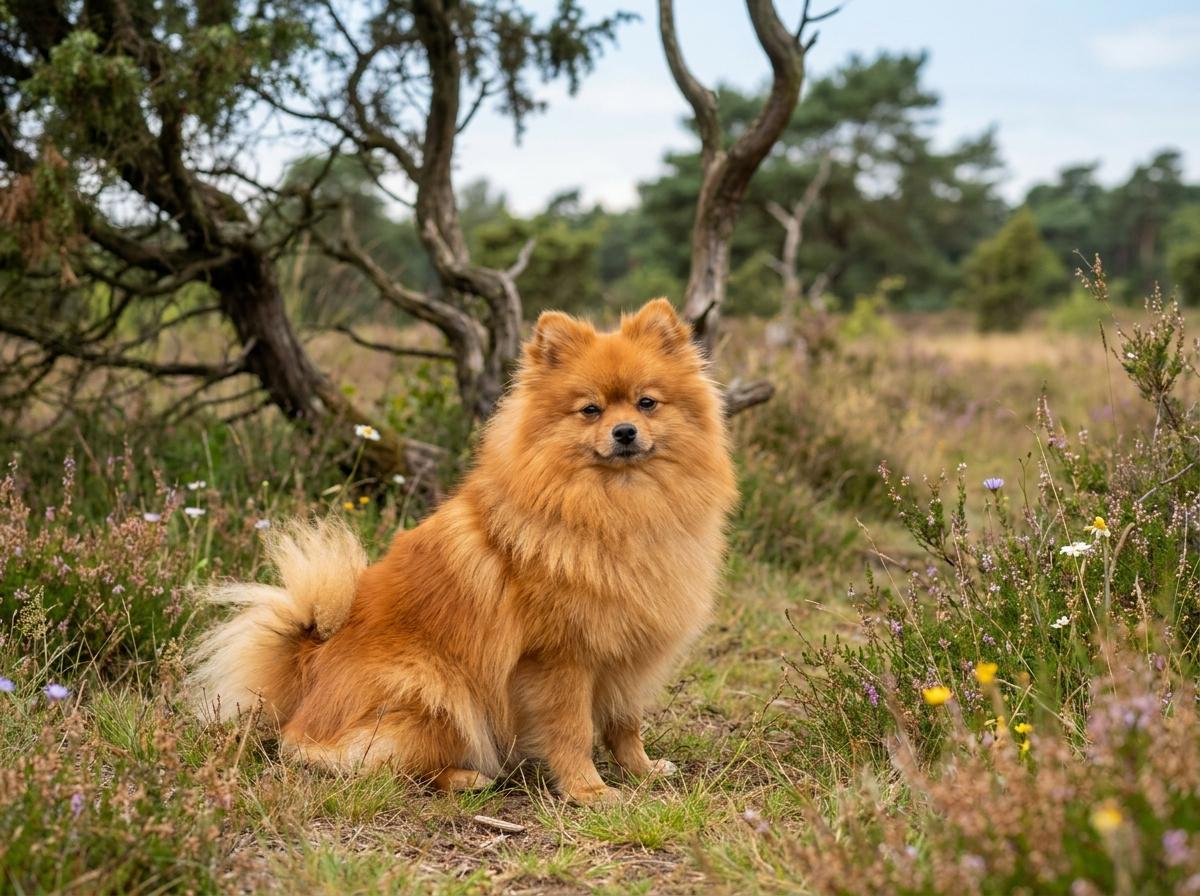
The Pomeranian is a toy-sized spitz dog descended from the larger German Spitz dogs of the Pomerania region on the Baltic coast. Selective breeding in Britain and Europe reduced the size while keeping the foxy head, small upright ears, dense double coat, and tail curled over the back. Orange and orange sable are the best-known colors, but black, cream, white, blue, chocolate, merle, parti, and other accepted or debated colors occur depending on registry. Despite its size, the breed still has the alertness and self-importance of a northern spitz.
Pomeranians suit homes that want a lively small dog rather than a fragile ornament. They learn quickly and often bark to announce activity, so polite handling and consistent training help more than indulgence. The coat needs brushing through the undercoat, extra attention during seasonal shed, and routine care around the ears, nails, teeth, and rear feathering. Very small dogs are vulnerable to injury from falls or rough play, and buyers should be cautious with 'teacup' marketing. Responsible breeders discuss patellas, heart, eye, dental, and trachea concerns and avoid breeding only for extreme tininess or coat volume.
Colors: Apricot, Bicolor, Black, Black and Tan, Black and White, Black Mask, Blue, Blue and Tan, Blue and White, Blue Merle, Blue Roan, Blue Tick, Brindle, Brown, Brown and Tan, Brown and White, Chocolate, Cream, Dapple, Domino, Fawn, Fawn and White, Gold, Gray, Harlequin, Irish Marked, Lavender, Liver, Liver Mask, Mantle, Mask, Merle, Mottled, Orange, Orange and White, Parti-Color, Piebald, Red, Red and White, Red Merle, Red Roan, Red Tick, Reverse Brindle, Roan, Sable, Saddle, Silver, Speckled, Spotted, Tan, Ticked, Tricolor, Tuxedo, White, Yellow