



American Pit Bull Terrier
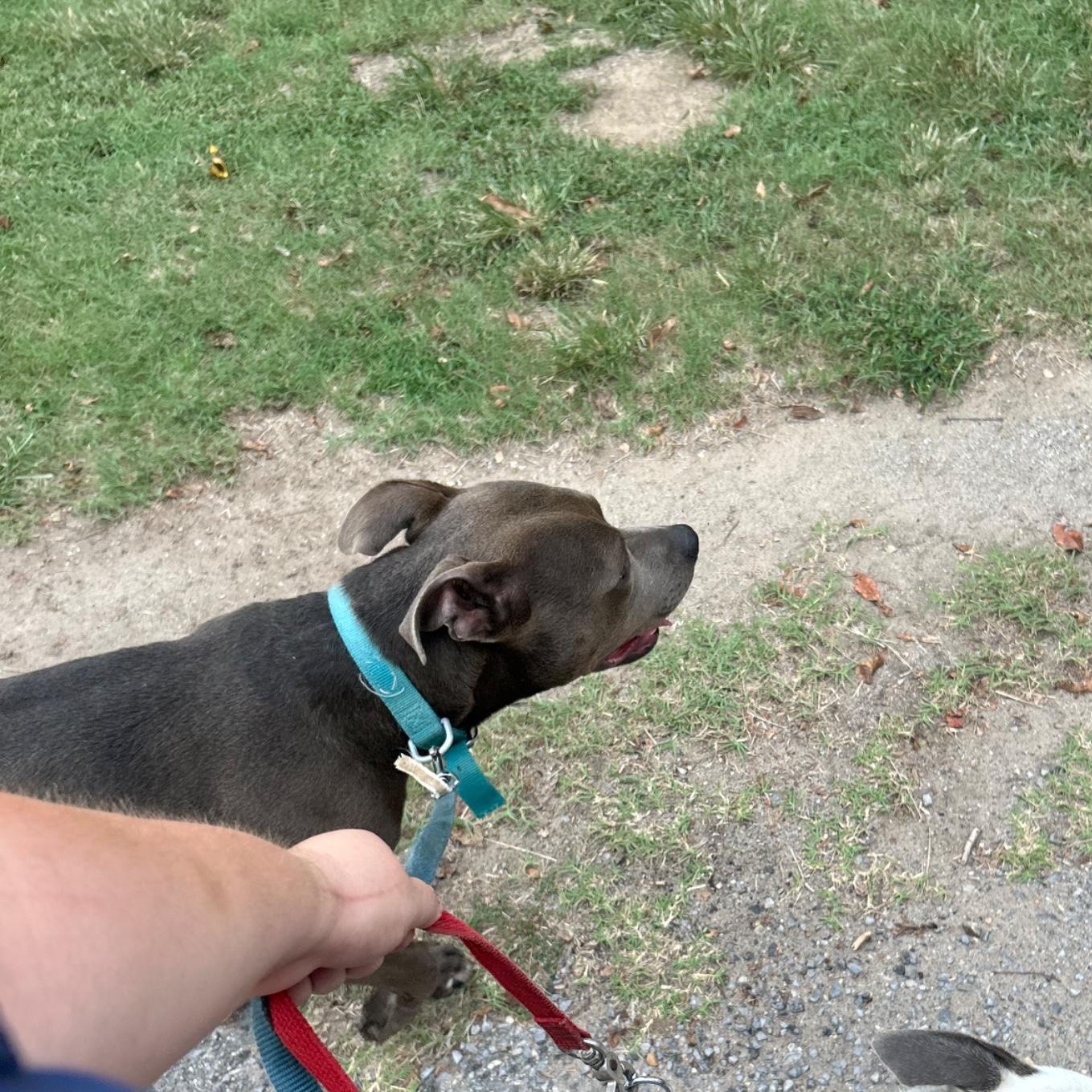
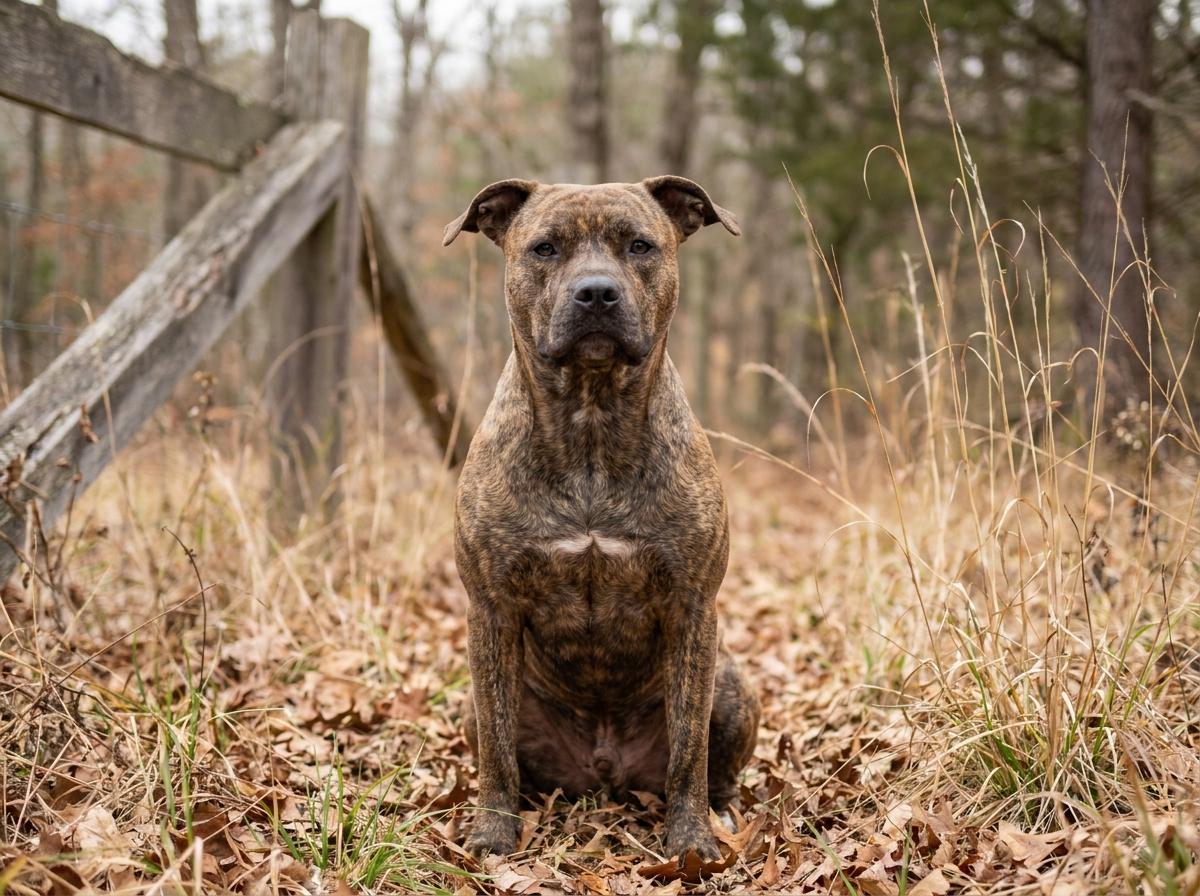
The American pit bull terrier is an athletic bull-and-terrier dog recognized by registries such as the United Kennel Club and the American Dog Breeders Association, but not as a separate American Kennel Club breed. It developed in the United States from British and Irish bull-and-terrier stock and was used historically for farm work, catch work, and prohibited fighting. A well-bred APBT is medium-sized rather than massive, with a short coat, strong rear, broad but not exaggerated head, and a wide range of colors. The name is often applied loosely to many blocky-headed mixed-breed dogs, which makes identification and statistics difficult.
Keeping an American pit bull terrier responsibly means planning for strength, drive, and public scrutiny. Early socialization with people, consistent training, secure fencing, and controlled introductions to other animals are basic management, especially because some individuals are dog-selective as adults. They usually need vigorous exercise and interactive work, not just yard time. Breed-specific laws, rental rules, and insurance limits may affect ownership in some places. Ethical breeders place temperament first, avoid breeding for extreme size or aggression, and use health screening for hips, heart disease, allergies, thyroid concerns, and inherited neurologic problems where relevant.