
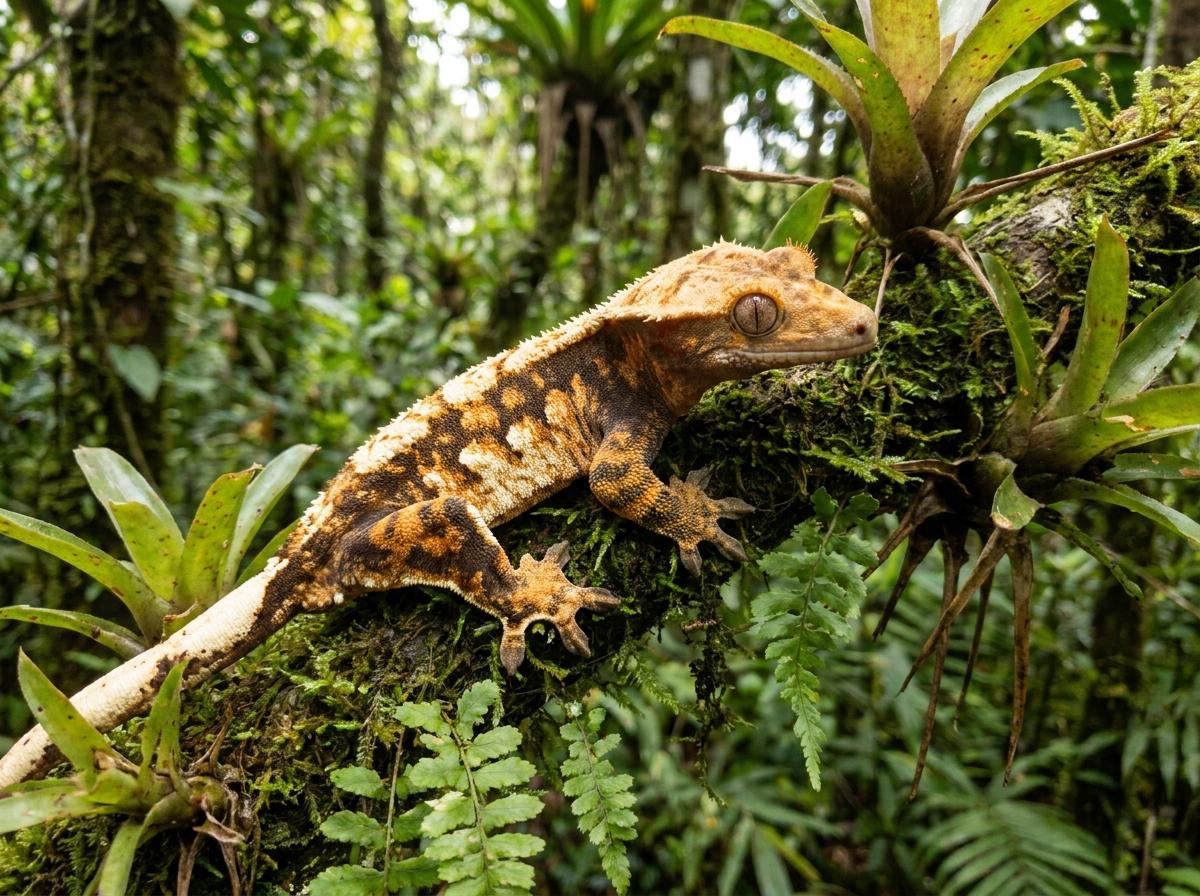
Harlequin
Morph
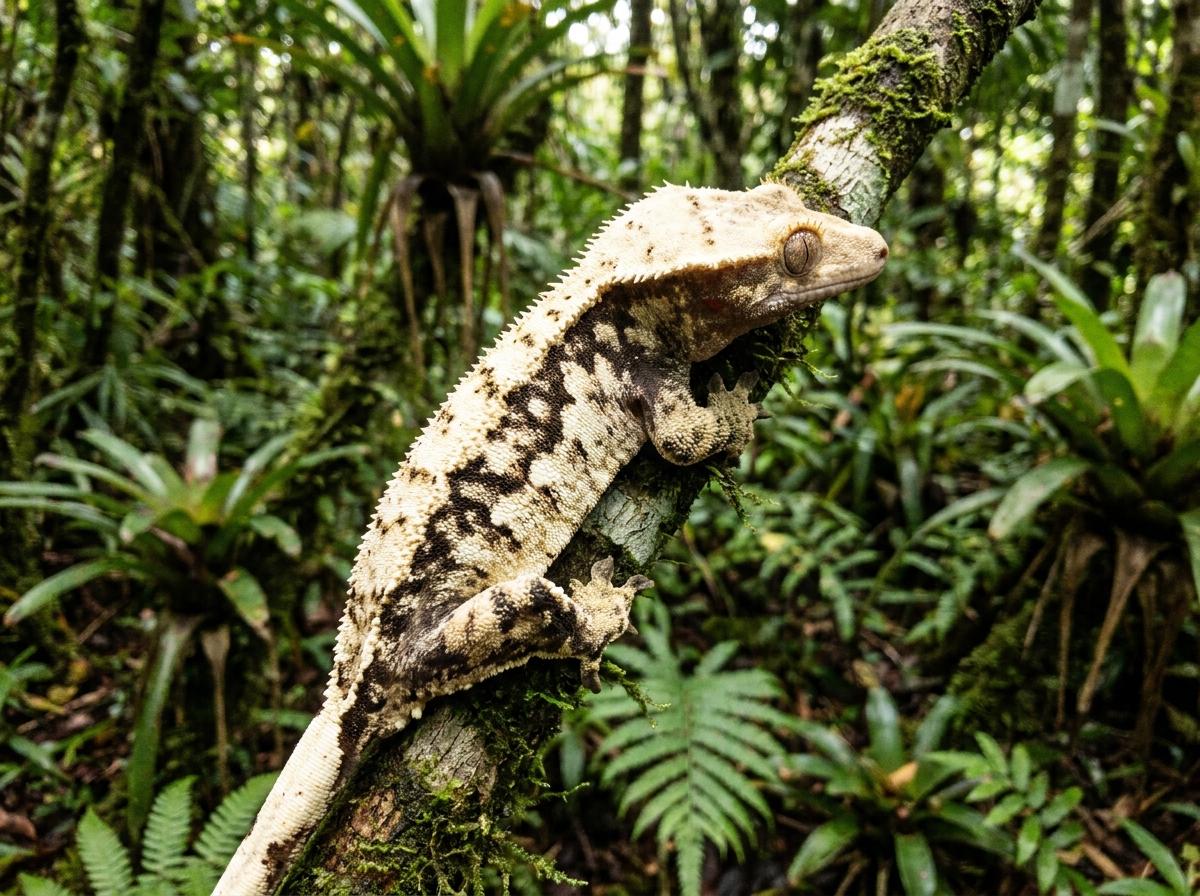
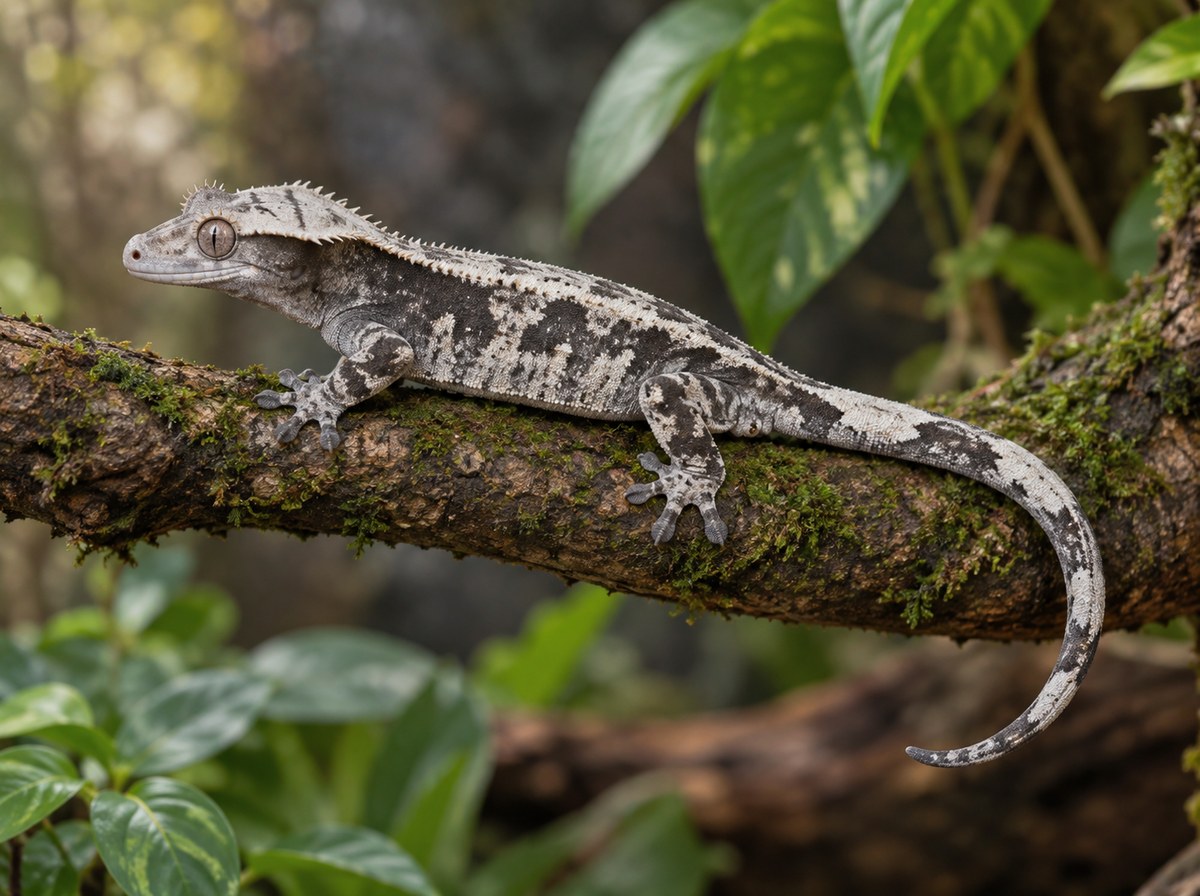
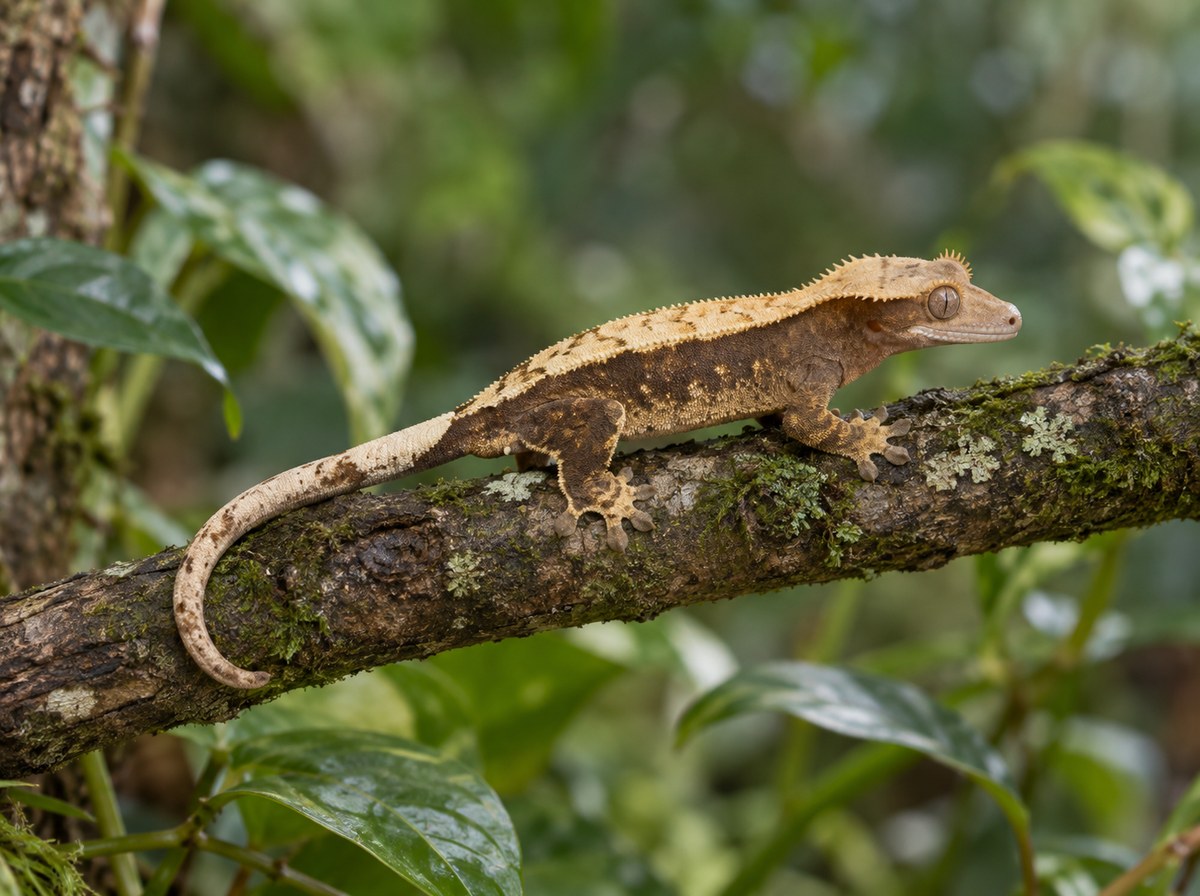
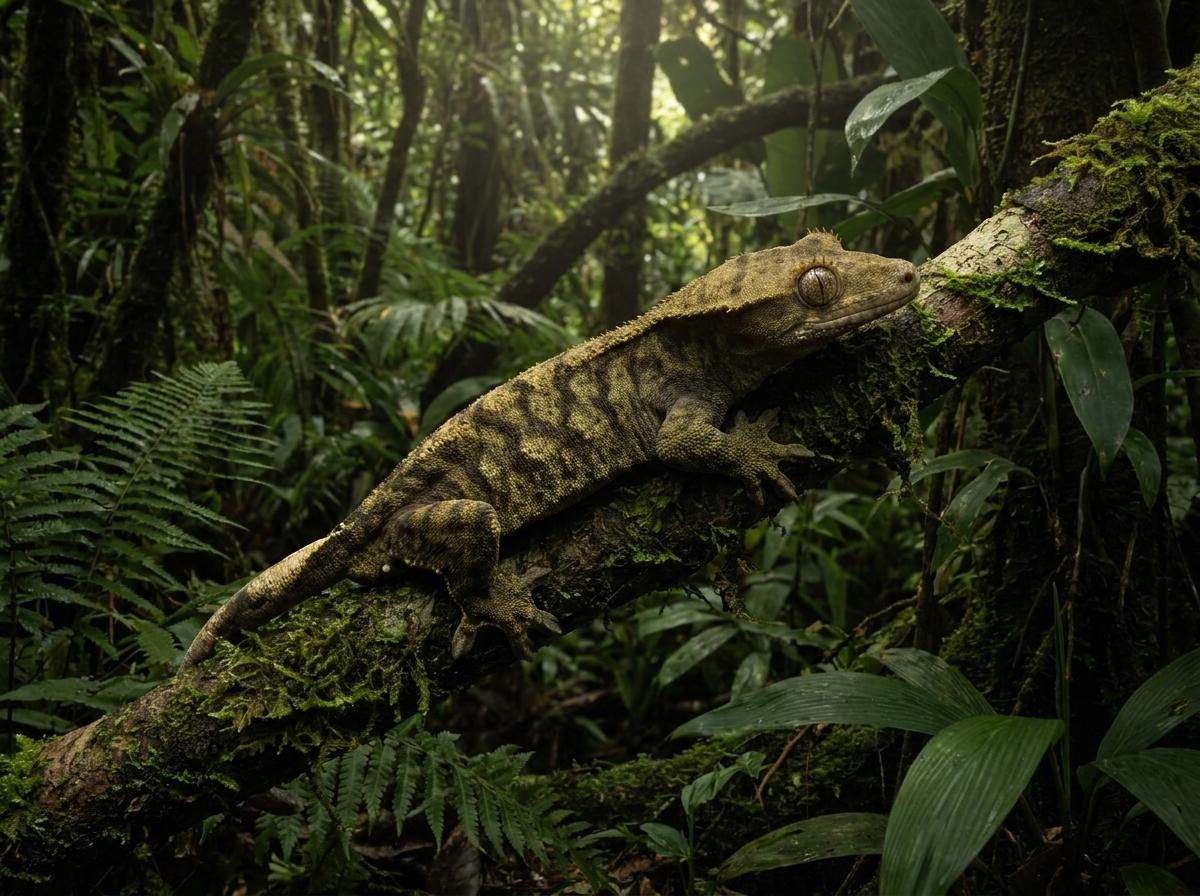
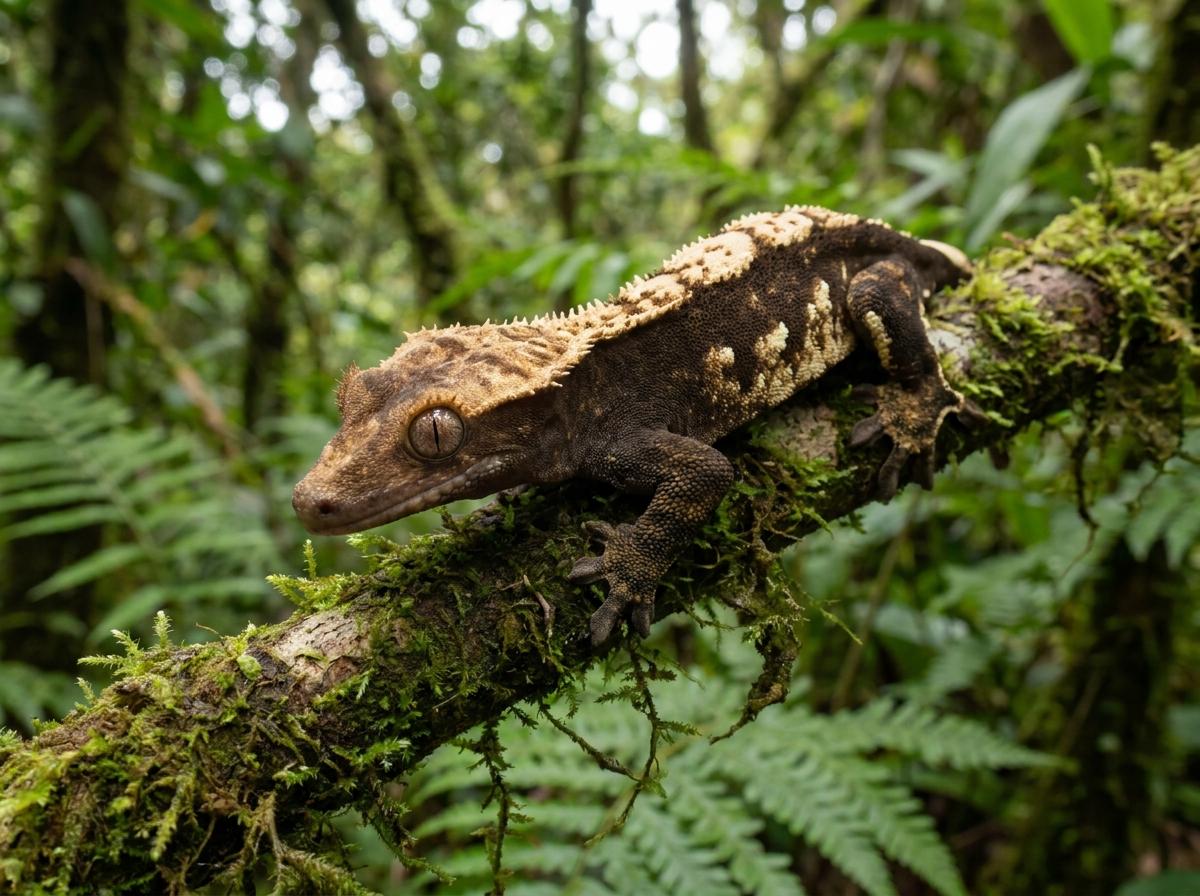
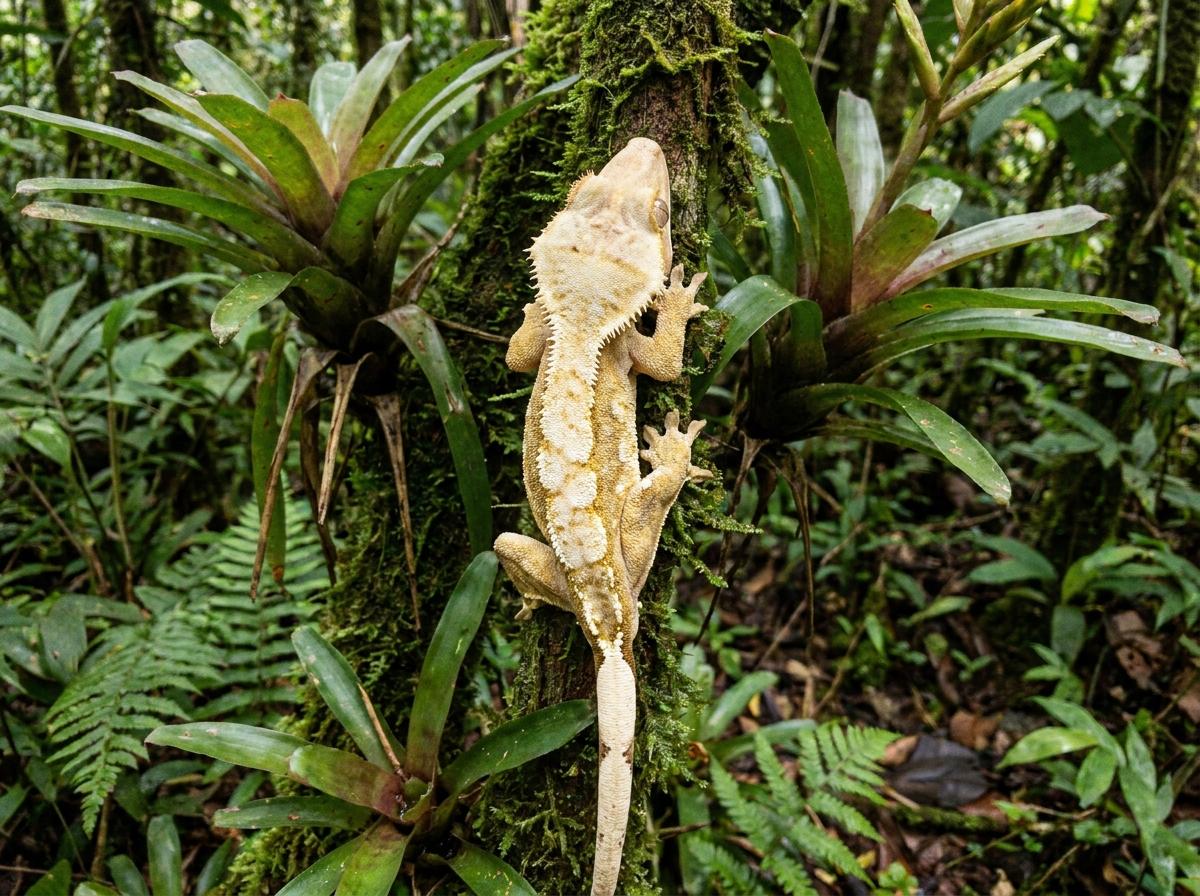
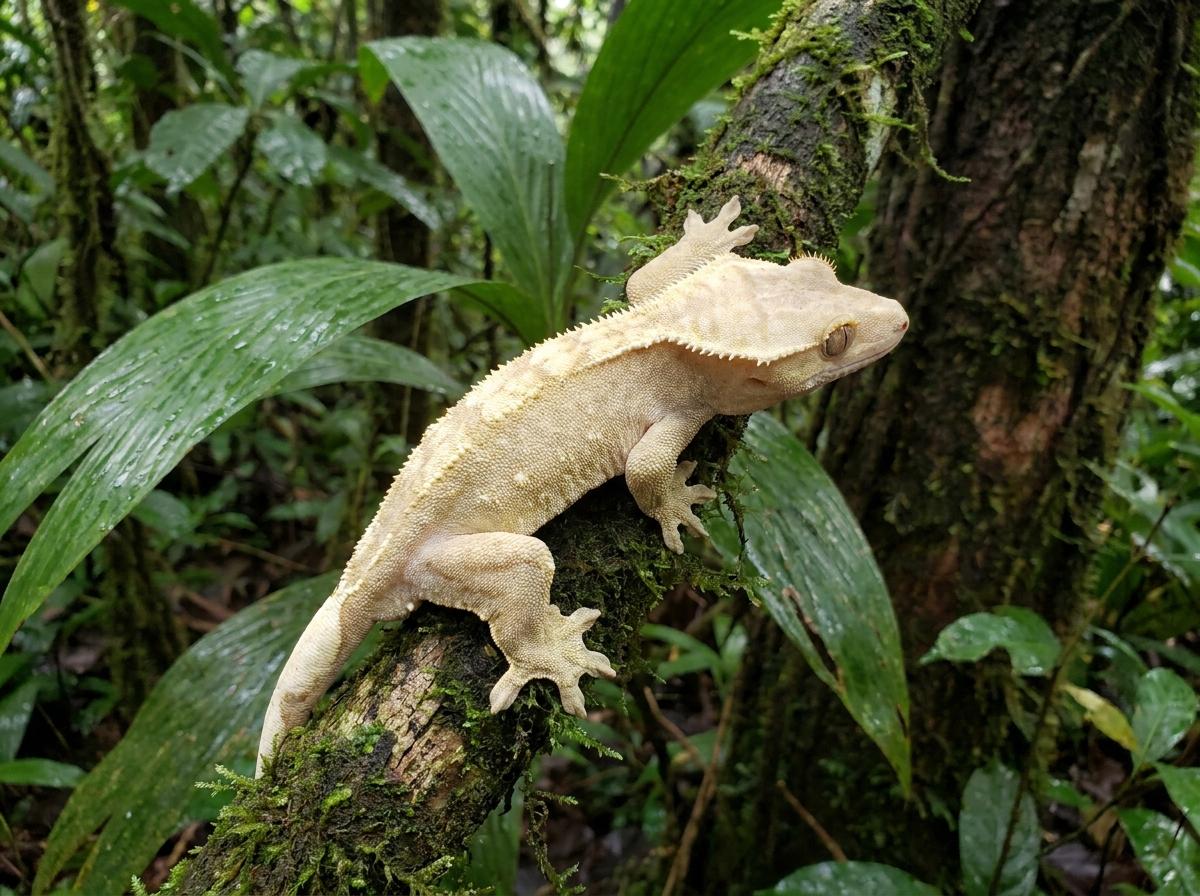
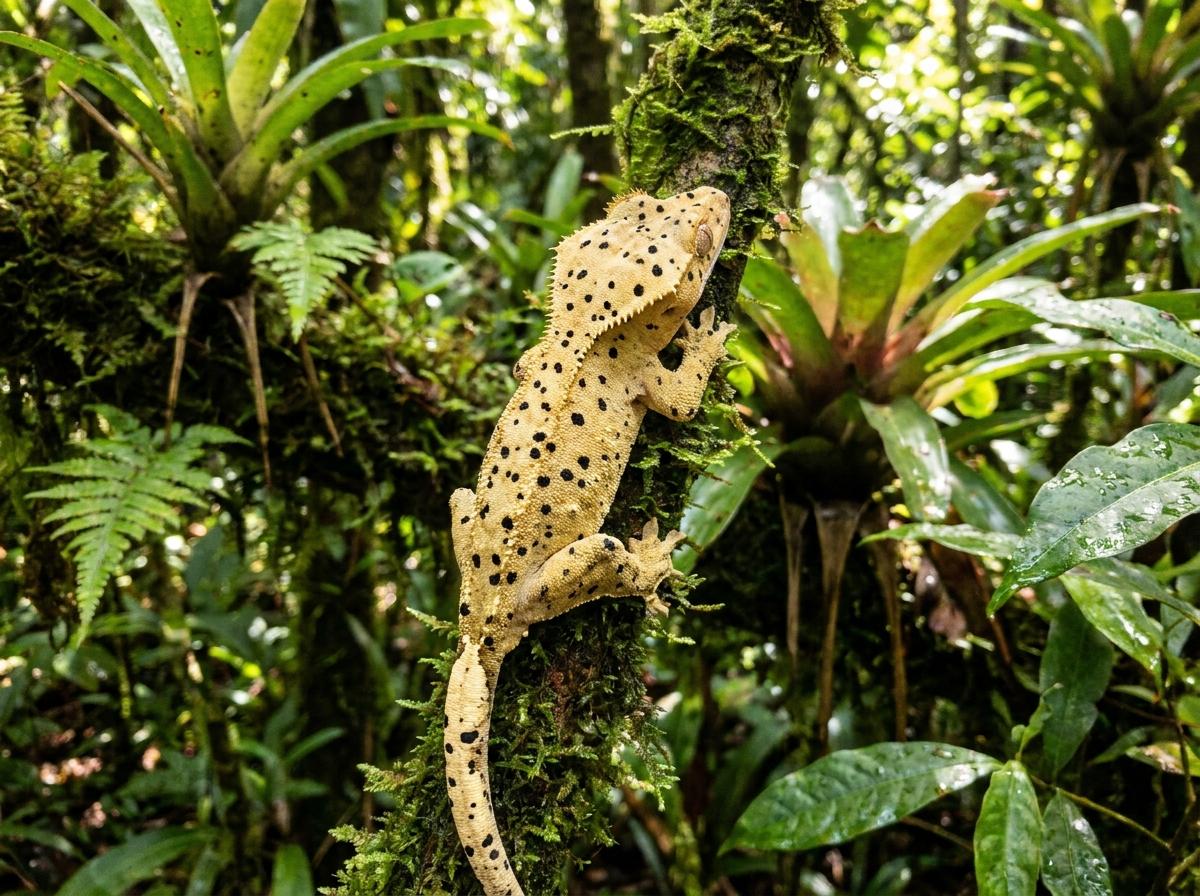
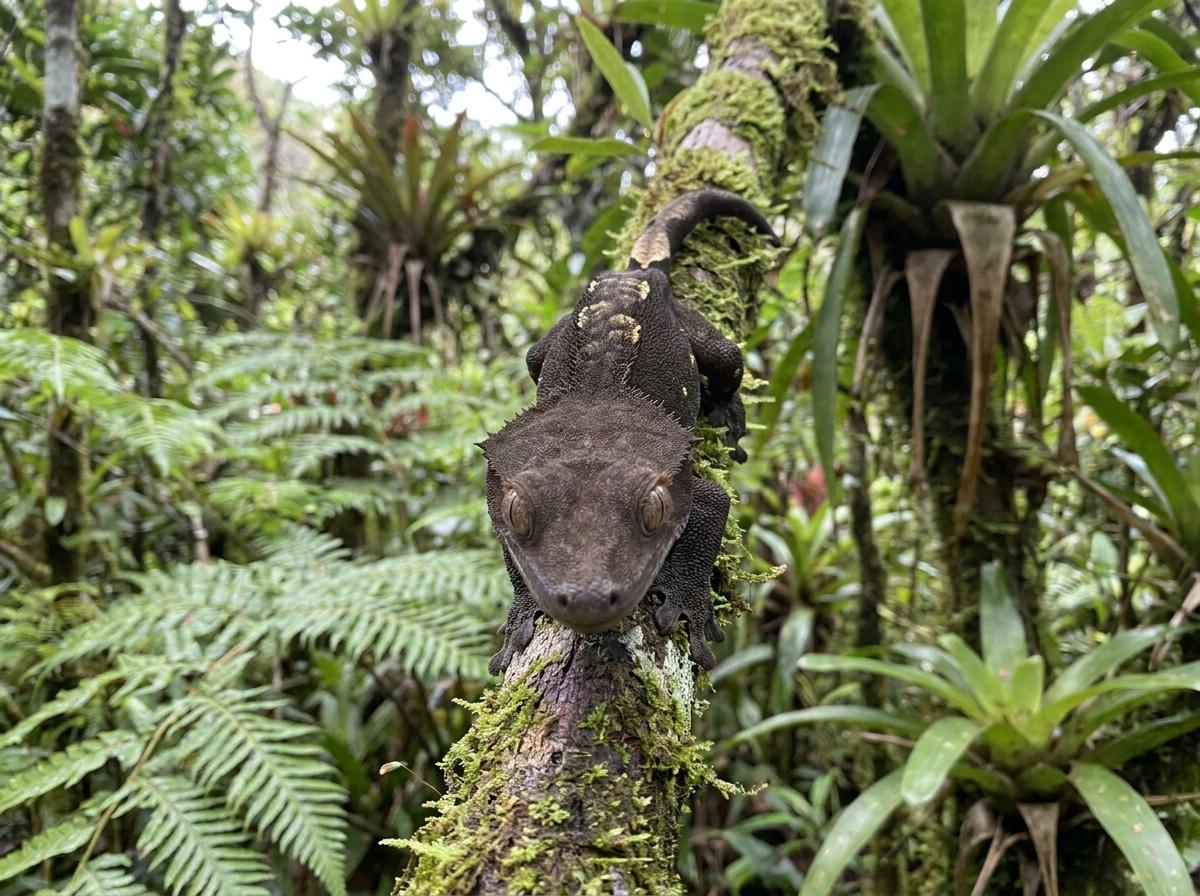
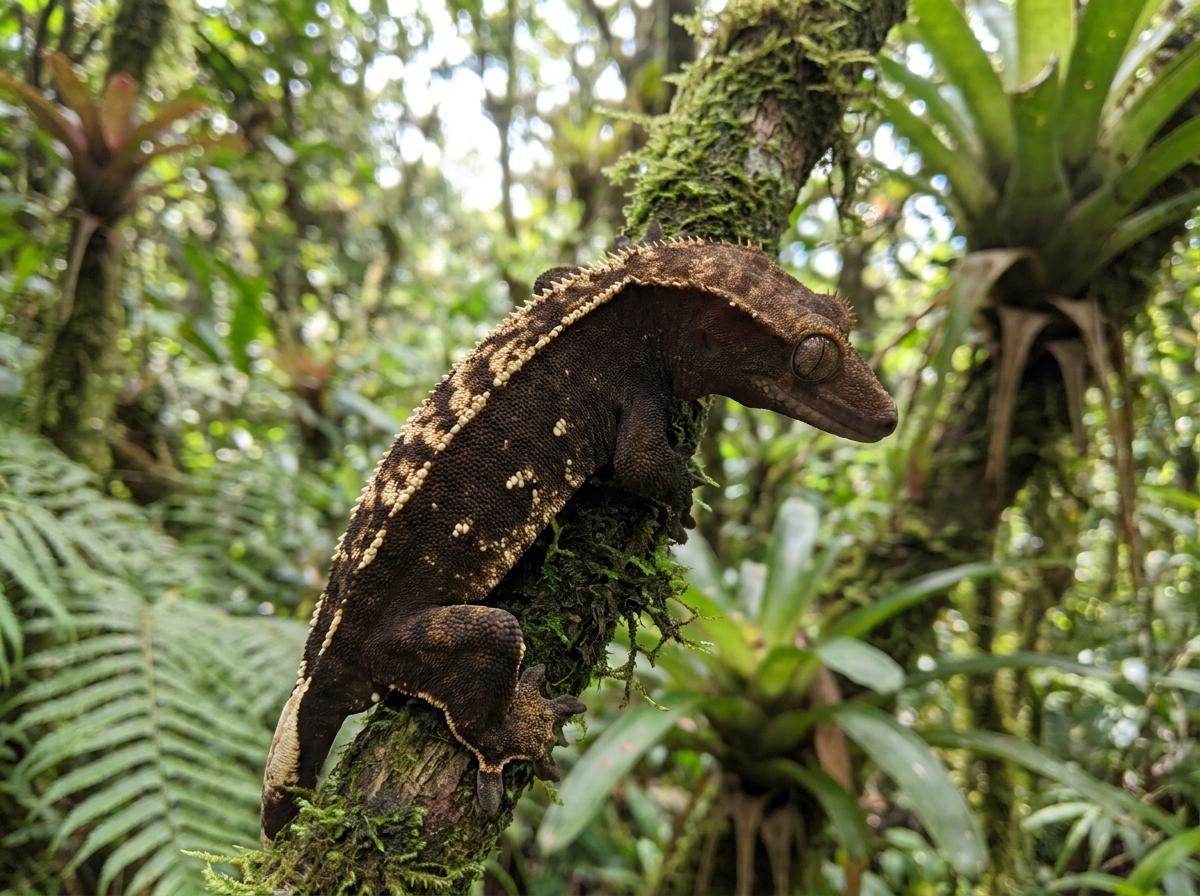
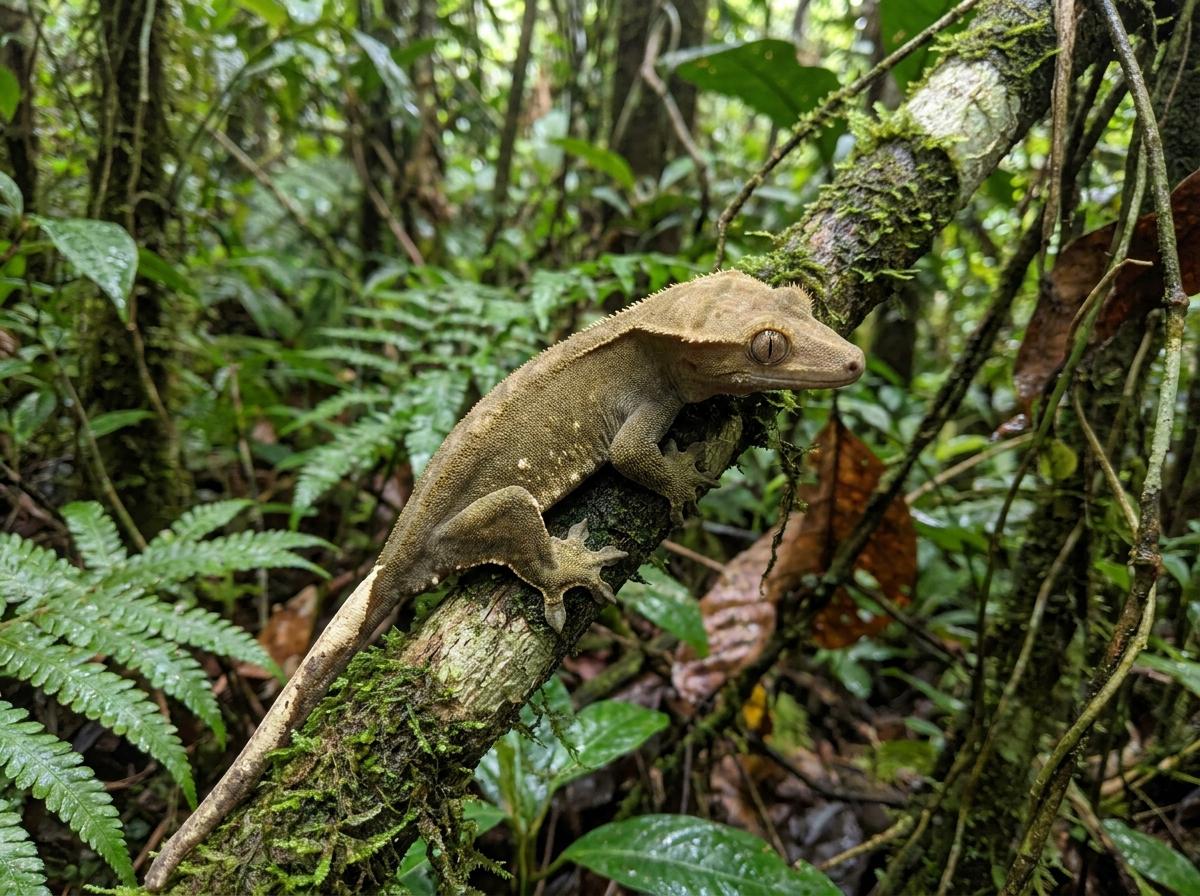
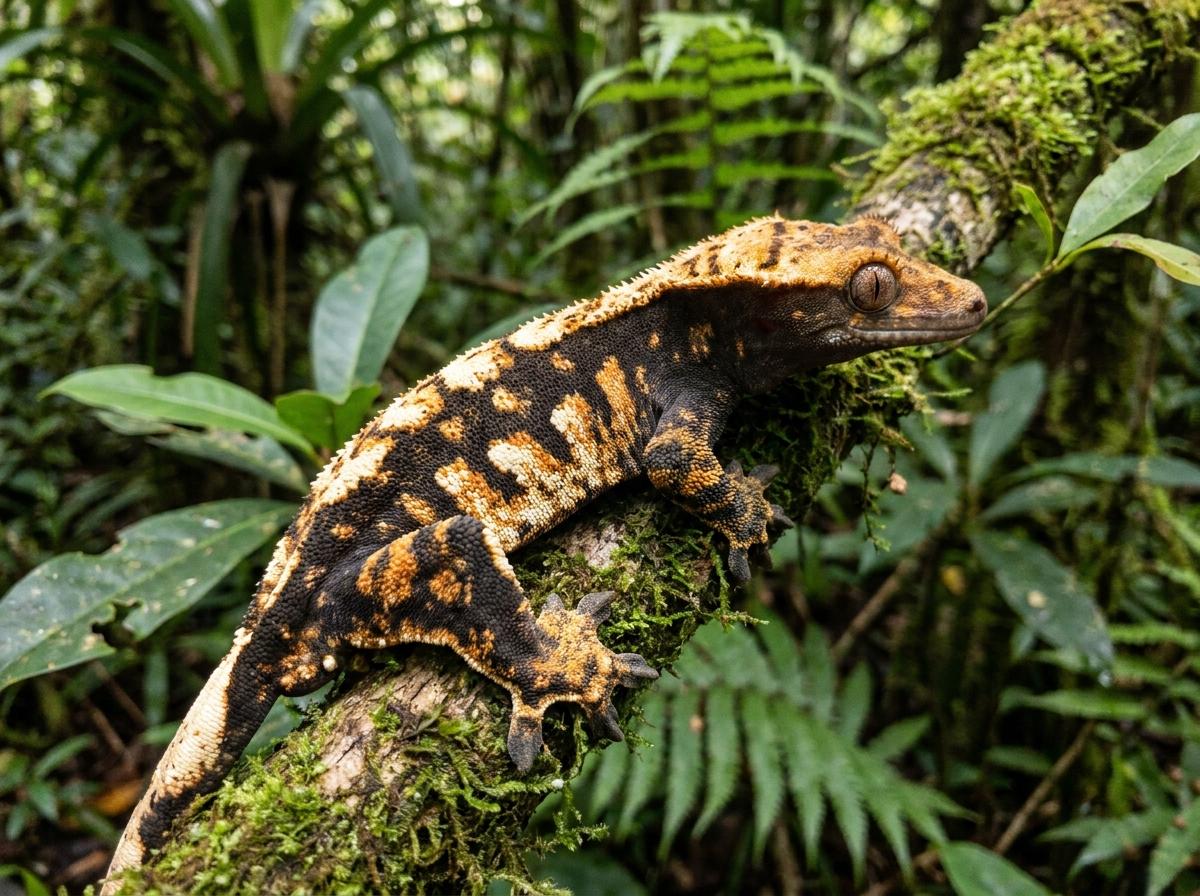
Harlequin, in crested gecko morph language, is a patterned form of the New Caledonian species Correlophus ciliatus, sitting between the simpler flame pattern and the heavier extreme harlequin. A harlequin has a contrasting dorsal pattern plus visible markings on the sides, legs, and sometimes the head. These markings may be cream, yellow, orange, or white over red, brown, dark, olive, or buckskin bases. The edges can be clean or broken, and the gecko's appearance often changes noticeably between fired-up and fired-down states.
For pet homes, the harlequin label does not change the gecko's needs. Stable room-range temperatures, a humid but ventilated arboreal setup, and plenty of climbing cover are more important than color. Harlequins are popular in breeding projects because the pattern combines well with pinstripe, dalmatian, red, dark, and lily white lines. Since the trait is not a simple on-off gene, a responsible seller should be able to explain the parents and show how the animal looks under normal lighting. Good body condition and feeding history should outweigh pattern coverage when choosing a juvenile.