
Alpaca
Vicugna pacos
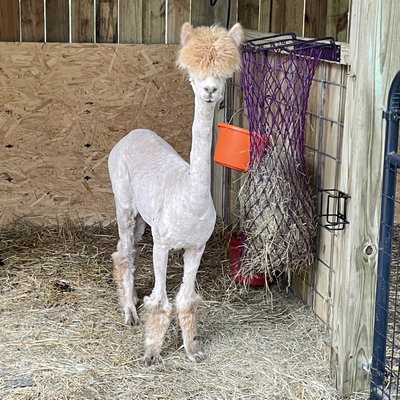
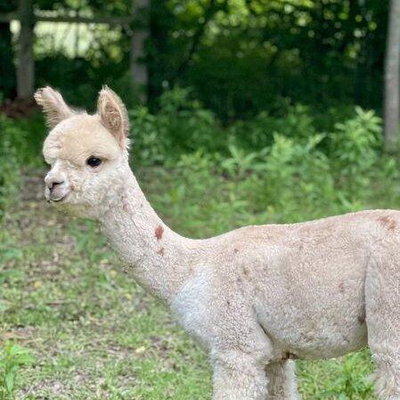
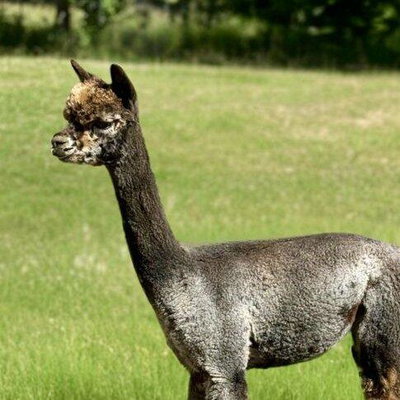
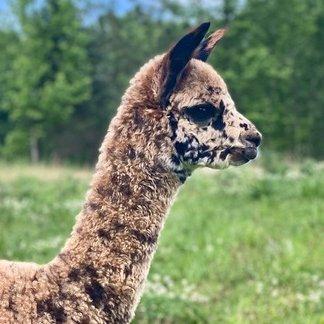
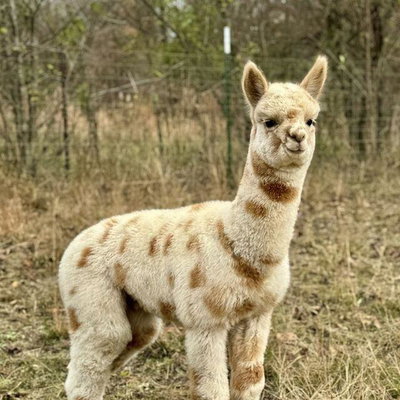
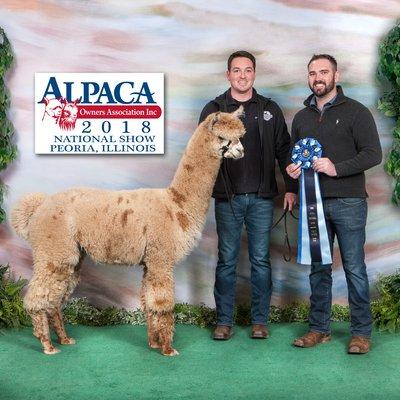
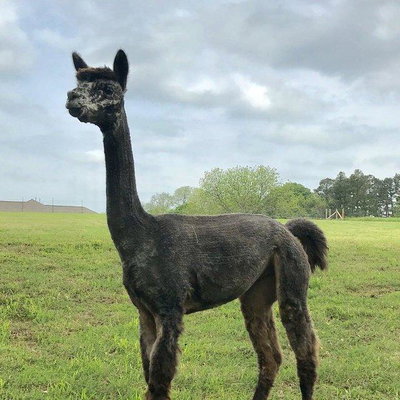
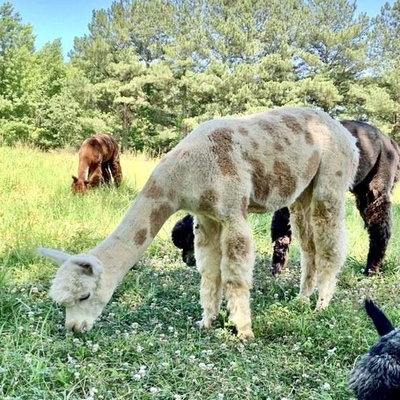
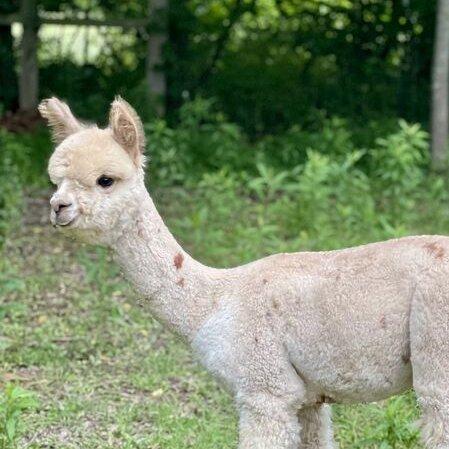
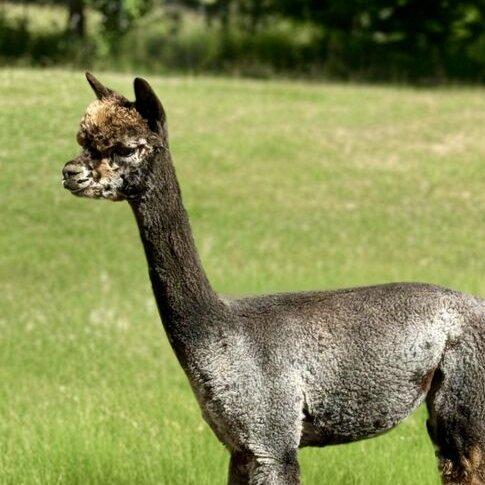
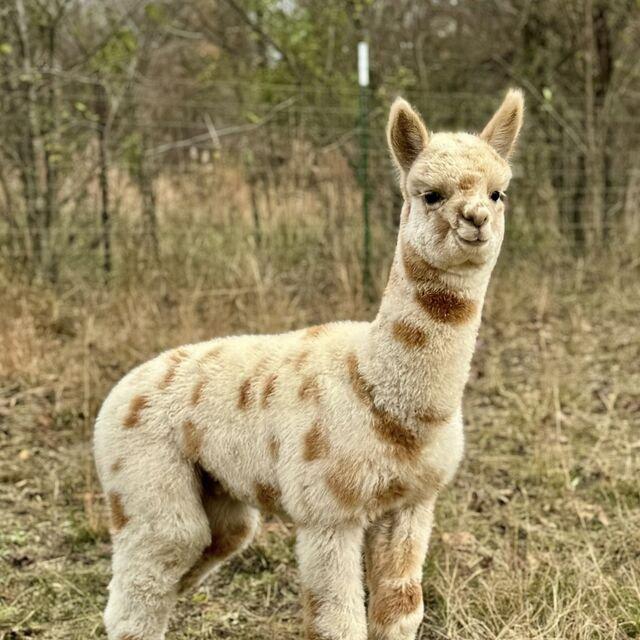
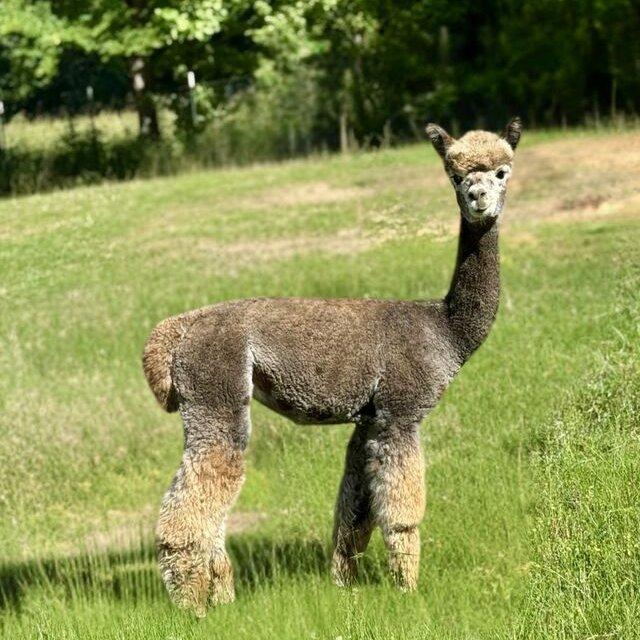
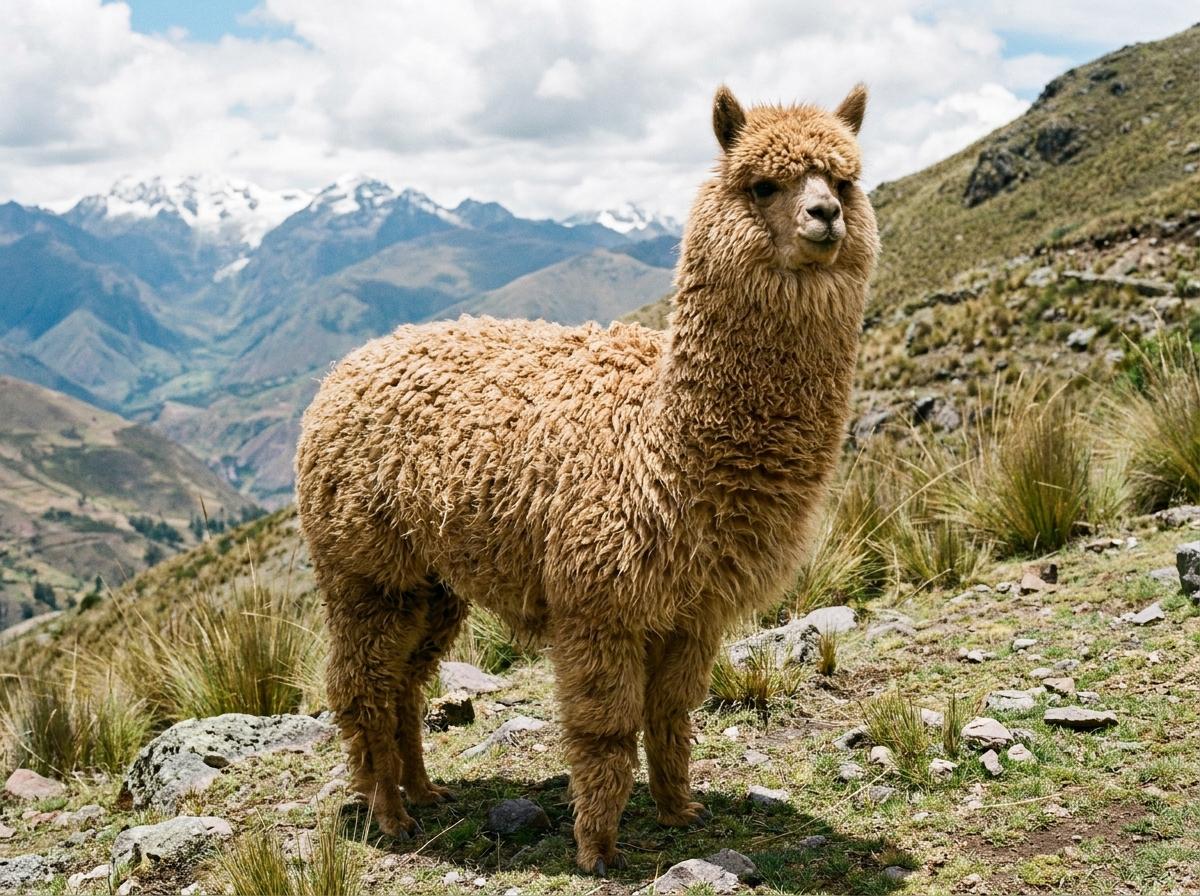
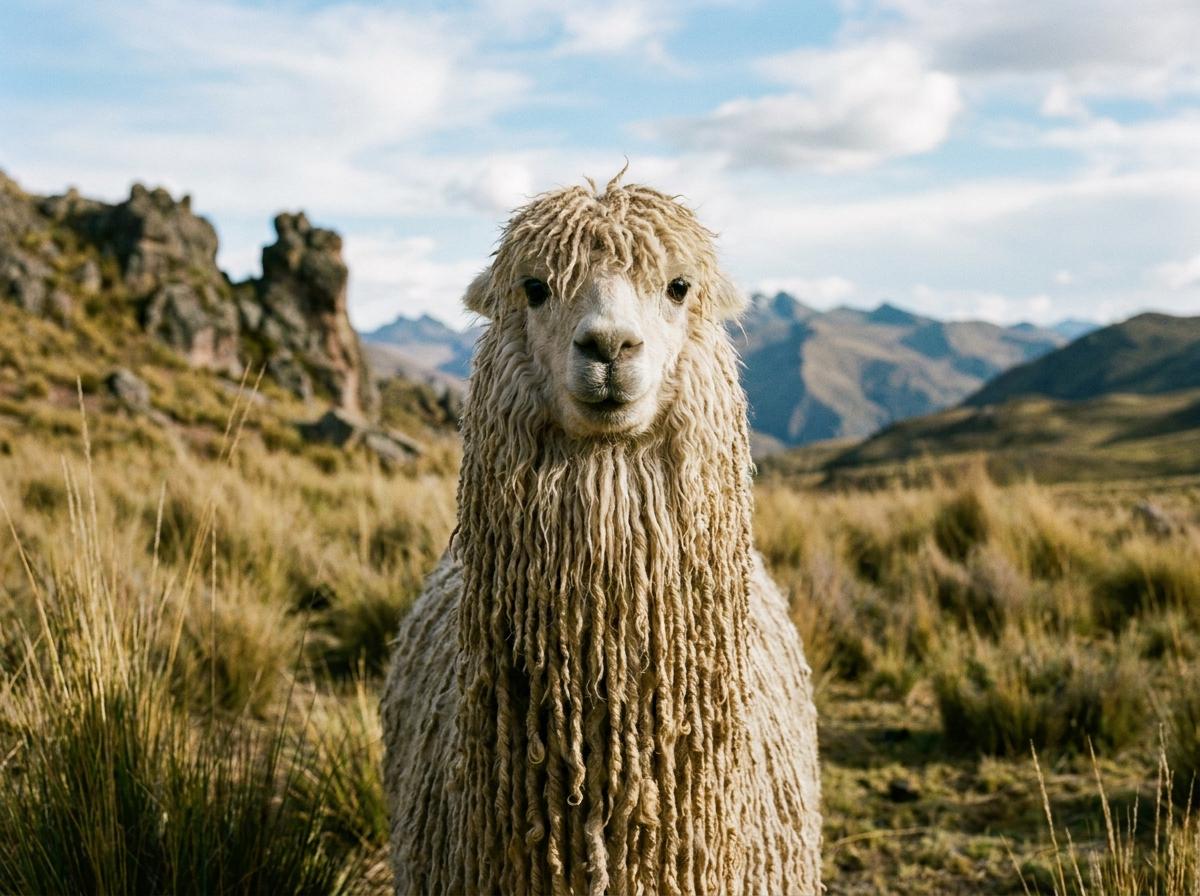
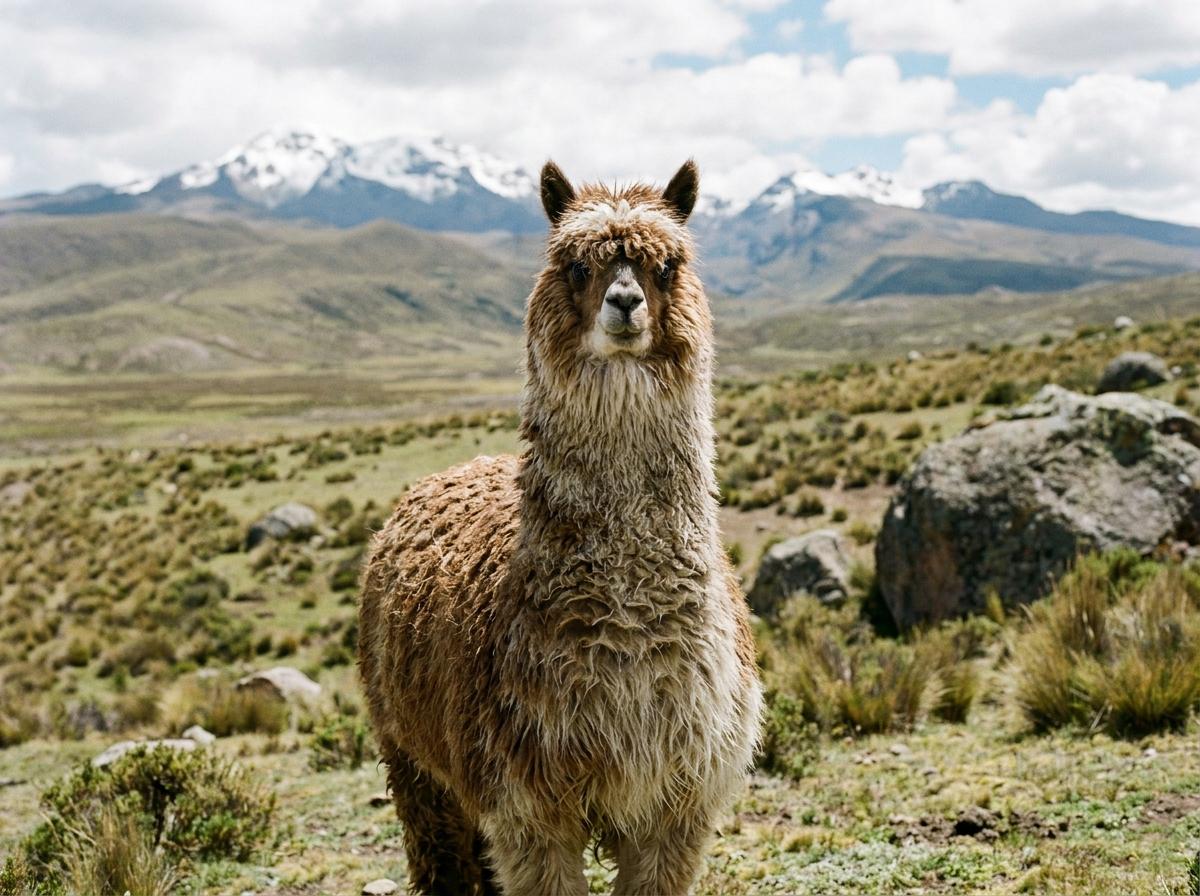
Alpaca (Vicugna pacos) is a domesticated South American camelid developed in the high Andes, especially in Peru, Bolivia, and Chile, for fine fleece. Smaller than a llama and not built for heavy packing, it has padded feet, a long neck, and a gentle, alert expression. The two main fiber types are Huacaya, with dense crimped fleece that gives a rounded outline, and Suri, with long locks that hang in a drape. Alpacas occur in many natural colors, from white and fawn to brown, gray, and black, and the fiber is valued because it is warm, soft, and low in lanolin.
People keep alpacas in small fiber herds, on farms, and as companion livestock, but they remain herd animals and do poorly alone. Good management centers on pasture or hay, camelid-appropriate minerals, safe fencing, and shelter from heat, wind, and wet weather. Annual shearing is a welfare need in most climates, not just a harvest. Toenails, teeth, parasite control, vaccinations, and body condition need routine attention, and breeding programs usually track fleece traits, conformation, temperament, and cria viability.