


Wild
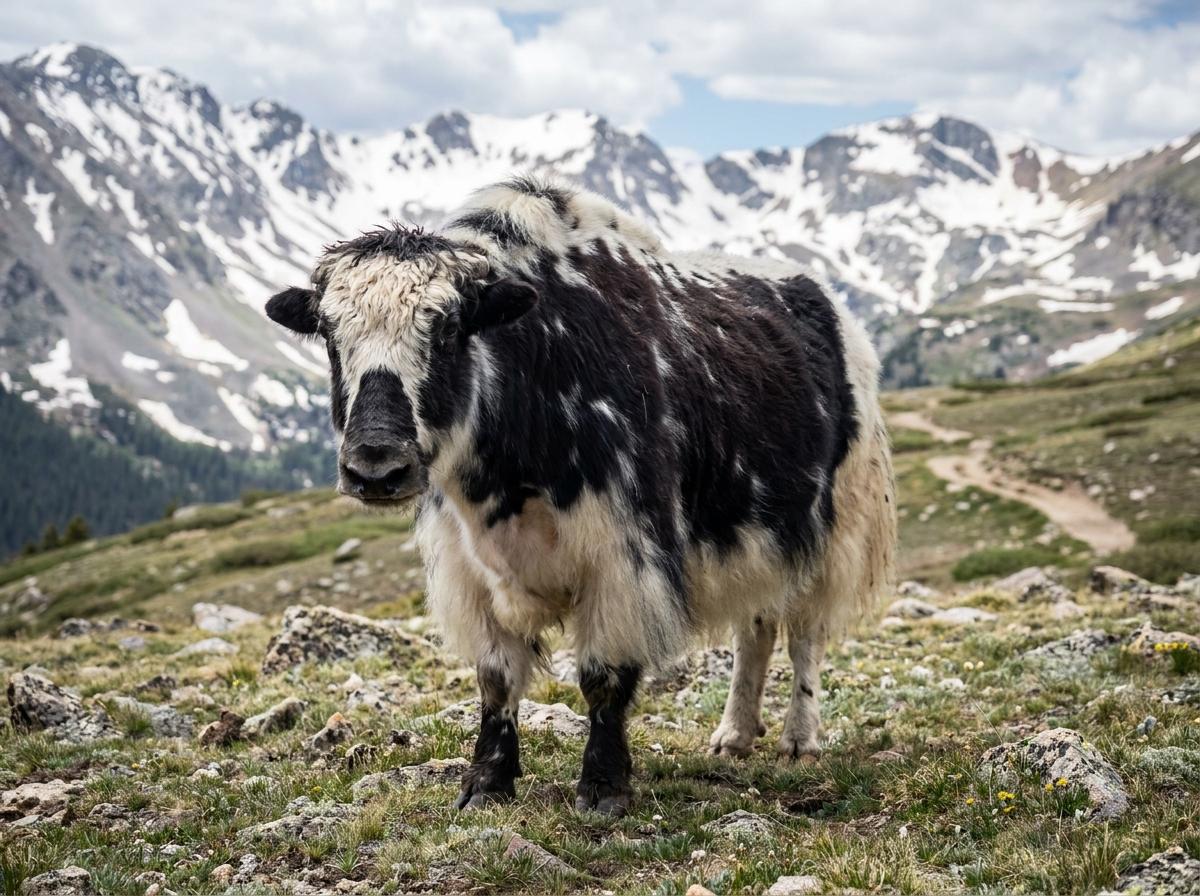
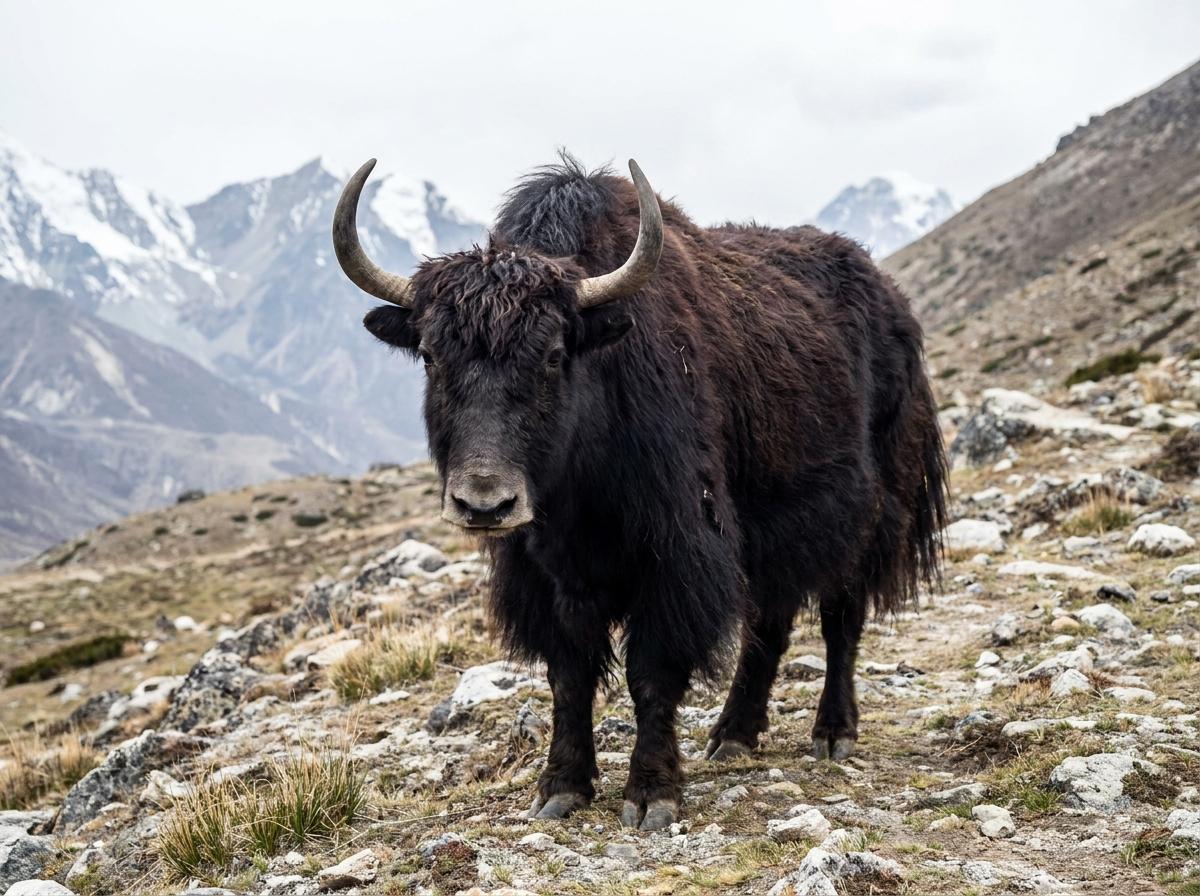
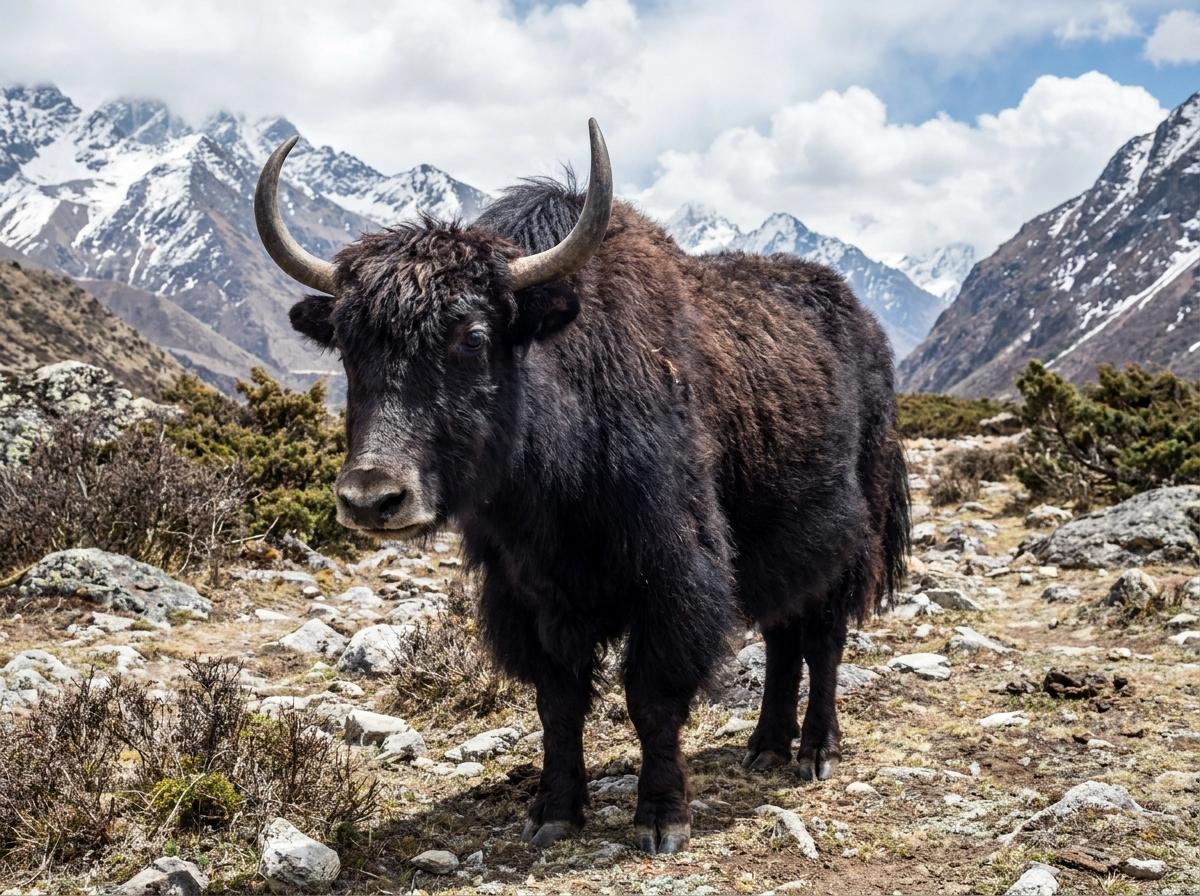
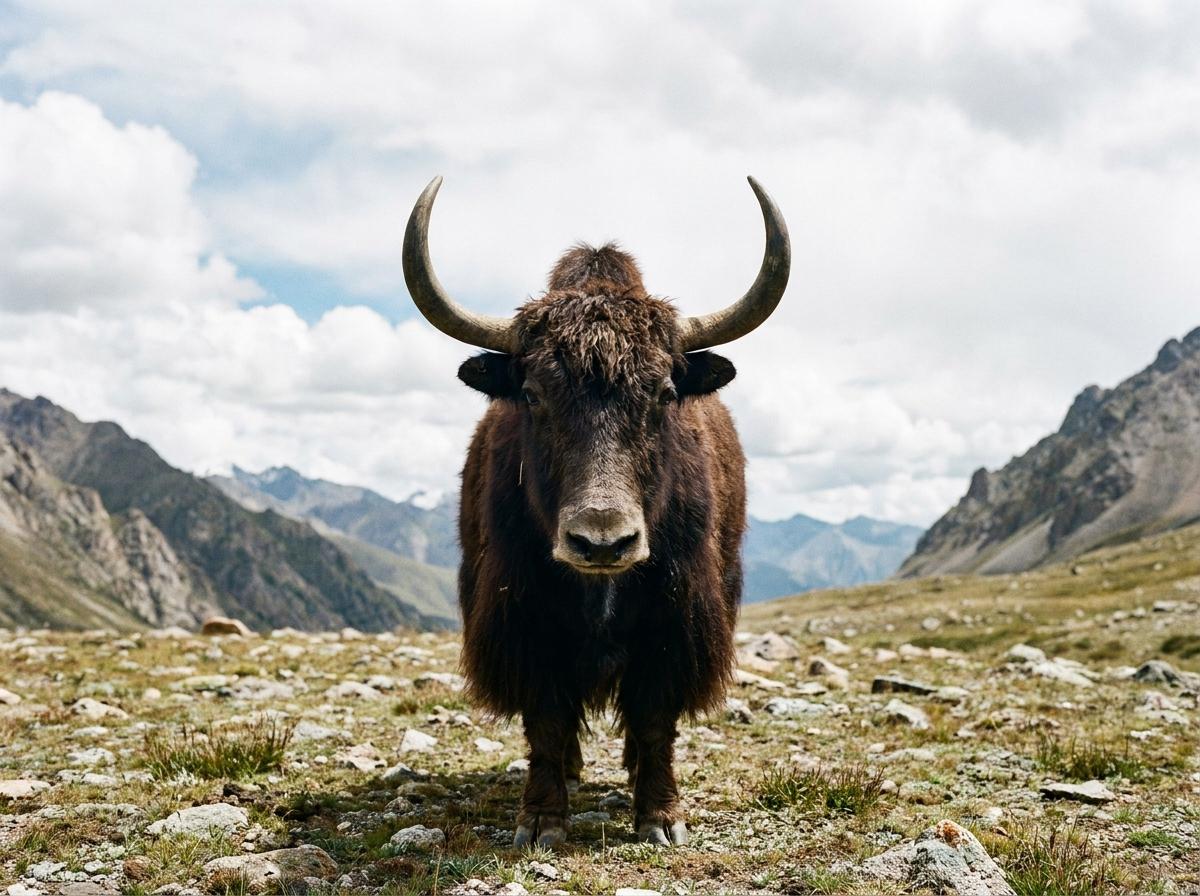
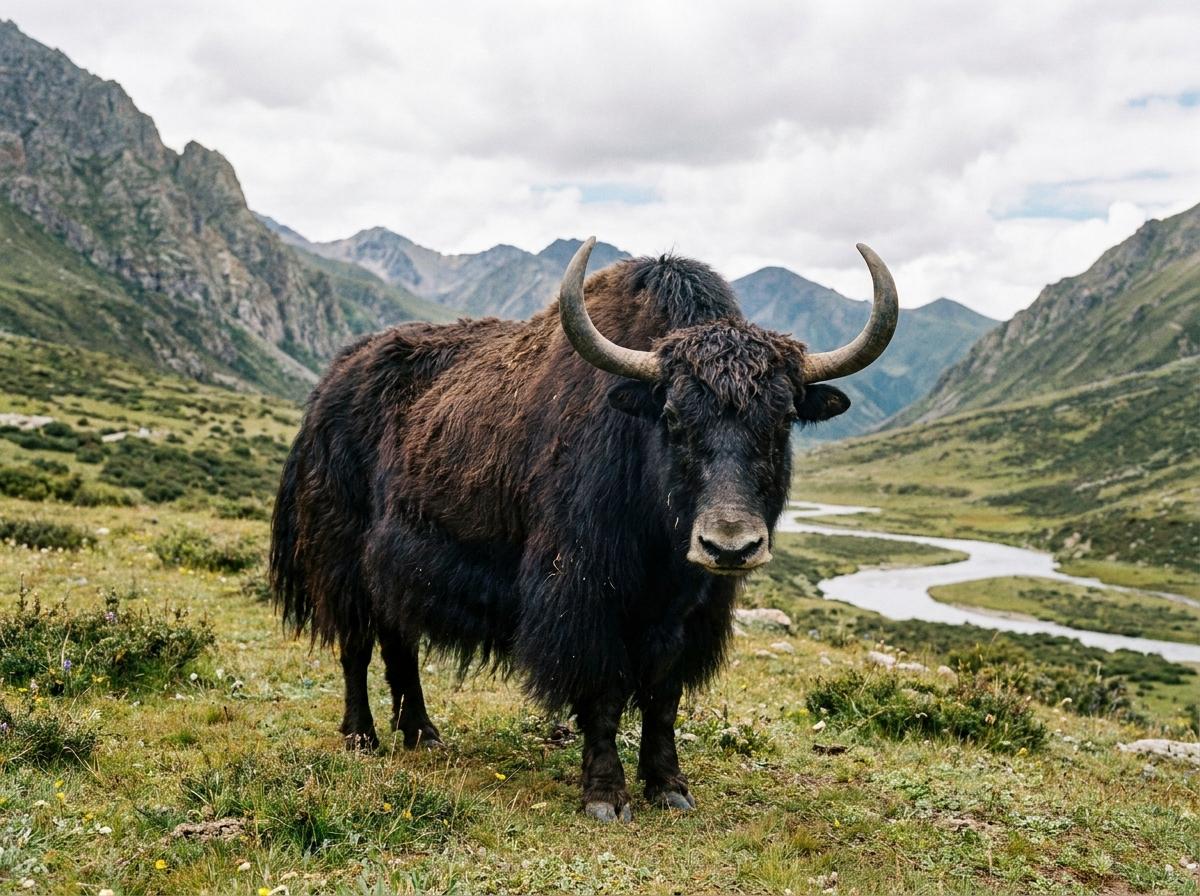
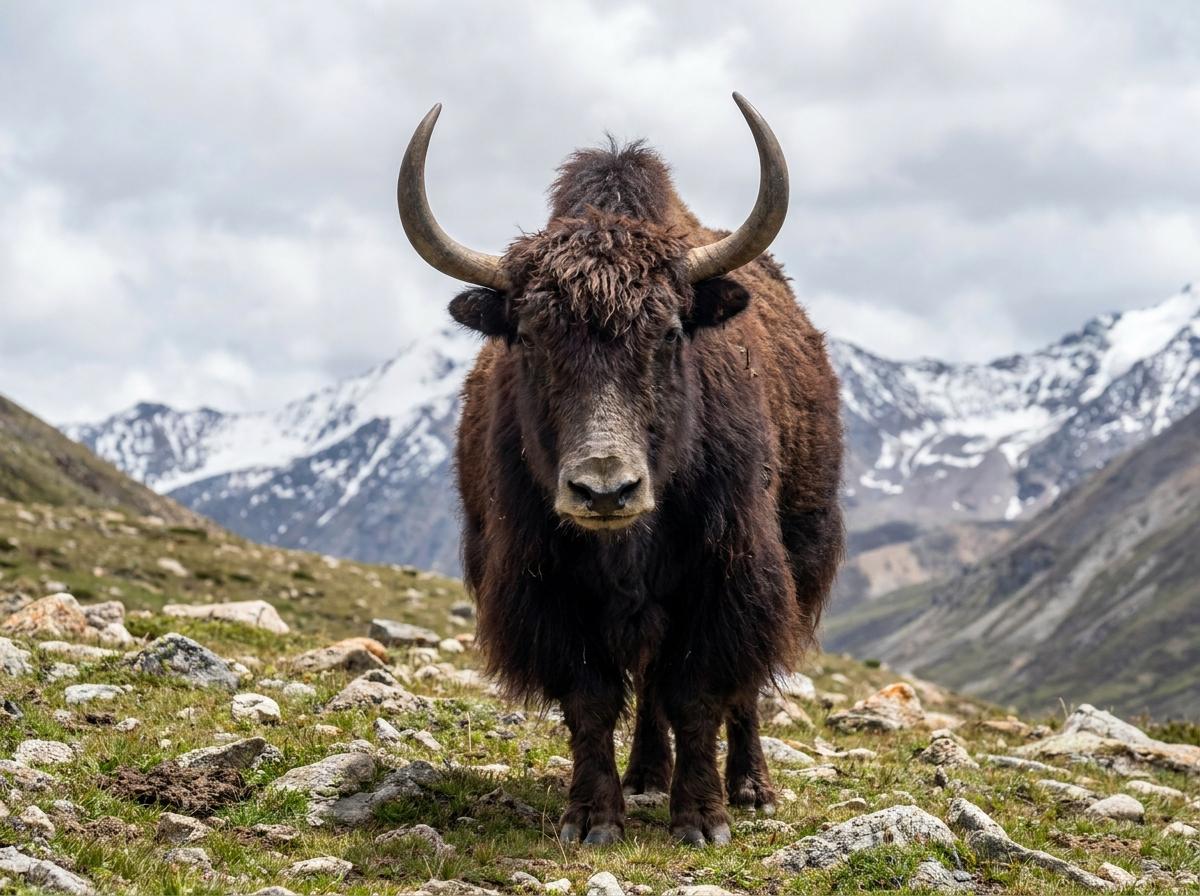
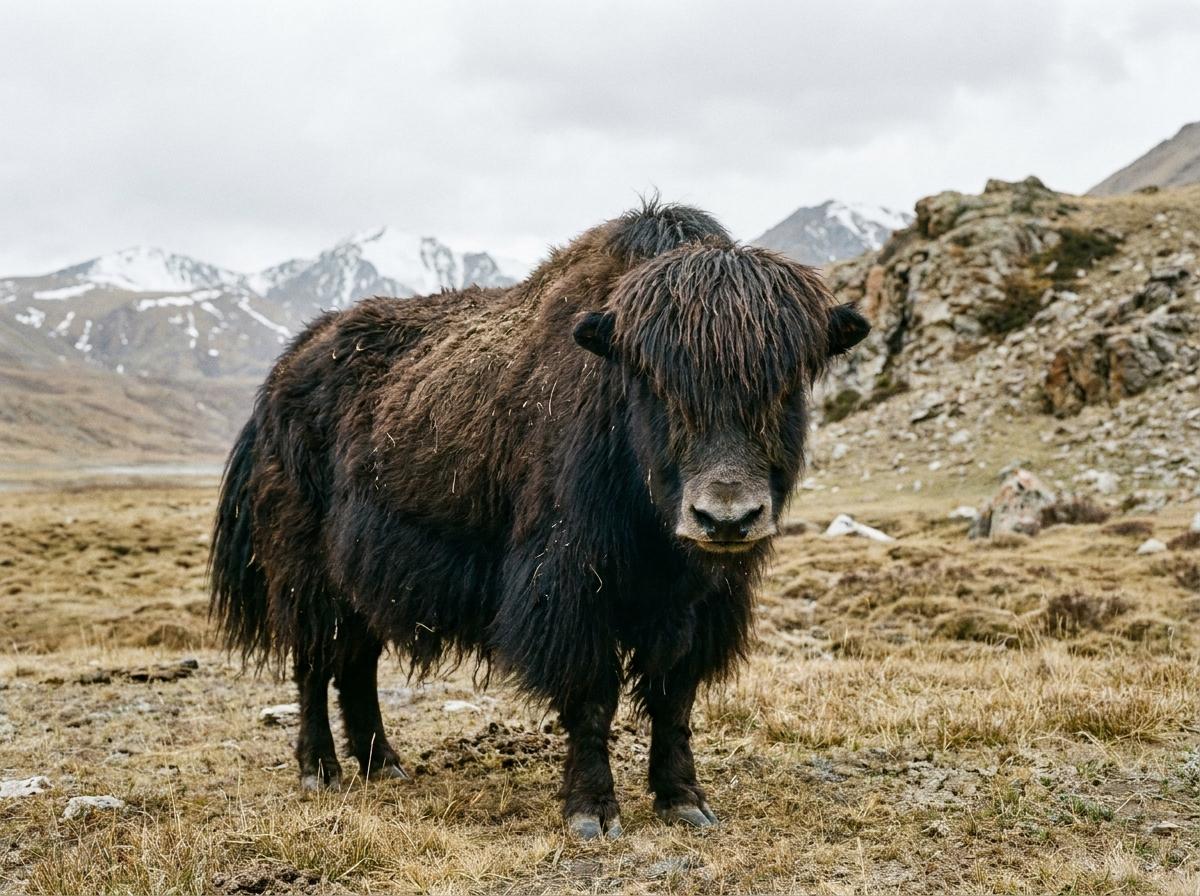
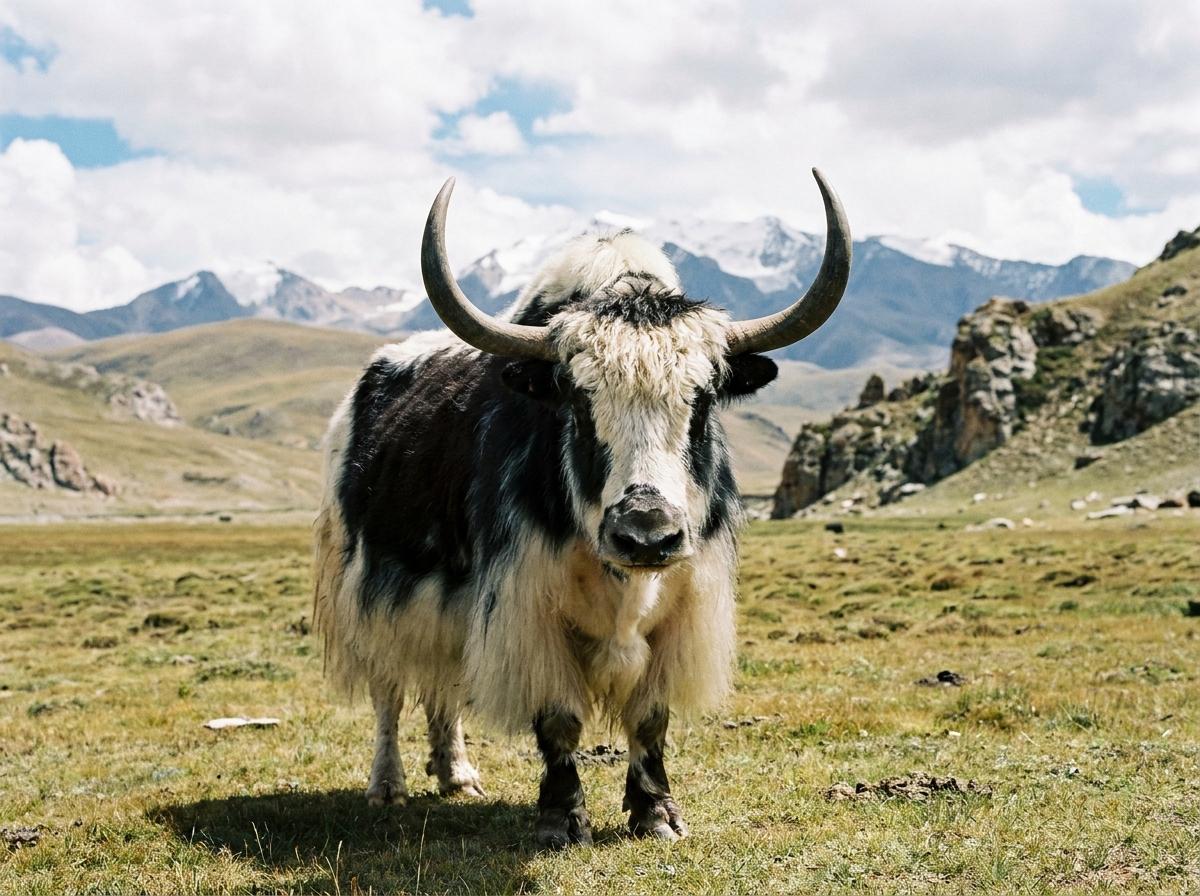
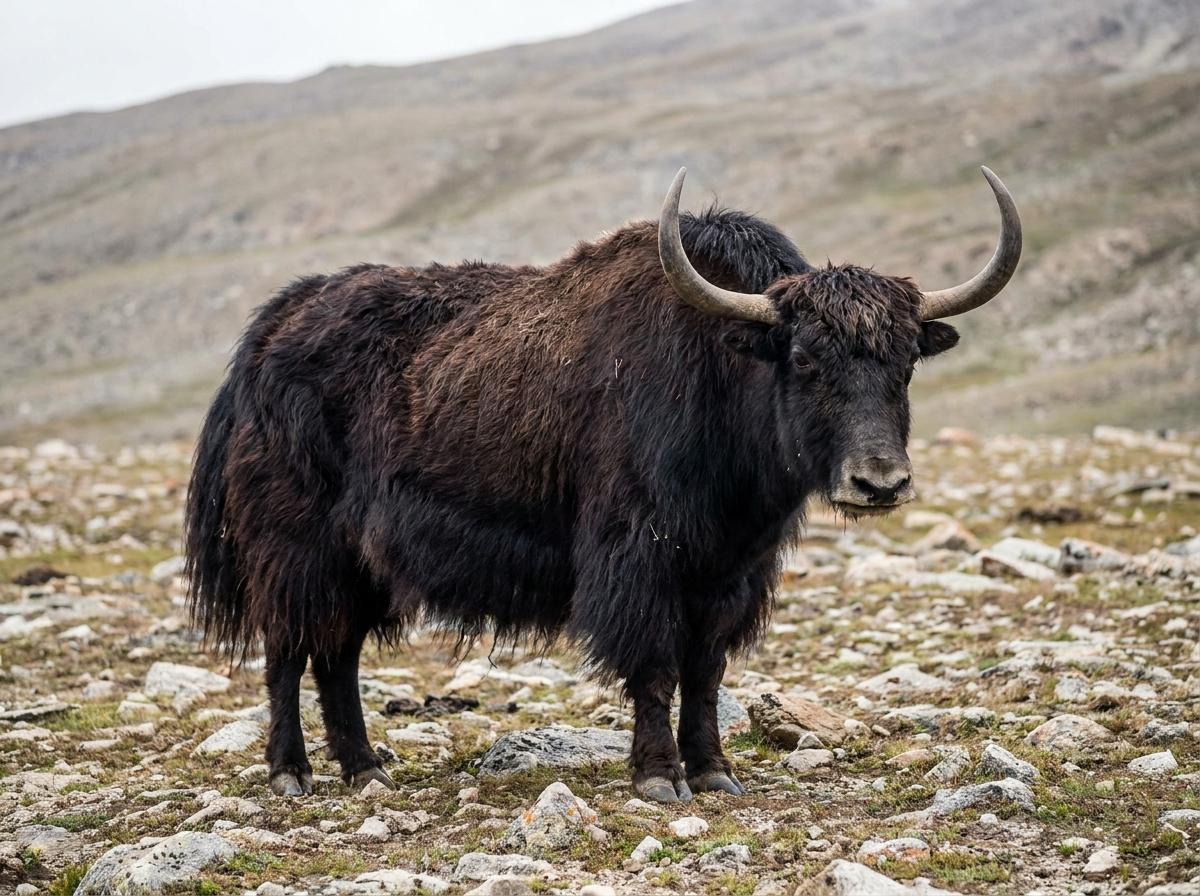
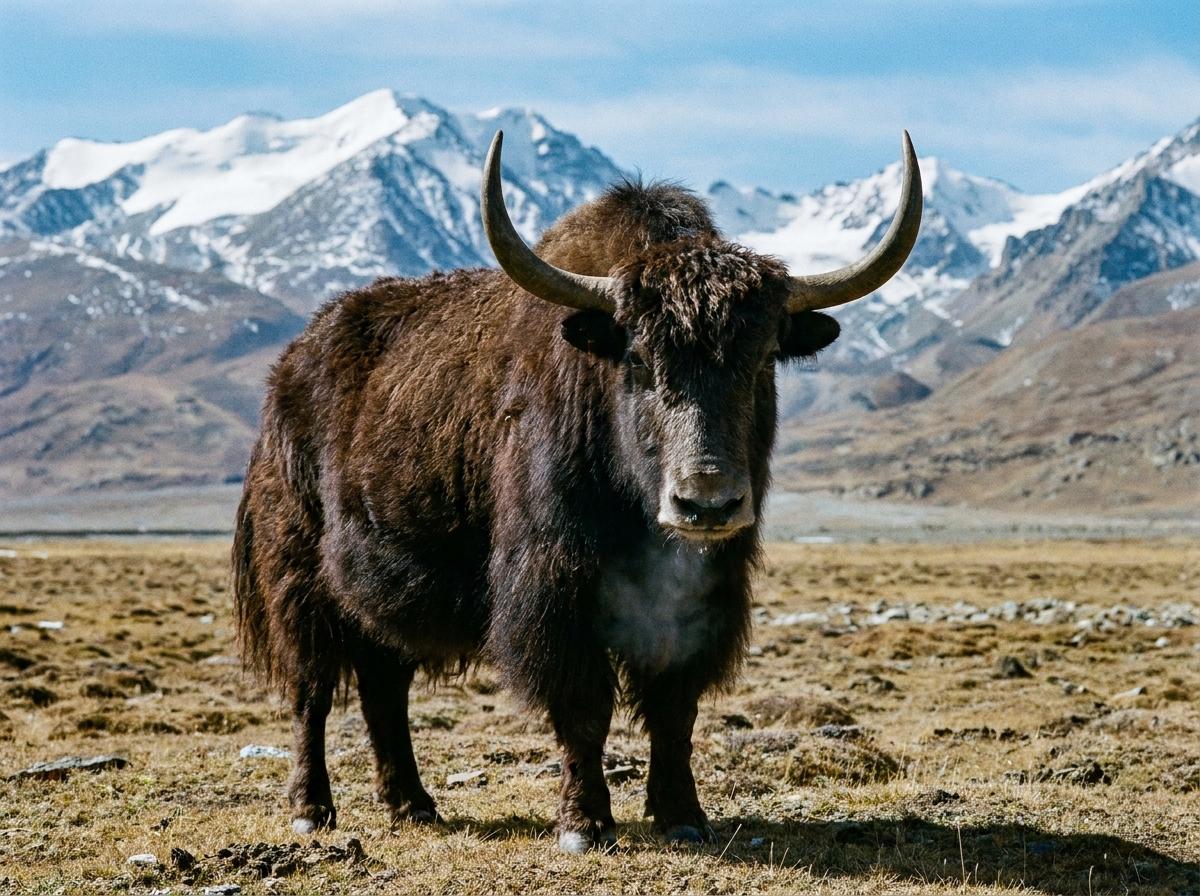
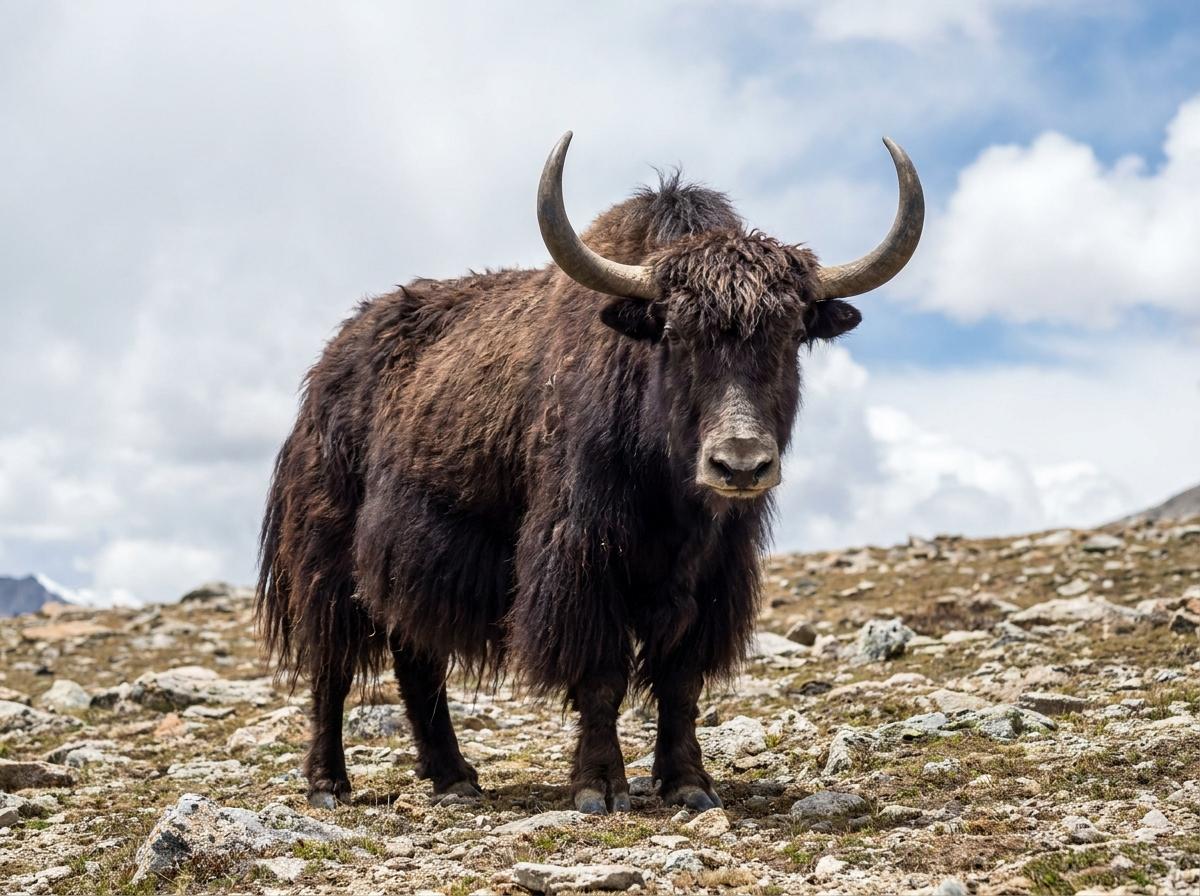
The wild yak is the free-ranging yak of the Tibetan Plateau and is best treated as wildlife rather than a domestic breed of Bos grunniens. Many taxonomies place it as Bos mutus, the large wild relative and ancestor of domestic yaks. It has a massive body, long dark coat with a skirt of hair along the flanks, high shoulders, and wide-spreading horns, with bulls far larger than cows. Wild herds occupy cold alpine steppe, high valleys, and sparsely vegetated ranges where domestic cattle cannot easily thrive.
Human involvement centers on conservation, not ownership. Reserve managers and field teams monitor numbers, movements, calving areas, genetic introgression from domestic yaks, disease risk, and conflict with grazing livestock. Zoos hold true wild yaks less commonly than domestic yaks, and any managed animals require heavy-duty bovine facilities, cold-climate husbandry, and careful permitting. Protecting habitat and limiting disturbance around seasonal ranges are more important than treating wild yaks as exotic livestock.
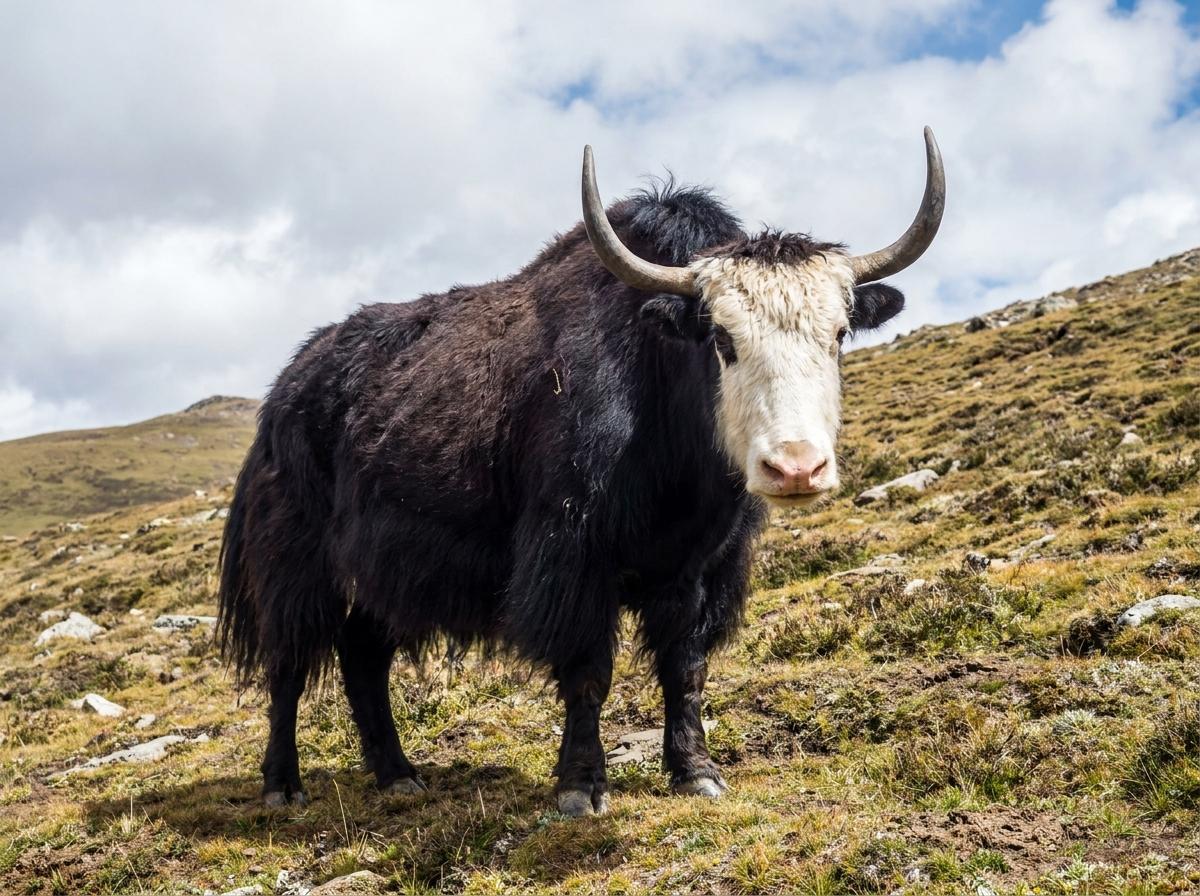
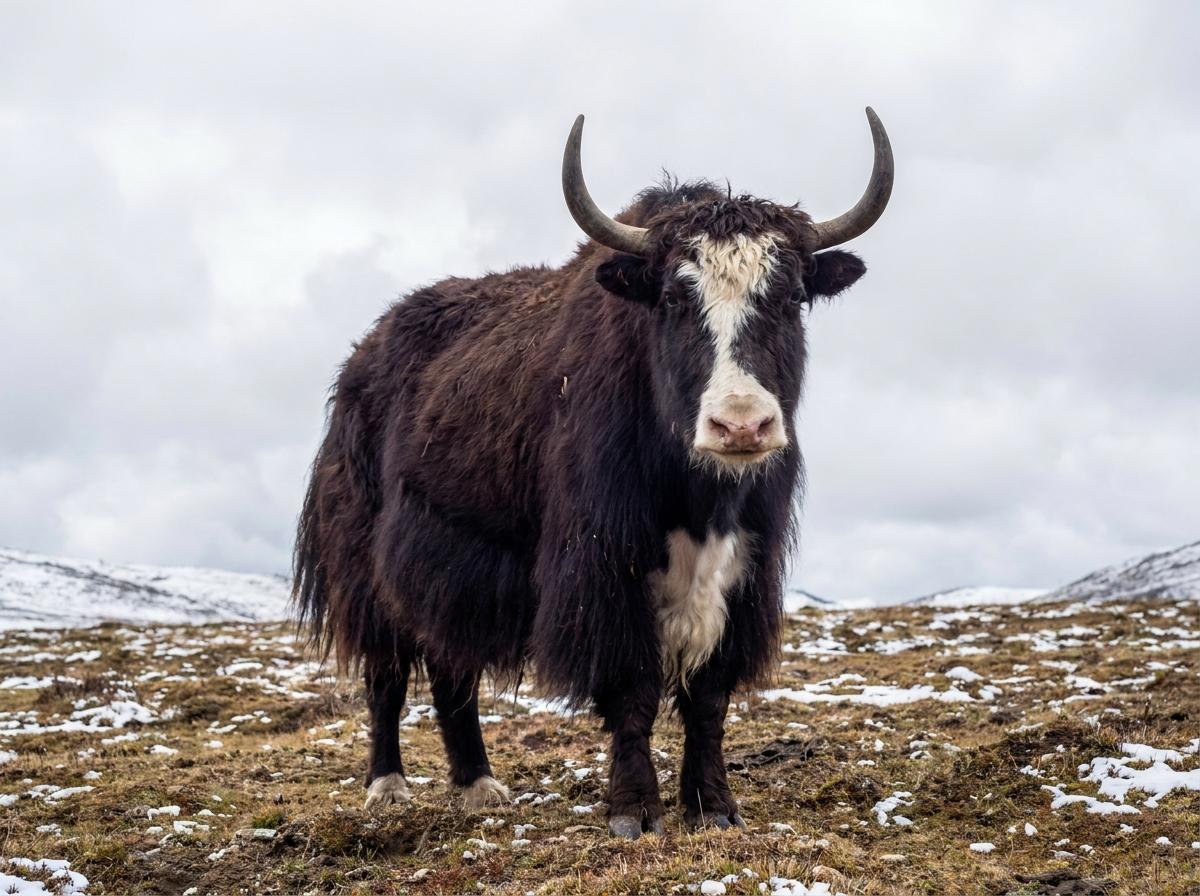
Colors: Black, Dark Brown, Golden