




Mixed Breed
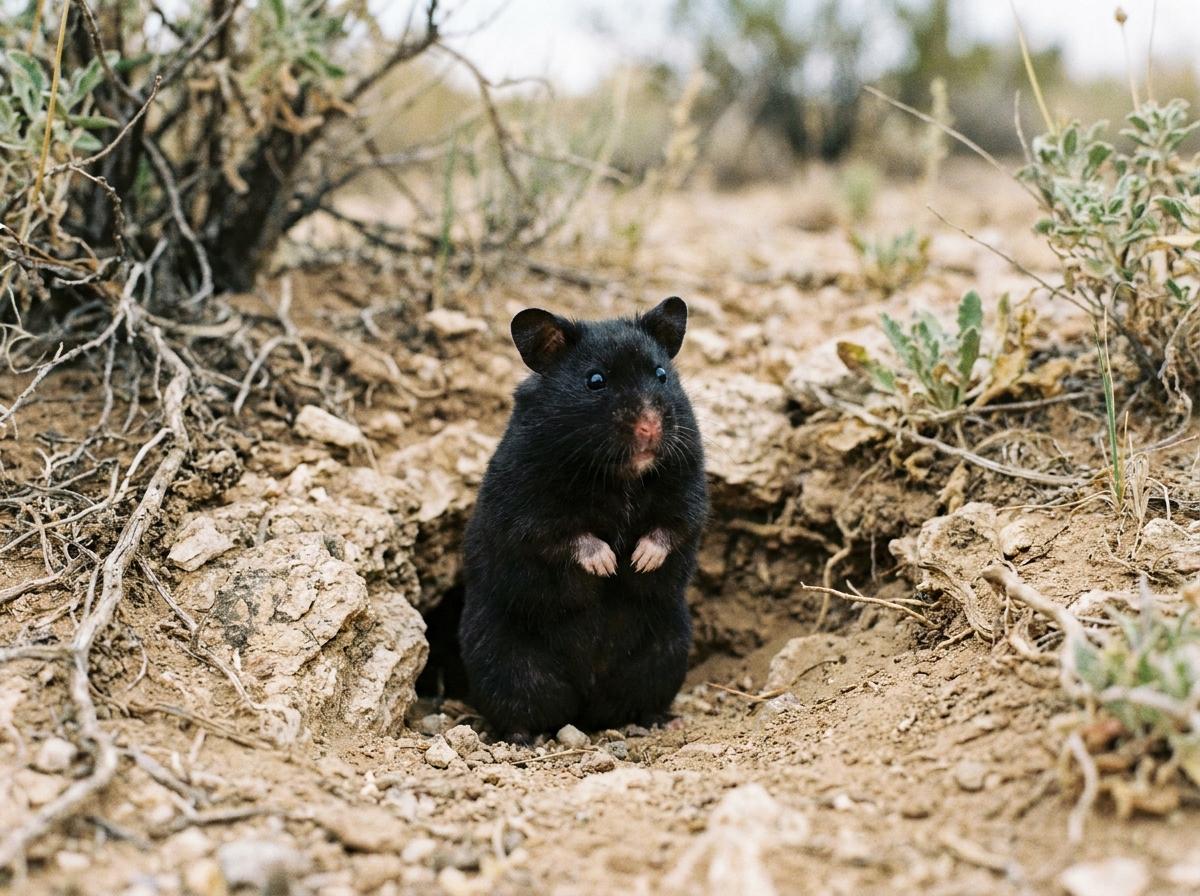
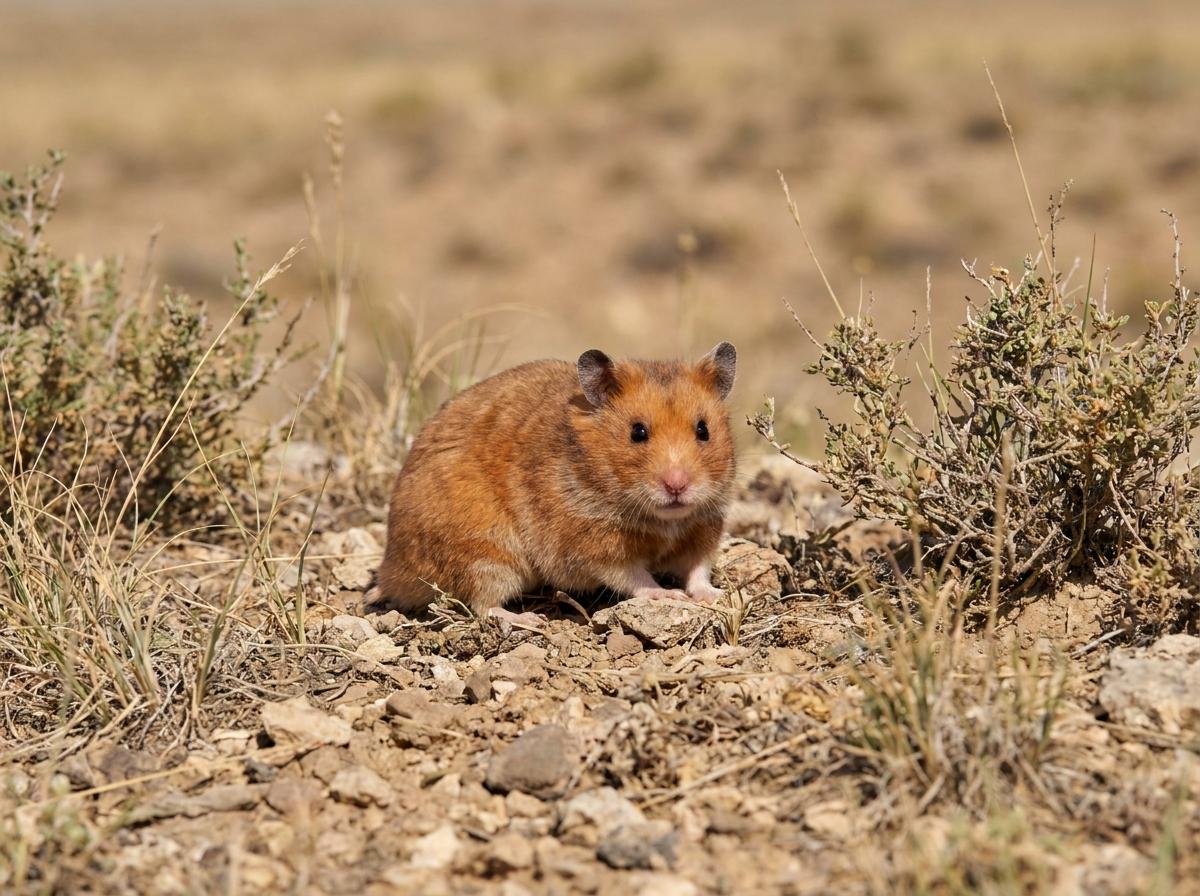
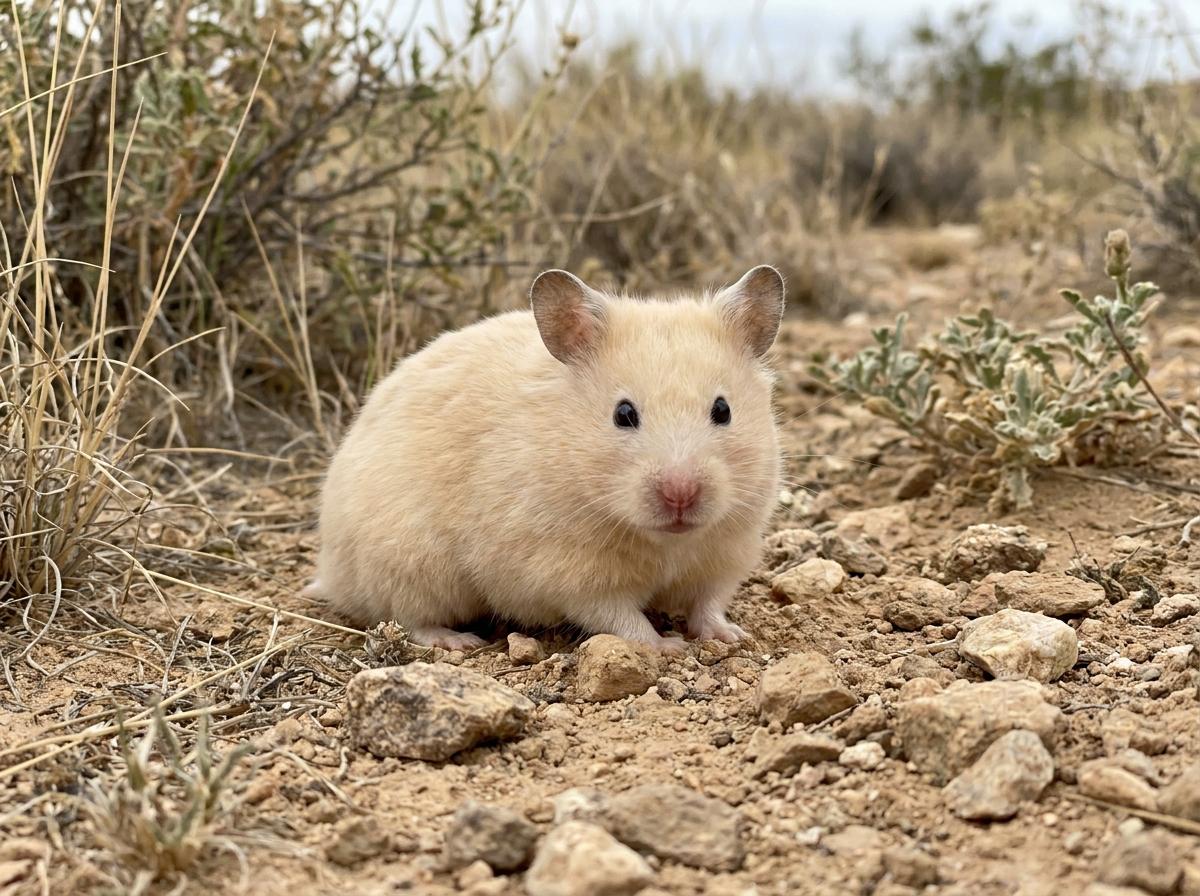
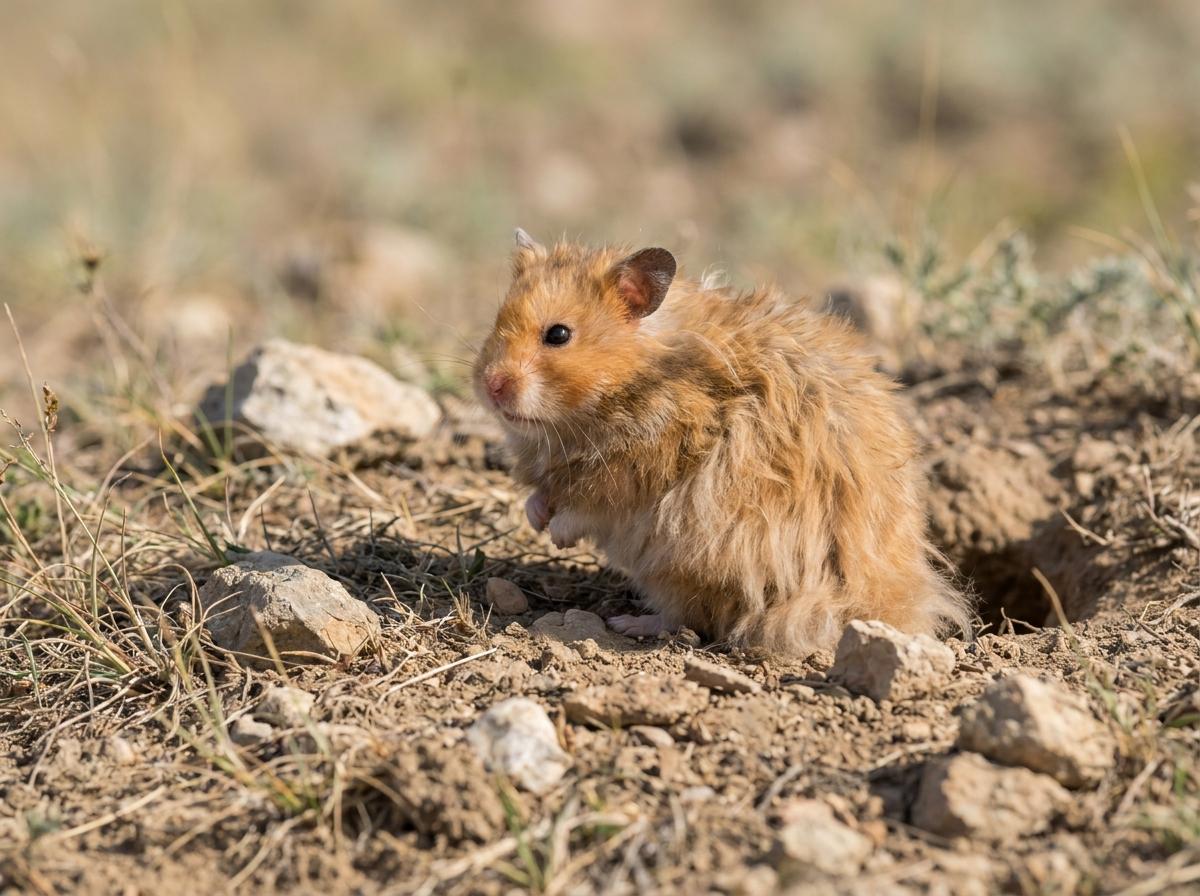
A mixed-breed Syrian hamster is usually an informal label for an animal without a reliable pedigree or specific variety assignment. Since Syrian hamsters are one species, Mesocricetus auratus, most mixed pets are not mixes of breeds in the dog or cat sense; they are combinations of color, pattern, and coat genes from different domestic lines. A mixed Syrian may be black, cream, cinnamon, banded, spotted, tortoiseshell, white or albino-looking, short-haired, or long-haired, and the appearance may not reveal what it carries genetically.
For homes and rescues, the label mainly signals that care should be planned around the individual. Sex confirmation is important, because Syrians must be housed alone after maturity and accidental litters are common when young hamsters are misidentified. Choose or assess a mixed Syrian by body condition, breathing, coat cleanliness, teeth alignment, movement, and willingness to be handled over time. Intentional breeding is unwise without background information, but mixed Syrians can make good companion animals when given space, enrichment, and patient settling-in.
Colors: Albino, Black, Black Banded, Black Dominant Spot, Black-Eyed Cream, Black-Eyed White, Black Roan, Black Tortoiseshell, Cinnamon Dominant Spot, Cinnamon-Golden, Cinnamon Tortoiseshell, Cream Dominant Spot, Cream Spotted, Dark Golden, Dark Grey, Golden, Golden Dominant Spot, Grey Tortoiseshell, Ivory, Light Golden, Light Grey, Orange, Red-Eyed Cream, Red-Eyed White, Ruby-Eyed White, Rust, Sable, Saffron, Sepia, Smoke Pearl, Solid Black, Solid Cinnamon, Wild Type, Yellow, Yellow Tortoiseshell