





Laboratory
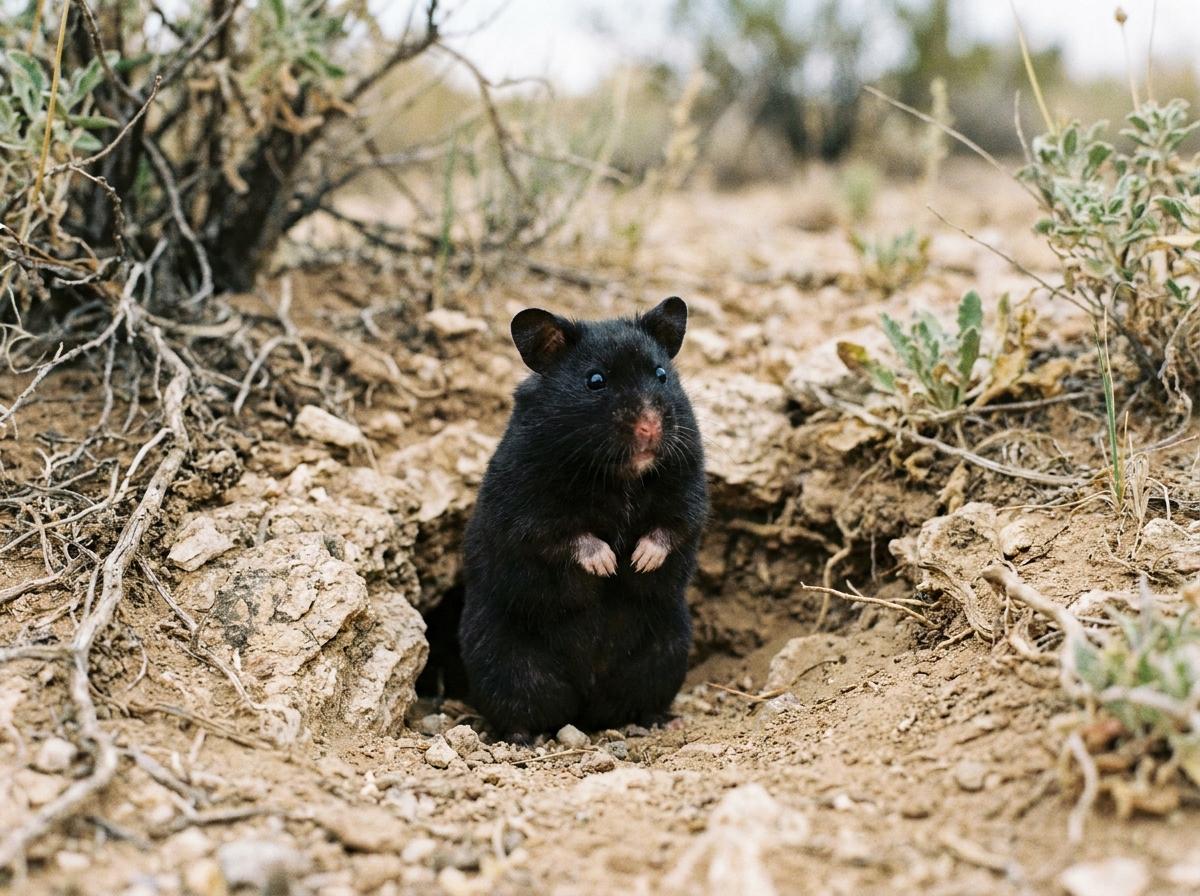
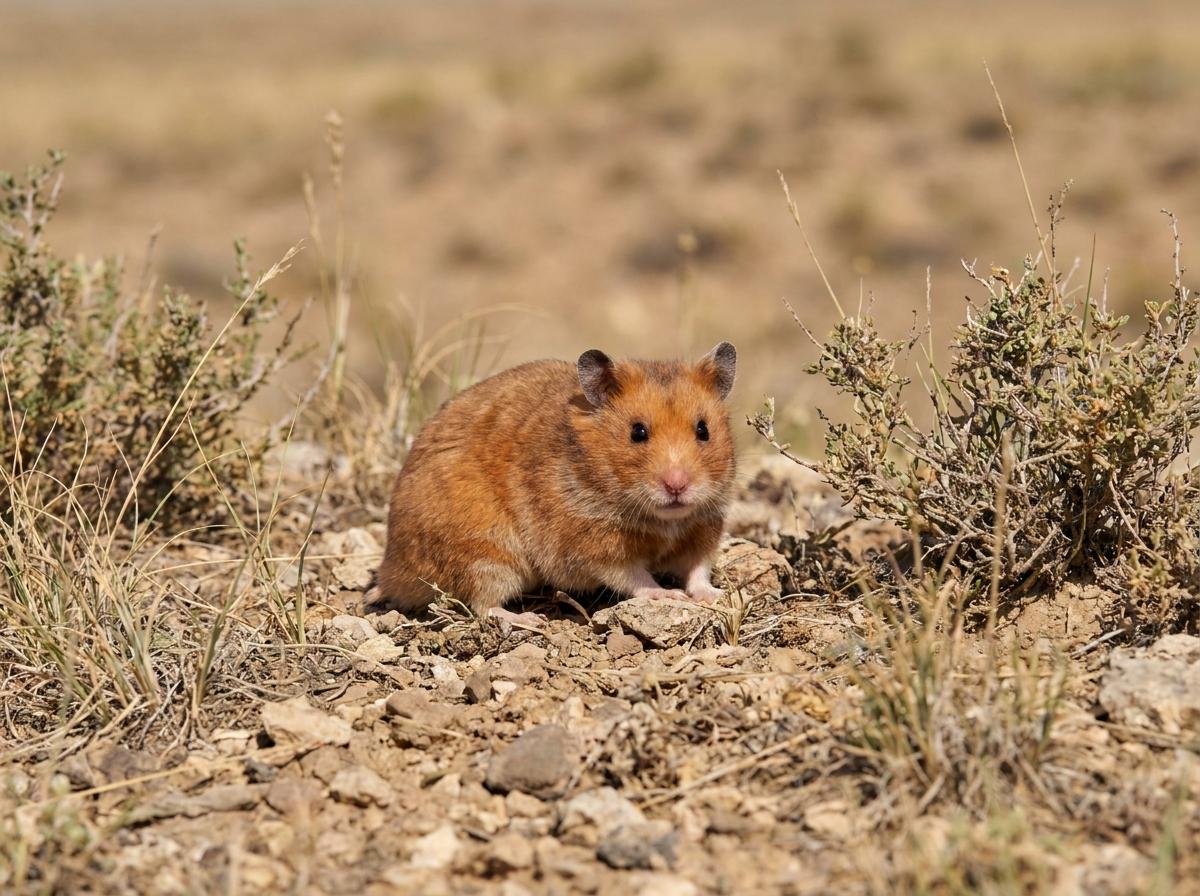
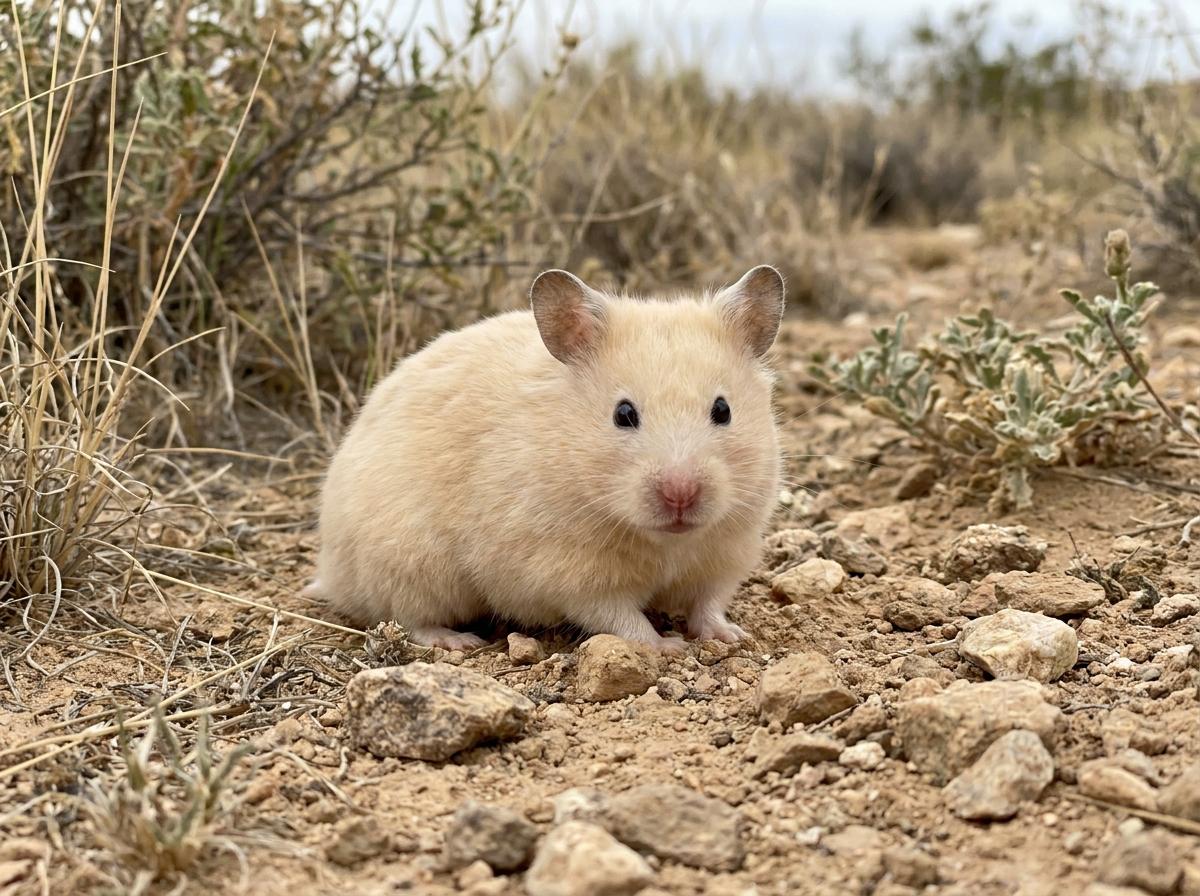
The laboratory Syrian hamster is not a pet breed in the usual sense but a managed research population of Mesocricetus auratus. Domestic laboratory hamsters descend from the same species as pet Syrians, with lines maintained as outbred stocks, inbred strains, or genetically defined colonies. They may be wild type, albino, black, or another selected color, but their value is in known background, health status, and predictable biology. Syrian hamsters have been used in studies of infectious disease, reproduction, metabolism, cheek-pouch immunology, circadian rhythms, and torpor, so records and colony control matter more than show color.
Care in research settings is governed by institutional animal welfare protocols and trained veterinary oversight. Because adult Syrians are strongly solitary, laboratory housing commonly uses individual cages unless a study or life stage justifies another arrangement, with controlled light cycles, temperature, diet, bedding, and enrichment. Breeding colonies track parentage, age, reproductive performance, and pathogen status to keep results reliable and animals healthy. These hamsters are not normally distributed like pet-store animals, and surplus or retired animals may have special handling, quarantine, or placement requirements depending on the facility and local rules.
Colors: Albino, Black, Wild Type