





Rat
Rattus norvegicus domestica
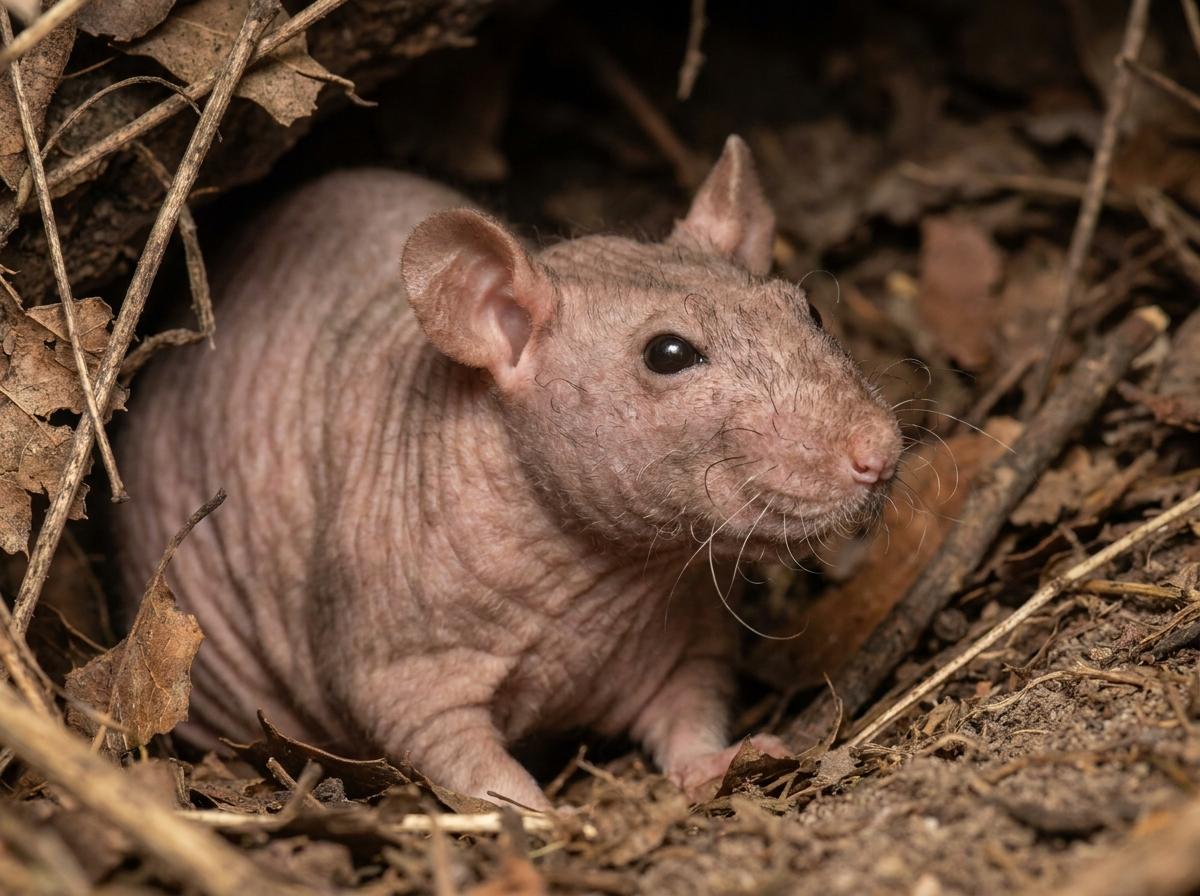
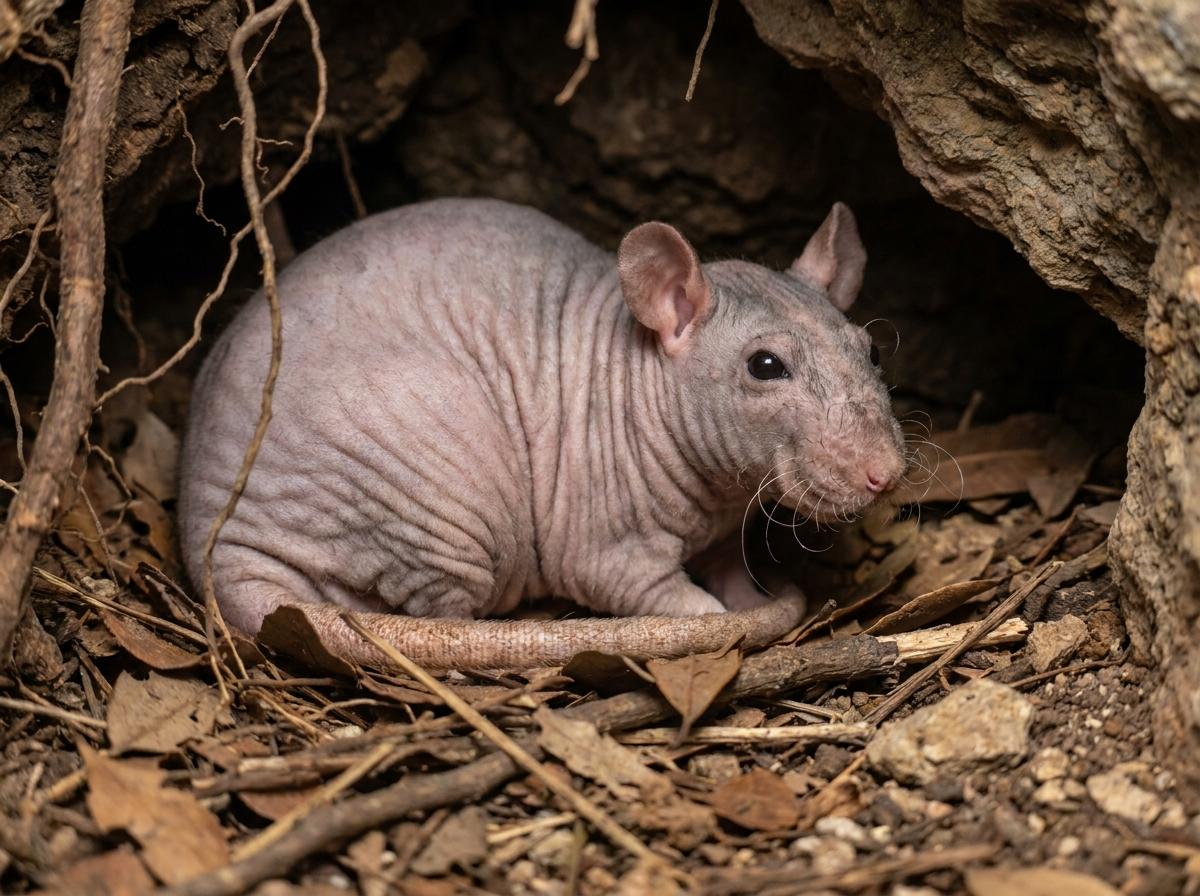
The domestic rat (Rattus norvegicus domestica) is the tame form of the brown or Norway rat, developed through laboratory colonies, fancy breeding, and pet lines. Domestic rats come in many coat colors, markings, ear types, and coat textures, but their core appeal is behavioral: they are social, curious, scent-oriented mammals that learn routines and recognize familiar people. They are different from wild city rats in temperament and husbandry background, even though they share the same broader species ancestry.
Good rat keeping starts with companionship, since most rats do best in same-sex or carefully managed groups rather than alone. Cages need ventilation, climbing space, chew-safe enrichment, soft bedding, and cleaning that controls ammonia without stripping every familiar scent at once. A balanced pellet or block diet with measured fresh foods is safer than constant seed mixes. Owners should plan for short lifespans, respiratory disease risk, mammary tumors in females, and the need for an exotics-capable veterinarian. Breeders use pedigrees and health notes to reduce aggression, early illness, and weak mothering.