

Hinny
Equus caballus × Equus asinus
Author: Elliott Garber, DVM · Published
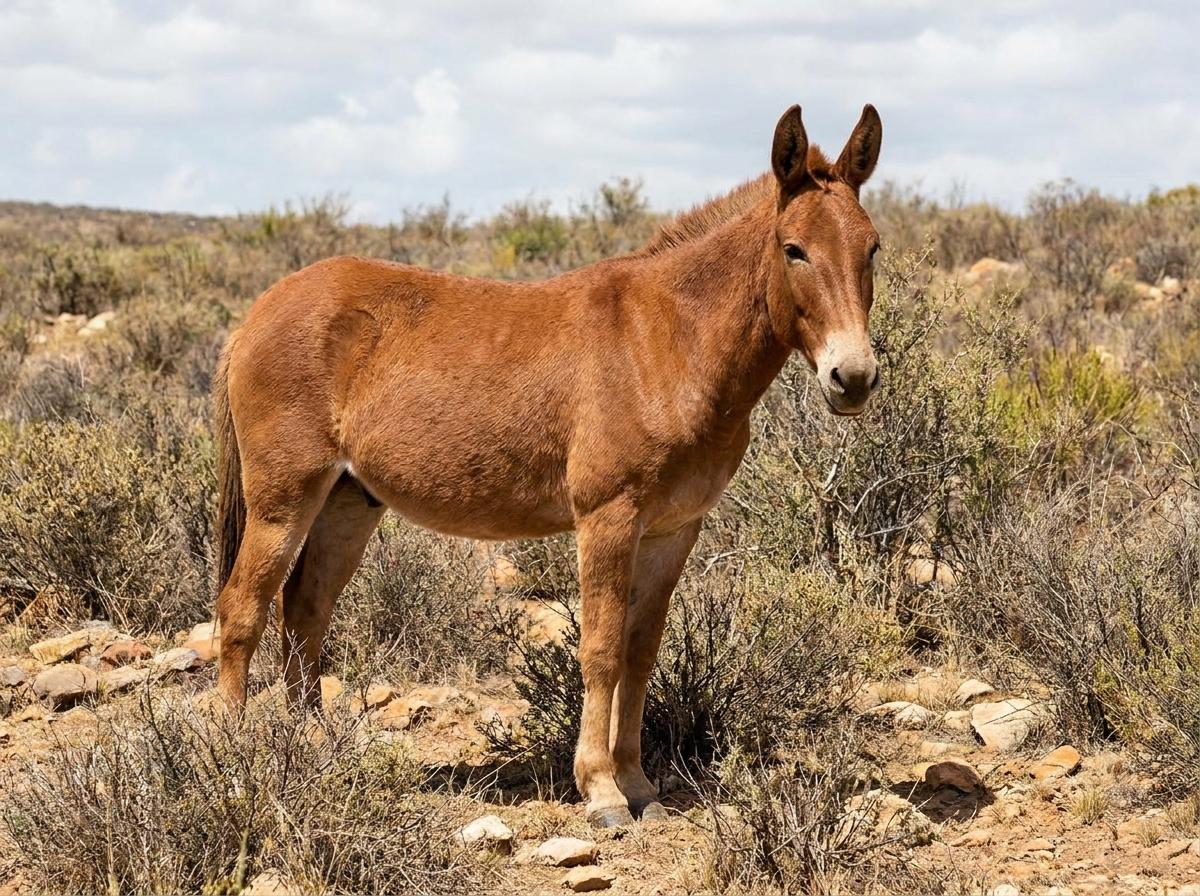
A hinny is the offspring of a male horse (a stallion) and a female donkey (a jenny). That makes it the mirror image of the far more common mule, which comes from the opposite cross: a male donkey (a jack) bred to a female horse (a mare). Both are horse and donkey hybrids, both carry 63 chromosomes, and both are almost always sterile. What separates them is not how they look. It is which parent was the horse and which was the donkey. That fact of parentage is the whole definition, and it is also why hinnies are uncommon: getting a stallion and a jenny to produce a live foal is harder than the reverse. This page covers what a hinny is, how it compares to a mule, why the two are so hard to tell apart, how they are cared for, and what to know before you go looking for one.
| What it is | A horse and donkey hybrid; the reciprocal (opposite) cross to the mule |
|---|---|
| Parentage | Sire is a horse (stallion), dam is a donkey (jenny or jennet) |
| Compared to a mule | Mule is the reverse: sire is a donkey (jack), dam is a horse (mare) |
| Chromosomes | 63 (32 from the horse, 31 from the donkey) |
| Fertility | Effectively always sterile; verified fertile individuals are extraordinarily rare |
| Size and build | Varies widely with the parents; tends toward the donkey dam in proportion, often small to medium |
| Lifespan | Long-lived; commonly cited around 30 to 40 years with good care |
| Availability | Much rarer than the mule, which makes true hinnies hard to find |
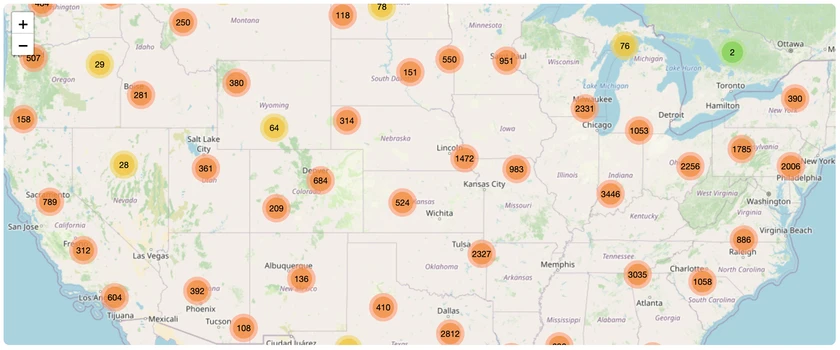
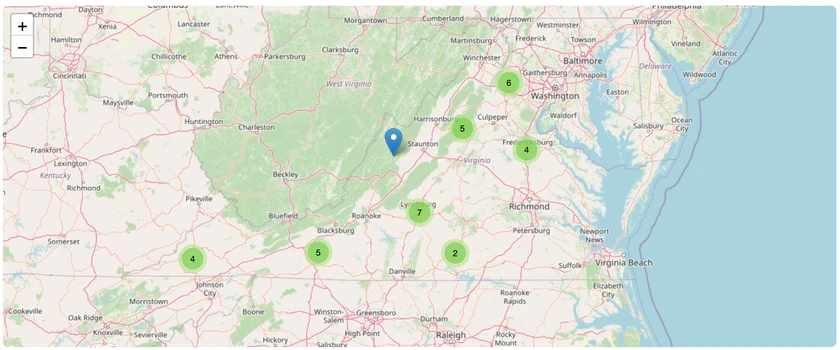
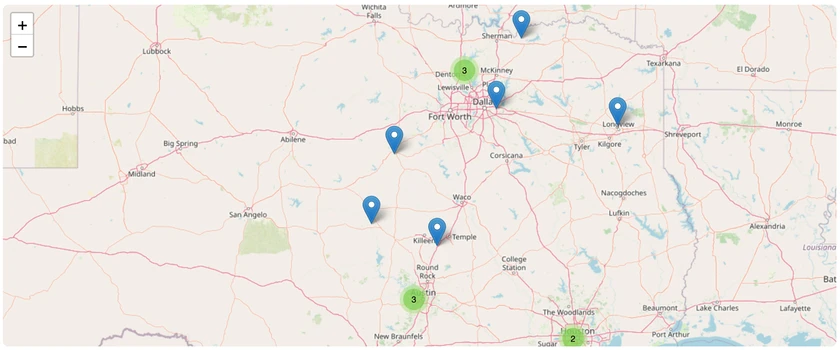
Browse listings, public profiles, breeders, or add your animal.
What is a hinny?
A hinny is a first-generation cross between the two equine species people domesticated thousands of years ago: the horse (Equus caballus) and the donkey (Equus asinus). In a hinny, the father is a horse stallion and the mother is a female donkey, called a jenny or jennet. Because a hinny inherits one set of chromosomes from each parent, it ends up with 63 (32 from the 64-chromosome horse and 31 from the 62-chromosome donkey). That odd, unmatched number is what makes the animal a hybrid rather than a member of a self-sustaining breed, and it is the reason a hinny cannot reliably produce offspring of its own.
The mirror image of the hinny is the mule, the offspring of a jack donkey and a horse mare. Mules and hinnies have been distinguished from one another since antiquity, and both have carried loads and people and worked the land across the ancient civilizations of Egypt, Mesopotamia, China, and Rome. The mule became by far the more common of the two because the jack-times-mare cross is easier and more productive to breed. If you want to compare the parent species directly, see the Creatures horse species page and donkey species page, and the mule species page for the hinny’s better-known counterpart.
Settle one thing early: a hinny is not a “breed” the way a Quarter Horse or a Standard donkey is. It is a hybrid, defined by the species and sex of its parents rather than by registry purity: it is produced fresh each generation from a horse sire and a donkey dam. No self-perpetuating population of hinnies breeds true, because they essentially cannot breed at all. Every hinny that exists was made on purpose, or occasionally by accident, by crossing a horse over a donkey.
Hinny versus mule: the honest version
Popular articles love to hand you a tidy checklist: a hinny has shorter ears, a more horse-like head, a thicker mane, a sleeker frame, while a mule has long ears and a heavier, more donkey-like head. Some of those tendencies exist. The problem is that they are tendencies, not reliable tests, and practitioners who work with these animals are blunt about it. Without knowing the parentage on paper, even experienced equine people often cannot say for certain whether an animal is a mule or a hinny by sight alone.
Here is what the evidence supports. A hybrid’s traits come partly from each parent, and the dam (the mother) has an outsized influence. A 2019 review in the journal Animals, which compared what is known about mules and hinnies, found that in body proportion hinnies tend to resemble their donkey dam (a similar underline and topline balance to a donkey), while mules lean toward horse proportions. If anything, the old folk claim has it backwards: it is the mule, with its horse mother, that trends more horse-shaped, and the hinny, with its donkey mother, that often carries a more donkey-like build. But hinnies clearly pick up traits from their horse sire too. The same review notes hinnies that inherited a sire’s gait or conformation, such as the smooth gait of Paso Fino hinnies bred in Colombia. A hinny is a genuine blend, and the blend varies from one animal to the next.
Ears are the feature people fixate on, and there is a grain of truth here. A donkey’s ears are very long, a horse’s are short, and a hinny (horse sire) is sometimes described as having somewhat shorter or sharper ears than a mule. But donkeys, horses, and hinnies all vary, and ear length overlaps heavily between the two hybrids. Treat it as a soft hint, not proof.
The most reliable difference is the one you cannot see across a fence: parentage. Know the sire and dam and you know what the animal is, which is why record-keeping matters so much here. Some observers suspect there are more hinnies mislabeled as mules than anyone can count, precisely because the two are so easy to confuse. If precise identity matters to you, the only definitive answer comes from verified breeding records or genetic testing, not from a visual once-over.
The size question
You will often read that hinnies are smaller than mules. As a broad average that is partly true, but the reason is not some inherent hybrid inferiority. It comes down to the mother. A mule is carried and raised by a horse mare, while a hinny is carried by a jenny donkey, usually the smaller of the two, so a hinny starts life in a smaller body and tends to be built on a smaller frame. Older writing, going back to at least the 1800s, called hinnies stunted or malformed versions of mules. Modern observation does not support that. Hinnies come in a wide range of sizes and reflect the characteristics of both sire and dam: a large draft-type jenny bred to a suitable stallion can produce a substantial hinny, and a small jenny will produce a small one.
That mother-size point is not trivia. It is the single most important welfare consideration in breeding hinnies, which we come back to below.
Behavior and temperament
Ask people who keep them and you will hear that hinnies tend to be calm, deliberate, and a little more docile than mules, an even keel often attributed to the strong donkey influence from the dam. That is a reasonable generalization with a large caveat: temperament in these hybrids is shaped enormously by handling, not just genetics. The 2019 Animals review is emphatic that challenging or aggressive behavior in mules and hinnies is usually the product of poor or rough handling rather than an innate trait, and that animals handled gently from an early age form lasting, cooperative relationships with people. Every practitioner surveyed in that work agreed that mules and hinnies must be handled from a young age.
A few behavioral notes hold up well:
- They bond to the dam’s kind. Foals form a stronger attachment to the species of their mother, so hinny foals bond to jennies much as mule foals bond to mares. This shows up early and can shape how a young hinny relates to other equines.
- They are smart and self-preserving. Mules have outperformed both horses and donkeys at certain problem-solving tasks, and hinnies share that thoughtful, figure-it-out-first streak. What people read as stubbornness is often an animal declining to do something it judges unsafe until it is convinced otherwise.
- They are sensitive. A hybrid that trusts its handler is steady and willing; one that has been rushed or frightened remembers it. Patience pays back more with these animals than with most horses.

Care and husbandry
Feed and manage a hinny more like a donkey than like a horse. It carries a donkey’s metabolism from its mother’s side, and that metabolism is built for scarcity.
Feeding
This is where well-meaning owners most often go wrong. Donkeys, and by extension their hinny offspring, evolved to survive on sparse, high-fiber, low-sugar forage, and they hold weight easily on feed that would merely maintain a horse. The Donkey Sanctuary, one of the leading authorities on donkey and mule welfare, recommends feeding mules and hinnies much like donkeys: a diet based on straw and limited hay or restricted grazing, with cereal and grain-based feeds avoided. Rich pasture, sweet feeds, and generous hay are how these animals become obese.
Obesity is not a cosmetic problem here. Overweight donkeys and mules are prone to a painful, potentially fatal hoof disease called laminitis, and to metabolic disease along the lines of equine (or asinine) metabolic syndrome. There is also a donkey-specific danger called hyperlipaemia, a serious disturbance of fat metabolism that can be triggered by stress, illness, or a sudden drop in feed intake. That is why an overweight hinny should never be crash-dieted: keep body condition lean, and take any weight off slowly and with veterinary input.
Hooves, teeth, and routine care
A hinny needs the same core preventive care as any equine, on a regular schedule: routine hoof trimming by a farrier, dental checks, vaccinations appropriate to your region, and a parasite-control plan built with your veterinarian. Hybrid feet tend to be tough, but tough is not the same as maintenance-free. Because hinnies are long-lived, that care calendar runs for decades, so it helps to keep it organized rather than relying on memory.
Containment and shelter
Mules and hinnies are famous escape artists. The Donkey Sanctuary notes they can jump from a standing start, so fencing needs to be high and genuinely secure. They also should not be shut in a stable for long stretches; they do best with space, company, and room to move. Provide dry shelter from wet and cold (a donkey’s coat is not as weatherproof as a horse’s), clean water, and companionship, ideally of their own kind or another equine.
Lifespan
Hinnies are long-lived animals. Figures in the range of 30 to 40 years are commonly cited, and well-cared-for individuals can live longer still, in keeping with the general longevity of donkeys and mules. No large, formal survival study specific to hinnies exists, so treat those numbers as the broad hybrid-equine expectation rather than a guarantee for any one animal. Either way, taking on a hinny is a multi-decade commitment, often longer than the working life of a horse.
Why hinnies are so rare
If a hinny and a mule are so similar, why is one common and the other a curiosity? The answer is entirely on the breeding side.
Producing a mule is relatively straightforward: a jack donkey will readily breed a horse mare, and mares carry and foal these hybrids reliably. Producing a hinny means persuading a horse stallion to breed a jenny donkey, then getting that jenny to conceive and carry to term, and every step of that is harder. Stallions are often less interested in donkey females, and conception rates are lower. The 2019 Animals review points to early embryonic loss in jennies carrying hinnies, along with lower progesterone levels and differences in mating behavior, all of which stack up against a successful pregnancy. The biology aside, there has historically been little economic reason to prefer hinnies, since the easier mule cross does the same jobs. Hinny production, as that review dryly puts it, never had any great economic importance.
Then there is the safety issue mentioned earlier. A jenny is usually smaller than a horse mare, so breeding a large stallion to a jenny risks producing a foal too big for the mother to deliver safely. Responsible hinny breeding means matching the stallion’s size sensibly to the jenny, which narrows the pool of suitable pairings further still. Add it all up and you get an animal that is perfectly real, perfectly useful, and simply not made very often.
Are hinnies always sterile?
For all practical purposes, yes. The odd 63-chromosome count means the chromosomes cannot pair up properly during the formation of eggs and sperm, so hinnies do not reproduce. The documented exceptions to hybrid sterility in this family are extraordinarily rare and overwhelmingly involve female mules: since the 1500s there have been dozens of verified reports of a mare mule producing a foal. Verified fertile hinnies are rarer still, though not entirely unheard of. A chromosome study in China confirmed a fertile hinny that produced a filly foal when bred to a donkey. Treat any individual hinny as sterile, and never acquire or breed one on the assumption that it might reproduce.
Because they cannot breed on, hinnies are kept for what they are as individuals: sure-footed, hardy, long-lived working and companion equines, not breeding stock. A gelded (castrated) male hinny is the norm for a riding or working animal, since even a sterile male can behave like a stallion if left intact.

What hinnies are used for
Where hinnies do exist, they do the same honest work their mule cousins are known for: careful riding and pack animals, small-scale draft and farm work, and steady companions. Their reputation for a calm, deliberate temperament and sure feet makes them appealing for trail and mountain use, and for handlers who value a thoughtful animal over a hot one. The trade-off is that a hinny will not be hurried into something it distrusts, which is a feature or a frustration depending on your patience.
Because true hinnies are scarce, most people who end up with one bred it deliberately, acquired it from someone who did, or discovered after the fact that an animal sold as a “mule” was actually a hinny. If you specifically want a hinny rather than a mule, expect a search, and expect to rely on the seller’s breeding records to confirm what you are getting.
Buying or adopting a hinny: what to check
Hinnies are uncommon enough that you are unlikely to walk into a field of them to choose from. When one does come available, buy on evidence rather than on the novelty of “it’s a hinny.”
- Confirm the parentage. Since appearance cannot reliably distinguish a hinny from a mule, ask for the breeding records: who was the sire (the horse) and who was the dam (the donkey). It is the only thing that settles it.
- Assess it as an equine, not a label. Check feet and legs, teeth, body condition (lean, not fat), and temperament under handling. A sound, well-mannered, correctly conditioned animal is worth far more than a rare label attached to a neglected one.
- Ask about handling history. Temperament tracks closely with early handling, so a hinny that was gently started young is a very different prospect from one left half-wild. Ask what it has been asked to do and how it responded.
- Plan for the metabolism. Confirm how it has been fed and be ready to manage it like a donkey. An animal coming off rich pasture may already be carrying dangerous weight.
- Budget for the long haul. With a potential 30-plus-year lifespan, the purchase price is a small part of the true cost. Routine farrier, dental, and veterinary care over decades is the real commitment.
You can browse current listings on the Creatures marketplace filtered for hinnies and look for sellers and farms in the Creatures breeder directory. Because genuine hinnies surface only occasionally, a saved listing alert (in the hub below) is usually the most practical way to catch one. Creatures profiles animals across the whole domestic world, so if your interests run wider than equines, the same records and marketplace tools cover species as different as the Bokhara Trumpeter pigeon and the Barbados da Terceira dog.
Frequently asked questions
What is the difference between a hinny and a mule?
Only the parents. A hinny has a horse father and a donkey mother; a mule has a donkey father and a horse mother. Both are horse and donkey hybrids with 63 chromosomes, and both are almost always sterile. They can look nearly identical, so the reliable way to tell them apart is by breeding records, not appearance.
Can hinnies reproduce?
No, for all practical purposes. The odd chromosome number prevents normal egg and sperm formation, so hinnies are effectively always sterile. Verified cases of a fertile equine hybrid are extraordinarily rare and overwhelmingly involve female mules, though a chromosome-confirmed fertile hinny has been documented in China. Treat any individual hinny as sterile.
Are hinnies bigger or smaller than mules?
On average hinnies tend to be a bit smaller, largely because they are carried and raised by a donkey mother, which is usually smaller than a horse mare. But both hybrids come in a wide range of sizes, and a large donkey dam can produce a sizeable hinny. Size is not a reliable way to tell the two apart.
Why are hinnies so rare?
Because the cross is hard to make. Stallions are often reluctant to breed jennies, conception rates are lower, and jennies carrying hinnies have higher early pregnancy loss. Since the easier mule cross does the same work, there has been little reason to breed many hinnies.
How long do hinnies live?
They are long-lived, commonly cited at around 30 to 40 years and sometimes longer with good care, similar to donkeys and mules. There is no formal breed-specific survival study, so treat that as a general expectation, and plan for a multi-decade commitment.
Do I feed a hinny like a horse or a donkey?
More like a donkey. Hinnies hold weight easily and are prone to obesity and laminitis on rich feed, so a fiber-based diet (straw with limited hay or restricted grazing) and avoiding grain is the safer approach. Ask your veterinarian to help set a plan and make any changes gradually.
Do this next on Creatures
Whether you are researching hinnies, trying to track one down, or already caring for one, Creatures is the records, marketplace, and directory layer to do it in one place.
Compare the relatives. A hinny only makes sense next to its parents and its counterpart. Read the Creatures horse, donkey, and mule pages to see where the hinny fits.
Find one. Browse hinnies on the marketplace and search trusted sellers and farms in the Creatures directory. New to searching? See saving searches and using your watchlist.
Get alerted. True hinnies are scarce, so set a free hinny listing alert and we will tell you when one is posted. No account needed to start.
Add your hinny. Already have one? Create a free animal profile in a few minutes. The walkthrough is in adding an animal to Creatures.
Track feet, teeth, and health. A hinny’s decades of farrier, dental, and vet care are a lot to hold in your head, so keep its records on Creatures. The record sheet opens for any visitor to look around, and a free account saves what you enter. See adding a record and health and medical records for the how-to.
Never miss routine care. Trims, dentals, and vaccinations run on a schedule for 30-plus years. Set up reminders and upcoming care so nothing slips.
List your farm. Breed or sell equines? List your operation in the Creatures directory so buyers looking for this hard-to-find hybrid can reach you.