


Treeing Cur
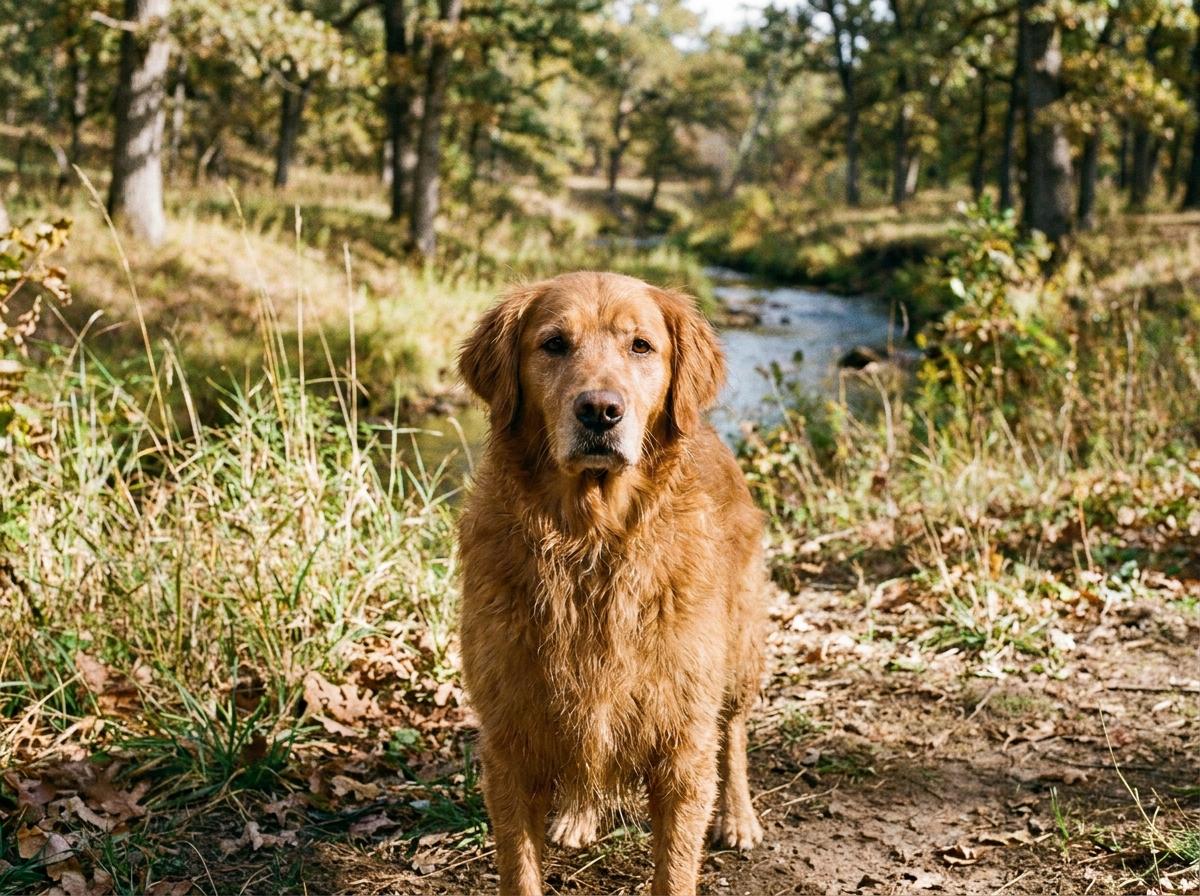
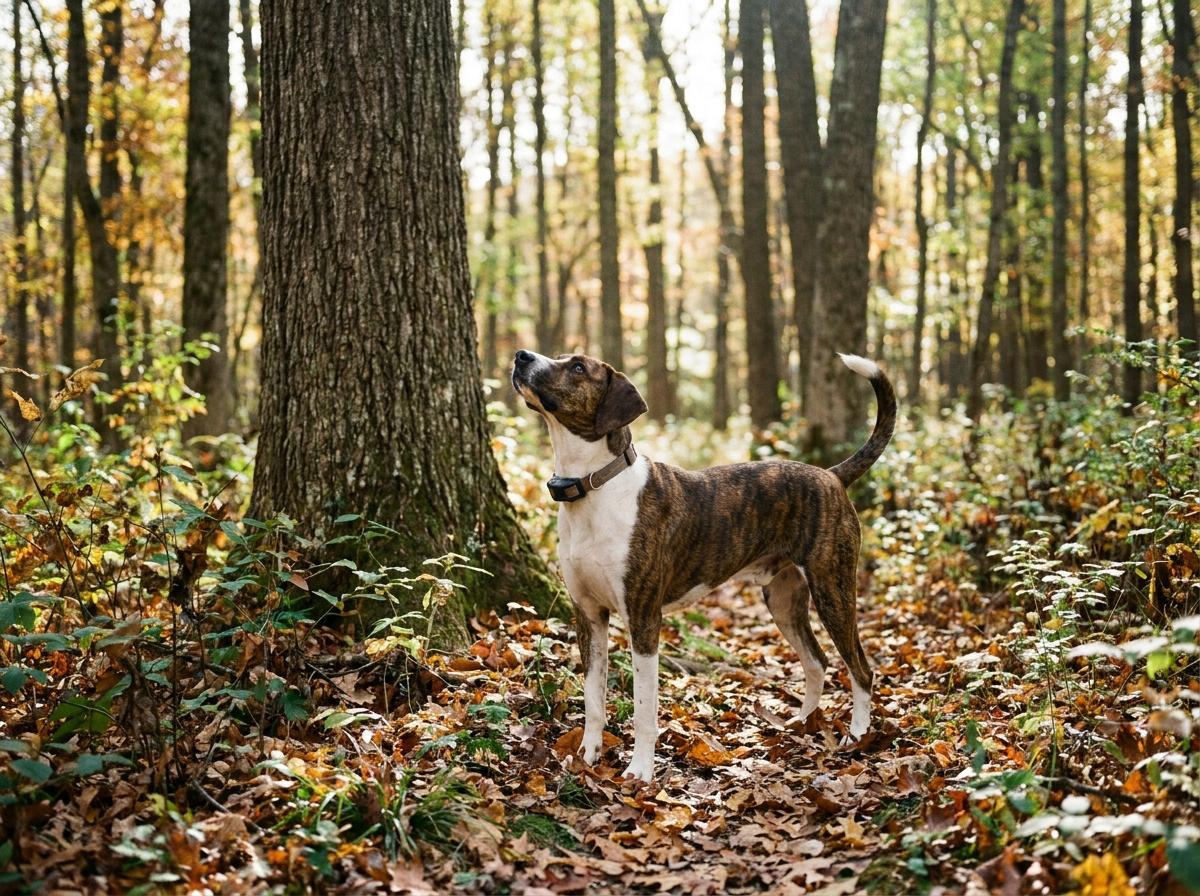
The Treeing Cur is an American working cur dog developed for hunters who needed a practical farm and woods companion rather than a tightly standardized show breed. It belongs to the broader cur tradition of the southern and Appalachian United States, where dogs were selected for nose, grit, treeing instinct, and enough judgment to work close to a handler. Size, ear set, and color can vary by line, but most are athletic, short-coated dogs with a strong desire to locate game and hold it at the tree with a steady bark. Squirrel and raccoon hunting are common uses, though some lines have been used on larger game.
Life with a Treeing Cur is easiest when the dog has regular work: hunting, scent games, long hikes, farm chores, or structured training. A bored cur can become noisy, roaming, or destructive, so secure fencing and reliable recall training matter. The short coat needs little grooming beyond brushing, tick checks, nail care, and attention to ears after time in the woods. Buyers usually look for breeders who can describe hunting style, range, voice, and temperament in the parents, since those working traits tell more than color or pedigree alone.
Colors: Albino, Apricot, Bicolor, Black, Black and Tan, Black and White, Black Mask, Blue, Blue and Tan, Blue Merle, Blue Roan, Blue Tick, Brindle, Brown, Brown and Tan, Brown and White, Chocolate, Cream, Dapple, Domino, Fawn, Fawn and White, Gold, Gray, Grey, Harlequin, Irish Marked, Leucistic, Liver, Liver Mask, Mantle, Mask, Melanistic, Merle, Mottled, Parti-Color, Piebald, Red, Red and White, Red Merle, Red Roan, Red Tick, Reverse Brindle, Roan, Sable, Saddle, Silver, Speckled, Spotted, Tan, Ticked, Tricolor, Tuxedo, White, Yellow