



Old English Bulldog
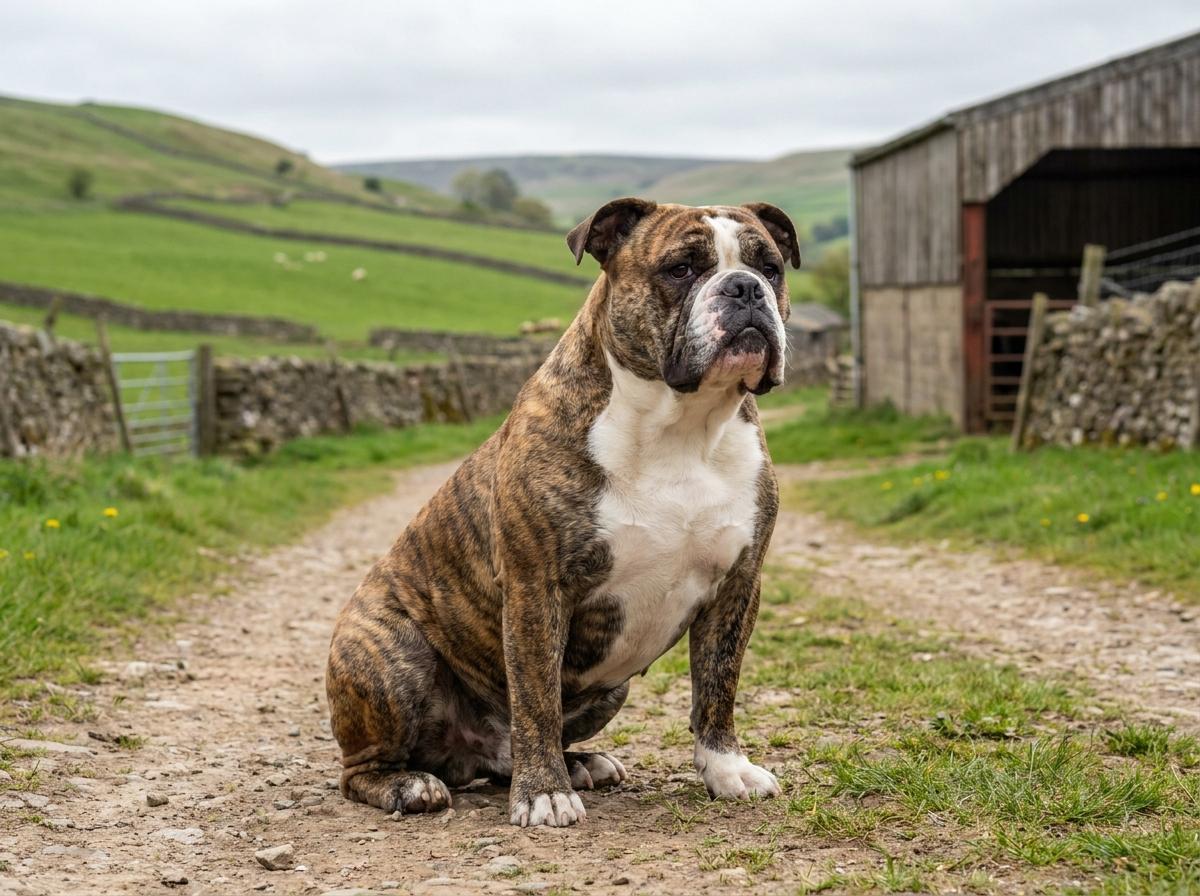
The Old English Bulldog was the historical English bulldog type that existed before the modern Bulldog and modern recreation breeds. It was associated with bull-baiting and other rough uses that are now illegal, and it was generally more athletic, longer-legged, and functional than the exaggerated companion bulldog that developed later. The original breed is considered extinct, though its image and reputation influenced many later bulldog and bull-and-terrier discussions. It should not be confused with the Olde English Bulldogge, which is a modern reconstruction.
Care information for the Old English Bulldog belongs mostly to history and breed comparison. Researchers look at engravings, sporting records, and old descriptions to understand how power, grip, agility, and temperament were selected before dog breeding shifted toward show and companionship. People selling a living dog under this exact name are usually referring to a recreation or alternative bulldog line, so records and registry context matter. For modern stewardship, the useful lesson is to separate nostalgia from welfare: athletic structure, breathing comfort, stable temperament, and responsible breeding are more important than reproducing a harsh historical image.