


Dalmatian
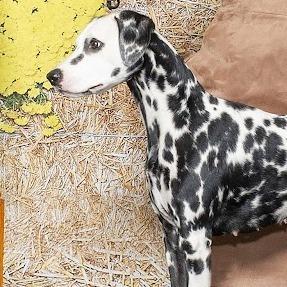
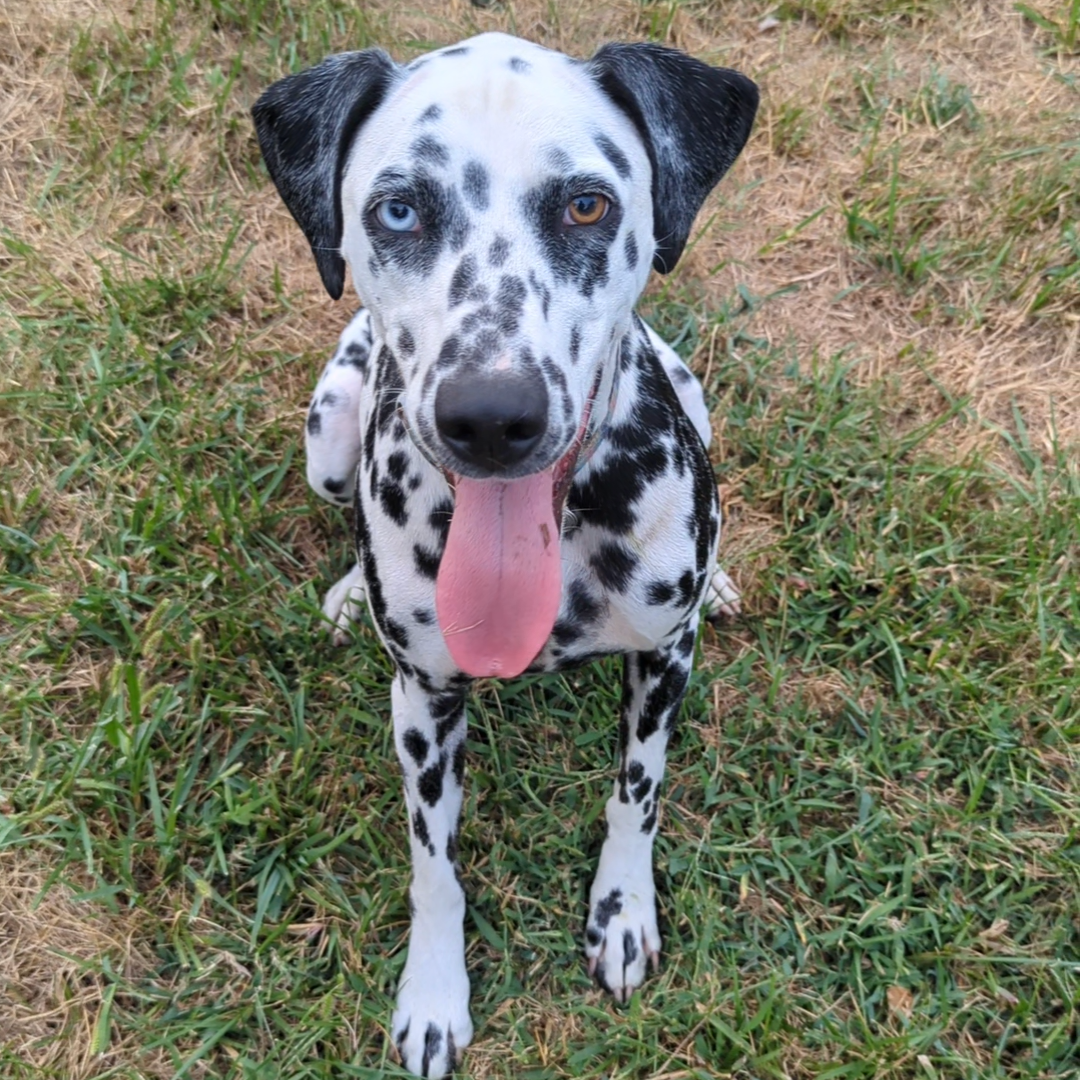
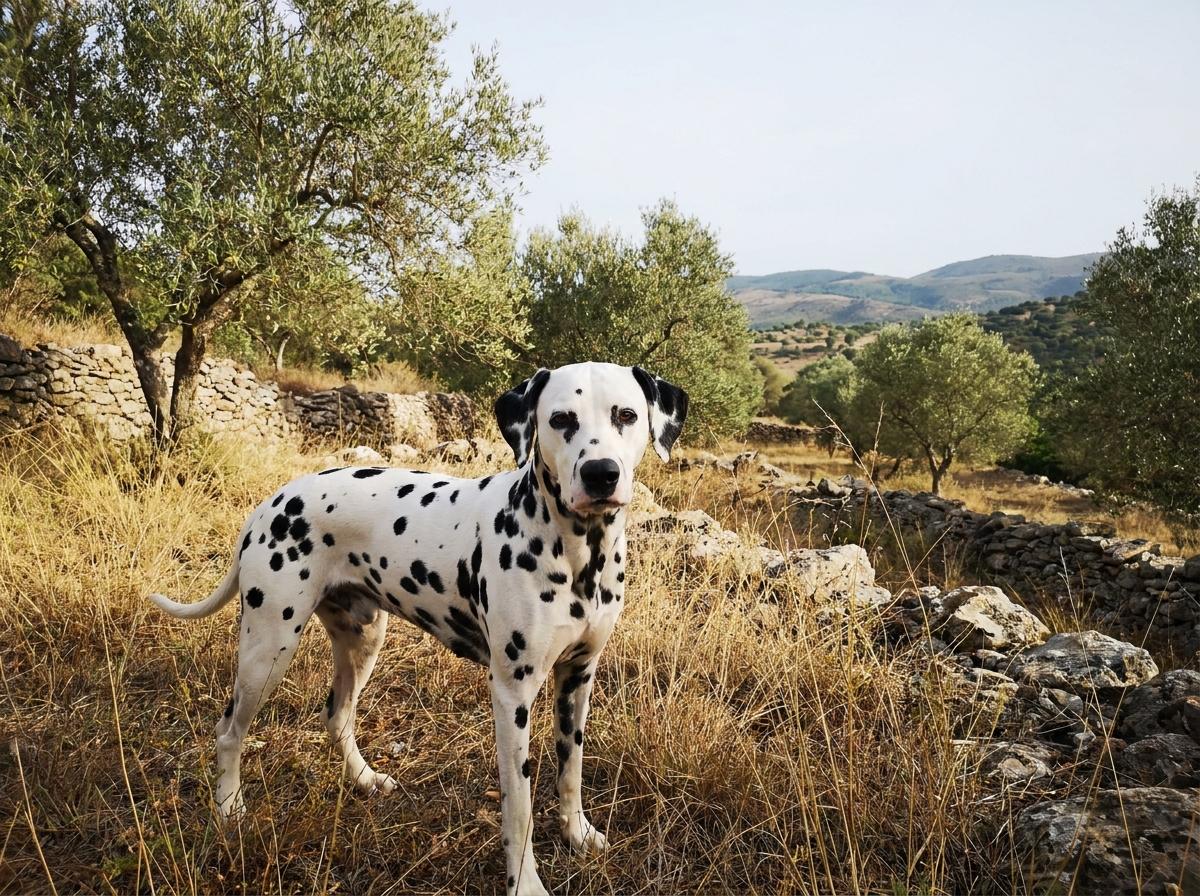
The Dalmatian is a medium-large spotted dog whose modern form was shaped largely as a carriage and coach dog, running with horses and guarding vehicles, stables, and gear. Its historical name points to Dalmatia on the Adriatic, although the breed's development involved several European countries and especially British coaching culture. Puppies are born mostly white and develop black or liver spots as they grow; patches are different from normal spotting and are treated differently in show standards. The breed's clean outline, strong feet, and tireless trot reflect a job that demanded stamina.
Dalmatians suit active households that can provide running, training, and close inclusion rather than occasional exercise. Their short coat sheds more than many first-time owners expect, and the spotted skin can be sensitive in some dogs. Two health topics define responsible care: inherited deafness, best checked with BAER hearing testing in puppies, and a tendency toward urate urinary stones linked to the breed's uric acid metabolism. Many veterinarians discuss hydration, frequent urination opportunities, and diet management; low-uric-acid Dalmatian lines also exist. Early socialization with children, horses, and visitors helps channel the breed's watchful carriage-dog instincts.
Colors: Apricot, Bicolor, Black, Black and Tan, Black and White, Black Mask, Blue, Blue and Tan, Blue Merle, Blue Roan, Blue Tick, Brindle, Brown, Brown and Tan, Brown and White, Chocolate, Cream, Dapple, Domino, Fawn, Fawn and White, Gold, Gray, Harlequin, Irish Marked, Liver, Liver Mask, Mantle, Mask, Merle, Mottled, Parti-Color, Piebald, Red, Red and White, Red Merle, Red Roan, Red Tick, Reverse Brindle, Roan, Sable, Saddle, Silver, Speckled, Spotted, Tan, Ticked, Tricolor, Tuxedo, White, White and Black Spots, White and Blue Spots, White and Lemon Spots, White and Liver Spots, White and Tri Spots, Yellow