




Canadian Eskimo Dog
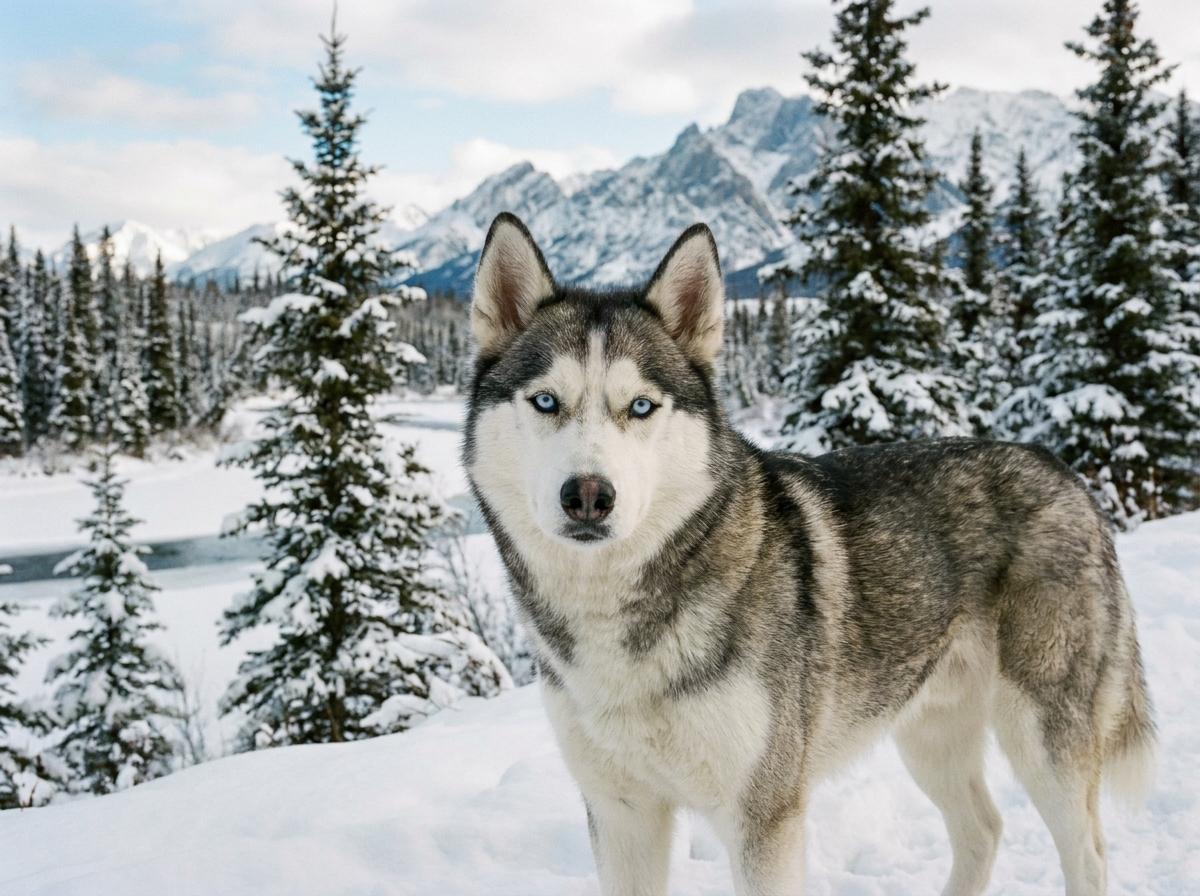
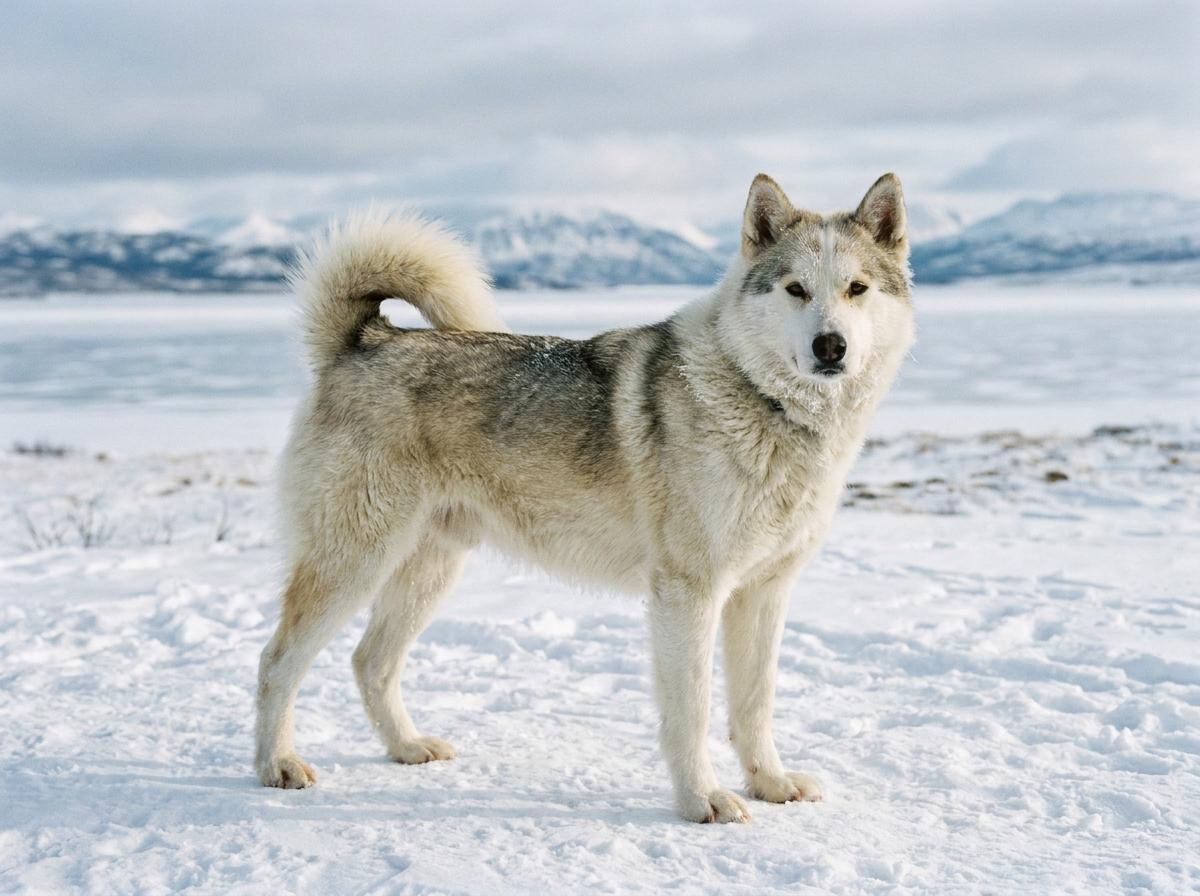
The Canadian Eskimo dog is an Arctic sled dog of Inuit origin, also called the Canadian Inuit Dog and, in Inuktitut, qimmiq or qimmit. It was developed for hard work in the Canadian North, hauling sleds, moving camp supplies, and assisting hunters on sea ice and tundra. This is a powerful spitz-type dog with a broad head, upright ears, a curled or carried tail, heavy bone, and a dense double coat that may appear in many colors. Its history is closely tied to Indigenous travel and survival, and the breed became rare after rapid changes in northern life, disease, and replacement by machines.
Modern Canadian Eskimo dogs are best understood as serious working dogs, not casual cold-weather mascots. They have great endurance, strong pack instincts, and a high prey drive, and they can be noisy or difficult with unfamiliar dogs if poorly managed. They need secure containment, purposeful exercise, and careful handling in warm weather, where shade and cooling are essential. Heavy seasonal shedding is normal. Preservation breeders and northern dog teams often pay close attention to working ability, temperament, and genetic diversity, since puppy numbers are limited and the breed's cultural history deserves respect.