
Composite Breeds
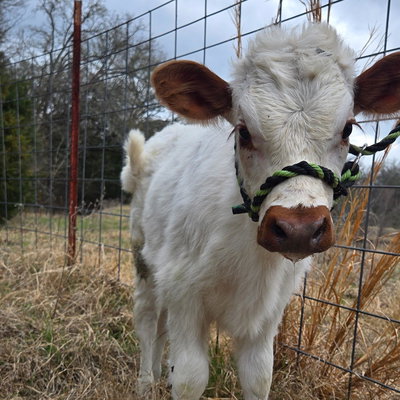
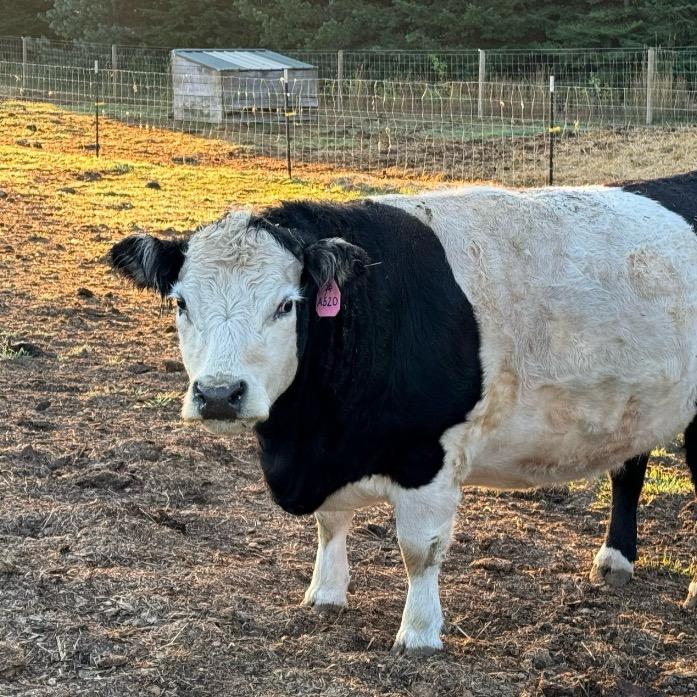
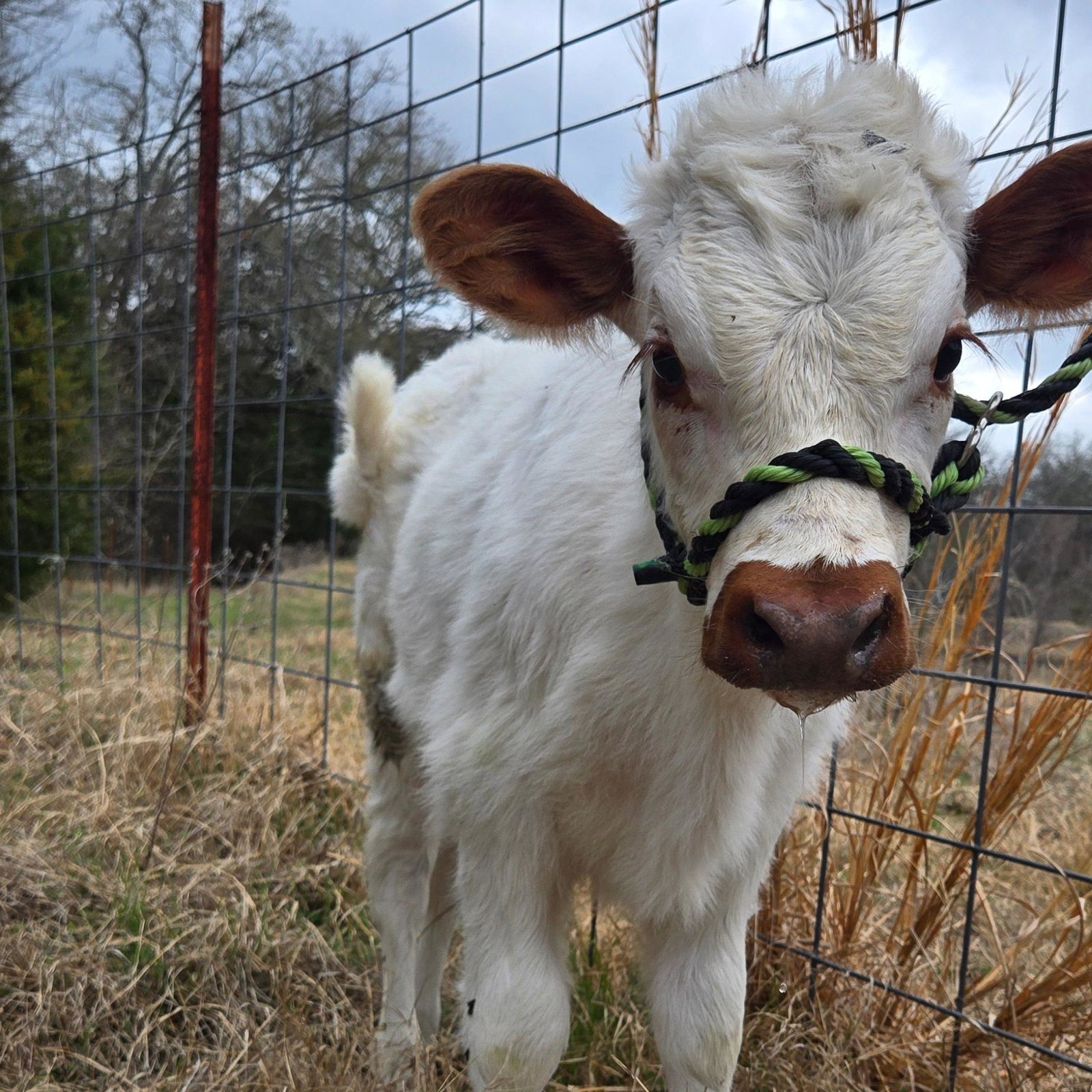
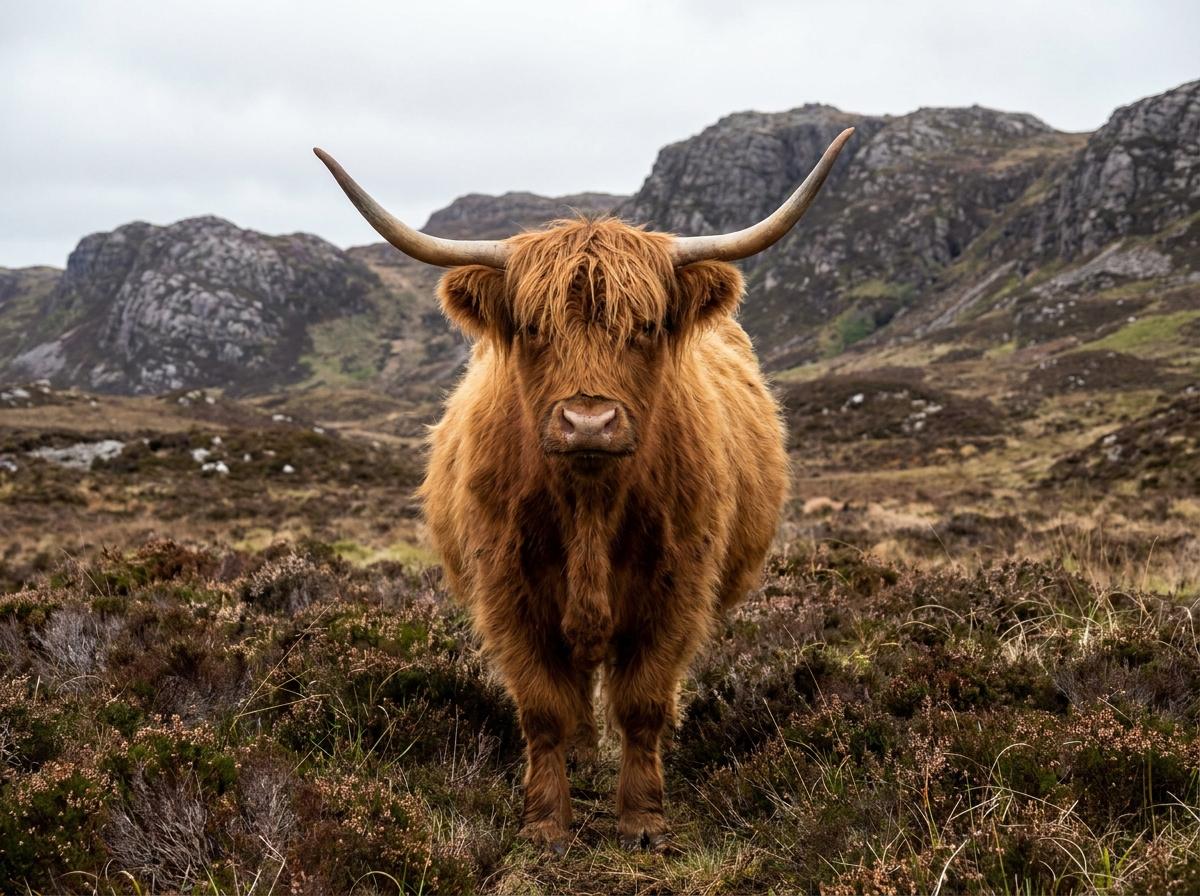
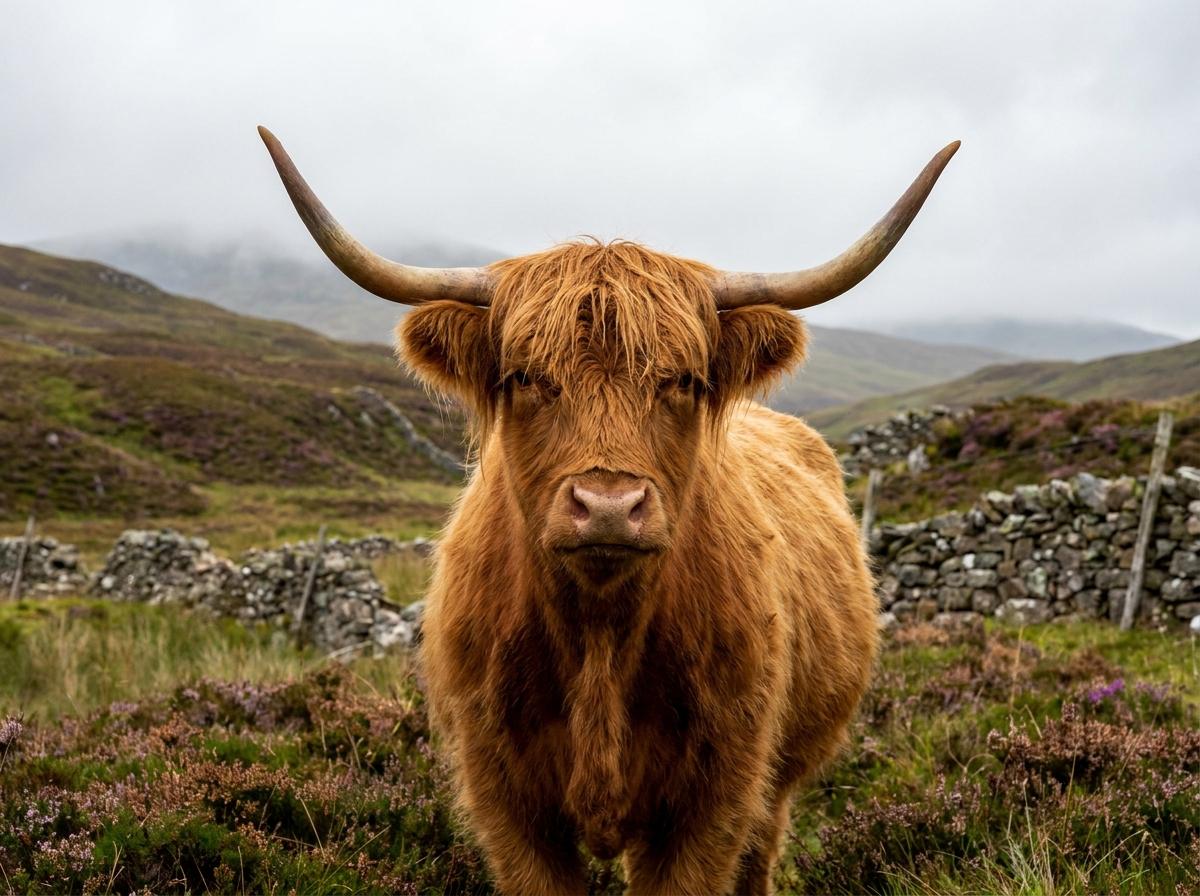
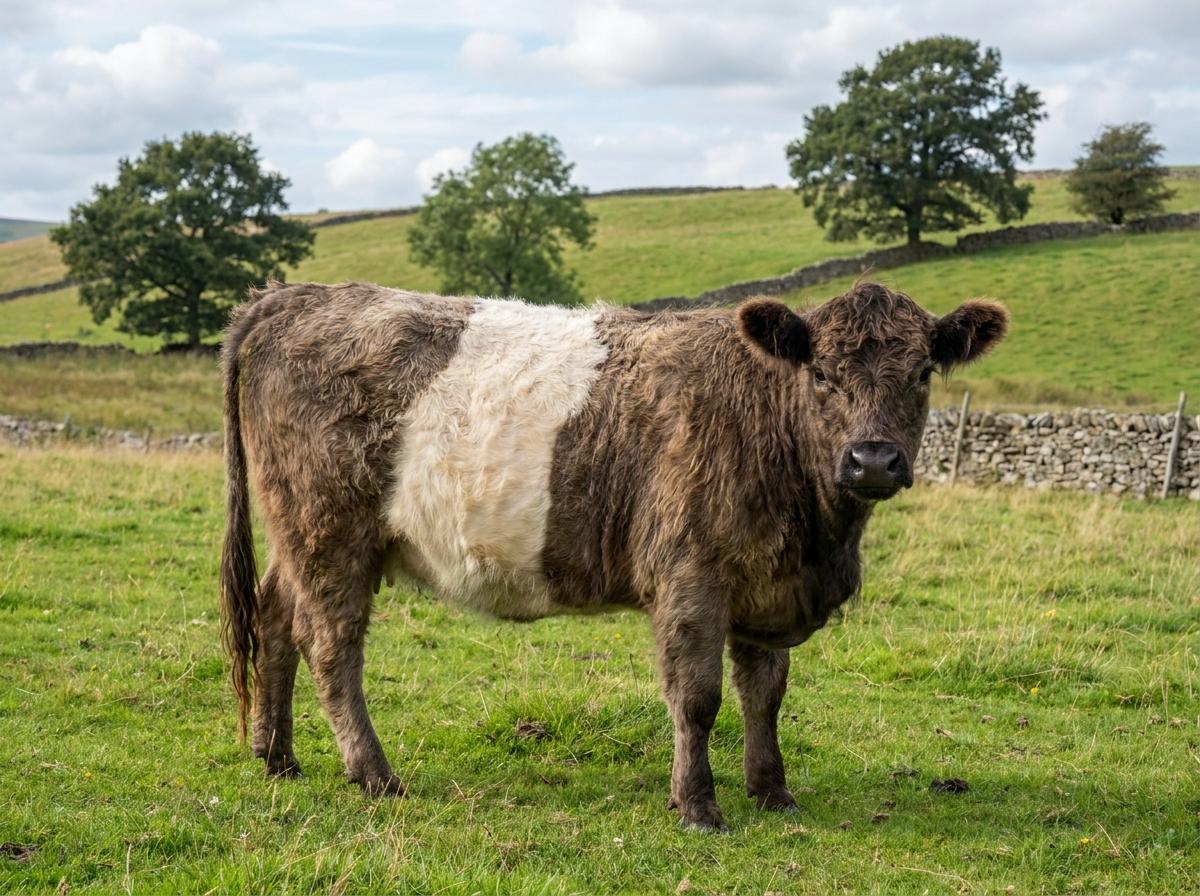
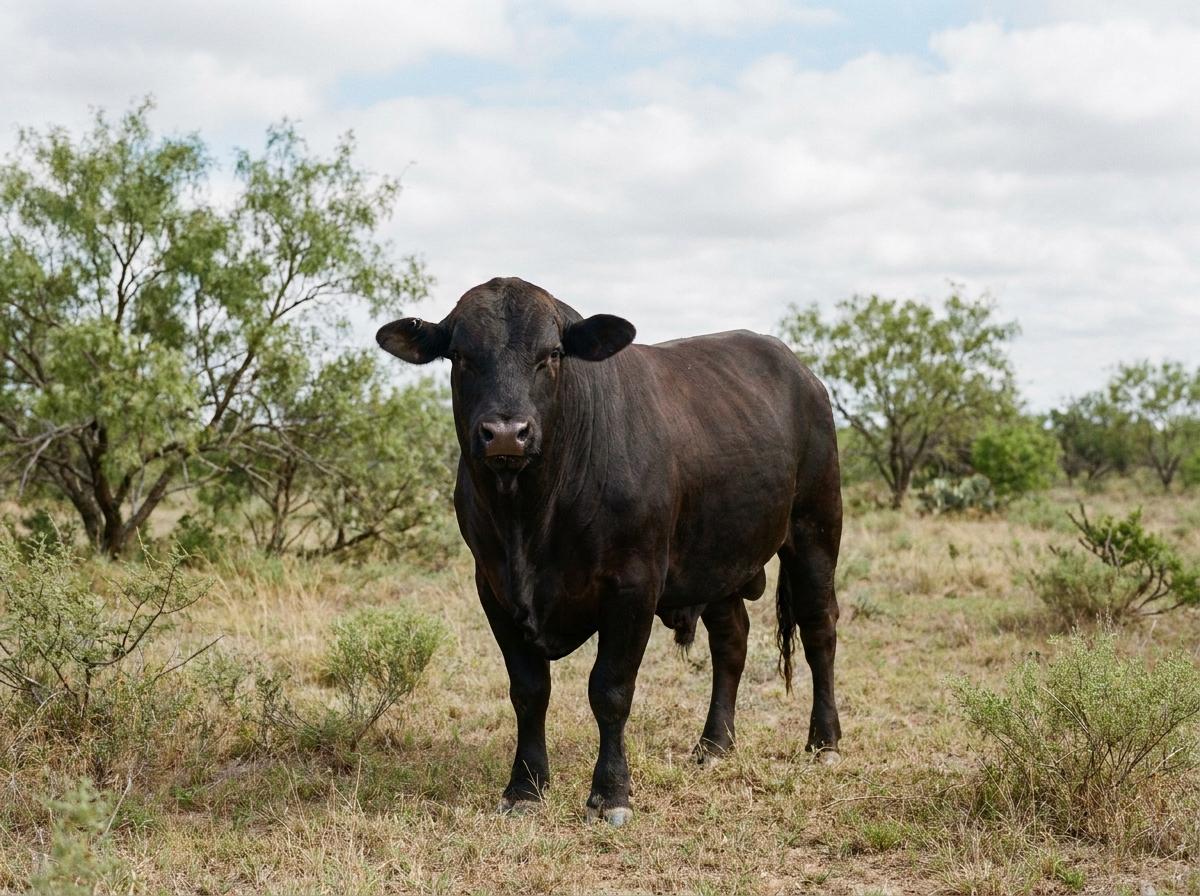
Composite cattle breeds are deliberately built from several foundation breeds and then bred as a continuing population. In beef cattle, examples include well-known composites such as Beefmaster, Brangus, Santa Gertrudis, Simbrah, and many regional composite lines developed for ranch conditions. The goal is to combine useful traits, such as maternal ability, growth, carcass quality, heat tolerance, or parasite resistance, while retaining part of the hybrid vigor that appears in first-generation crosses. Coat color and markings vary by the breeds used, so black, red, roan, brindle, brockle-faced, and lineback animals may all be seen in different composite programs.
A composite works best when the breeding plan is consistent. Ranches usually select within the herd for fertility, sound feet, moderate mature size, udder quality, and calves that fit their climate and marketing system. Registries and associations differ: some recognize named composites with fixed rules, while others describe proprietary or local lines without a formal herdbook. For buyers, the important questions are what breeds formed the composite, how long it has been stabilized, and whether performance records support the claims made for the cattle.
Colors: Belted, Black, Black and White, Blaze Faced, Blue Roan, Brindle, Brockle Faced, Brown, Brown and White, Dun, Gray, Lineback, Mottled, Red, Red and White, Red Roan, Roan, Silver, Solid Black, Solid Red, Speckled, Spotted, Various, White, White Faced, Yellow