

American
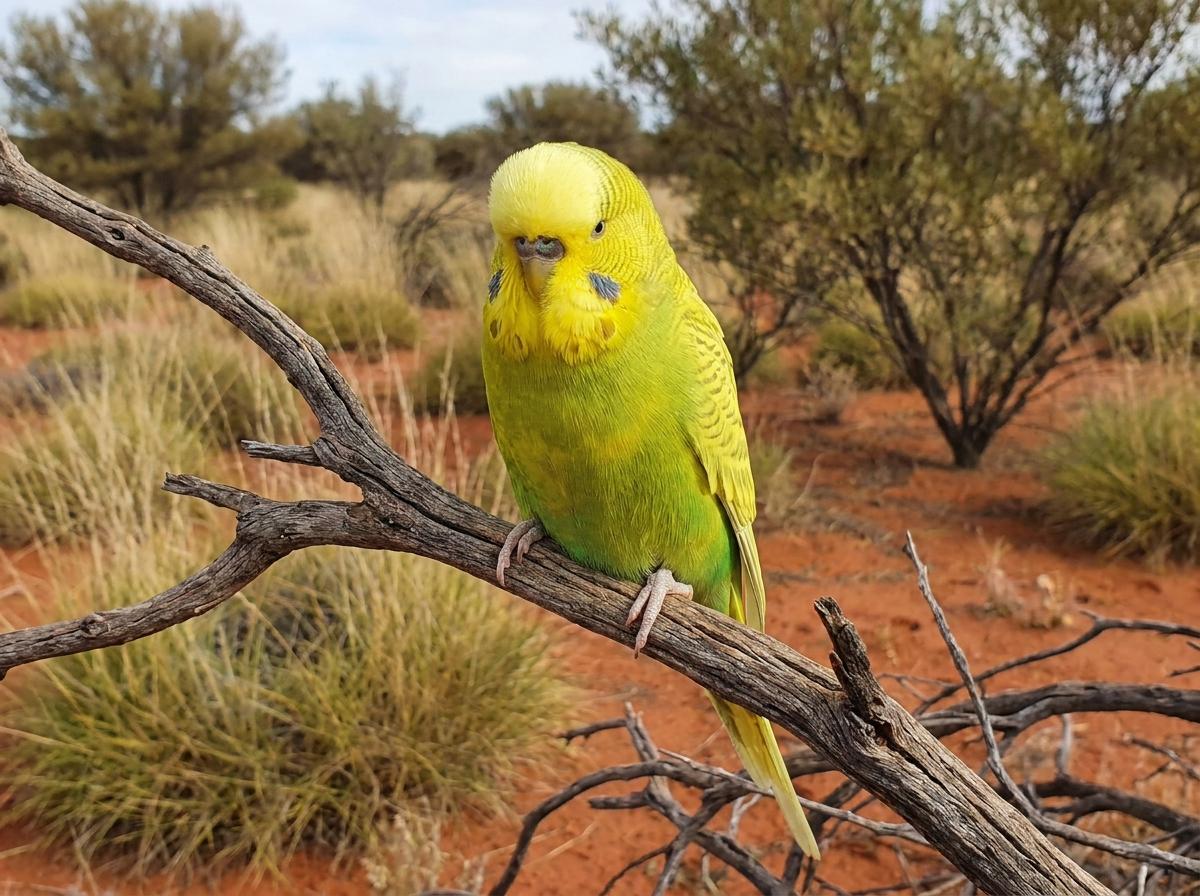
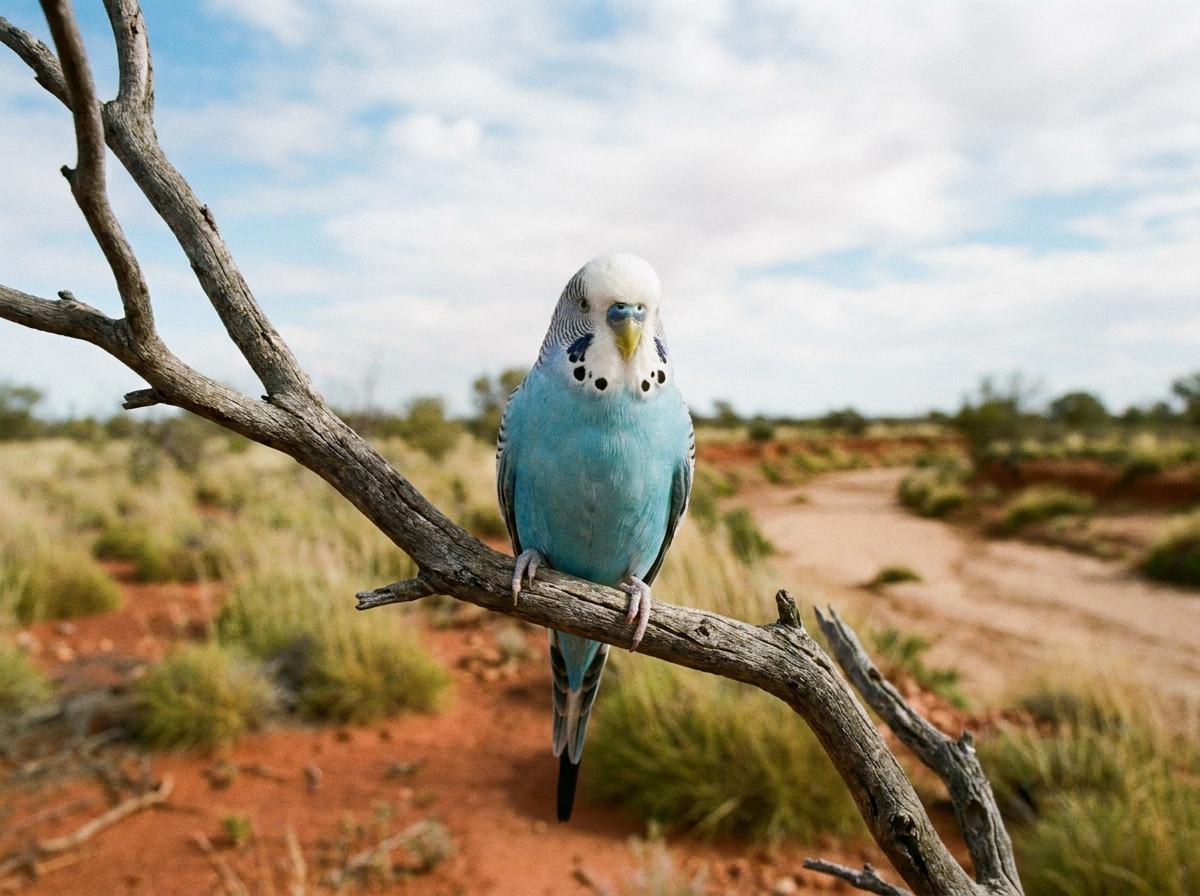
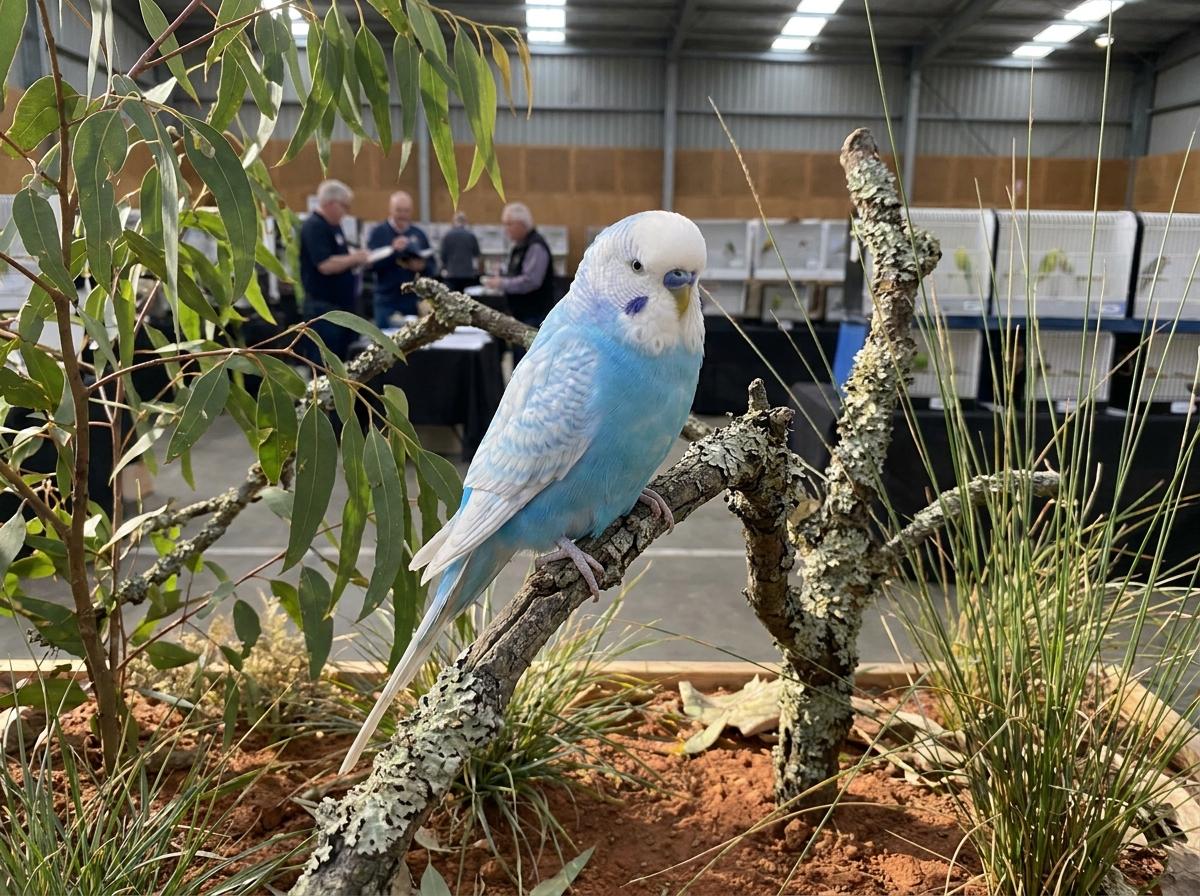
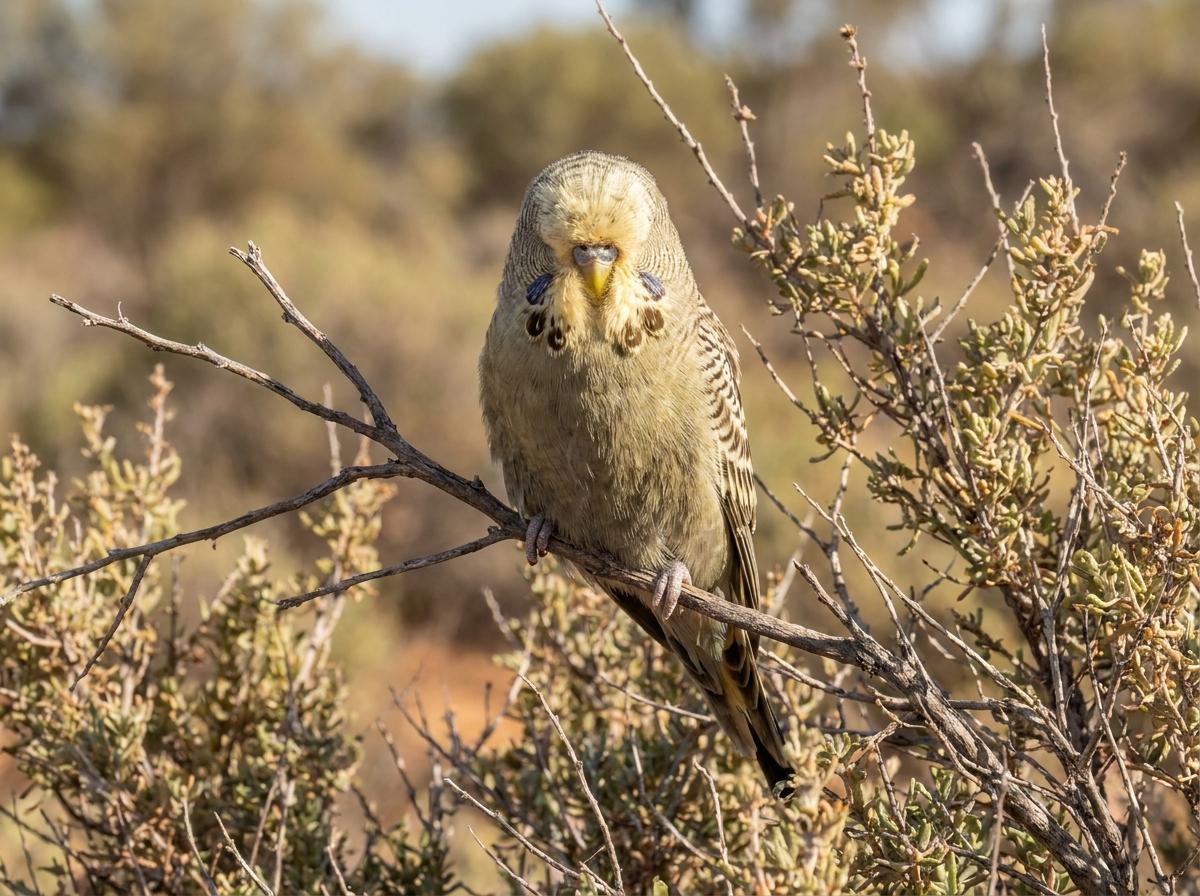
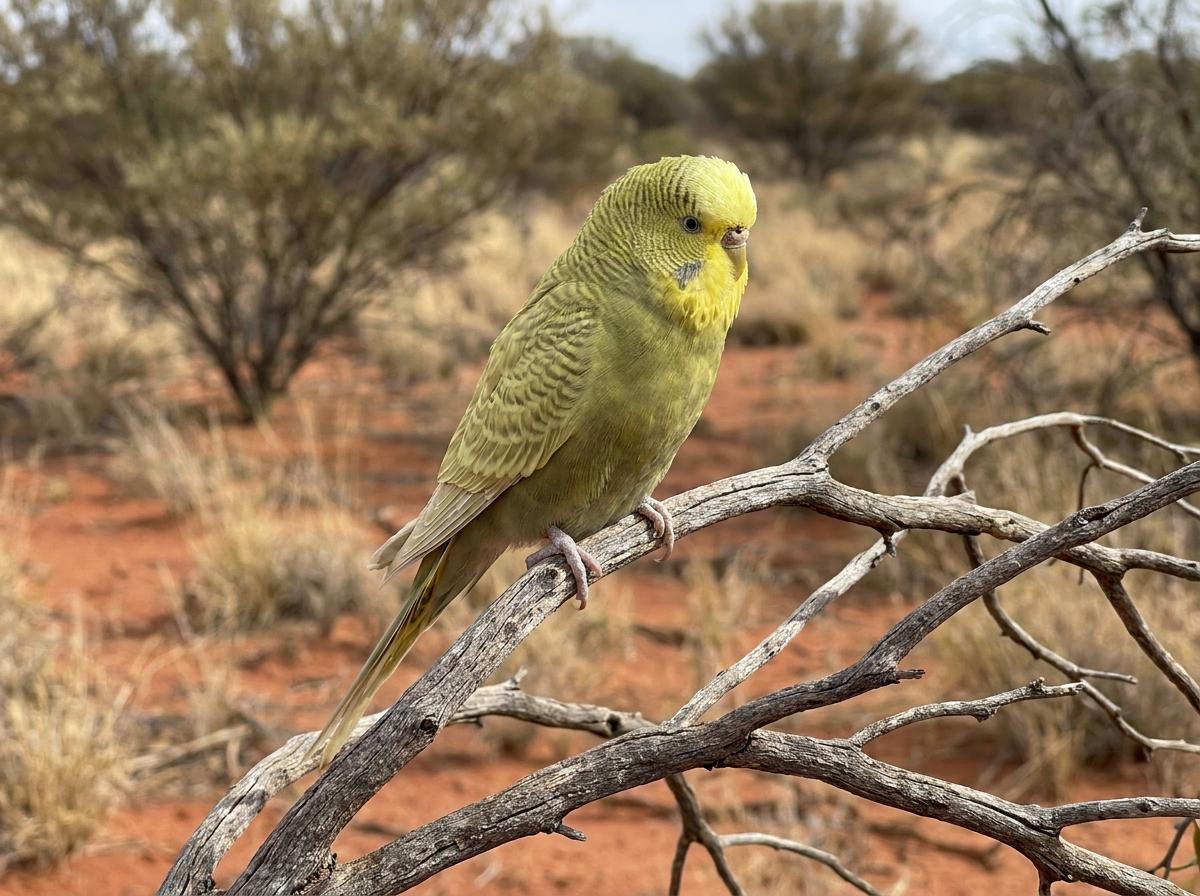
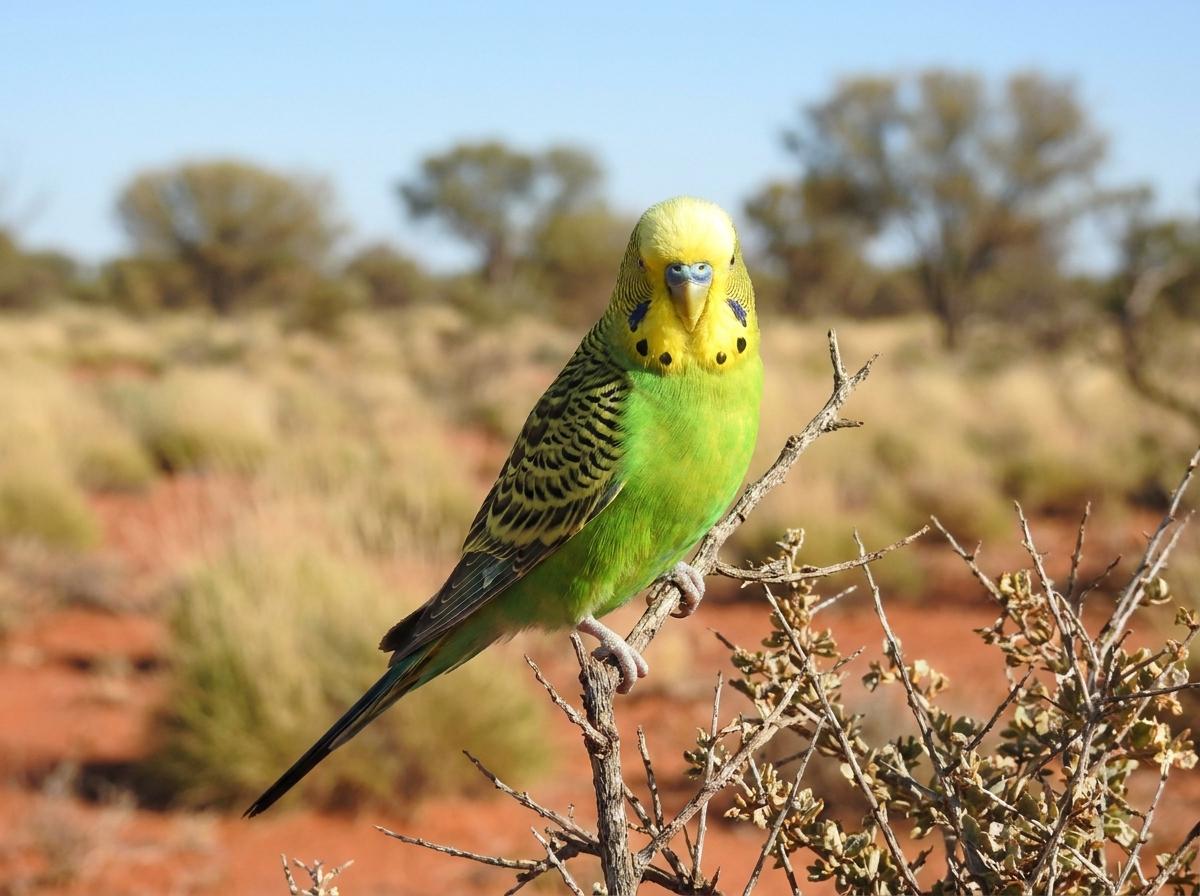
The American budgerigar, often called the American parakeet or pet-type budgie in North America, is a domestic form of Melopsittacus undulatus rather than a separate species. Compared with the larger English or exhibition budgerigar, American birds are usually slimmer, quicker, shorter-feathered, and closer to the wild Australian budgie in outline. They occur in many color mutations, including blue, albino, cinnamon, clearwing, pied, crested, and combinations built on green or blue series genetics.
American budgies are common companion and aviary birds, valued for flock behavior, trainability, and the ability of some males to mimic speech. Their small size does not make them low-maintenance: they need room for real flight, daily social contact with people or other budgies, safe perches, chewing and foraging outlets, and a diet that goes beyond loose seed. Breeding pairs use nest boxes readily, so responsible keepers manage pairings, rest hens between clutches, and avoid producing chicks without homes. The word American is mainly a body-type and pet-trade distinction, with standards varying among clubs and breeders.