



Continental
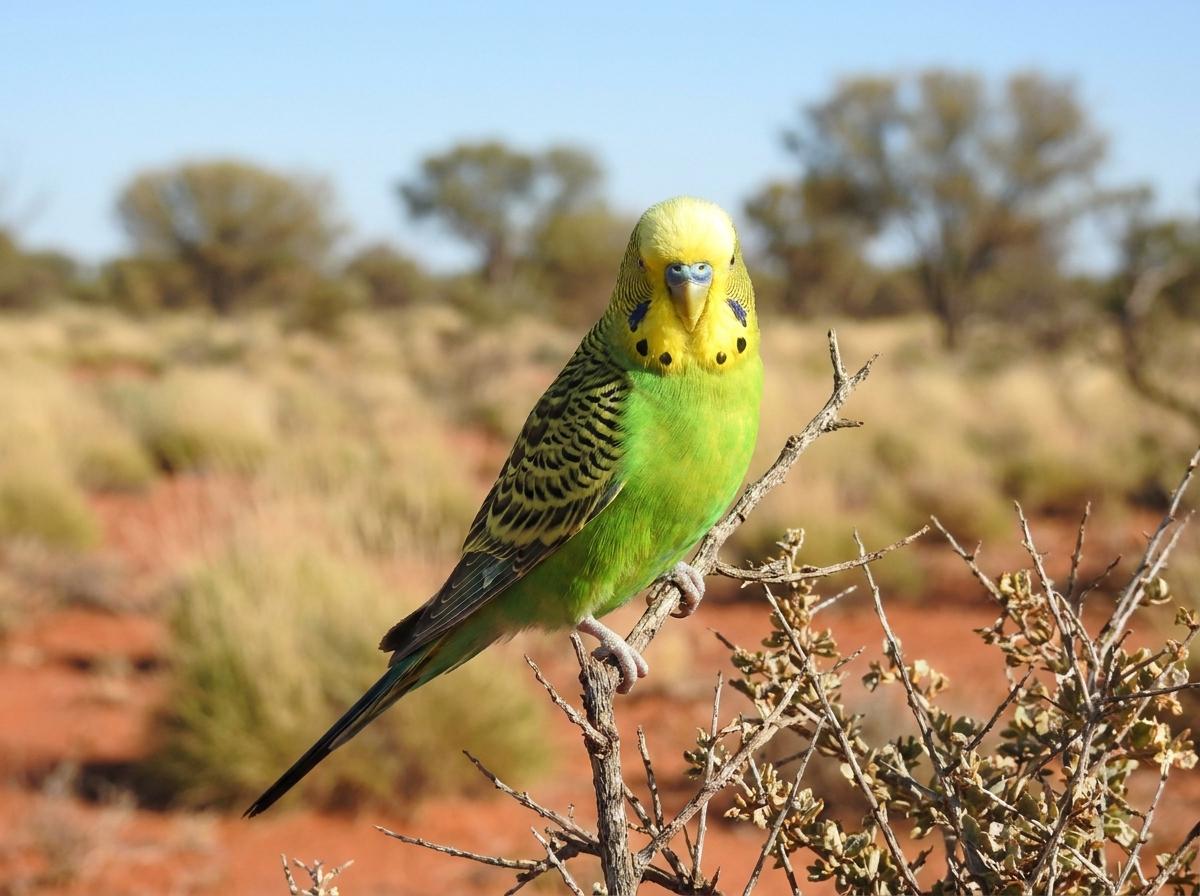
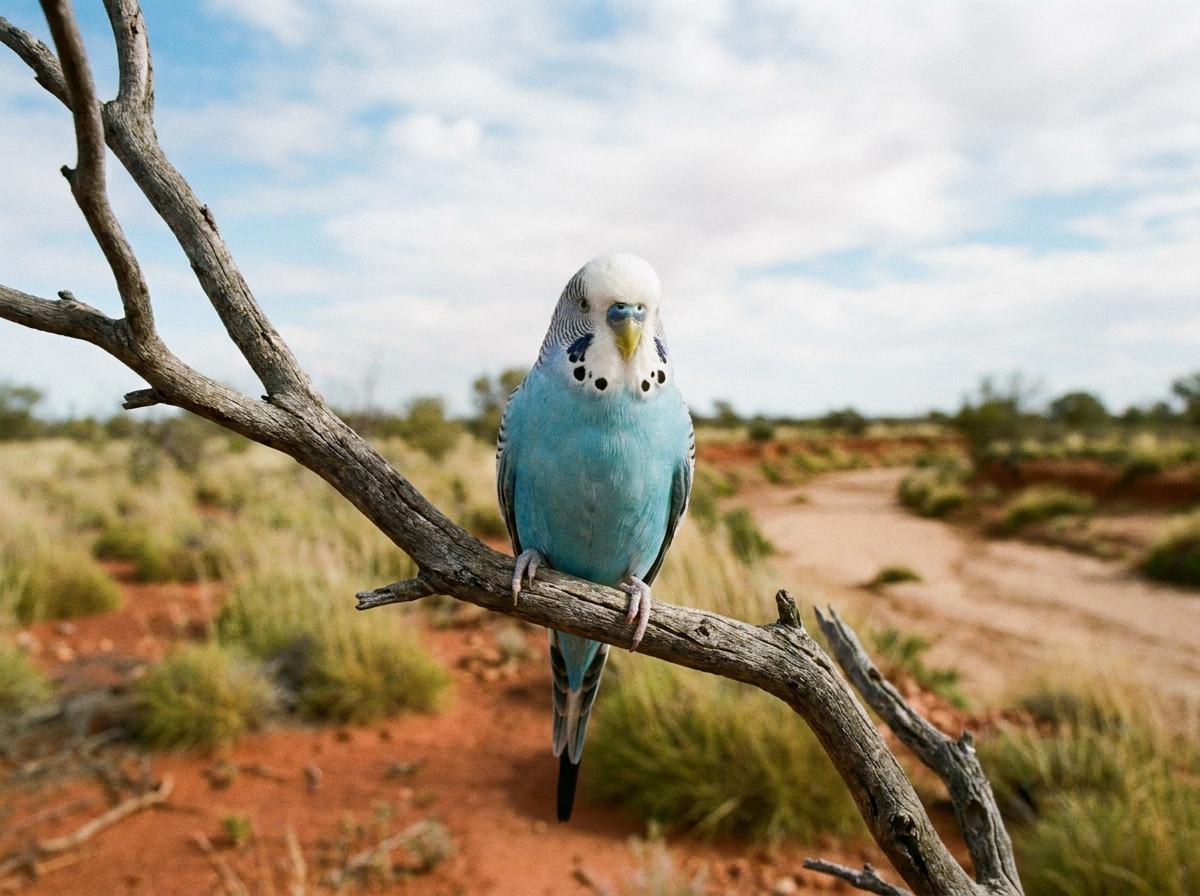
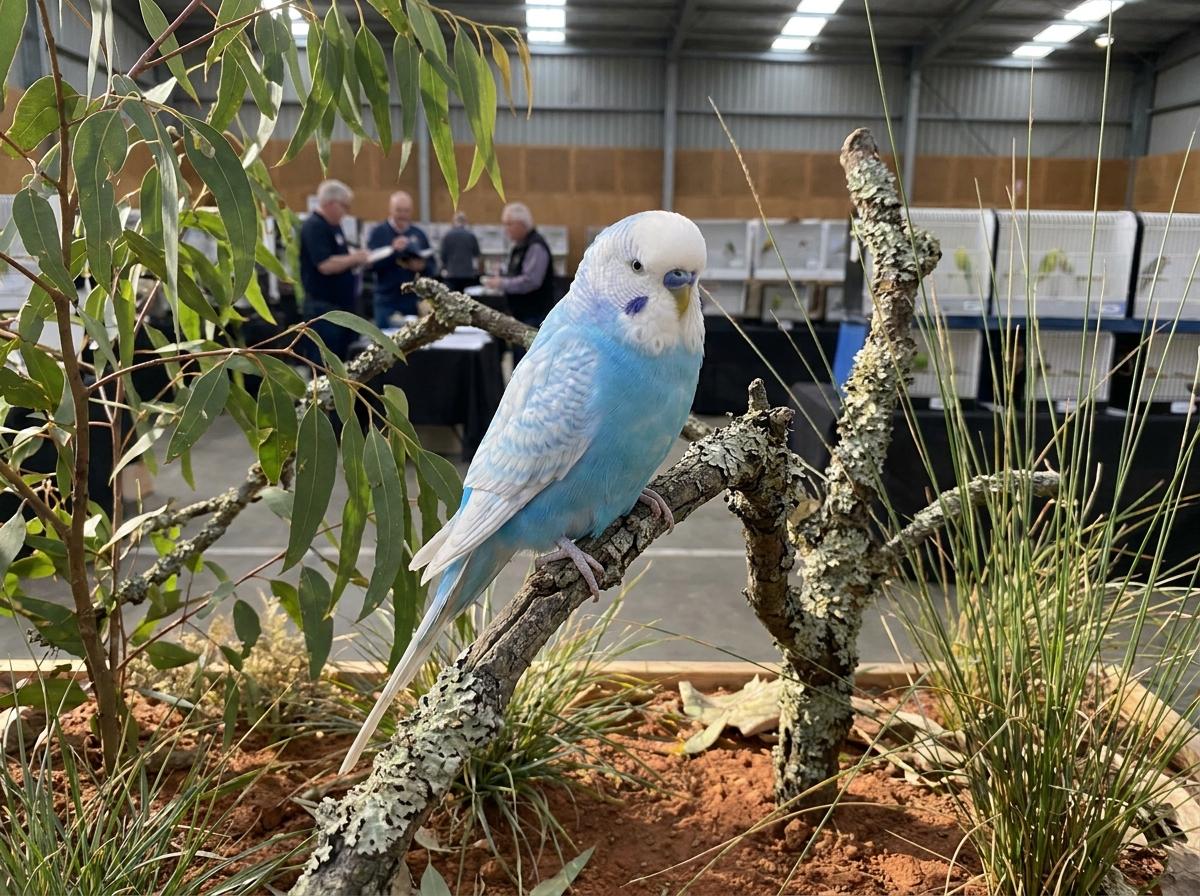
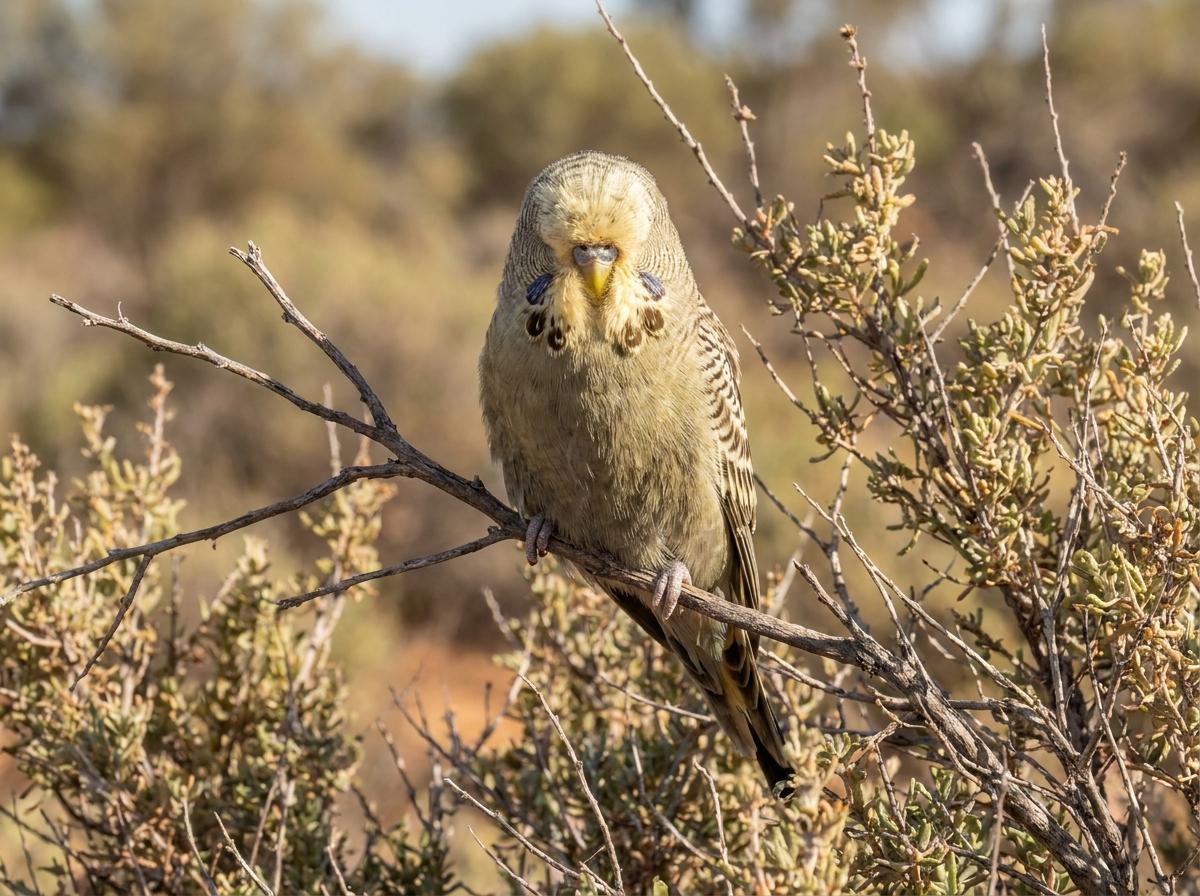
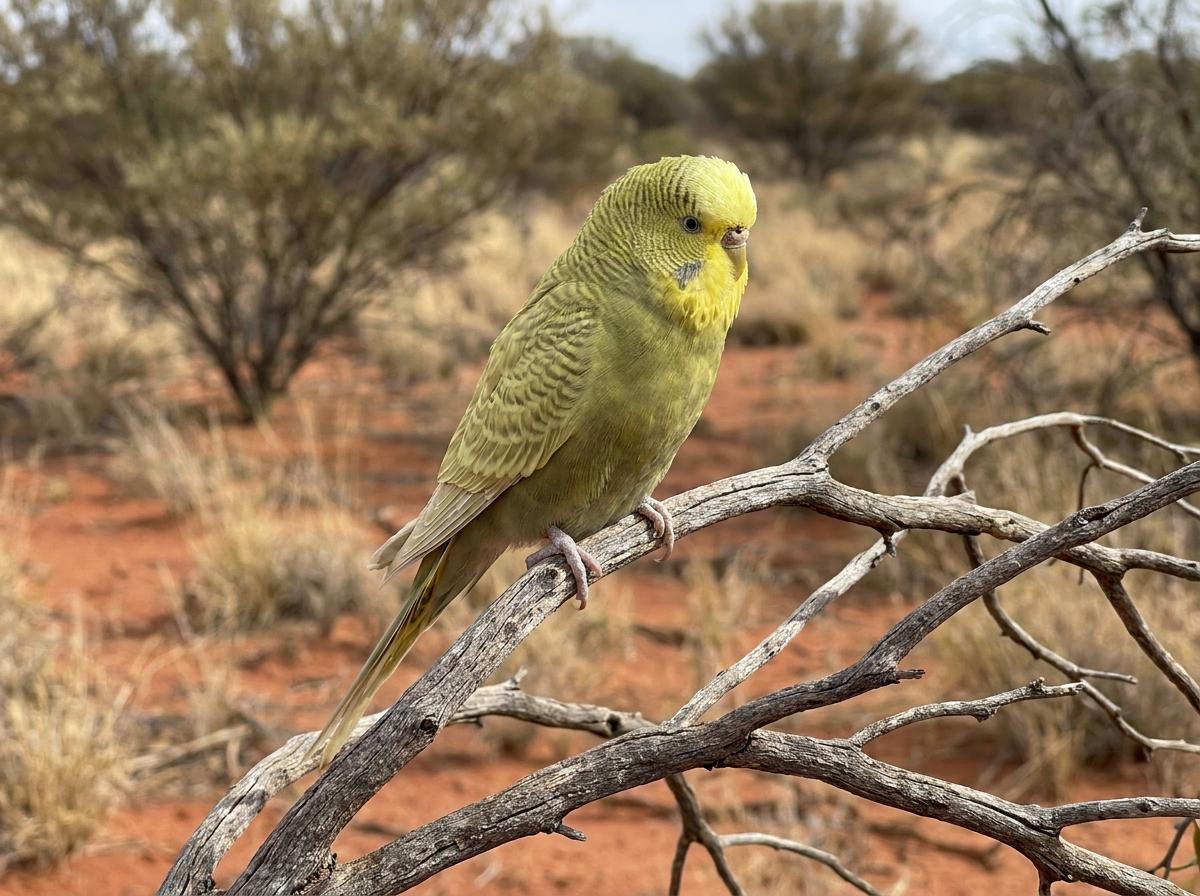
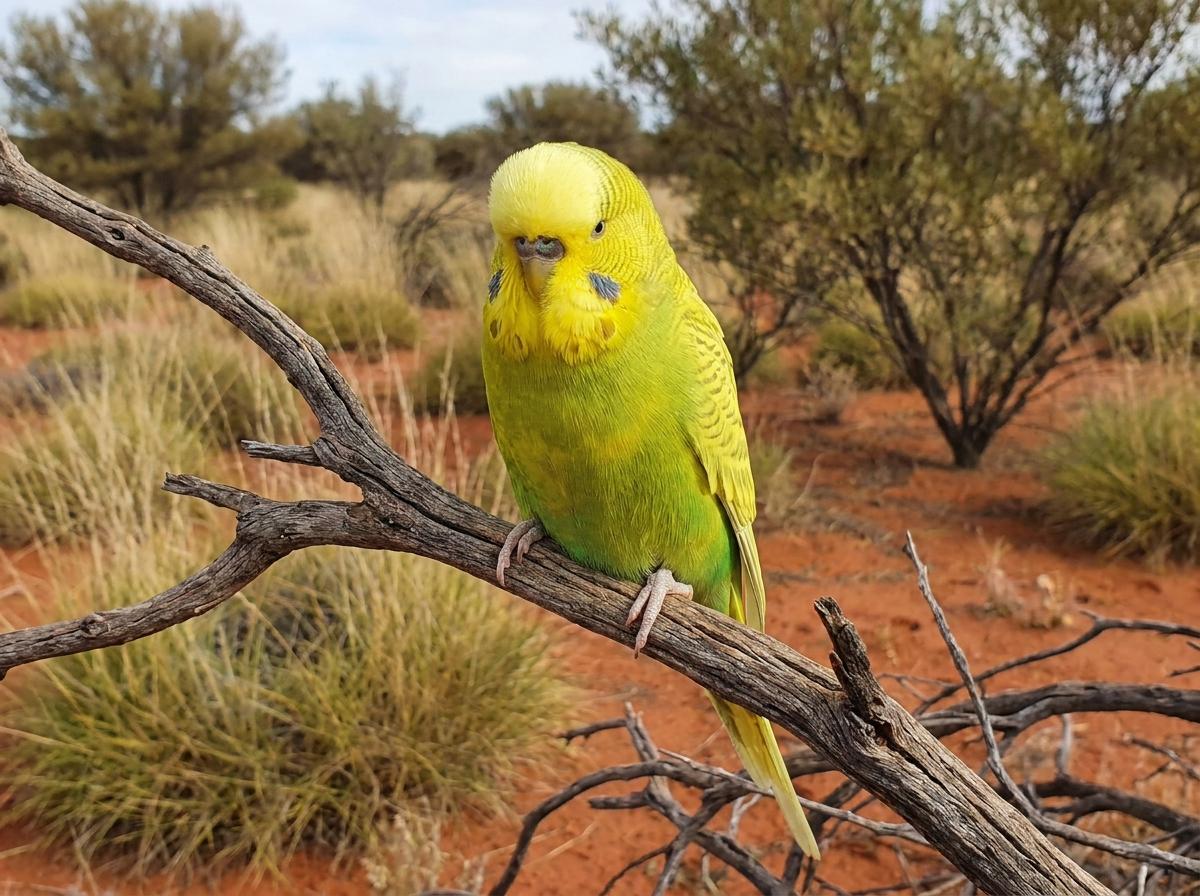
Where aviculturists use the term Continental budgerigar, it usually refers to Melopsittacus undulatus lines associated with mainland European or European-style show breeding. It is not a separate species and may not be a formal class in every club. In sales listings the name often points to a bird with more body and feather than a small pet-type budgie, yet sometimes less exaggeration than top English exhibition stock. Continental-type birds can appear in the same mutation palette as other budgerigars, including blue, cinnamon, clearwing, pied, albino, and crested varieties.
Care is the same at species level as for any budgie, with extra room allowed for a larger frame and stronger perches. These birds benefit from daily flight or an aviary, a varied diet, and routine checks of nails, weight, and feather condition. Breeders working with Continental-type birds usually select for balance, fertility, and steady temperament rather than size alone. Because the label varies by country, buyers should judge the actual bird, its age, health, and parentage rather than relying on the name.