Motley
Morph
Author: Elliott Garber, DVM · Published
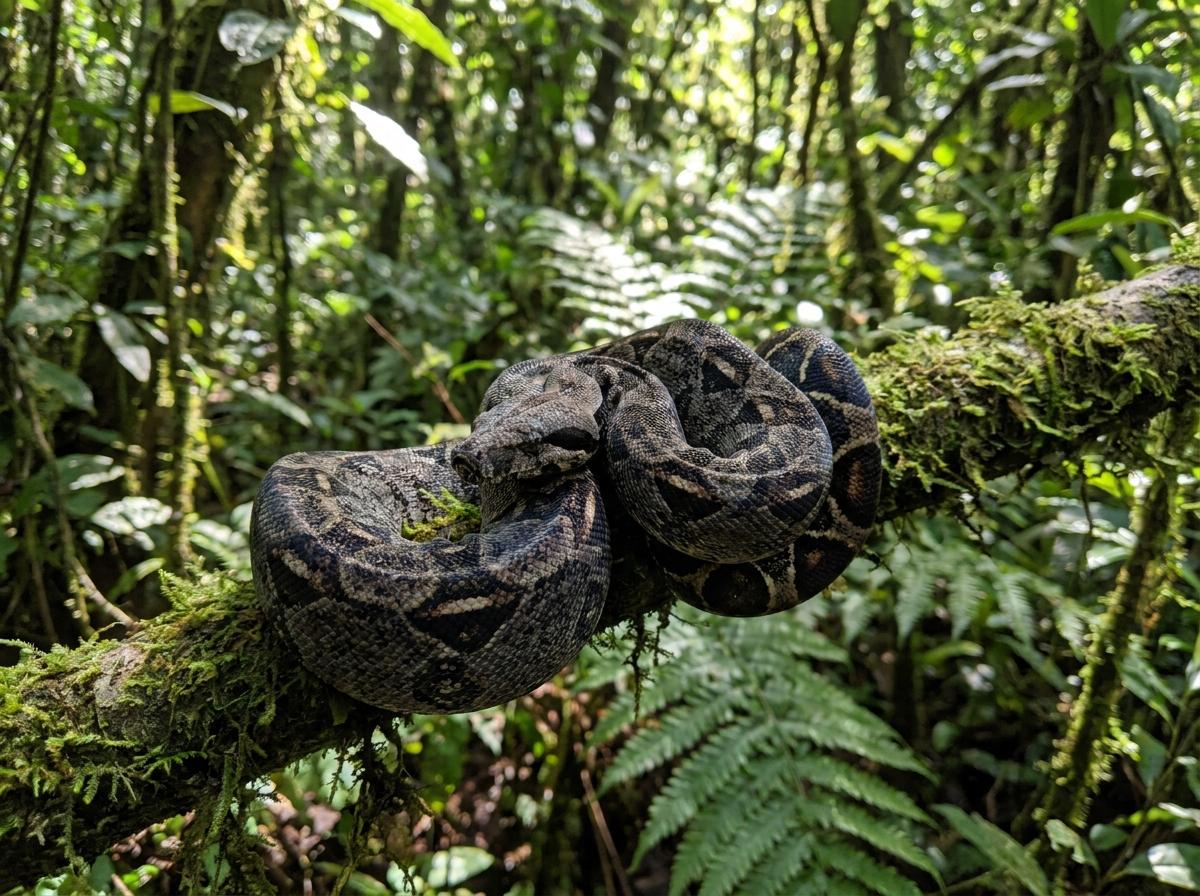
Motley is a boa pattern morph, commonly associated with connected or reorganized dorsal markings and reduced side pattern. It is not a separate boa species, a guaranteed adult size or a promise of temperament. The name also needs an important welfare distinction: a single-copy Motley and a Super Motley are not interchangeable buying decisions.
Many animals sold under broad “boa constrictor” wording belong to Boa imperator or have mixed captive ancestry. Ask for the actual lineage and the specific Motley line being claimed. A catalogue category cannot establish locality purity or resolve every historical use of the name.

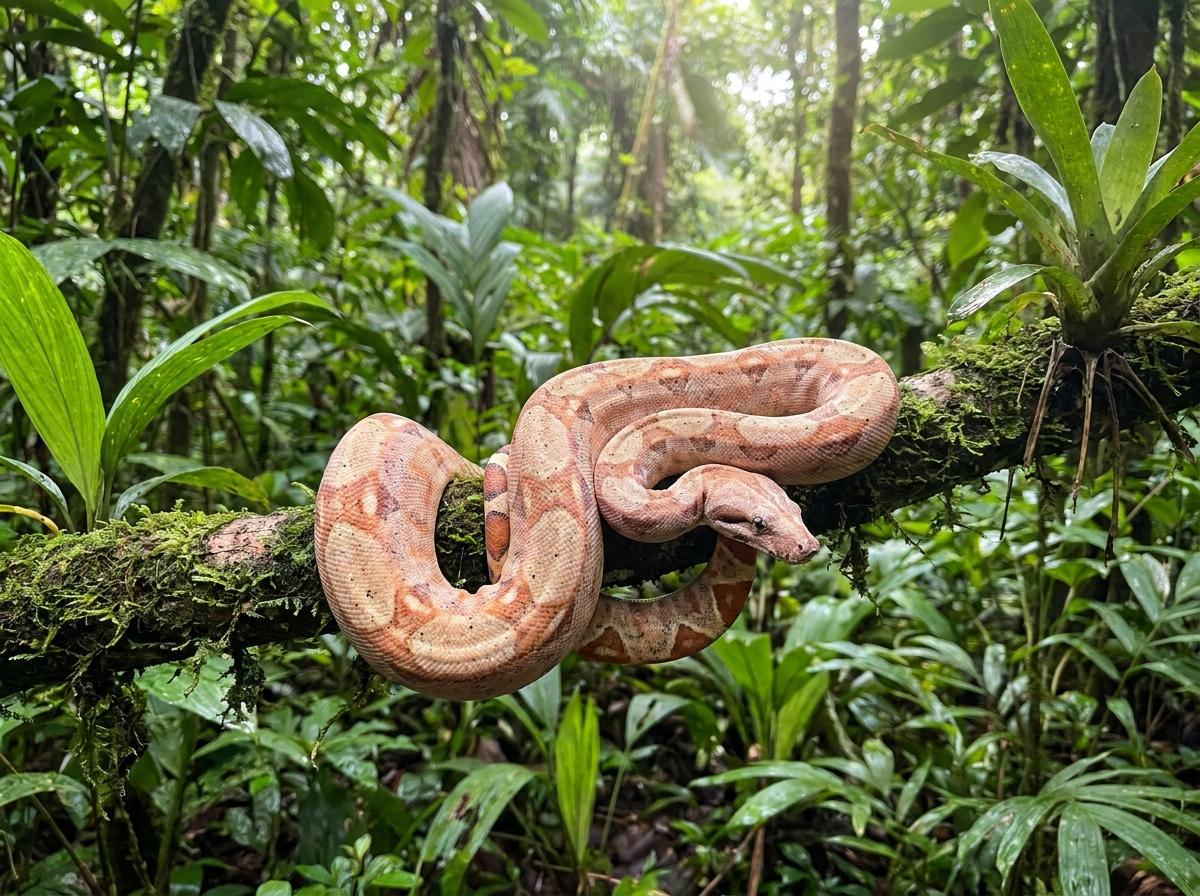
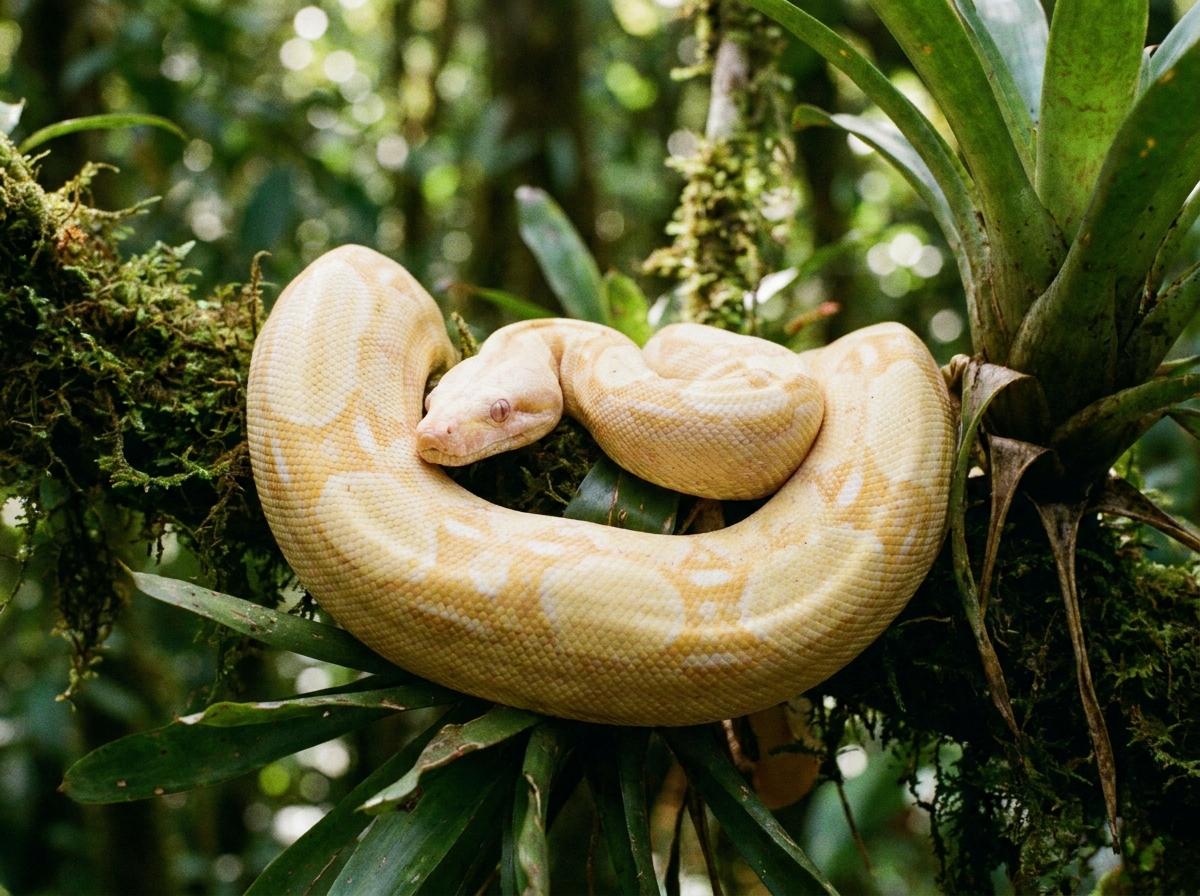
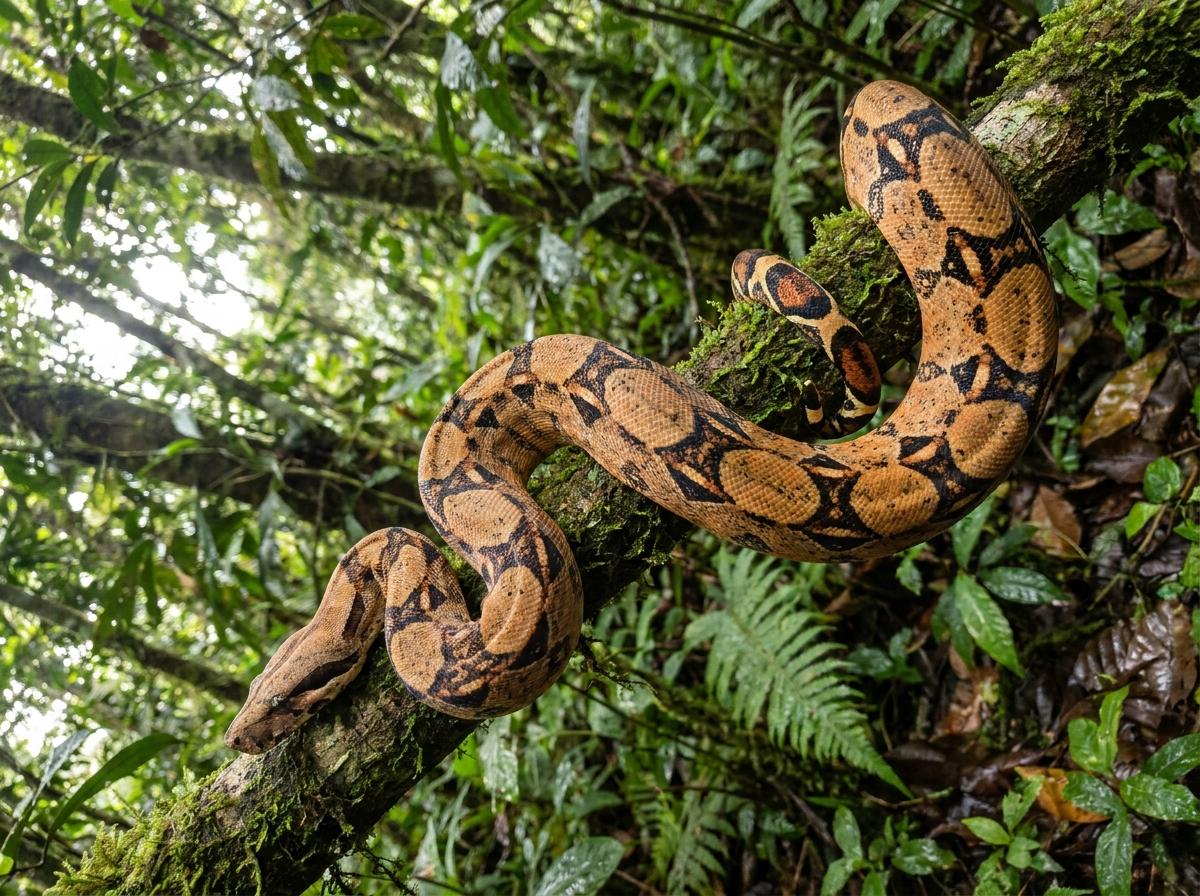
AI-generated illustration of a single-copy Motley appearance. It does not depict a Super Motley or verify a real snake’s lineage.
| Identity | Pattern morph in captive boas |
|---|---|
| Visual clues | Linked dorsal markings and reduced lateral pattern |
| Lineage | Ask for species background and the named line |
| Critical distinction | Super Motley has serious reported welfare concerns |
| Ownership planning | Adult space, secure housing and individual health records |
Browse listings, public profiles, breeders, or add your animal.
What to look for in a Motley description
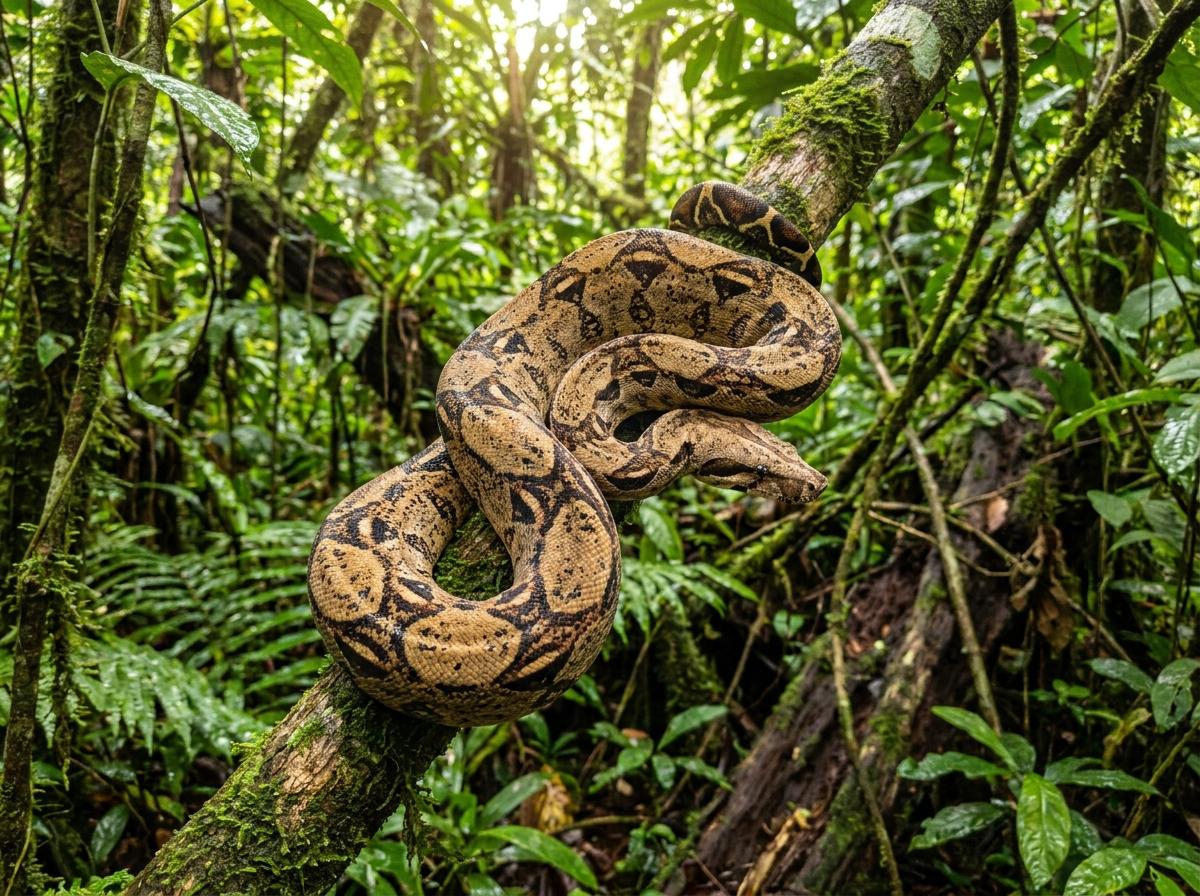
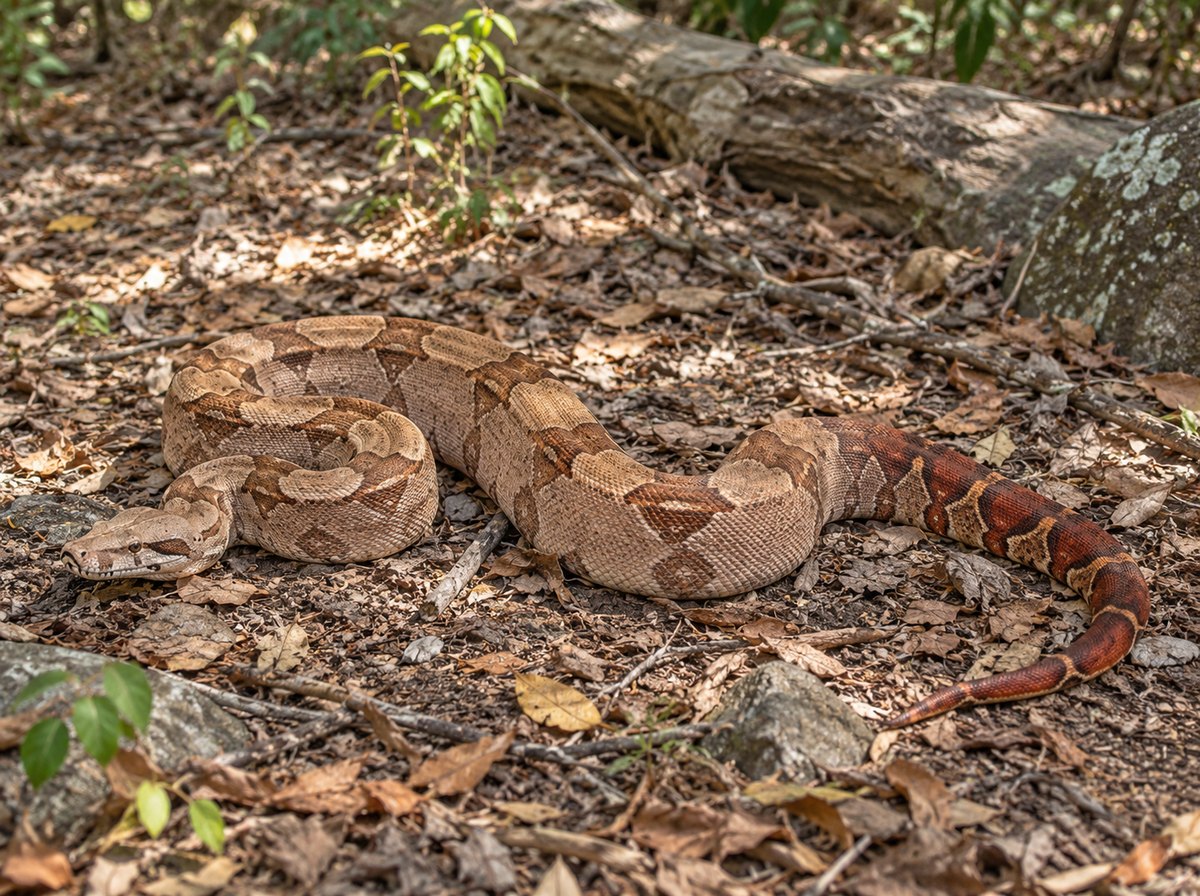
The familiar Colombian-type appearance can have oval or connected dorsal markings, a more continuous patterned back and cleaner-looking sides than many normally patterned boas. Colour and pattern still vary, especially when other morphs are involved. A darker tail or an unusual saddle is not enough to prove a complete genetic description.
Ask whether “Colombian” or “Central American” describes a named morph line, documented geographic ancestry, or loose sales terminology. Those are different claims. Request parent identities and the history of the line when they are central to the price. Do not infer locality purity from the morph name.
Motley is also used in other snakes. A Motley corn snake does not establish anything about the genetic basis or welfare of a Motley boa. Keep species and morph records together, and avoid carrying assumptions from one species to another.
Why Super Motley needs separate attention
The Reptile and Exotic Pet Trade Association’s deleterious-gene policy lists Super Motley boas because of reported serious health problems. It describes animals that may initially appear normal but later lose muscle function, have difficulty passing waste and have shortened lives. Its member policy prohibits breeding, selling or acquiring listed morphs.
This is an industry welfare policy, not a law or a controlled estimate of disease frequency. It nevertheless provides a clear reason not to treat Super Motley as merely a desirable darker version of Motley. Avoid pairings that could deliberately produce the affected form, and do not accept a newborn’s apparently normal appearance as evidence that the concern has been resolved.
At the same time, the policy’s Super Motley listing is not proof that every single-copy Motley has the same problem. Nor does it guarantee that every single-copy animal is healthy. Assess the individual, all additional traits and its family history. When a seller argues that a particular line avoids the concern, ask for specific evidence and expert advice rather than accepting a reassuring label.

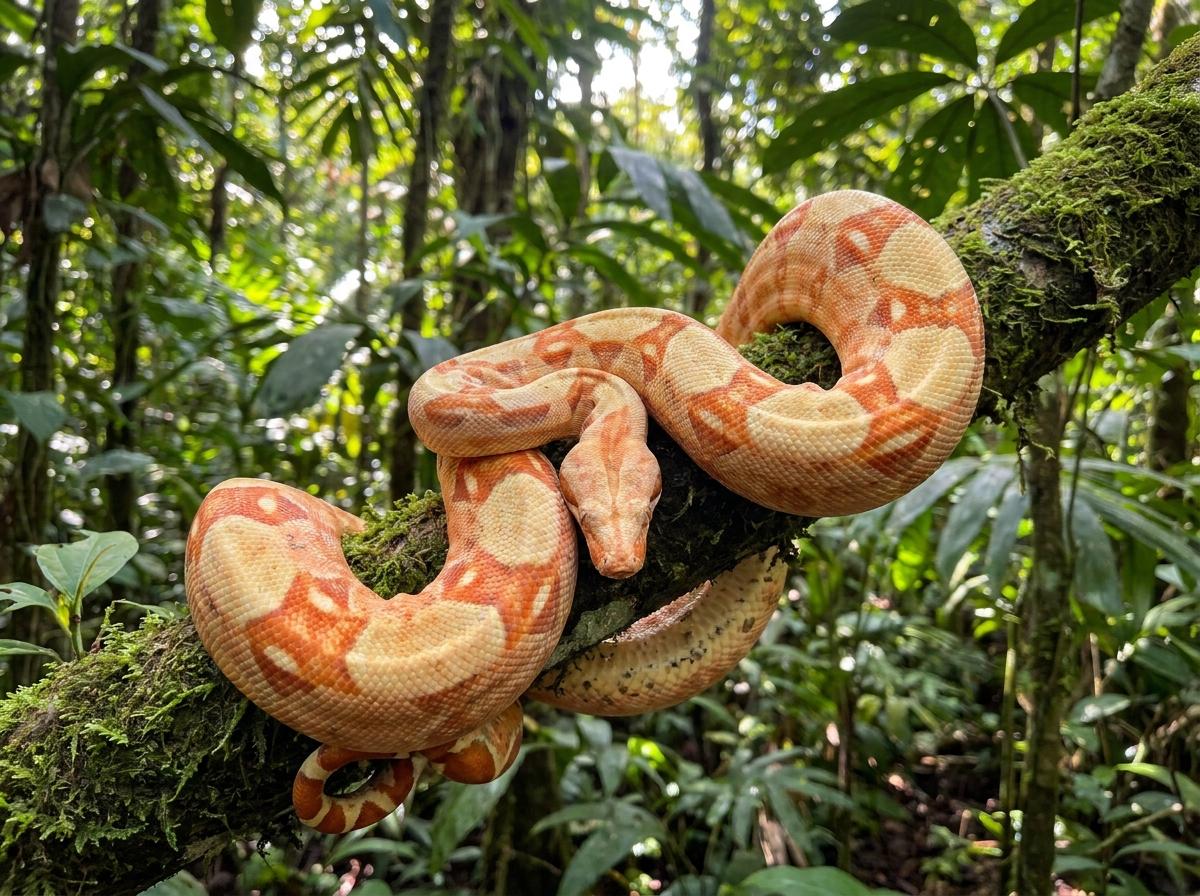
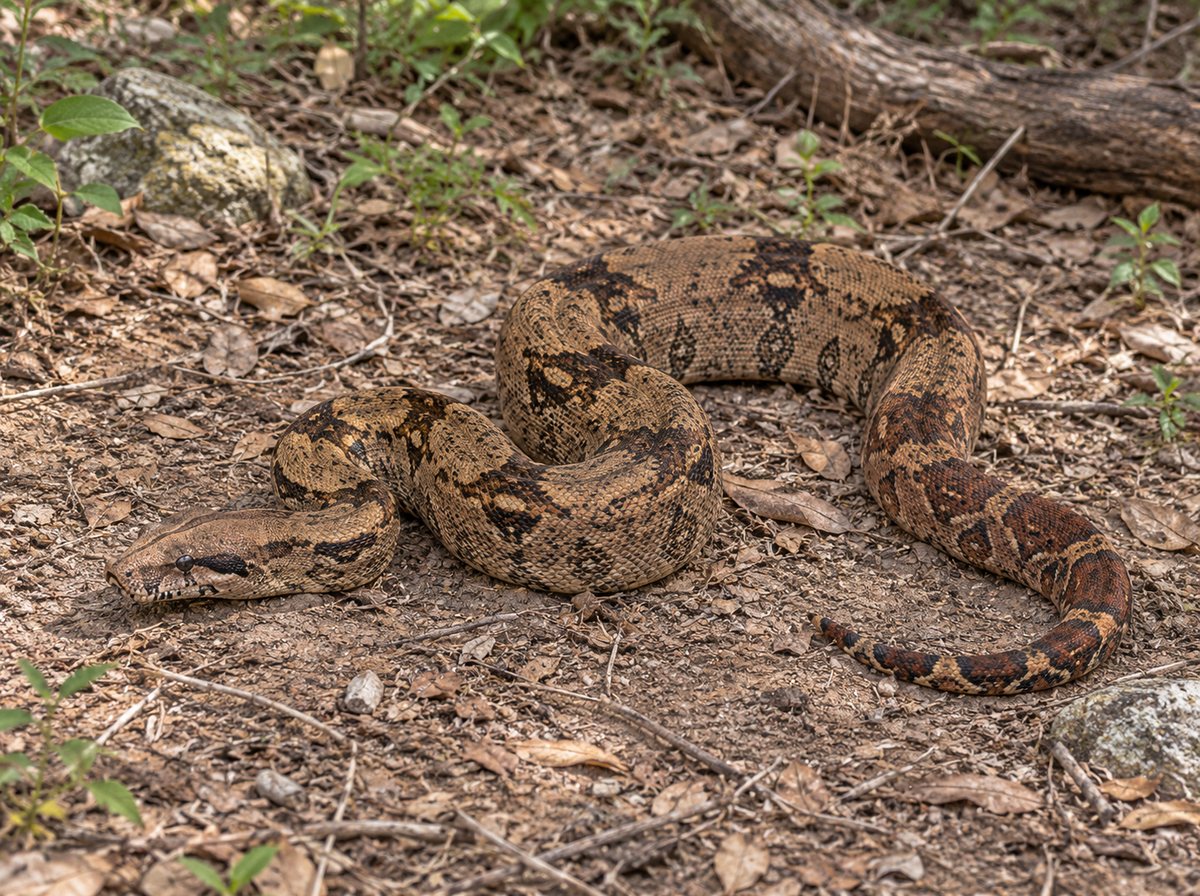
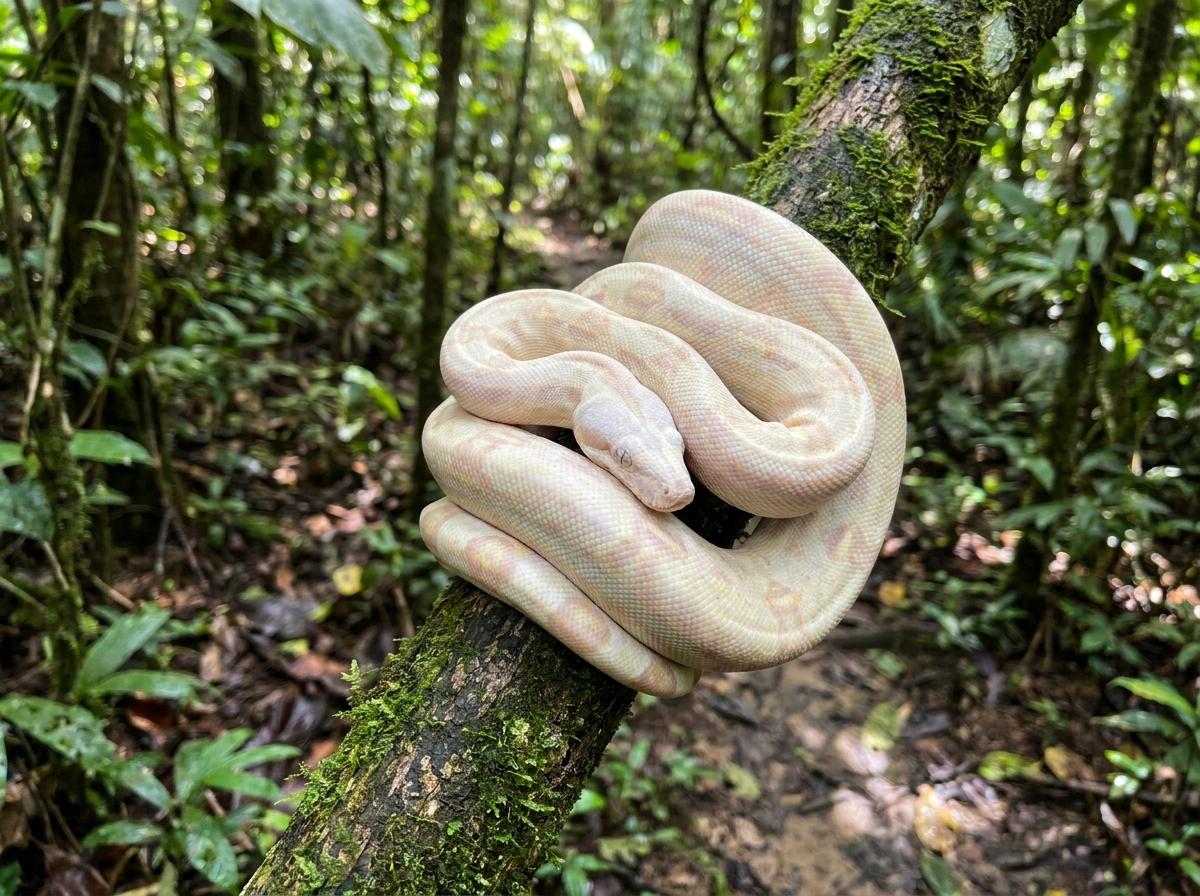
AI-generated head detail of a patterned boa. Neither the eye nor the markings can diagnose health or confirm copy number.
Plan for the adult boa
Motley does not define a small-bodied form. Ask about the parents and the individual’s growth history, but do not treat their measurements as a guaranteed adult limit. Consider whether the home can accommodate a substantial snake, its equipment, cleaning and safe routine handling for the long term.
The Merck Veterinary Manual’s reptile husbandry guidance emphasizes appropriate space, retreats, secure furnishings, controlled heating and recordkeeping. Heat sources should be protected and thermostat controlled, with a gradient that gives the animal choices. Adequate humidity must not come at the expense of ventilation.
Before arrival, test the actual enclosure and provide secure hides, fresh water and sturdy climbing opportunities appropriate to the snake. Plan feeding from the individual’s age, condition and established prey history. Merck advises against live rodent feeding because it risks injury to the snake as well as harm to the prey.
A short video of normal movement, dated feeding and weight records, shedding history and previous veterinary findings are more useful than a declaration that the morph has no issues. Weakness, abnormal movement, repeated regurgitation or other concerning changes warrant a reptile veterinarian’s assessment.

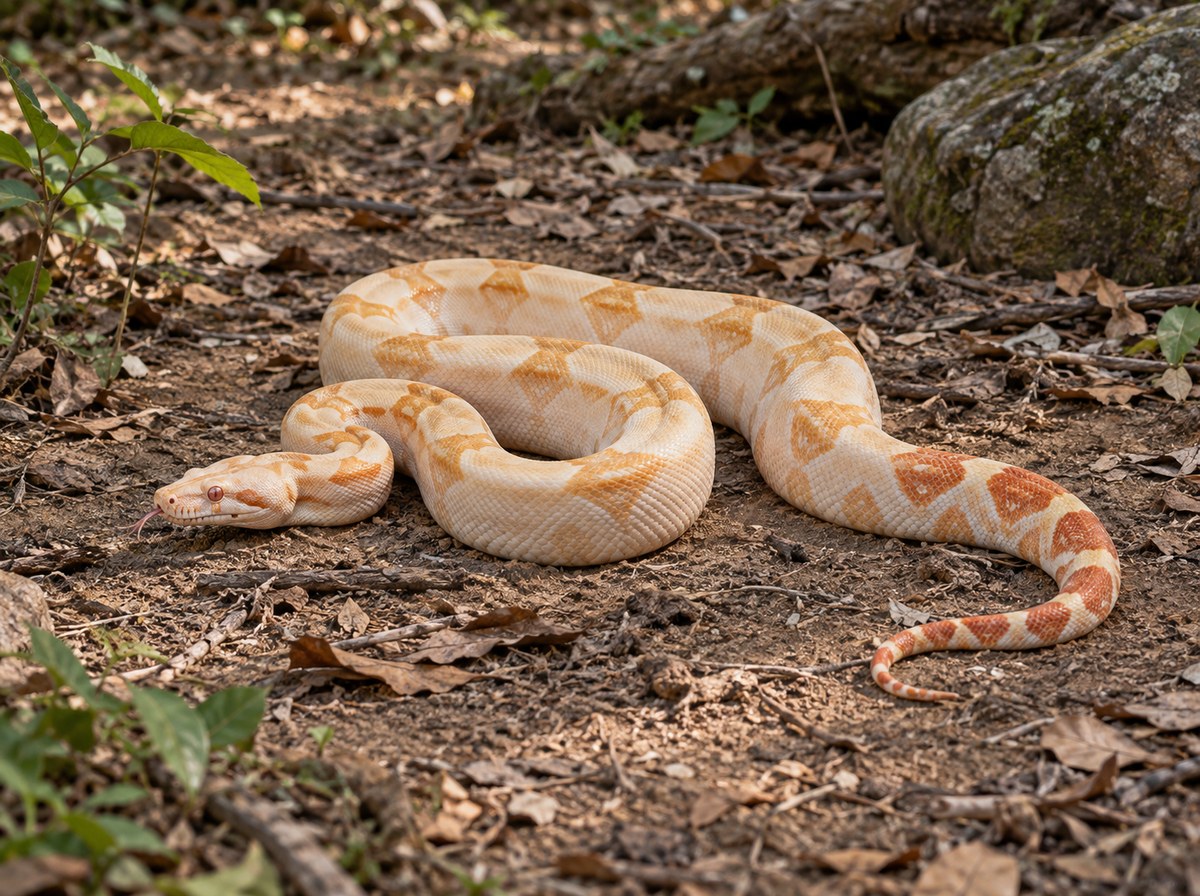
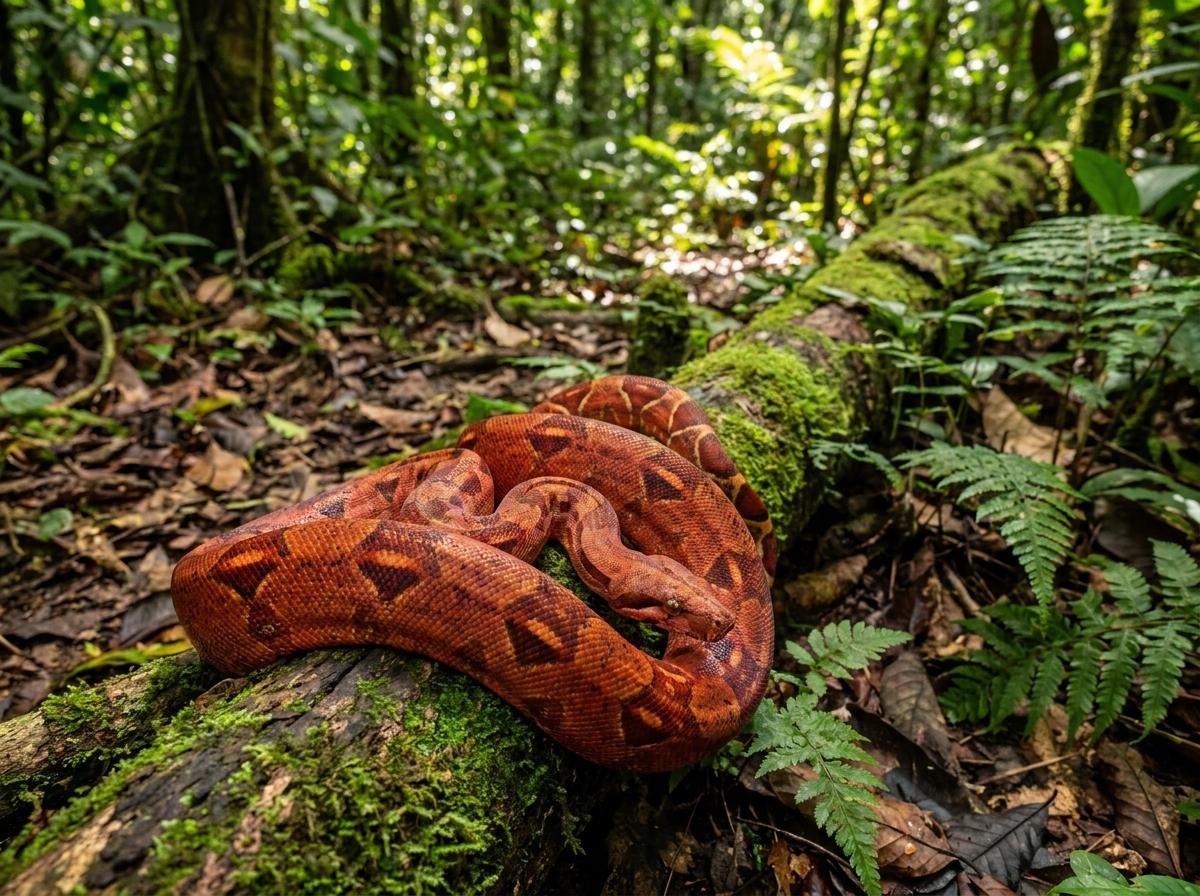
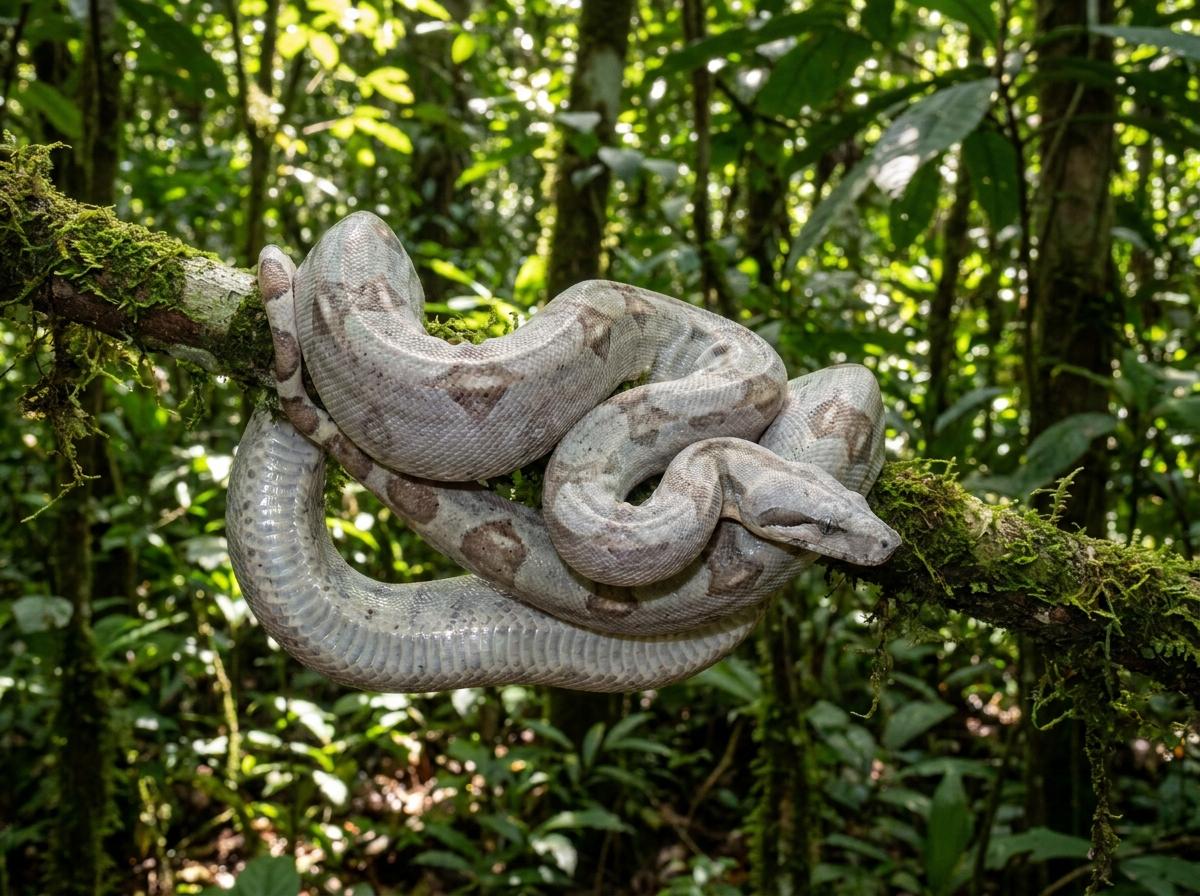
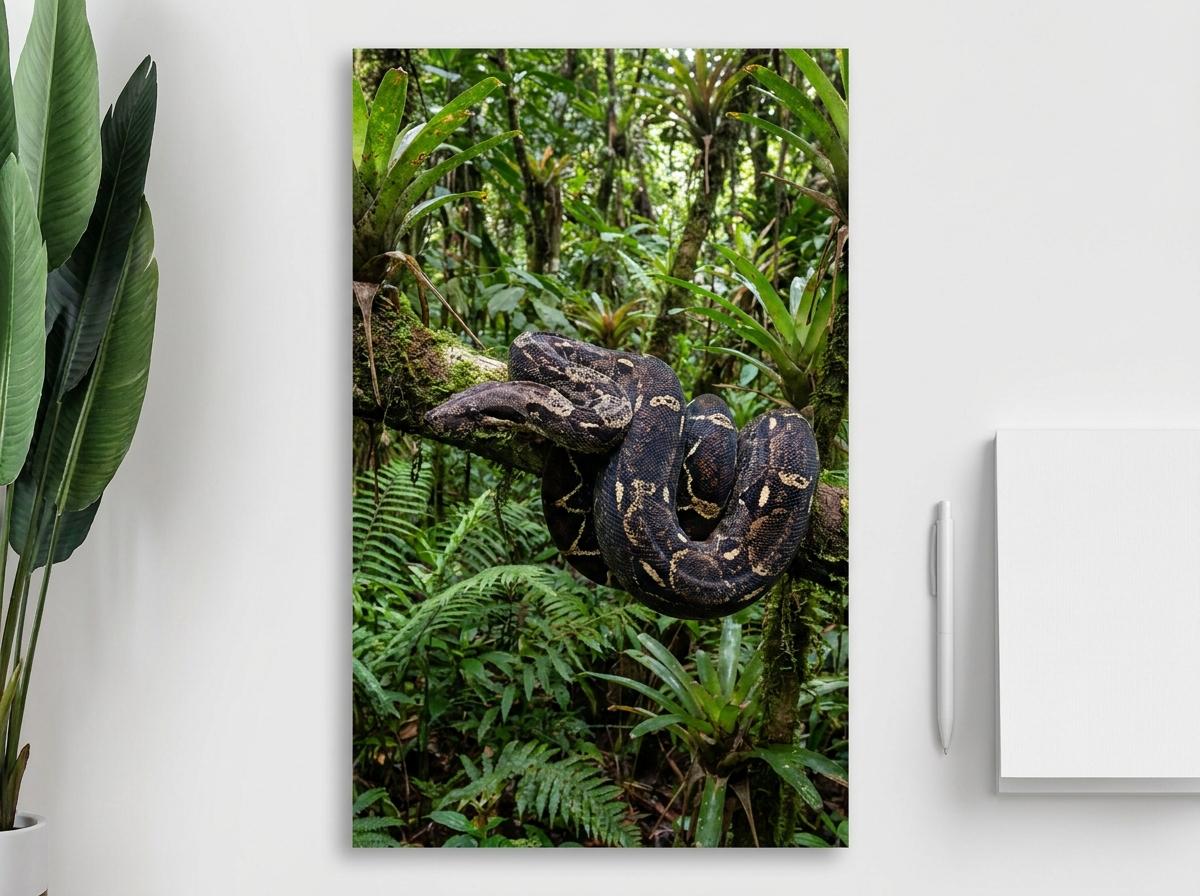
AI-generated portrait on a broad branch. This crop does not show a complete enclosure or establish the snake’s eventual size.
Price and the questions to settle first
Current prices depend on location, age, sex, line, additional traits and records. Obtain an individual quote with transport and any documentation costs stated separately. A low price does not compensate for an unclear identity or an unresolved welfare concern.
Ask the seller to distinguish single-copy Motley from Super Motley in writing, explain all other claimed traits, and provide the basis for parentage or locality claims. Review feeding and health history before treating an animal as a breeding prospect. A companion buyer can simply choose an individual whose identity and care needs are understood without planning offspring.
Common questions
Is Motley a type of red-tailed boa?
It is a pattern morph name. The common names used in sales can be broad, so ask for the actual species background and lineage rather than relying on “red-tailed.”
Is Super Motley just a stronger-looking Motley?
No. It is a distinct genetic form with serious reported welfare concerns. The difference should be explicit before any purchase or proposed pairing.
Does the morph determine adult size?
No reliable fixed adult size follows from the word Motley. Plan around the actual boa and its documented background.
Do this next on Creatures
Use the Motley hub and boa hub as research references, keeping lineage, morph claims and individual health history separate.