

Tiger
Morph
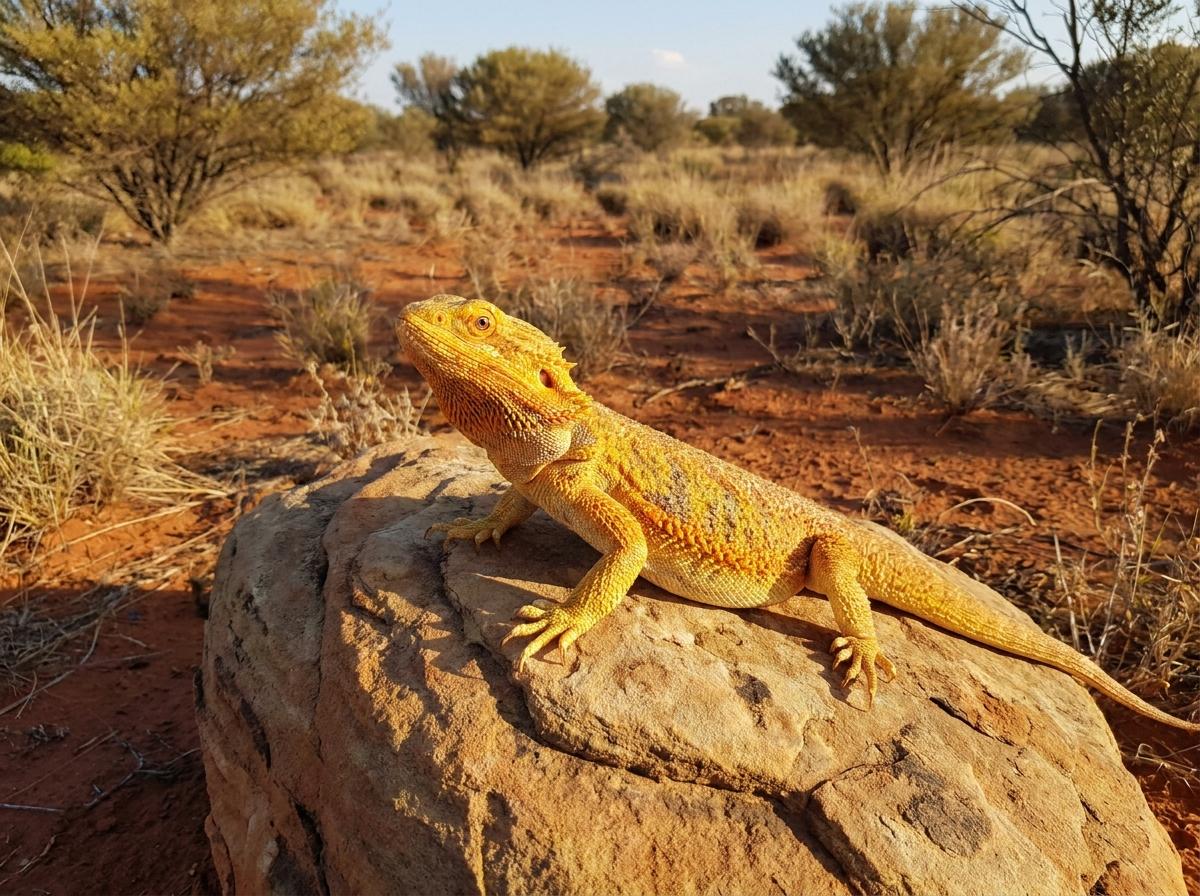
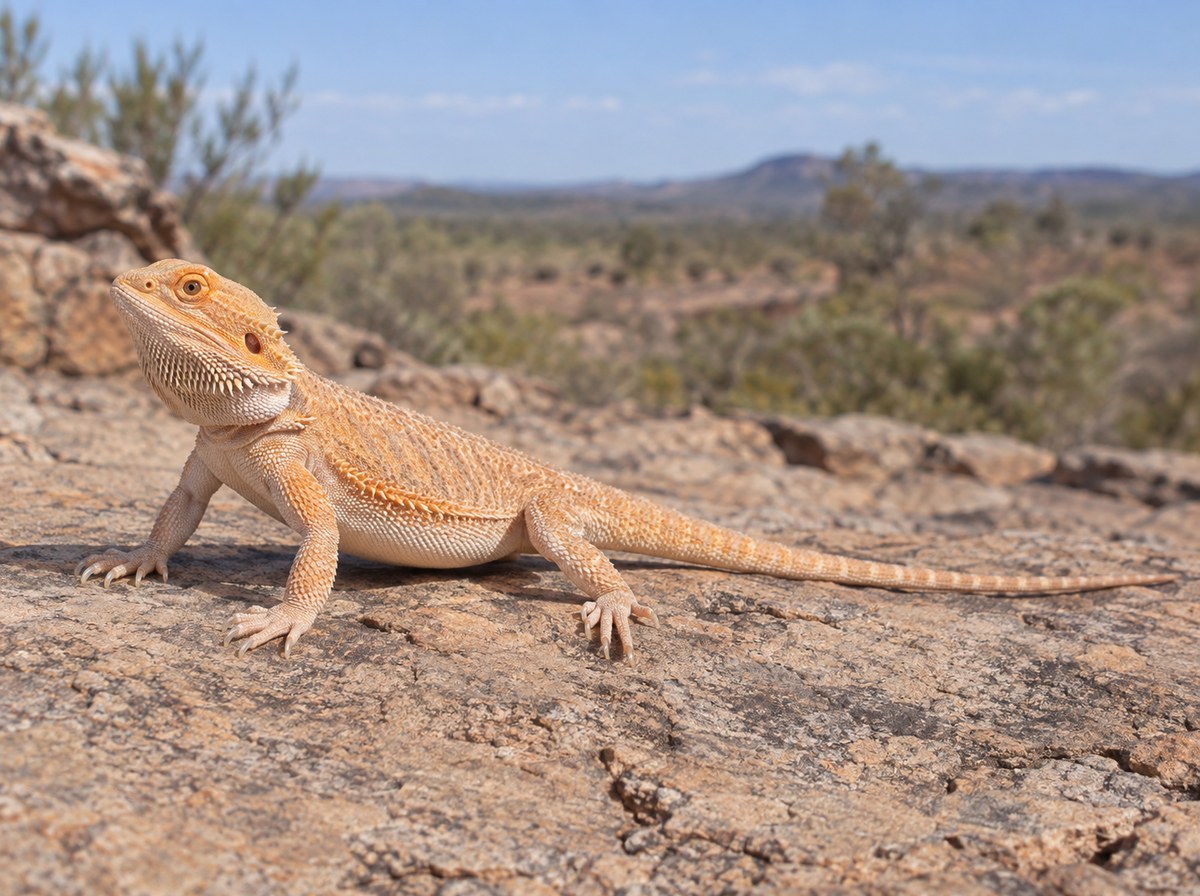
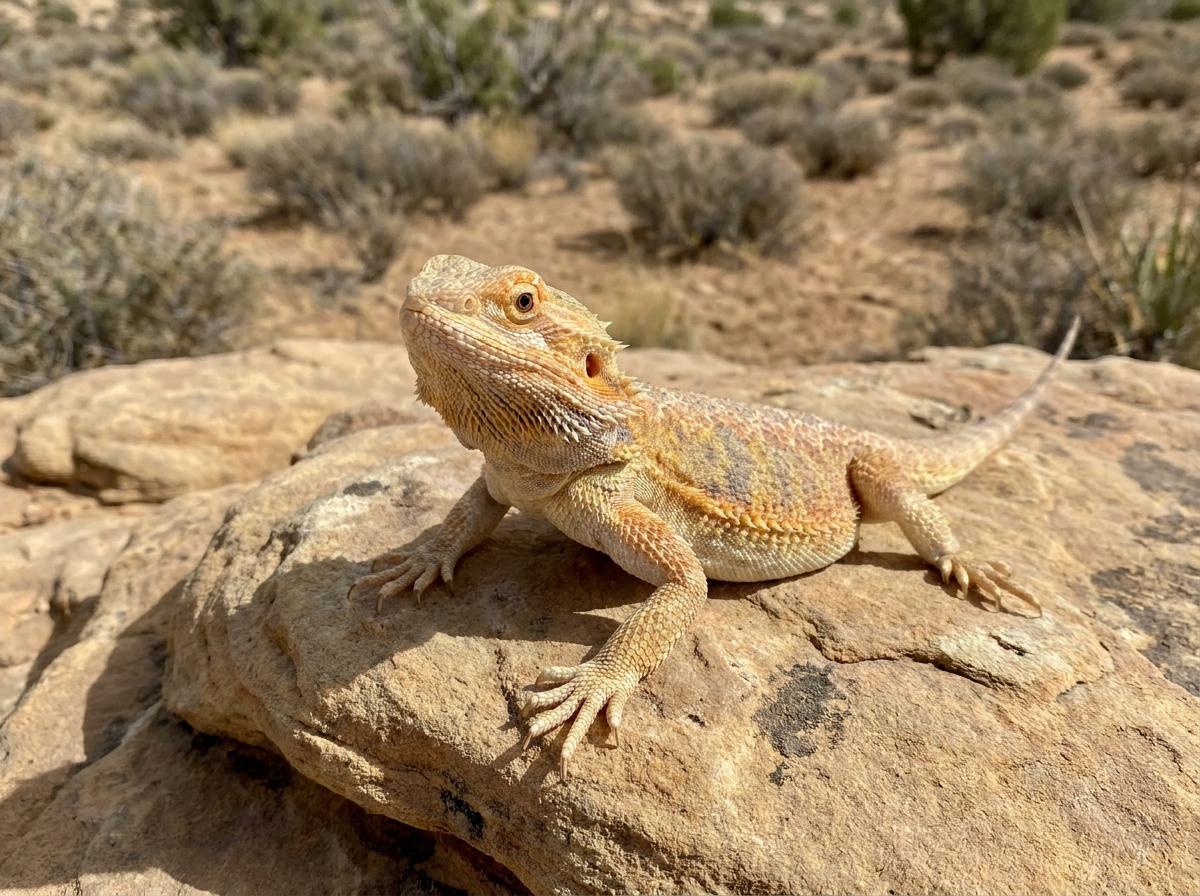
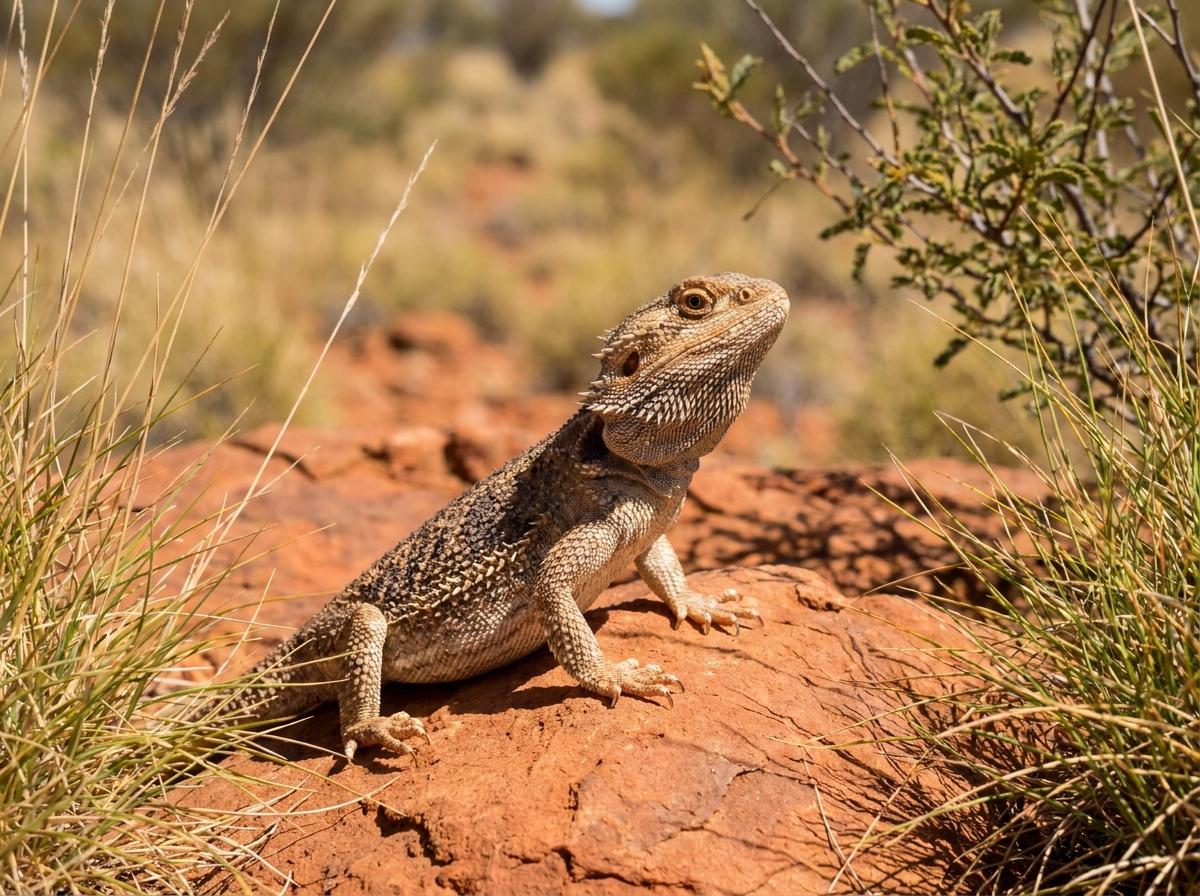
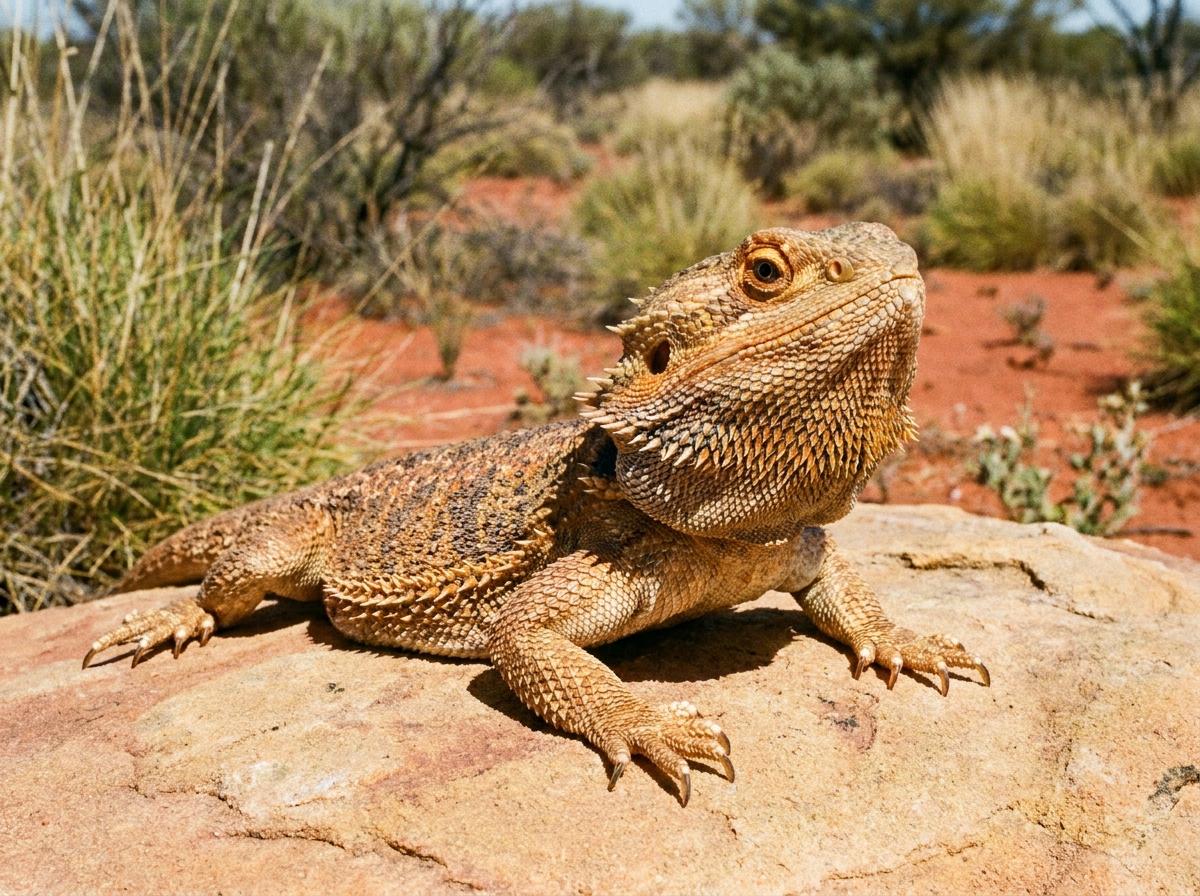
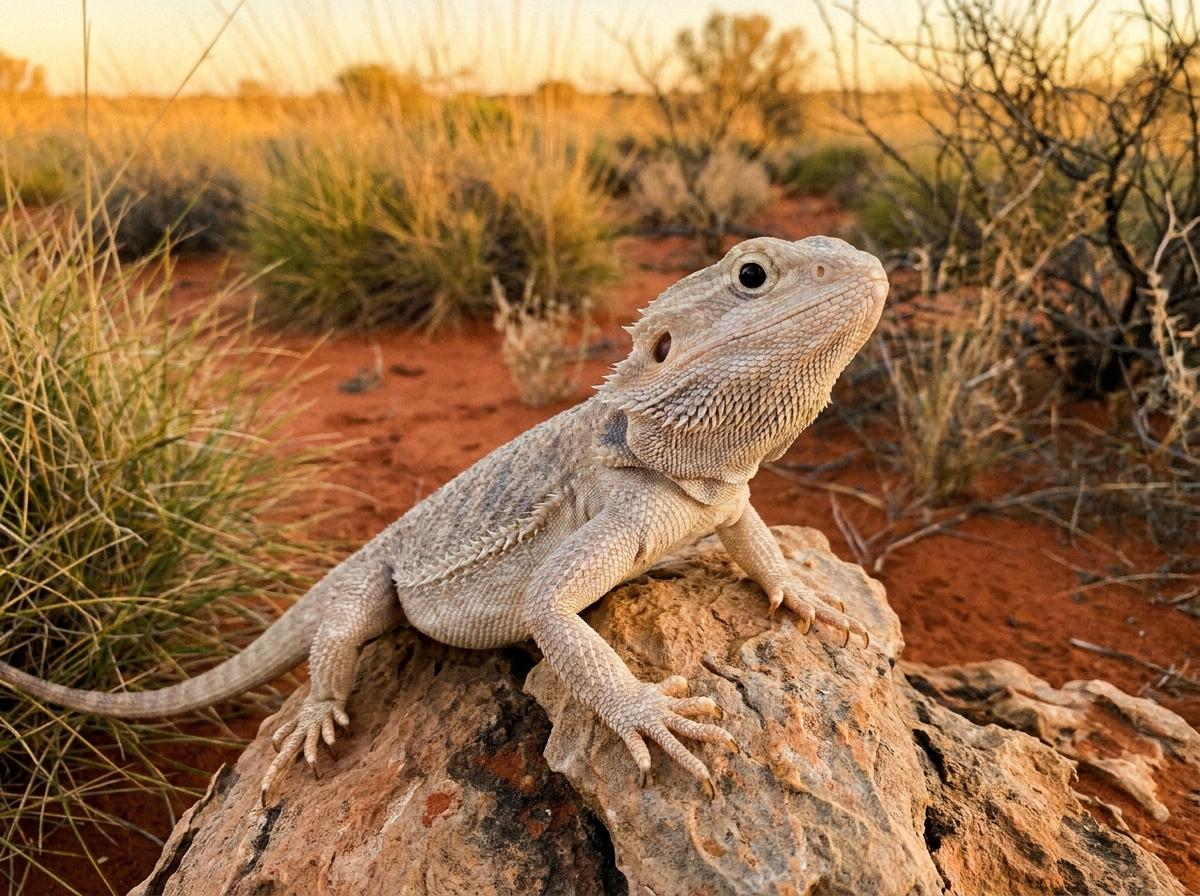
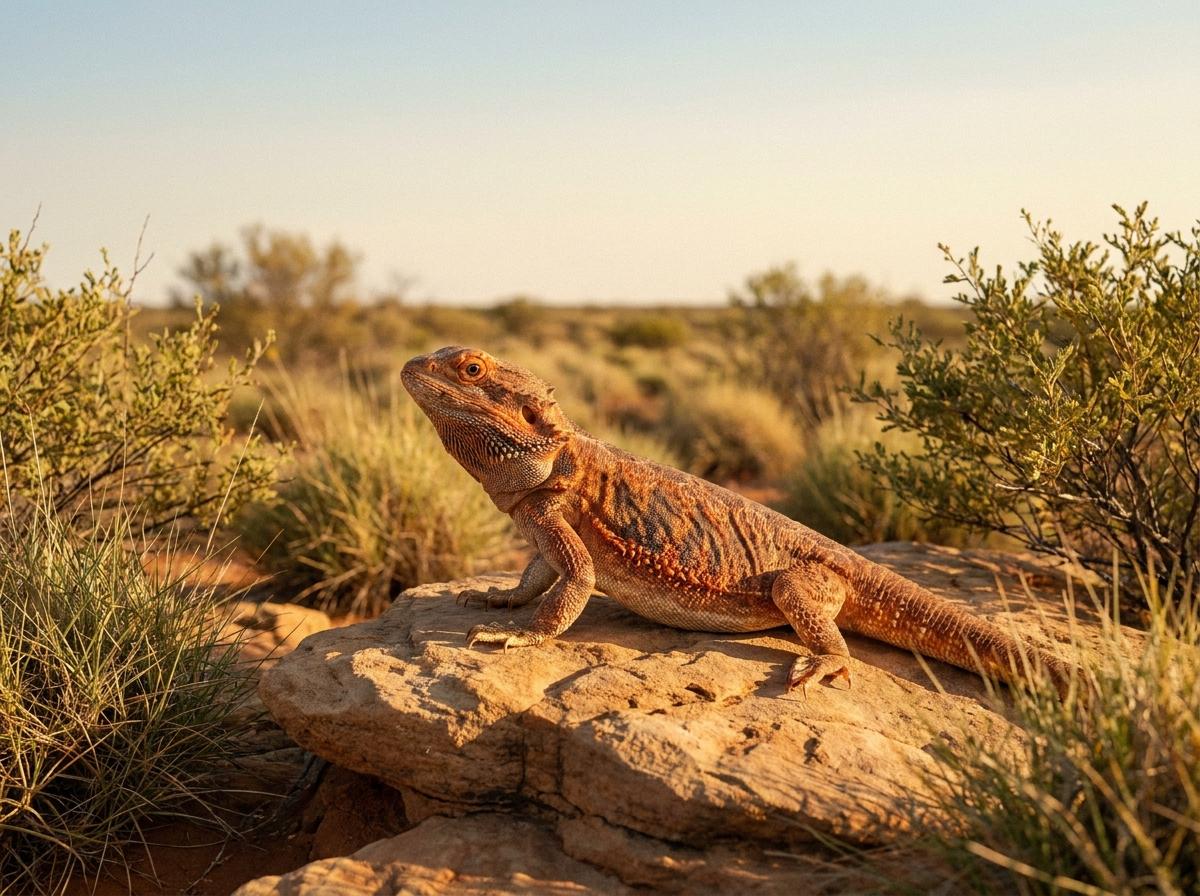
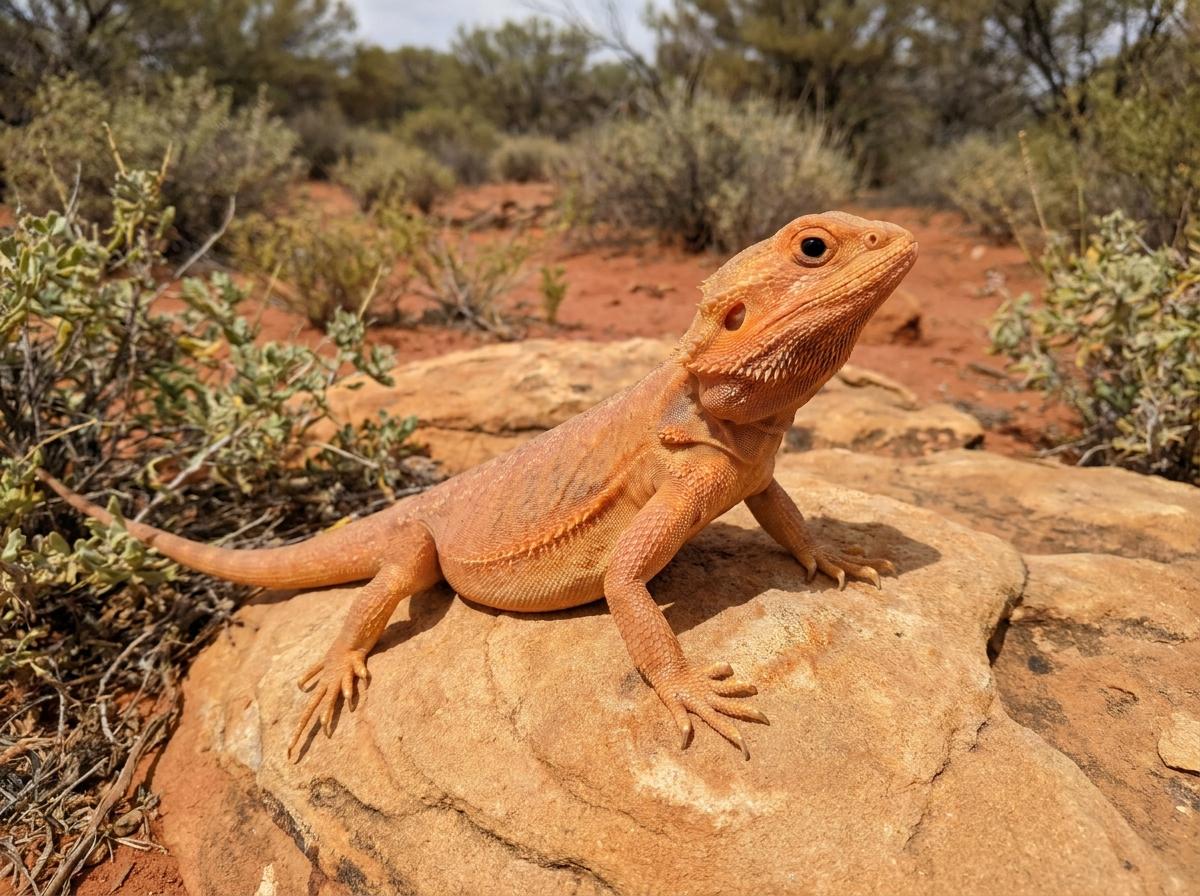
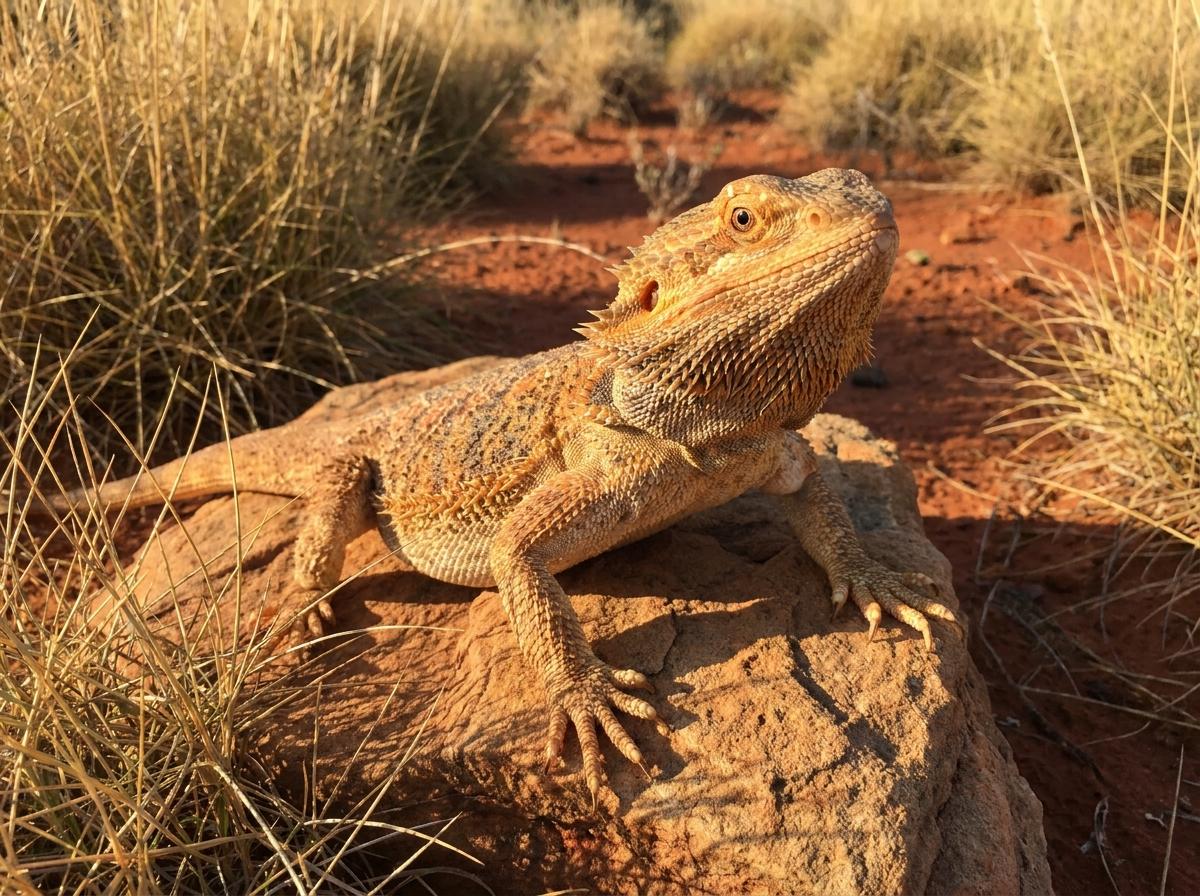
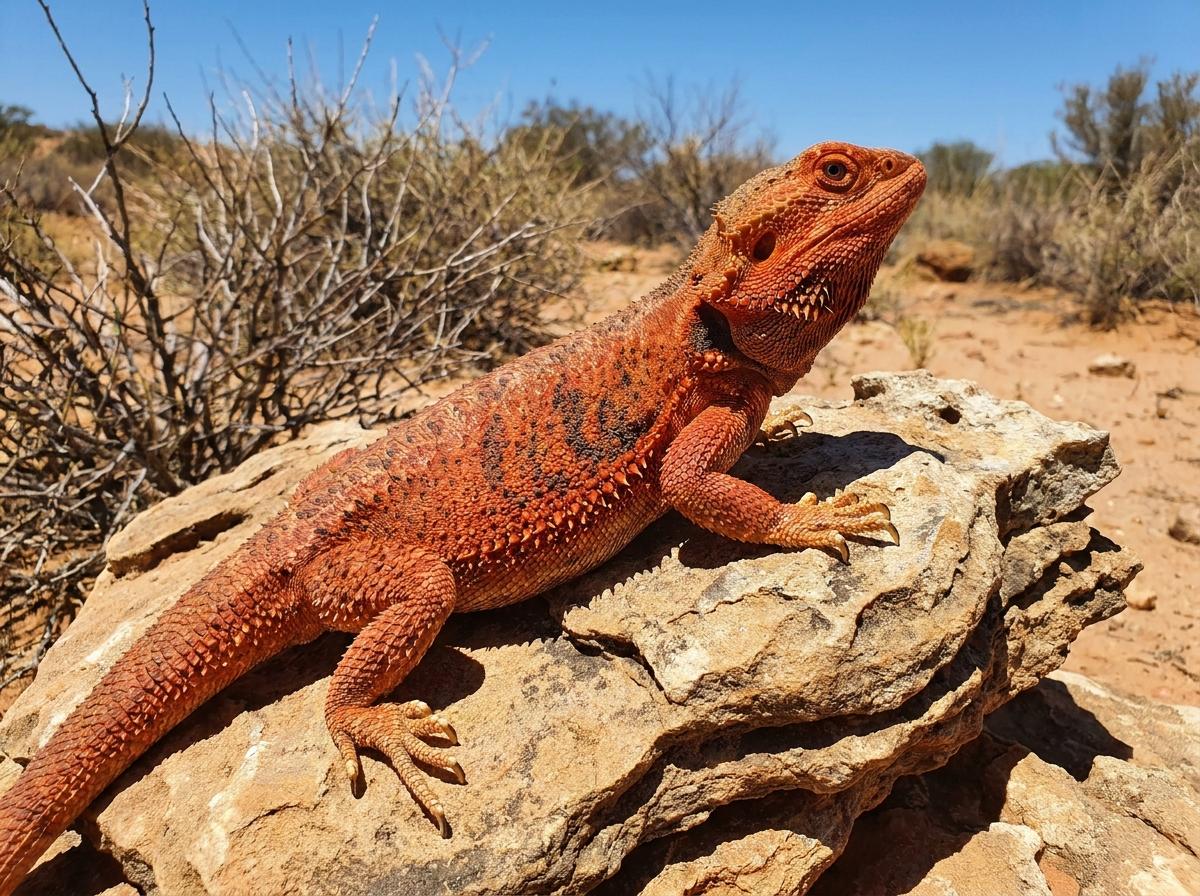
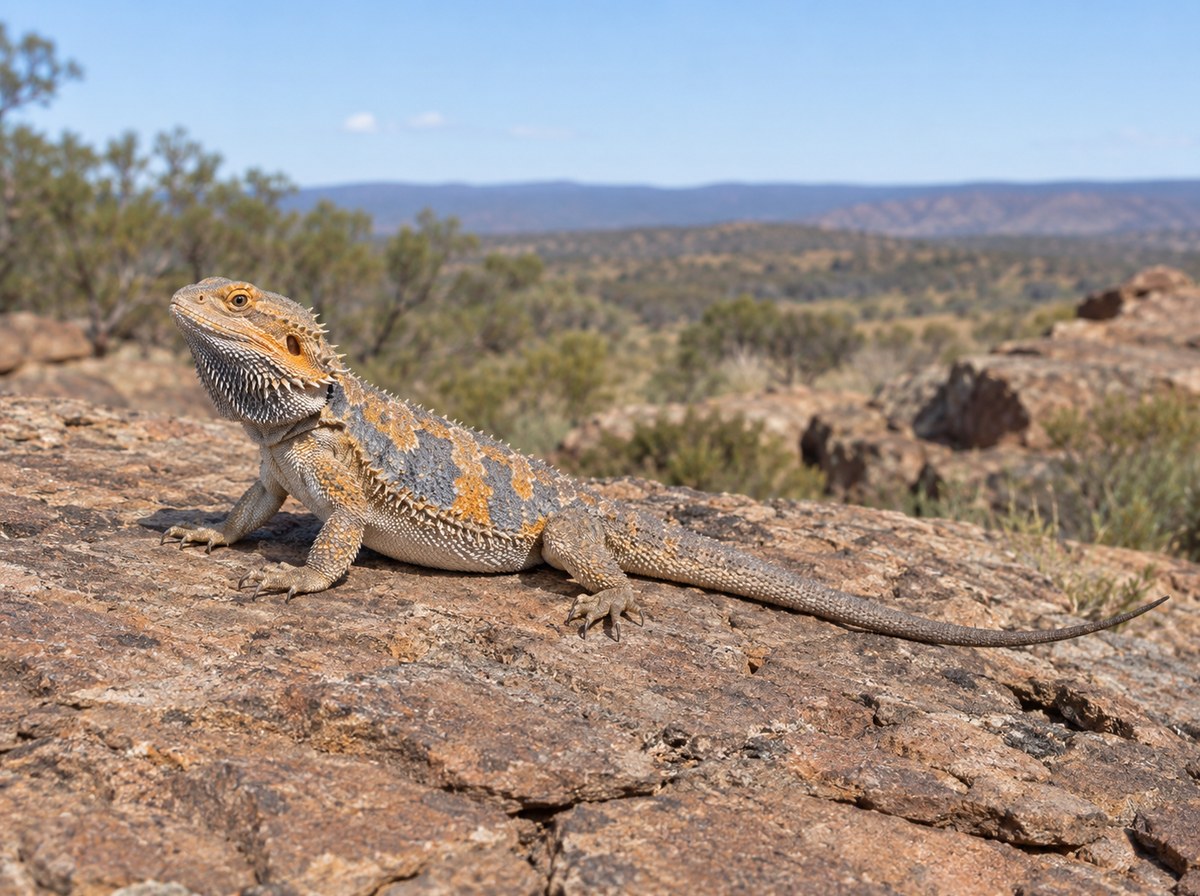
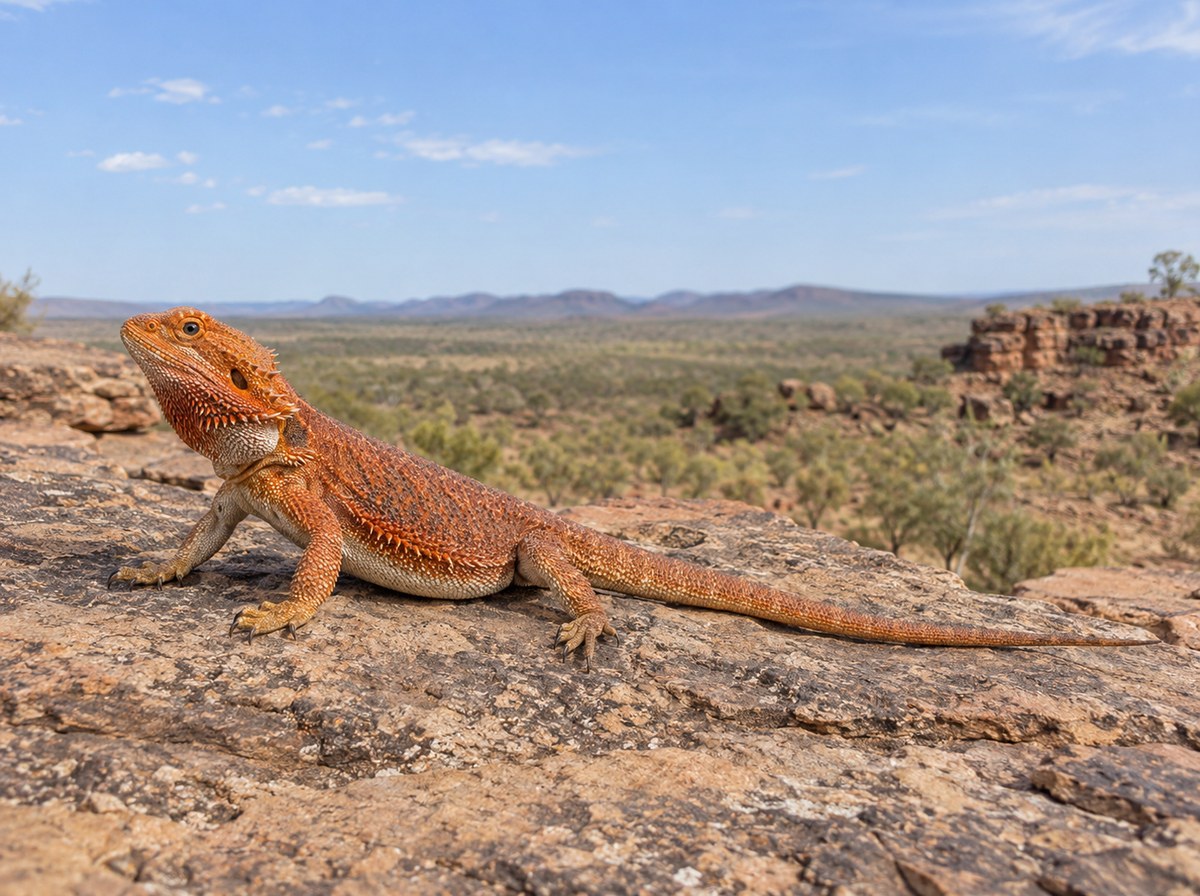
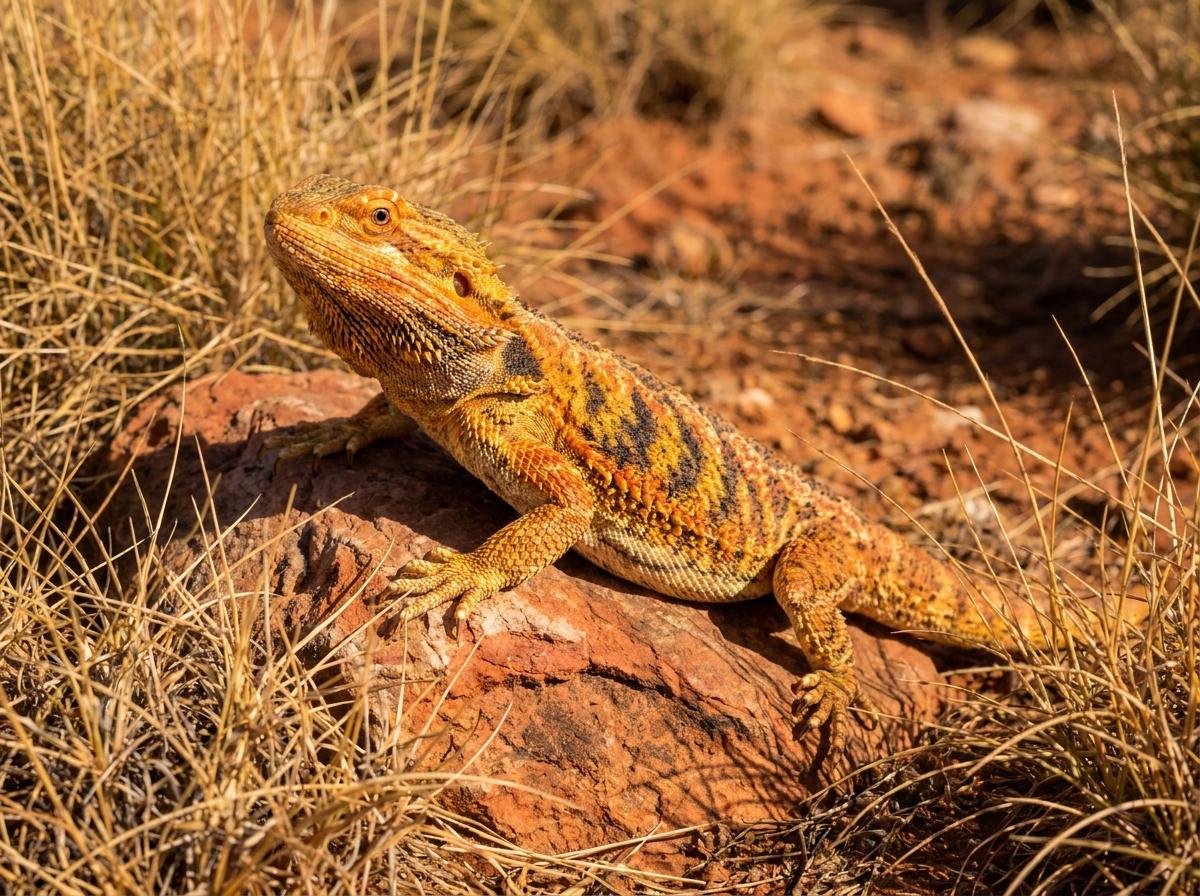
Tiger bearded dragons are captive Pogona vitticeps selected for bold striping or bar-like patterning, often across the body sides, limbs, tail, and back. The pattern is described by resemblance to tiger stripes, but it is a hobby color-and-pattern label rather than a separate species or formal breed. Tiger influence is common in citrus tiger, orange tiger, and other bright lines, where darker bands contrast against yellow, orange, or red background color. The markings can be strongest in juveniles and may soften, break up, or change contrast as the dragon matures.
Care does not differ from other bearded dragons with the same scale type. Provide dependable heat, UVB, dry ventilation, and a diet that supports steady growth without obesity. Pattern quality is easiest to judge from clear side and overhead photos taken outside the shed cycle; a dragon in dull pre-shed skin may look much less striped. Tiger projects can be combined with hypo, trans, leatherback, or Dunner traits, so breeding outcomes are not always predictable from appearance alone. Buyers interested in producing striped offspring should ask about parents and siblings, while pet keepers can focus mainly on temperament and health.